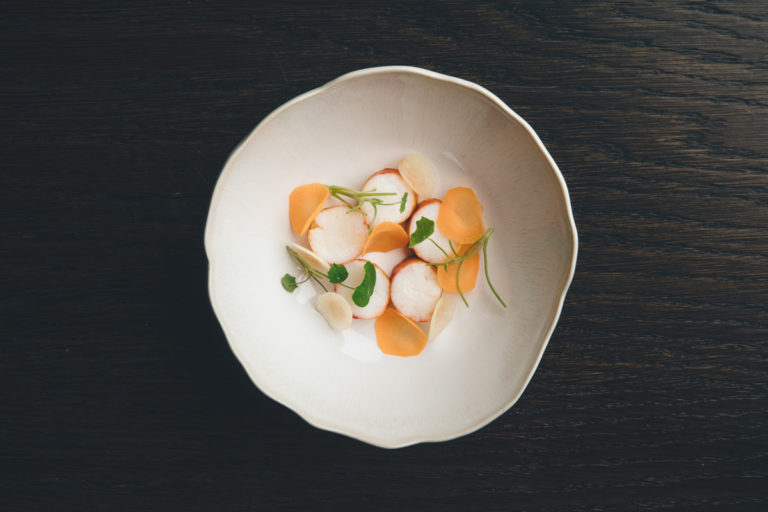
Export of dry fish from the north is one of the great community builders in Norway, while long, bright summer nights provide perfect grazing conditions for both reindeer, cattle and sheep – which in turn leads to first-class meat and dairy products. Add the arrival of king crab in the fjords and wild salmon in some of the world’s leading salmon rivers, and the selection of raw materials is world-class.
“Deep fjords and open sea, green plains, roaring salmon rivers and jagged mountains. It’s a world of contrasts.”


From fjord to barrel and from soil to table
Times have changed, and while we live to eat well rather than eat to live, it is still the traditional diet that is at the heart of Arctic flavours. Yes, you can travel to northern Norway and eat international food, but the experience will be far better if you are aware of the local ingredients. They are served in fancy restaurants, from cabins on the plains and out in nature. It is perhaps nature that calls out loudest in Northern Norway, but for everyone who travels around the wonderfully beautiful and varied part of the country, it is the taste of short-traveled ingredients, proud culinary traditions and restaurants with a jovial atmosphere that create the best memories.
Join us on a road trip from fjord to barrel and from farm to table. Arctic cuisine is the very source of the good life in Northern Norway, and as a tourist, the culinary treats have never been more accessible. Few places have better conditions for good food experiences than in the north, where trend meets tradition on the plate and in taste.
Are you in a hurry? Jump directly to one of the culinary regions:
The coast of Helgeland
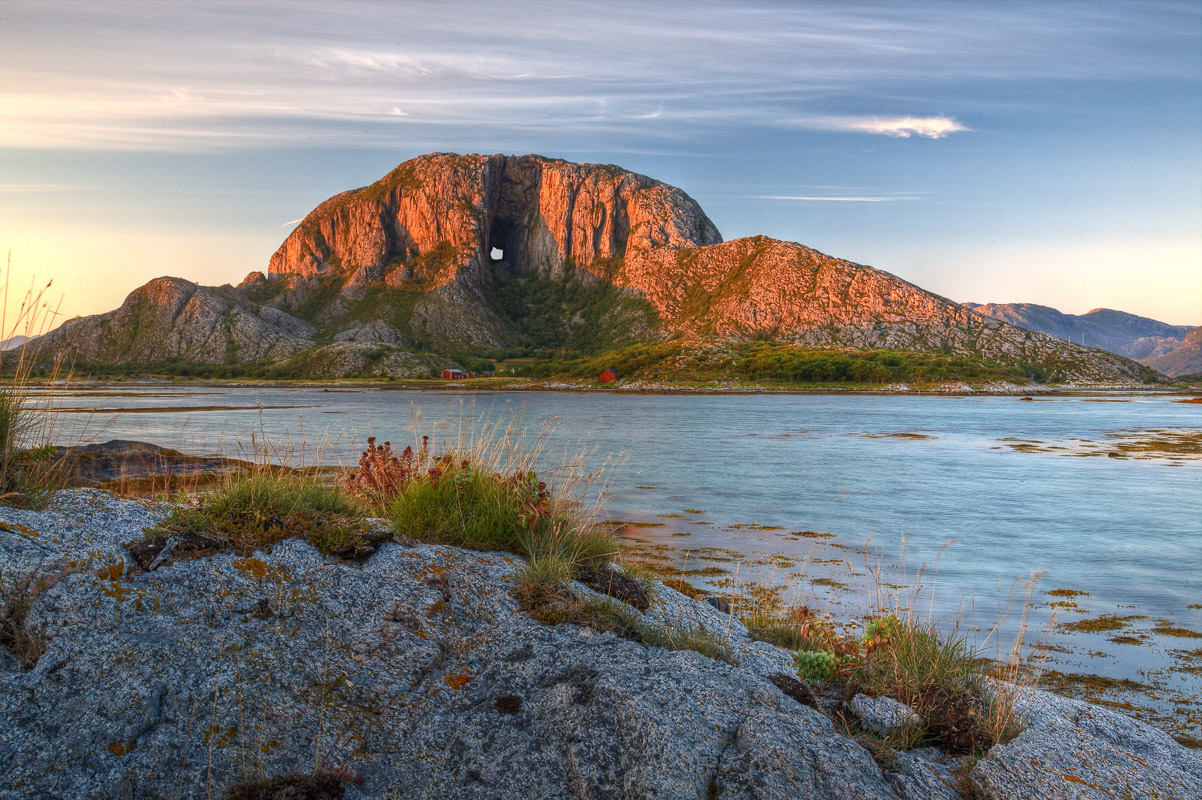
We start in the south. The Nordlandsporten is a monument charged with symbolism as it represents the northern lights in an arch over the E6. No other county in Norway has such an entrance gate. Here there is no doubt; we are traveling into a region that is different. Because here, each arm of the fjord and mountain range has created enormous contrasts, both in nature and culture. But for most tourists it is the coast that matters. We turn off the main road and aim for the national tourist route along the Helgeland coast.
A culinary journey in Northern Norway goes hand in hand with powerful natural experiences. With so much fresh air and magnificent landscapes, it’s no wonder you’re hungry for more. Svang in Brønnøysund invites you to exquisite ingredients from local farmers and fishermen, served with something good in the glass from wine producers in more southern latitudes. The inspiration is also taken from the wider world. Wild sheep from Vega become a Turkish kebab, local vegetables the core of a Korean bibimbap and fish curry with the day’s catch.
The journey starts in the very south of Nordland
A culinary journey that goes hand in hand with the powerful nature experience:
Restaurant Svang, Brønnøysund
Restaurant Svang reopened in spring 2024 and are welcoming travelers again.
Fru Haugans, Mosjøen
Fru Haugans has attracted travelers since 1794, and is thus Northern Norway’s oldest hotel.
Restaurant Ellen, Mosjøen
Ellen Haugan started serving food and drink to her first guests in 1885 in what later became Restaurant Ellen in Mosjøen.
3 Kalver, Dønna
At 3 Kalver you will be served tasty dishes prepared according to local traditions. The raw materials come from local producers in Dønna and Helgeland.
Til Elise fra Marius, Utskarpen
Restaurant “Til Elise Fra Marius is located in idyllic surroundings on the old Utskarpen farm.
Restaurant Gammelbutikken, Støtt
Gammebutikken follows the entire value chain, from harvesting the ingredients in the island’s natural environment and fishing in the Vestfjord, to serving in the restaurant.
Helgeland has good conditions for fishing from both land and boat. Here there are good opportunities to catch huge halibut and large cod out at sea, while Vefsna has a reputation as Nordland’s best salmon river.
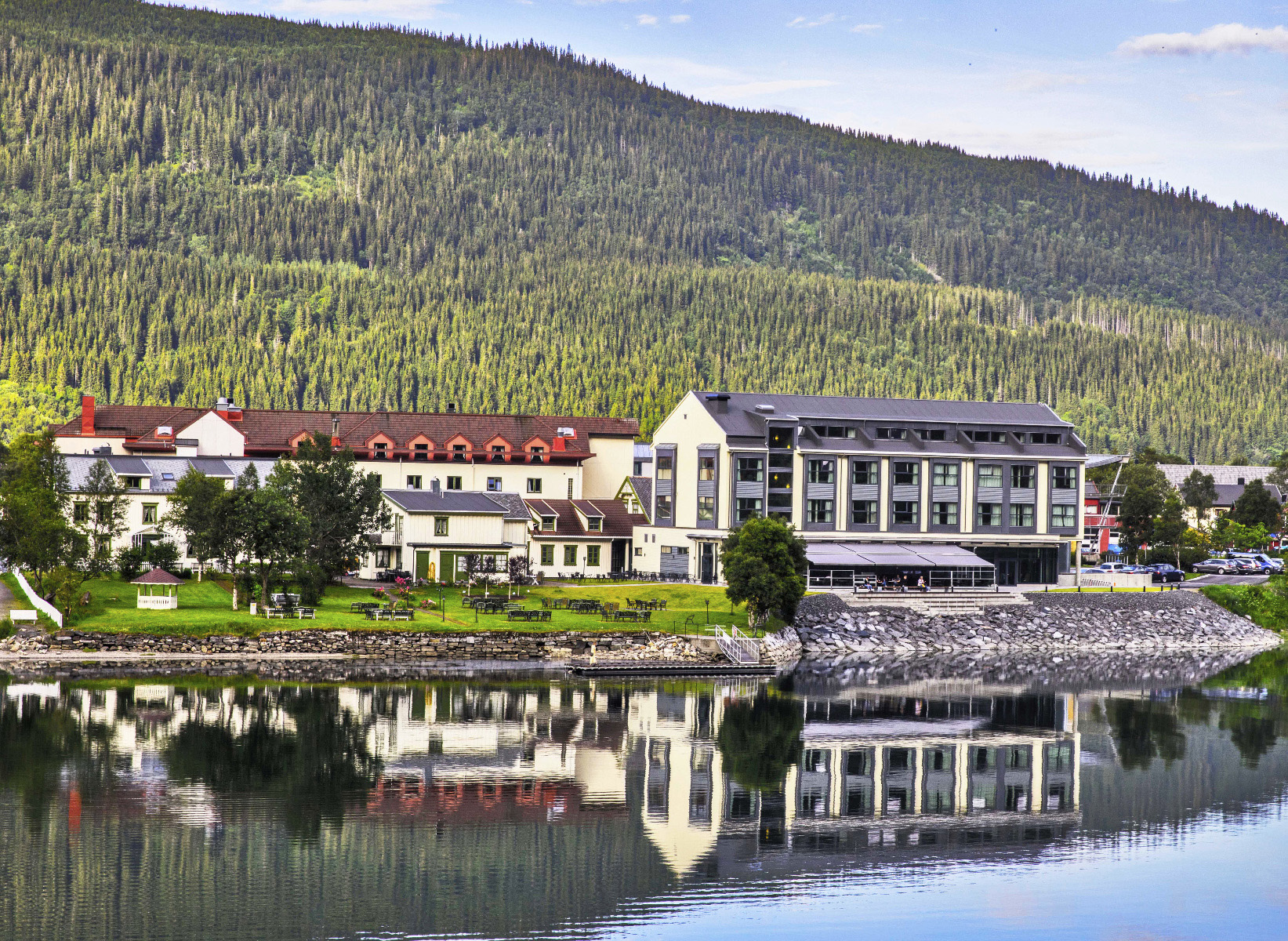
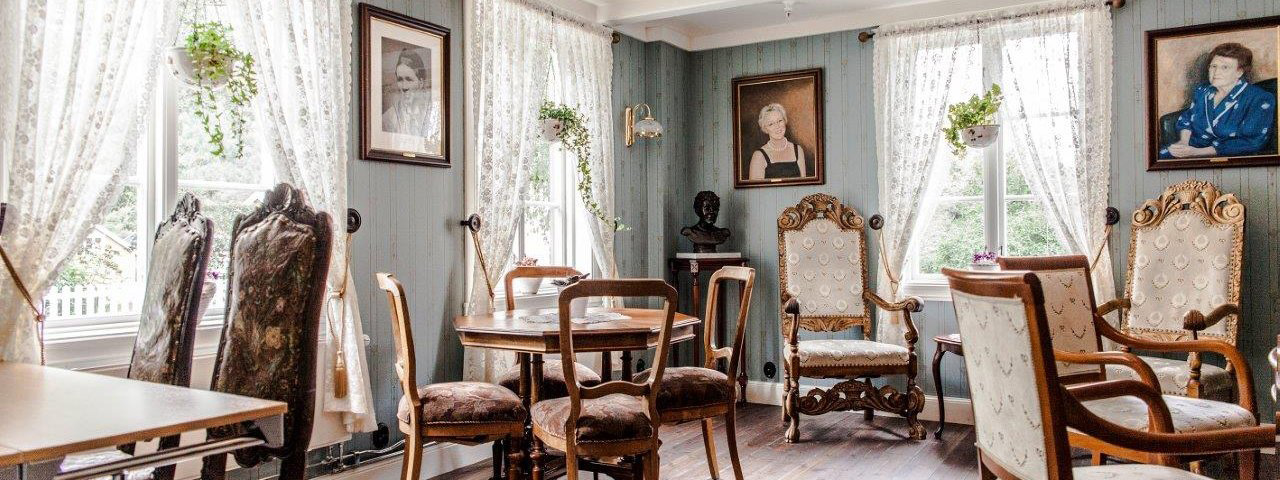
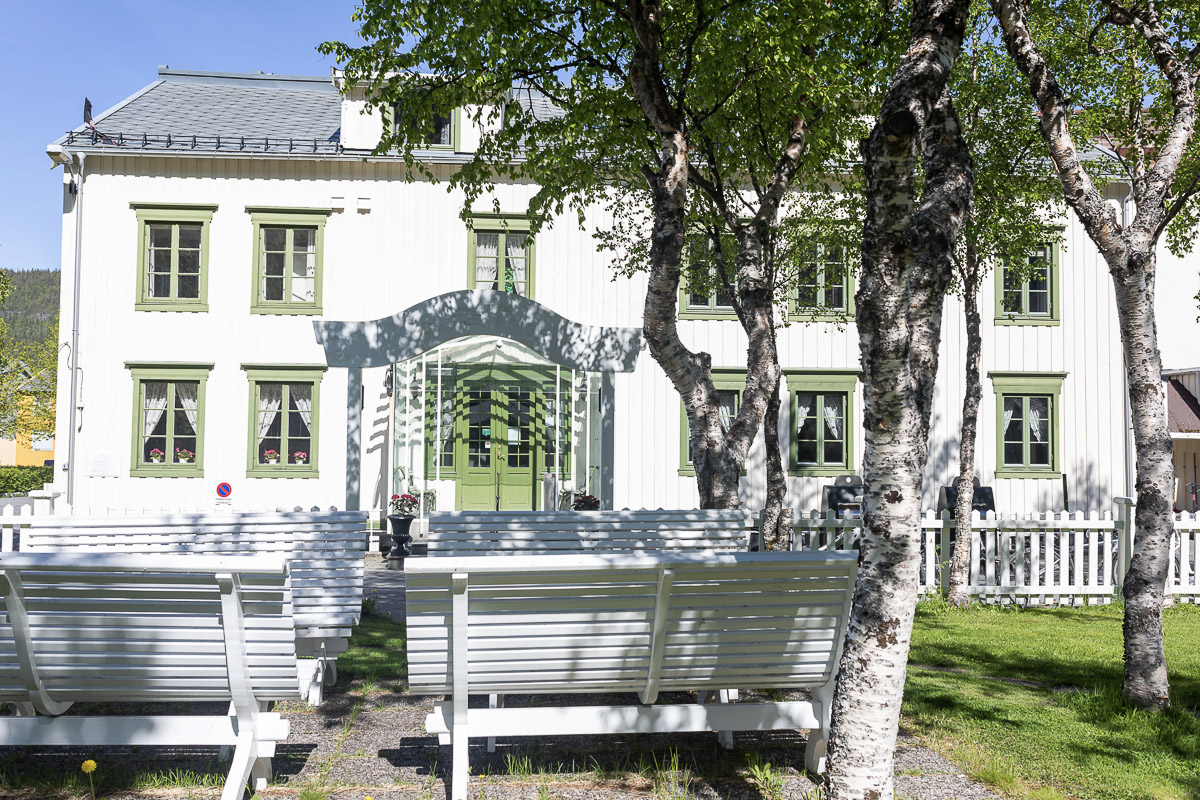
Back along the E6 and in Mosjøen in the heart of the Vefsnfjord, Mrs Haugans has provided board and lodging since 1794. Mrs Haugans is an old and venerable lady, who has been run by enterprising women for five generations. Since then, the hotel has grown. Restaurant Ellen is located in a building from the 1850s, with clapboard walls and chandeliers in the ceiling. The old heritage is maintained, but it is by no means a boring place. The menu is based on local ingredients, and inspired by recipes and stories from around the world. It was here that Ellen Haugan served her first guests and laid the foundations for a meeting place between different cultures, which also reflects the tastes. Here you get the best ingredients from the north, inspired by world cuisine.
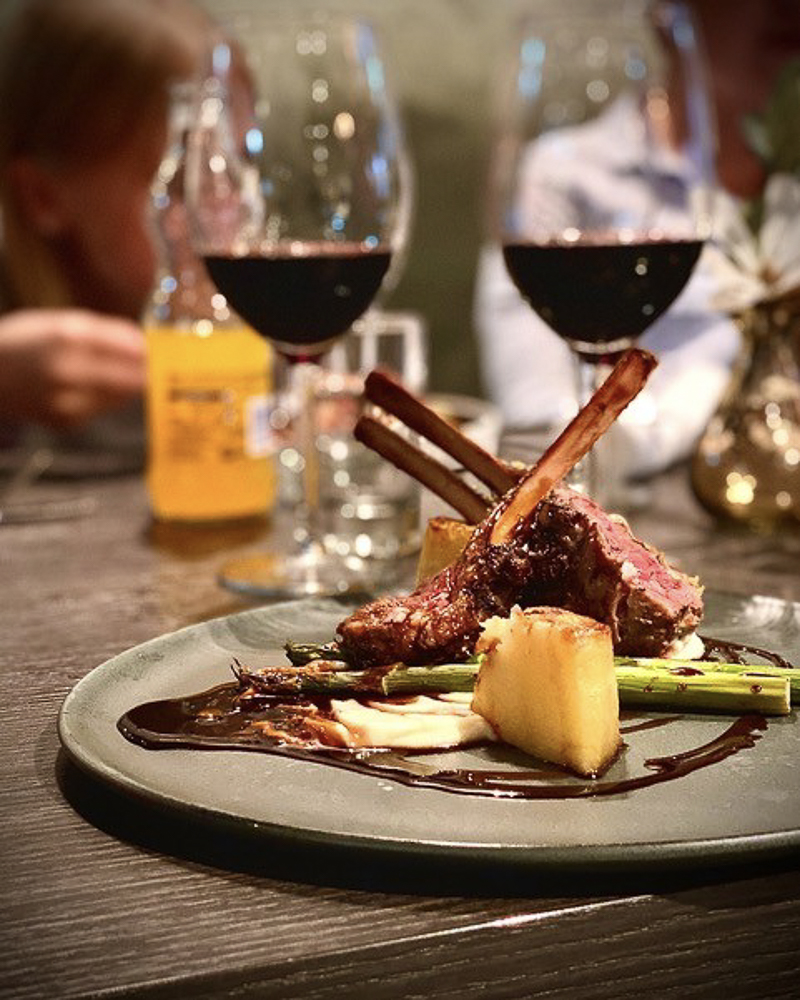
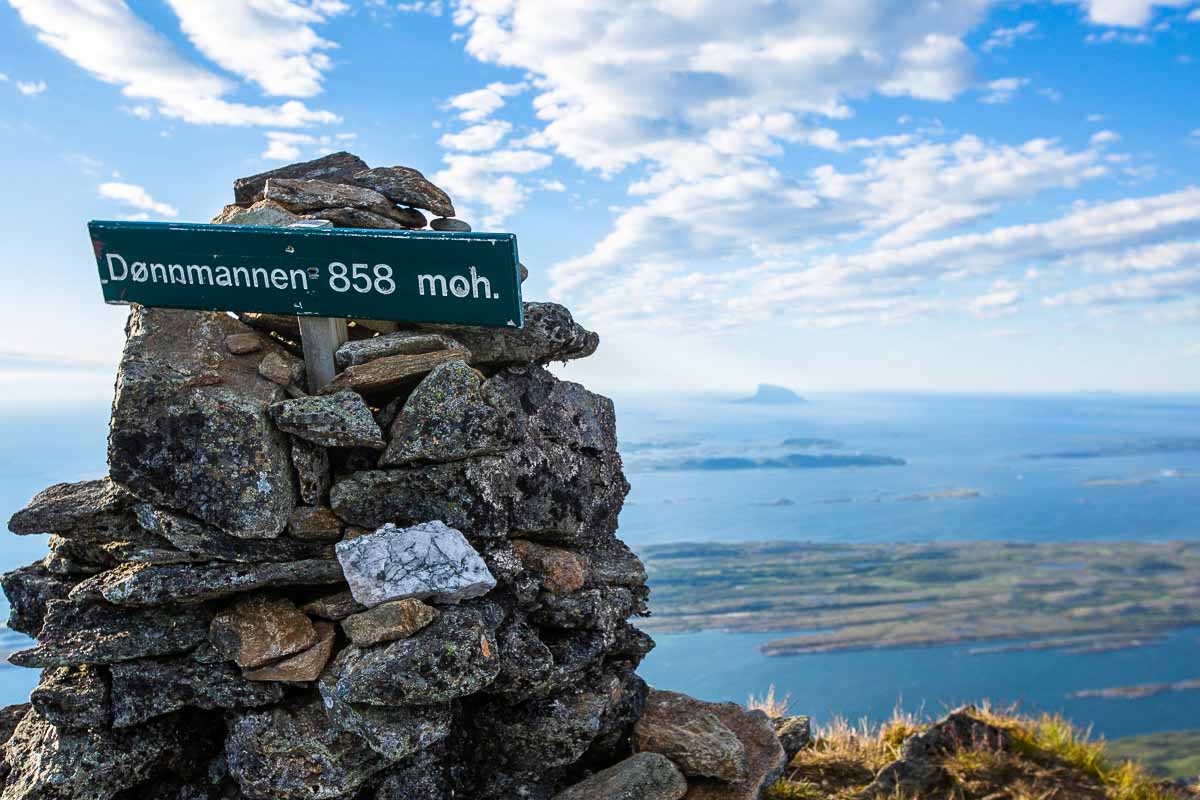
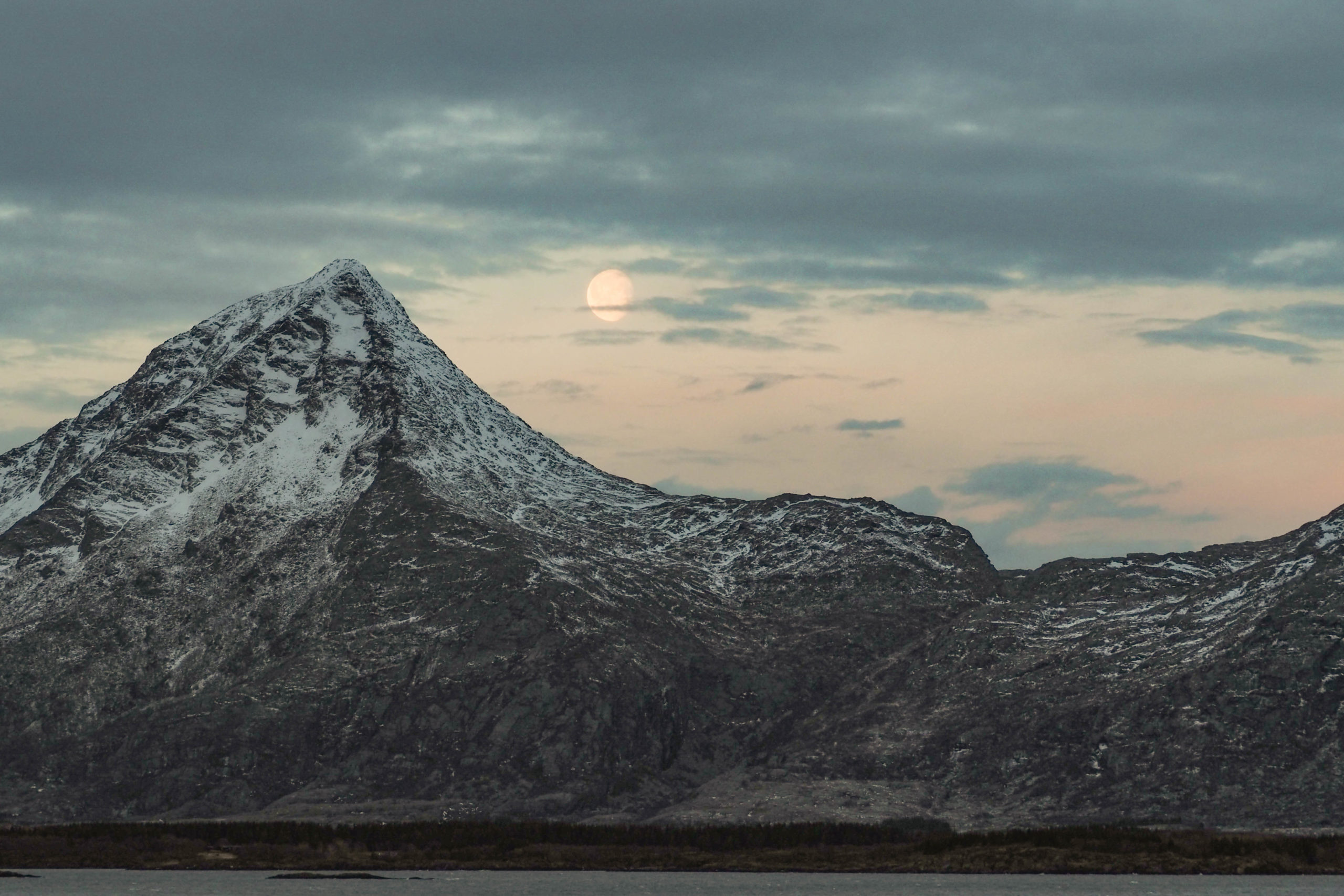
The Helgeland coast is known for its many and varied islands, and Dønna with the towering Dønnamannen (855 m above sea level) is one of the most characteristic. The top of the island is worth a trip, but so is 3 Kalver – a farm restaurant made for a better meal after a sweaty summit climb. Some of the region’s real classics are served here, such as the house bacalao, fish soup and the under-represented bokna fish. Boknafisk is cod that has been hung to dry for just a few weeks in fresh winter air, before it is boiled and served with potatoes, pea stew, mustard and bacon. They also have wild sheep on the menu, but contrary to what the name suggests, veal is never served. You will probably be served that story by the hosts at Dønna.
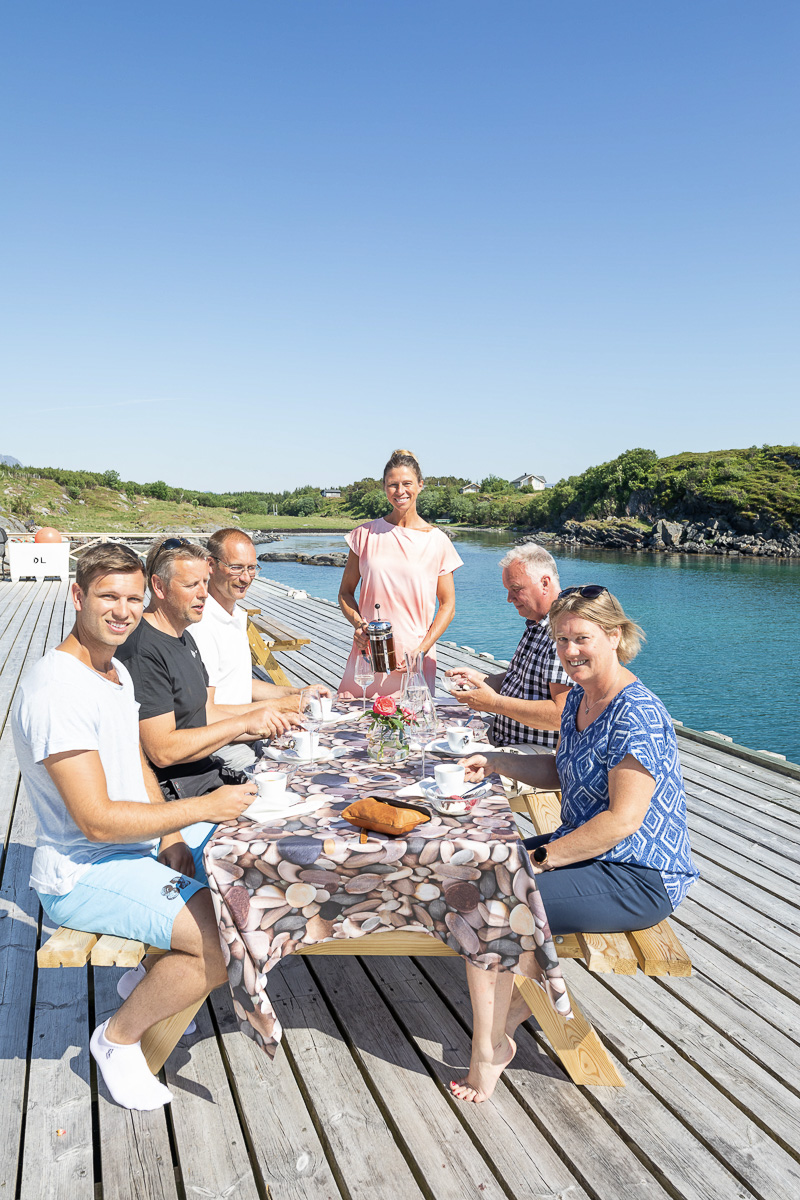
A wave of culinary pride has washed over the whole of Norway in recent years. While chefs in the elongated country did not always pretend to rely on locally rooted ingredients or knowledge, these are cultivated to a far greater extent today. It’s been a long time since the big cities were the only place you could eat at fancy restaurants, and the new trend is unique eateries off the beaten track.
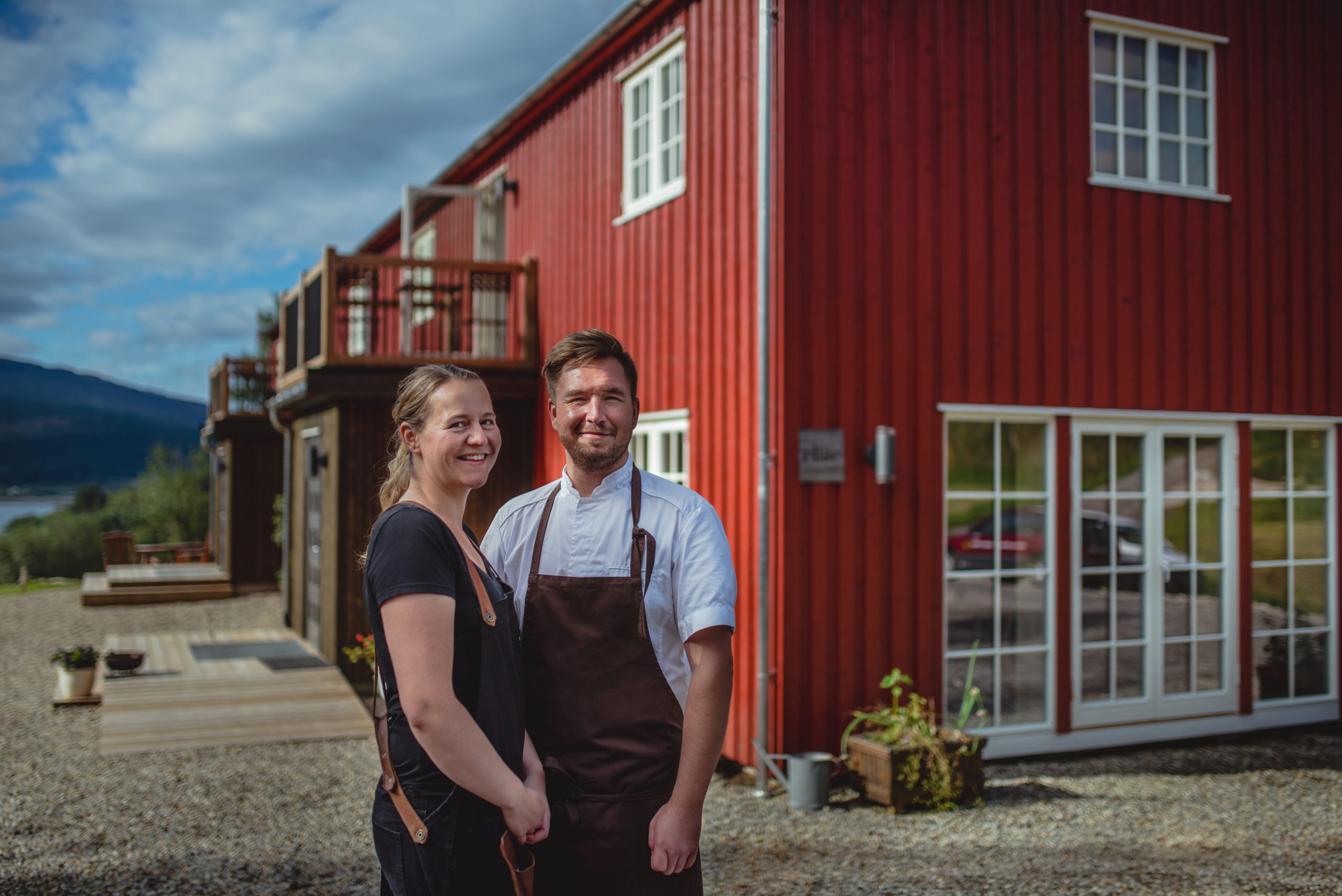
Til Elise from Marius i Utskarpen west of Mo i Rana is a good example of this. On visits to Elise, food from Marius is served in homely surroundings. After a few years in Oslo, the chef couple Marius Martinsen and Elise Bratteng Rønning chose to move back to Elise’s home village in Utskarpen west of Mo i Rana. Here they have created their own food destination and one of the country’s best restaurants that offers various menus with short-traveled produce under the concept from pasture to table. This means an 8-course menu with seasonal produce, and on special occasions the chef’s 16-course tasting menu, with even more creative and innovative dining experiences. The duo has a background from the Kokkelandslaget, and Marius has worked at Haga in Oslo, which then had a Michelin star. Now it is Utskarpen gård on the fjord side of Fylkesvei 12 roughly in the middle of Nordland that is the arena for culinary gourmet bisques.

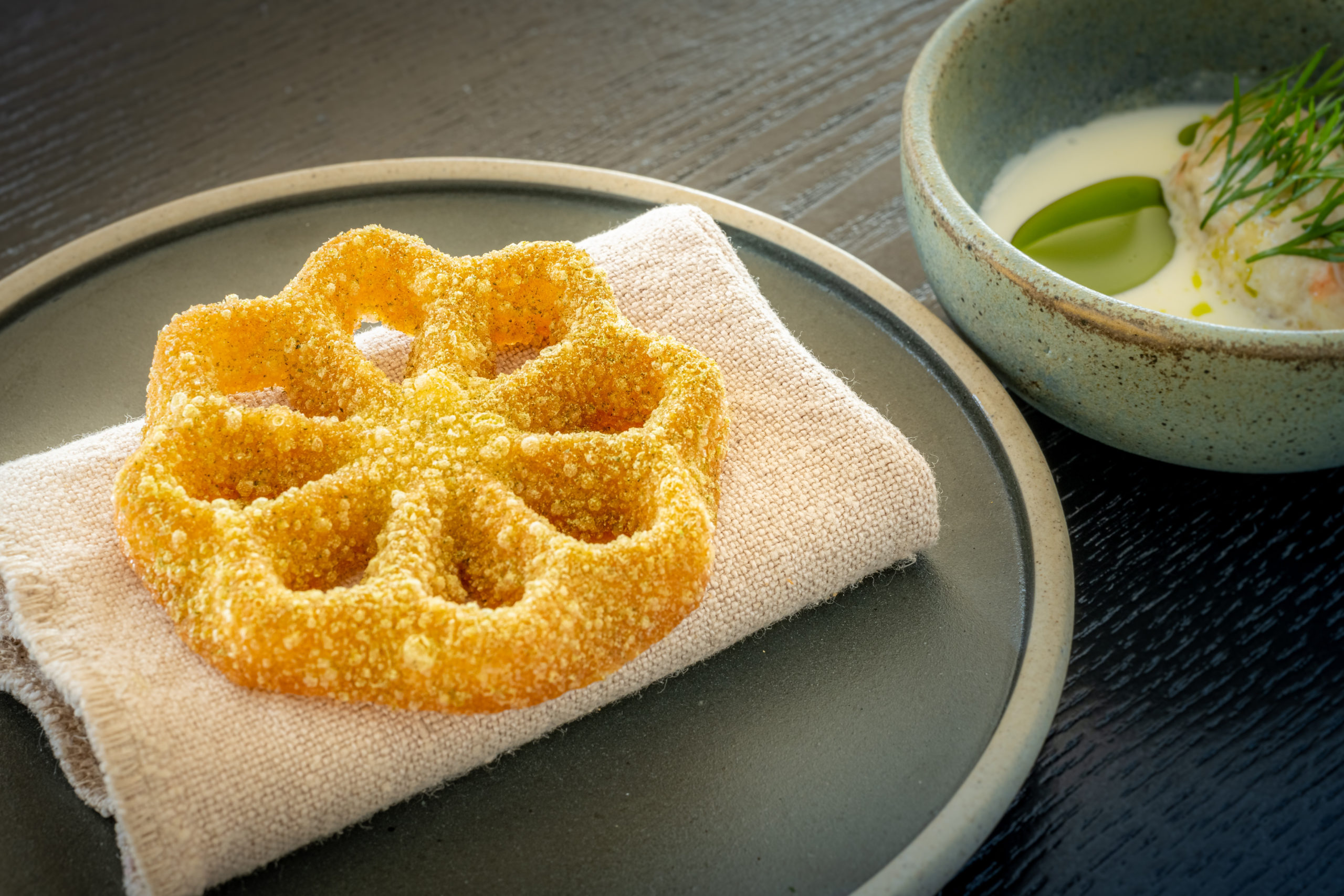
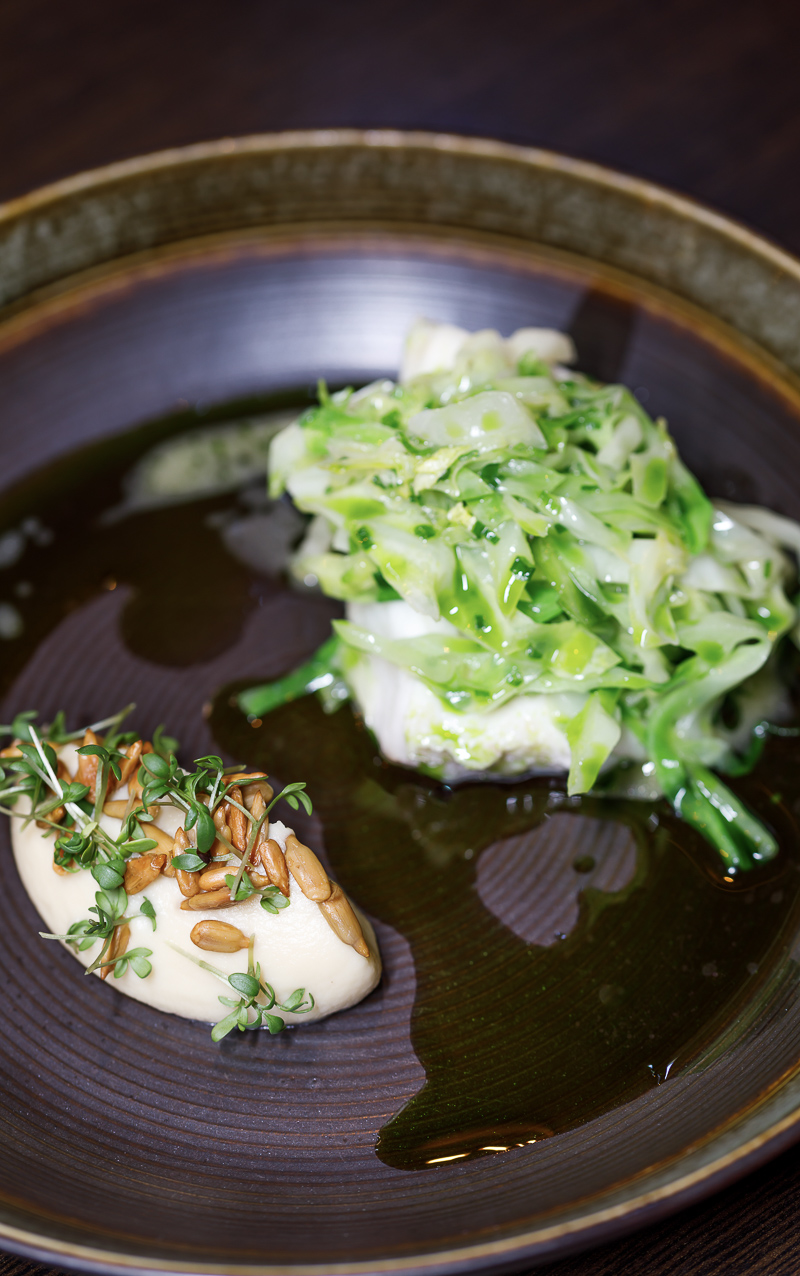
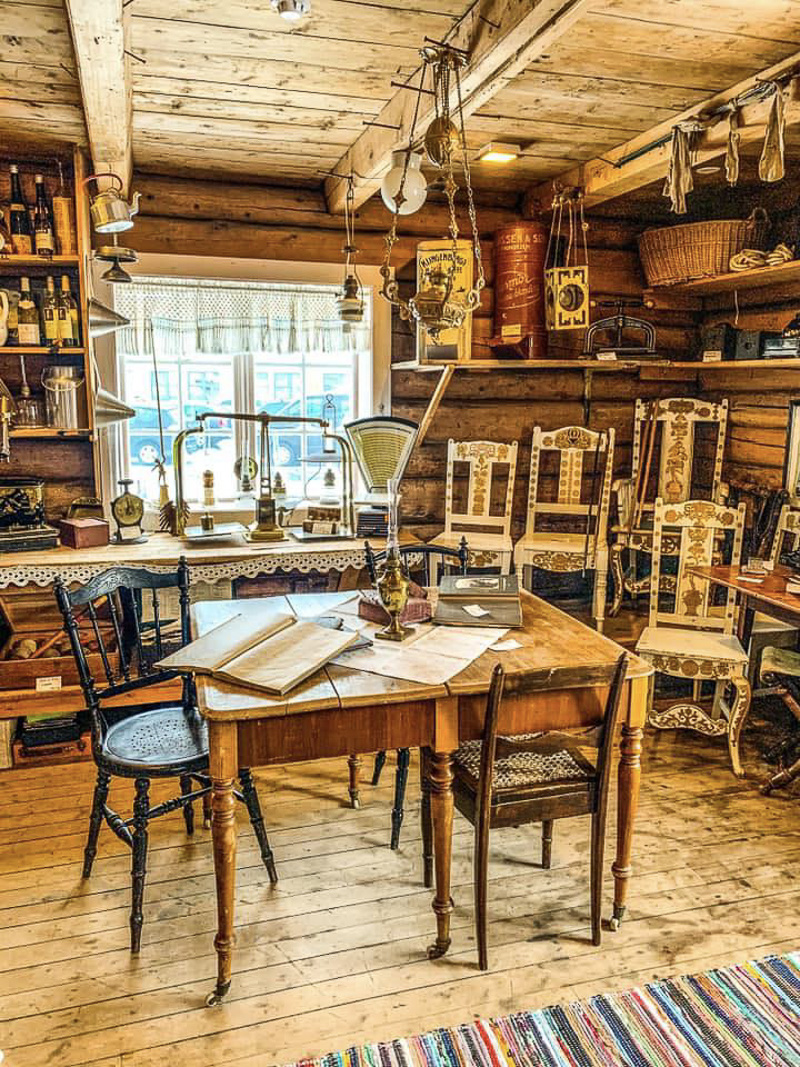
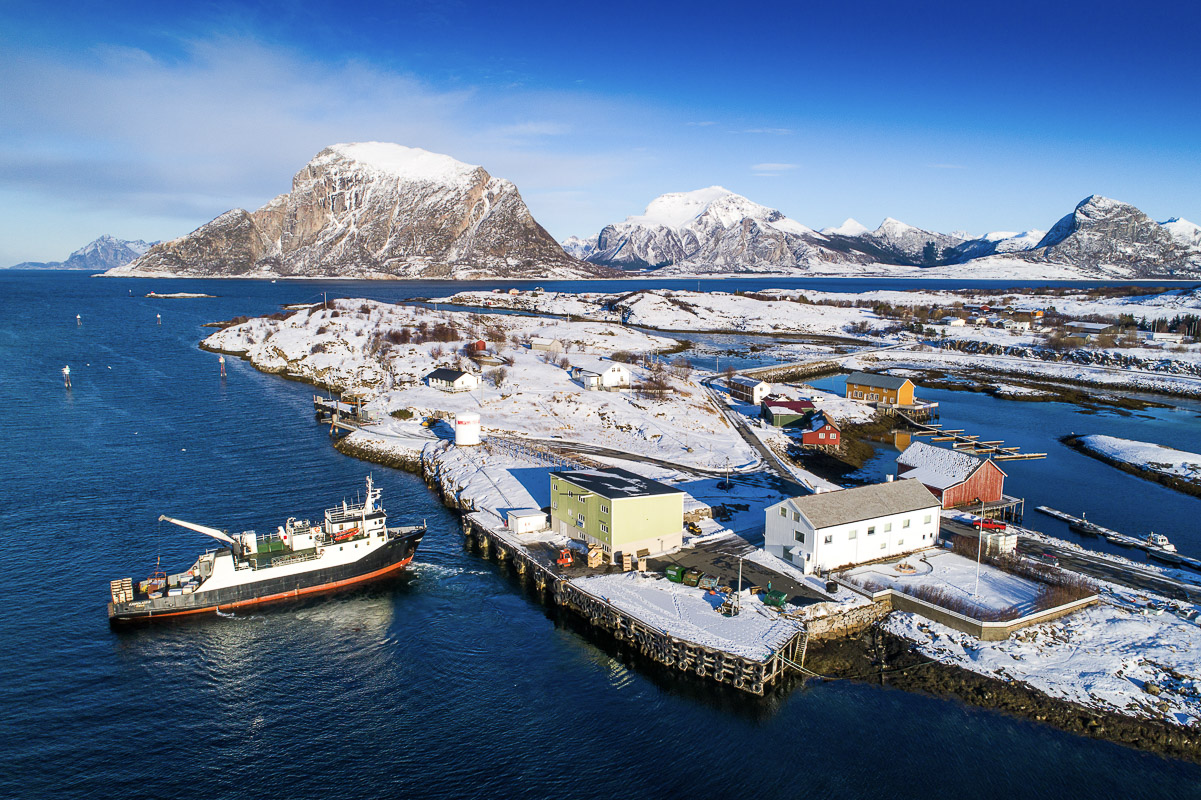
The road continues along the coast, both on land and water. The coastal route consists of several ferry connections, but there are also opportunities for excursions to more isolated islands off the beaten track, to fishing villages where the legacy of the coast’s heyday is served in an exquisite way. Støtt – top of Helgeland is an example of this. The trading post from the 19th century has been a hub for trade and fishermen for several generations, and today the place appears as a mix of modern comfort and genuine coastal culture. Restaurant Gammelbutikken will be the only one in Norway that produces its own dried fish, and a plate of the most uniquely Norwegian fish product has a central role in the kitchen. But fresh cod, halibut and whale meat also provide delicacies from the sea. It is an insight into both coastal history and food traditions.
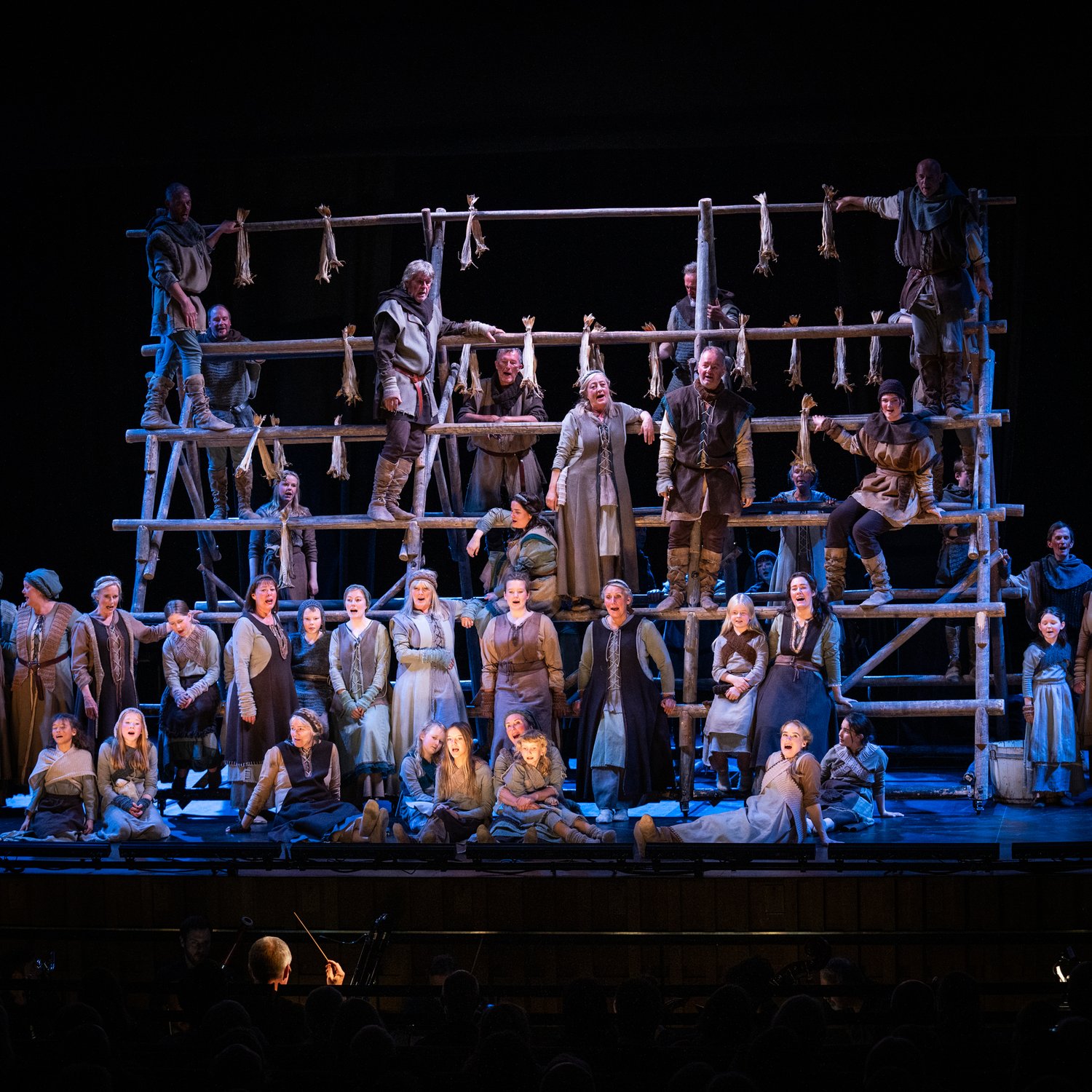
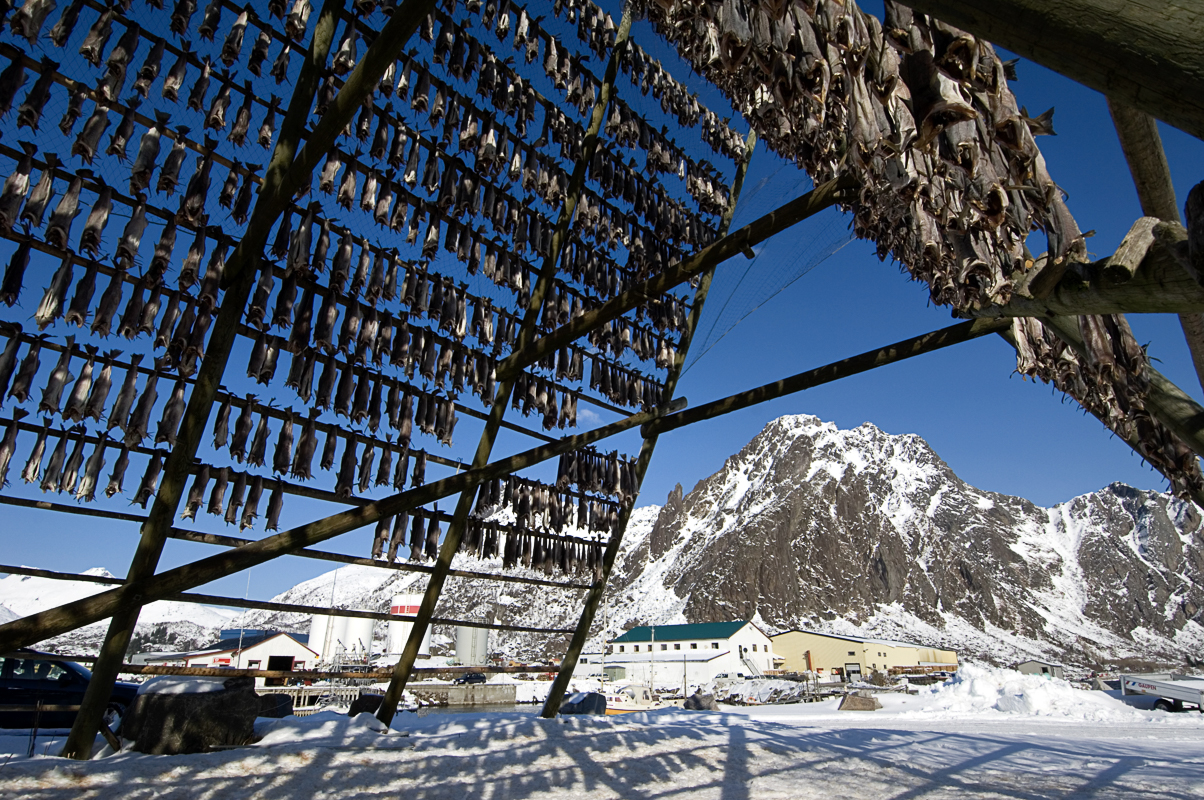
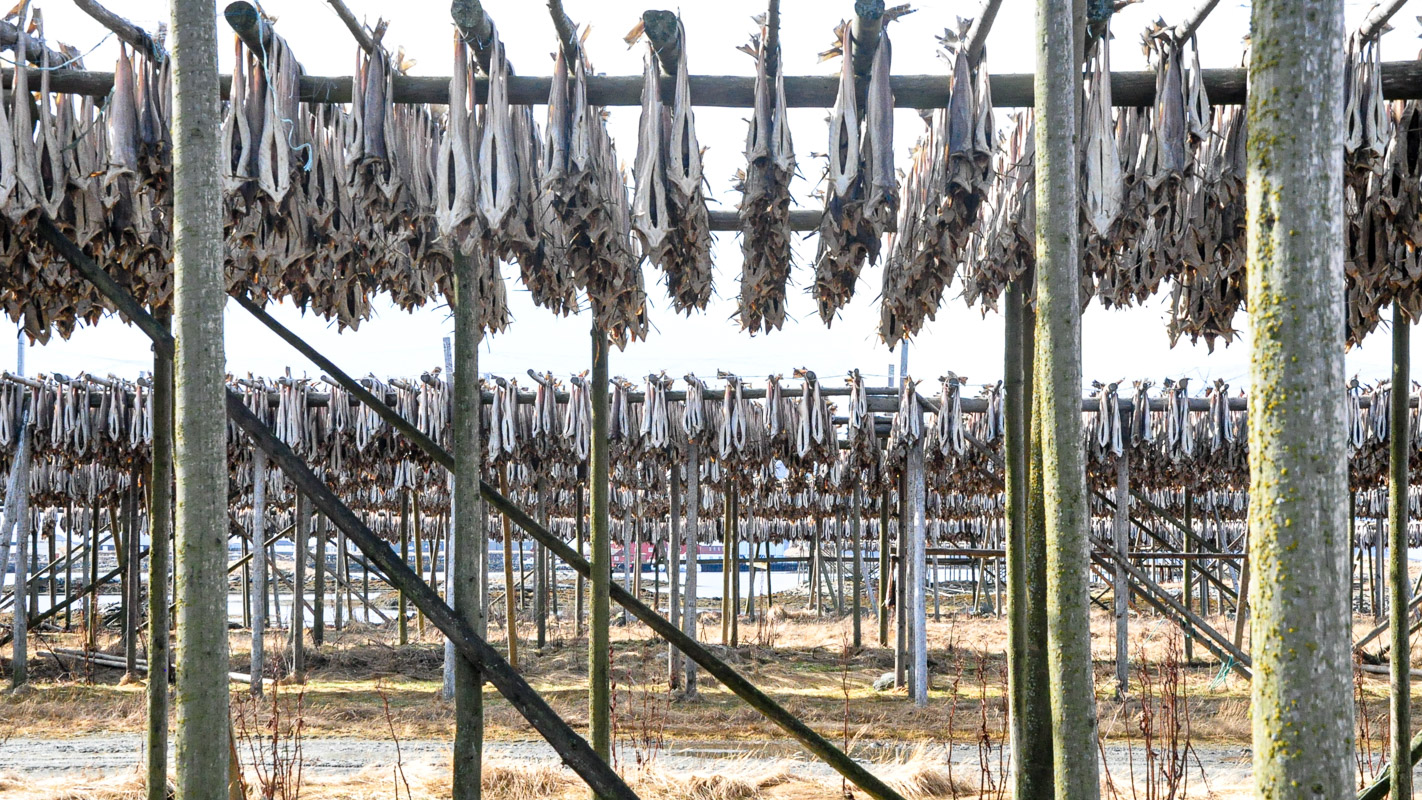
Everyone who travels in Northern Norway will be familiar with dried fish. Historically speaking, this has been Norway’s most important export product, gills with cod hanging out to dry a common sight along the coast. It is an experience for all the senses! Dried fish was an essential part of the development of Northern Norway, but also the source of wealth in cities further south. Bergen, for example, developed into one of the most important trading cities in Europe due to international trade in northern Norwegian dried fish. So what exactly is this famous ingredient? Dry fish is, as the name suggests, dried fish, usually from cod. The fish is hung to dry on large racks of sticks (hellers), hence the foreign name stockfish. The purpose of the drying process is to dehydrate the meat so much that lactic acid bacteria cannot survive, so that the meat can be stored over time without it going bad. Nevertheless, good flavors are retained, which reappear when the fish is pounded, put in water and heat treated. In both Spain and Italy, dried fish is almost a national dish – and an important ingredient in the bacalao fish stew.
The metropolis of Bodø
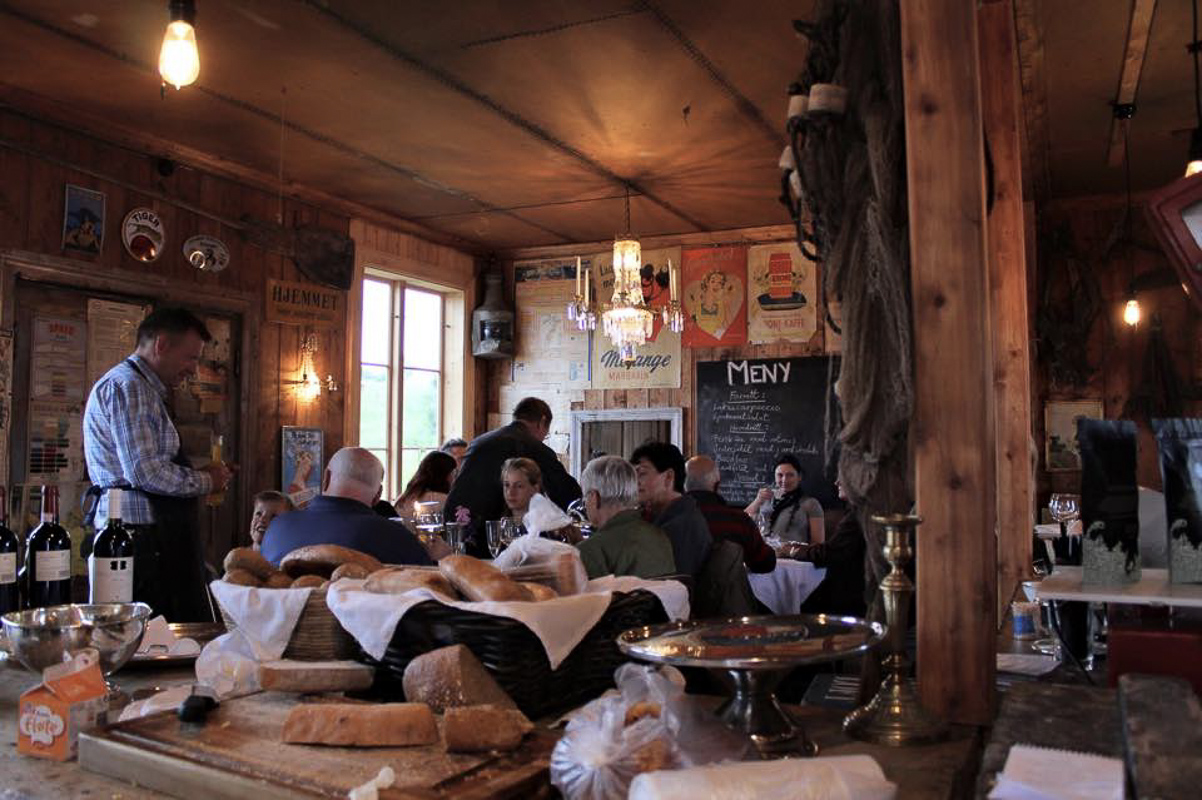
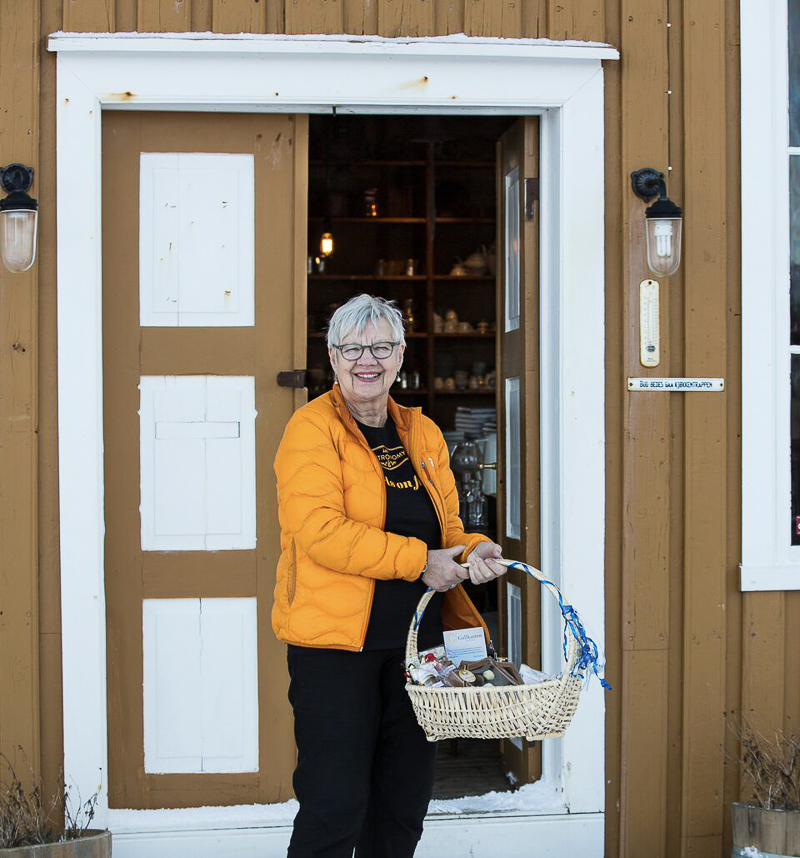
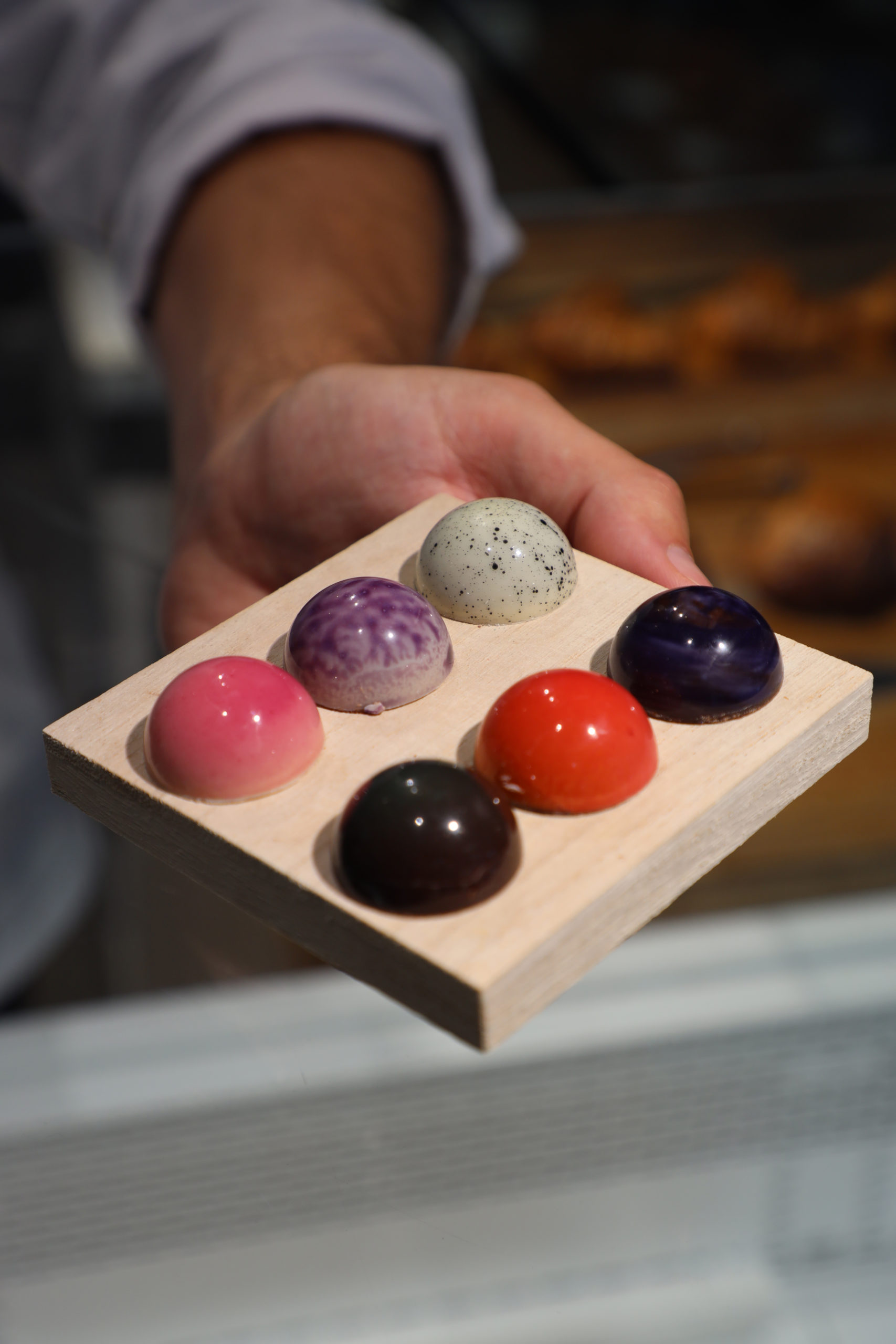
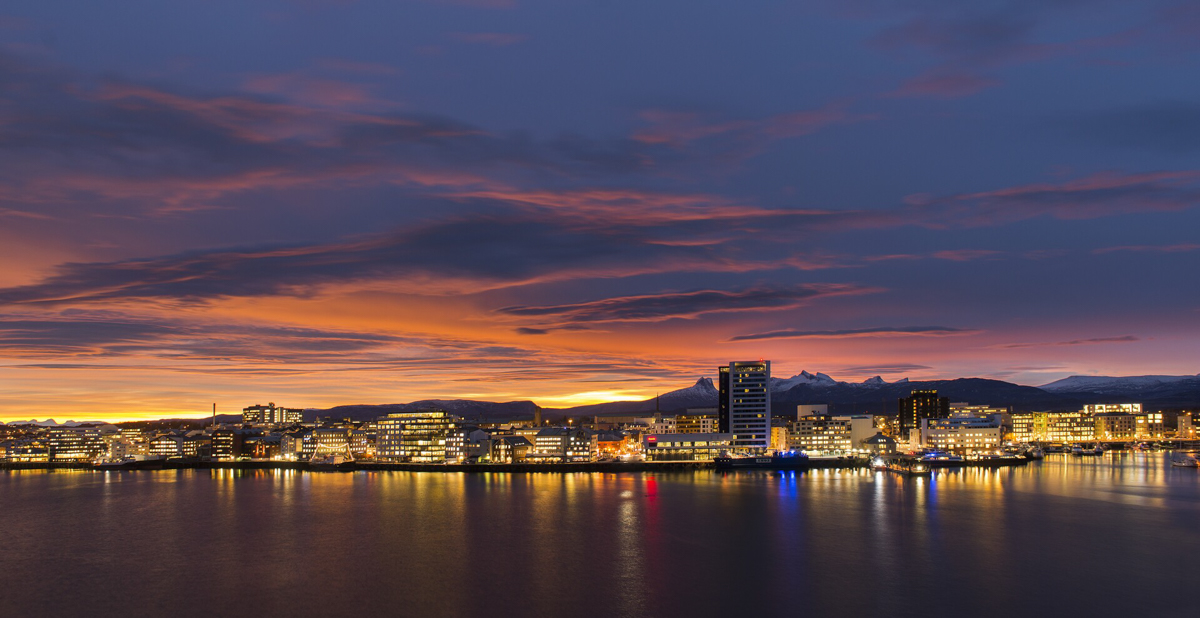
It is far between the metropolises in Northern Norway, but the most important cities in the region know how to bite when it comes to urban pleasures. Bodø is European Capital of Culture 2024, and is also worth a visit for the large selection of first-class eateries. Here there is a jovial atmosphere and an international touch, but as always in northern Norway without forgetting the roots – culturally as well as culinary. The English confectioner Craig Alibone makes chocolates, cakes and macaroons in Craig Alibone Pâtisserie. This is a shop and eatery that would be hailed in any world metropolis. Chocolate variants with salt from Saltstraumen and berries from local orchards add a distinctive dimension.
The journey continues north to Bodø and Salten
The Arctic Circle is crossed, and we slowly move into the Arctic landscape and cuisine:
Craig Alibone, Bodø
Craig Alibone Pâtisserie & Champagneria is centrally located in Bodø.
Bryggerikaia, Bodø
At Bryggerikaia in Bodø, delicious and uncomplicated dishes are served.
LystPå, Bodø
At LystPå, the goal is to make your meal special, more than just an ordinary meal.
Saltstraumen Hotel, Bodø
Fiskebørsen at Saltstraumen Hotel was opened in 2023, and focuses on how you take care of and utilize the whole fish.
Elin Richardsen, the owner is now awared for Ingrid Espelid Hovig’s Food Culture Award. It is a national award to individuals who have made a significant contribution to Norwegian food culture, and this year the award goes to a promoter of Norwegian seafood.
Nordnes Kro u0026amp; Camping
At “Kroa” you will be treated to real traditional Norwegian food.
Heges Matopplevelser
Heges Matopplevelser finds inspiration in the northern Norwegian nature. Hunting, fishing and collecting natural resources is a natural part of their work.
Fiskehallen, Narvik
Fiskekroken serves traditional Norwegian fish dishes with real, locally sourced seafood.
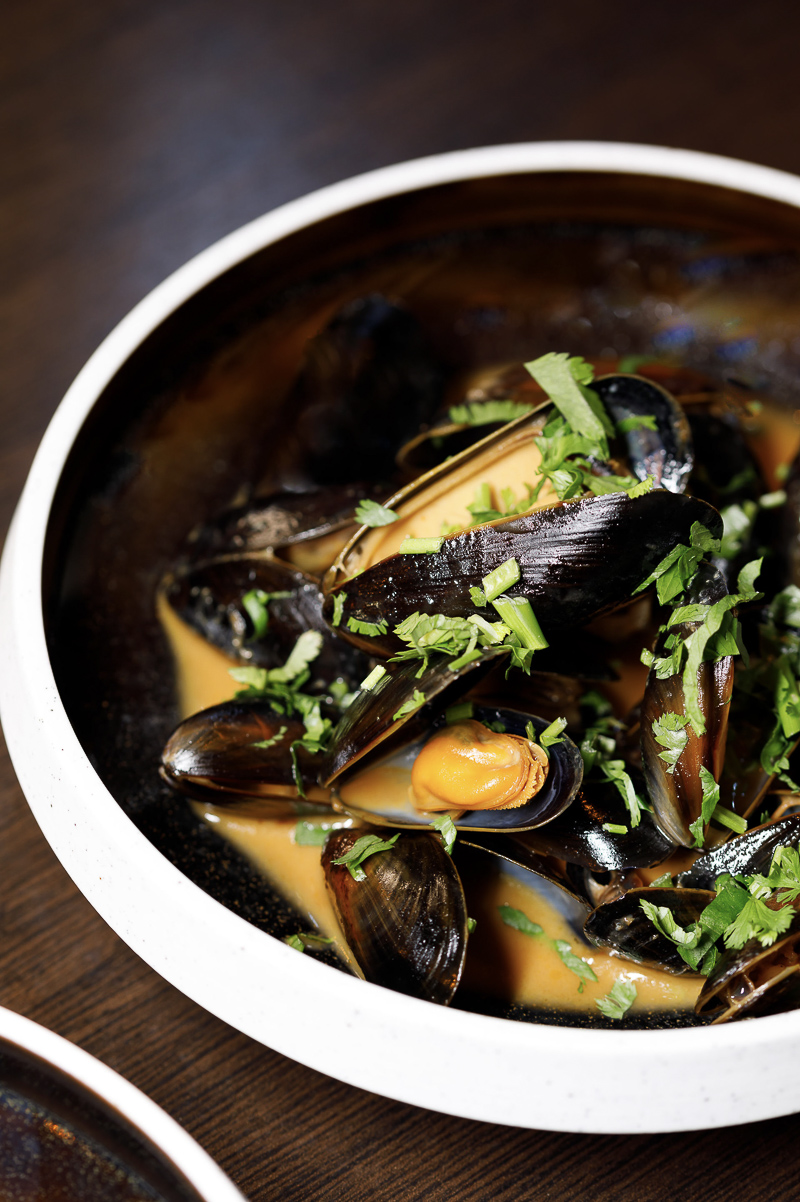
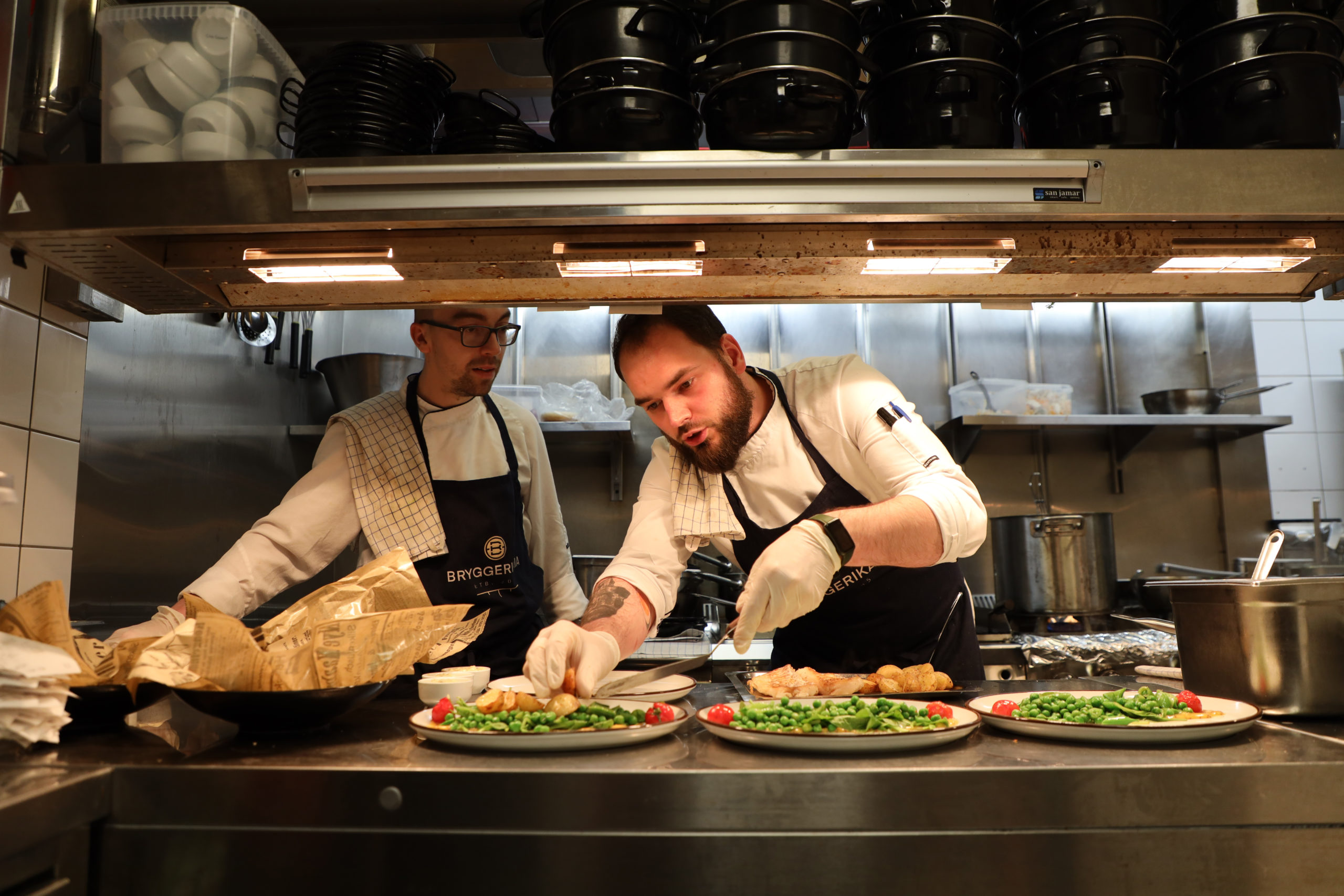
Bodø is more than sweet temptations, and the city by the ocean has a number of restaurants that maintain sky-high standards. Bryggerikaia is a classic down by the harbour. Here you get everything from fish & chips to pan-fried catfish, grilled dry fish and steamed mussels – as well as smoked whale ham, creamy lobster soup and meat from deer, lamb and beef. Jovial atmosphere and hearty food. On fine summer days, the outdoor dining area is the place to be. LystPå is another local favorite with a taste of both sea and meat, also known for a full wine cellar.


It is a short distance from the harbor in Bodø to Saltstraumen. This is the world’s strongest tidal current, and a popular attraction both for fishermen and adrenaline hunters in RIBs. The newly opened Fiskebørsen at the Saltstraumen Hotel refers to itself as a “sustainable food workshop”, and has both a filleting room, a kitchen and a serving area. In other words, it should provide the perfect framework for learning more about the treasures of the sea. Here, guests can learn how to harvest seaweed, fillet fish and, not least, prepare the fresh ingredients under the guidance of a competent chef. Talk about short-haul fishing luck!
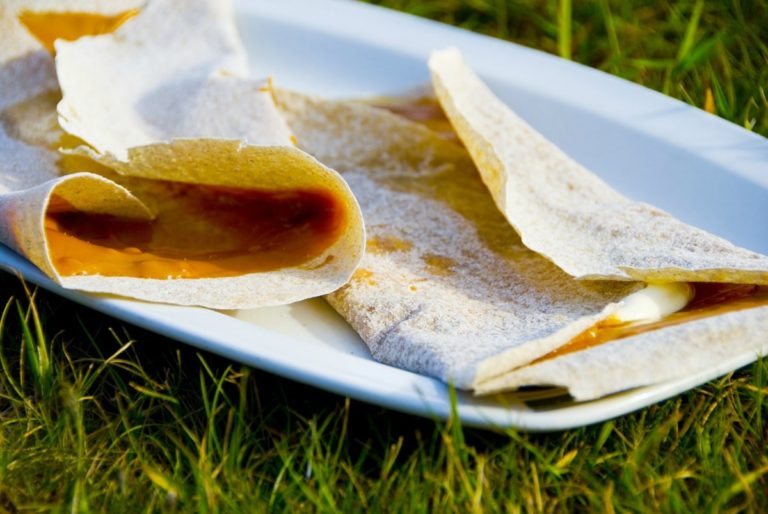
Due to long fjords and steep mountains, there is little that is straight forward in Northern Norway. That’s not the point of the trip either. If you come by boat, motorhome or bicycle, the road is the adventure. From Saltstraumen we follow the road along the Saltdals Fjord and aim for Nordnes Kro og Camping to taste a distinctive pastry very typical of the Salten region, and a treat that expatriate Nordics always long for. Heard of møsbrømlefse? This is a sweet and warm lefse with a sauce consisting of brown cheese, milk, butter and sugar and perhaps a dollop of sour cream. Sticky and sinfully good, but it should traditionally be eaten with the hands. If you have room for more sweets, the inn is also known for cheesecake with lingonberries – this red, bitter berry which is otherwise often served with meat.
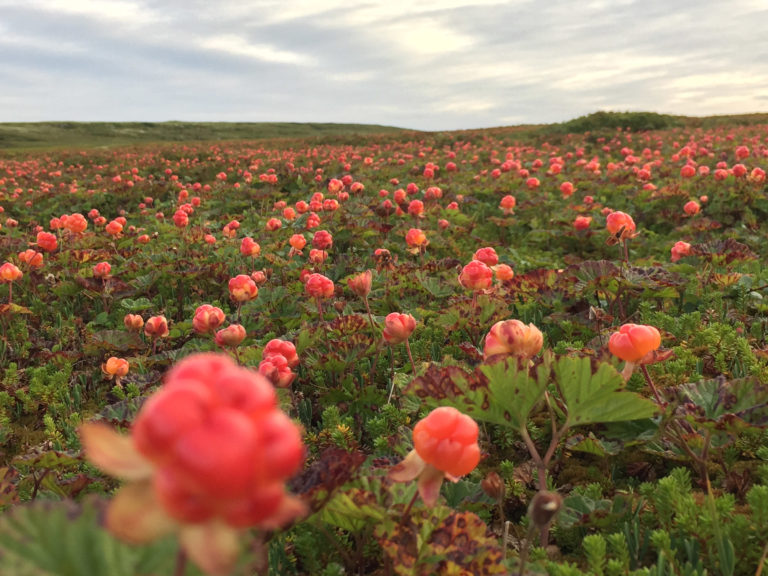
The nature in this part of Northern Norway only becomes more and more spectacular. Large parts of Northern Norway are blessed with long, bright summer days. Although the winter is long, dark and cold, the midnight sun means that fruit and vegetables have very good growing conditions in the summer. Nature’s pantry is full of goodies, and if you go for a walk in Northern Norway in late summer, there’s a good chance you’ll find plenty of lingonberries, blueberries and, not least, sweet, sun-ripened mullets. Mullets are the “gold of the mountains” and known as a truly exclusive raw material, but still free for those who come across tufts of berries on the mountains and plains. At the fjord in the middle of the national parks of Sjunkhatten and Rago, chef Hege Ruud has established Heges Matopplevelser.
“I want to give my customers good dining experiences in natural surroundings. If I get to cook and serve the food outdoors, I’d be happy to do it”
Hege Ruud
Hege is passionate about “untraveled” food, and prefers to harvest from nature’s own pantry. She delivers arctic tapas to order, and is happy to invite you to a cooking class out in nature, where ingredients are picked from both shore, sea, forest and plains.
The result is original and exclusive. What about dried fish cream with kelp sauce, baked beetroot with honey from Salten and elk meatballs with cranberry chutney? A cooking course with Hege is a party.
The hub of Narvik
Lofoten is the flagship for tourism in Northern Norway. But before we travel to the fabled island kingdom, it’s time for more traditional food in Narvik in Ofoten. The fishing hook is next door to the town’s fishing hall, so access to quality fish is particularly good. Fish burger, fried cod tongue or grilled dry fish with suitable accessories are good choices. Skin-fried char taken from the inland fishing waters are good alternatives, while a plate of prawns deep in the Ofotfjord is never a mistake either.
Again, it’s all about the raw material. Arctic prawns are large and firm due to the cold water in the sea, and many think they taste both more and better than relatives caught at more southerly latitudes.
Lofoten and Vesterålen
From here we follow the mighty Hålogalandsbroa 1.5 kilometers across the fjord and immediately turn west towards Lofoten. The name alone oozes national romance and postcard-perfect nature, and as the hearth of the rich fishing history, it is also a culinary gem with a modern twist.
Next stop in Nordland: Lofoten and Vesterålen
Then the journey goes to the islands of Lofoten and Vesterålen.
Thon Hotell, Svolvær
Thon Hotel in Svolvær has a lovely and central location on the quay.
Svinøya rorbuer, Svolvær
Svinøya Rorbuer in Lofoten is a living reminder of the old Lofoten fishing and life in the fishing village with its authentic rowboats and fishing huts.
Lofotpils, Svolvær
Lofotpils is a local and highly recognized beer producer in Lofoten.
Børsen, Svolær
Børsen Spiseri is one of the most renowned restaurants in Lofoten, which serves fresh ingredients from Lofoten’s and Northern Norway’s unique pantry.
Paleo Arctic, Svolvær
The culinary traditions in Lofoten are deeply rooted and have been passed down from generation to generation and to the Paleo Arctic. The use of resources from the sea and the pastures on the mountain slopes was once necessary to ensure subsistence.
Bacalao, Svolvær
Experience the best of Lofoten with delicious food and drink in our restaurant in the heart of Svolvær, by the harbour at Bacalao Bar.
Lofoten Gårdsysteri, Saupstad
An organic farm in Lofoten where you can buy first-class products.
Lofoten Seaweed, Napp
En delikatesseforretning for alle som elsker god mat. A delicatessen for everyone who loves good food.
Gammelbua restaurant, Reine
Gammelbua from the 18th century takes you on a charming journey through time, with a fireplace that creates a unique atmosphere.
Holmen, Sørvågen
“Kitchen On The Edge Of The World” is a very special culinary adventure at 68 degrees north.
Kvitnes Gård, Hadsel
Good things take time to become good, and Kvitnes Gård looks forward to showing you the evidence of this.
Ringstad Resort, Bø
At Ringstad Resort you eat almost at one with nature, and pan-fried scallops and scallops in season never taste as good as in stylish premises by the sea.
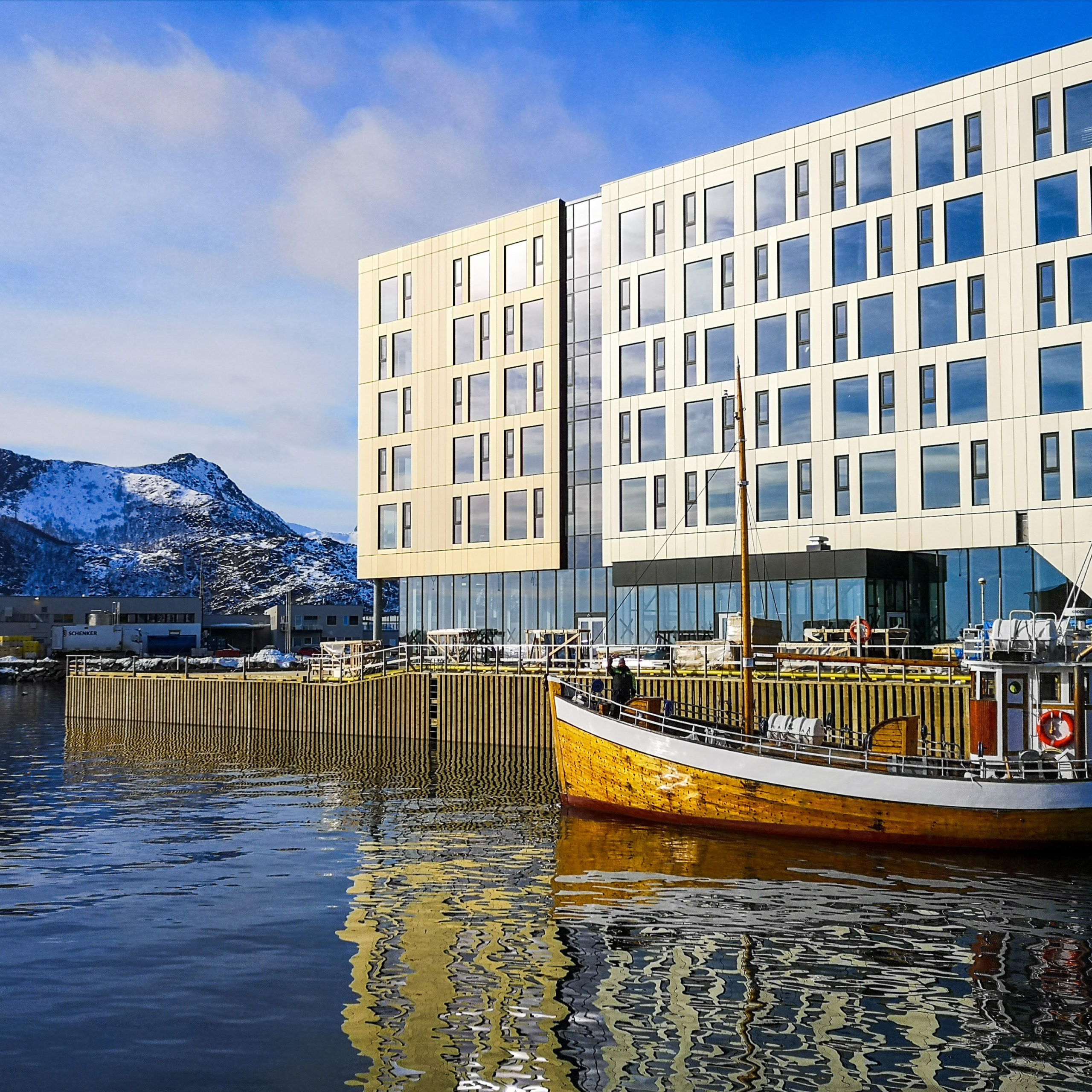
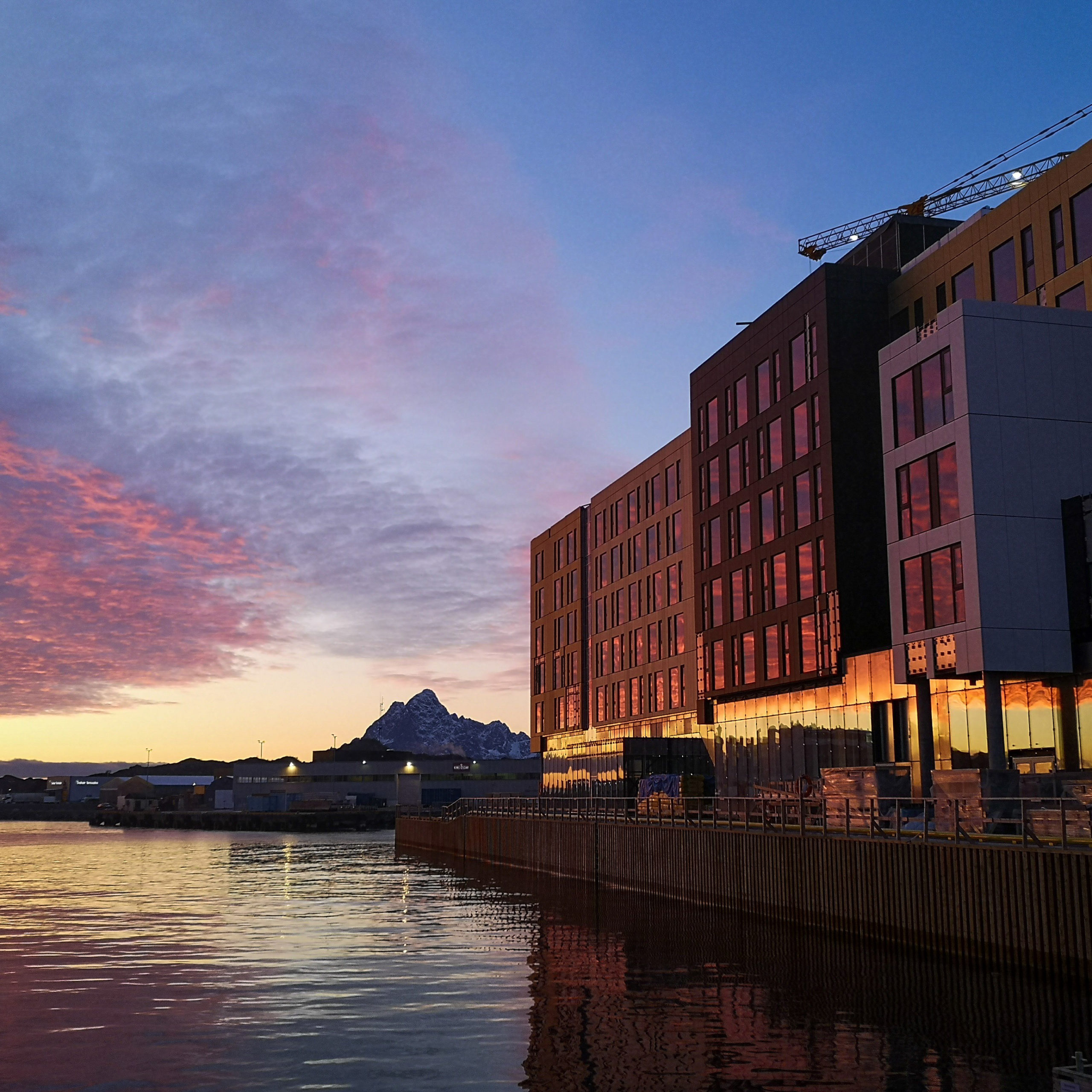
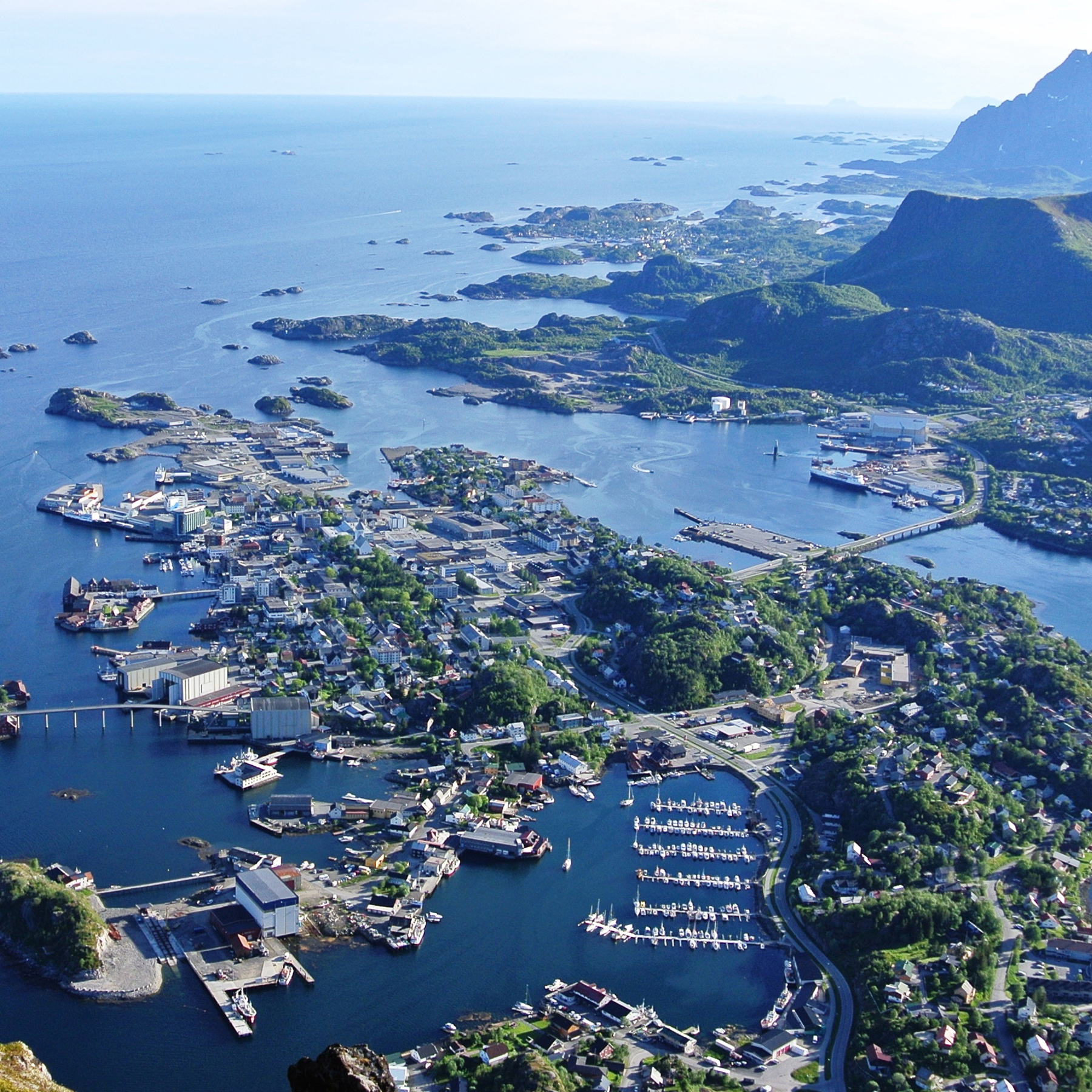
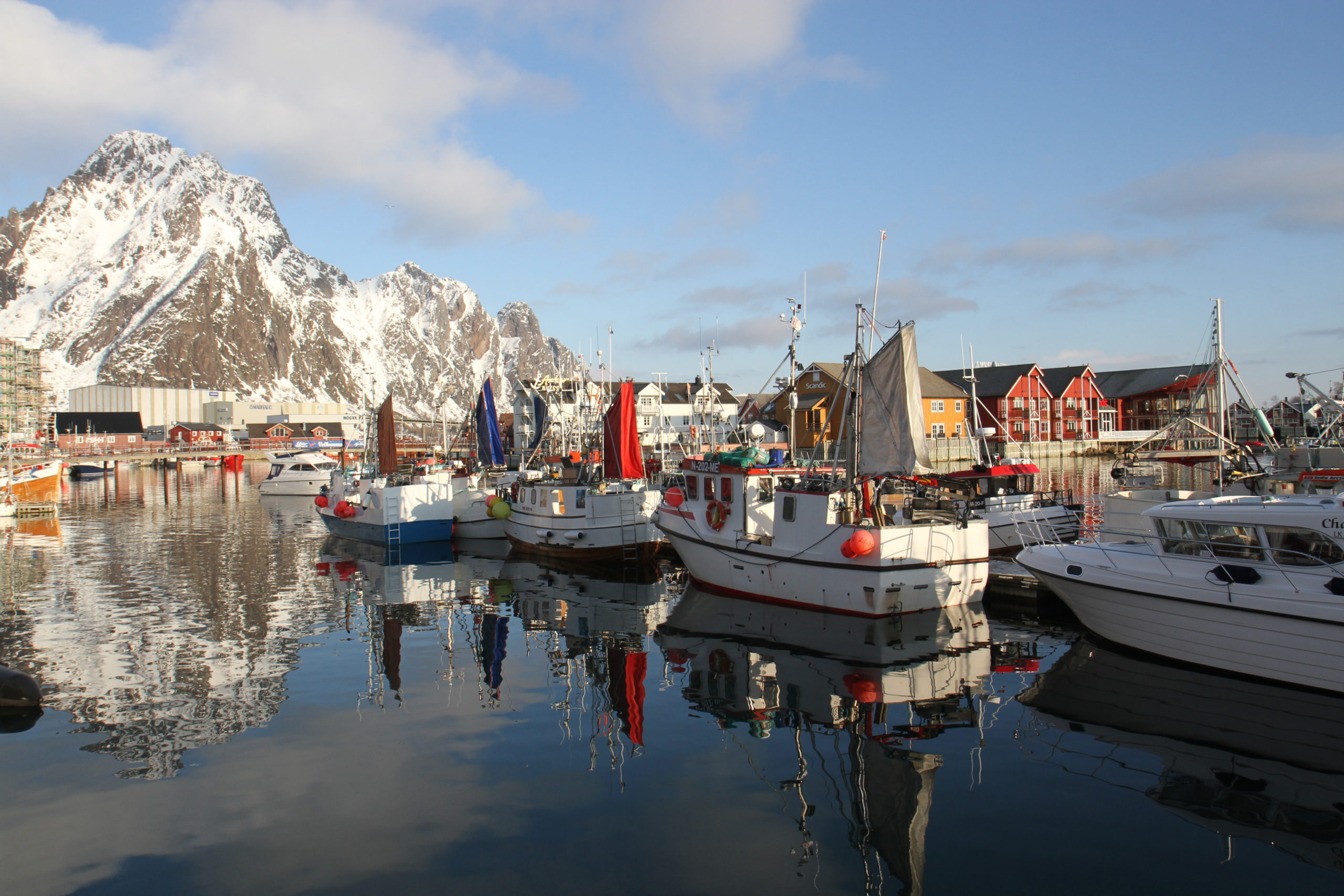
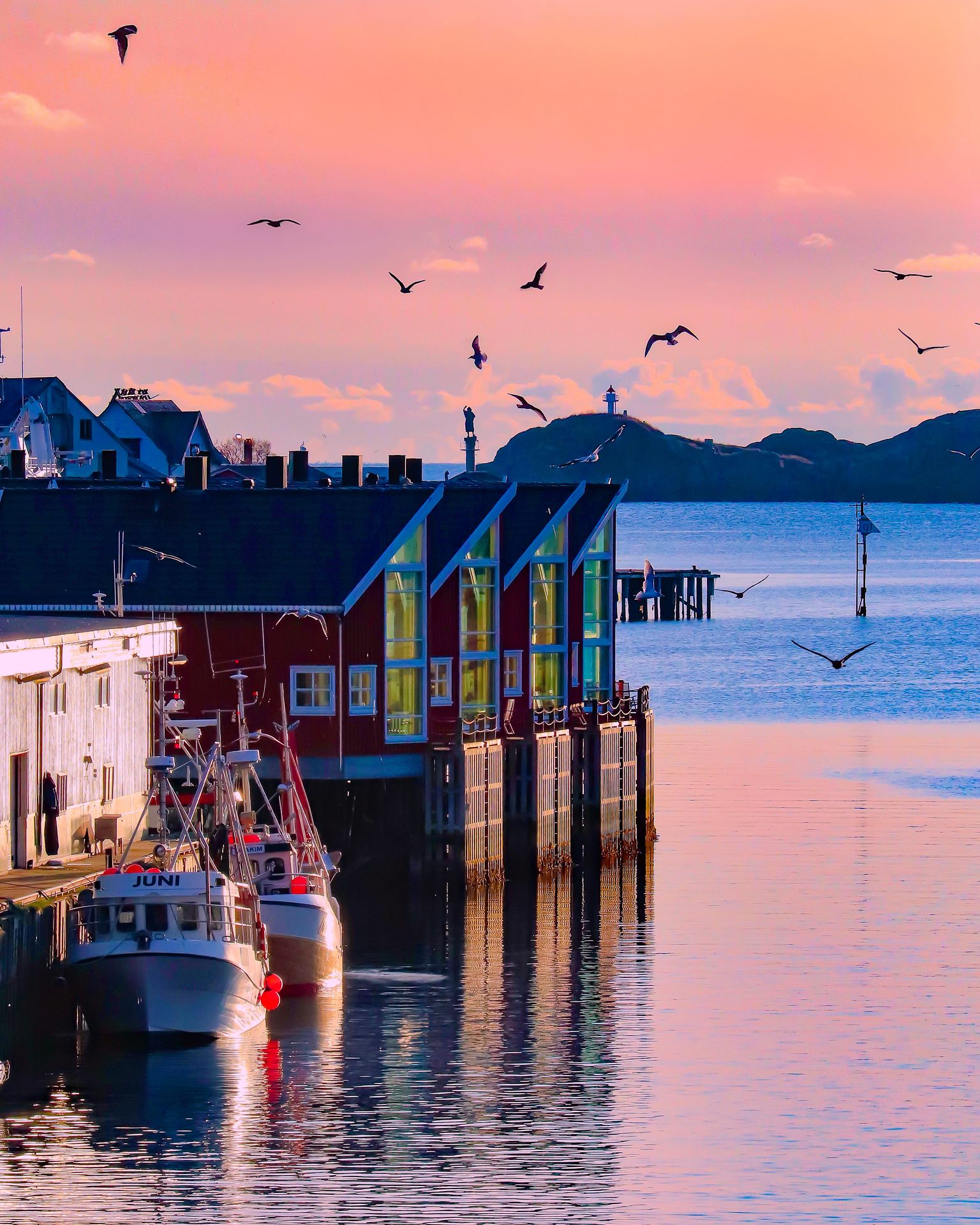
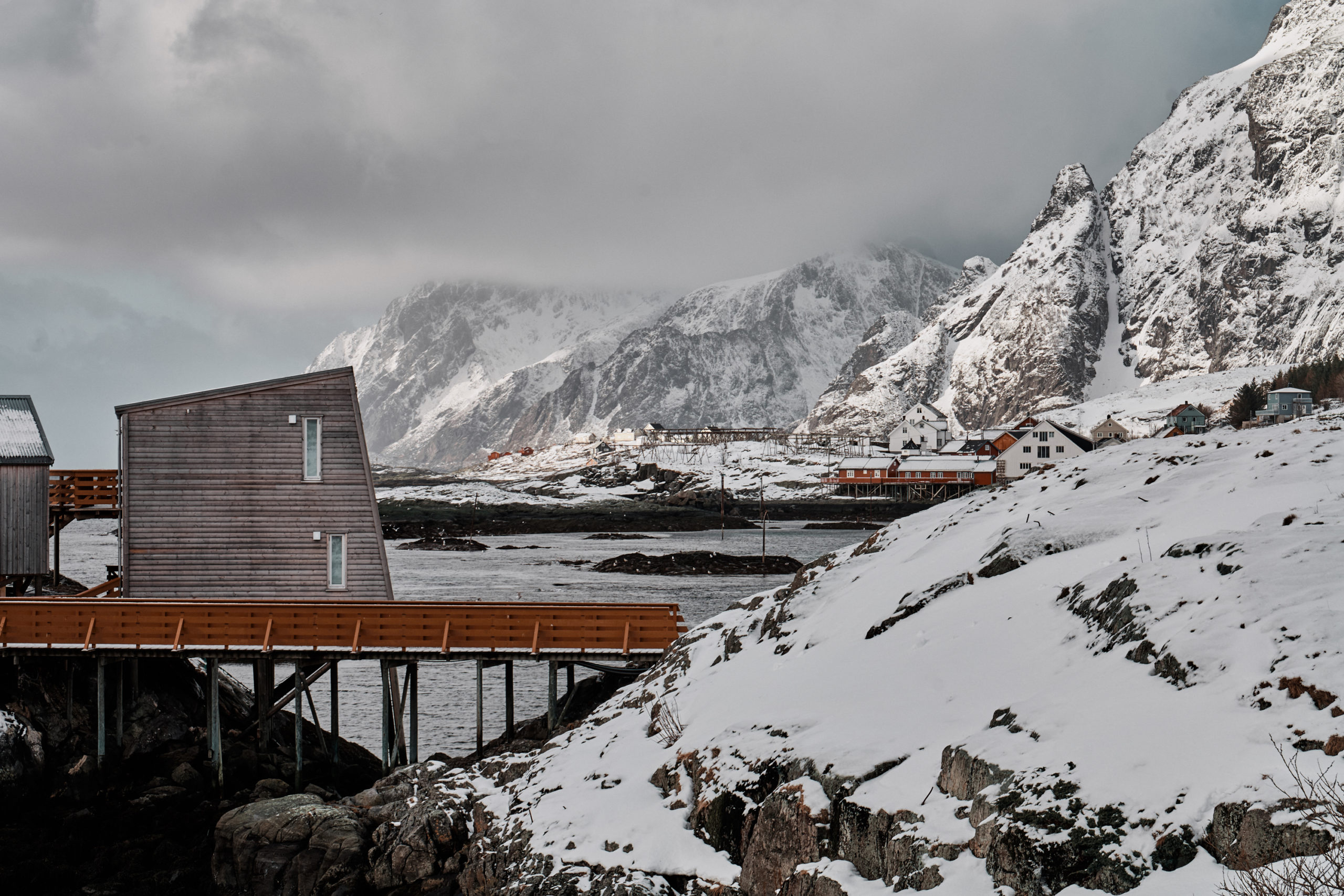
Svolvær is the urban alibi in Lofoten, and although the hub for transport and trade gives a feeling of city life, it is still the coastal culture that prevails. Check in to modern premises at Thon Hotel Lofoten in the harbour, where breakfast is an attraction in itself. Or take in the historic Svinøya Rorbuer, and wake up to the scent of seaweed and salt water, in an original and homely rorbu from the 19th century. Or how about a beer tasting and brewery tour at Lofotpils – perhaps after a trip up the newly established Sherpa stairs to Fløya and Djevelporten?
When the skrei swims into Norwegian waters between January and April, food enthusiasts’ mouths water. The traditional Lofoten fishing means festive atmosphere for fishermen and gastronomes alike. Then things boil well in Lofoten, and Svolvær is in the middle of it all. But what is the real deal with this fish?
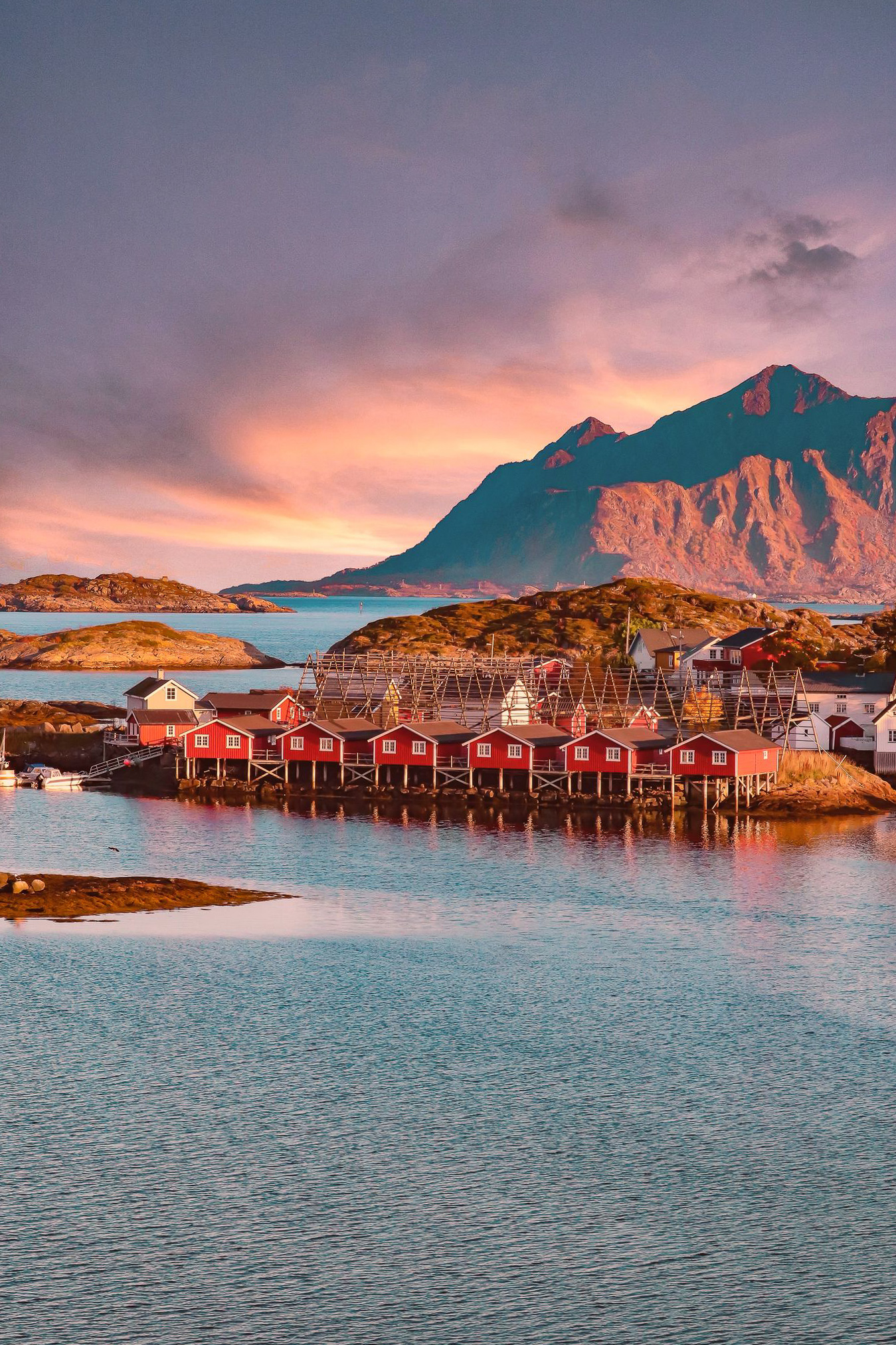
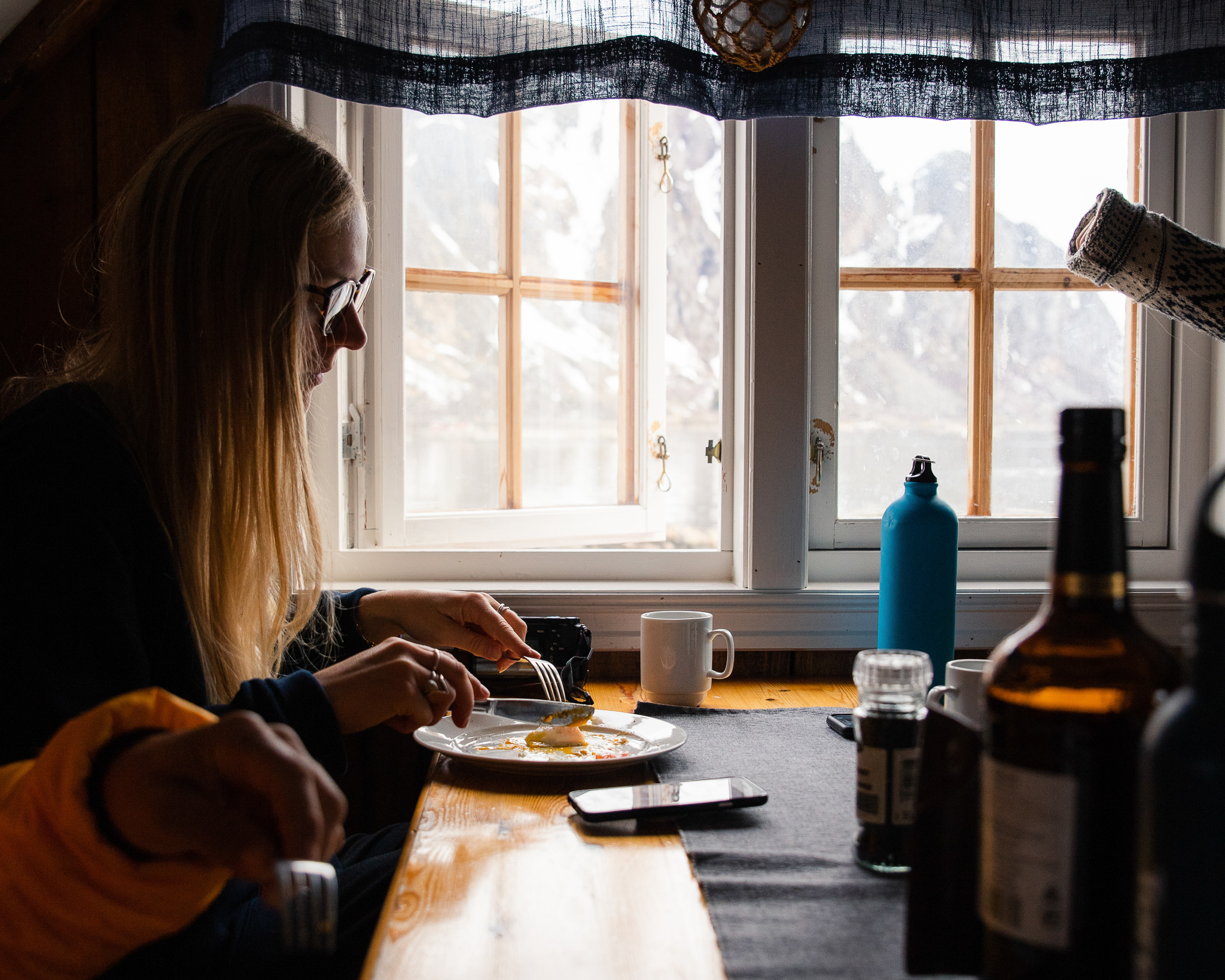
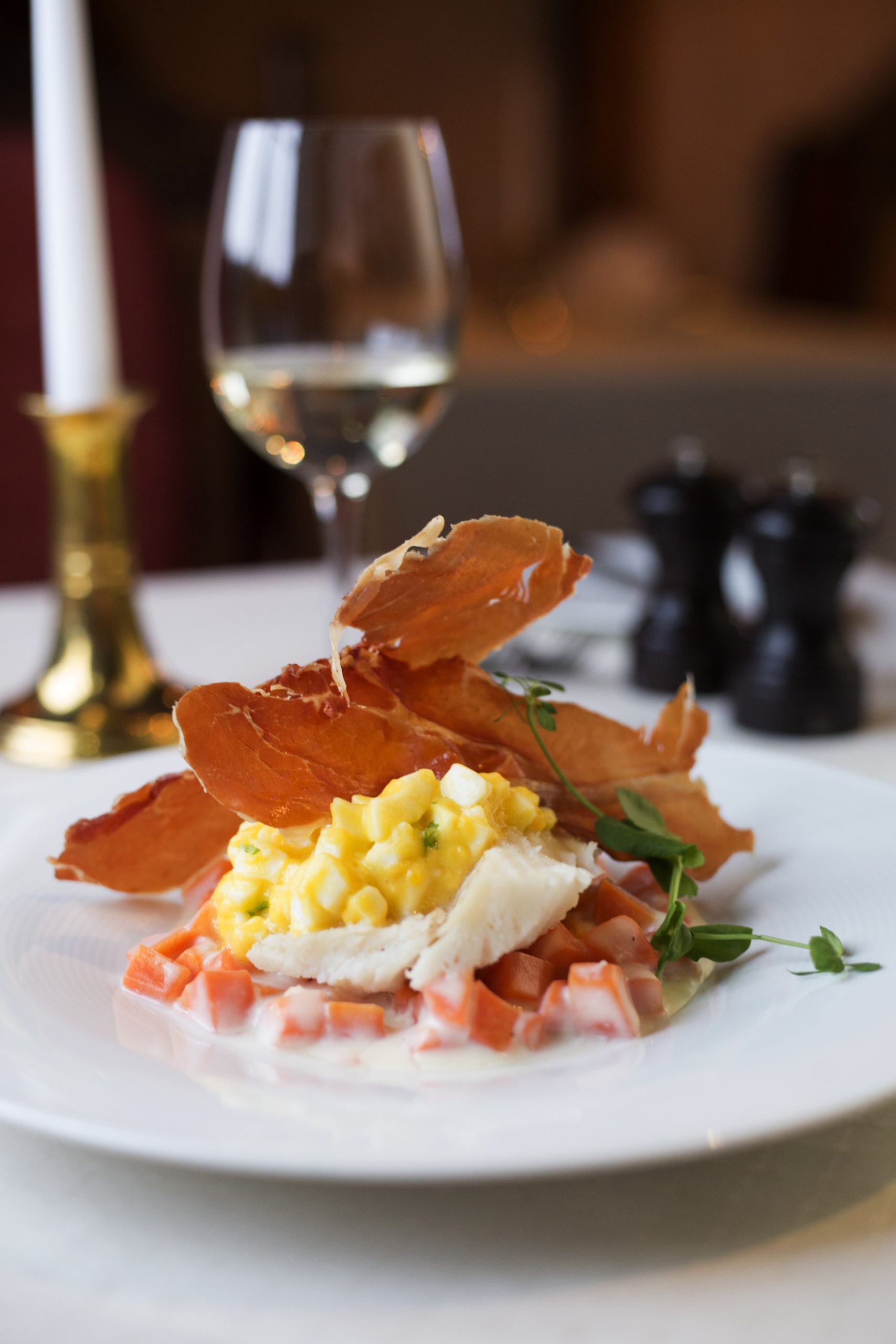
Briefly explained, Skrei is ready-to-spawn cod that comes in from the Barents Sea. It has a finer taste, with a sweeter touch. The entire structure of the fish is different, and skrei is considered a far more exclusive product than ordinary coastal cod.
The heyday of Lofoten fishing was at the end of the 19th century. At that time, almost 8,000 boats and a total of 35,000 fishermen were out on the sea. In some ports there were so many boats that you could walk across the fjord on dry dock.
Today it is a little less crowded, but the small town still teems with life when the skrei swims in towards the coast. More and more food tourists also travel on errands to the fishing village to eat the fish where it is caught. Several activity-based tour operators take curious visitors on a fishing trip, then finish the day with a feast prepared with the day’s catch. In mid-March, the annual event WC in skrei fishing is organized. Fresh fish is naturally on the menu all over the city, for example at Børsen, Paleo Arctic or Bacalao.

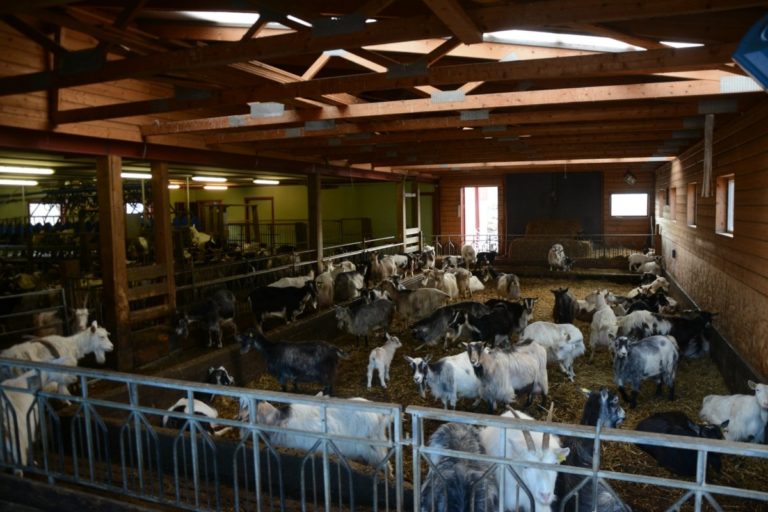
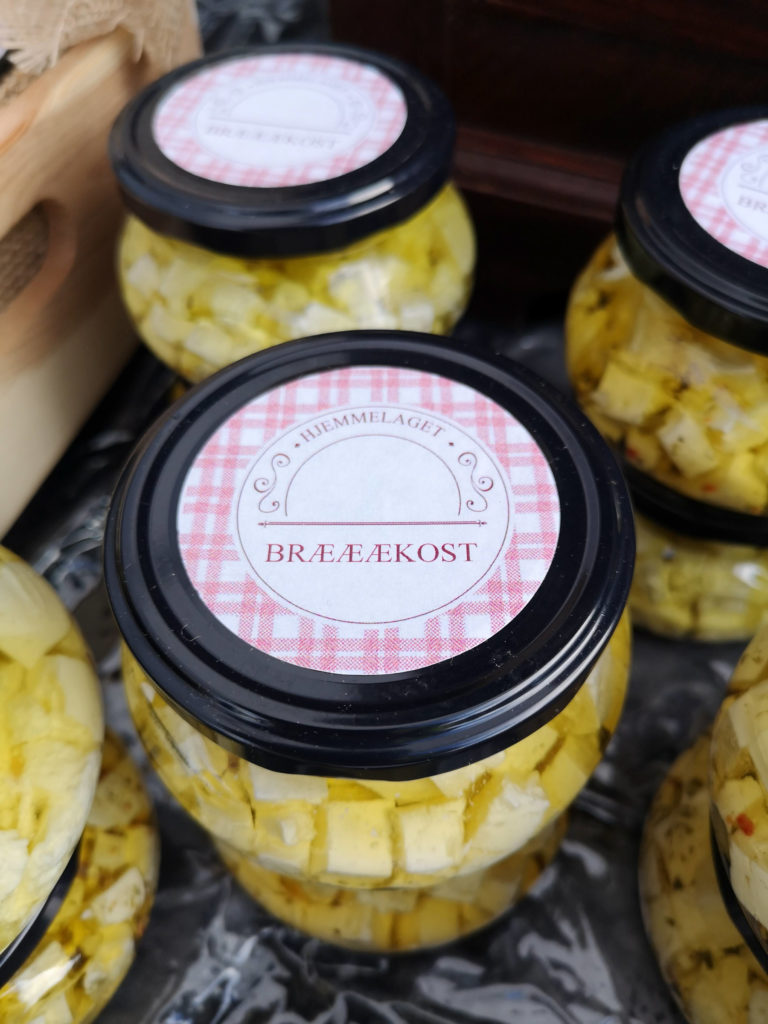
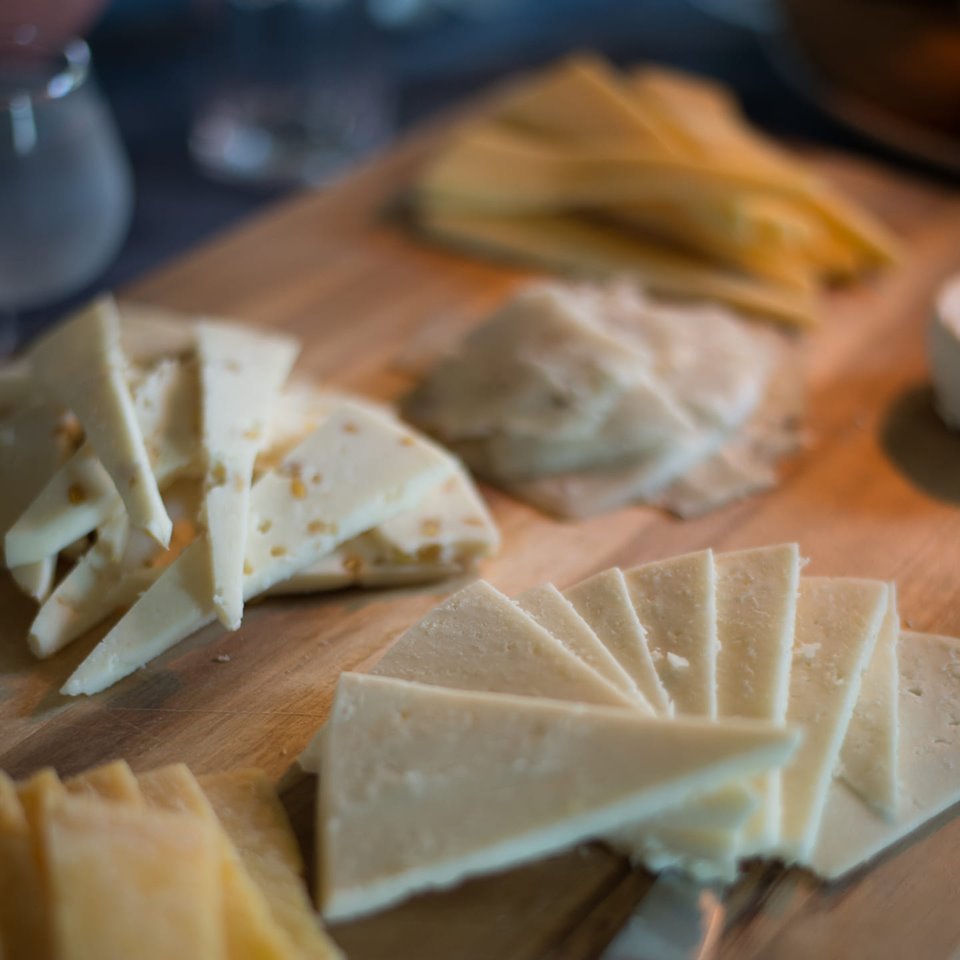
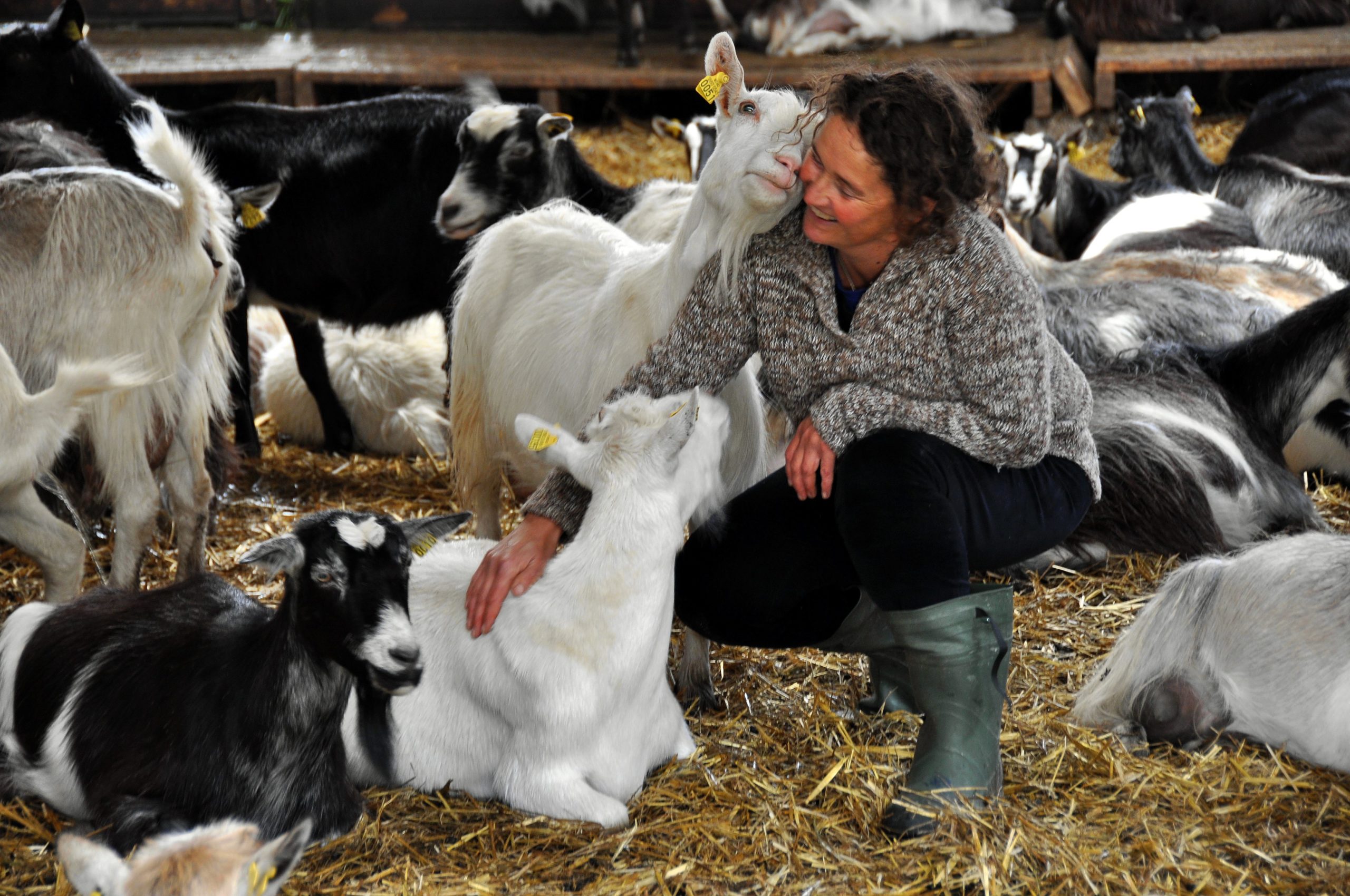
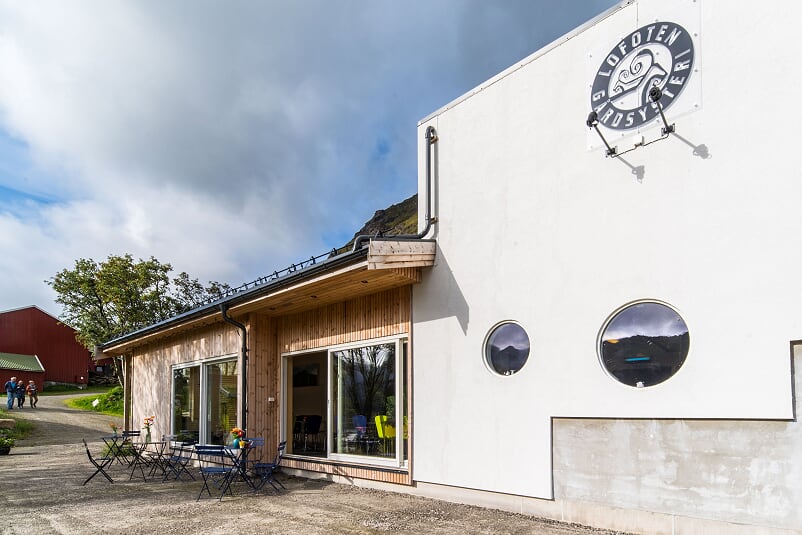
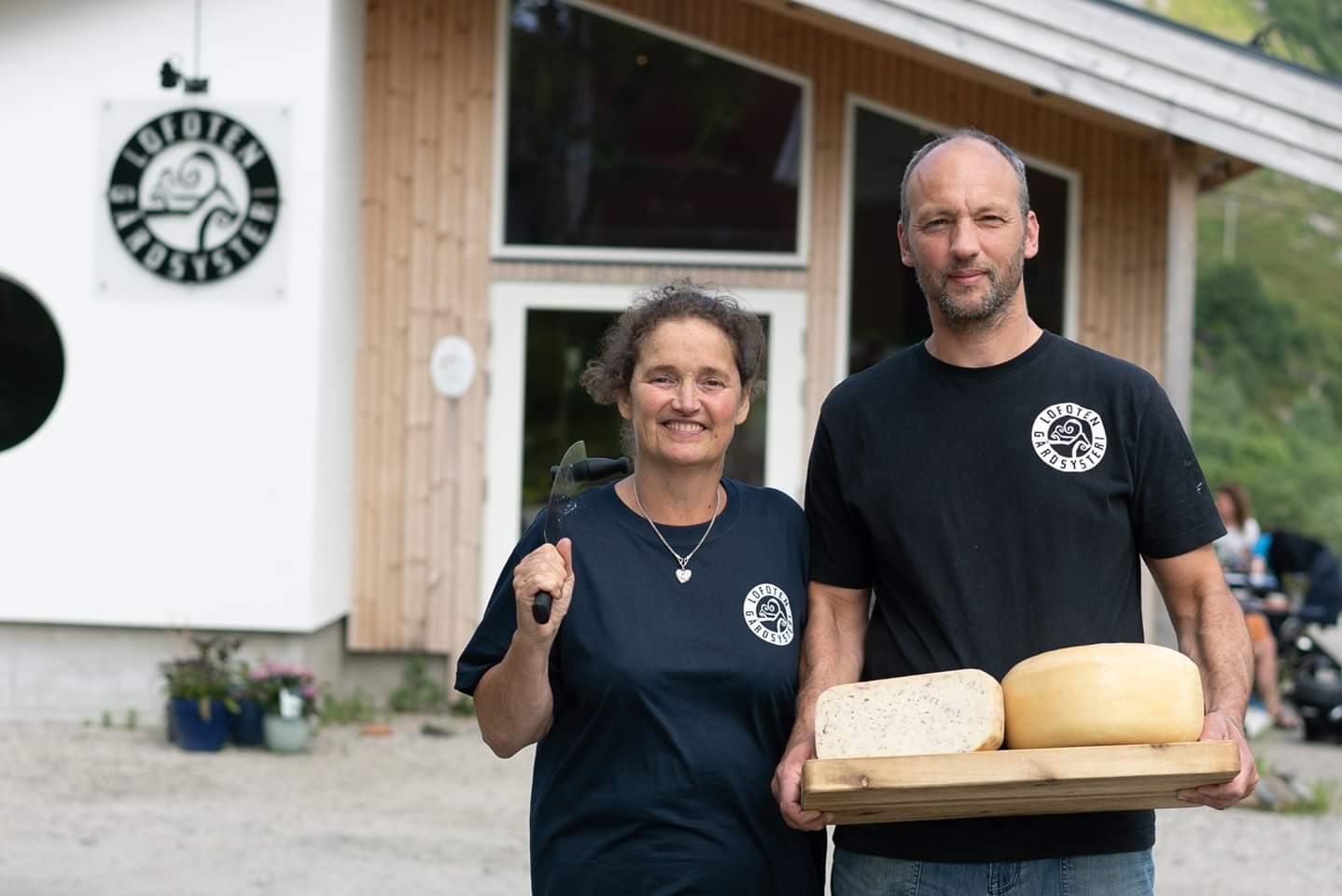
But there is more than seafood that applies even in Lofoten. Good grazing conditions create the basis for first-class cheese. Lofoten Gårdsysteri is beautifully located in a lush valley in Bøstad, on the way out to the popular surfing beach in Unstad. The farm cafe is a perfect place to stop for a short and tasty lunch, or for a deep dive into the secrets of cheese. Here, the goats graze in the grassy mountains surrounding the farm, and provide biodynamic milk that turns into tasty cheeses of the highest quality. The Nordland cheese has won gold in the National Championship, while Steinfjordingen cheese with seaweed and kelp has won a bronze medal in the World Championship.
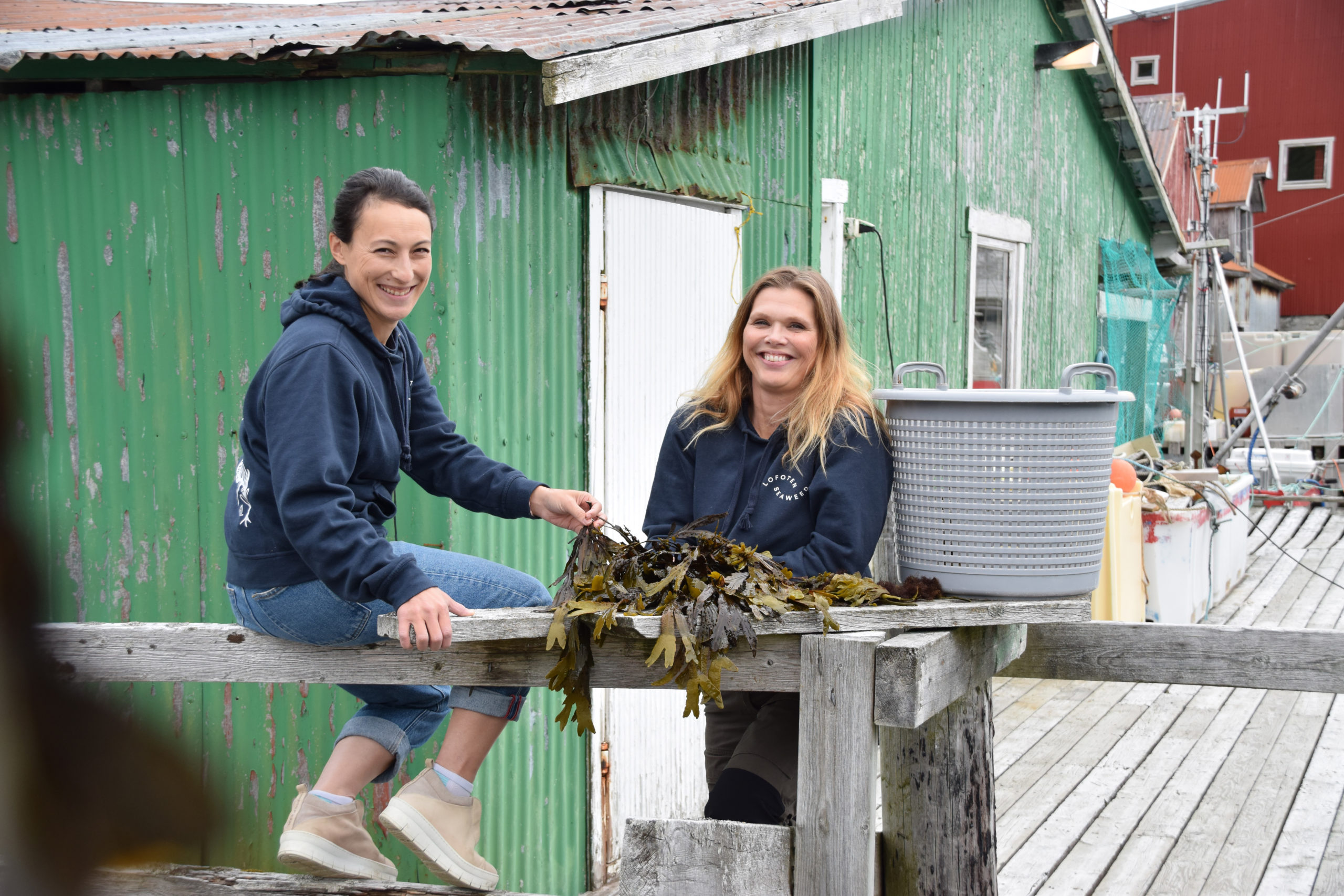
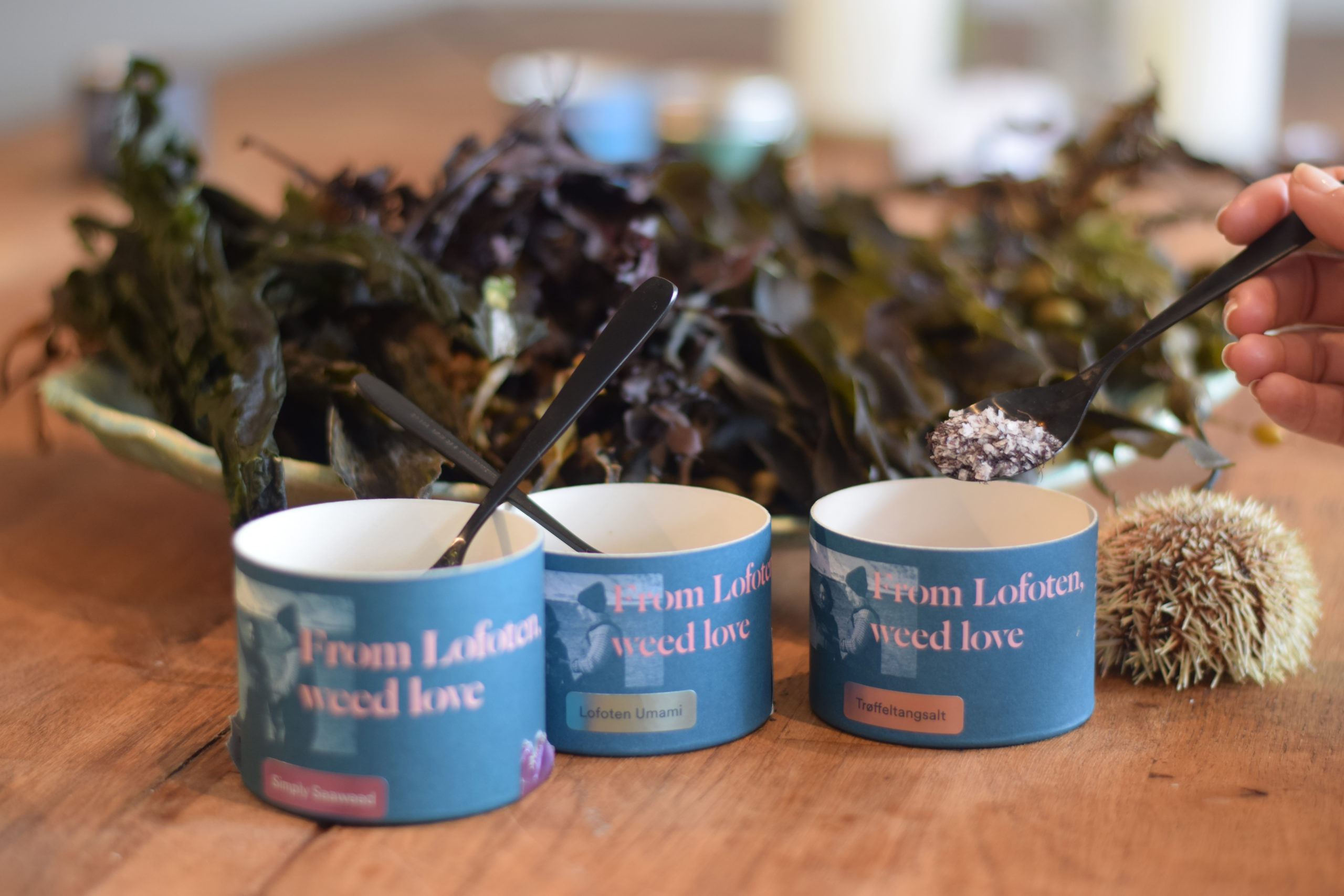
Seaweed and kelp not only enhance the taste of cheese, it is becoming known as “the sea’s superfood”. A faint hint of umami hangs in the premises of Lofoten Seaweed in the small fishing village of Napp.
“We have put out truffle seaweed salt, the spice mix Lofoten Umami and a vegan seaweed sprinkle made from the seaweed varieties søl and butare. You just have to taste it.”
Angelita Eriksen from Lofoten Seaweed urges this.
Together with Japanese-New Zealander Tamara Singer, she forms the duo behind Lofoten Seaweed. They make exciting products from hand-picked, wild-growing organic seaweed harvested in the cold and clean water at one of the world’s strongest tidal currents outside Napp. In addition, the founders organize both seaweed safaris and cooking classes.
The sea’s superfood has an incredible amount of potential and can be used for many different things, not just in sushi. In addition, it is a sustainable raw material that grows back, explains Tamara and lists some cooking tips: Truffle seaweed is excellent in both butter, sauces and pasta. Butare is nice to have in salads, the red algae mess turns into a kind of vegan bacon when fried in butter, and finger kelp can become taco shells.
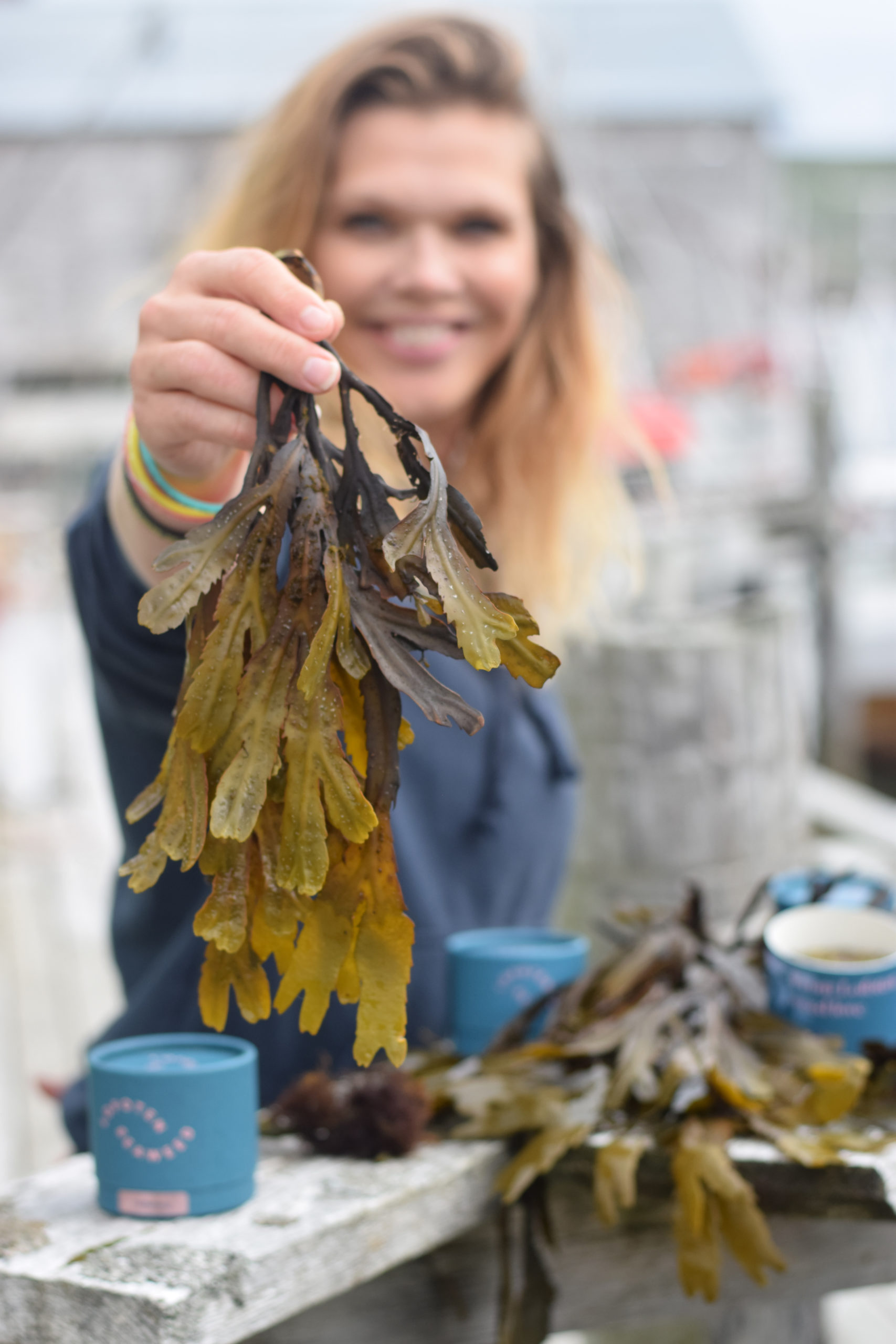
After trendy seaweed in Napp, we are back on the more traditional track in Reine. This fishing village is said to be one of the most beautiful in the whole of Lofoten. Here the competition is sky-high, but with colorful bows protected by towering mountains to the west, it is easy to see why so many people get excited about Reine. Restaurant Gammelbua at Reine Rorbuer has playful dishes such as dried fish dumplings and crispy fried cod tongues with seaweed and pineapple chilli, as well as classics such as oven-baked halibut and cod. Craving something sweet? Try ice cream with brown cheese.
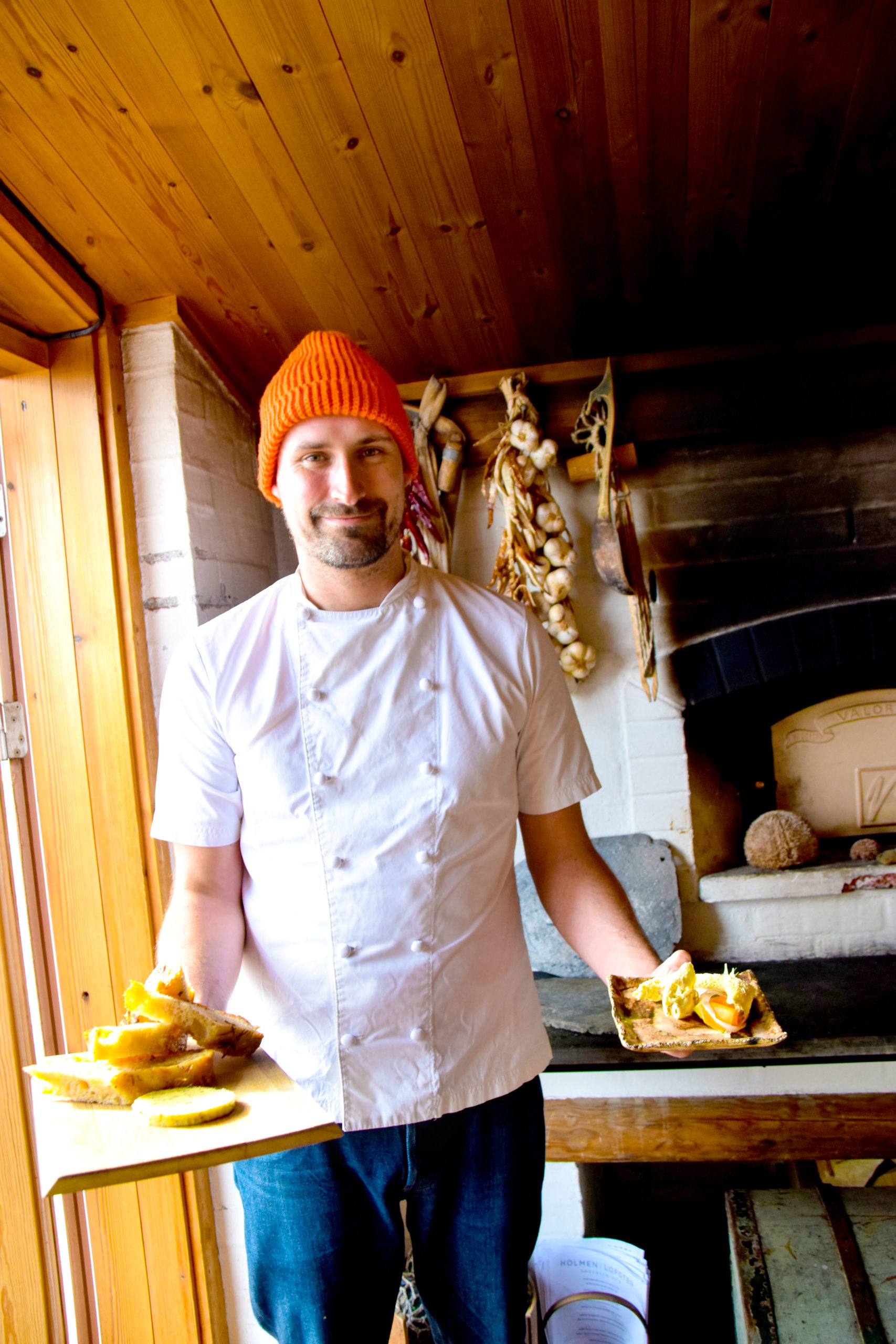
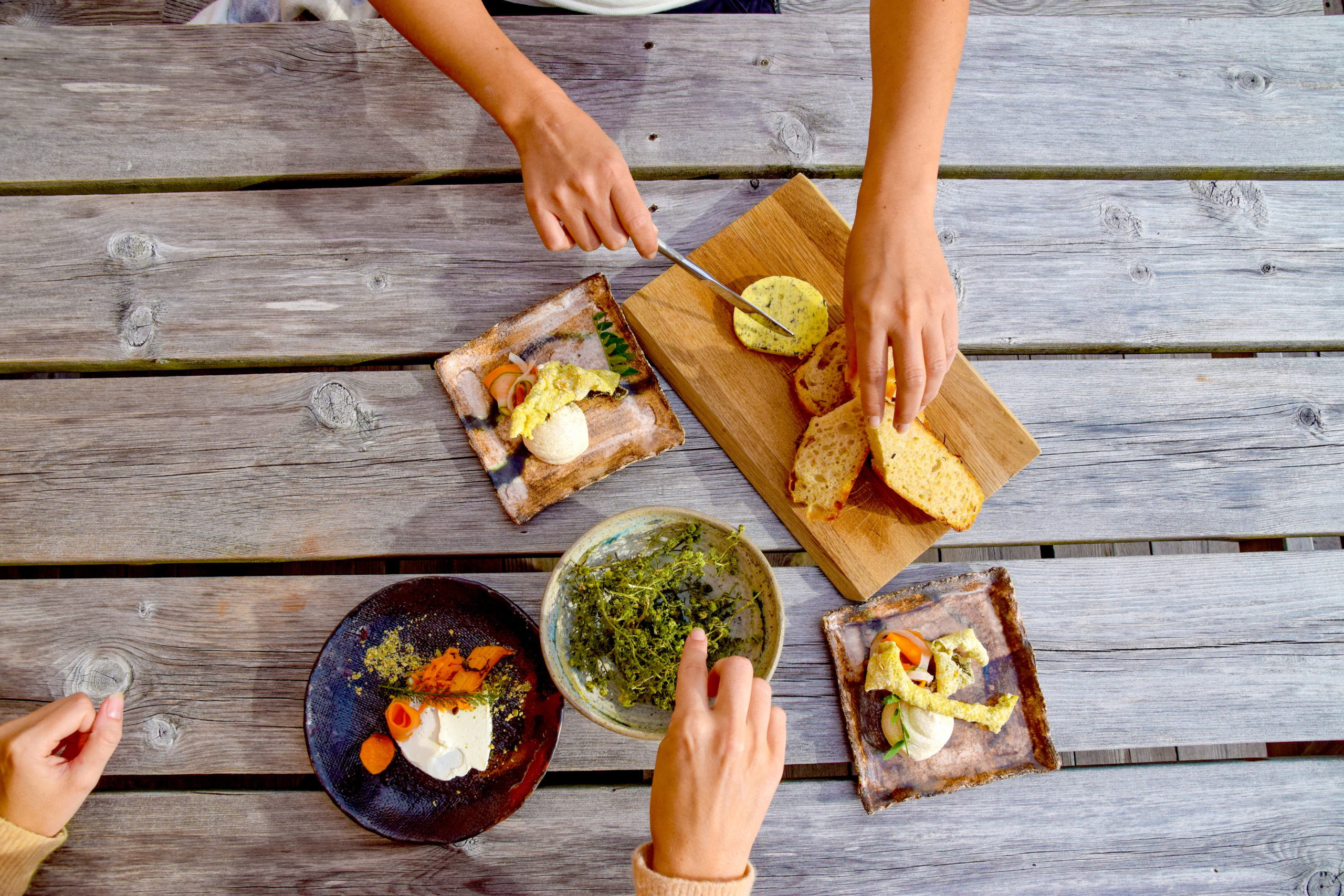
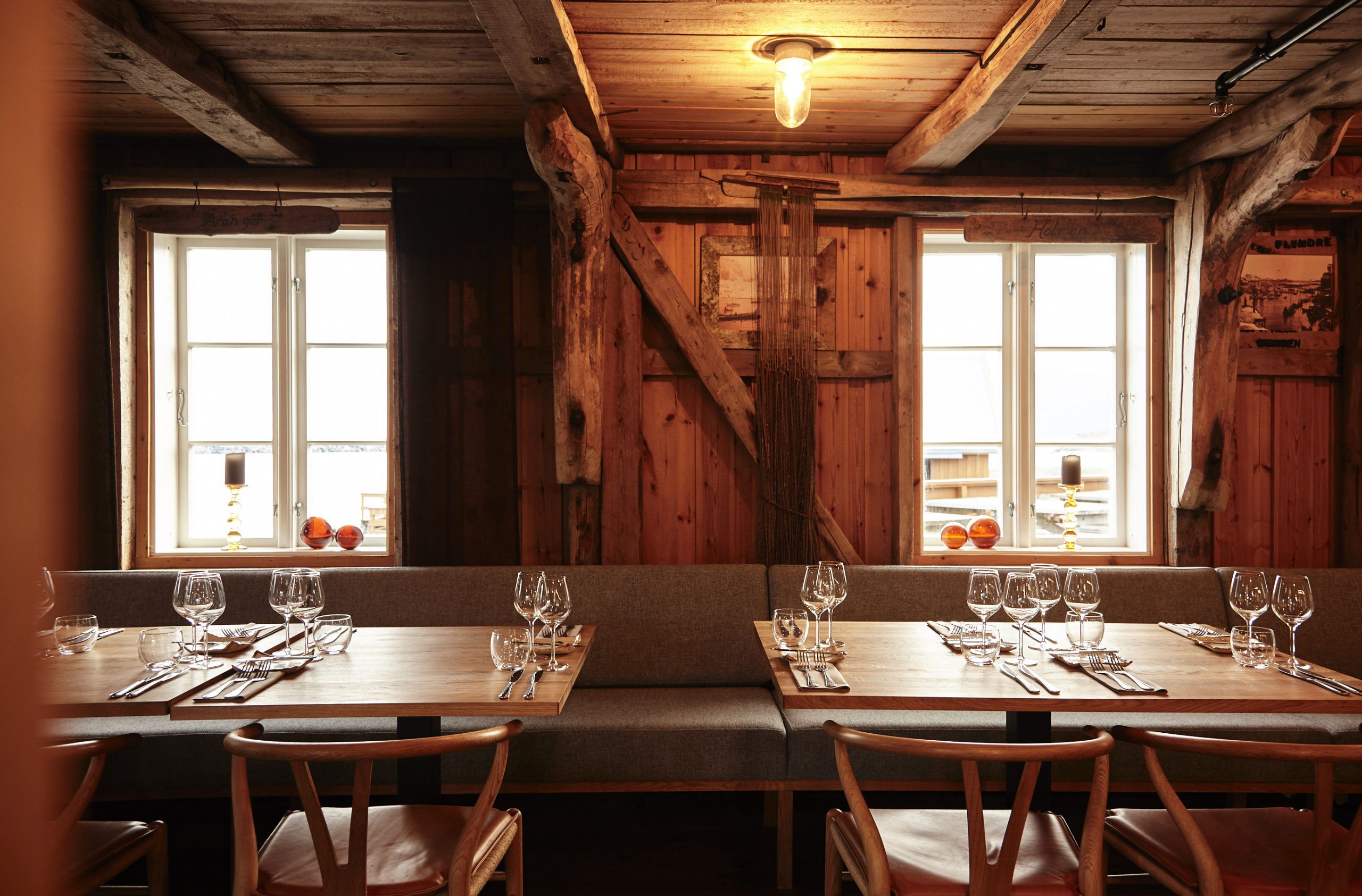
Modern and traditional are keywords for Holmen Lofoten on Sørvågen, almost at the end of the road at the far end of Lofoten. 200-year-old rorbue meet stylish architecture in a culinary oasis at 68 degrees north. In the homely restaurant, Y-chairs, contemporary ceramics and an open kitchen in stainless steel provide an exciting contrast to old clapboards, fishing nets and a dried fish dangling from the ceiling. The food is an essential part of the experience for those who take the trip out to Holmen. Although the dishes are far from what is classified as home cooking, culinary traditions are important. Here, they are also not afraid to think unconventionally when it comes to food service. Four times a year you are invited to the culinary themed weekends “Kitchen On The Edge Of The World” at Holmen Lofoten.
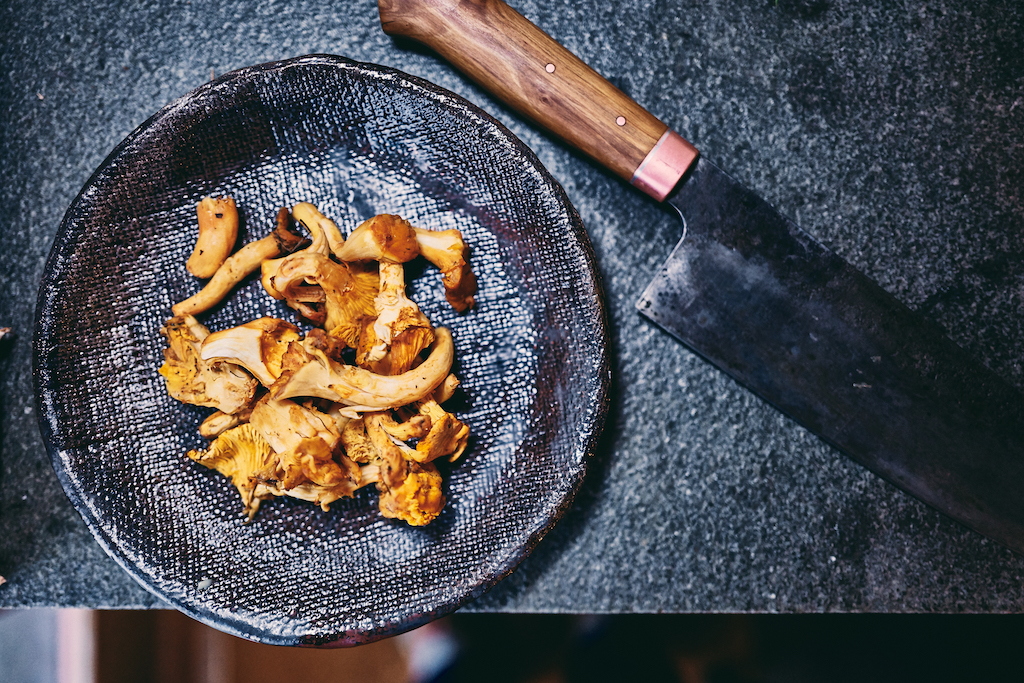
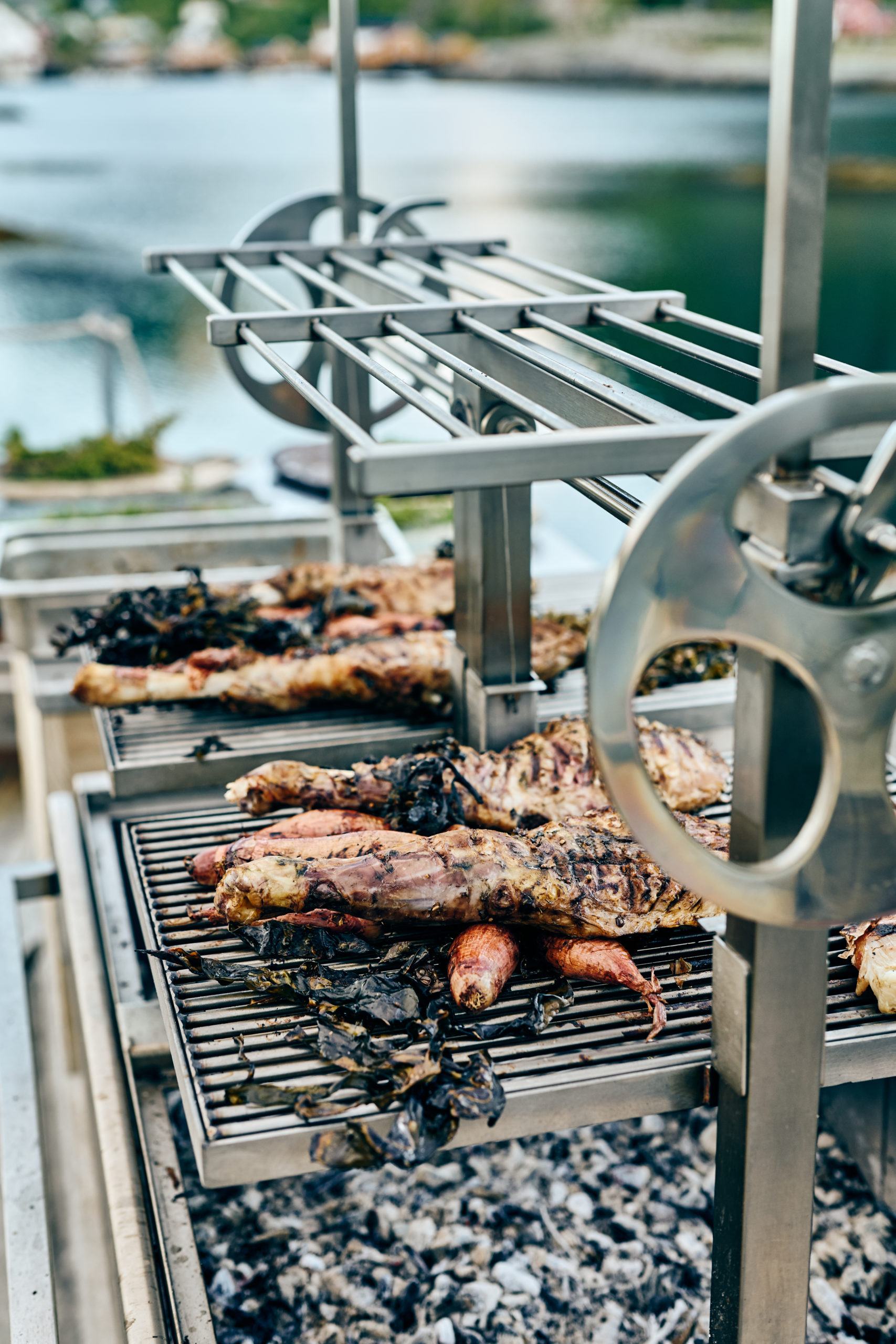
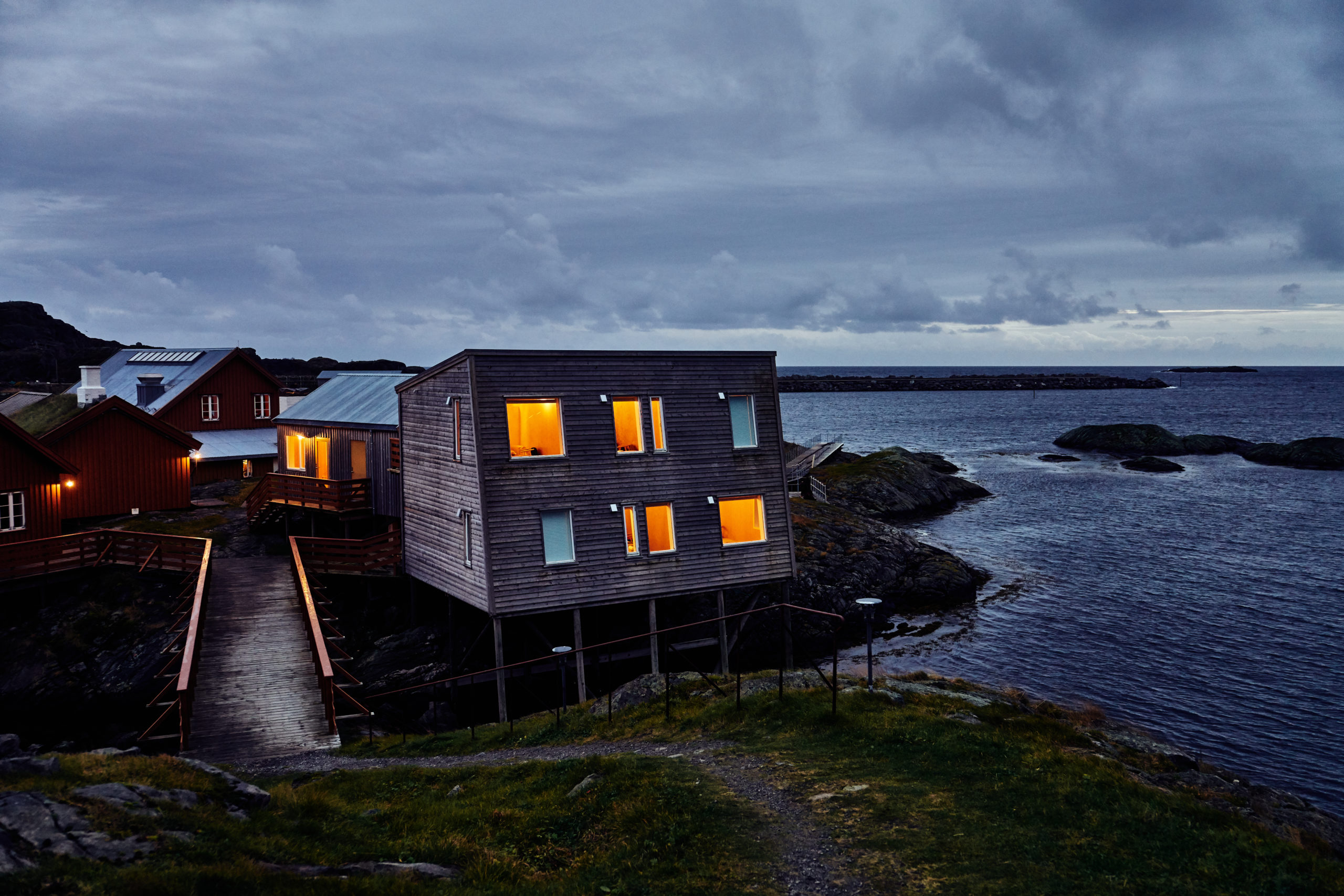
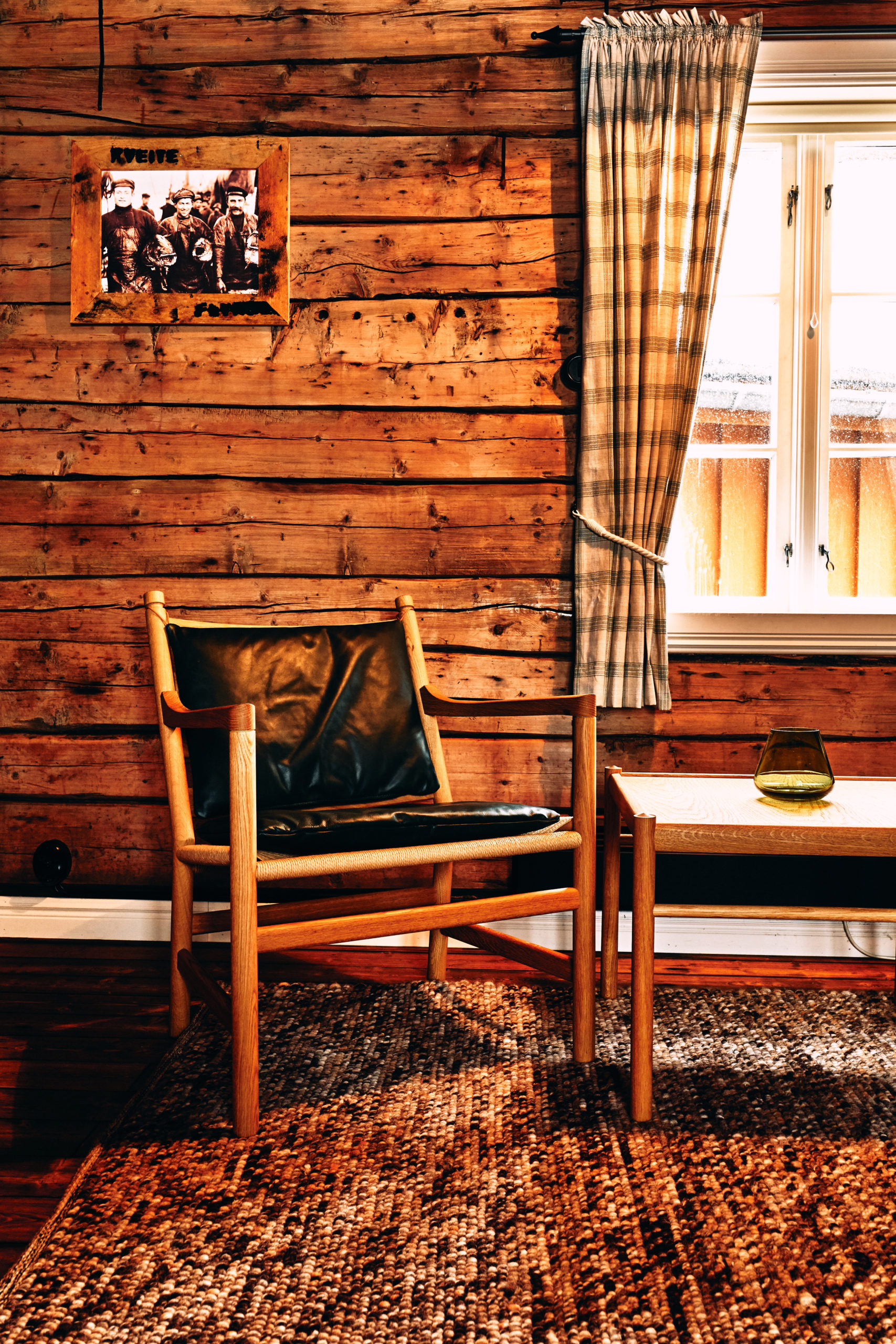
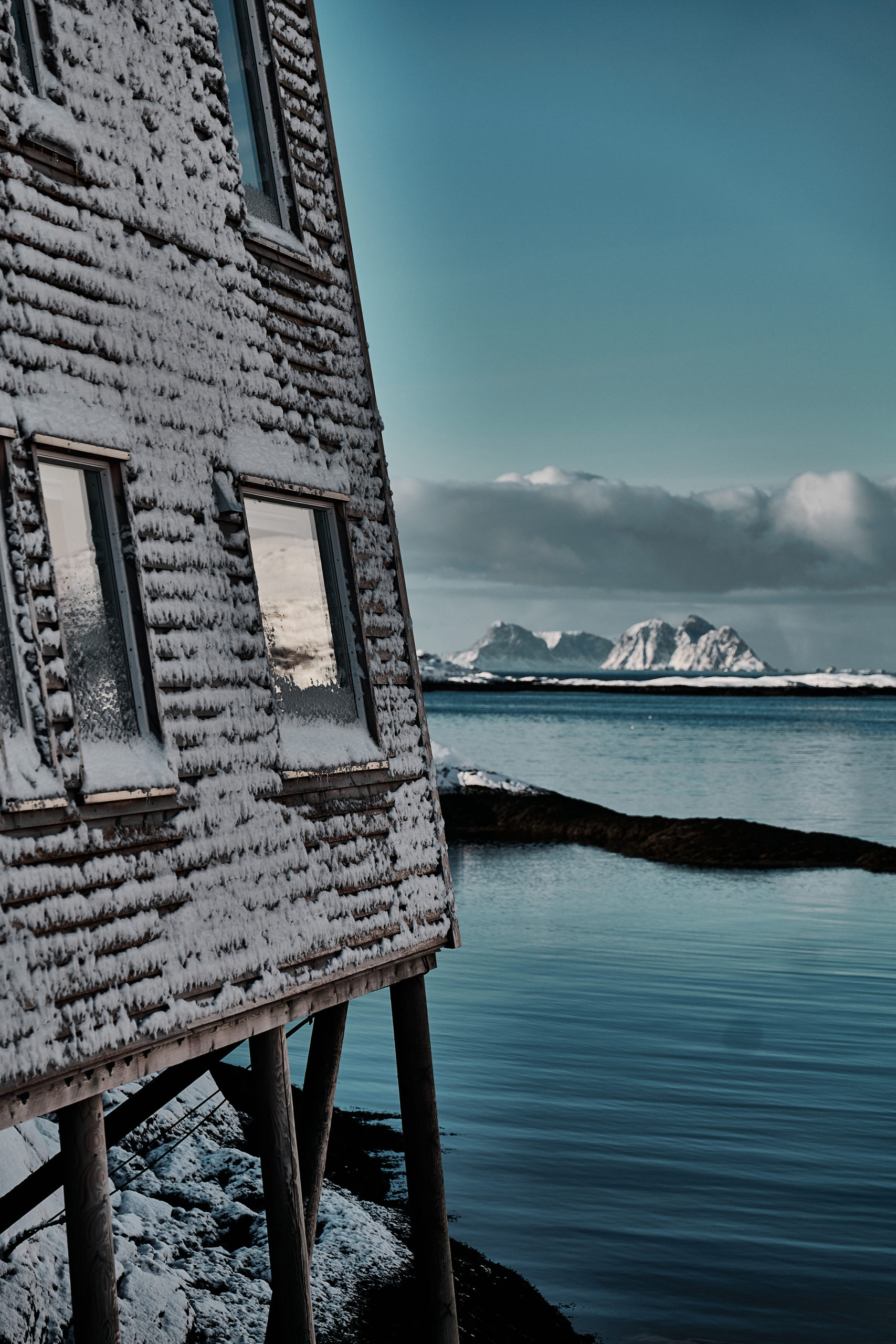
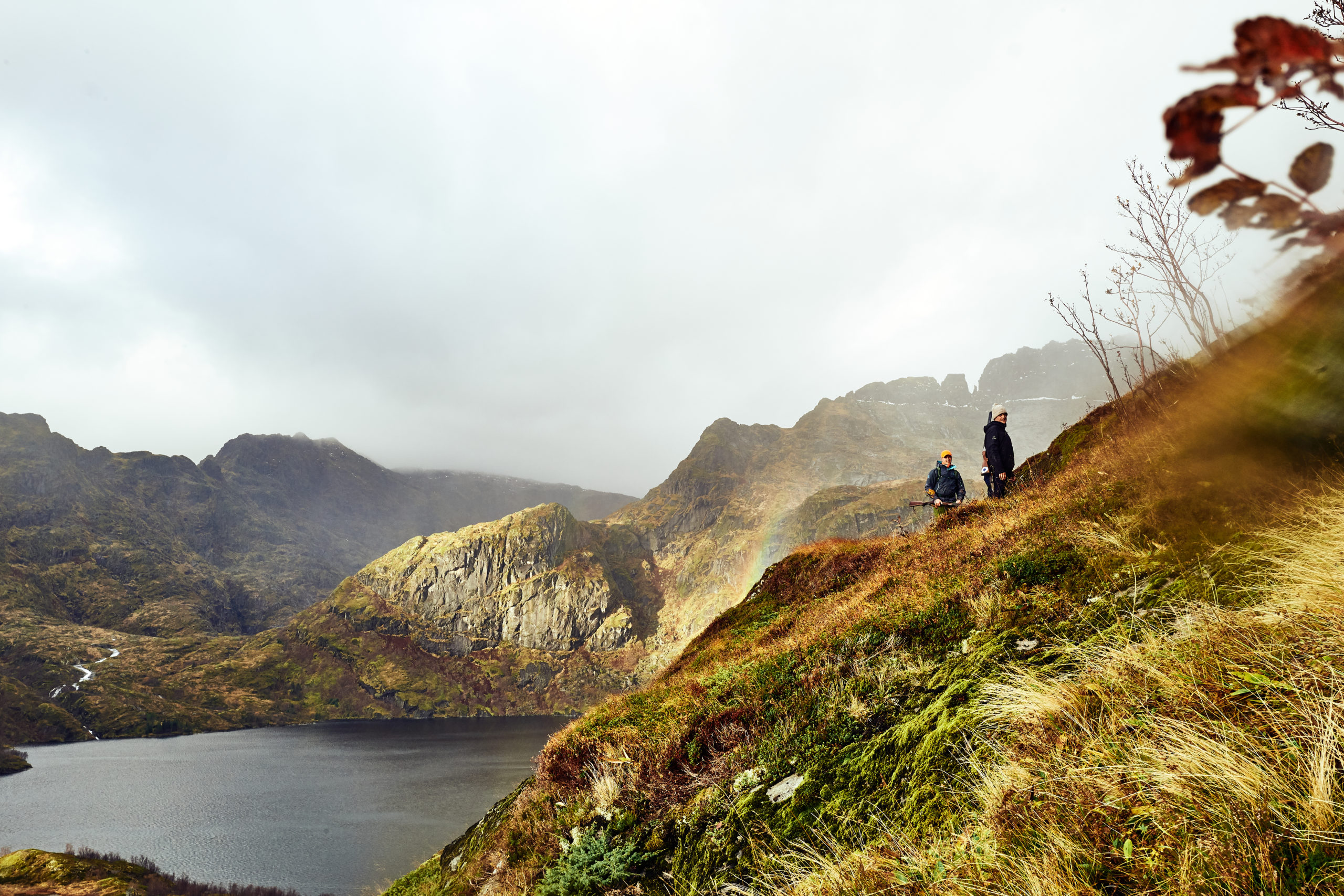
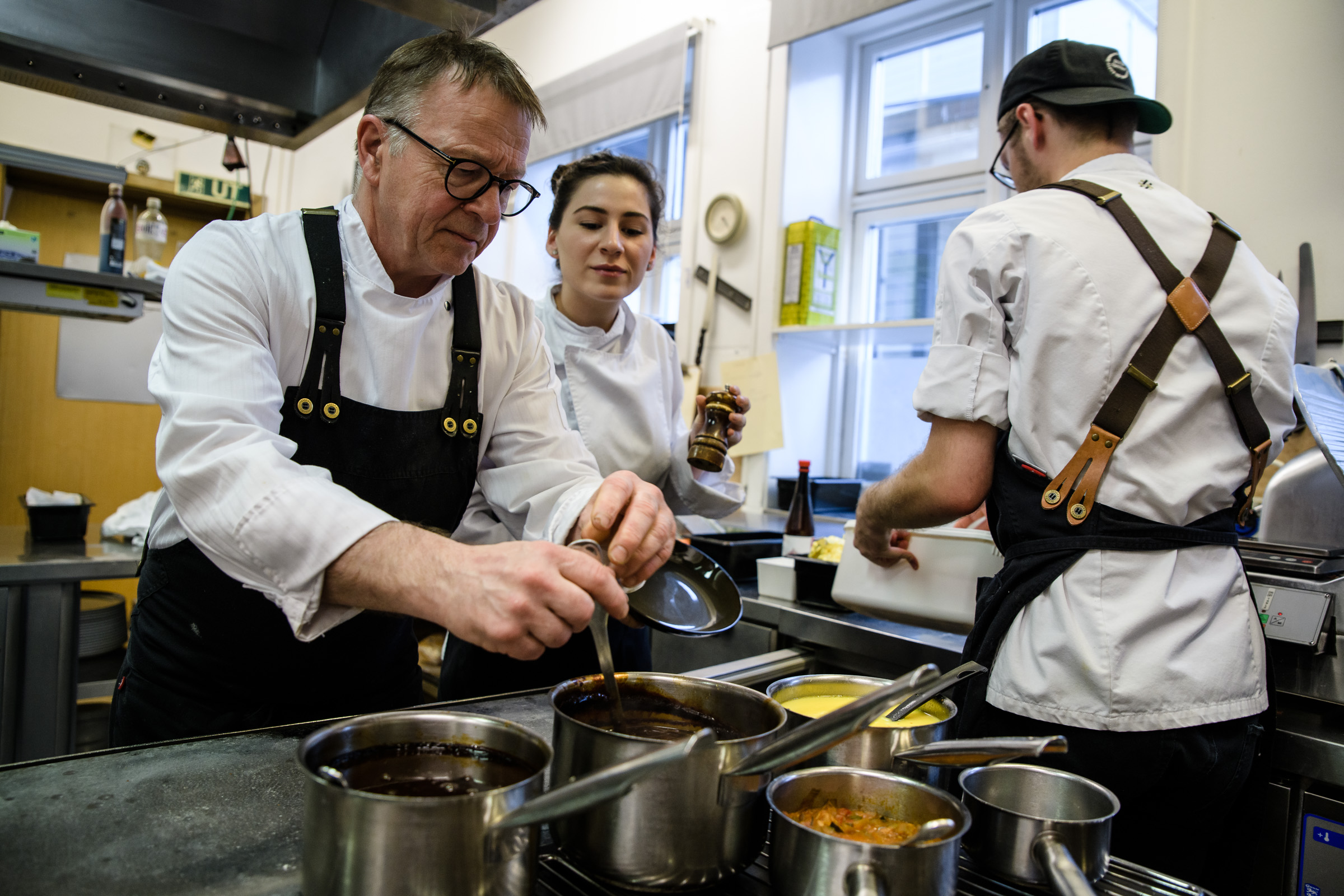
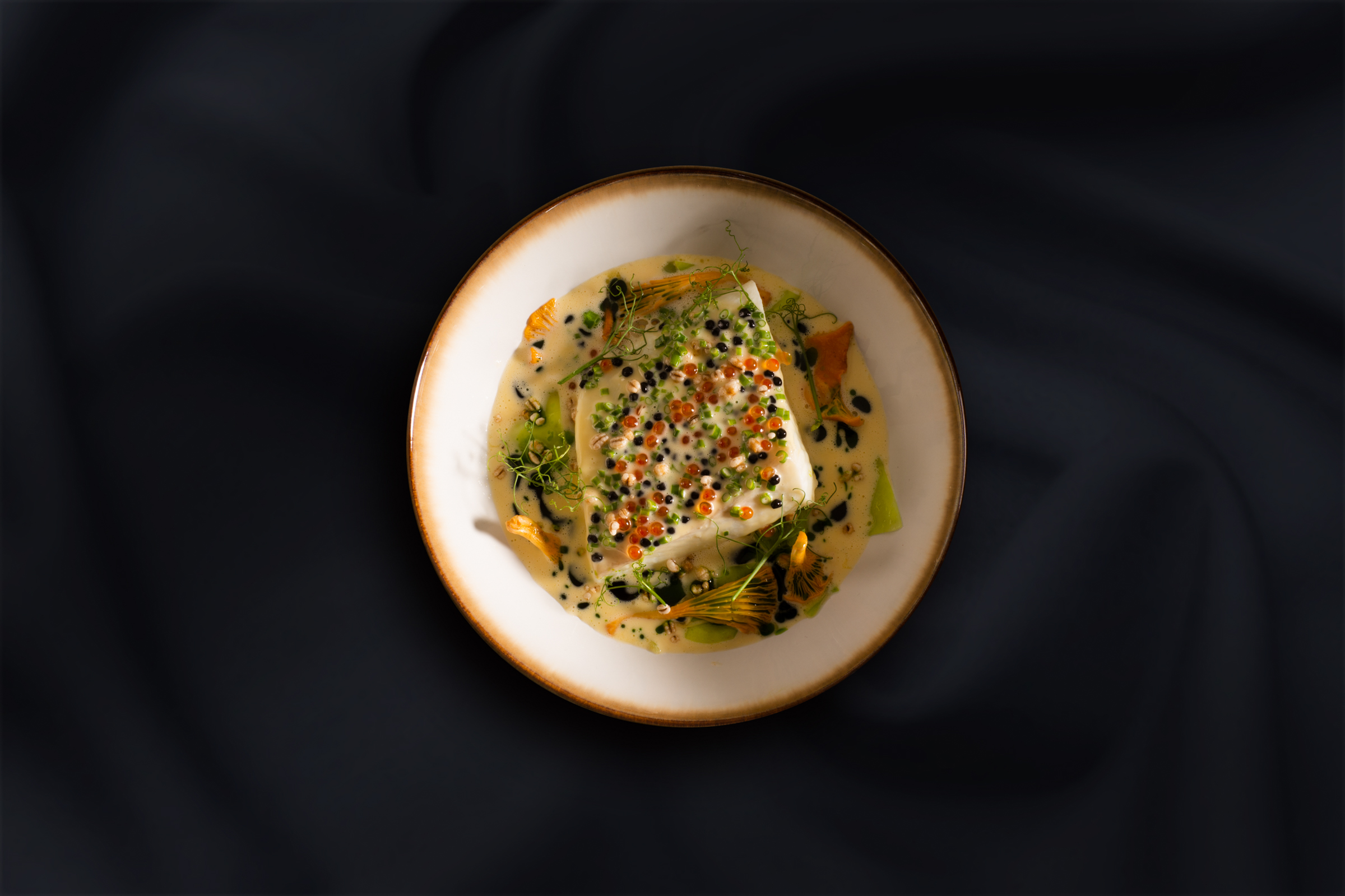
While Lofoten gets a lot of and deserved attention, Vesterålen is a bit of a blank slate for many tourists. The attraction is much the same, and with restaurant gems like Kvitnes Gård, more and more people are realizing that it is worth traveling also just north of Lofoten. In the old rectory at Kvitnes in Vesterålen, celebrity chef Halvar Ellingsen has created his own universe of short-traveled food, and don’t be surprised if the place is soon rewarded with stars in the Michelin guide. The evening’s 12-course meal is a symphony of the goodness of the sea and the farmer, presented on a work of art of shells, roots and moss. All dishes are presented on a work of art made of shells, conch shells, roots, moss and stone. Sea roe with cucumber flower. Deep-fried reindeer lichen and reindeer heart with porcini mushroom flatbread. Bread inspired by Sami gaiko. Grilled whale with fermented vegetables. Halibut in a sauce of almost burnt butter, almost burnt cream and fermented mackerel. Lamb snacks with pickled chanterelles, chive mayonnaise and pork chops.
“We are always creative, and use what we have. Therefore, the menu is constantly changing and no two days are the same.”
Celebrity chef Halvar Ellingsen

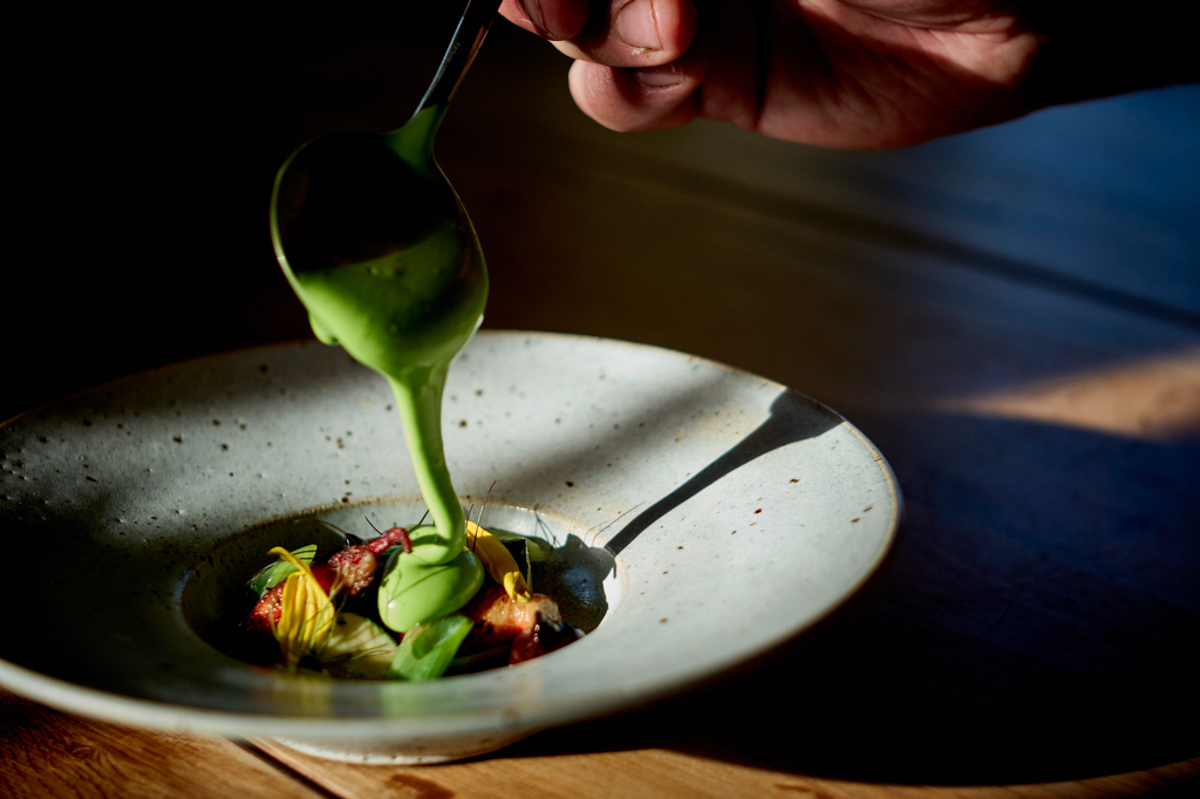
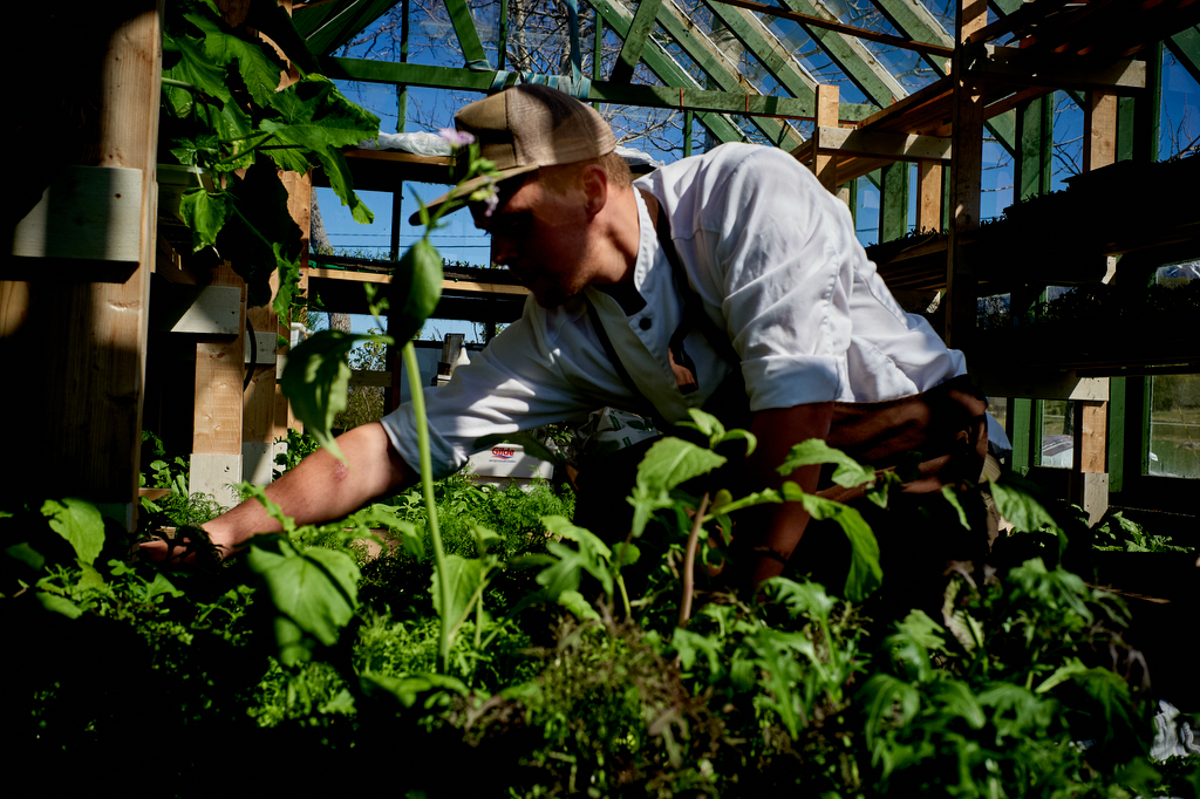
Many people travel to Northern Norway to walk in airy landscape. One of the finest tours has been named Dronningruta and runs between the fishing villages of Stø and Nyksund. Nyksund is the spearhead of the new tourist venture at “The Five Fishing Villages”, inspired by the Cinque Terre in Italy, and then it is almost a matter of course that the food service is also good. Restaurant The expedition is a great base for experiences – and good food. The tasting plate with 12 different dishes from the sea, decorated with edible flowers and herbs from our own garden entices visitors even from Narvik and Harstad!
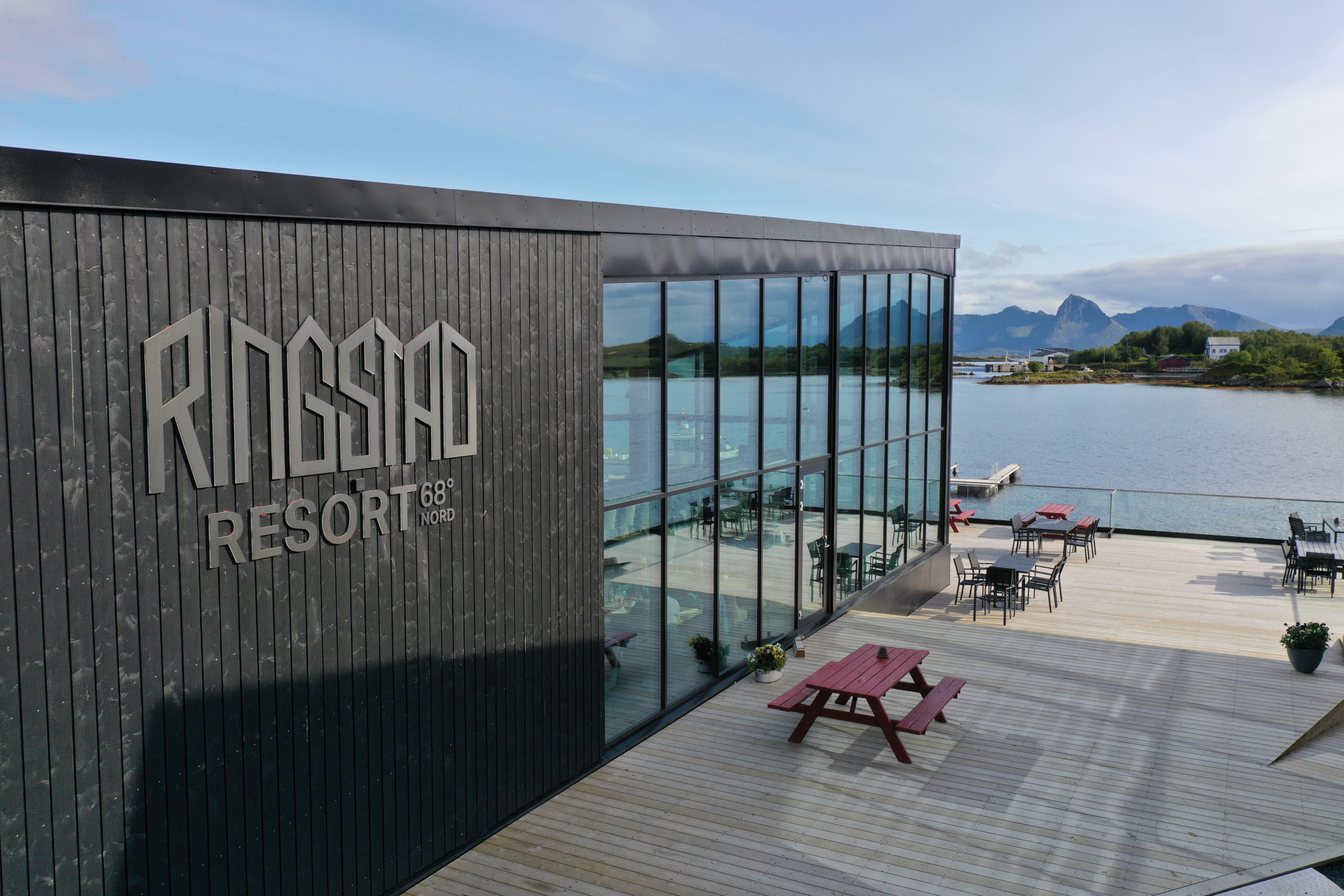
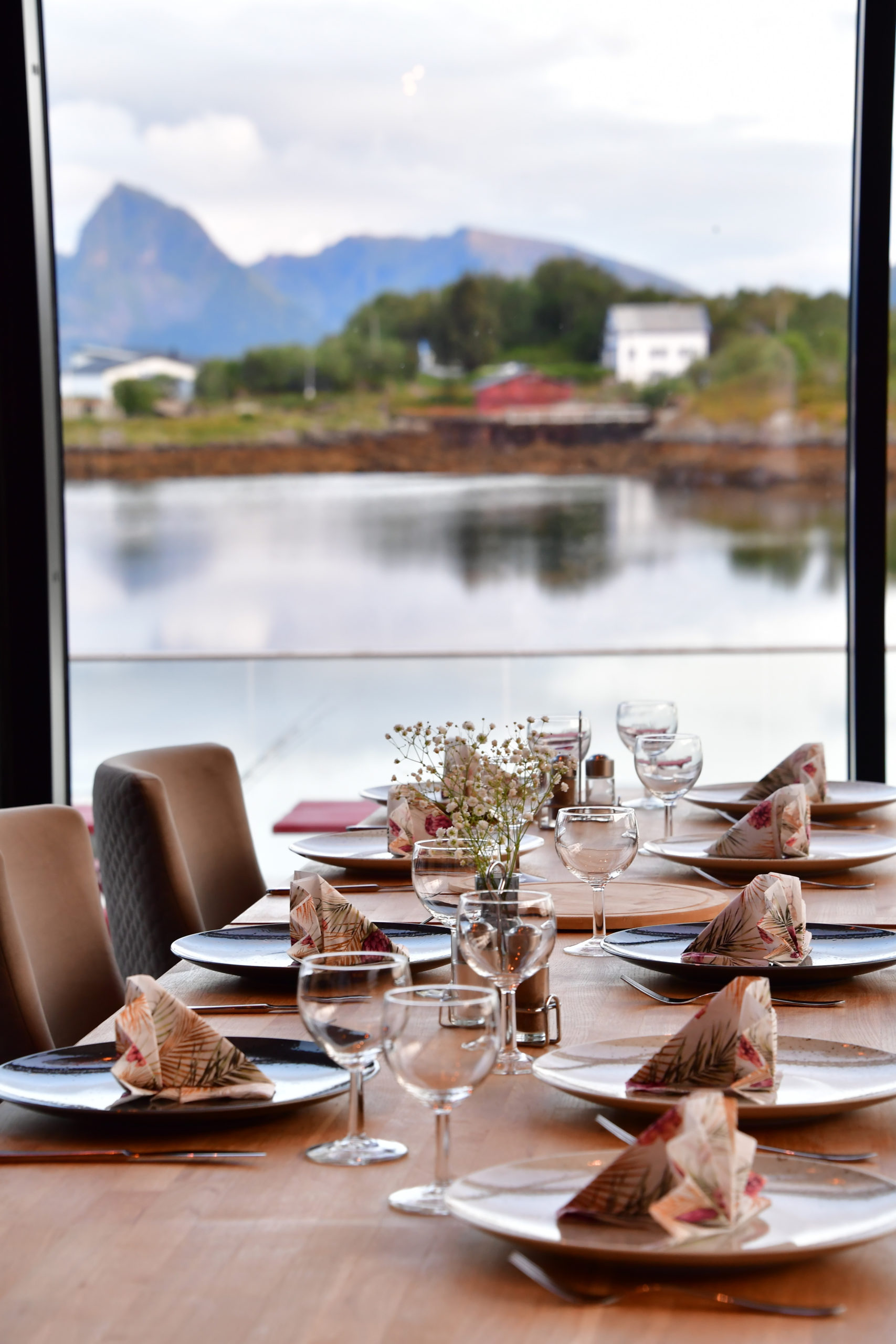
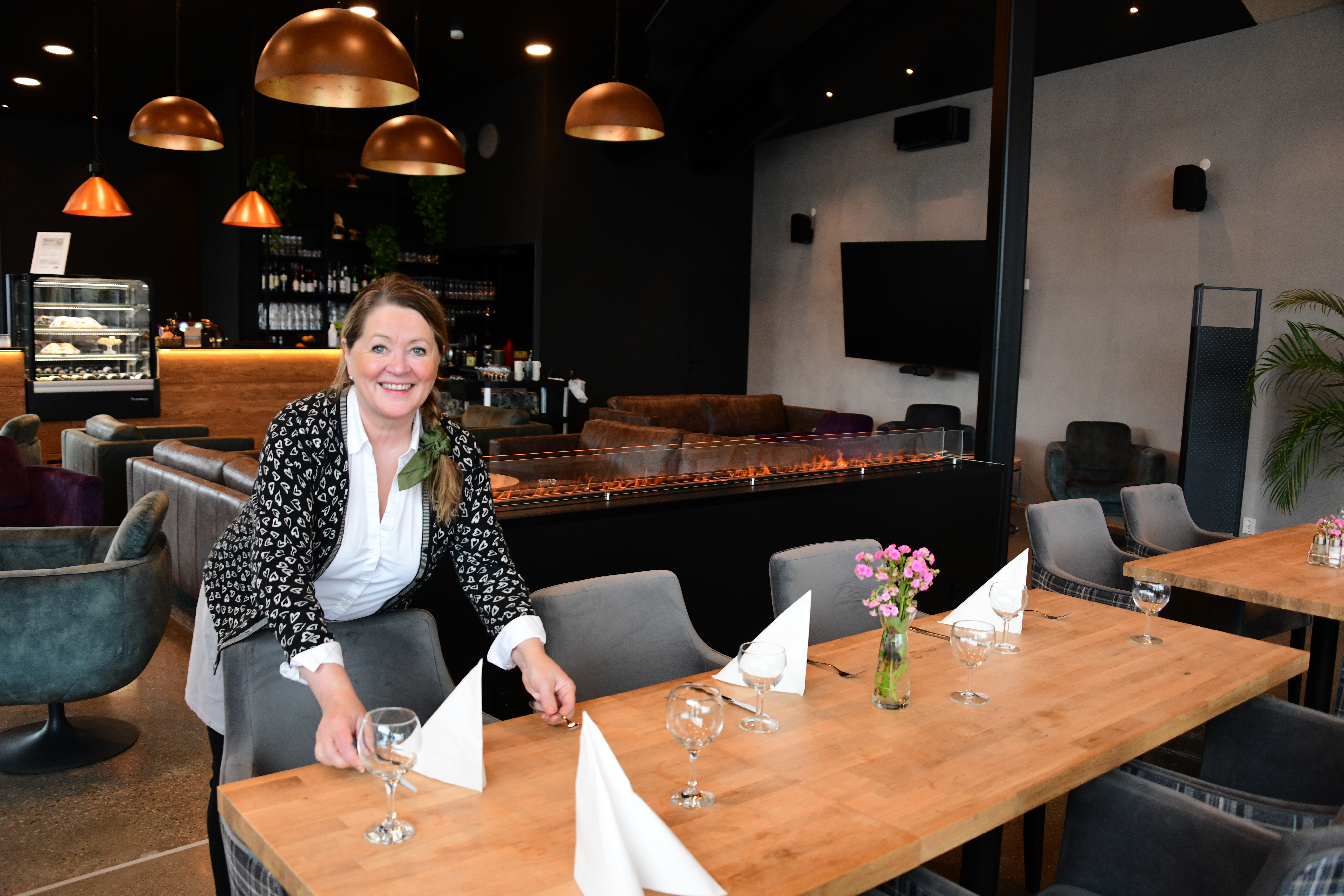
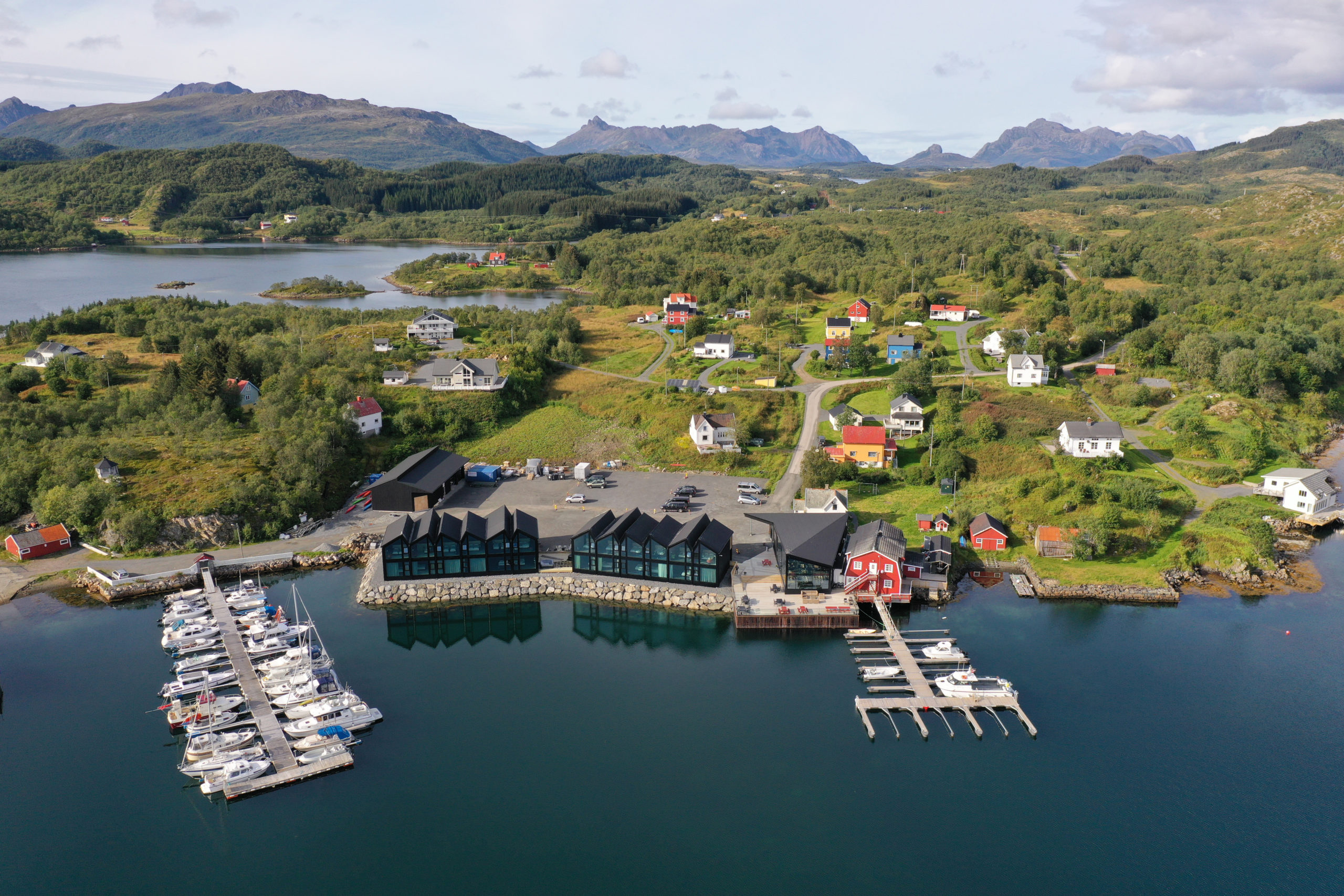
Ringstad Resort in Bø also arouses excitement among tourists in the far west of Vesterålen. The modern architecture blends in with the surroundings where it is built on the foundations of an old rorbu facility. Thanks to large glass windows with an undisturbed view of the sea, a meal in the restaurant at Ringstad Resort takes on an extra dimension. Here you eat almost at one with nature, and pan-fried scallops and scallops in season never taste as good as in stylish premises by the sea.
Troms
Every road trip offers transport stages, and it is easy to drive past places that deserve a visit. Harstad is a good example of a city that is easy to forget on the way to more acclaimed destinations. Anyone who drives by is missing out on a lot of good. This is one of Northern Norway’s tastiest cities! Umami is Harstad’s best gourmet restaurant and is located in open, minimalist premises with white tablecloths on large, round tables. Set, seasonal menu with local ingredients cooked to perfection. But there is more good to come in the small town with its many flavors. Røkenes Gård has been an inn since 1673 and is run today by the 10th generation of Kulseng. Located in lovely surroundings on a hill outside the city centre. Bark Spiseri & Bar is a new addition to the line of restaurants with high quality and good ingredients. Rustic dishes in a cozy and warm atmosphere served with real pleasure.
The journey continues through Troms
Umami, Harstad
Umami offers good taste.
Røkenes Gård, Harstad
The undisturbed environment, with contemporary hustle and bustle at a safe distance, forms the framework for your event at Røkenes Gård.
Bark, Harstad
Food and drink at Bark should be like life itself: tempting and tasty.
Hamn i Senja
Experience the rhythm of nature in a unique northern Norwegian landscape at Hamn i Senja.
Senja by heart
Experience the rhythm of nature in a unique northern Norwegian landscape at Senja by Heart.
Mefjordvær Brygge, Senja
Once again a beautiful place, Mefjordvær Brygge, in the very north of Senja.
Arctandria, Tromsø
Arctandria is a traditional Tromsø restaurant.
Fiskekompaniet, Tromsø
Fiskekompaniet beautifully located on the quay in Tromsø.
Smak, Tromsø
Restaurant Smak offers wonderful culinary experiences, prepared from local and short-traveled ingredients. The menu reflects northern Norwegian nature and consists of seasonal ingredients of the highest quality from all over northern Norway.
Halvors Boknafisk, Tromsø
Halvors is a short way to good taste.
Maskinverkstedet, Tromsø
A restaurant, a lunch spot, a bar. Maskinverkstedet is a place with high ceilings and a good atmosphere.
Aurora Spirit, Lyngen
With the northernmost distillery in the world as a backdrop, you will find peace, tranquility and unique experiences at Aurora Spirit.
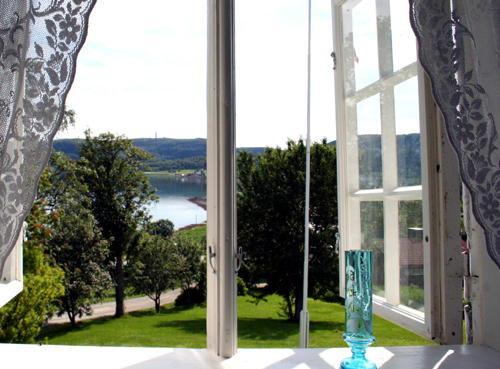
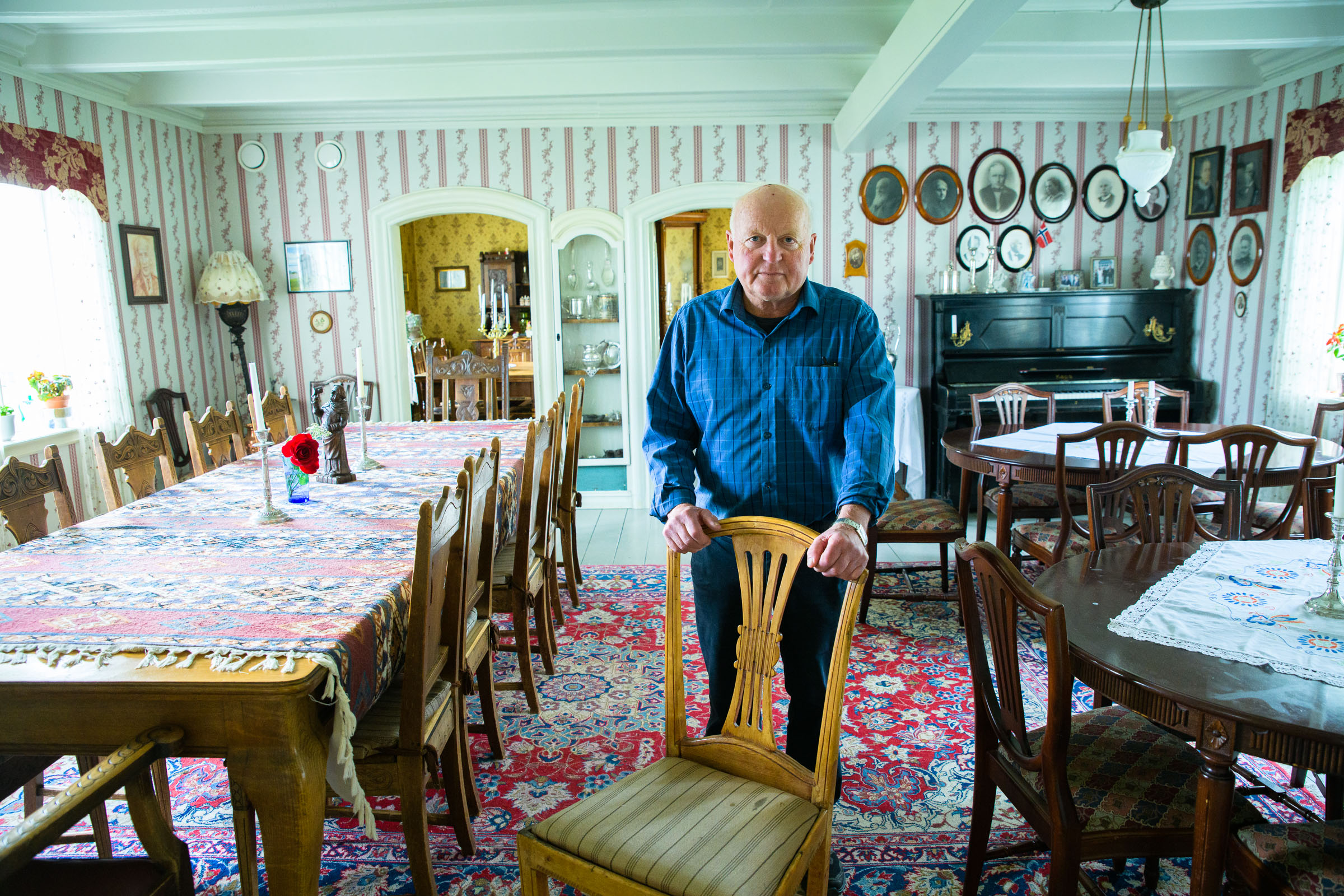
Hungry for more? Of course you are. Northern Norway is a destination for life. It’s easy to gape at too much, but this isn’t the place you’ll finish in one trip. Just look at Senja – referred to as “The New Lofoten” because of its dramatic nature. This is Norway’s second largest island (after Hinnøya), but in terms of tourism it is only in recent years that the infrastructure for tourism has fallen into place. Senja is known as “Norway in miniature”, with a short distance from the fjord to the mountains – and a sea of experiences in the same place. While some come to walk in the mountains, others are lured by maritime pleasures, with fishing trips among islets and reefs in the company of sea eagles, cormorants and seals.
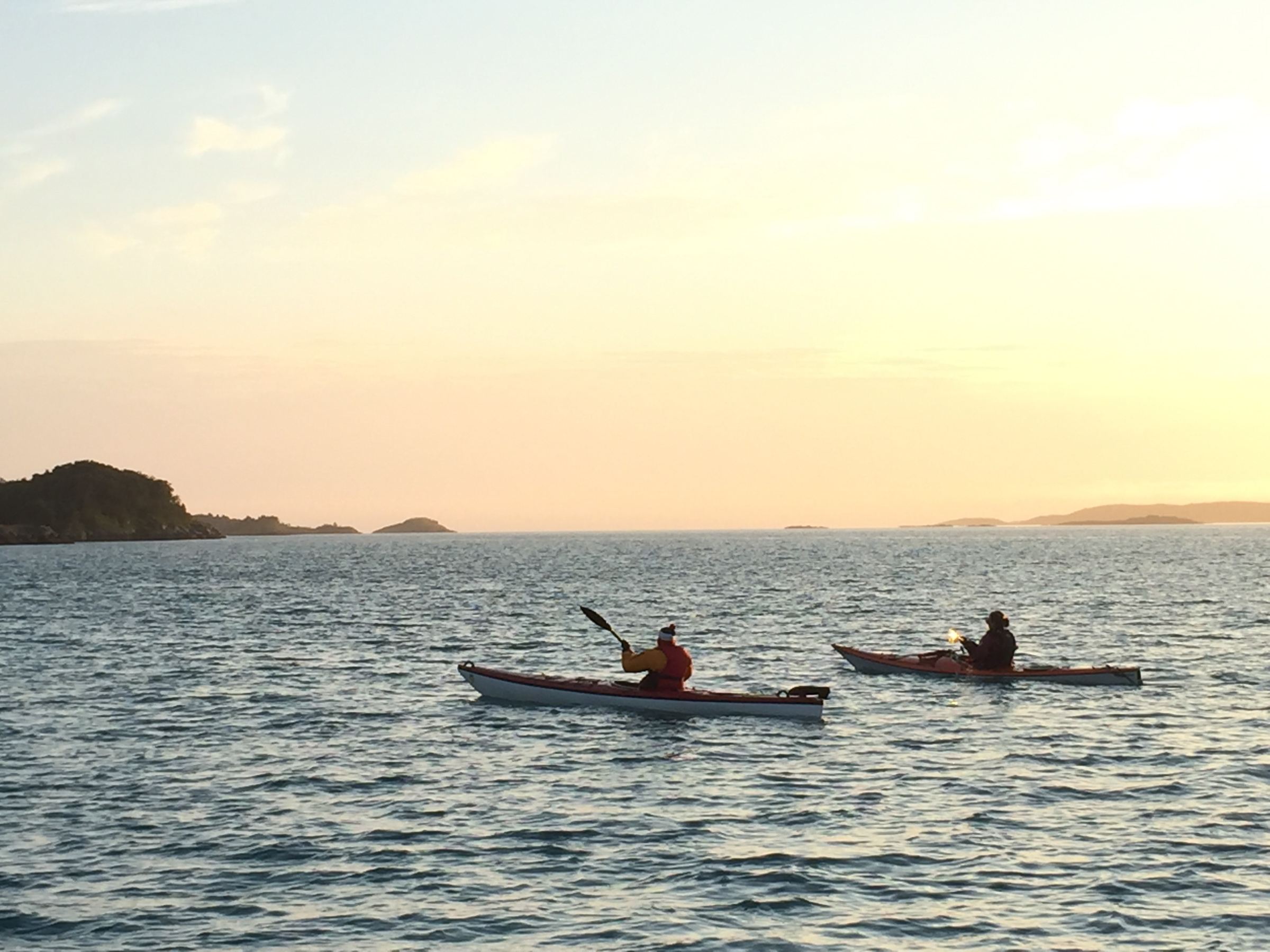
The old fishing village of Hamn in Senja has been a place to stay since the mid-90s, and after a modern upgrade the place appears as a first-class coastal resort in harmony with the magnificent surroundings – complete with a restaurant on the pier. The fish burger tastes extra good after the hike up to Sukkertoppen, while traditional bokna fish goes well after an excursion in the archipelago by kayak or motorboat. Senja by Heart is the heart of the small fishing village of Torsken, and the ambitions in the kitchen are great. The feedback more than suggests that they are succeeding in their goal of offering a culinary experience that reflects the soul of the island, with roots deeply rooted in a love of local ingredients: “A tasty odyssey through Senja’s landscape. Every meal is a celebration of northern Norwegian culture and food traditions’ is one of the responses described on TripAdvisor. Salmon from the local farm and the catch of the day are among the highlights.
Norway is by far the world’s largest producer of farmed salmon, which is the country’s second largest source of income after crude oil and natural gas. It is even possible to join a guided tour of breeding facilities to learn about this industry in several places in Northern Norway. Mefjordvær also knows how to tempt hungry bellies. Mefjord Brygge and restaurant Salteriet are proof that Senja has really established itself as a travel destination also for “foodies”. Pan-fried halibut from Mefjorden, boiled salmon from Husøy and home-made bokna fish are stars on the menu.
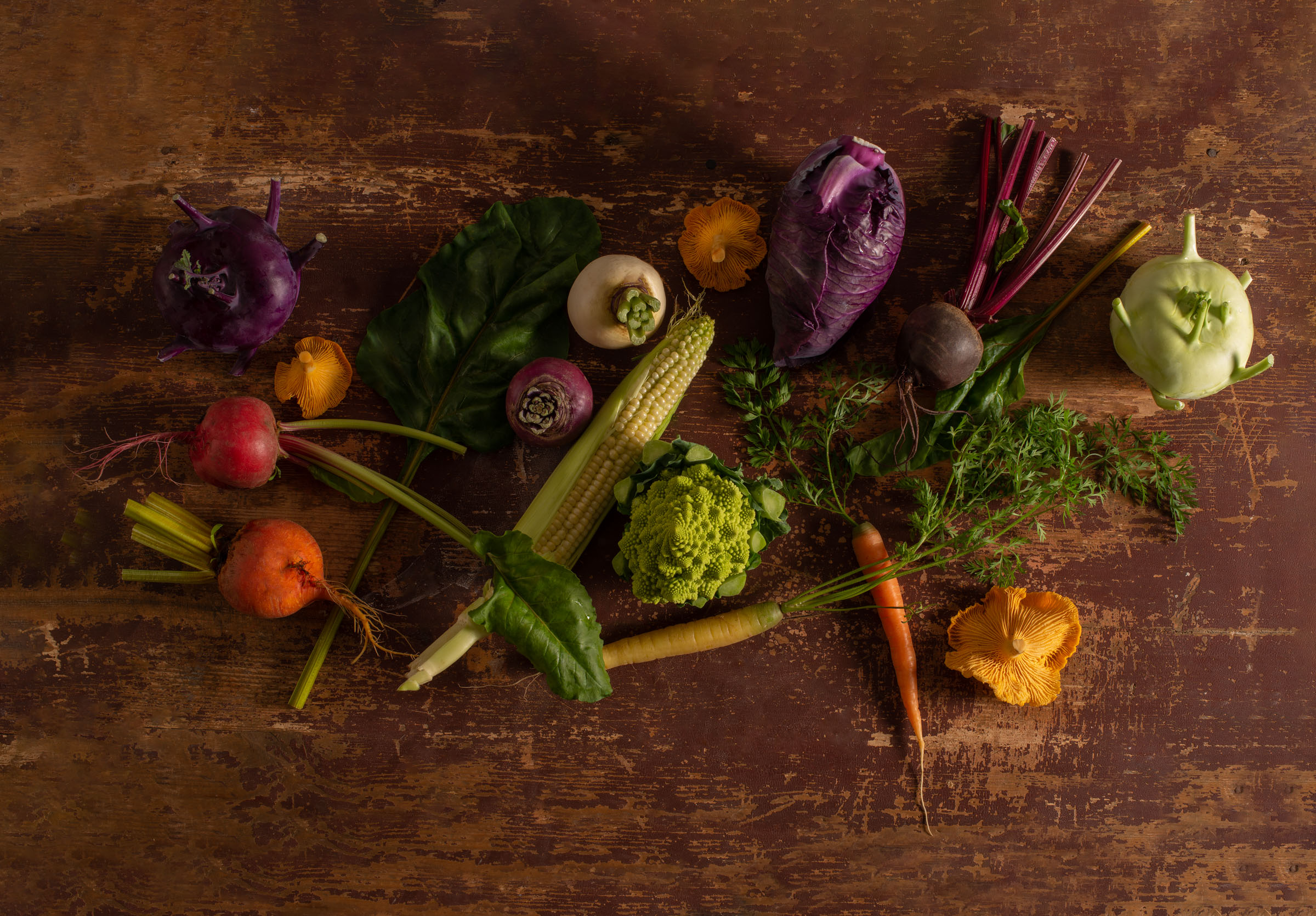
Med ferje fra Botnhamn nord på Senja til Brensholmen på Kvaløya er det enkelt å reise videre til «Nordens Paris». Tromsø er en pulserende by med urbane gleder, rik på historie og spekket med gode smaker. Vertshuset Skarven er en institusjon i Tromsø, og grillet tørrfisk servert i lokalene til Arctandria Sjømatrestaurant er på mange måter essensen av nordnorsk tradisjonskost.
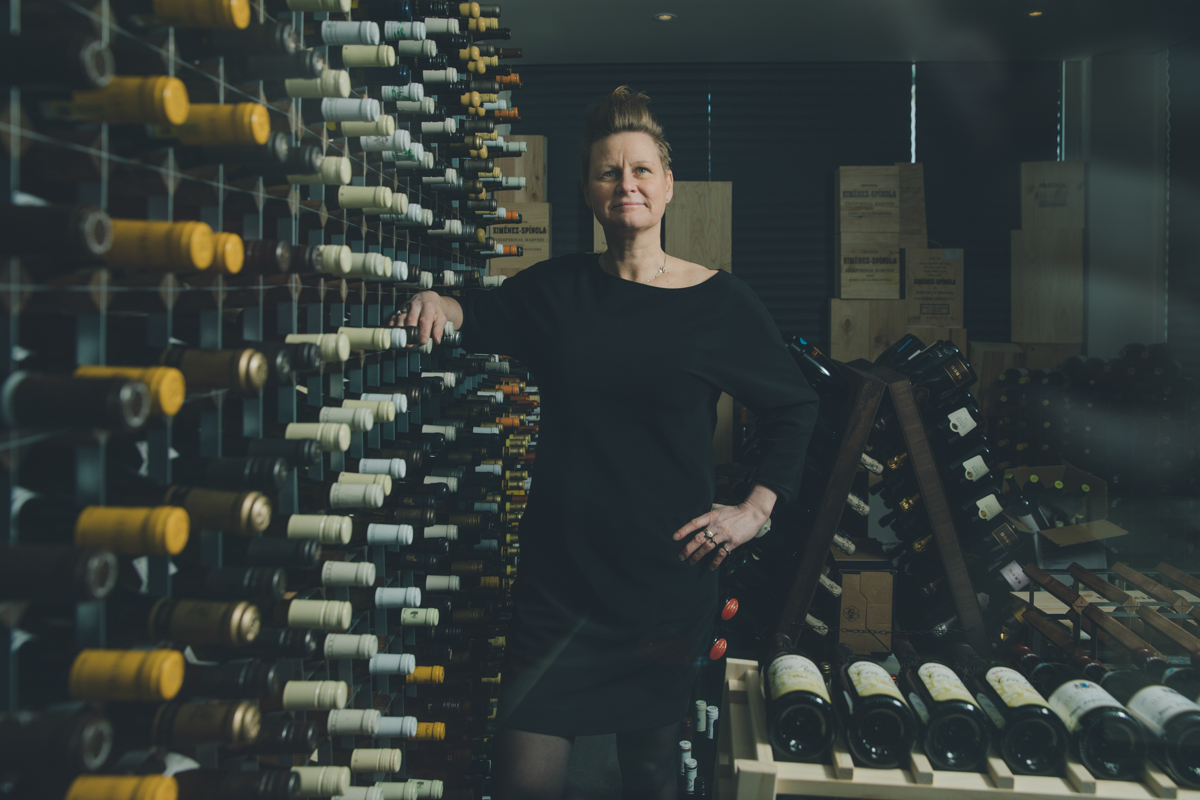
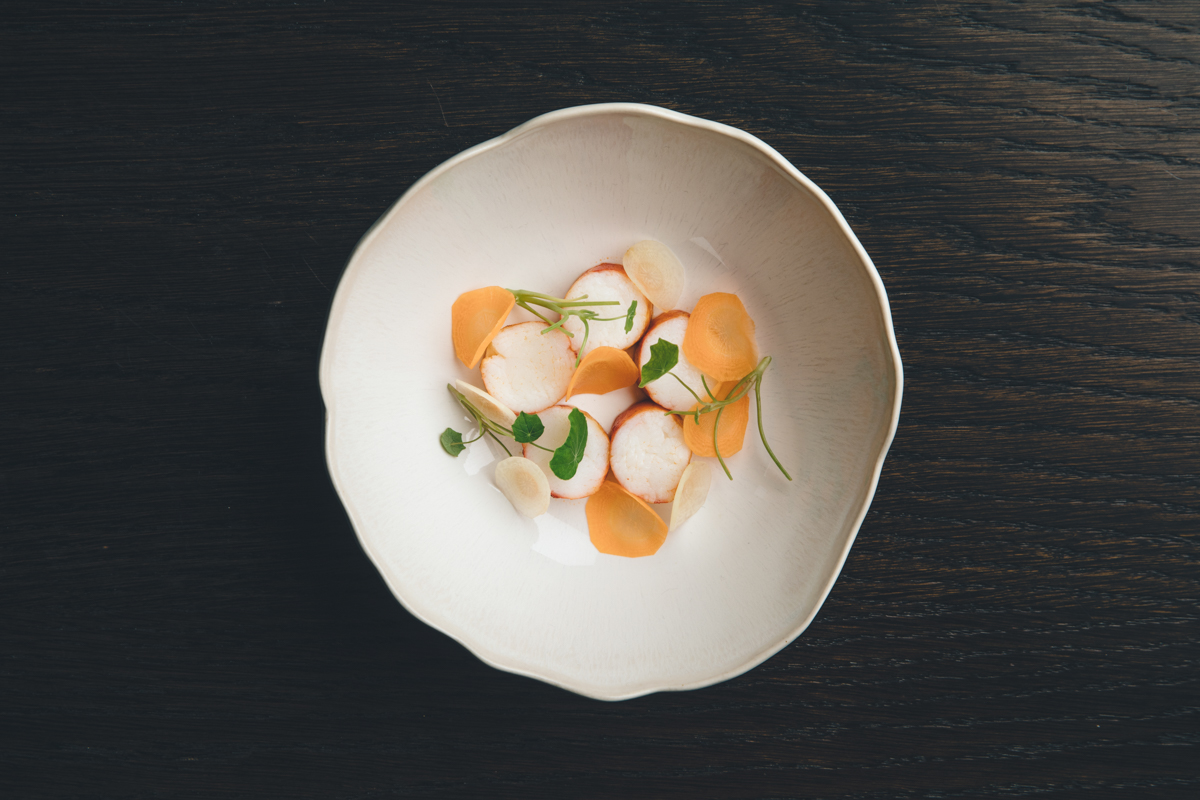
A must for anyone who is in the city for the first time. Not far from the beloved Skarven, Fiskekompaniet offers a slightly more refined version of the sea’s delicacies. Restaurant Smak, slightly off the main street, is perhaps the city’s very best restaurant; here too, seafood is an important part of the menu, as is game from the mountains, free-range lamb and local vegetables. They have Lyngen prawns, Ekofangst sea urchin, Halvors Boknafish and cultivated mushrooms from Tromsopp.
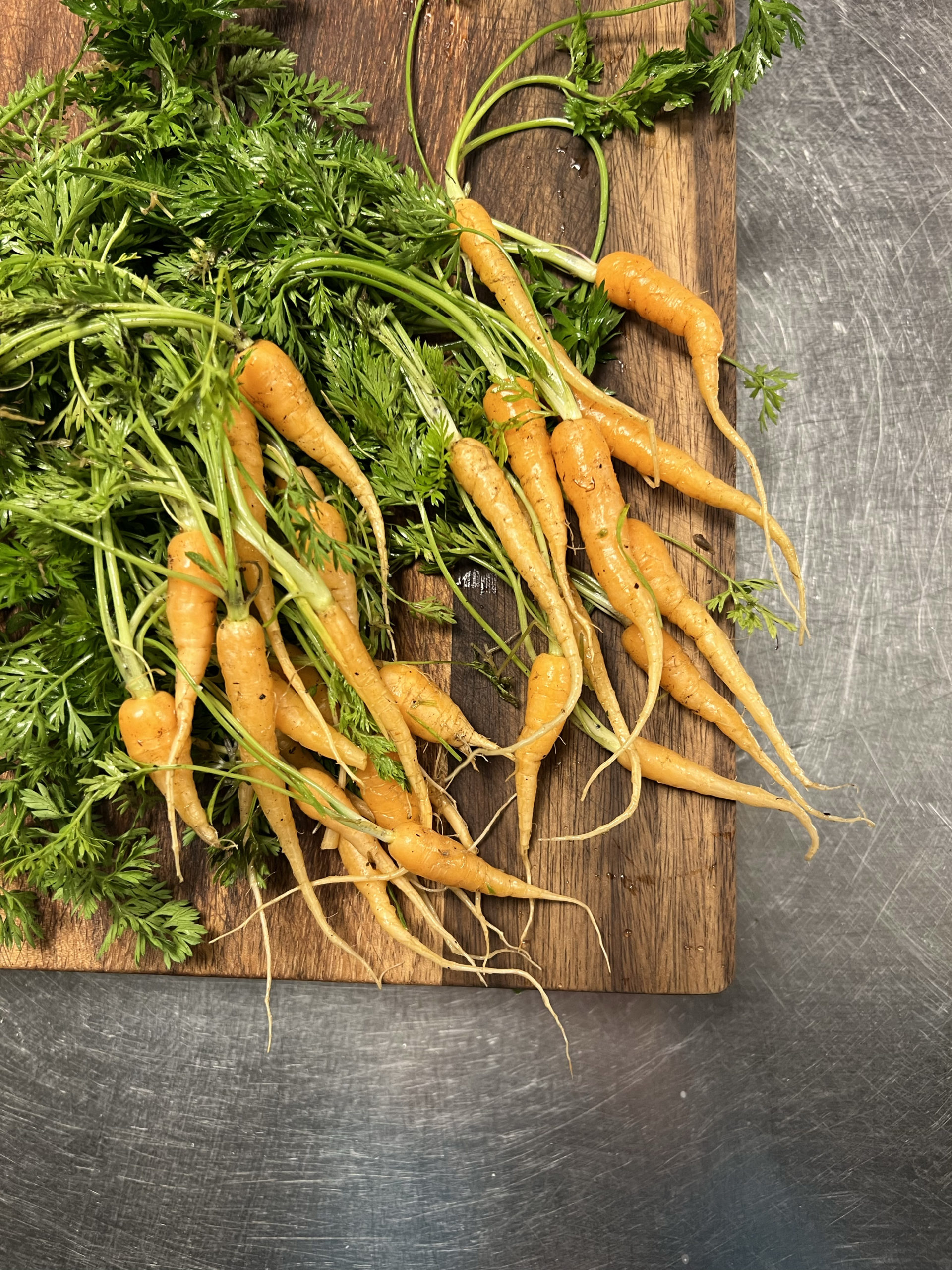
“We pick seaweed and kelp ourselves – it’s free, after all. And then we have someone who collects fir shoots, chives, berries, chives and edible flowers”
Espen Ramnestedt, who runs Restaurant Smak.
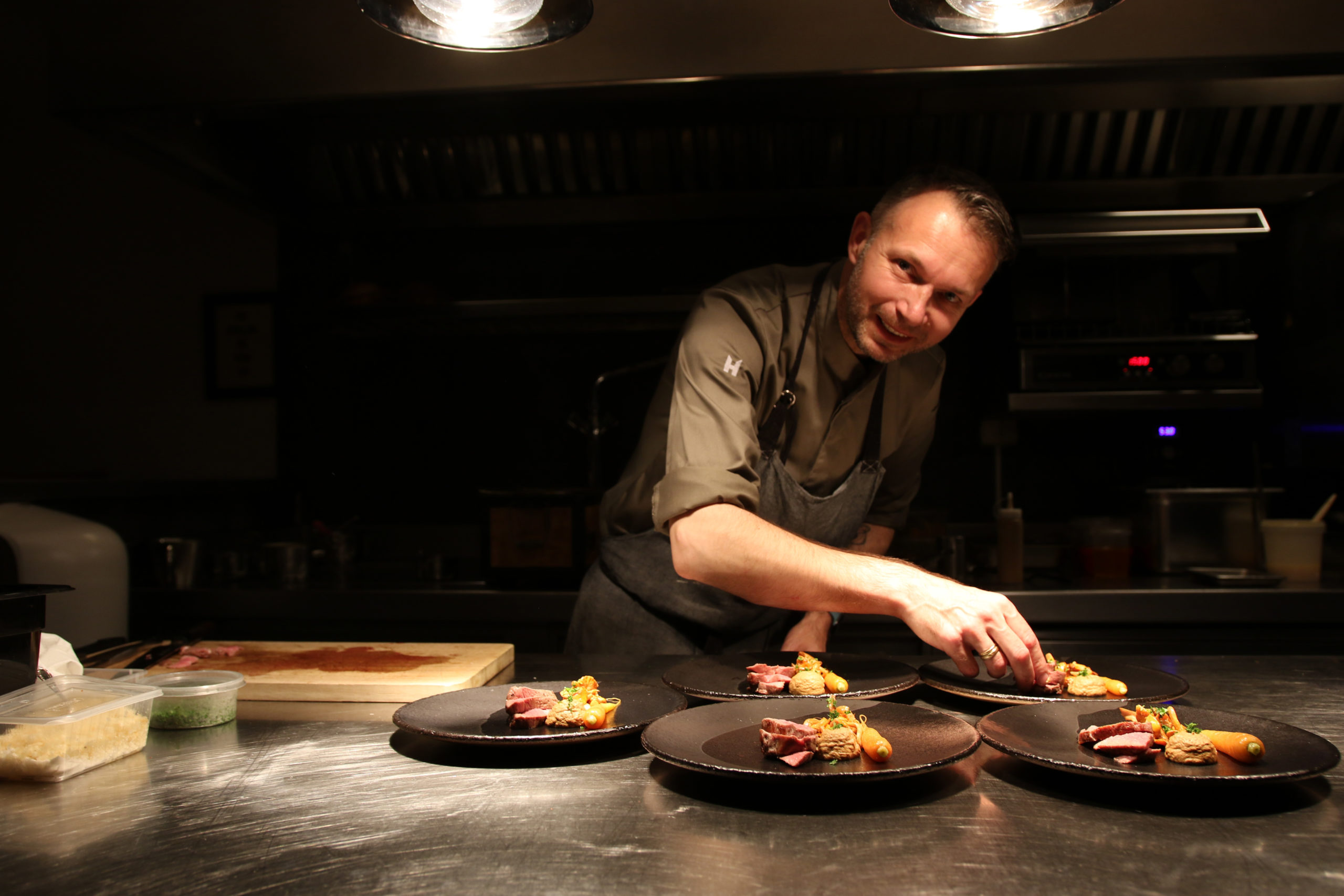
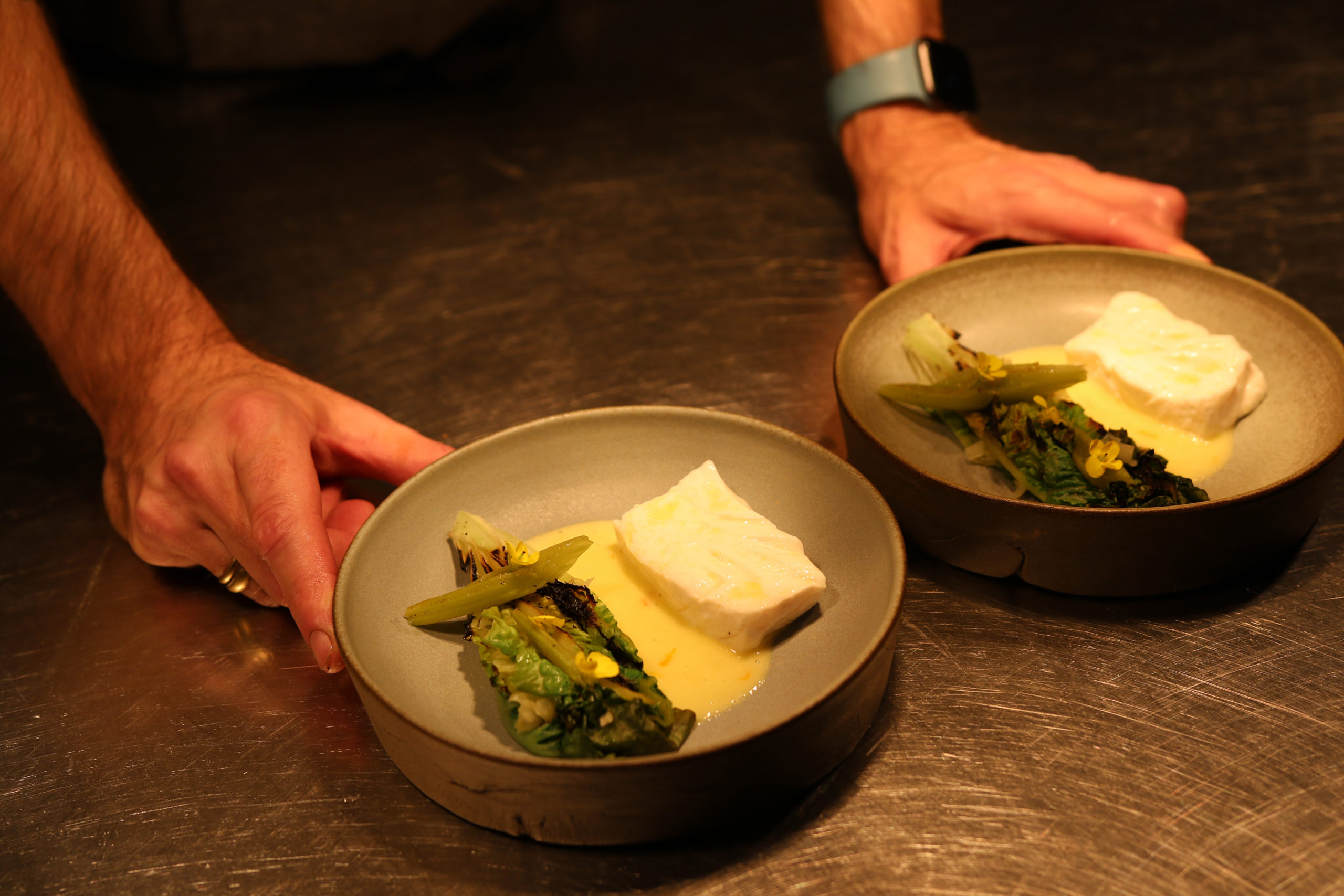
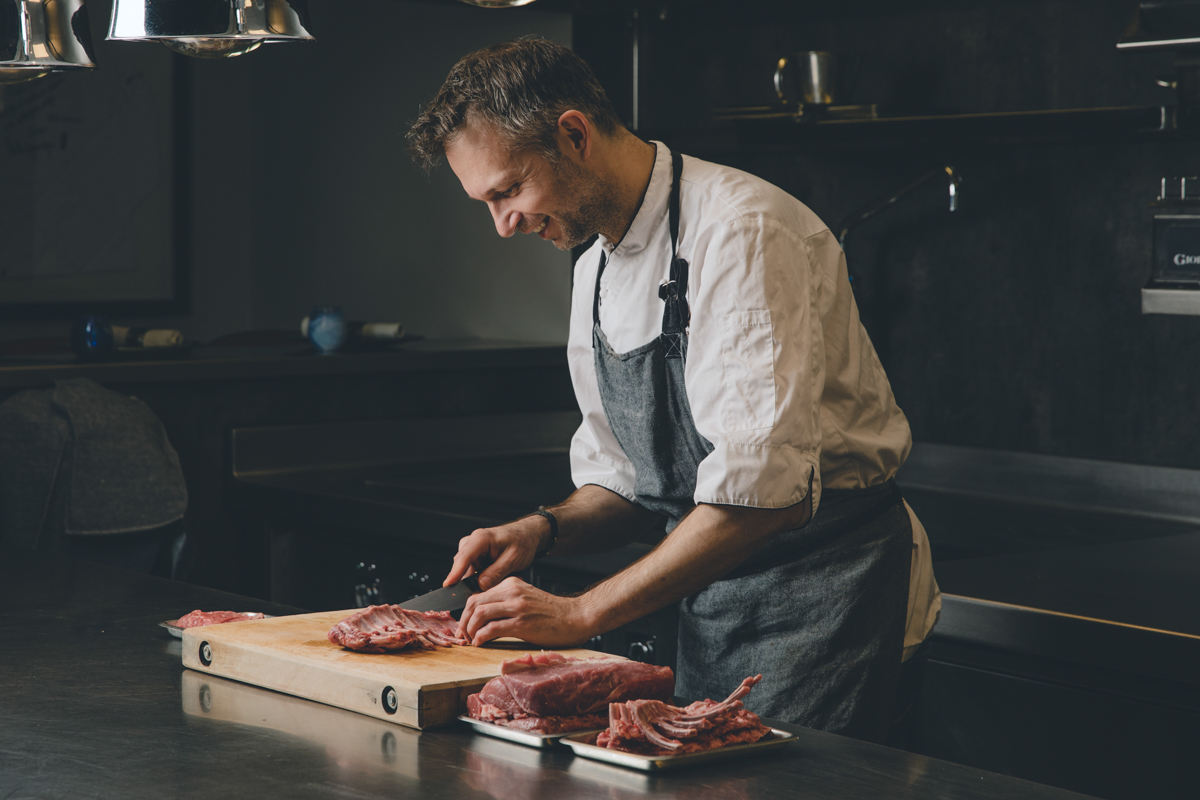
“Tromsø is a developing “food city”. I think it is important that we dare to bet on Northern Norwegian identity also in the way of food, and cultivate the pure, natural flavors. Tell where the ingredients come from, so guests can learn – and feel free to shop from the farms themselves”
Espen Ramnestedt
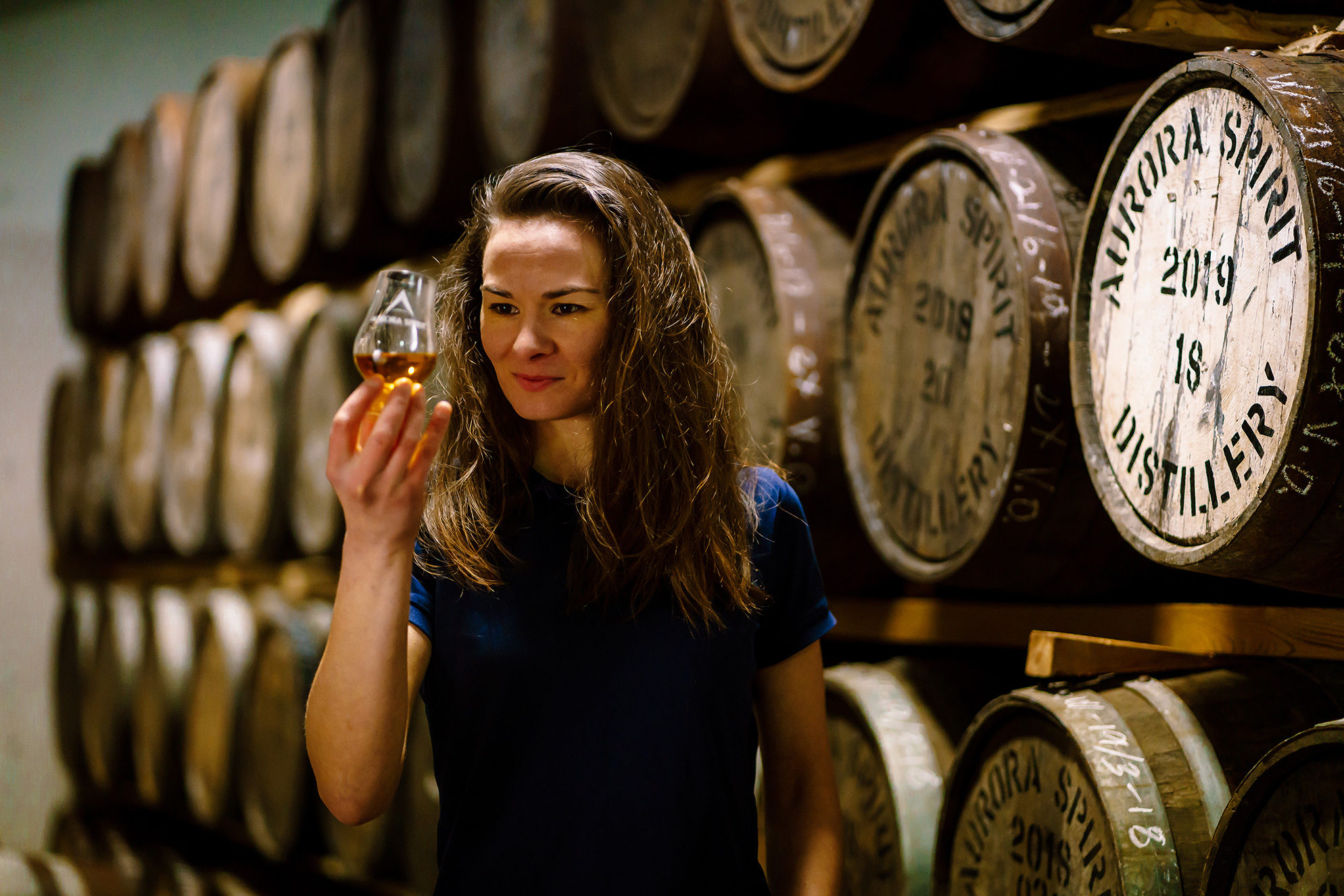
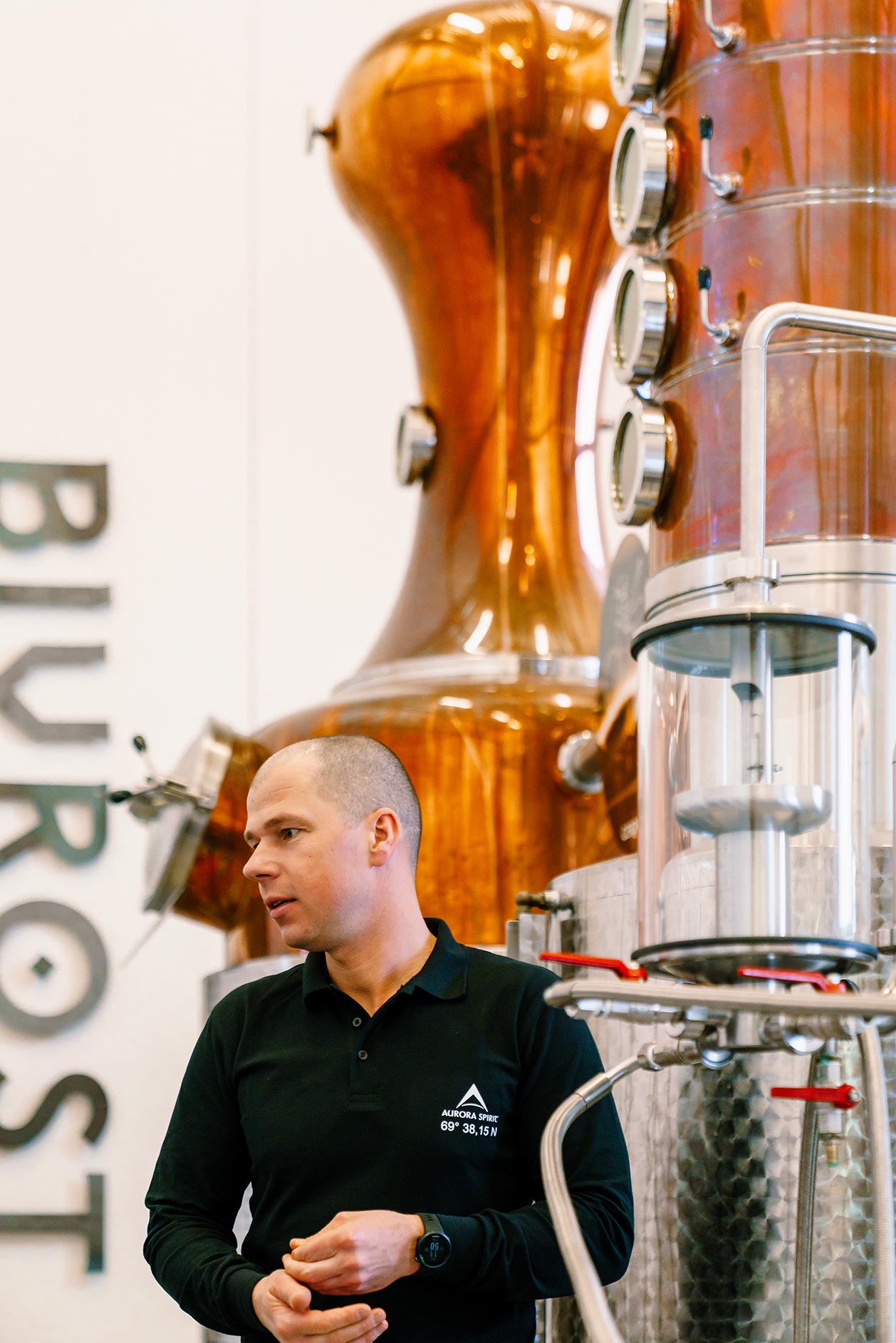
Maskinverkstedet in the new district of Vervet right by the Tromsø bridge has both grilled reindeer and light-cut halibut carpaccio, while Full Steam serves classic, northern Norwegian food in a historic fish reception and dried fish warehouse in the harbor – complete with the associated Sea Sami and maritime museum. The highlights come close in this part of Troms. It is not far from the center of the big city to the desolate mountain landscape in Lyngen. Here you will even find the Aurora Spirit distillery, which garners a lot of praise for whiskey, aquavit, gin and vodka. Fortunately, they have stylish “northern light cabins” available for those who would like to taste, but not drive on straight away.
Finnmark
Heading further north, Bios Cafe in Storslett and Lyngenfjord has been a local gathering place for several decades, and with a menu consisting of, among other things, reindeer meat from Ráiduottarháldi, fish from the Reisafjorden and local chanterelles, porcini mushrooms and berries, it’s a taste of the Reisadalen and surrounding area. They also serve steak strips and pizza, so it shouldn’t be about the variety.
The mountains become a little gentler in form and the plains open up the further north-east we go. From the outlet of Reisadalen, it takes a couple of hours over a fantastic mountain stretch all the way to Alta. Although Alta is also located by the fjord, it is the nature along the Altaelva into the Altadalen that makes the place an attractive destination.
We have now reached the very north of Northern Norway
Bios Cafe, Storslett
Bios Cafe has been named the best street restaurant in the country.
Trasti u0026amp; Trine, Alta
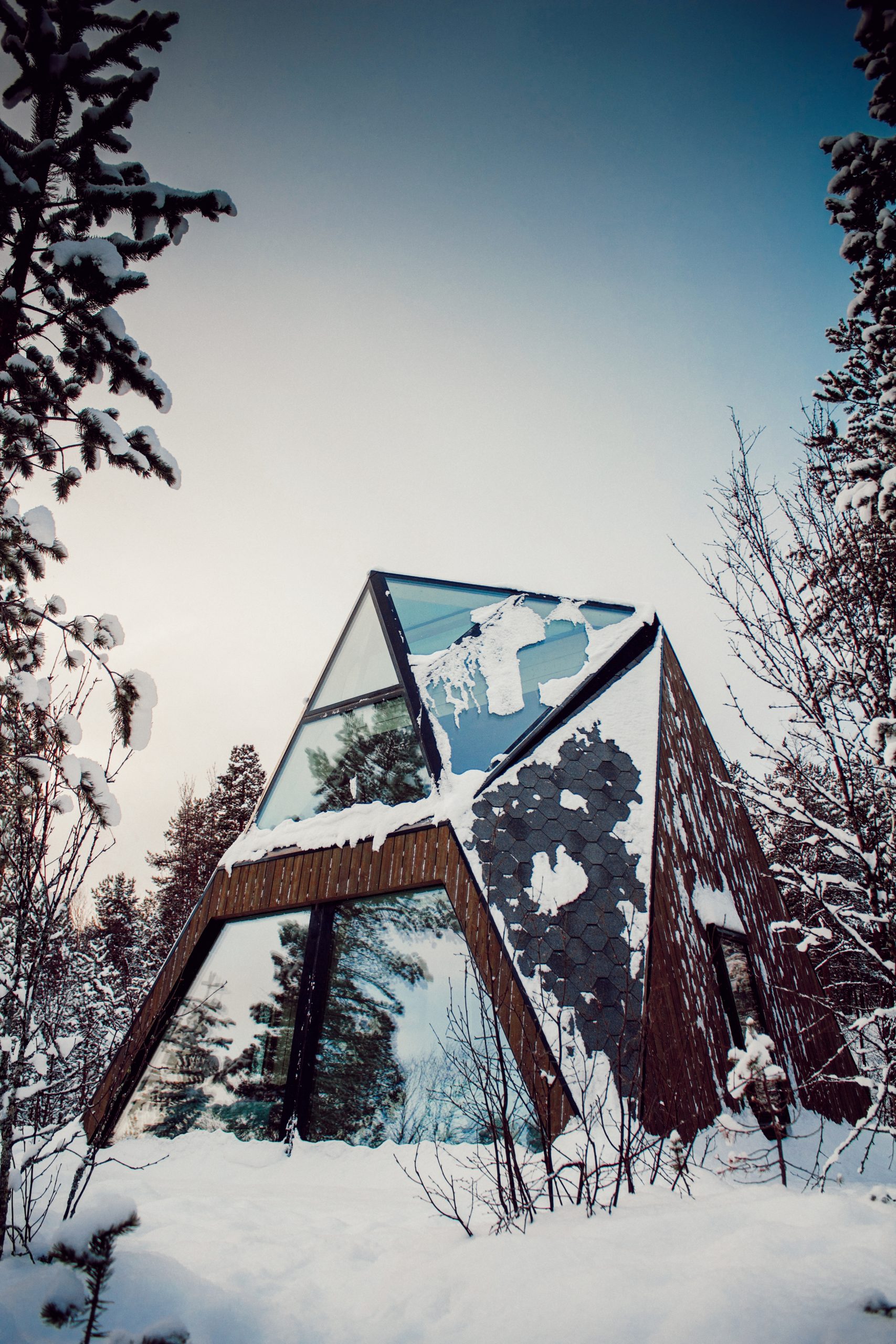
Welcome to the good life at Trasti & Trine: Dog sledding in Finnmark’s wonderful nature. Genuine, local and unique culinary delights. Very cozy accommodation.
Restaurant Maku, Sorrisniva
Teh local restaurant at Sorrisniva is known for its culinary cuisine based on local products and food production.
Sami Siida, Alta
At Sami Siida, you can experience the Sami way of life in a unique way. Get to know our culture and our long traditions up close!
Stakeriet Alta
Inspired by Nordic and international cuisine, the menu gives Stakeriet opportunity to experience the wonderful dishes from the Nordic kitchen in one meal.
Davvi Siida, Kjøllefjord
“Nature is our culture” at Davi Siida.
Hotell Nordkyn
Hotell Nordkyn is a comfortable hotel at the tip of Norway; Nordkinn Peninsula.

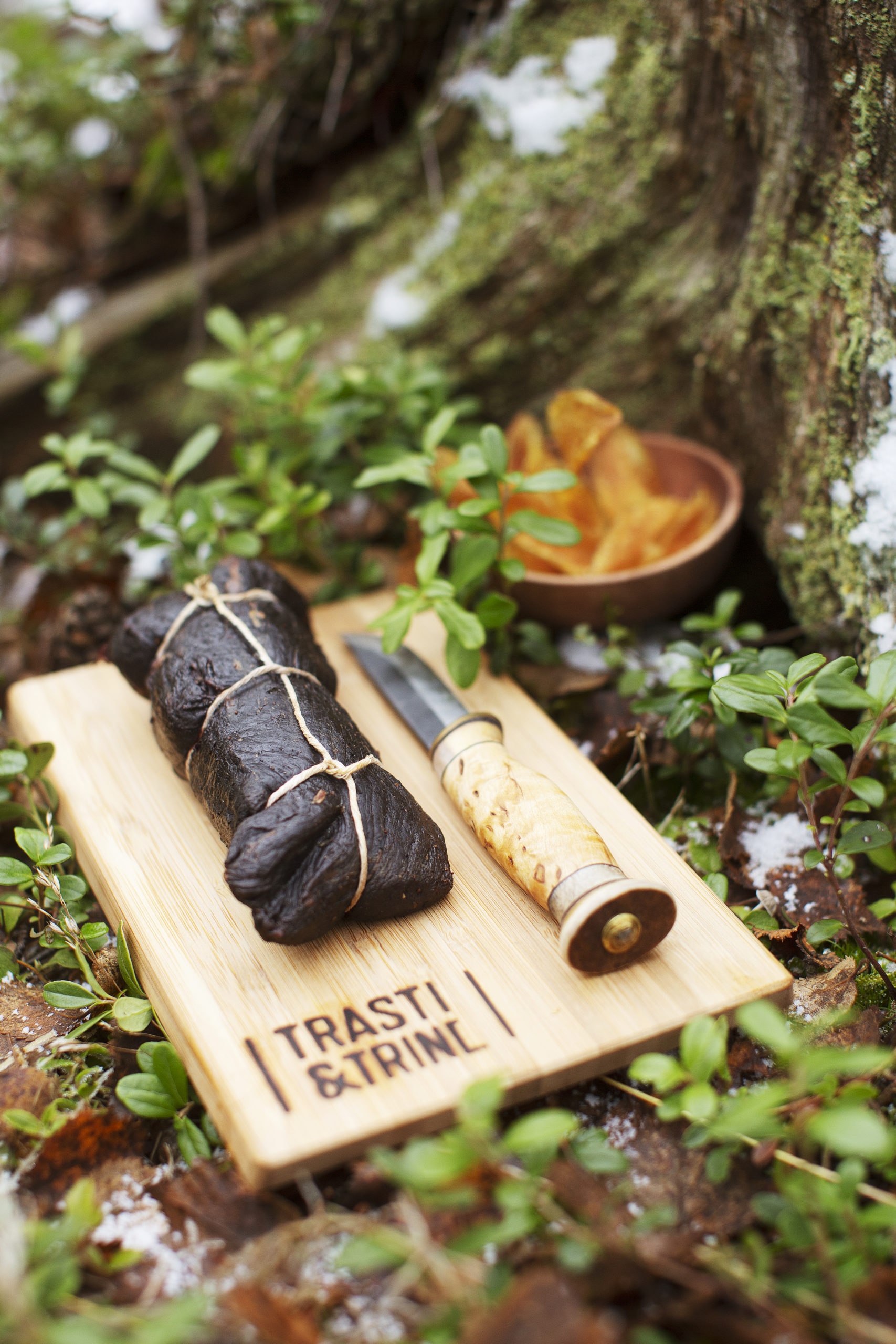
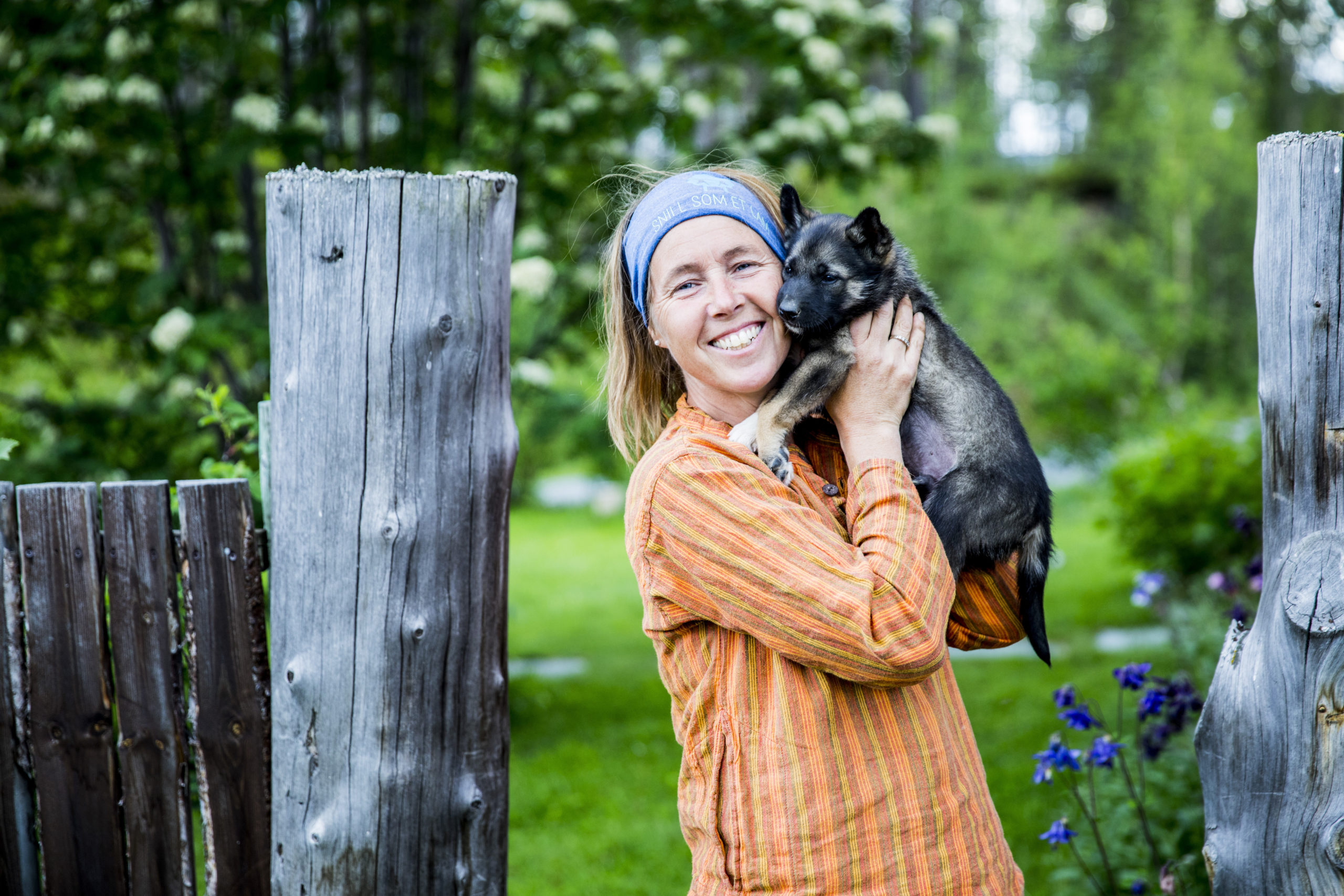
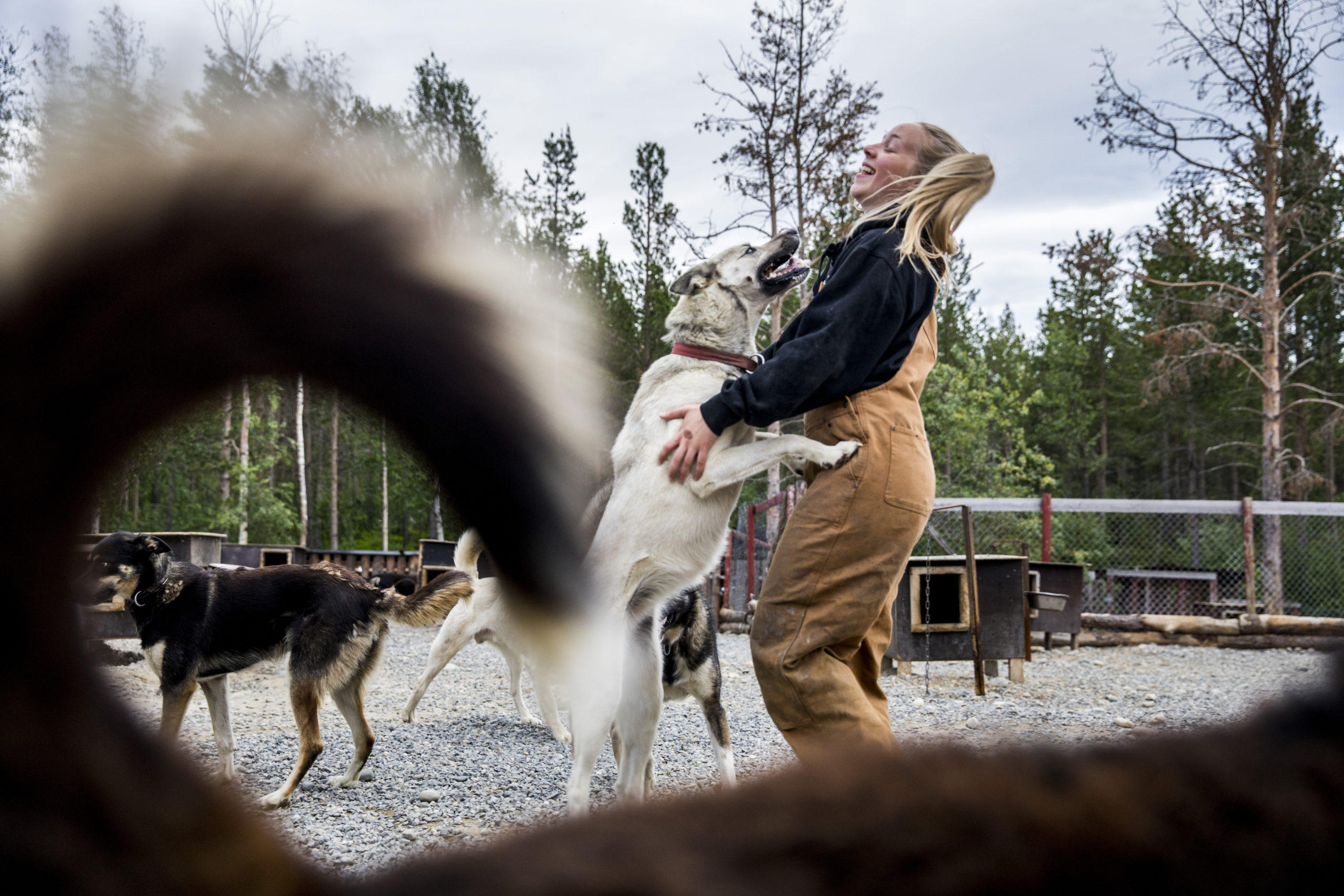
This is an eldorado for activities, and at Trasti & Trine, the dynamic duo Johnny Trasti and dog walker Trine Lyrek have established a perfect tourist concept with activities and gourmet meals. In winter, dog sledding beckons, while on bare ground it’s cloven-hoofed walks with four-legged friends. All year round, the chef dishes up the most delicious dishes of poultry and fish, taken straight from the source. Autumn and winter are grouse season.
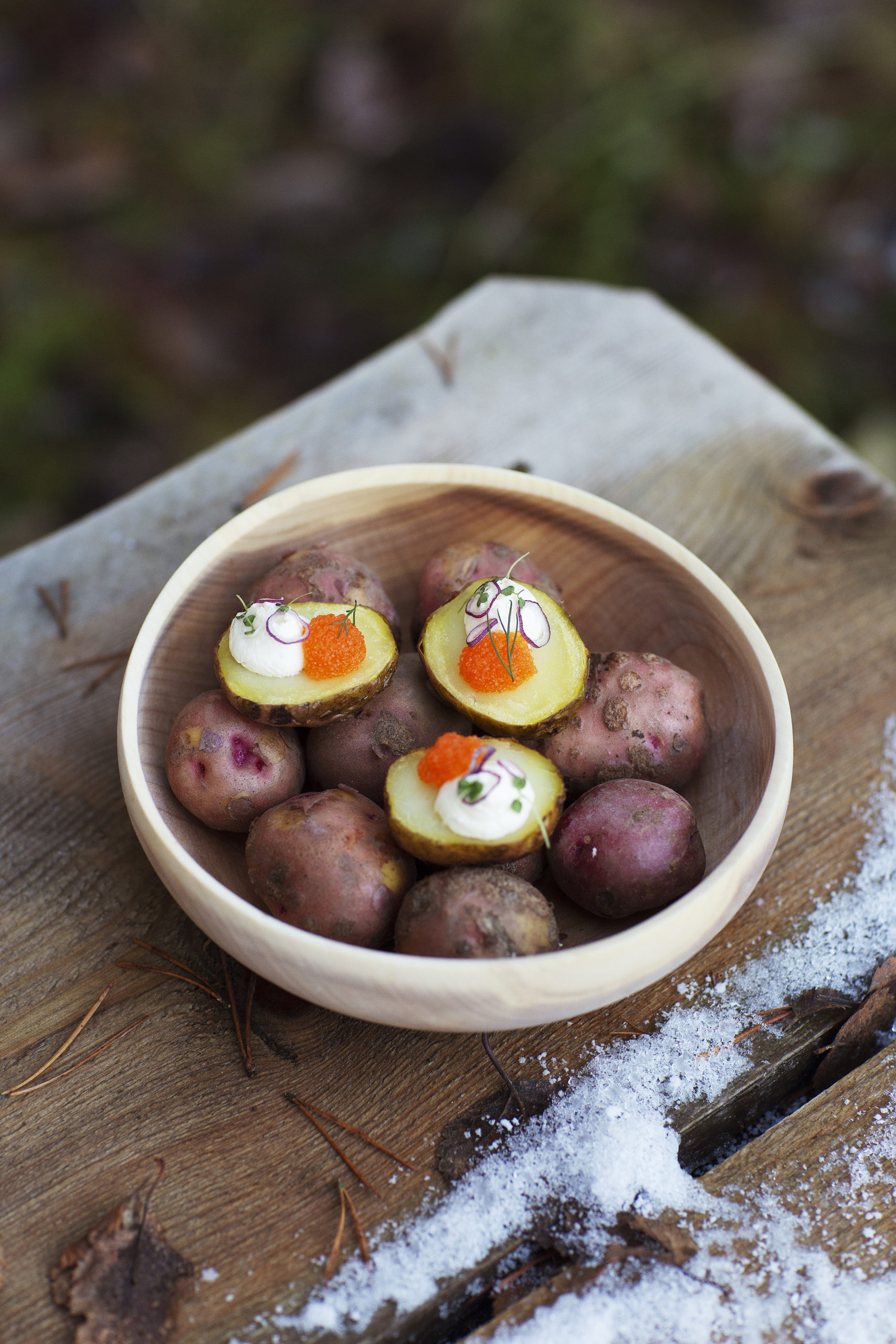
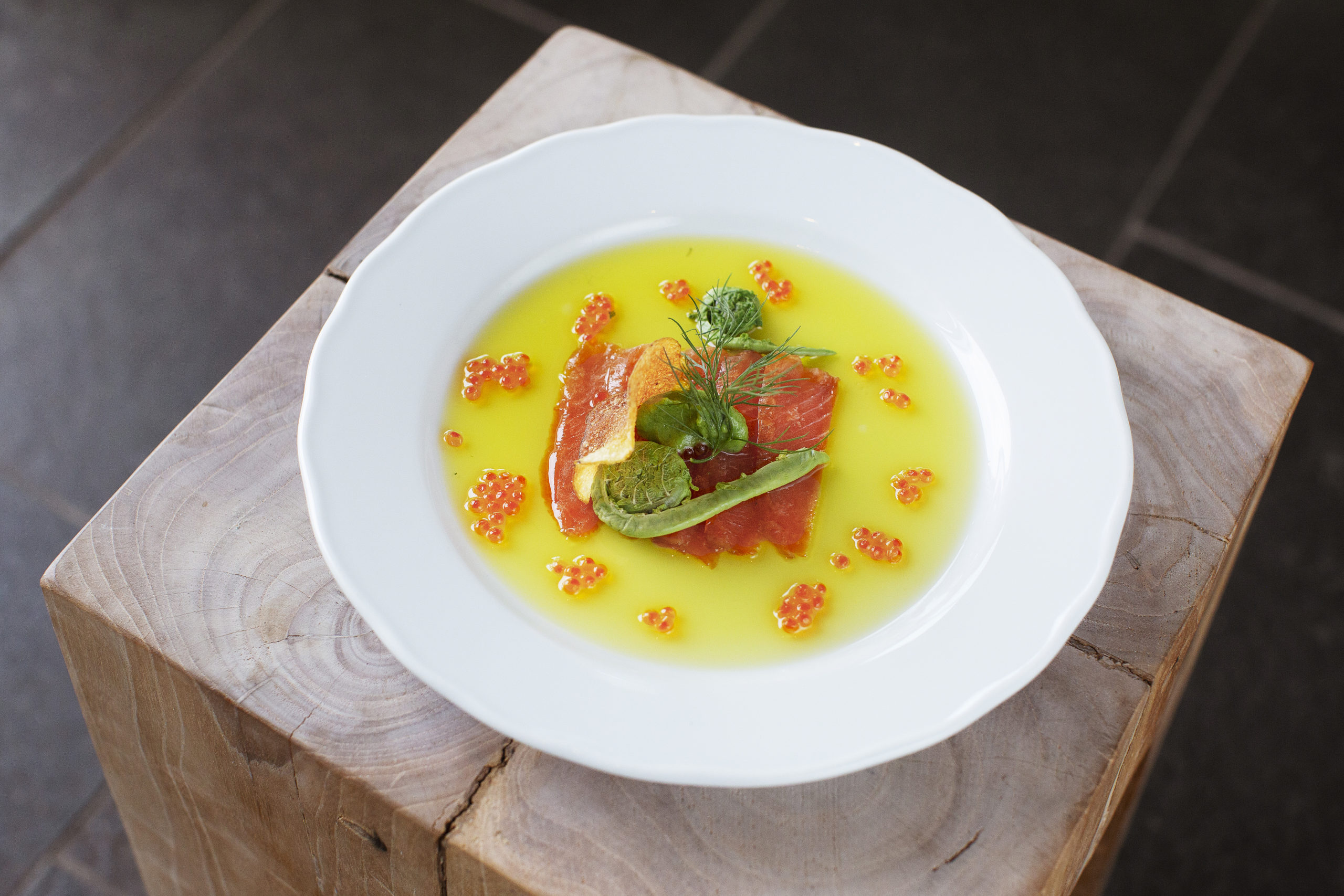
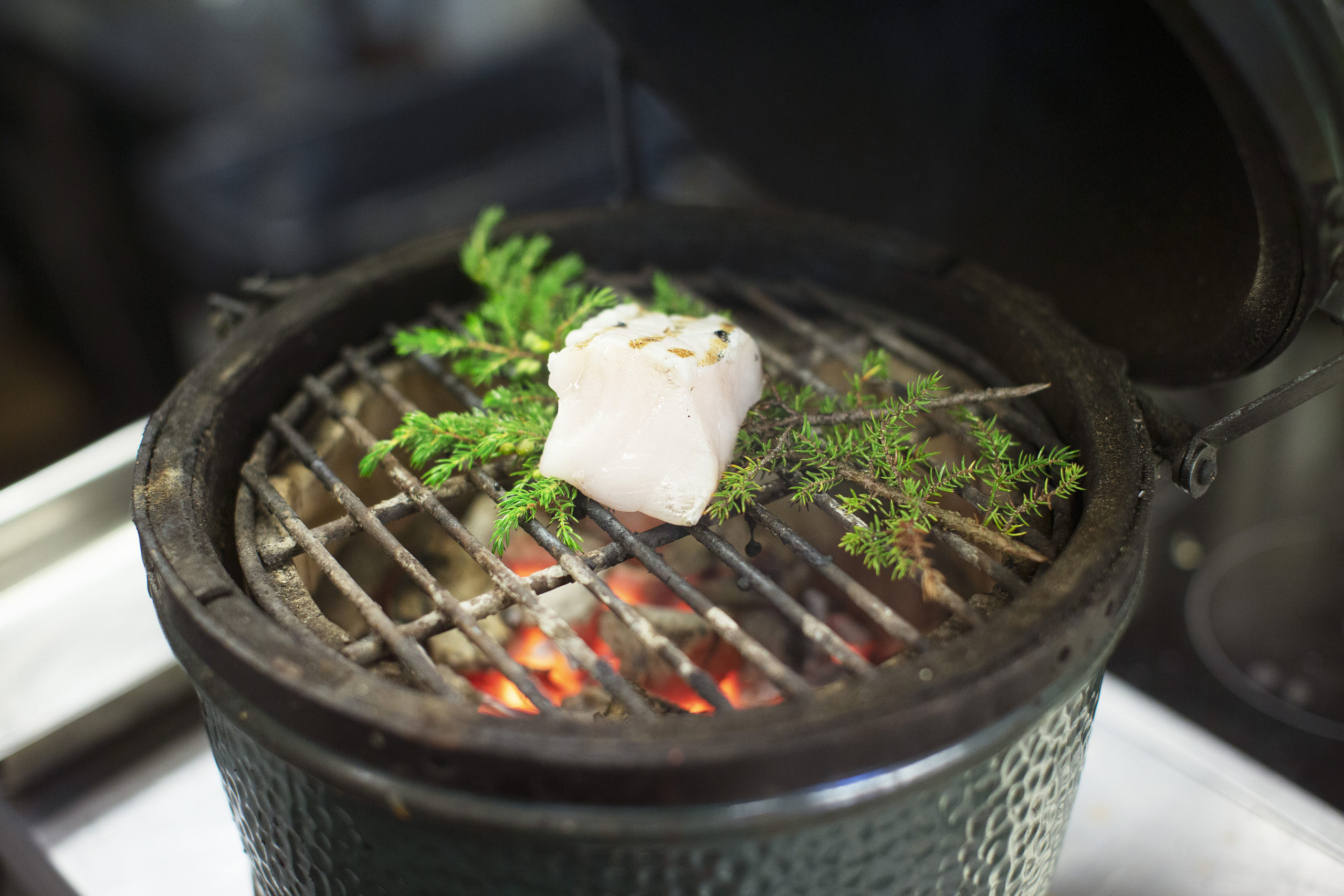
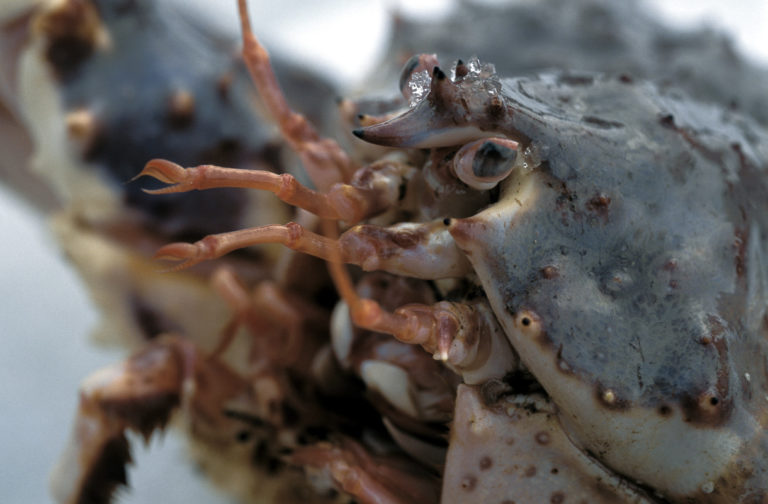
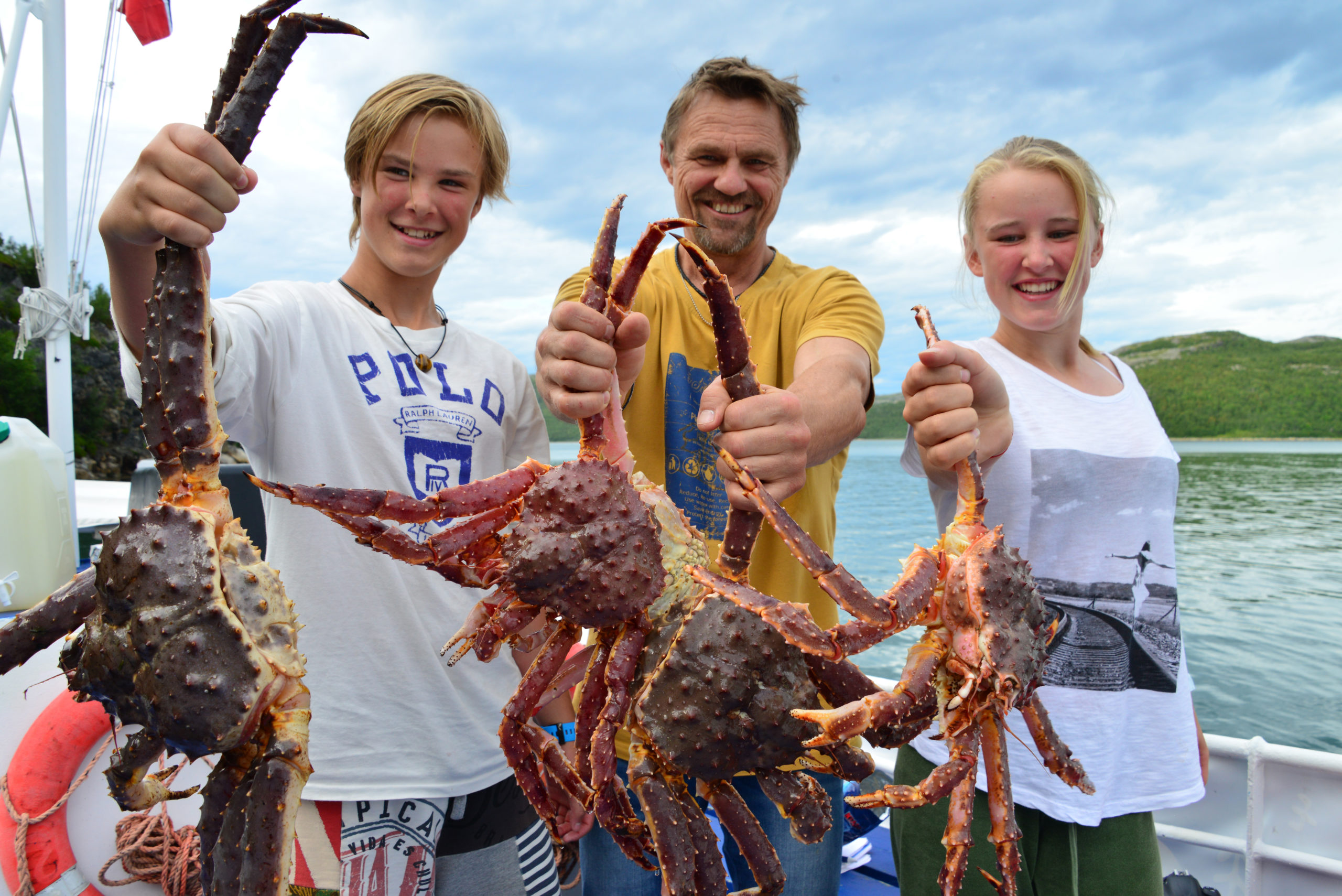
Then we have arrived at the King himself – namely the king crab. It is the northernmost fjord arms in Norway that have the greatest abundance of king crab. This species actually belongs to the north of the Pacific Ocean, but was released in the Barents Sea. The rest is an adventure, or a bad dream – it depends on who you talk to. The crab has multiplied so quickly that the entire underwater ecosystem has been affected. But it is here to stay. This has also become a lucrative industry, and a tasty attraction for tourists, especially in the Varangerfjord. Here you can join the RIB to pull boats full of the goodies. As a rule, they are full of Saralithodes camtschaticus.
Long arms full of exclusive flesh reveal themselves in the tean down in the clear water. A delicious bisque from the bottom of the sea – and for many the very king of seafood. A number of tourist companies in Finnmark specialize in king crab safaris, including Snow Hotel Kirkenes. Freshly boiled crab is then served in a boathouse by the fjord. Simple flavors, but world-class food. The snow hotel has its own restaurant vis-à-vis the year-round open snow hotel, where the king crab also has a natural place on the menu along with reindeer, char and lamb.
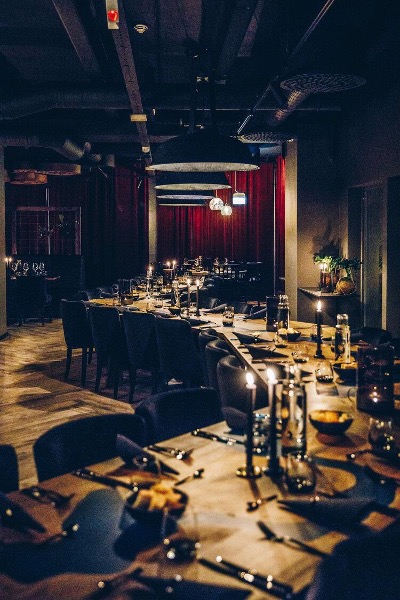
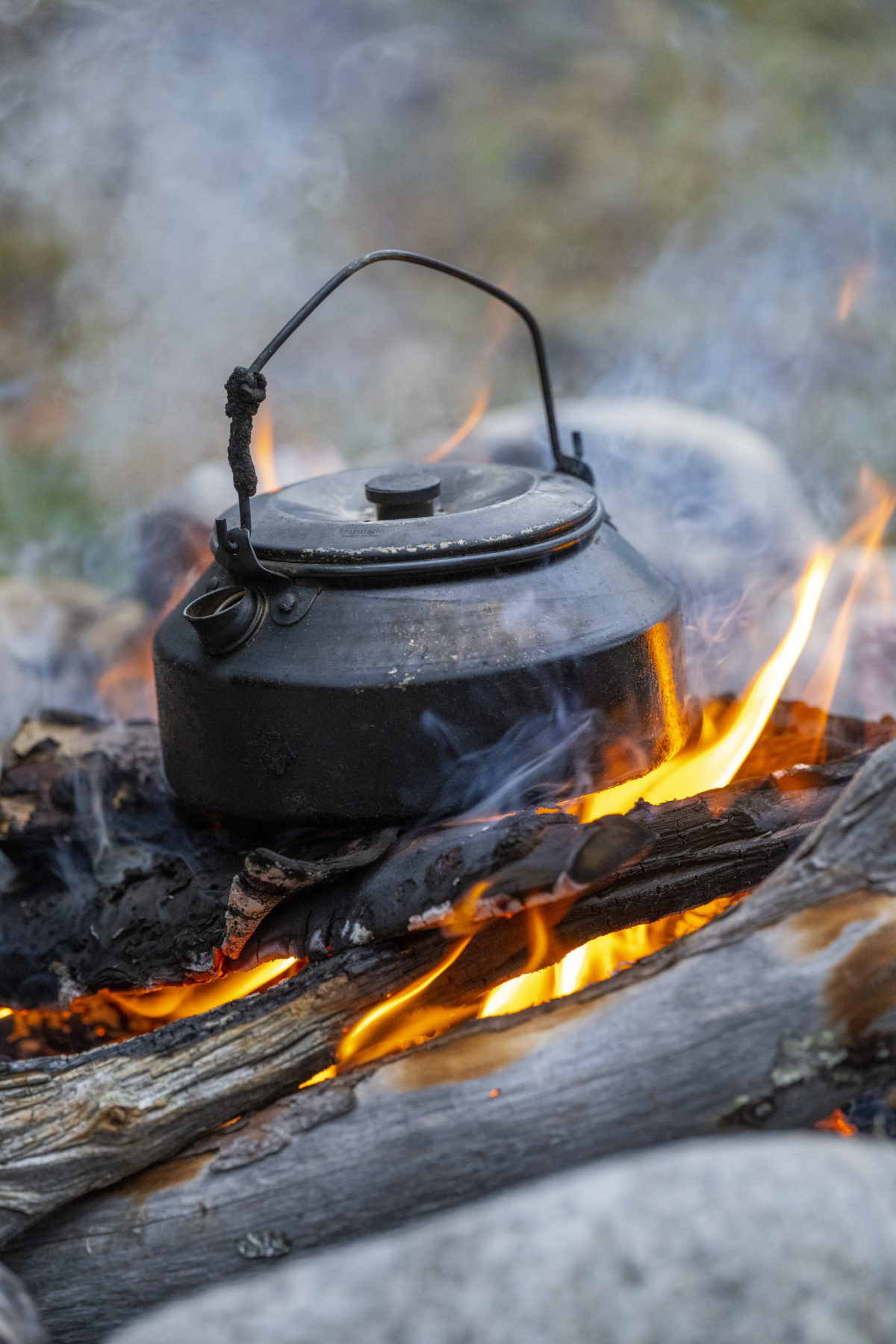
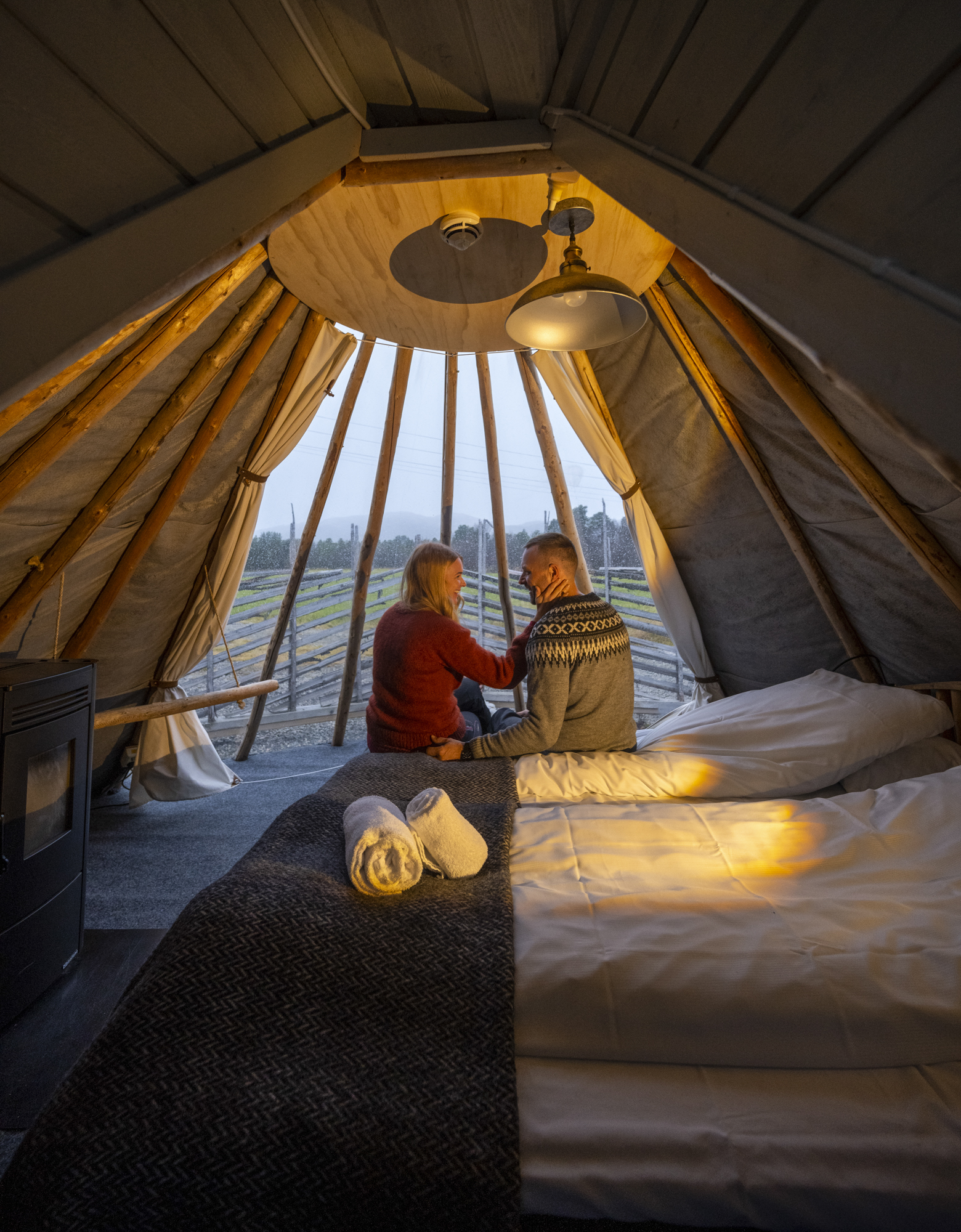
Sorrisniva was originally a tourist offer with river safaris and salmon meals. In recent years, they have become best known for their wintery snow hotel, but after the Arctic Wilderness Lodge was completed a couple of years ago, it has become a relevant destination all year round. At Restaurant Maku, you get salmon from the Alta River as a tribute to tourism’s early beginnings, lamb from Alta and desserts with the characteristic mullet berry.
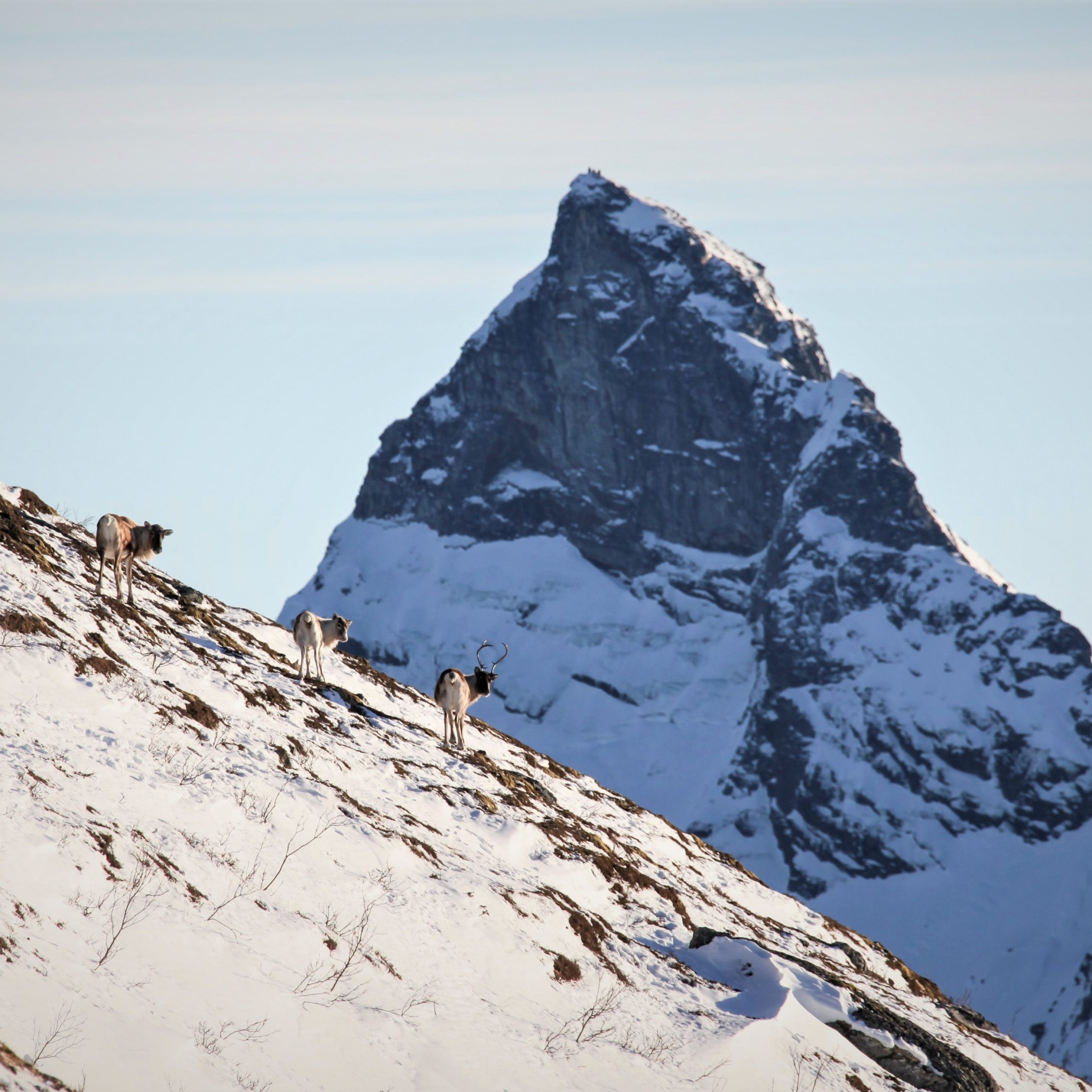
On the way to the center of Alta and further north, Sami Siida is an exciting detour and a taste of the Sami culture that largely characterizes Finnmark. Here you will eat bidos, the most classic of the Sami people’s traditional dishes. The stew of long-roasted reindeer meat, potatoes and carrot is just as suitable for everyday use as it is for parties. Sami Siida is also a great opportunity to learn about Sami culture, traditions and reindeer herding, which is a pillar of Sami culture. It should be well done to travel around Northern Norway without seeing herds of reindeer. Reindeer meat is actually one of the healthiest meats available. It is very lean, and actually contains as much omega 3 as cod.
The boathouse in the center of Alta is named after the boatmen who traditionally maneuvered boats in the challenging Alta River, often with salmon fishermen on board. In the 19th century, it was particularly trendy among wealthy Britons to travel to Norway to fish for salmon, and many of Northern Norway’s salmon rivers are still considered among the best of their kind in the world. The Norwegian king is also an avid salmon fisherman, who regularly visits the Altaelva to try his luck at fishing. Restaurant Stakeriet is known for arctic tapas. Here, that means everything from halibut encrusted with aquavit and king crab soup, to fillet of Finnmark reindeer and home-baked beer bread.
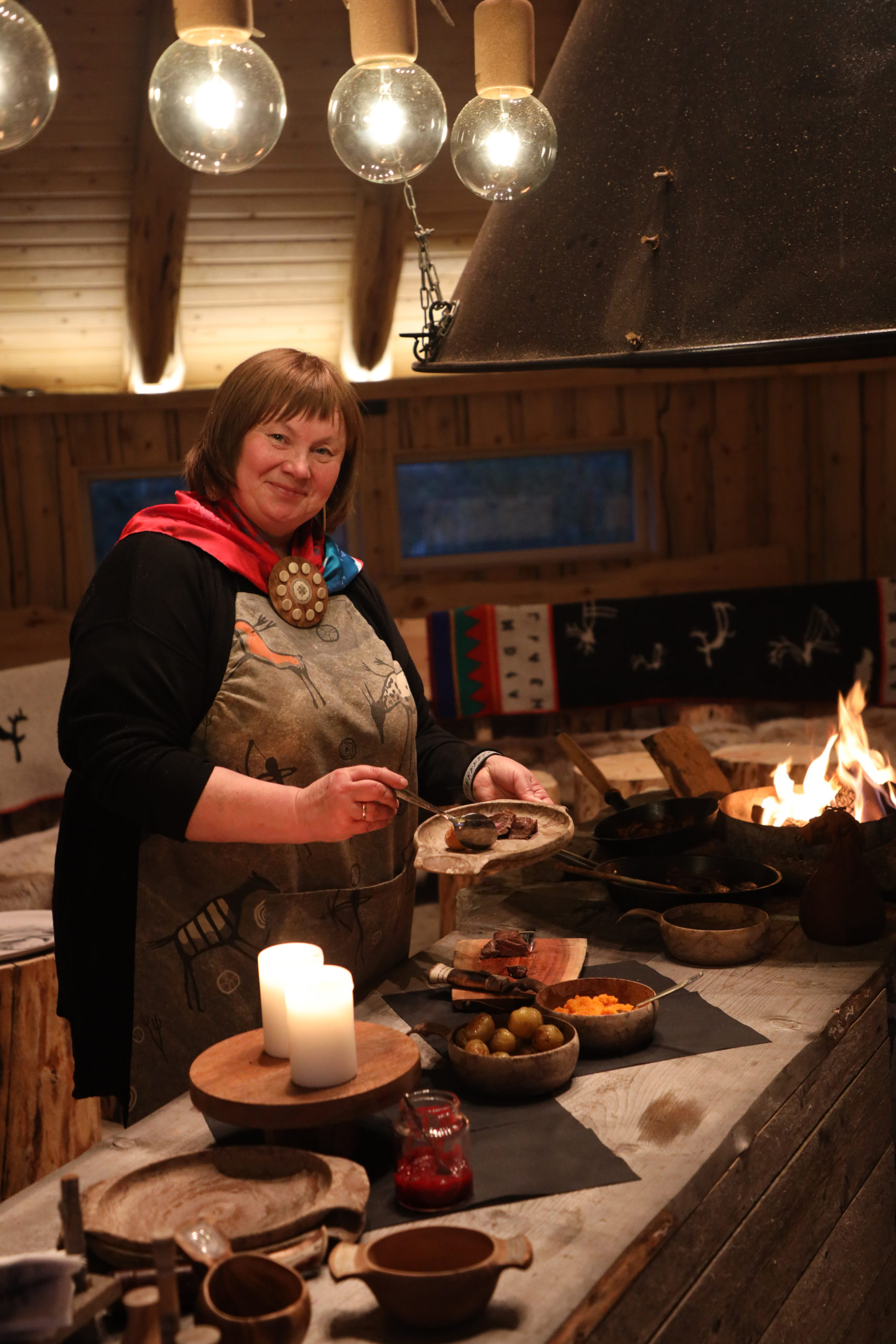
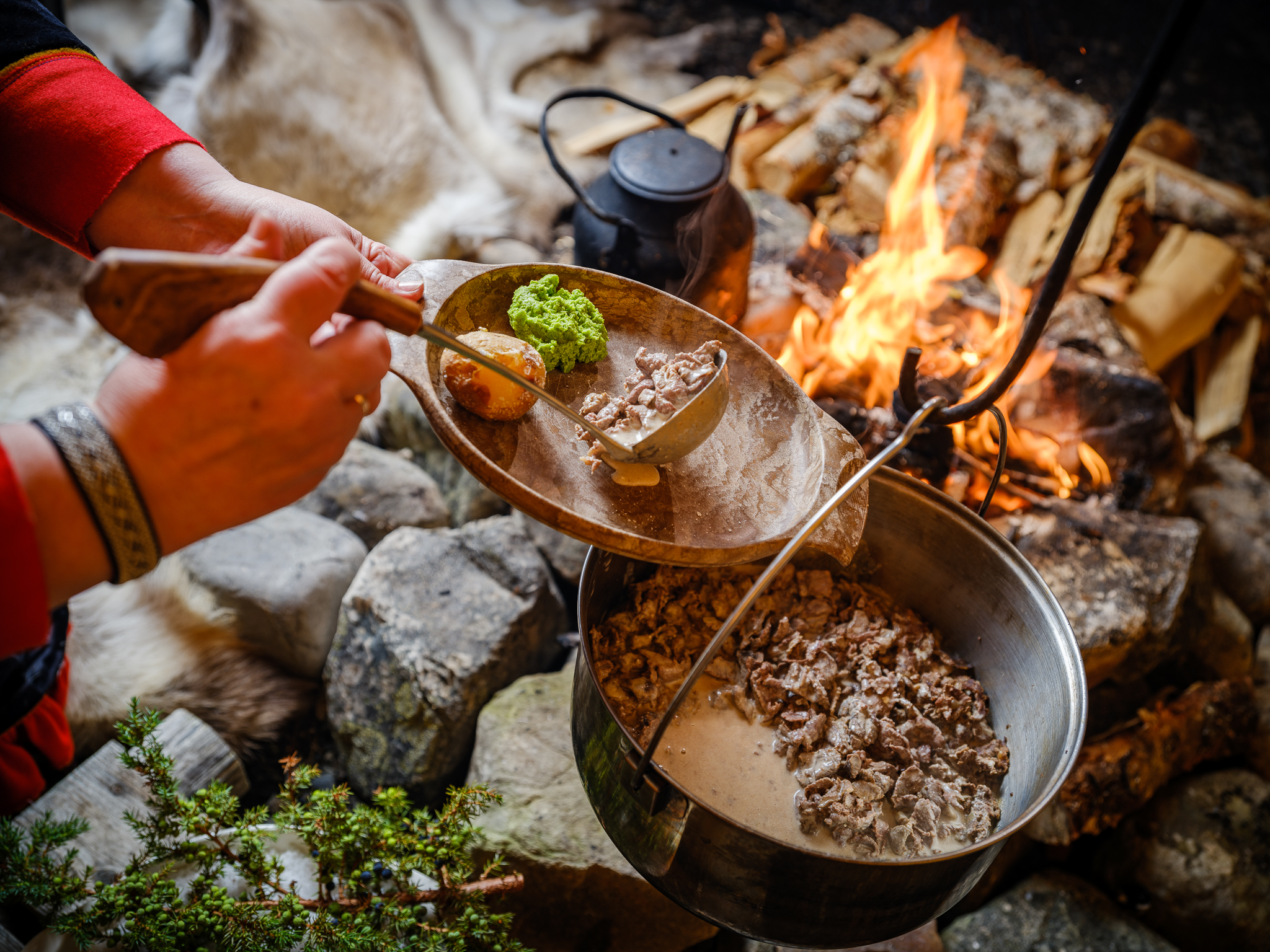
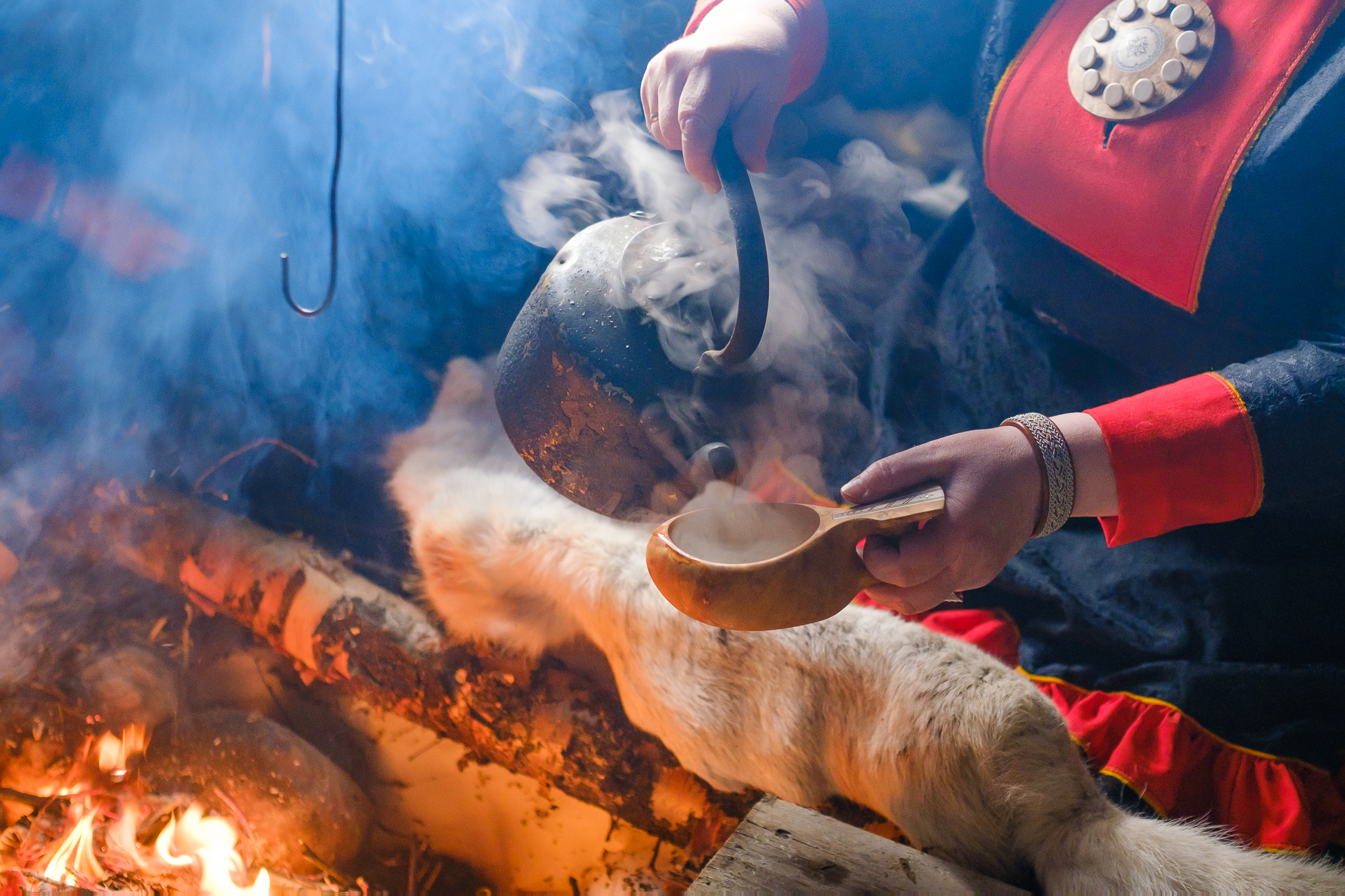
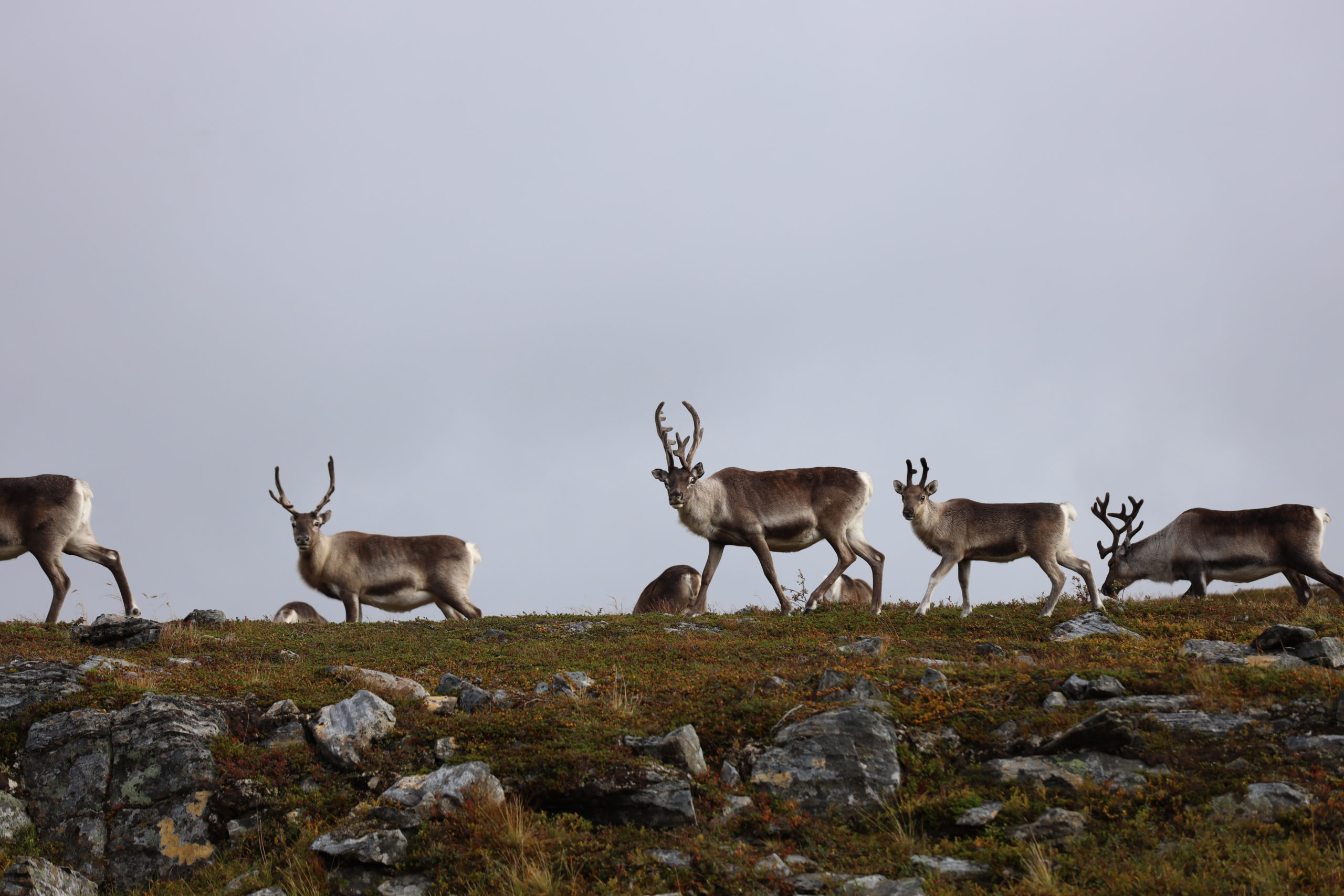
While Kirkenes is as far east as you get in Norway, it is still far north. Although Nordkapp is considered the northernmost point, Nordkyn is the northernmost mainland area. The easiest way to get here is with the coastal routes that sail along the ports in northern Norway, or on road trips via fjords and mountains. In Kjøllefjord, Sami Davvi Siida has developed an exciting culinary concept where guests are served stories about reindeer herding culture and, not least, Sami meals around the fire in a gamme. At the far end of the peninsula, the newly renovated Hotel Nordkyn has become a base for exciting experiences at sea and hiking on land at 71 degrees north. Seafood straight from the quay, or the local specialty boknafisk – or hjellosing as it’s called up here on the roof of Norway.
The taste of Northern Norway
Fish from the world’s richest seas, reindeer from the mountains and crops from northern agriculture; fresh, clean ingredients are in abundance. Read more about good mouthfuls across Northern Norway: