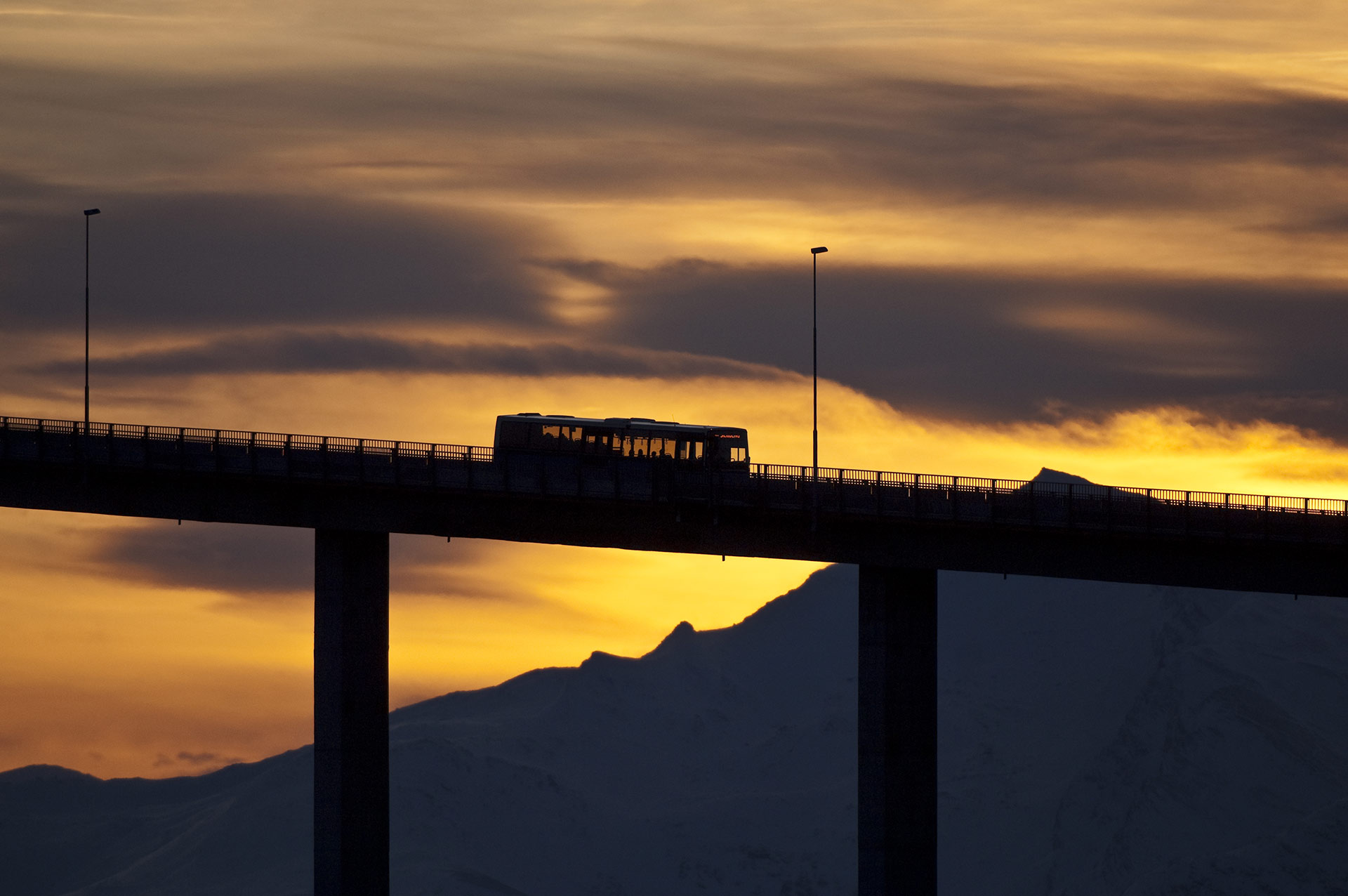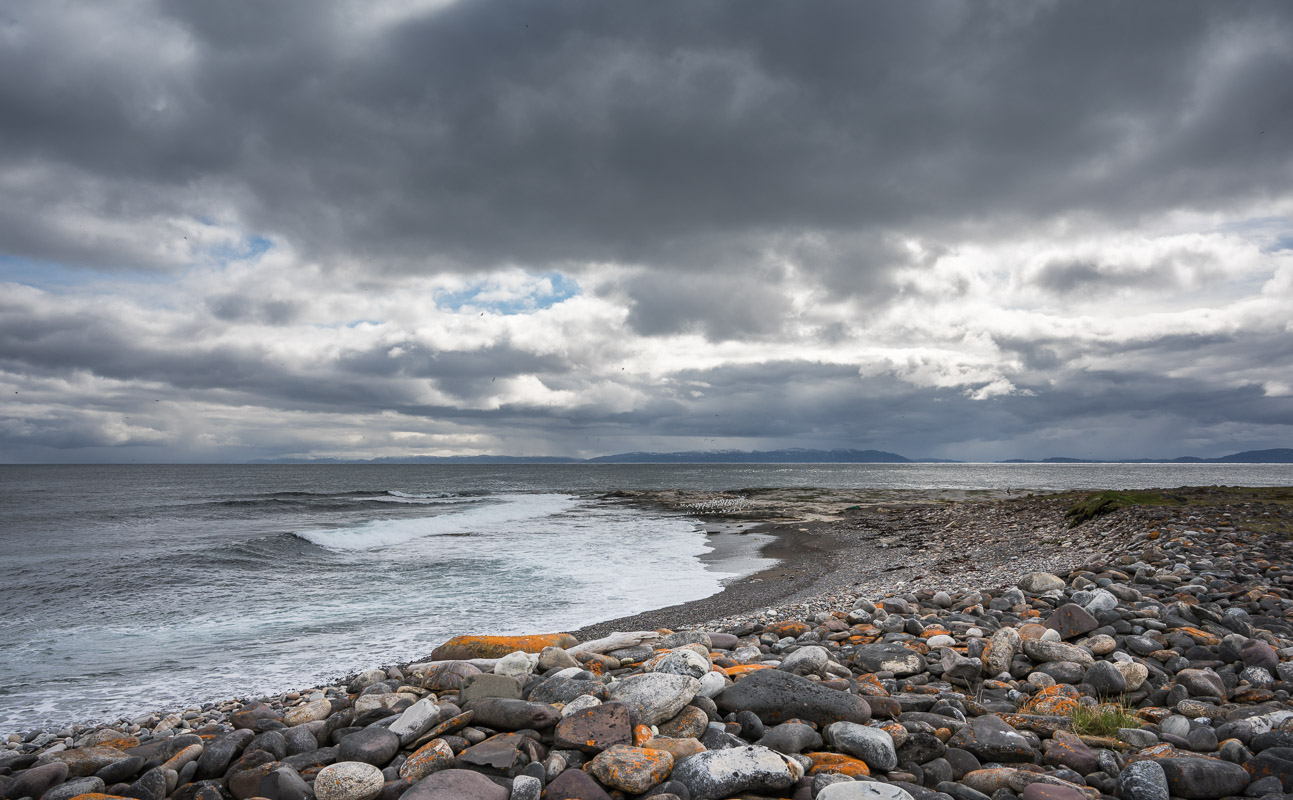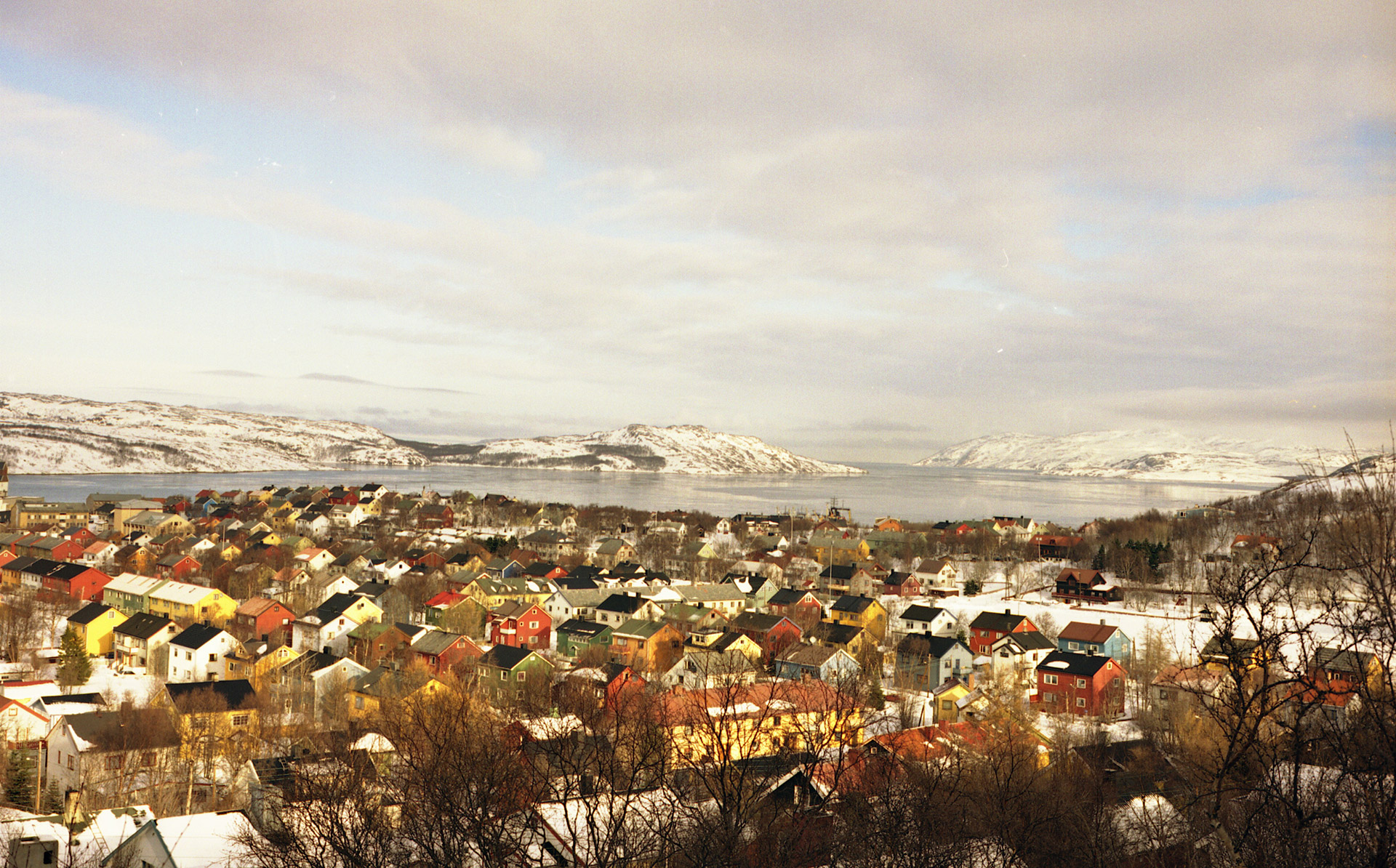
Travelling by bus through Finnmark in northernmost Norway may sound like hard work. Isn’t this a vast, empty wilderness? There is something to it in places. However, the area around the Varangerfjord in the far northeast of Norway is packed with archaeology, multi-ethnic culture, dramatic war history and daily life in sub-arctic to arctic climate. Sub-arctic birch forests, sandy beaches, cliff coasts and tundra surround a fjord rich is fish and seabirds. You will never be overrun by people, but the bus runs between all the small settlements. You are thus never left alone in the wilderness. Bus 150, also known as the Varanger Express, goes from Kirkenes to Vardø, following the shores of the fjord.
Kirkenes
Colourful forest town, dramatic war history and the airport you’re most likely to land in
Neiden
Packed with Skolt Sami history, close to Finland and with a VERY Norwegian church
Bugøynes
Quaint “Little Finland” speaks Finnish at home and fishes king crab for a living
Varangerbotn
Norway’s far east meets here. Don’t miss the museum
Nesseby church
Iconic church in a flat landscape
Ceavccageađge / Mortensnes
A meeting point for 10 000 years and an archaeological zone
Vadsø
Norway’s Kven (Finnish) capital with a visible history, an easy access to an inaccessible National Park and cafes and restaurants
Ekkerøy
Picturesque pre war architecture and a giant kittiwake colony
Kiberg
The partisan museum tells a dramatic story, finish off with a walk among the Nazi bunkers on Norway’s easternmost mainland
Vardø
Historic mini-city with a fortress and a witch memorial with a bird cliff on Norway’s easternmost point
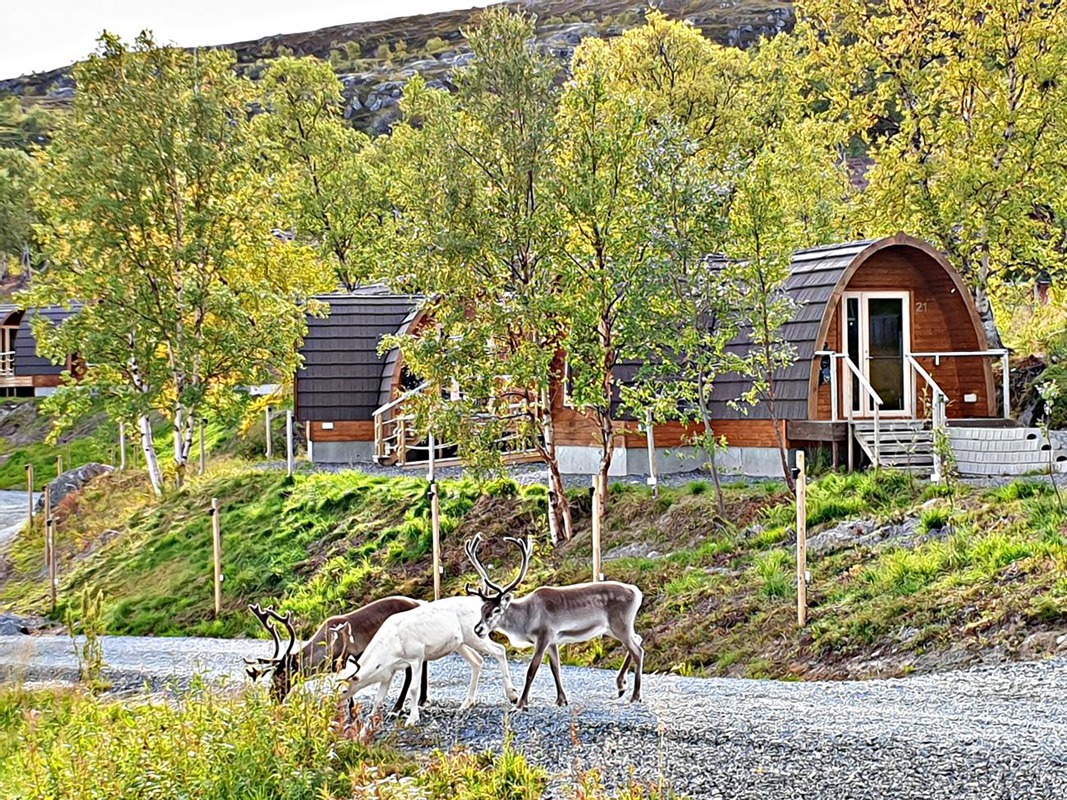
Kirkenes is the friendly town in the birch forest
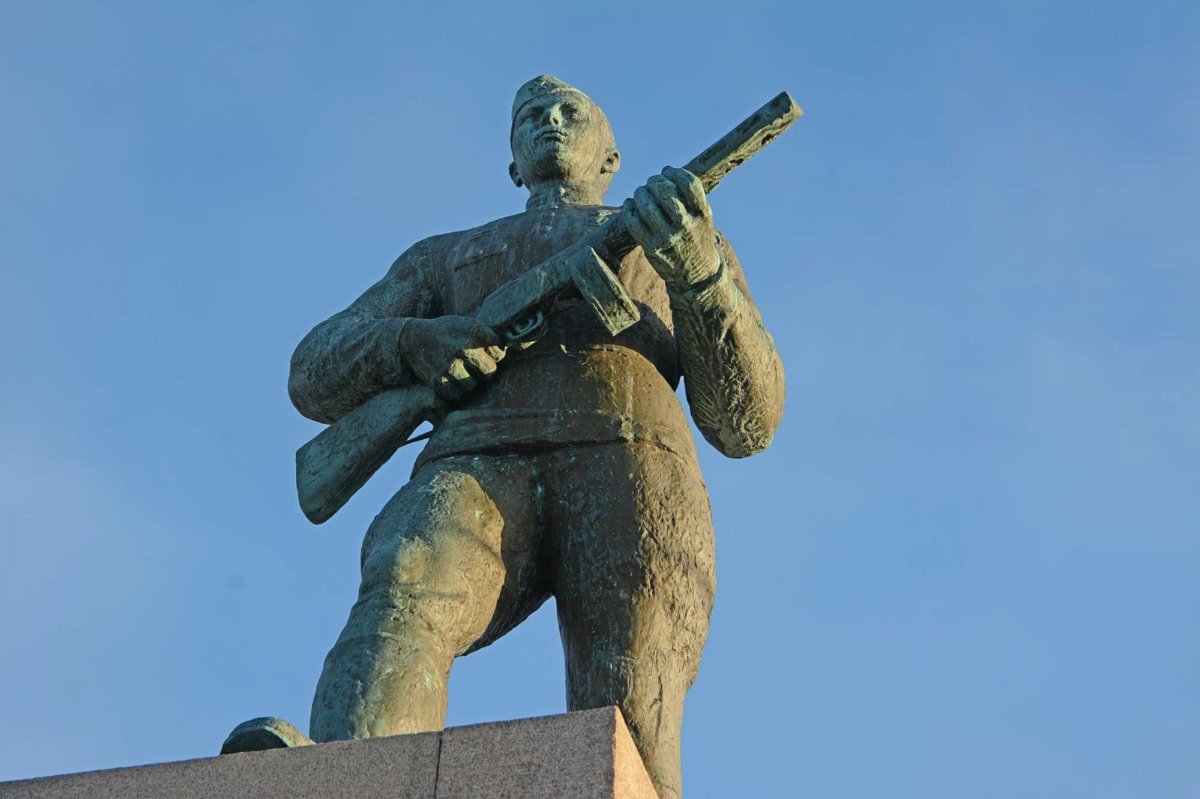
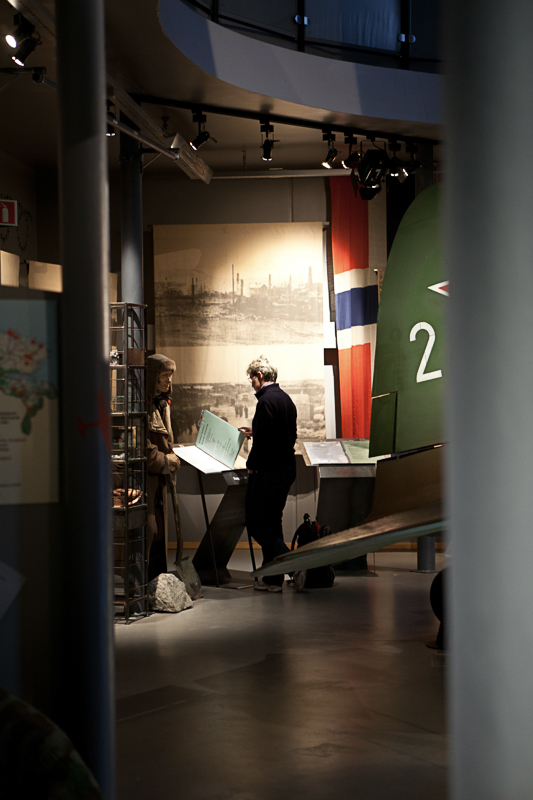
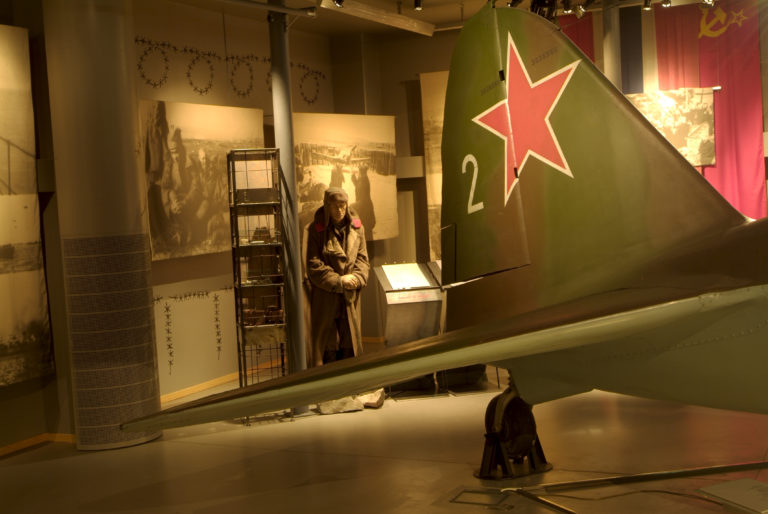
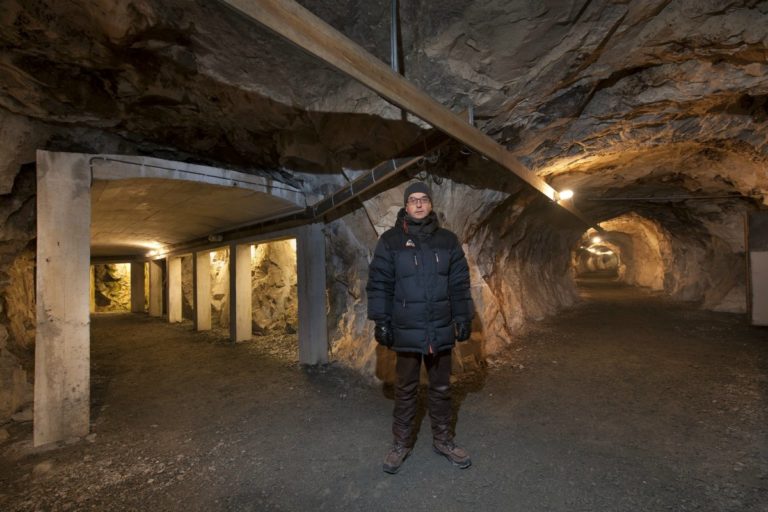
Surrounded by birch-clad hills, the colourful town of Kirkenes is found where the Pasvik river meets the Bøkfjord. The orderly and colourful reconstruction-style houses from the fifties hide the drama of World War II, when Kirkenes was one of the most bombed cities in Europe. Make sure to visit the Andersgrotta air shelter and the Grenselandmuseet (Borderland Museum) to learn about what happened.
How can an ugly crab taste so good?
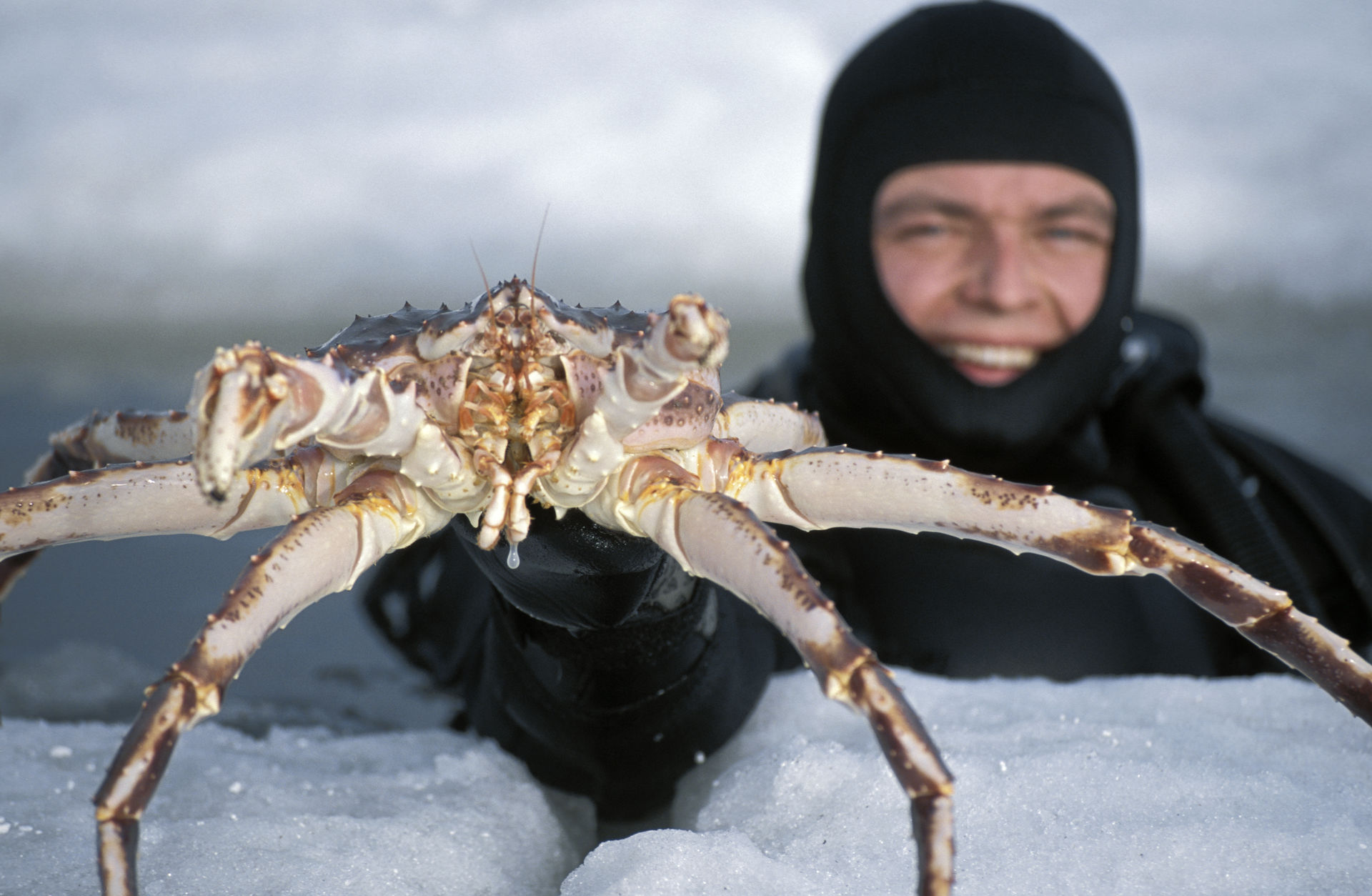
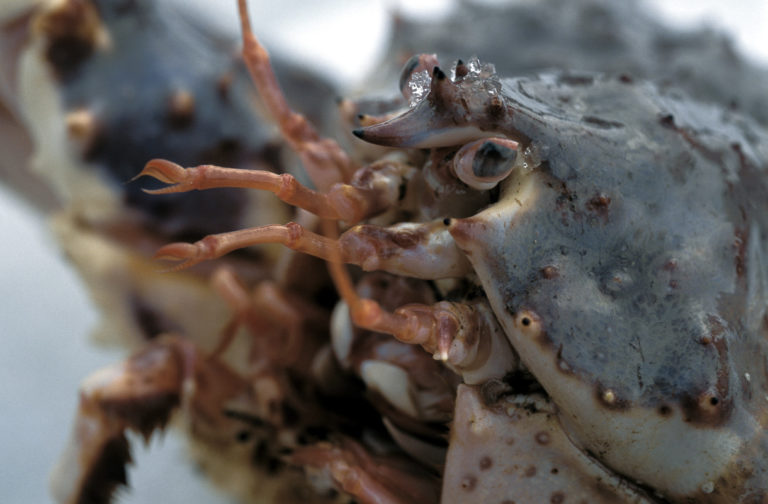
The culinary and maritime rarity of Kirkenes is the king crab. Originating from the Bering Strait, it escaped a Soviet research project in Murmansk in the sixties. This giant crab is not a photo model by far, but the delicate taste is great. In Kirkenes, you can go on a fishing trip of king crab, and get to eat them at the end. This might possibly be the most exclusive meal you have this year.
Excursions abound in Kirkenes
The Kirkenes Snow Hotel is actually open even in the summer. Although the snow caves are long melted, you can enter into a frozen ice house and experience the magic atmosphere of ice sculptures and magic light. E-bike tours, hikes, city walks, Kirkenes keeps you busy for a few days. Several good hotels as well as budget options give you shelter.

Meet the Eastern Sami in Njávdem
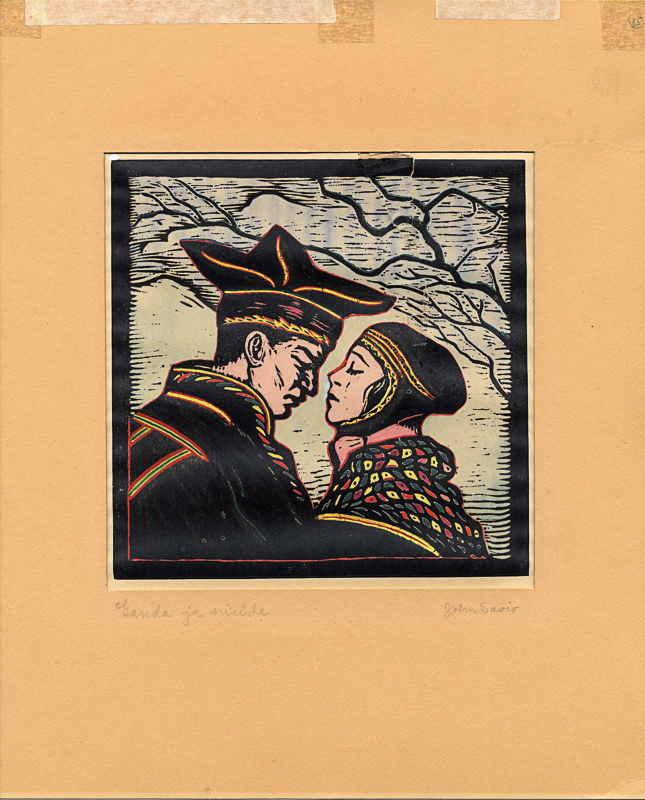
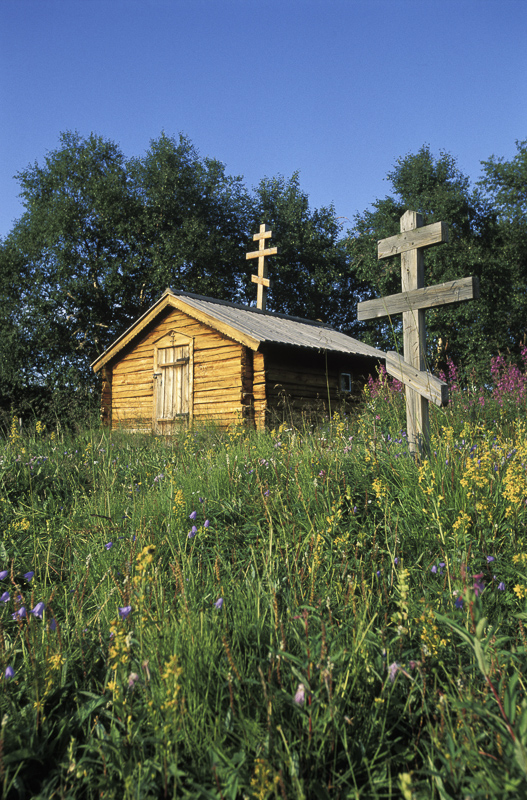
The little village of Neiden . Njávdem in Eastern Sami and Näätämö in Kven and Finnish, is multicultural and multireligious. The minuscule St. George’s chapel from 1565 was built by a Russian monk, and for centuries the local Sami population was part of the Orthodox world. This can all be observed in “Skoltebyen” – the concentration of Eastern Sami remnants. For an in-depth study of this distinct Sami group, visit the award-winning Eastern Sami Museum.
Neiden finds back to its roots
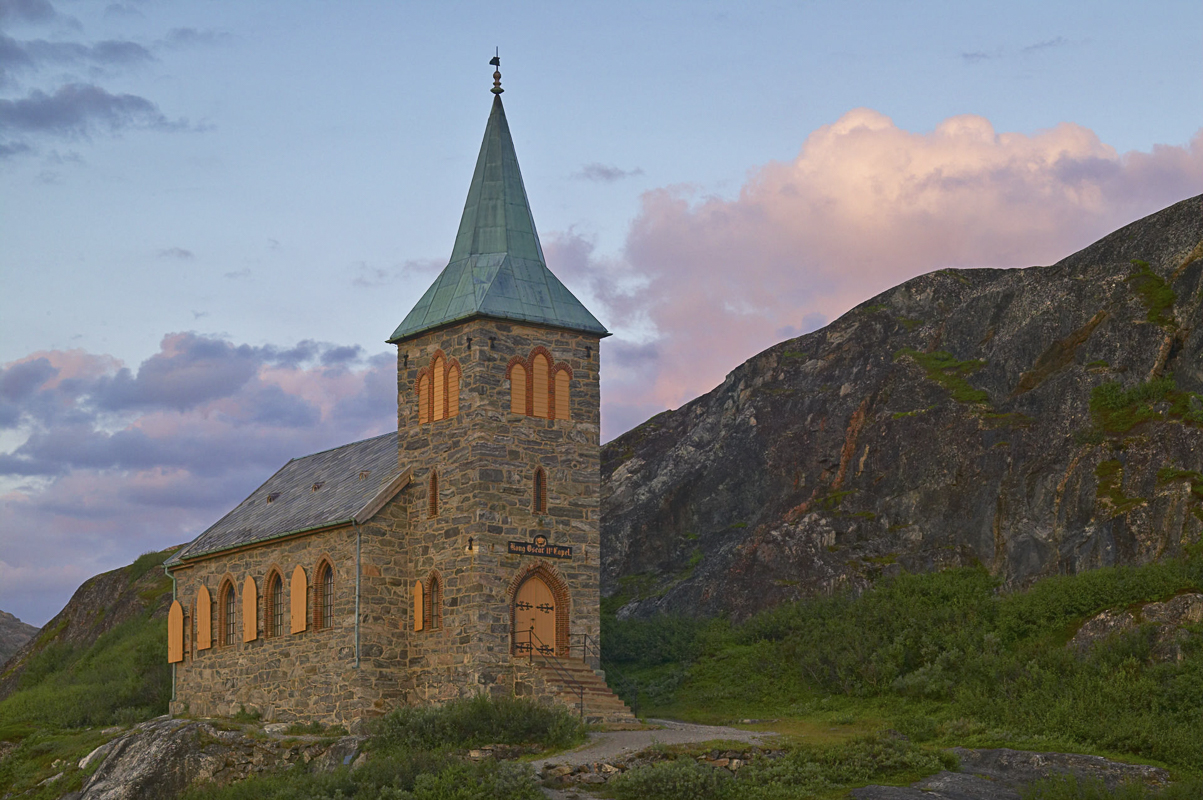
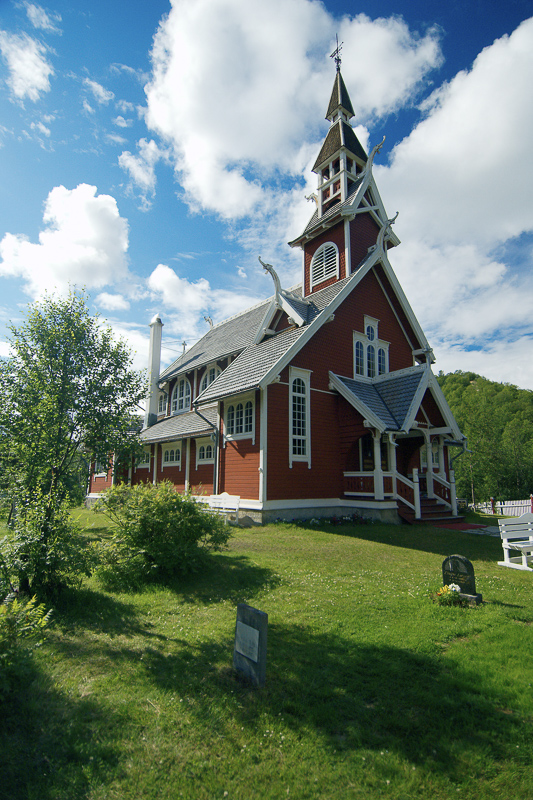
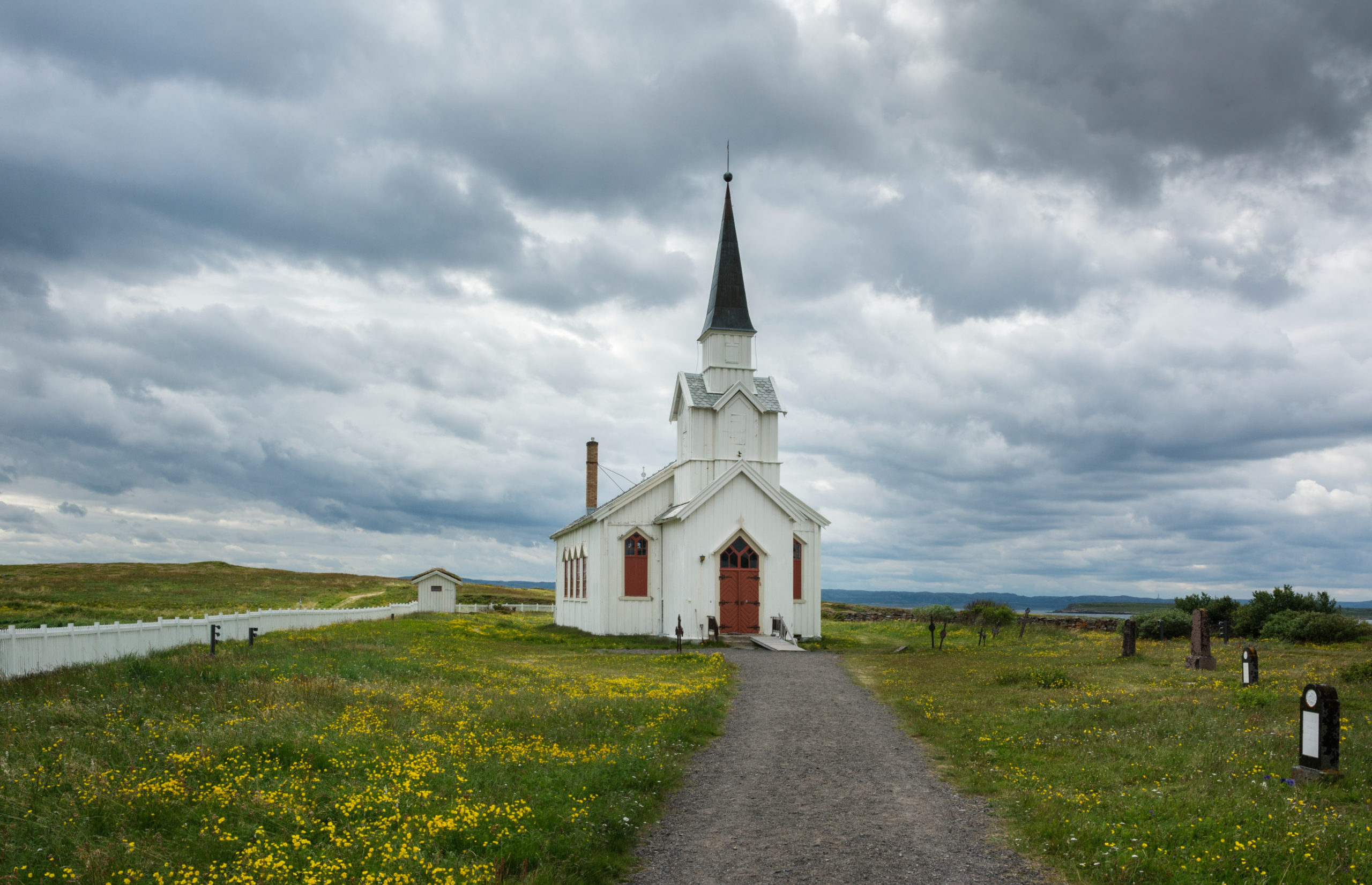
In the 19th c., Neiden was also settled by people from nearby Finland. Thus, to mark the territory as Norwegian, the Norwegian authorities built the striking Neiden church. This is inspired by the traditional Norwegian stave churches, and is a stranger in these eastern areas. Neiden has a couple of accommodation possibilities.
Bugøynes is Little Finland
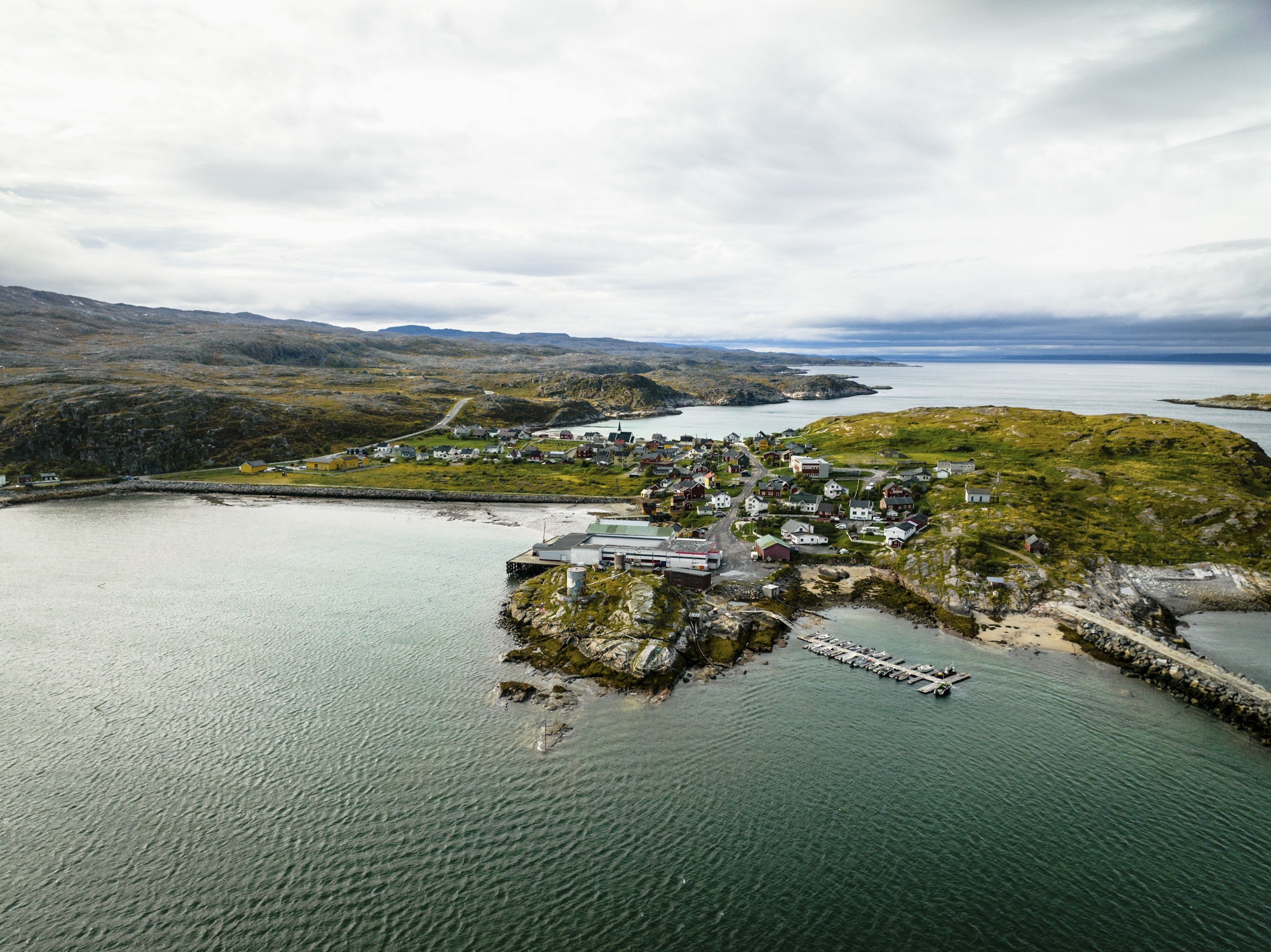
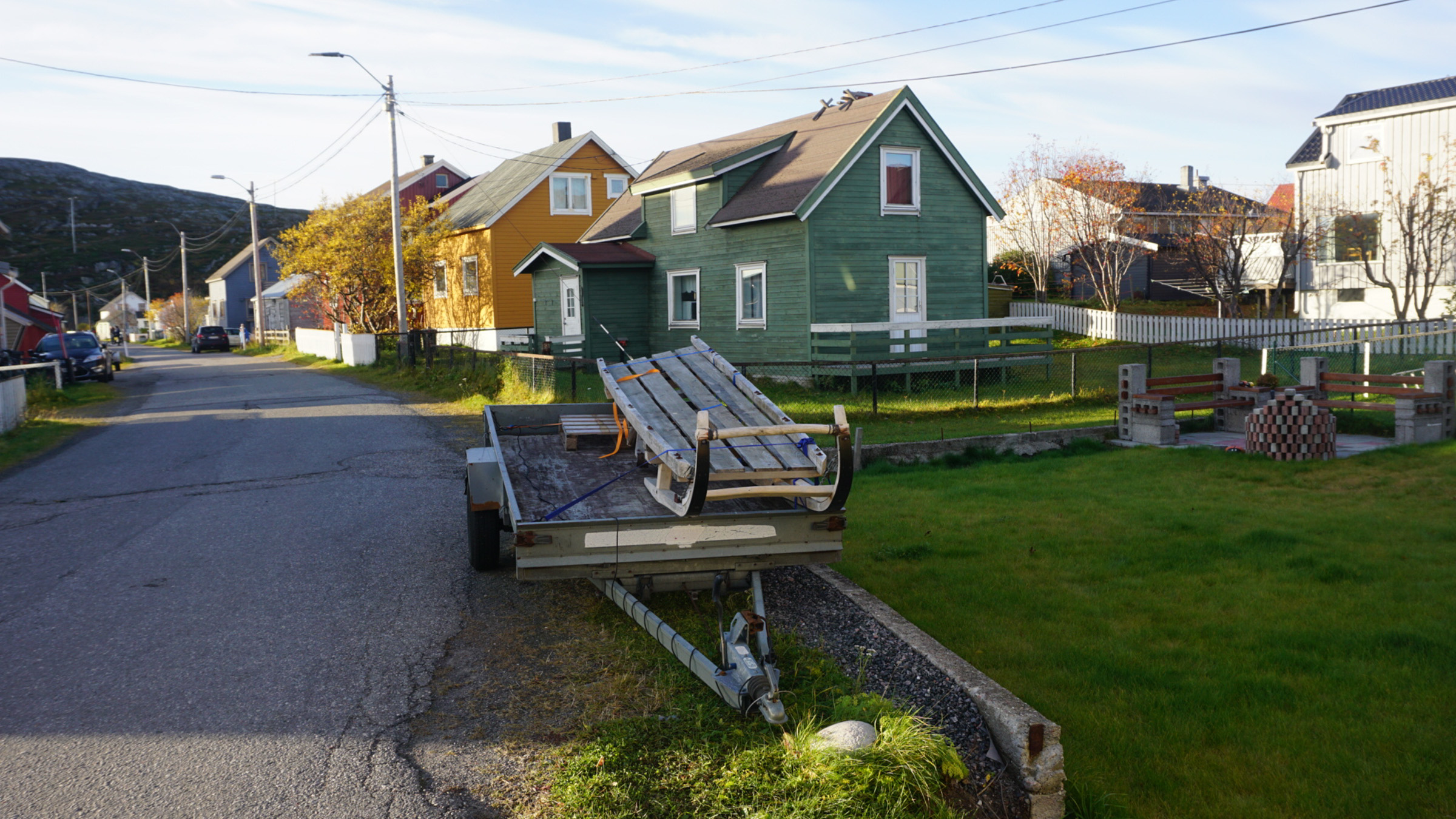
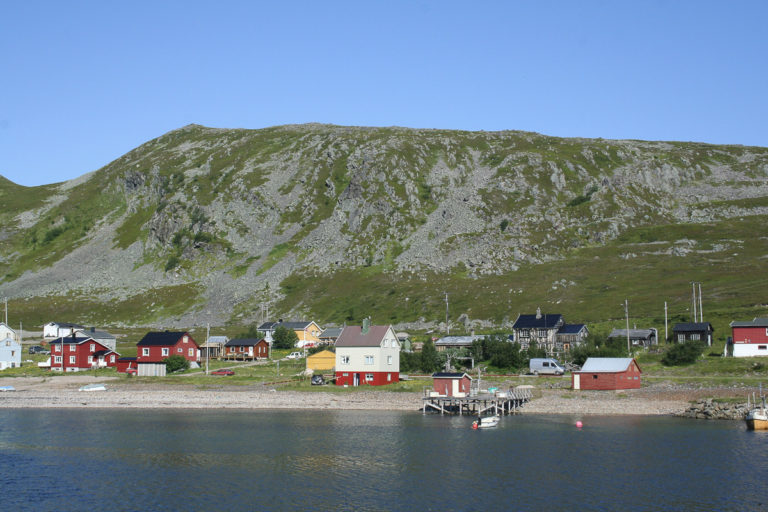
The next village of note is a little detour, which means careful planning. However, Bugøynes is a distinct part of this ethnic mosaic, being nicknamled “Pikku Suomi” – Little Finland. People here speak Finnish and maintain close ties with Finland. The language is close to standard Finnish, elsewhere the more Norwegian-influenced Kven language is spoken. Bugøynes survived the ravages of WWII unscathed, and has a colourful, mixed architecture.
Varangerbotn is the Sami crossroad
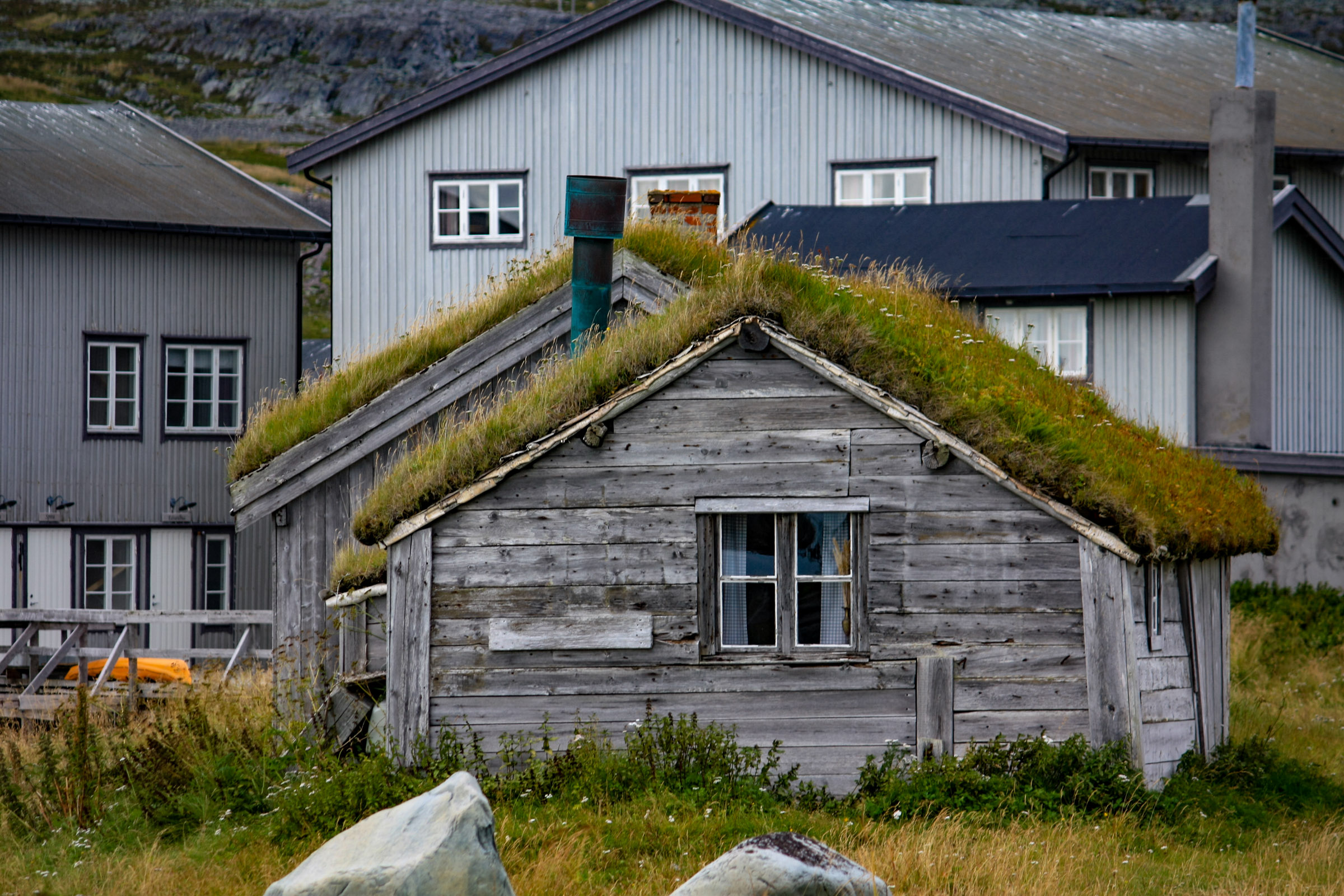
Varangerbotn is where all the roads meet in the area, and chances are you’ll find yourself here. The attraction of note is the Varanger Sami Museum. Here you learn about the “Sea Sami” – the Sami living from sheep and cattle farming as well as fishing in the fjord. Other themes include duodji – Sami handicraft – and Sami pre Christian religion. The Nesseby church from 1858 is some 14 km further along the road towards Vadsø. In the flat landscape and high horizons of the area, it stands out in the landscape. In an area where war destructions were almost total, this is a gem.
Ceavccageađge is a history book
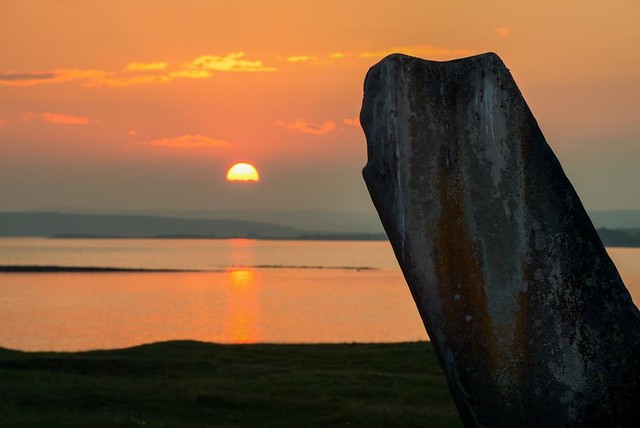
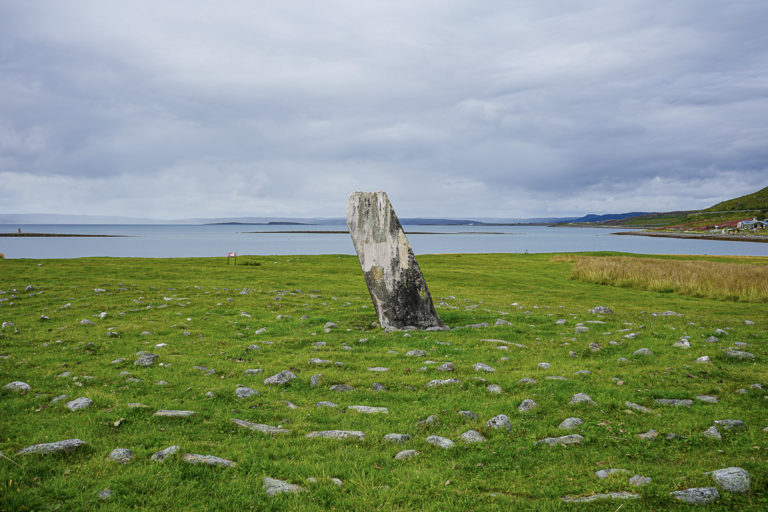
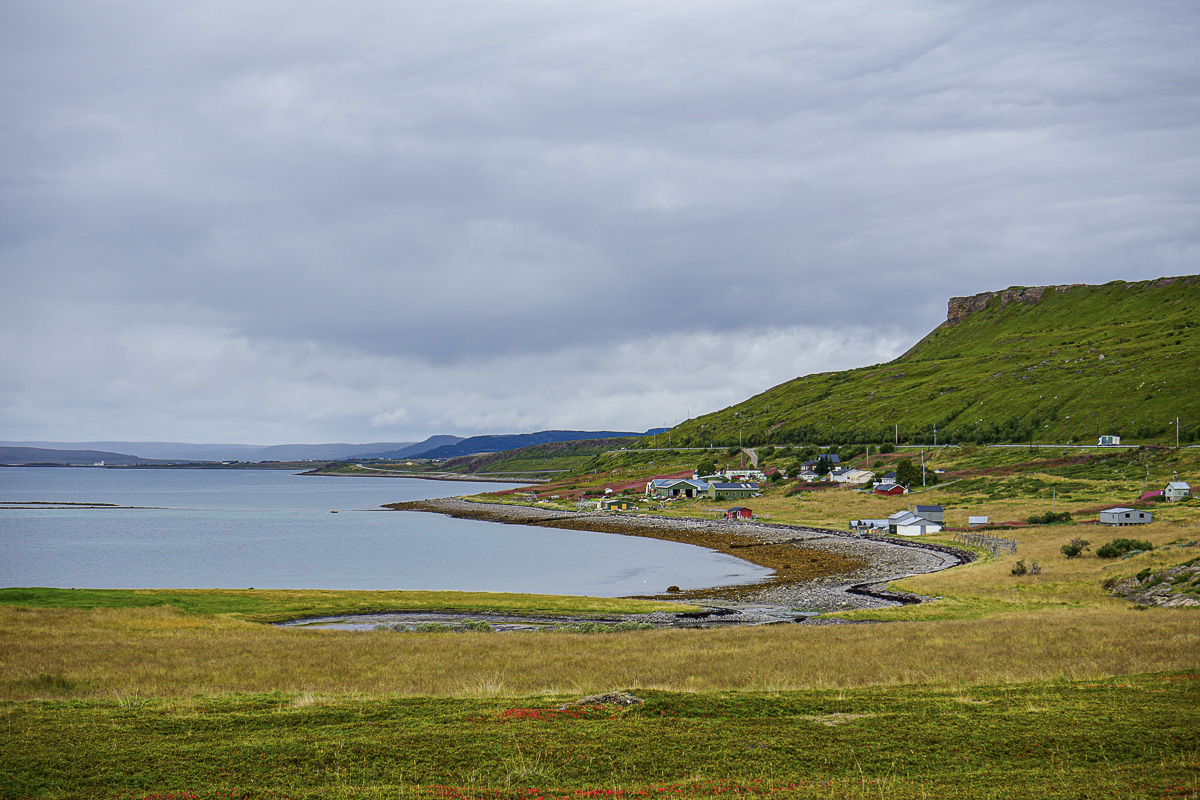
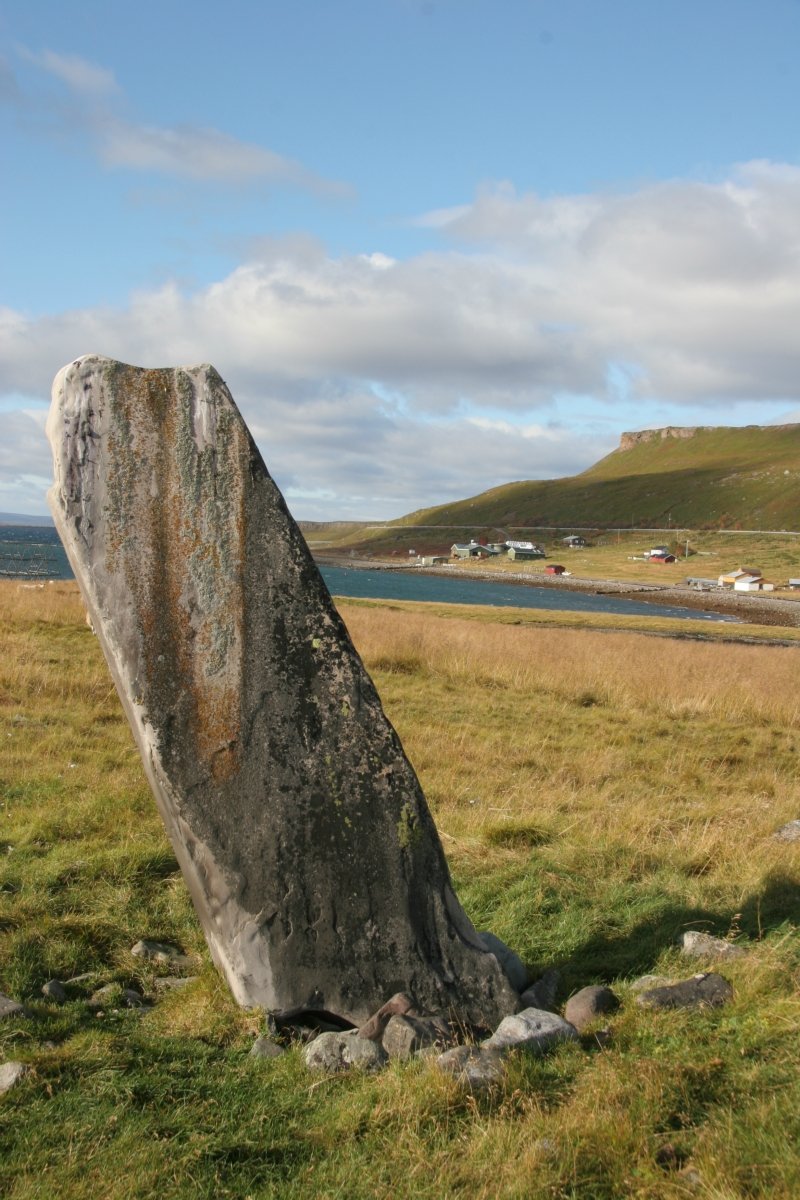
Some places are really old. The Ceavccageađge, Norwegian Mortensnes, archaeological zone on a promontory into the Varanger fjord has been a meeting place for 10 000 years. Raised stones, labyrinths, ring-shaped stone circles and remnants of old graves; the sharp eye detects all kinds of traces. Go into the little museum for an explanation of how different cultures, living through milder and colder climates than today. Ceavccageađge is a UNESCO world heritage candidate.
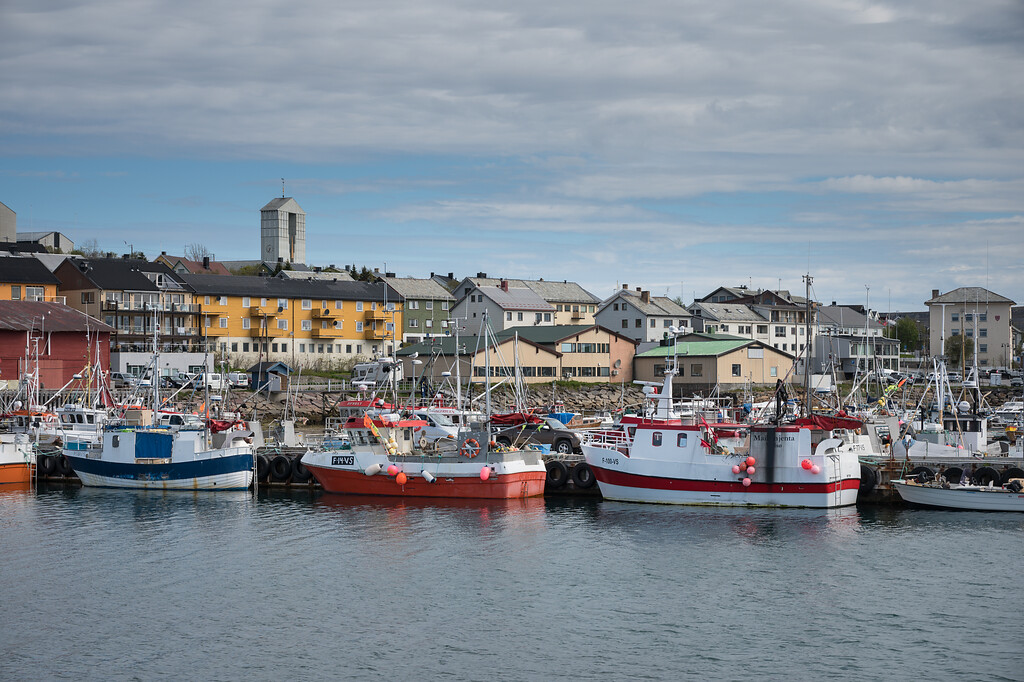
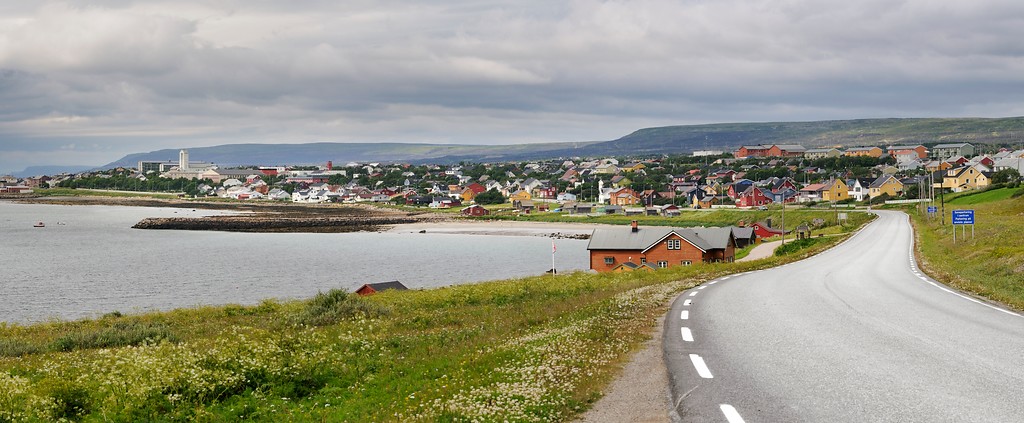
Vadsø is the Varanger fjord metropolis
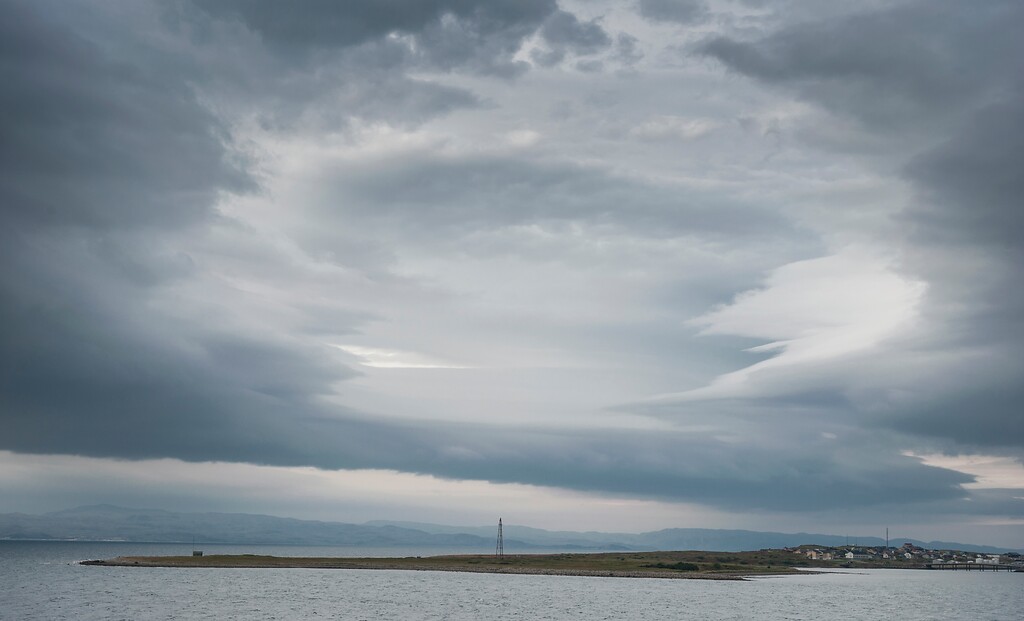
6000 people call Vadsø home, making it a metropolis along this route. Travellers of course enjoy cafes, restaurants and a stroll down the main street, overlooked by the monumental reconstruction-era church and the Immigration memorial Vadsøya, the offshore island outside the city centre, is noted for its airship mast. It was used in the North Pole expeditions of Roald Amundsen and Umberto Nobile in 1926 and 1928. There are also remnants of a late mediaeval fishing village, today signposted as a historic walk.
Vadsø Museum puts the Kven people into context
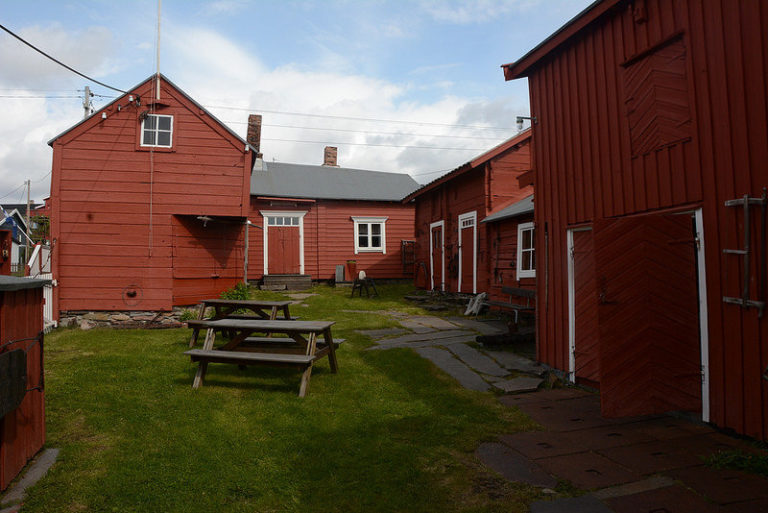
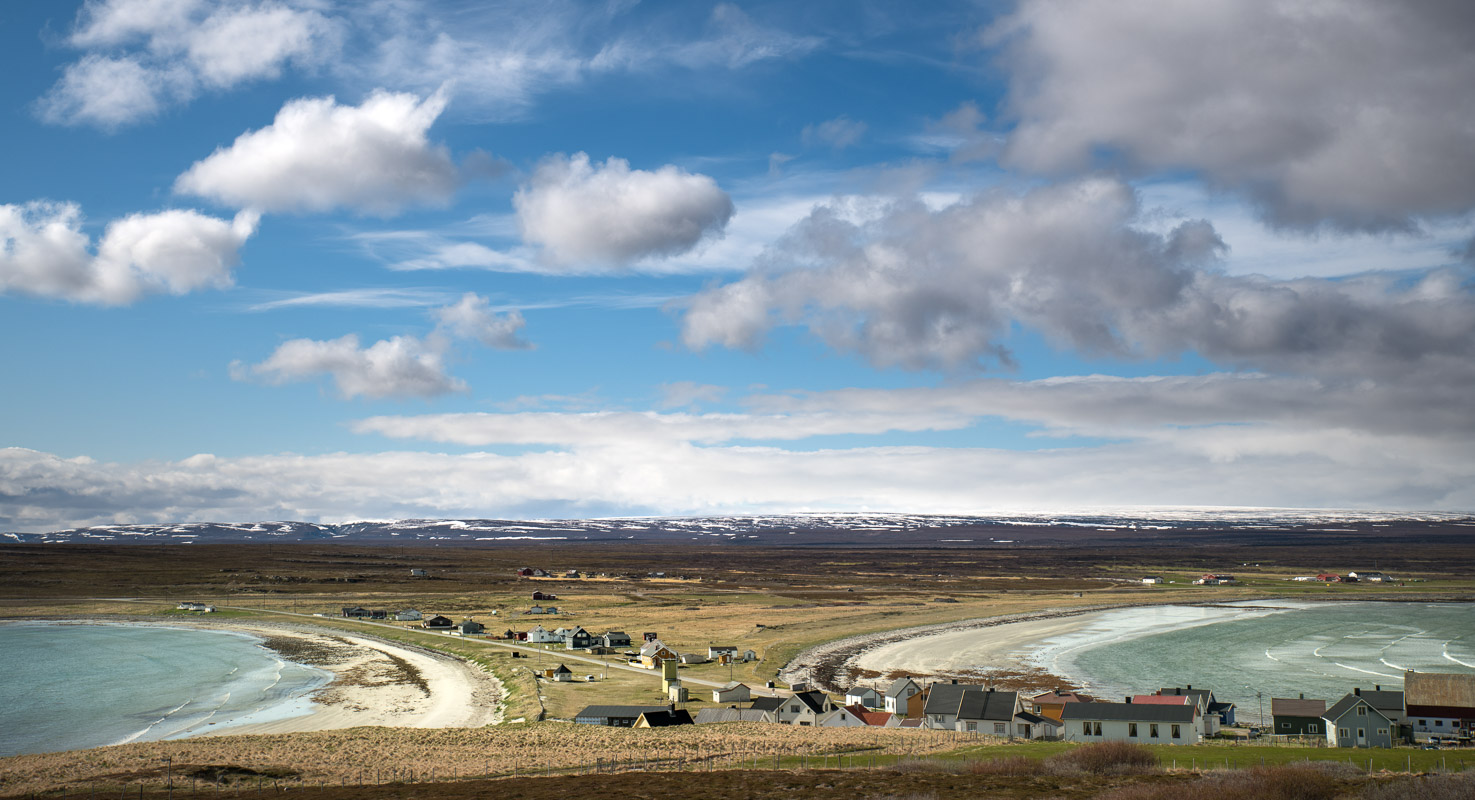
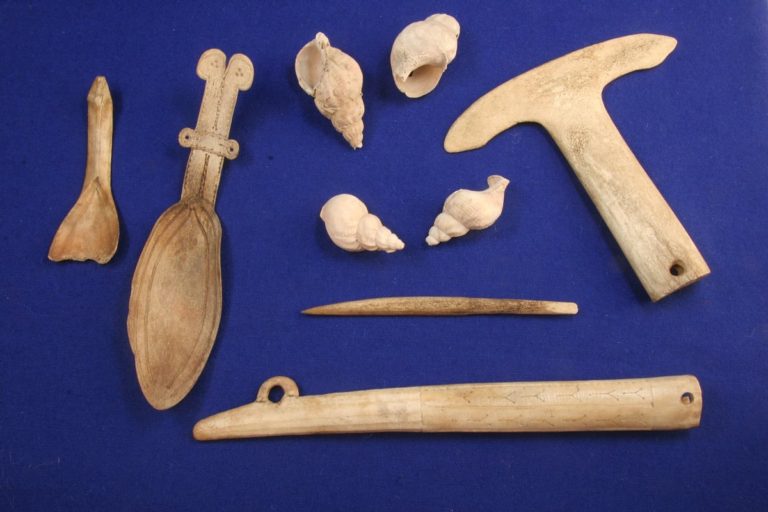
Immigration certainly characterised the Kven capital of Norway. In the 1860’ies, the famine in Finland lead to Finns settling along the Varanger fjord, most notably in Vadsø. The new Ruija Kven Museum (Ruija – “the land along the ocean” – is the traditional Finnish name for Northernmost Norway) puts the immigration into context. The Tuomainen house is a well-preserved Finnish house from the 1860ies, complete with a sauna. In contrast, the Esbensen house is typical Norwegian, being a residence of a rich merchant. Vadsø’s city centre burned after air raids in 1944, but in nearby residential areas, there is quite a lot of history.
The Nattfjelldalen waterfall is the gate to the National Park
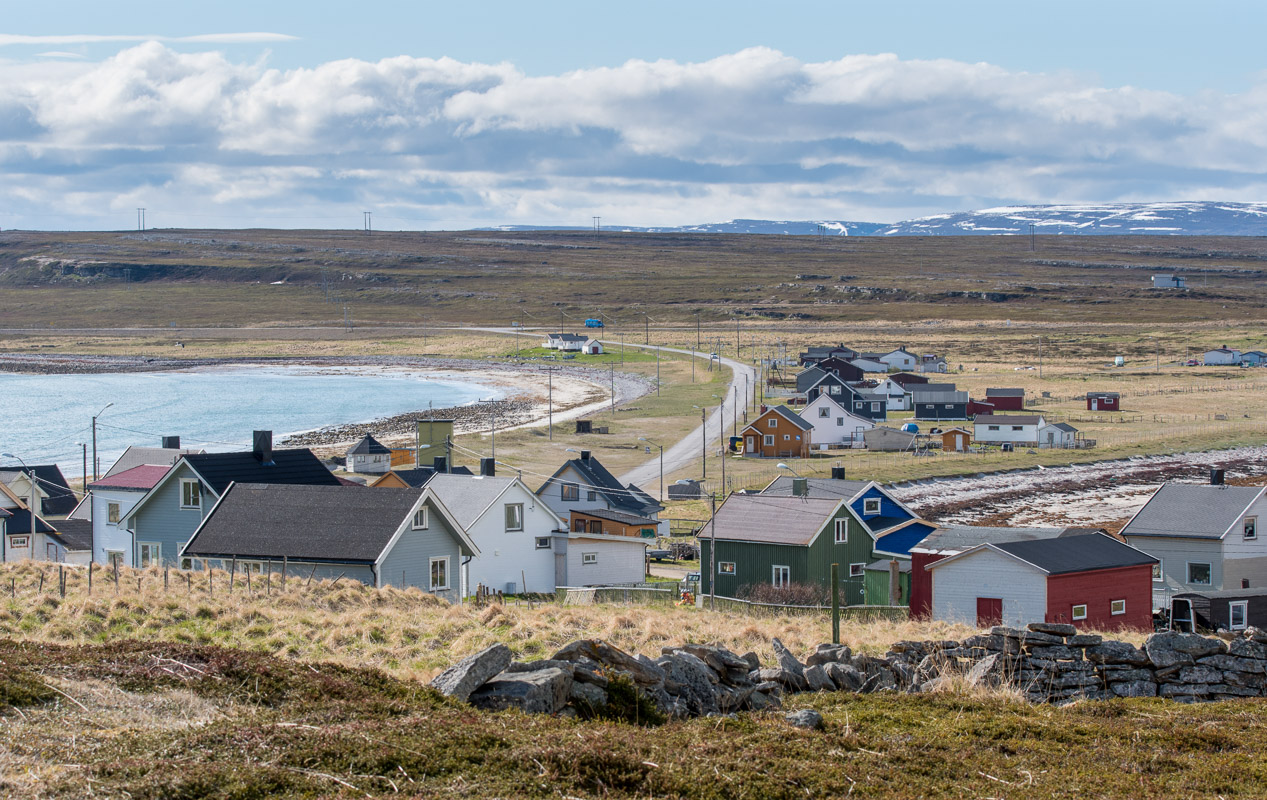
The Varangerhalvøya National park is a vast area of tundra and treeless expanses. It is one of Norway’s least visited national parks and is pure, untouched nature. As there is little infrastructure, only the most seasoned hikers should head there. However, the 19 km hike to the waterfall in the Nattfjelldalen valley is doable for any seasoned hiker, and one doesn’t have to be in olympic shape. From the top of the valley, you look far into the national park, and when you turn around, you can see Russia on a clear day. UT.no has more info.
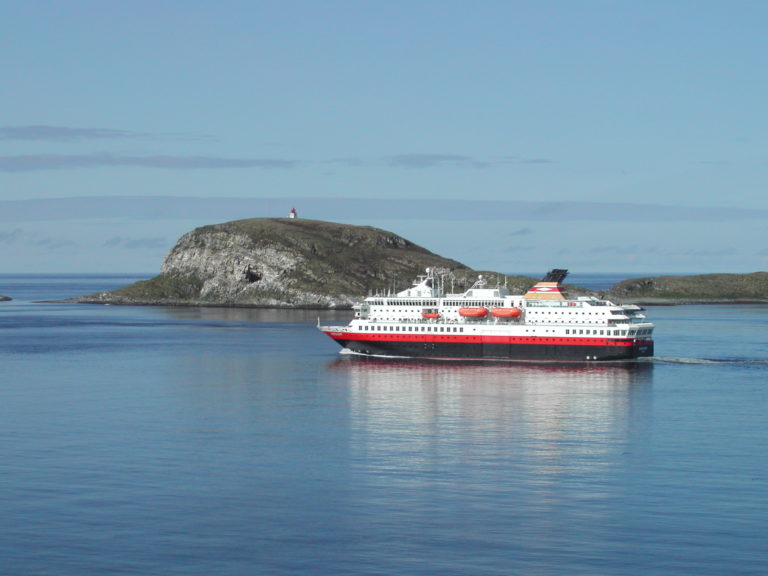
Ekkerøy is a beauty on the fjord
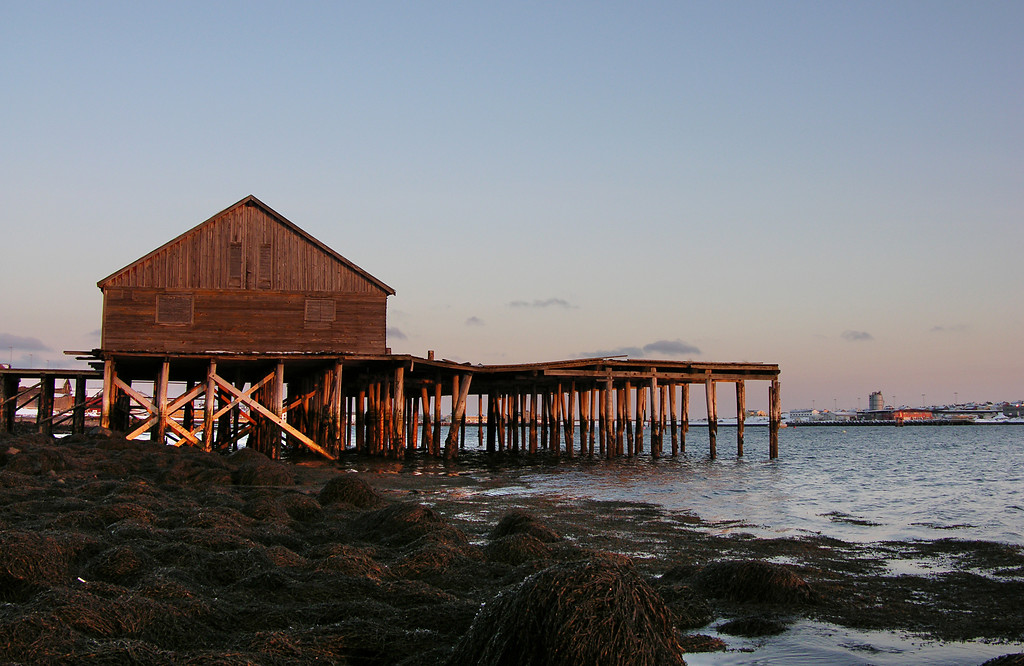
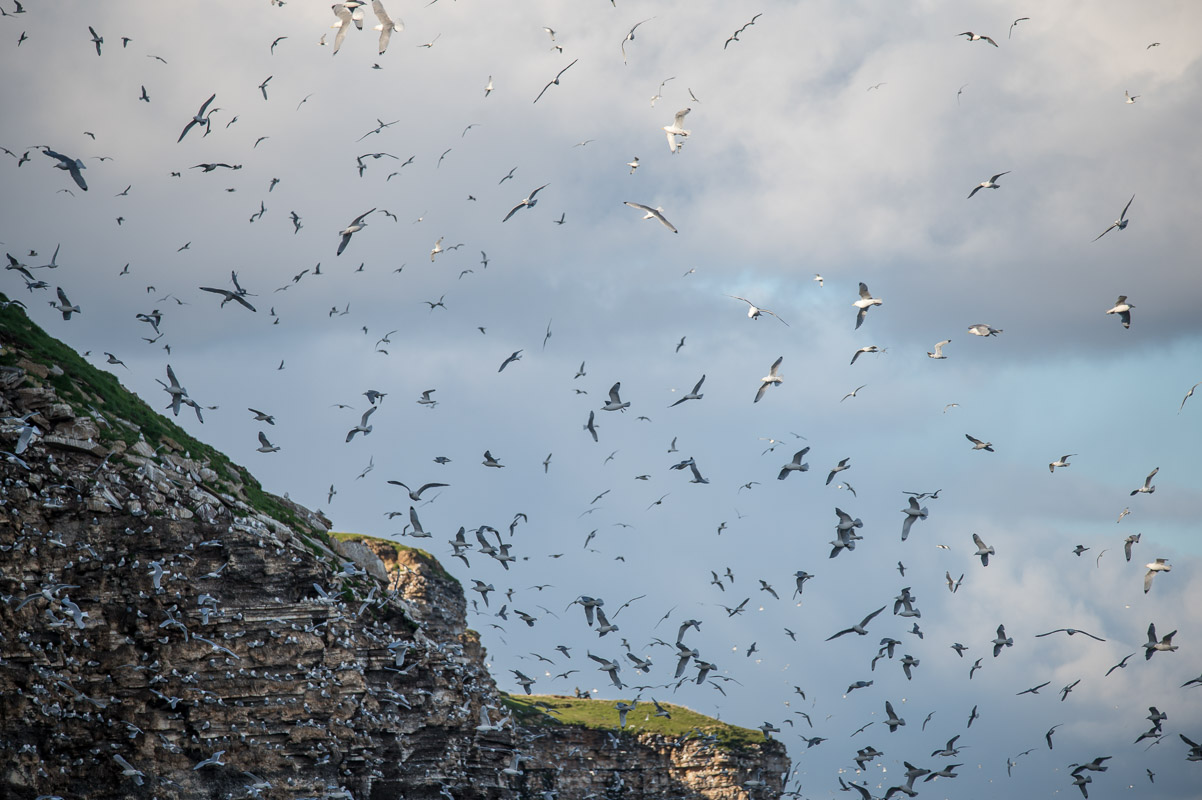
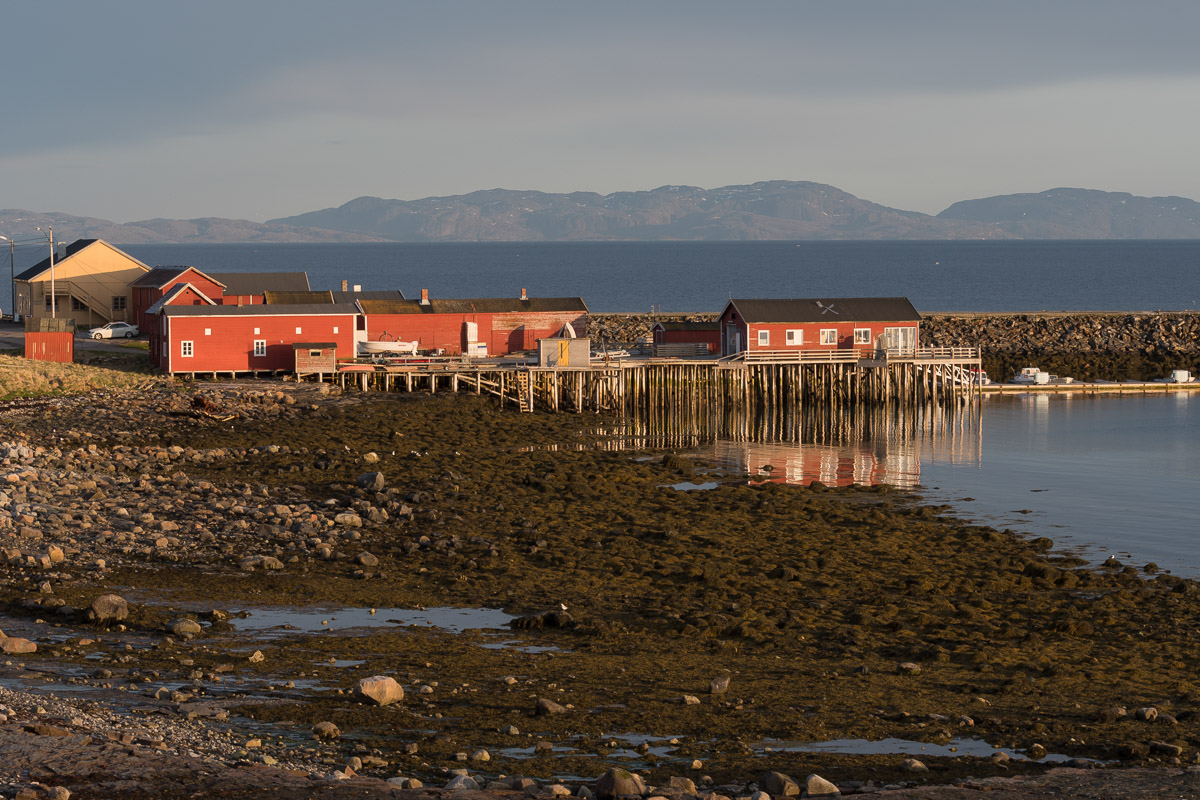
Vadsø-ites like to go on excursion to Ekkerøy, a little village a short drive from Vadsø. Here, there is quite a lot of history as well, with old wooden warehouse on stilts on the waterside. A short walk takes you to the kittiwake cliff, with thousands of nesting seagulls. On the way, you pass WWII fortifications. Dine at Havhesten (“The Fulmar”) Café and sleep in holiday homes.
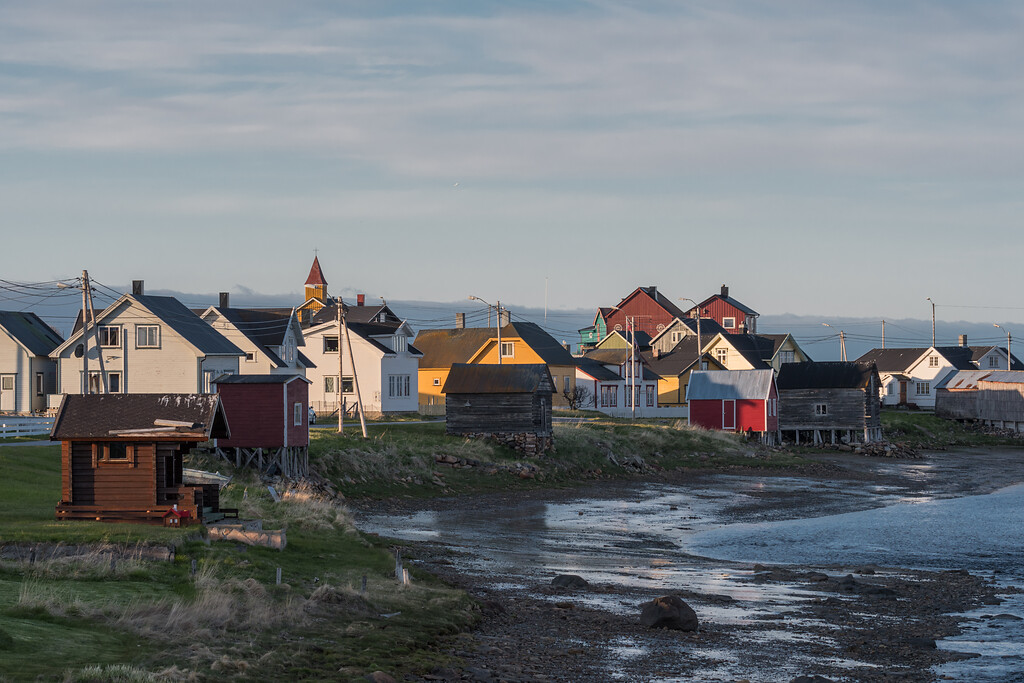
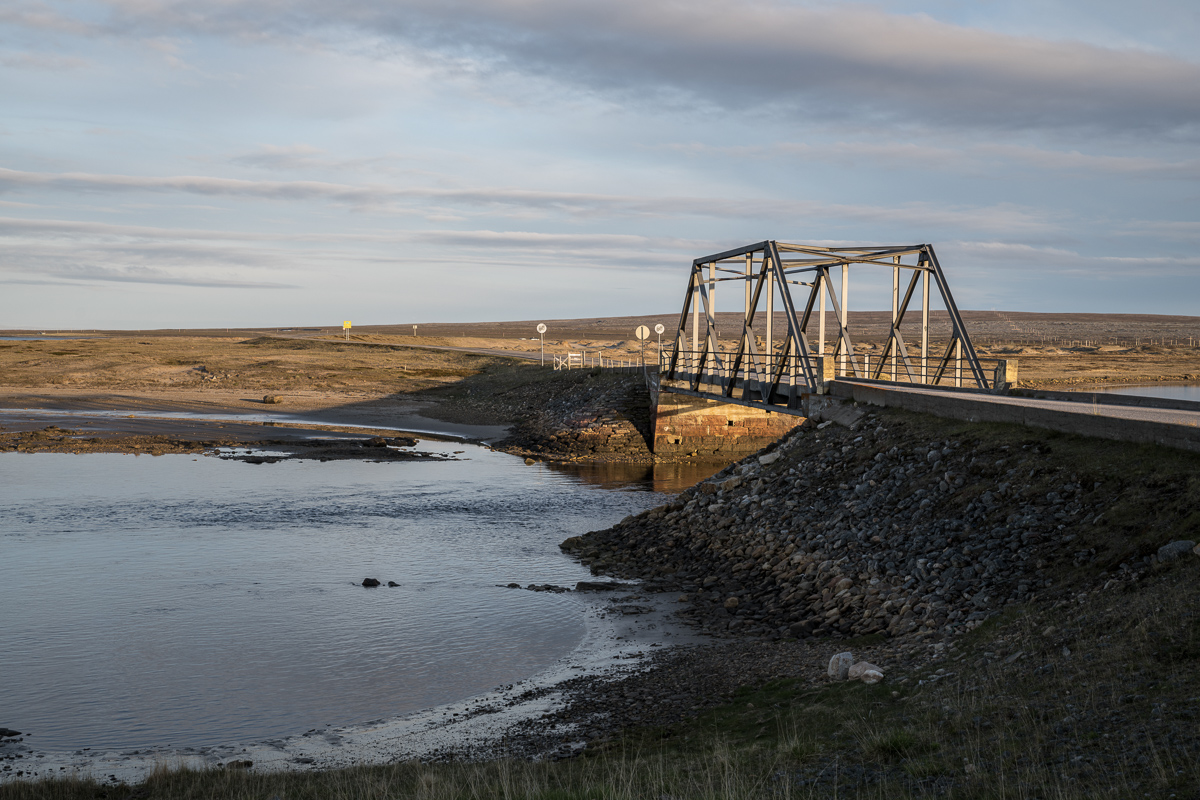
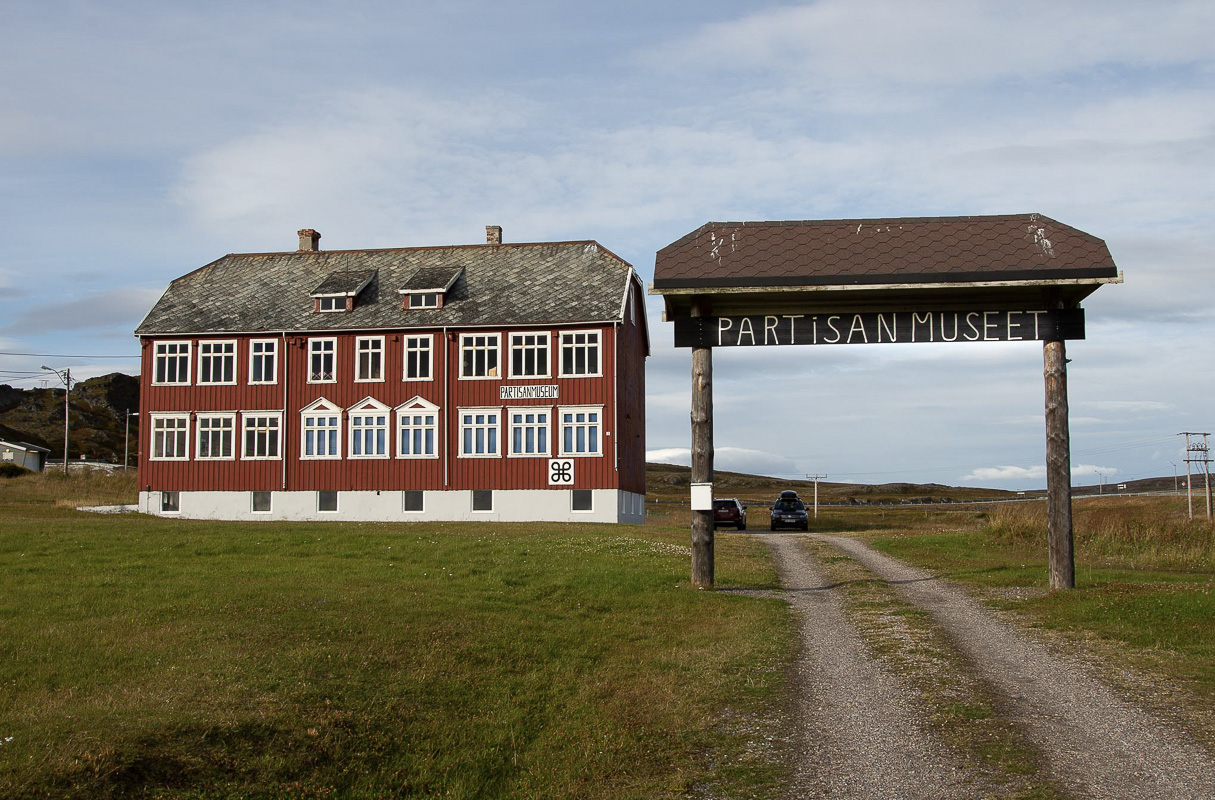
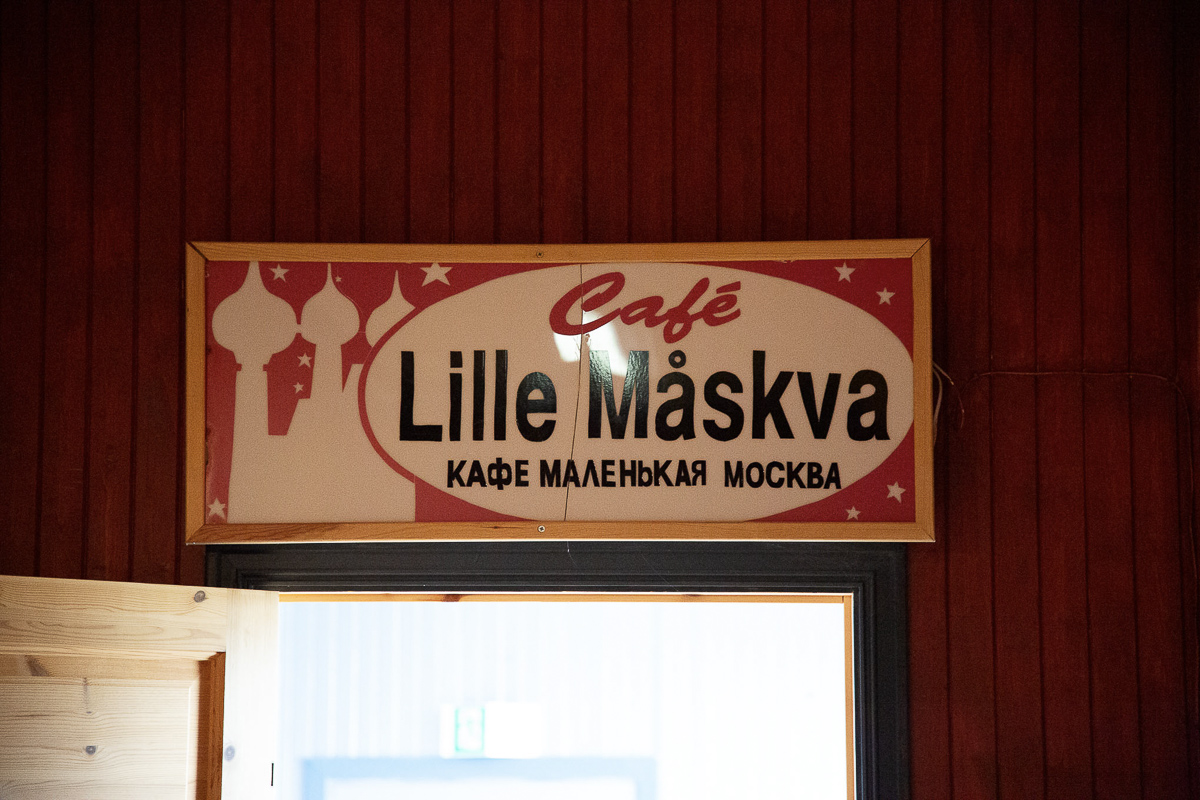
Kiberg is the story of brave women and men
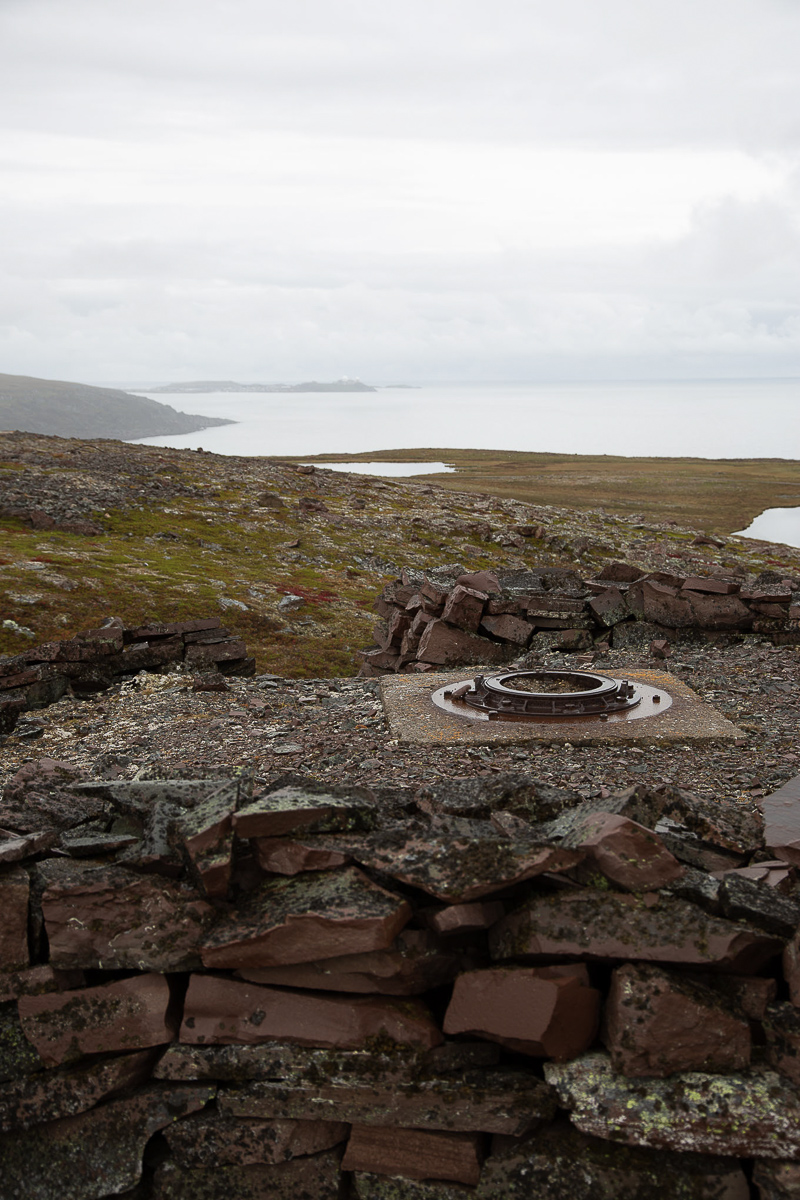
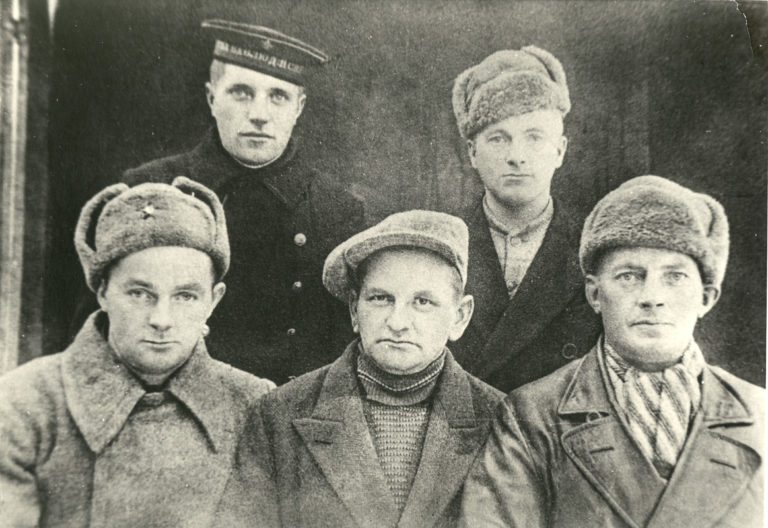
From the fishing village of Kiberg, the Rybachy peninsula in Russia is in full view in good weather. During WWII, young men and women escaped from German-occupied Kiberg to the Soviet Union and returned after training to work under cover. These partisans were an invaluable help to to the allied war effort, but they paid a high price. The Partisan Museum tells the story, including the lacking recognition after the war. Go for a long walk on Kibergneset, the easternmost point of Norway’s mainland. The WWII fortifications are impressive in a sad way.
Vardø gets the Midnight Sun first
Vardø is easternmost Norway
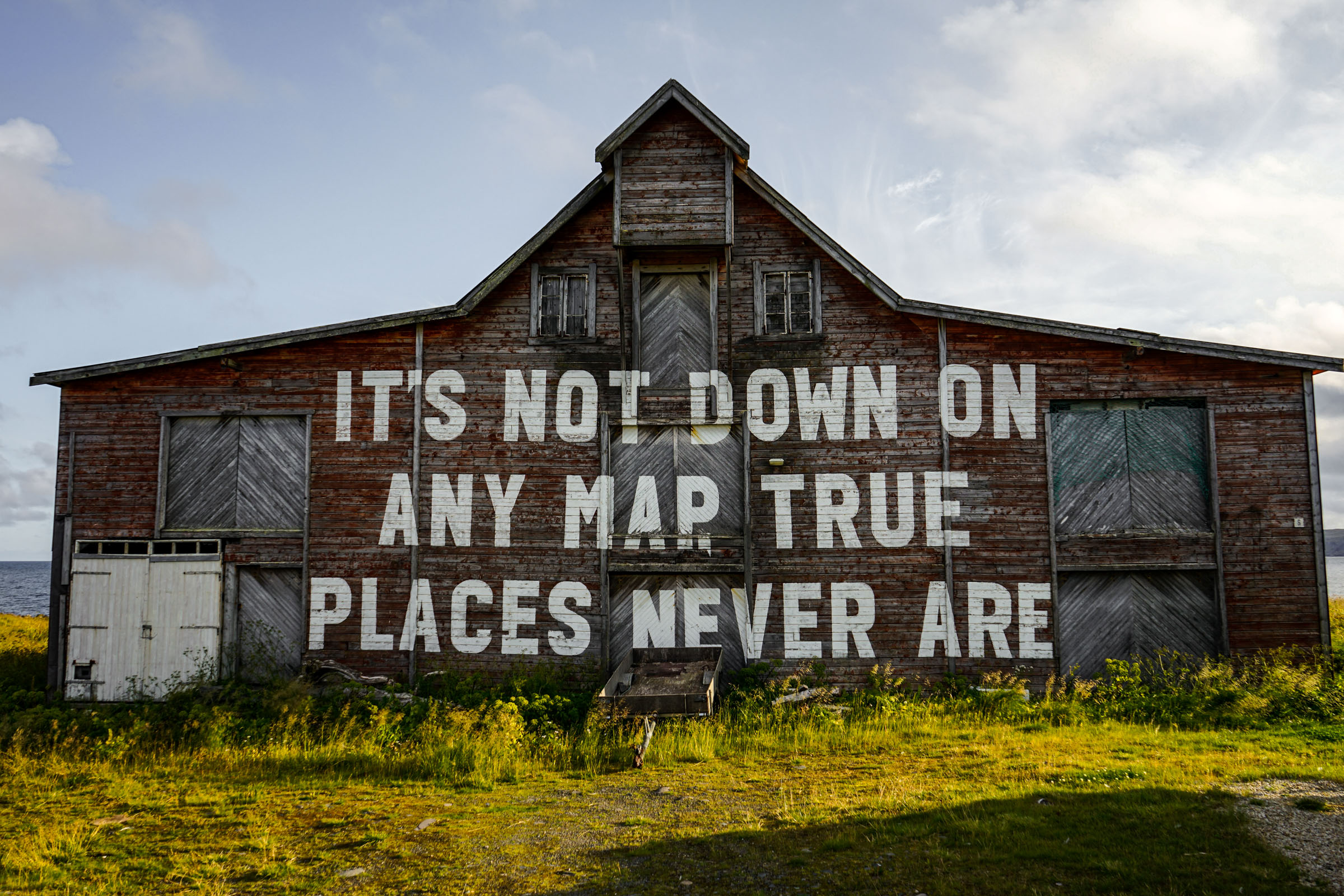
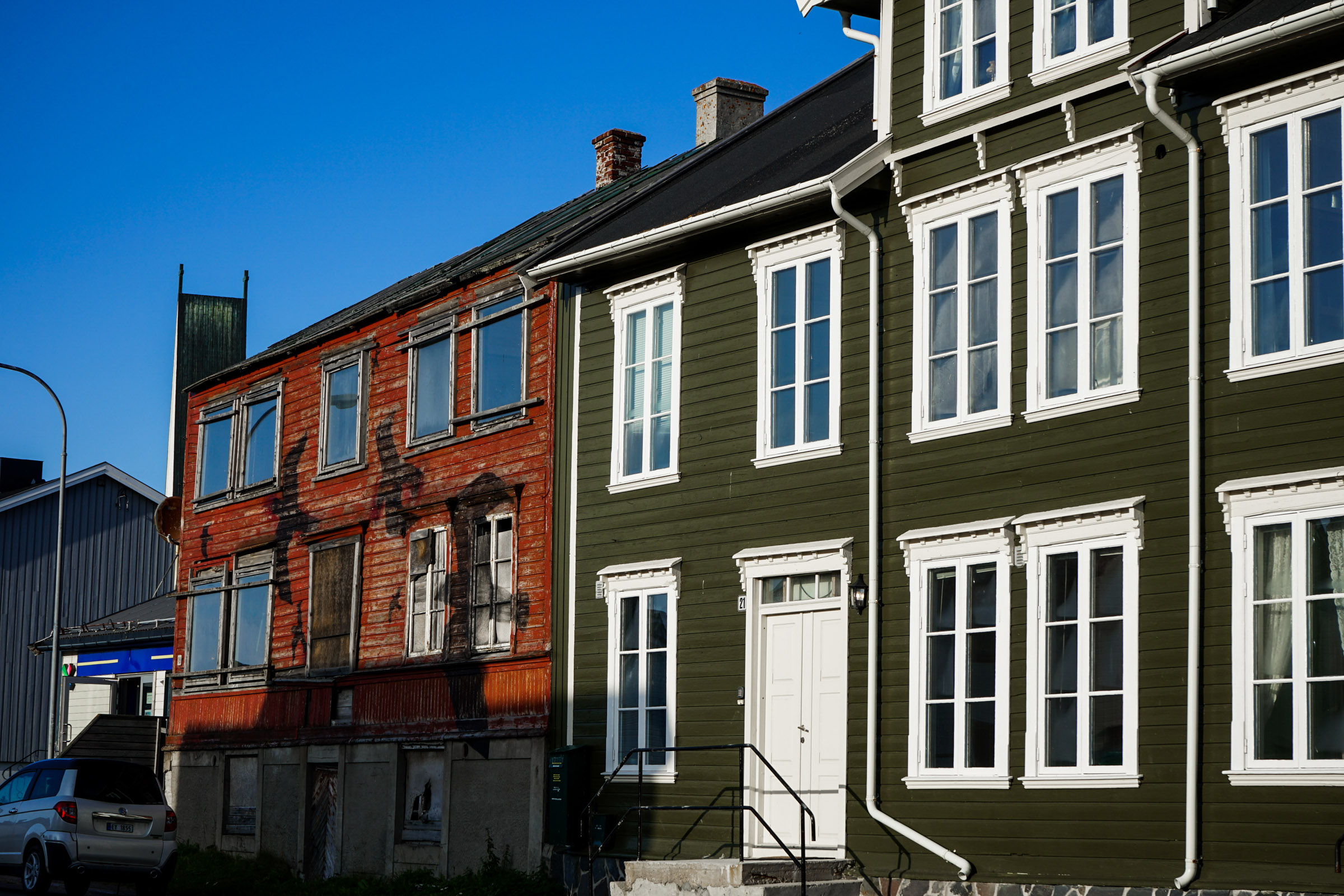
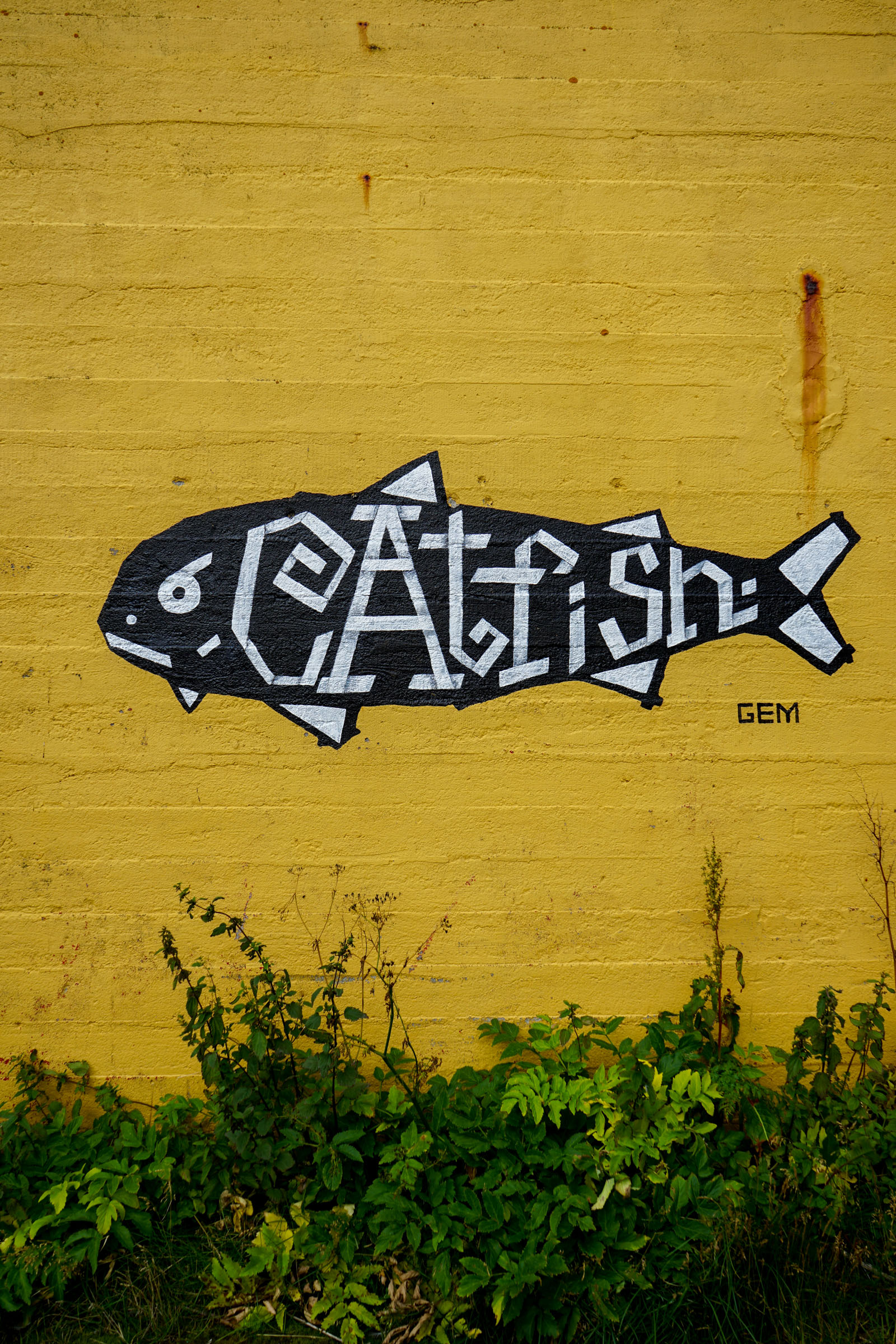
In 1789, Vardø was issued its city charter as the first in Northern Norway. It is found on the butterfly-shaped island of Vardøya, from where one can see Russia. The town itself is a hotchpotch of 19th C. wooden houses, stately early 20th century public houses and reconstruction-era houses following the bombings in 1944. Since the number of inhabitants in Vardø has been in decline for decades, it’s dilapidated in places. Street art, a local art project, ads to the non-conformity. All in all, it’s a town much loved by photographers.
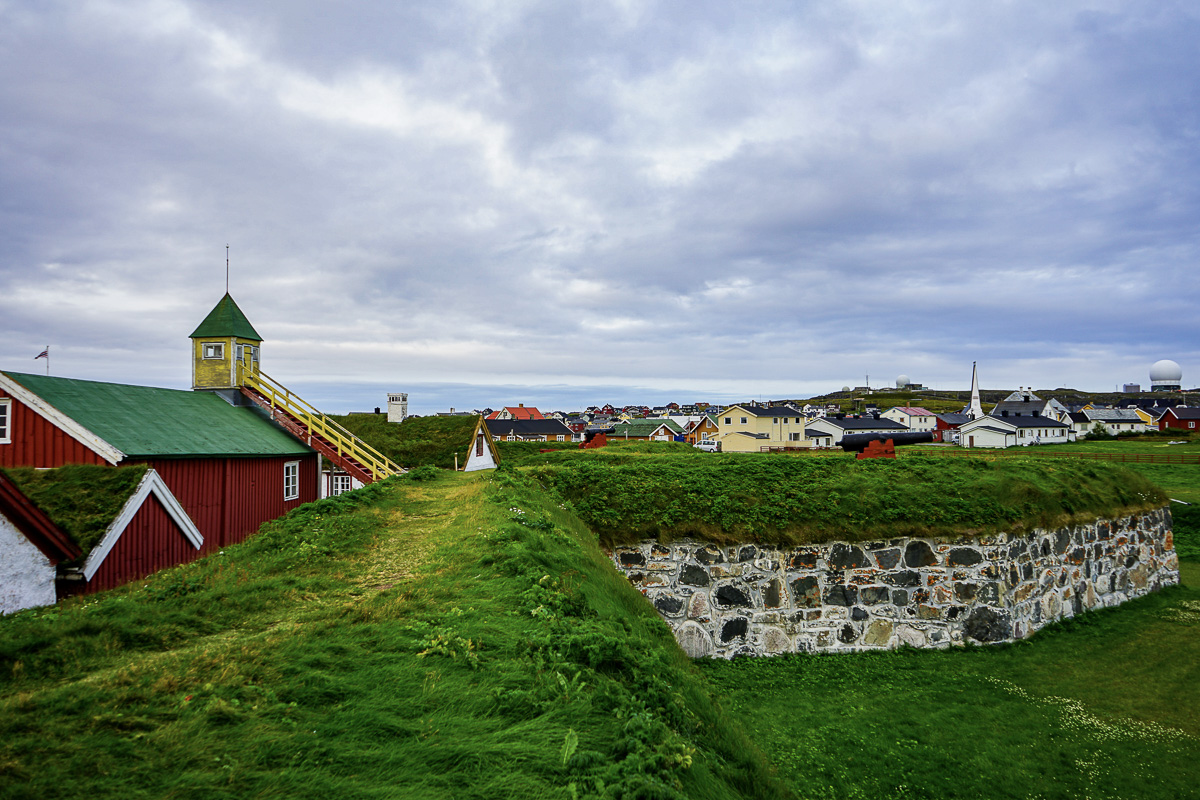
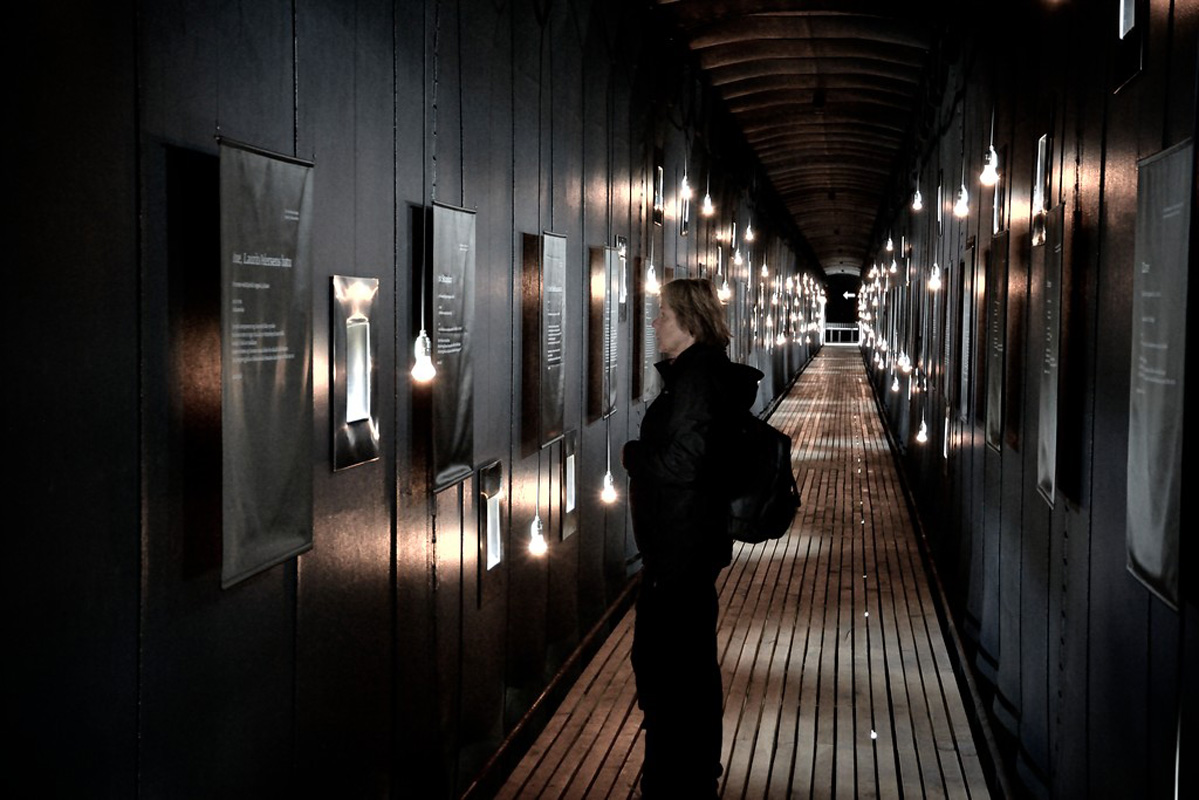
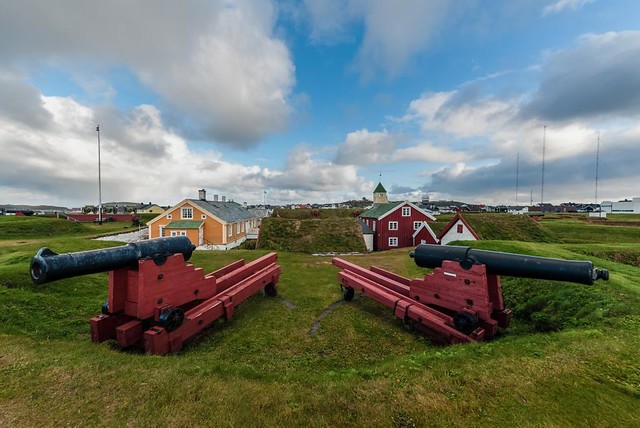
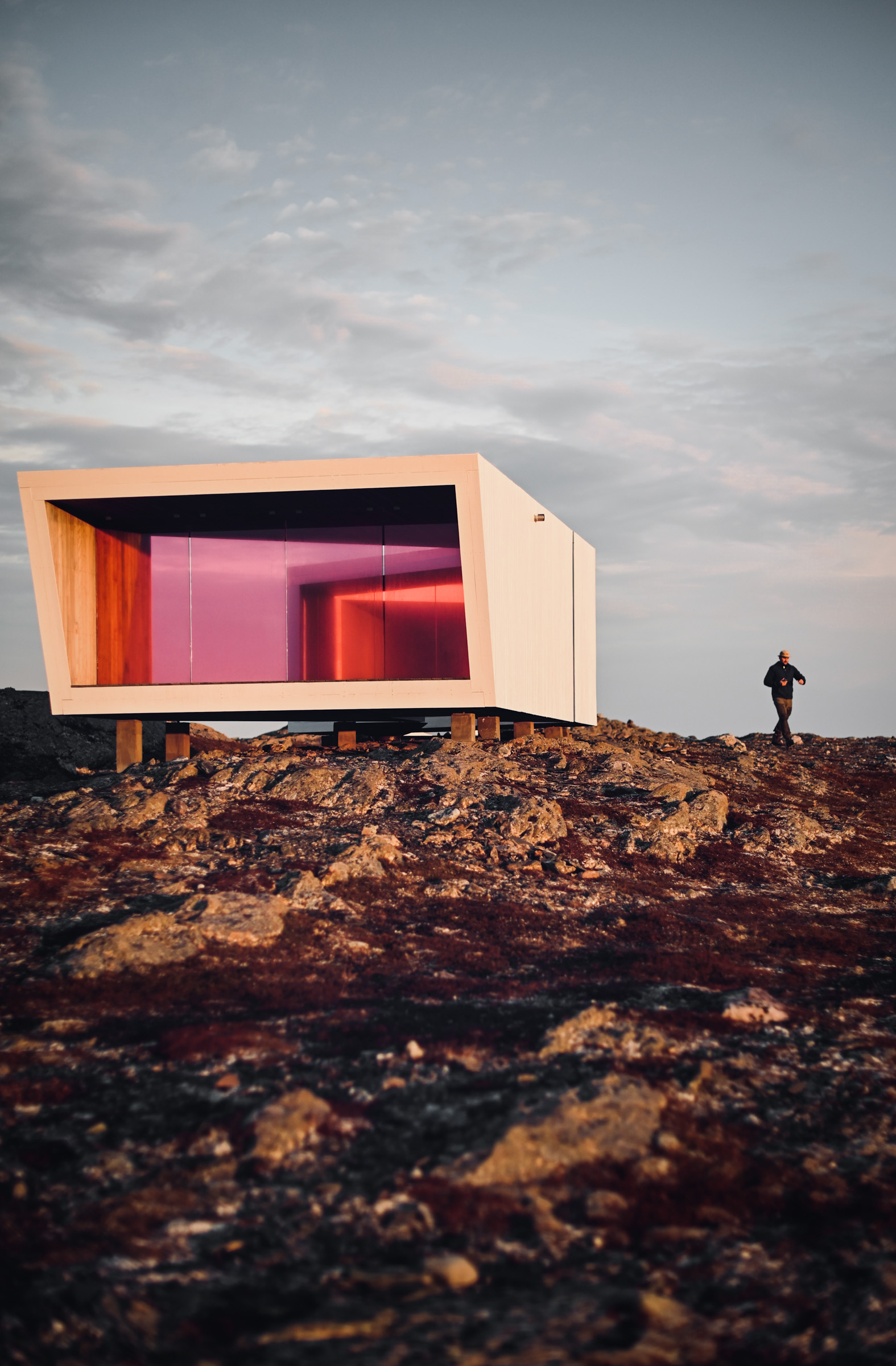
Vardø has a cute fortress and a memorial to darkness
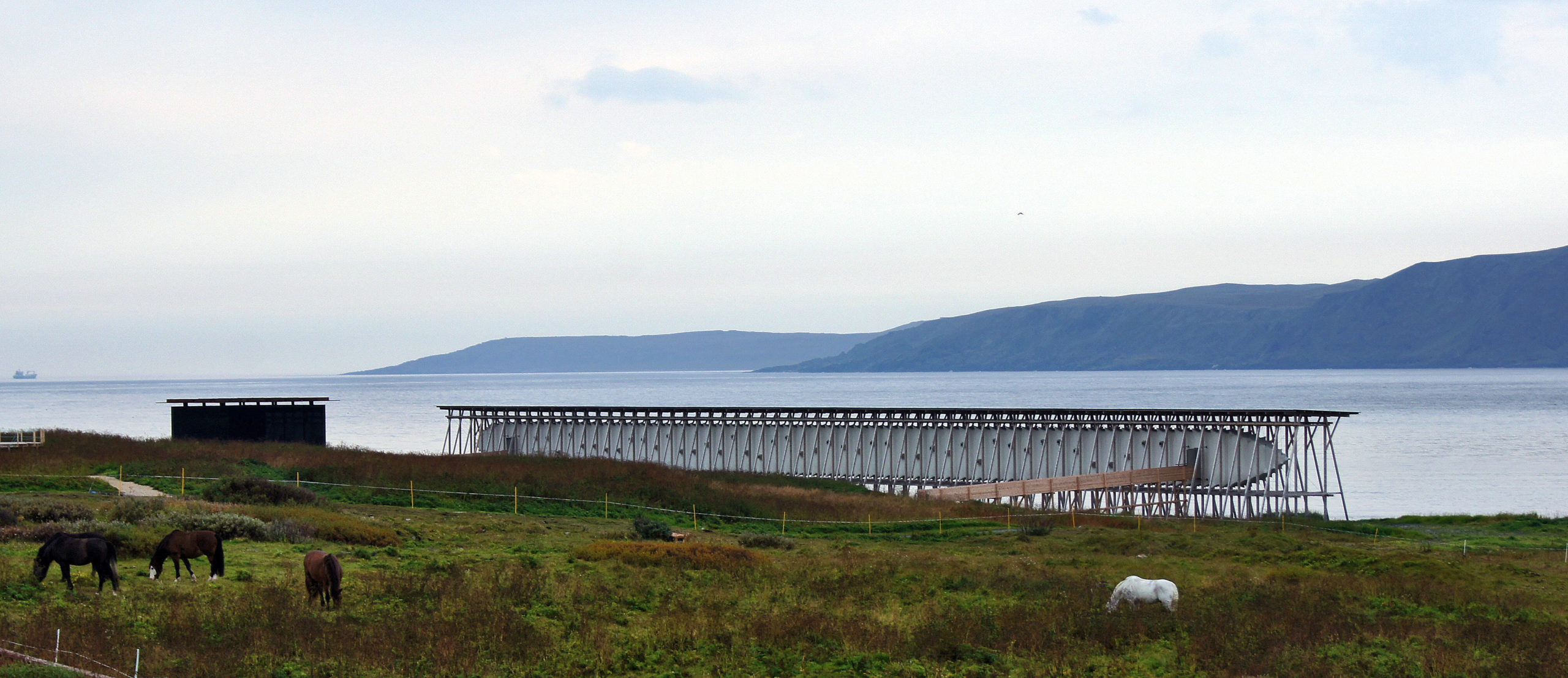
A French visitor once called Vardøhus fortress from 1734 a “doll’s fortress”. Star shaped, it can be inspected both in the courtyard and from the ramparts. The little museum in the “slavery” (prison) puts it all into context. Much sadder it the Steilneset Memorial, or “The witch memorial” – in memory of the 91 witches who where burned in Vardø and around Finnmark in the 17th c. In the cocoon-shaped memory hall, a board has been consecrated to each victim. The destinies are told in the simplest possible way, yet let you see straight into evil.
Norway’s easternmost point is on a bird island
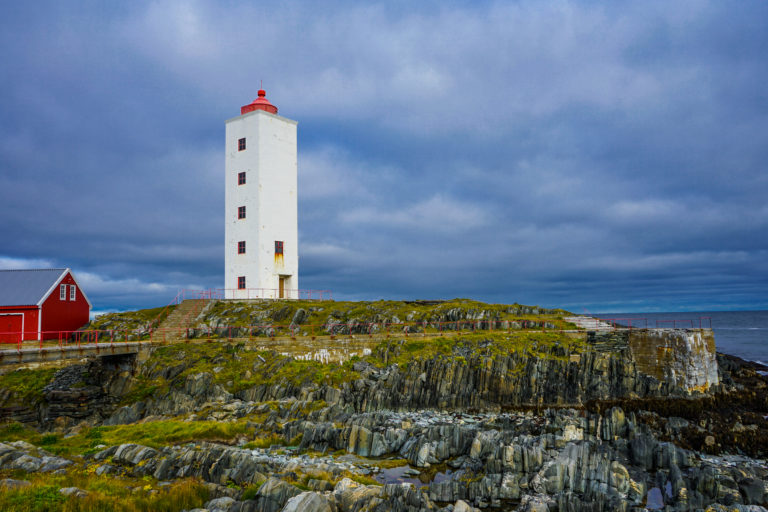
In Summer, frequent boats run to the island of Hornøya from the port of Vardø. Hornøya is an impressive bird colony, with puffins, guillemots, razorbills, cormorants and kittiwakes. Birdwatchers are looking for the Brünnich’s guillemot with its characteristic white line around the eyes. Make sure to walk to the back of the island to see the lighthouse and the distant coast of Russia.

The Summer ticket takes you around
The advanced traveller of course goes around by public transport. Bus 64 goes through a varied landscape, and you can use 4 hours from Kirkenes to Vardø, or you can spend several days, stopping everywhere. We also recommend a detour to the fishing villages of Berlevåg and Båtsfjord, on the northwestern side of the Varanger peninsula. You can of course pay your way with single tickets. In summer, though, you can always use the Summer Ticket in Troms og Finnmark, giving you
How do you find the bus schedules?
The travel planner of Snelandia is your friend when travelling. In these distant lands, there isn’t a bus every ten minutes, so you need to check carefully not to be stranded. Do note that from mid Saturday to mid Sunday, there are few or no departures. Make sure you’re in Kirkenes, Vadsø or Vardø on Saturday night, as things can be closed on smaller places.
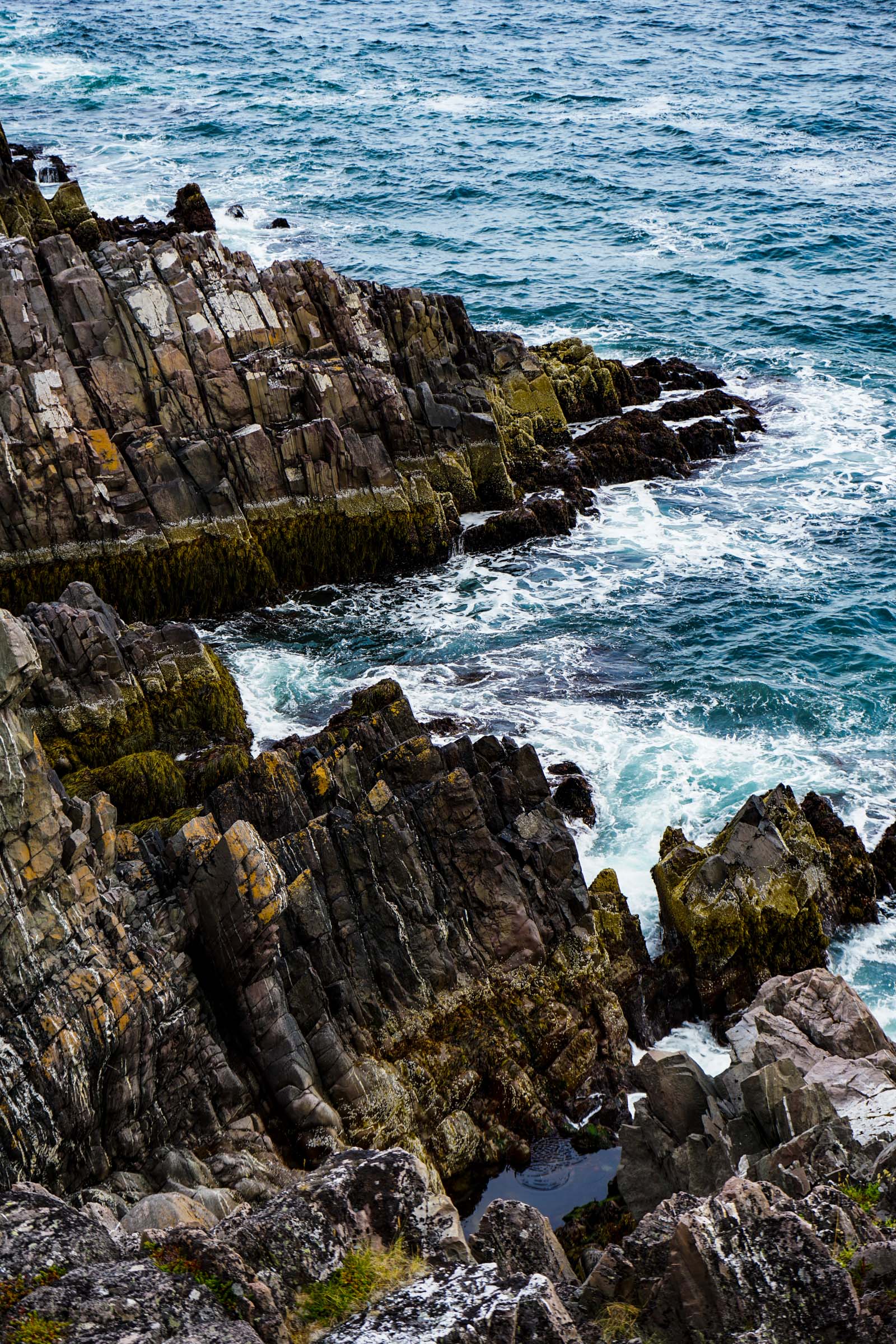
Dress well and have a flask of coffee
When you travel around the Varanger fjord, you might be surprised by +30 and fantastic summer weather. However, +8 and the occasional shower is another option. When you stop between two buses to visit a museum or hike a trail, make sure you have warm enough clothes to stay out for a while. A flask of coffee isn’t bad either.