
What is Norwegian fish to you? Salmon rings a bell for many. After all, we gave the world salmon sushi – a pineapple-on-pizza phenomenon that went global, to the dismay of purists in Japan and everywhere. To housewives in the Dominican Republic or Naples, it probably means dry, salted fish served during Lent. For folks in the American Midwest, it’s lutefisk – a wobbly, glistening blob of cod with a smell you never quite forget, whether you want to or not. To our Danish and Swedish neighbours, it’s simply the butt of all jokes. And it’s all of this – and so much more.
This is your edible compass: a guide to fish and seafood for anyone using Tromsø as a gateway to the north. Where, when, how and why. Or just follow the smell.
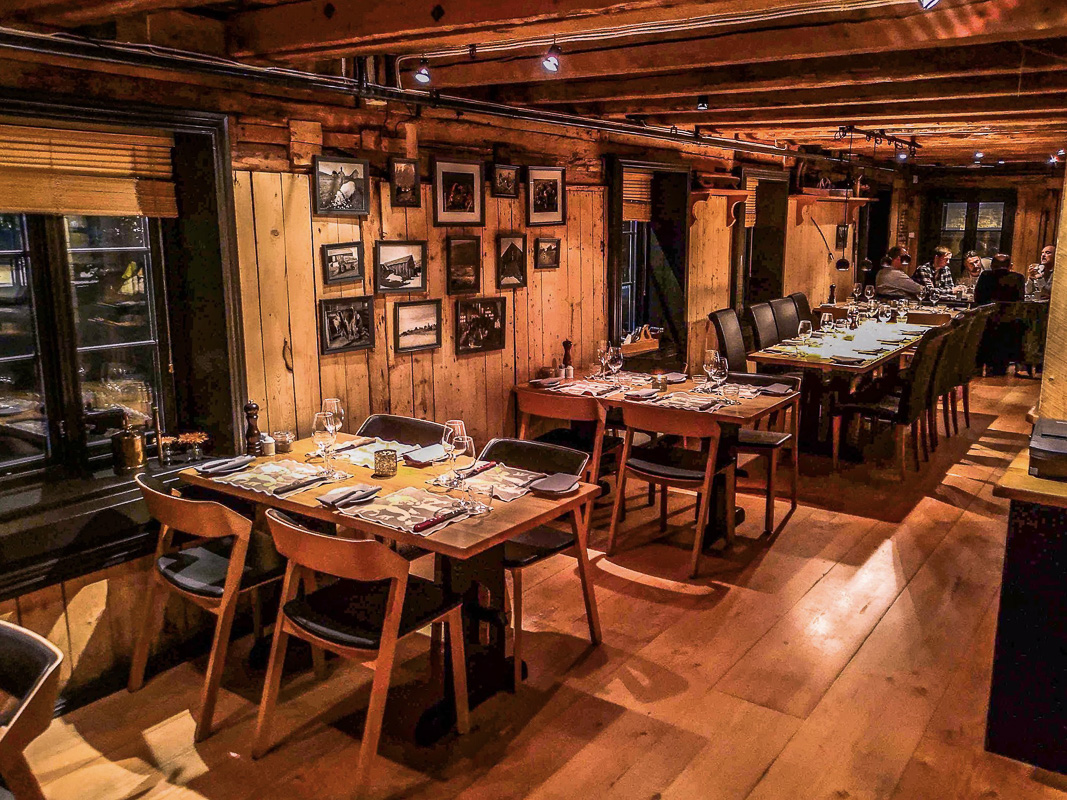
Where do you eat fish?
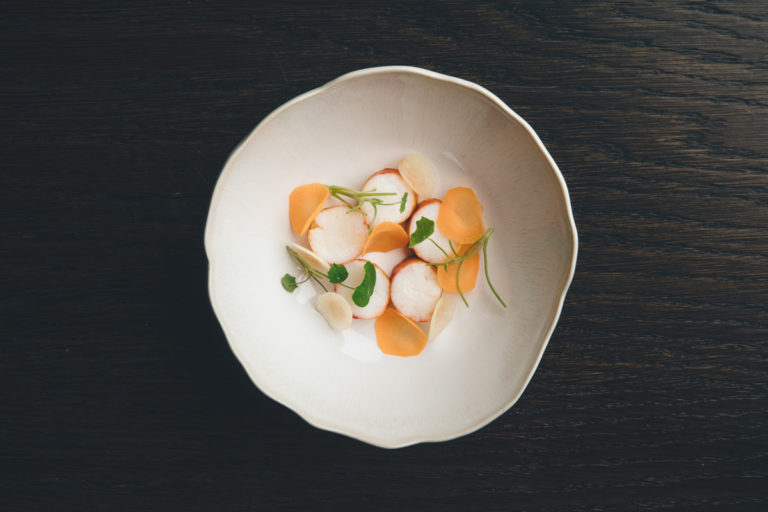
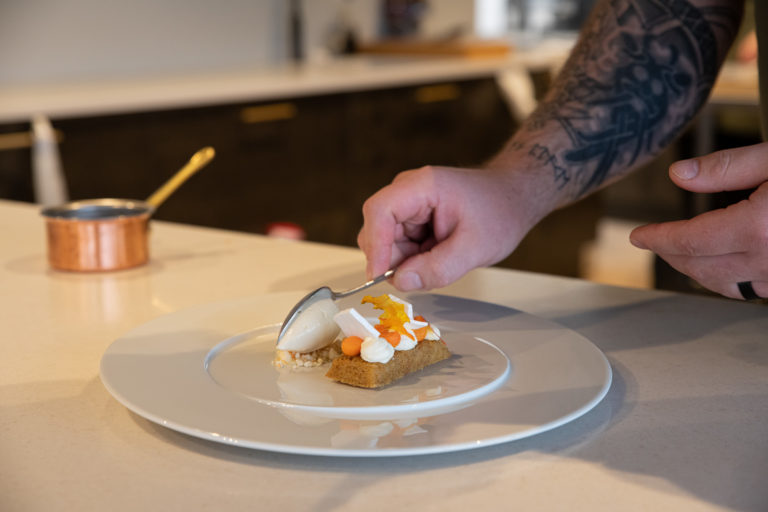
Fish restaurants are a relatively new thing up north. After all, no one used to cook fish better than mum. Restaurants were for a good steak. But mums have enough on their plate these days – which opened the door to a whole new business. Tromsø now has several places that specialise in fish and seafood. Many more make fish a central part of the menu, and the multi-course tasting menus currently in vogue give us all a chance to try new things – fish included.
Harstad has a small but select gourmet scene. In smaller towns, menus often just say “fish of the day” or “today’s catch” – meaning whatever the local fisherman happened to haul in. And even the roadside joints along the highways, known more for burgers and pizza, tend to have a solid fish dish on standby. This is, after all, fish country.
How is the fish served?
Traditional fish dishes can be an acquired taste. Take lutefisk, for example—a wobbly, glistening cod soaked in lye, poached until tender, with a smell that lingers whether you like it or not. Then there’s boknafisk—semi-dried cod, also poached—and mølja, a plate of poached cod with liver and roe.
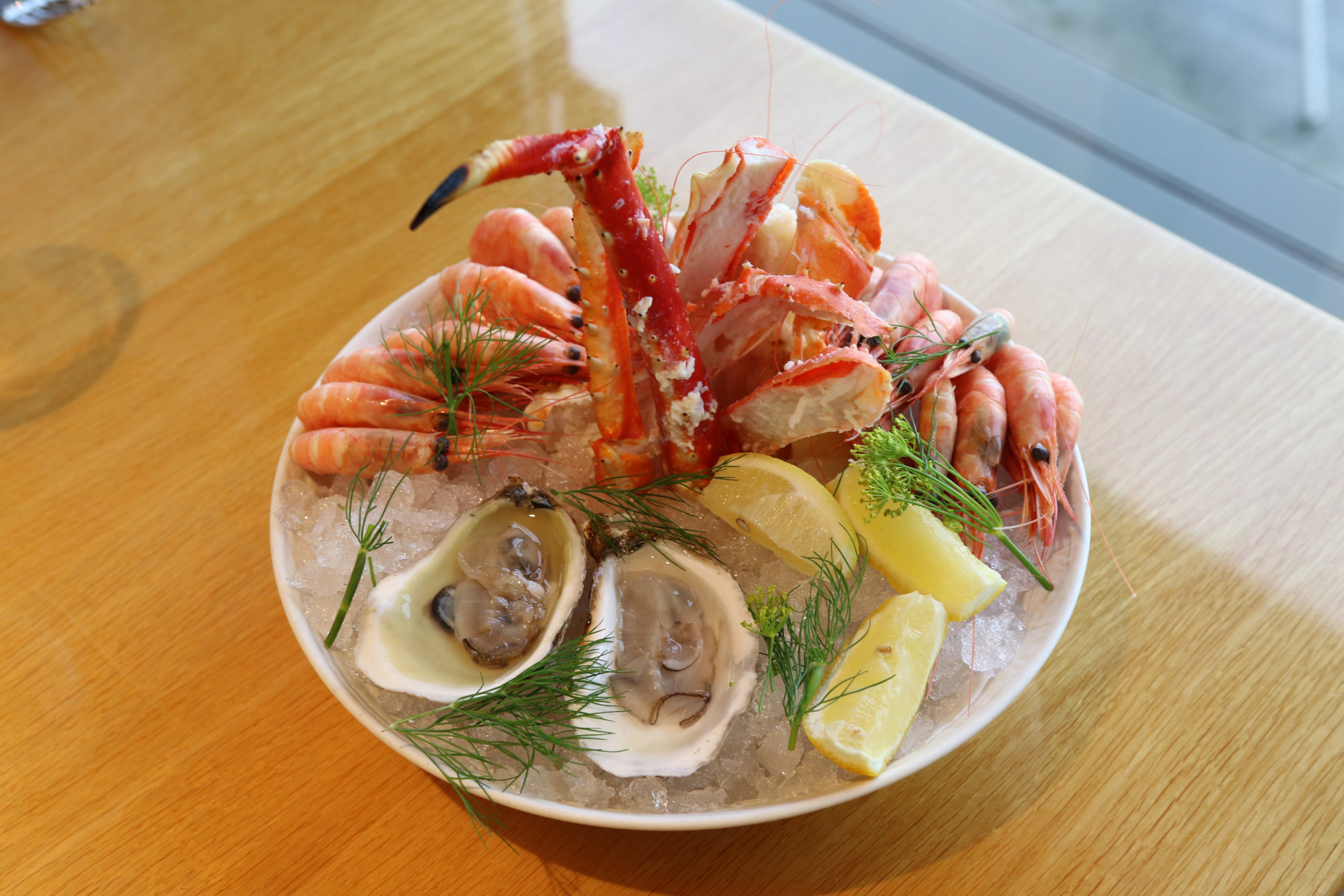
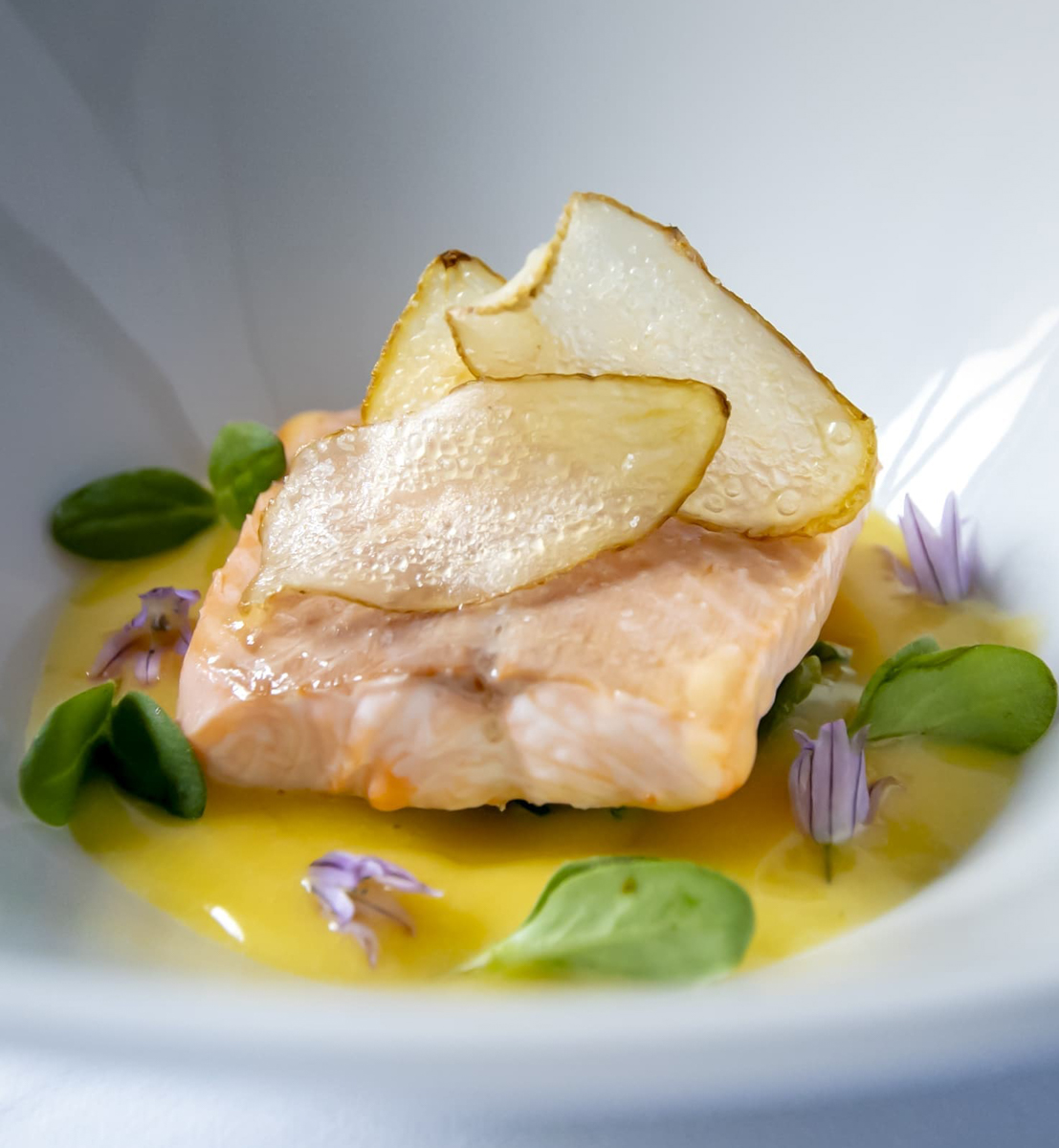
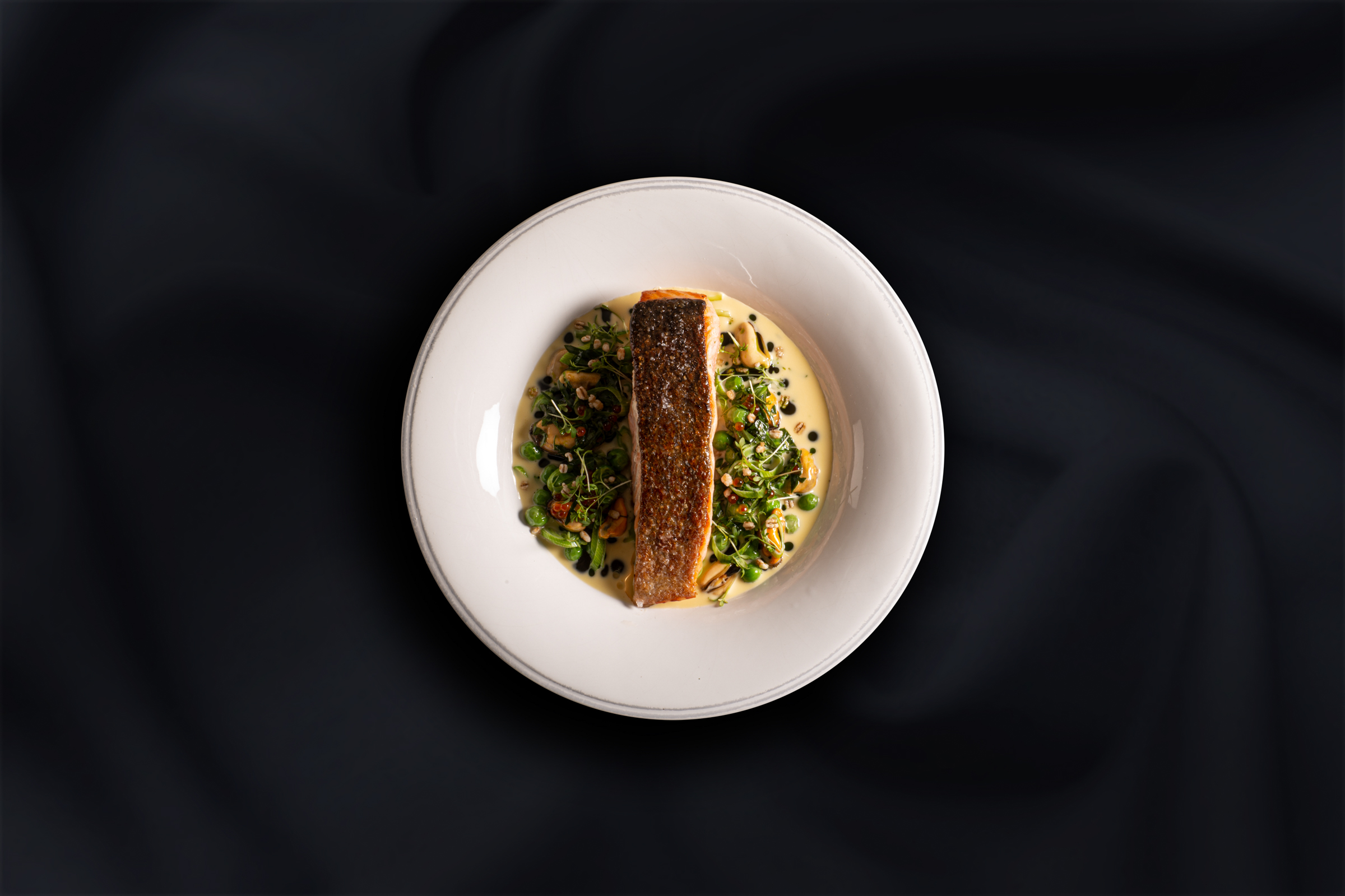
Easier to love are perfectly flaking halibut with hollandaise, pan-fried cod with a good sauce, or saithe fillets topped with caramelised onions. Shellfish—crabs, prawns, and the like—used to be bait, but up north, they’re now treated like royalty. Usually, they come with as little fuss as possible.
Keep an eye out for recipes from Italy, Spain, southern France, Portugal, and Brazil, where dried or salted Norwegian cod is given a local twist. On menus, look for “bacalao” or “bolinhos.” Then there’s fiskemat—fish cakes, fish pudding, fish gratin – like a fish pie, and plukkfisk (leftover fish in béchamel)—the kind of food mum used to make, but with modern chefs putting their spin on it.
Uncompromisingly fishy places in Tromsø
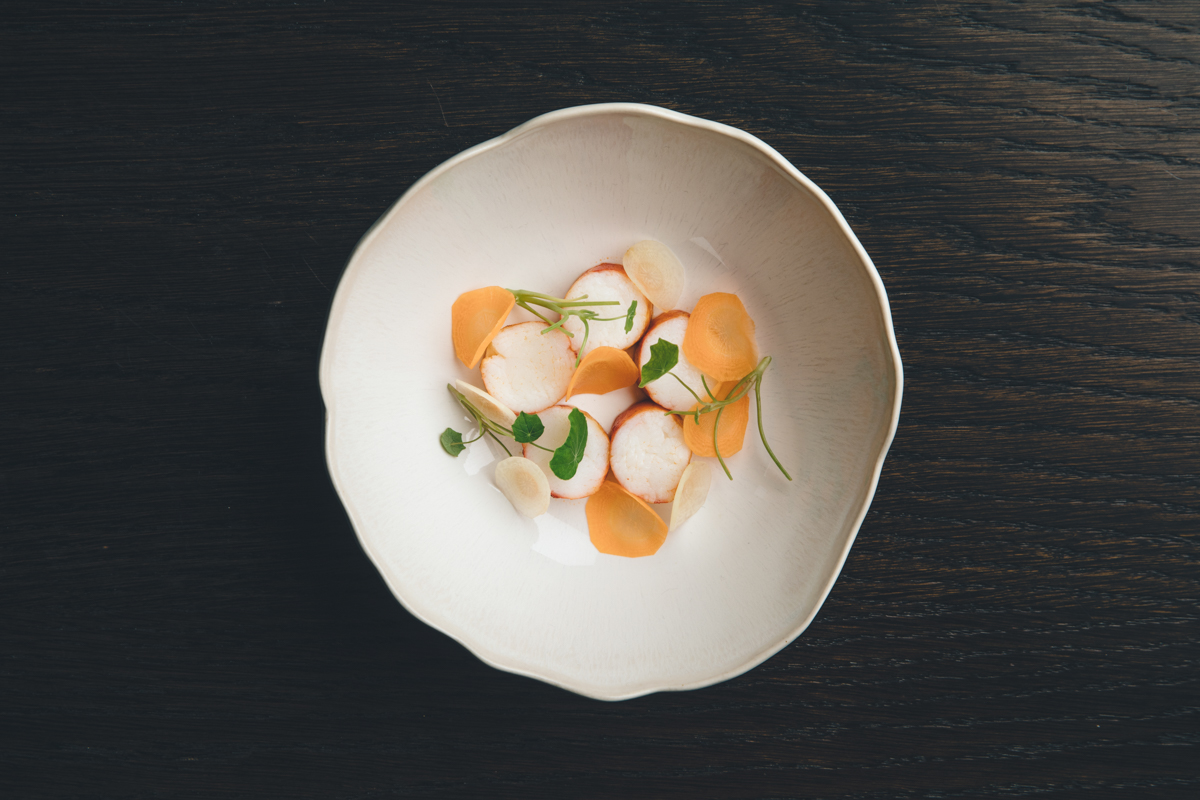
If fish is your main reason for heading north, Tromsø’s specialists won’t disappoint. Each has its own character, but all share a deep passion for seafood—whether it’s uncompromisingly fresh, cured the old-fashioned way, faithful to grandma’s recipes, or boldly breaking with tradition.
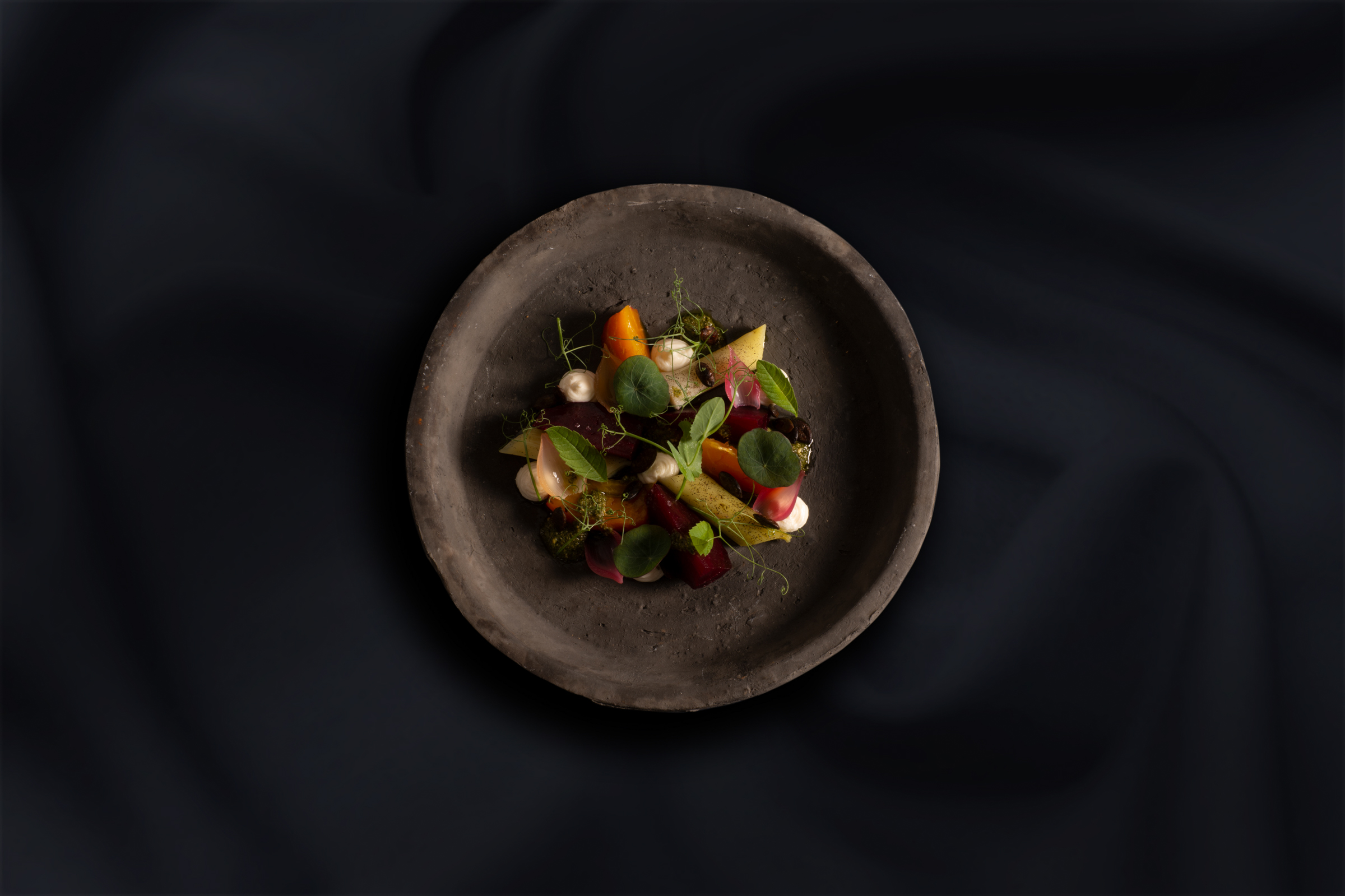
Arctandria is loud, humorous, and endlessly popular with locals, serving traditional fish dishes amid maritime clutter in a cosy old factory. Fiskekompaniet (“The Fish Company”) is dedicated to perfectly cooked fish and seafood, with just the right kick of sauce and spice, set in modern elegance overlooking the harbour. Be warned: the smoked roe at Full Steam is so addictive, you might not want to try anything else on their menu of traditional fish inside an old warehouse. Fangst (“Catch”) strikes a balance between fresh seafood, Nordic simplicity, and quiet respect for tradition—with sweeping views of the Tromsø Sound.
…and if your travel company is picky…
Some of Tromsø’s best spots strike a clever balance between fish and meat—perfect for groups divided by taste or dietary needs. Smak (“Taste”) is the city’s culinary star, serving the season’s bounty on a parade of flavourful small plates. This is a meal that calls for a whole evening of indulgence. Next door, Ruda offers a more laid-back, spontaneous vibe—with cheeky flavours and refined touches that surprise and delight.
Mathallen (“The Food Hall”) brings elegant dishes made from trusted suppliers in fishing villages and fjord farms, all wrapped up in a modern, industrial setting. Their lighter lunches have earned them local love.
Young, informal, and playful, Hildr isn’t afraid to bring tastes from the ends of the earth to local fish, all served in an 1840 townhouse. Start with a cocktail to set the tone. At Emma’s, elegant tasting menus take you on a seasonal journey through Northern Norway—with white tablecloths, linen napkins, and a view of the cathedral. The cocktails here? No shortage.
Skirri, right on the main square, plays two roles: a warm, softly lit cocoon indoors with deep textures, and a loud, lively terrace in summer. Fish lovers get king crab and shellfish fix, while carnivores rest easy—there’s steak on the menu. Bardus (“Out of the Blue”) is homey, charming, and eclectic in menu, interior, and service—the perfect place to wind down and share a laugh.
Fish. No Fuss
Fish works in mysterious ways. Take the little kiosk in Nordre Tollbugate—it sometimes opens just to serve a fiskekake wrapped in a napkin, turning fish into fast food on the go. Dragøy, the local fish shop that’s been around forever, sells small seafood delights and lets you build your own seafood plate – named Sea Sushi & Ramen.
And then there’s Yonas, the pizza old-timer in Tromsø, borderline crazy to some—two of their pizzas feature klippfisk, dried and salted cod prepared Mediterranean-style.
Senja offers simple, homely fare
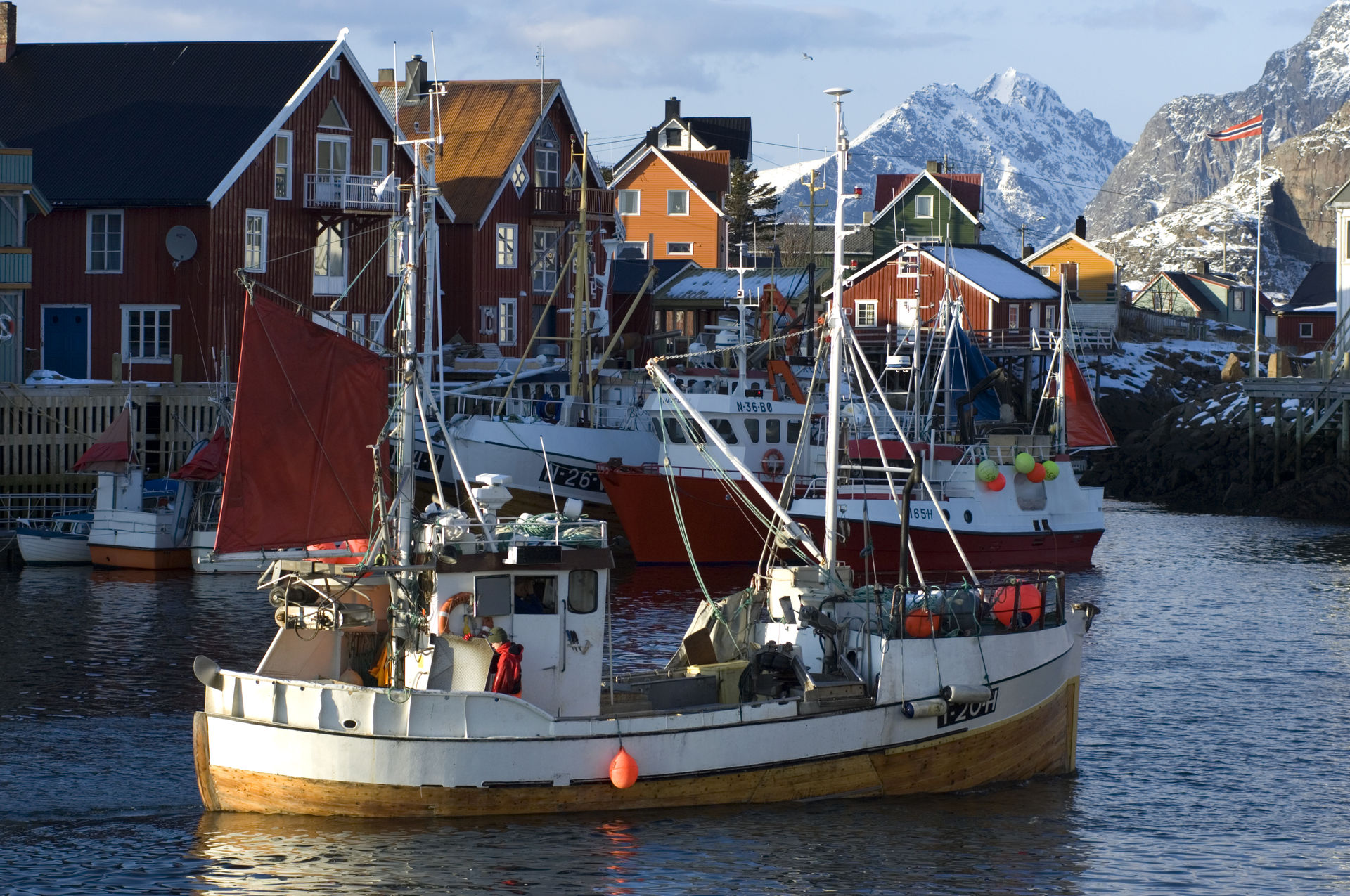
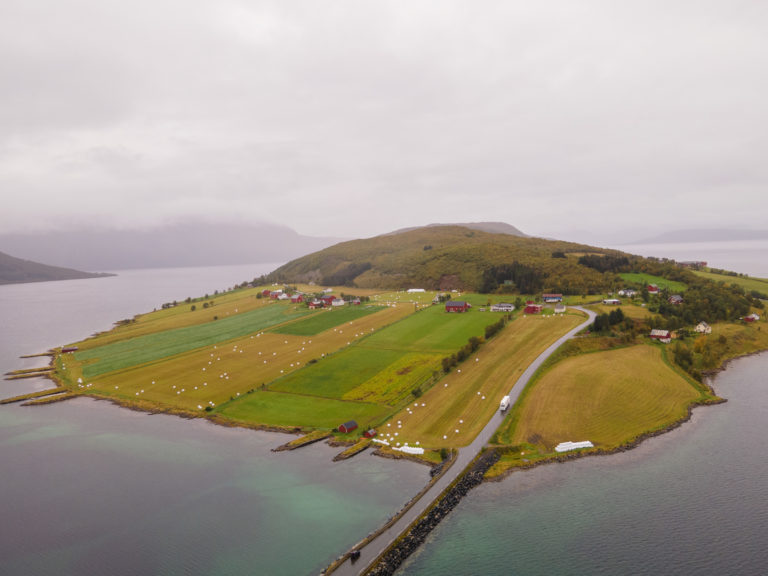
Senja is a fairy tale island, dotted with small fishing villages on the wild ocean side and scattered farms along its sheltered inner coast. The food selection might not be vast, but independent travellers find hearty, honest meals at cosy, home-style spots. With a little planning, some of the best fish dishes in the north are right here.
In Mefjordvær’s Salteriet, Steinfjord’s Fat Cod, Hamn i Senja’s Storbrygga, and Torsken’s Senja By Heart, you’ll find proper fish fare: cod, halibut, prawns, shellfish, and locally farmed salmon. Simple, unpretentious, but served with care and a touch of finesse. Fish is, after all, the lifeblood of Senja.
At Senjastua, it’s tradition to bring grandma along for her birthday—to enjoy a warm, homemade meal that feels just like home. Skreien spiseri, in both Gryllefjord and Finnsnes, serves rustic, seasonal dishes. Segla grill og pub in Fjordgård is the place for fish and chips with a beer, in a setting that feels like a community hall.
The new Mulegga restaurant at Storm Hotel Senja leans towards fine dining, with seafood menus and views over the fjord through big windows. Meanwhile, Stornaustet—the big boathouse—at Sommarøy (just on the way to Tromsø, not quite Senja) is homelier and always worth a visit, especially for today’s catch.

Refined tastebuds, Harstad-style
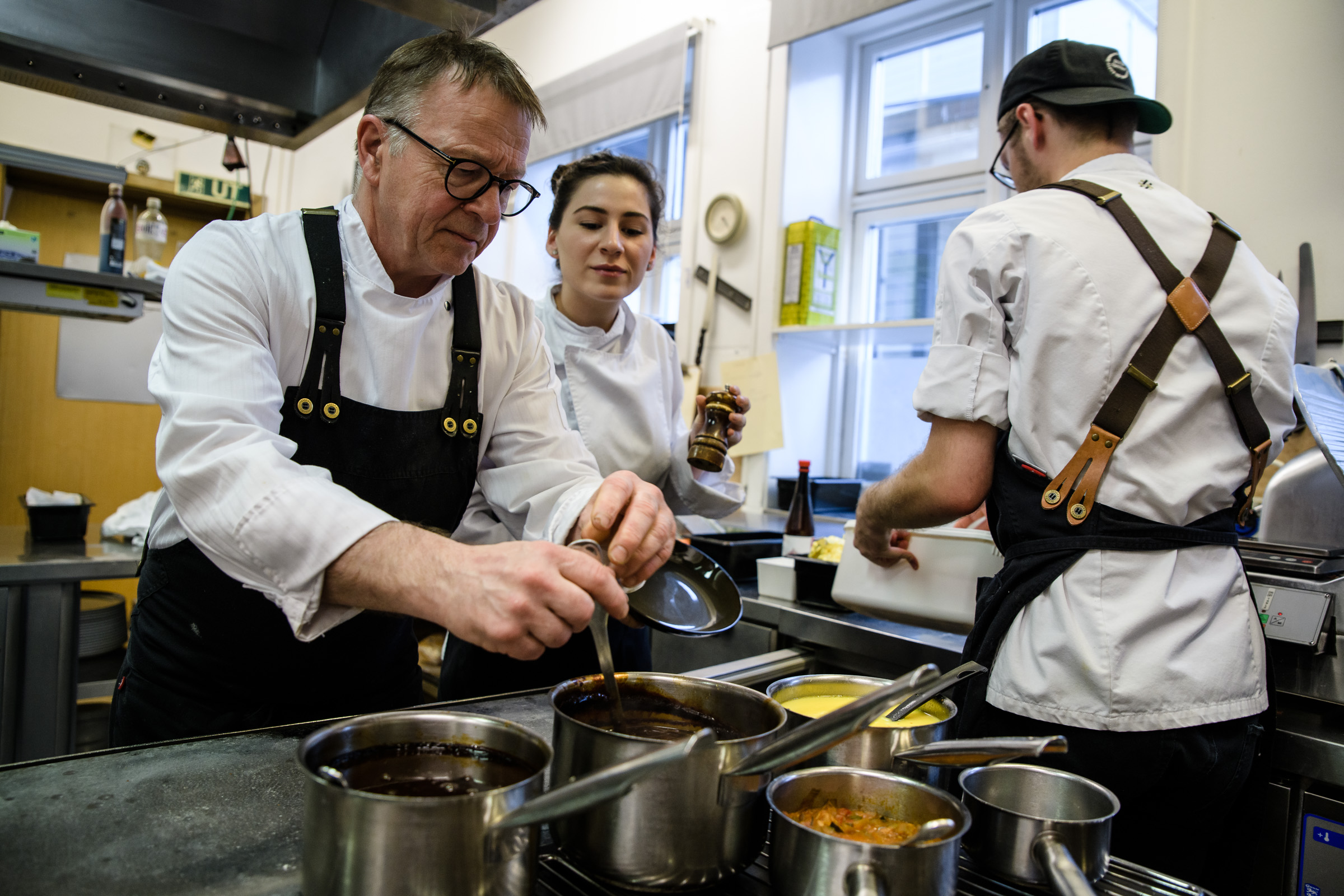
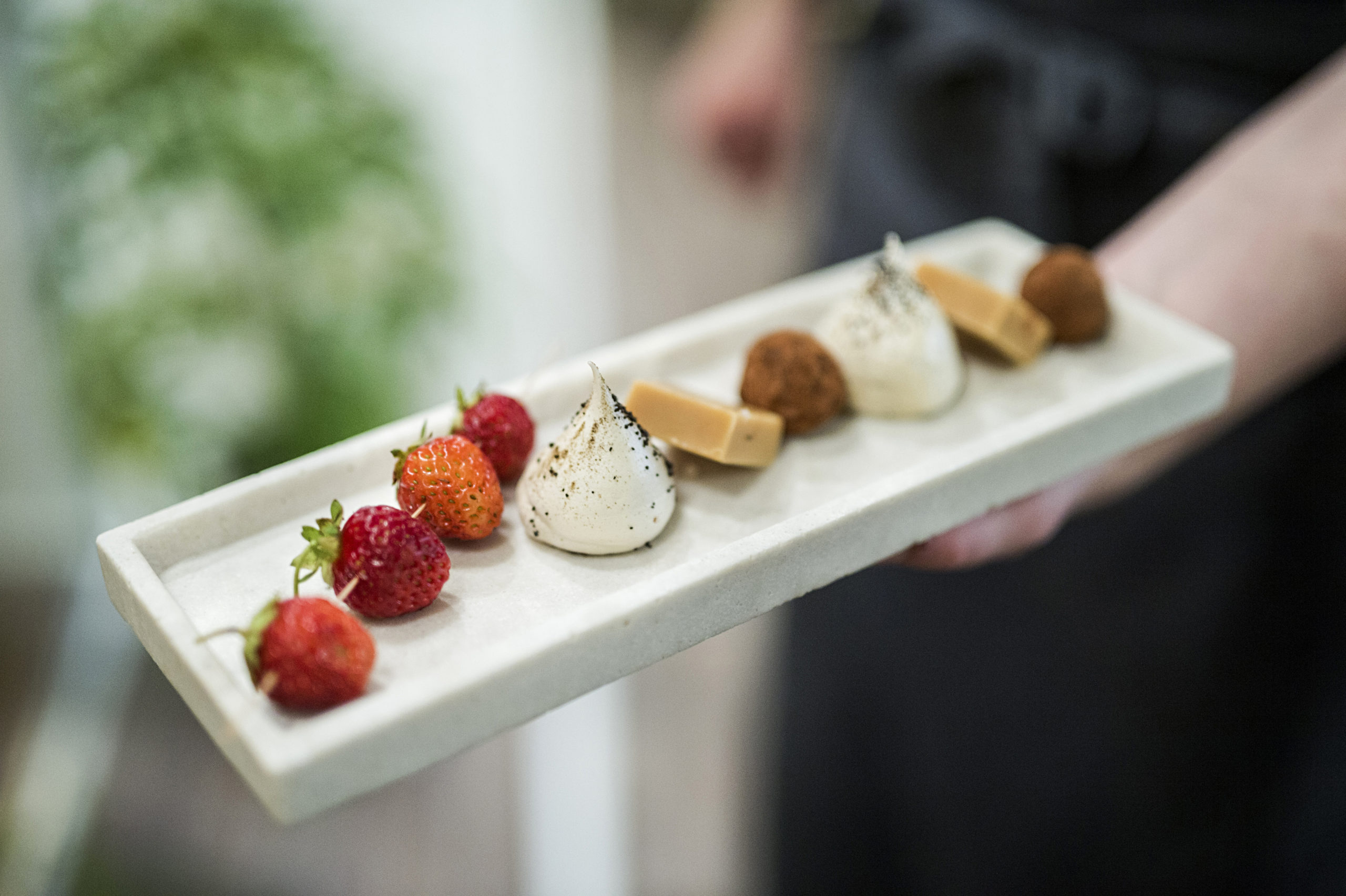
Tromsø’s prettier little sister, Harstad, has quietly earned a reputation for good food. Its charming town centre, dotted with colourful art nouveau buildings, invites a stroll before or after dinner. But a heads-up: book tables ahead at these top spots.
Umami, named after the fifth taste, has been voted the best restaurant in Northern Norway. It focuses on natural flavours from local, seasonal ingredients, served simply and artistically by a team of young, talented chefs.
Bark offers a relaxed, informal menu that balances hearty traditional dishes with inventive modern twists. Set on a centuries-old estate, Røkenes Gård serves traditional northern food made from local ingredients, all in quiet, historic surroundings.
Fish in the Lyngen Alps and beyond
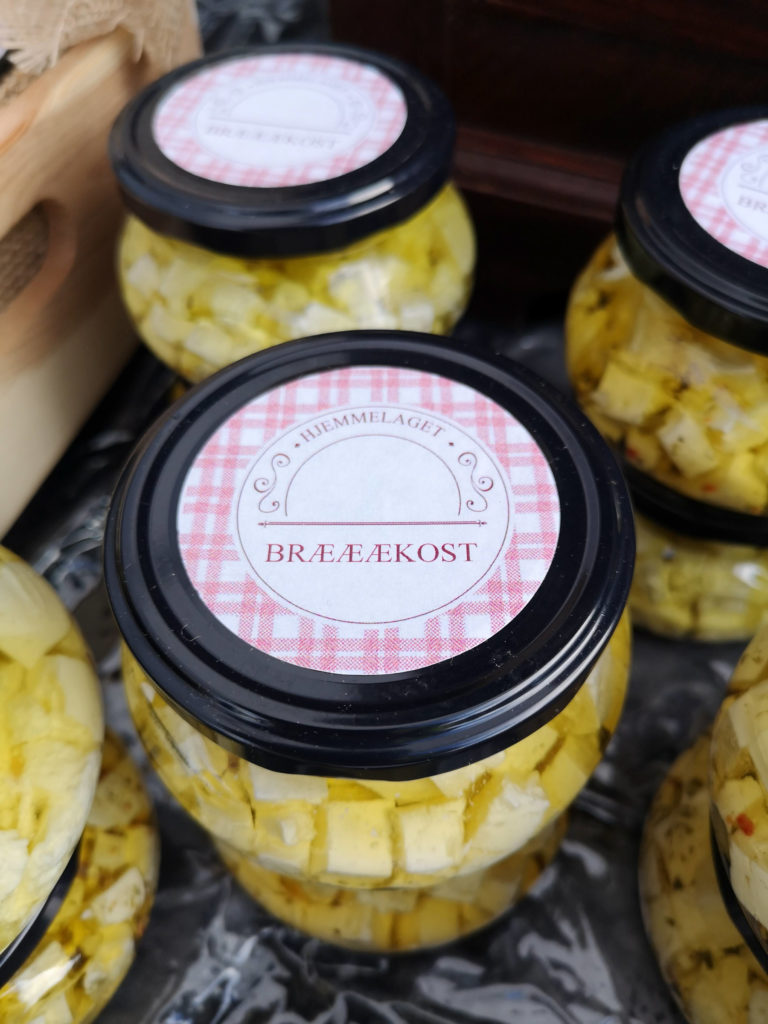
The majestic Lyngen Alps and the surrounding fjords and islands offer scenery that’s as breathtaking as it is remote. Two popular stops along the E6—Vollan Gjestestue in Nordkjosbotn and Bios Café in Storslett—serve up hearty local food in cosy, tasteful settings. Both have won awards for generous portions and authentic flavours. When the queue is full of lorries and locals chatting in dialect, you know you’re in the real deal.
Further north, at the tip of the Lyngen Alps, Bøteriet is a small restaurant serving fish dishes so close to the water you might catch the eider ducks eyeing your plate. Emmers Restaurant in Nord-Lenangen offers a simple, eclectic menu with international influences. Both have limited opening hours, so check before you go.
Fish to go: Take some fish home
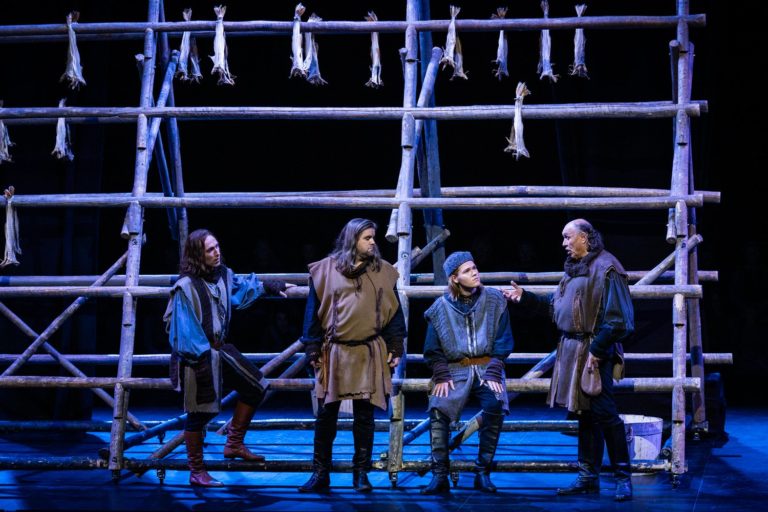
Bringing a taste of the north back home is always a good idea. Dried cod—stockfish—in bags makes for tasty, fun, and healthy snacks that go perfectly with whatever you’re sipping. It also keeps jaws moving—in more ways than one.
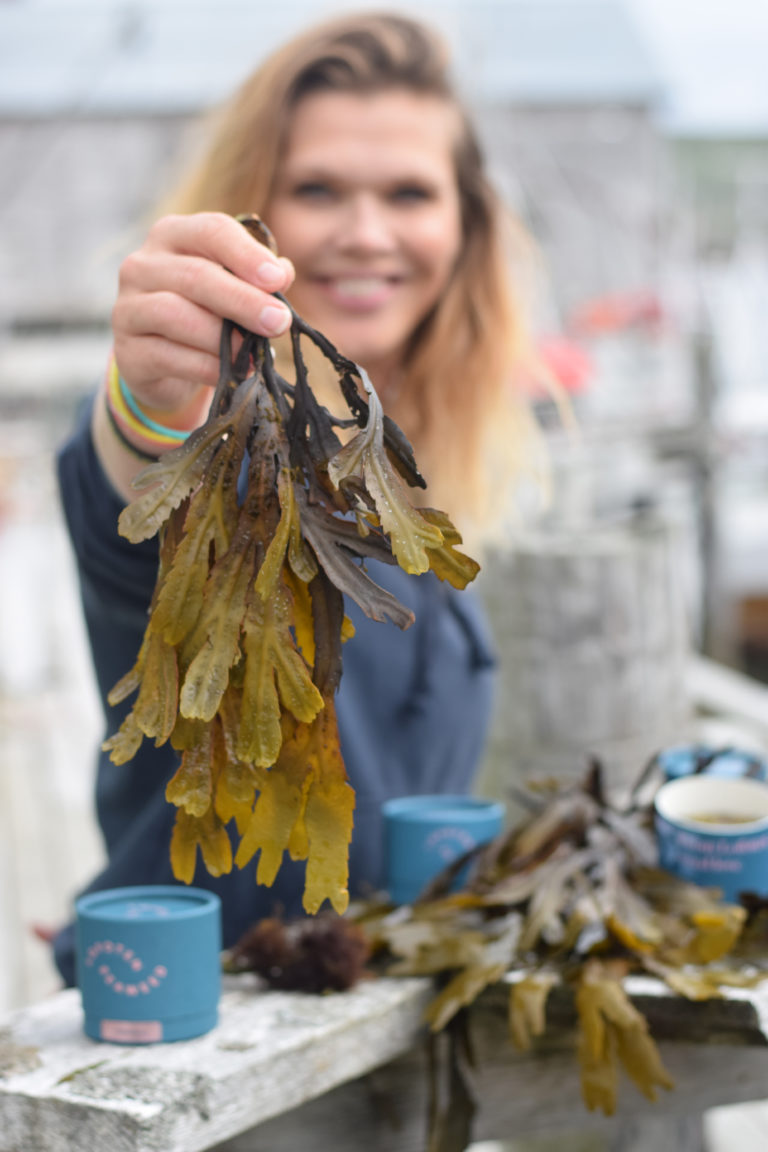
Klippfisk, dried and salted cod, is another northern classic. Soak it, simmer it, and serve it to friends with stories from your trip. Seaweed spices are not your average BBQ seasoning—they’re wilder, cleaner, and straight from the tide.
A small slice of cured seafood makes a great gift—and fits neatly in your suitcase. Traditional smoked salmon is a crowd-pleaser, often paired with scrambled eggs. Less familiar but equally tasty is gravlaks—salmon cured in dill and spices—usually served on rye bread with mustard sauce. Smoked Greenland halibut makes a great starter, perhaps as a canapé with sour cream. And capelin roe? Be warned: it can stir up more than just appetites.
Follow the smell for fish delights in and around Tromsø
Where do you eat fish? This wayfinder should give you an indication where to go. In rural areas, checking up opening hours is a good idea. In Tromsø and Harstad, fine dining should be pre-booked.
Tromsø
From shameless gourmet to a fishcake to go
Stornaustet, Sommarøy
Enjoy today’s fish with a great view, excellent excursion from Tromsø
Mulegga, Husøy
Fine dining, clean and modern style
Segla Grill u0026amp; Pub
Fish, chip, beer and a laugh
Fat Cod, Steinfjord
Home cooking with something extra
Storbrygga, Hamn i Senja
Festive and lively in the wildest scenery
Skreien spiseri, Gryllefjord
Home cooking – endlessly popular locally
Senja by Heart, Torsken
Local and international at the same time
Senjastua, Silsand
Everybody’s favourite lunch and excursion around Senja
Skreien spiseri, Finnsnes
Simple, rustic and very fishy in the Senja metropolis
Umami and Bark, Harstad
Umami for that special occasion, Bark for more immediate dining in style
Røkenes gård, Harstad
Stately farm from 1750 in bike distance from Harstad with cozy and medi
Vollan Gjestestue, Nordkjosbotn
Roadside café with Nordic hygge and traditional food
Nord-Lenangen
Bøteriet and Emmers in the fishing village at the end of the Lyngen Alps
Bios Cafe, Storslett
Roadside café with flair, universally loved
Fish vocabulary: Words you may come across. A-Z. Standard Norwegian/Dialect
Half-dried cod. Dried outdoors in the wind, then poached. A northern delicacy with a chewy texture and rich flavour.
The Norwegian word for fish is fisk (rhymes with risk) which is pronounced “fesk” (rhymes with desk) everywhere in the north except in Tromsø, where more standardised pronunciation has slipped in.
Fishing village. Coastal communities living from fishing. Some of them are modern, with up-to-date fish processing plants. Others are quiet and traditional.
Fish cake. A savoury patty of minced fish, milk and spice. Often eaten on the go, still warm, in a napkin.
Fish-based comfort food. A category including fish cakes, pudding, balls and gratin – mum’s way of making fish family-friendly.
Fish gratin or fish pie: White fish and pasta in a creamy sauce, topped with breadcrumbs. A staple of Norwegian childhood.
Cured salmon. Marinated in dill, sugar and spices. Served thinly sliced, traditionally with mustard sauce on rye bread.
Haddock. Mild-flavoured white fish often used in fish balls and casseroles.
Dried and salted cod. Traditionally dried on rocks by the shore – now dried indoor. Soak before cooking. Exported to Latin-America, the Caribbean and Southern Europe, known as bacalao in Spanish, bacalhau in Portuguese, baccalà in most of Italy and morue salée in the south of France.
Halibut. A favourite in the north – big, white, firm and buttery. Best when simply pan-fried or steamed. Christmas food.
Dried halibut fat. A traditional northern snack made from cured and dried fat from the kveite (halibut). Chewy and rich, it’s a prized treat for locals – and slowly being made available again.
Cod liver. Rich and oily, usually served with mølja. Polarising: loved by some, feared by many. Extremely rich in vitamin D
Cod soaked in lye. Translucent and jelly-like. A beloved Christmas tradition, especially in the Midwest… or the brave north.
Cod, liver and roe. Served in winter when the skrei – Arctic cod – arrives. Rustic, hearty, and best eaten in silence (out of respect or concentration).
Fish and potato mash. A creamy mix of white fish leftovers and béchamel. Homely and humble – like mashed fish memories.
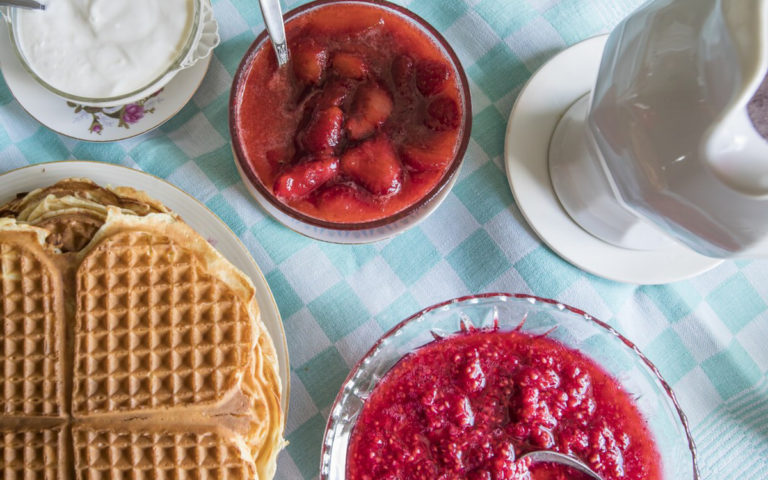
Roe. Fish eggs, served smoked, salted or poached. Sometimes on toast, sometimes with sour cream – always with strong opinions. You can replace the eggs in a waffle batter with roe.
Smoked salmon. Classic Norwegian breakfast or brunch. Best with scrambled eggs and dark bread.
Pollock / saithe. Darker and stronger in flavour than cod, and a northern favourite in fish cakes and pan-fried with onions.
Herring. Served pickled in mustard, vinegar, brine or cream. A strong contender for the title “most versatile fish.”
Migrating Arctic cod. Firm-fleshed, clean-tasting winter delicacy. Arrives from the Barents Sea to spawn.
Fish guts. What’s left on the dock after gutting. Slippery business, but essential in the chain of fish life.
Cod tongues. Delicate, tender morsels from under the cod’s head. Often pan-fried and proudly harvested by local kids.
Stockfish. Unsalted, air-dried cod. Norway’s oldest export – and arguably the crunchiest travel snack.
Redfish / ocean perch. Bright red, bug-eyed and spiny—this deepwater fish looks like something out of a nightmare, but tastes like a dream. Firm, slightly sweet meat, often served poached or pan-fried. Another classic example of an ufesk that wins you over.
Redfish heads. The prized but humble fishing tradition of sucking out the tender, flavourful meat from the heads of uer (redfish). A hands-on ritual among fishermen—no morsel wasted, and a tasty reward for those willing to get their hands dirty.
Litterally “unfish” – the “un” signalling something bad. A local nickname for fish that look rough—like monkfish, wolffish or ling—but taste fantastic. Traditionally met with suspicion (if it looked strange, it probably was), these underdogs of the sea are now celebrated for their flavour and character.
Cod loin. The prized, thickest part of the fillet. If it flakes perfectly, you’ve found the good stuff.