Varanger is an important crossroads in the bird world. The distances between the continents are shorter here at the top of the planet, so it is visited by eastern, High Arctic and occasionally North American species. Rich waters, marshes and wetlands, birch forests, river deltas and rock slopes ensure that food is available for migration, breeding and overwintering.
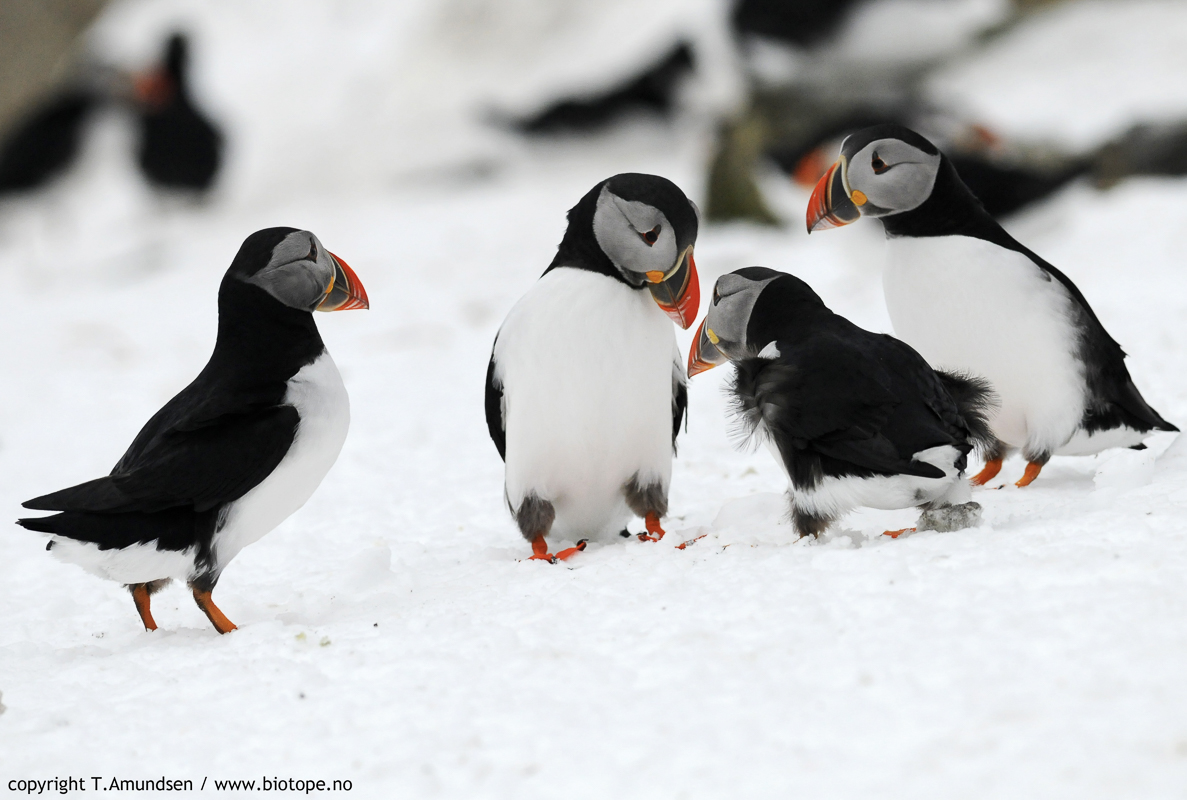
How do I watch birds in Varanger
Spring and summer are of course the most intense periods. However, the wintering of Arctic ducks and the autumn migration are also highly interesting, so basically most of the year.
Birding Varanger operates a website with ample information, both on where to watch birds
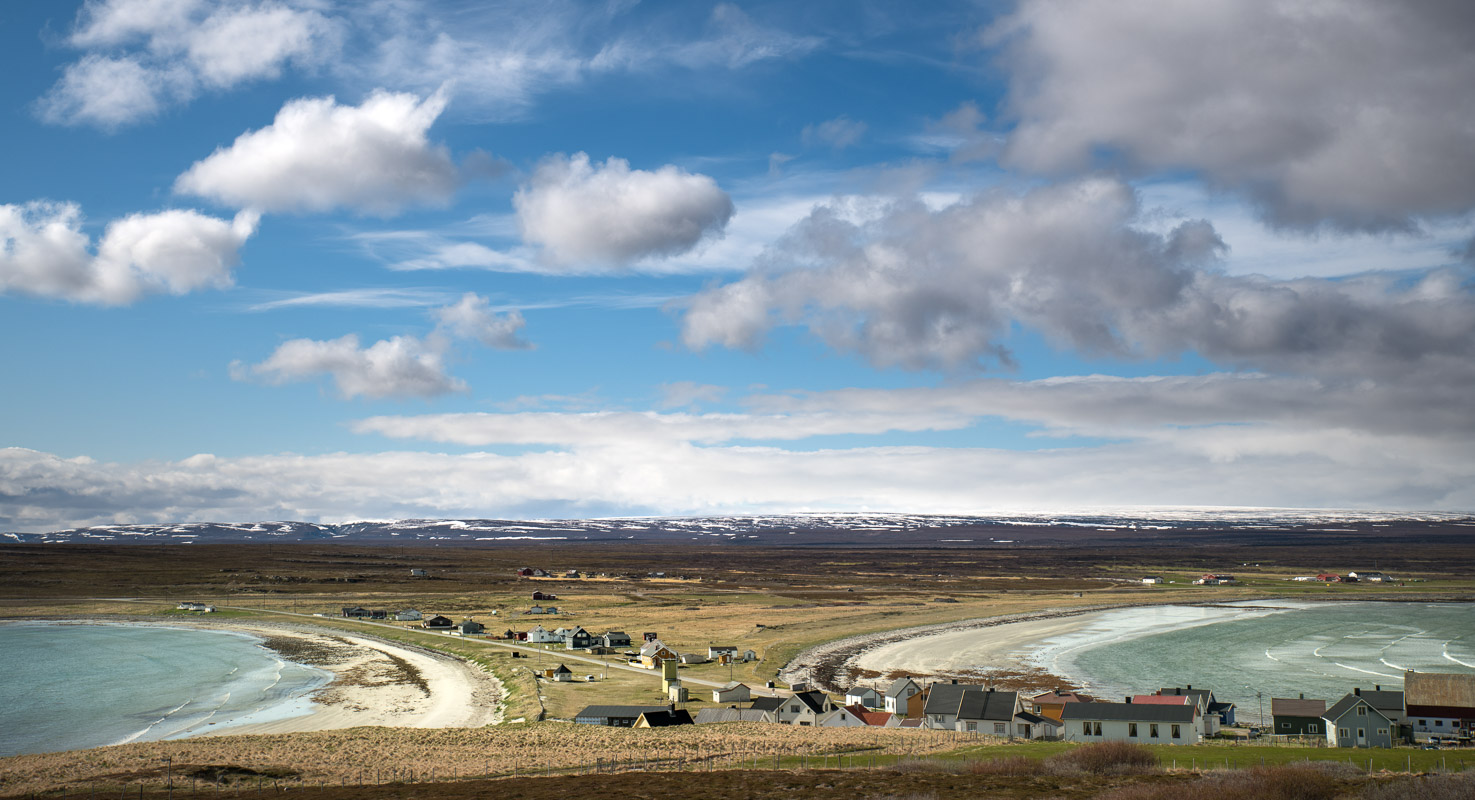
It is easier than many people think. The area is inhabited, there are towns and rural settlements along the coastlines. There you find regular hotels and budget acommodation, airports, restaurants and shops. There are no particular risks involved in walking around shorelines, mountains and forests. So with good planning and the right clothing, most people should be able to do it.
Visit Varanger operates a good website.
Arctic ducks come to Costa Varanger
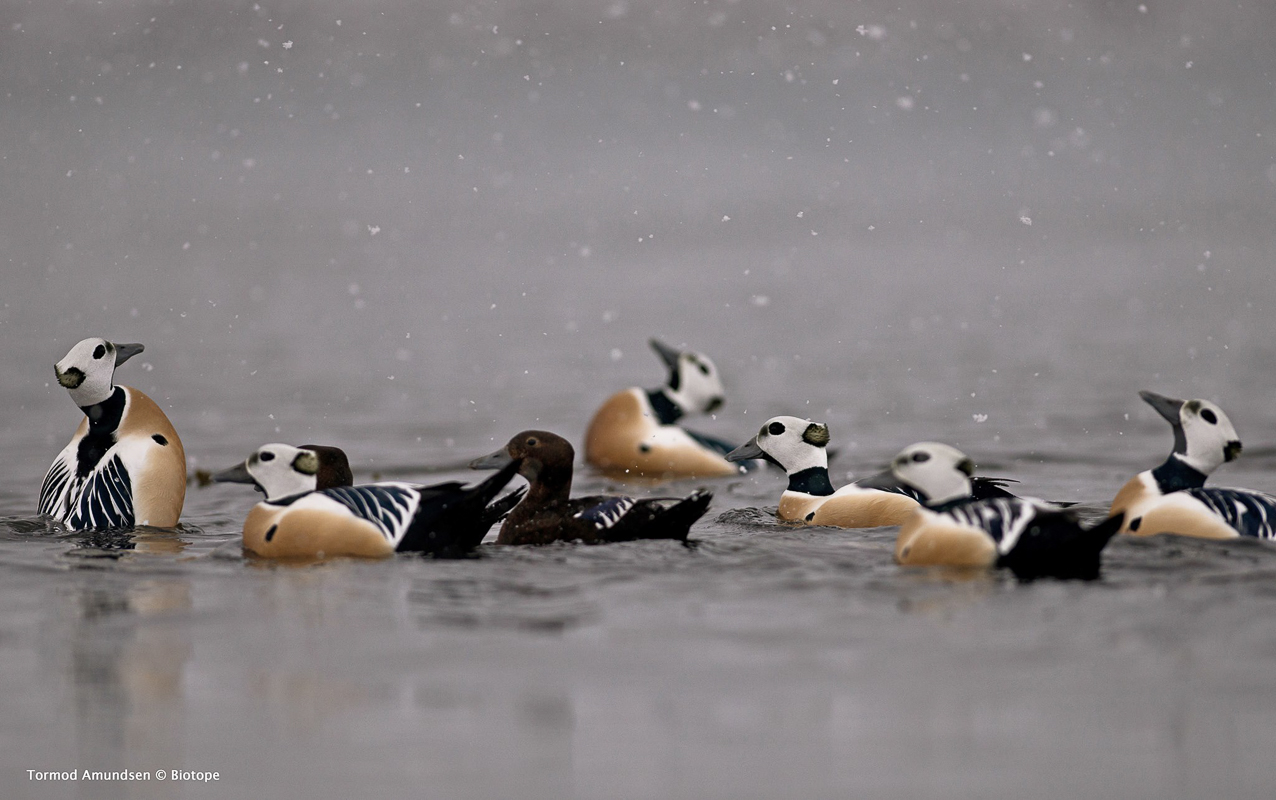
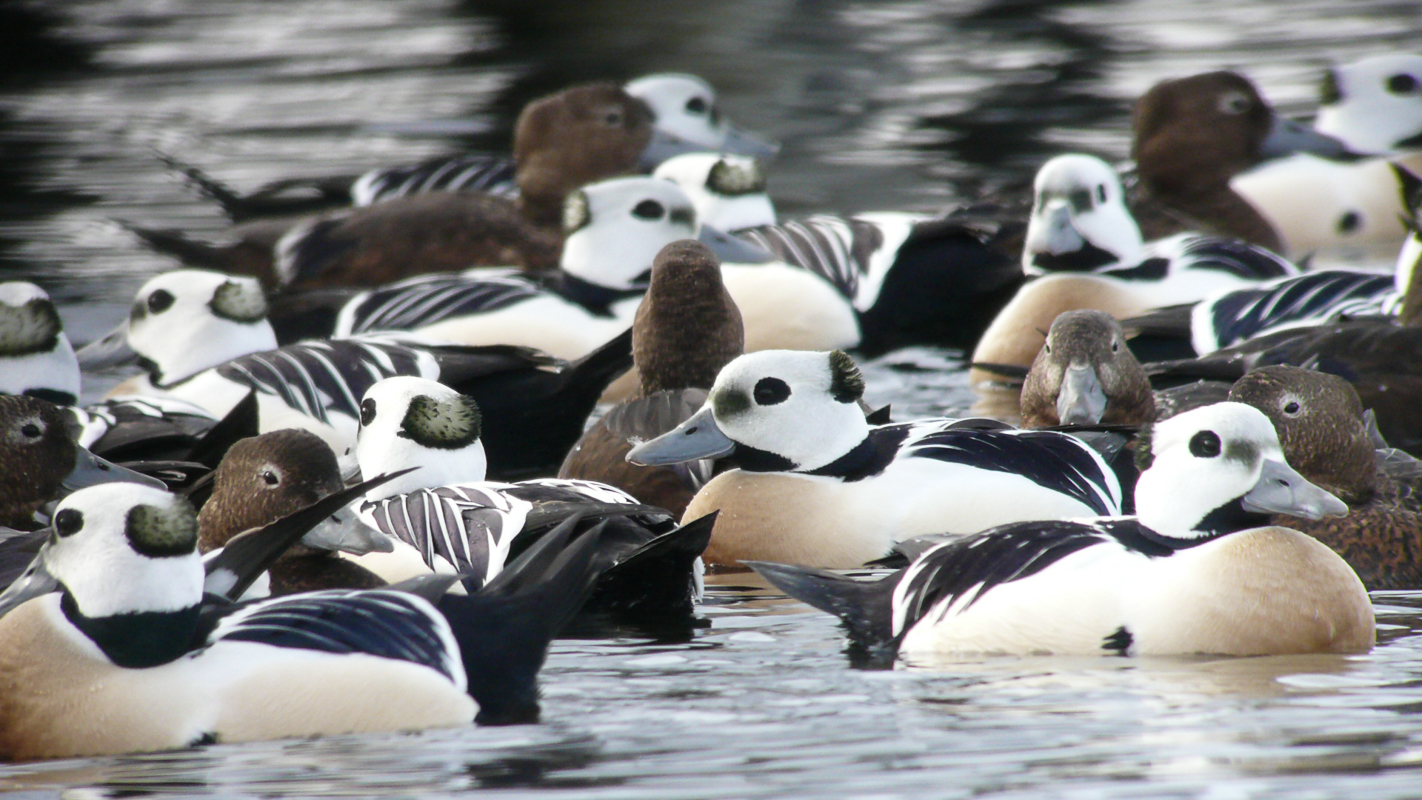
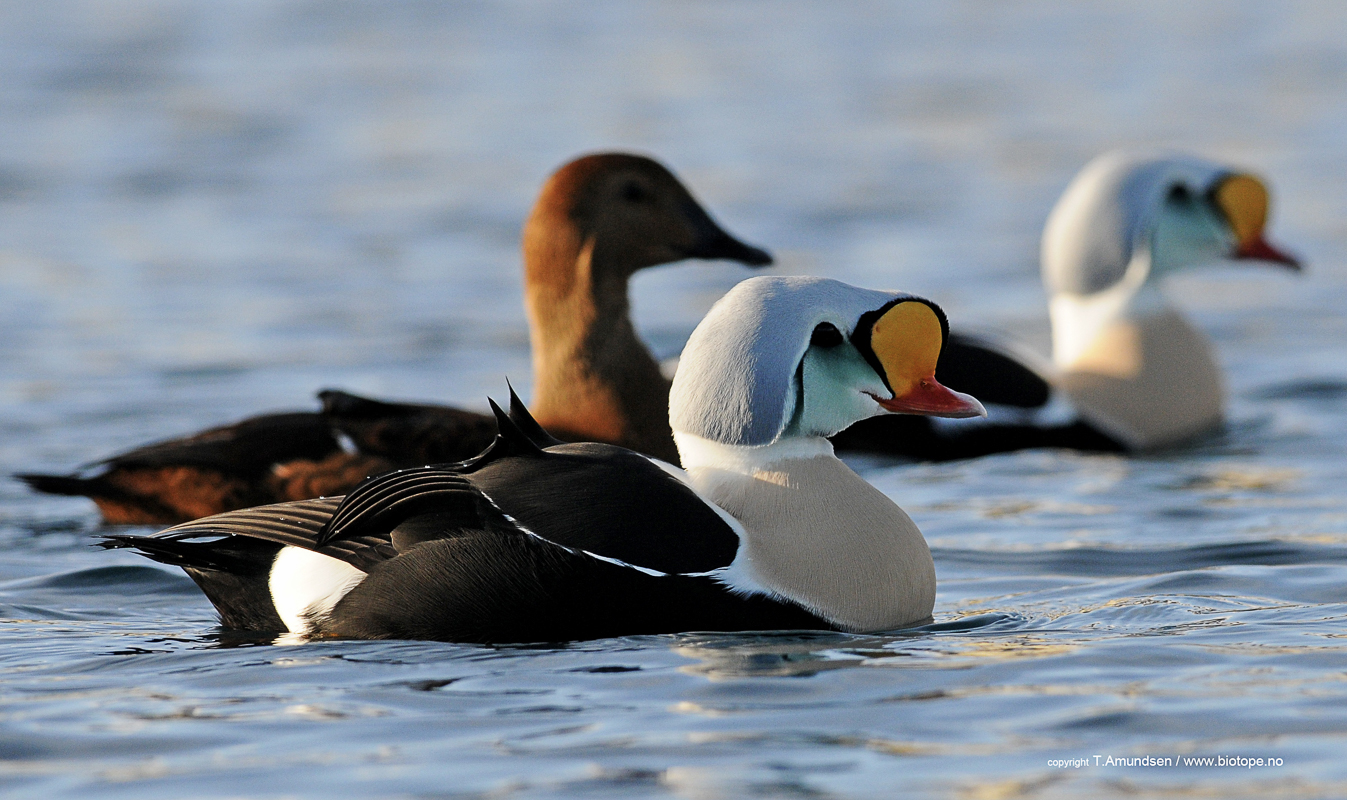
The Steller’s eider breeds in Eastern Siberia and Alaska, but approximately 8–15,000 of them overwinter in the Varanger fjord. See these and the colourful king eider, long-tailed duck and common eider in the waters around Vardø and Vadsø — but look to the cliffs if you want to see scaup.
Waterfowl are plentiful
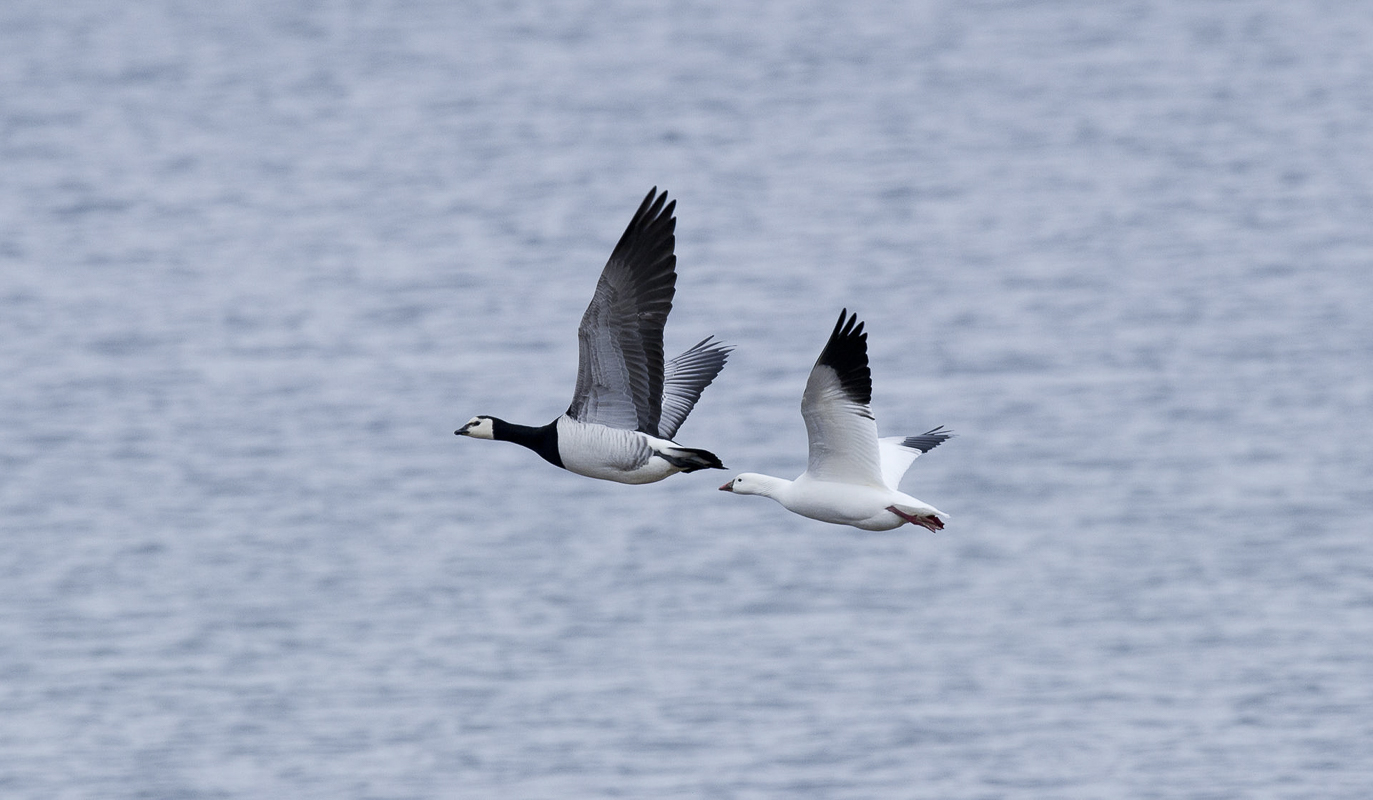
Bean, greylag, pink-footed, barnacle, greater white-fronted and the endangered lesser white-fronted geese are a common sight in the migration season. Inland, we have rare visitors like the yellow-billed loon, great northern loon, Eurasian dotterel and the more common red-throated diver and whooper swan.
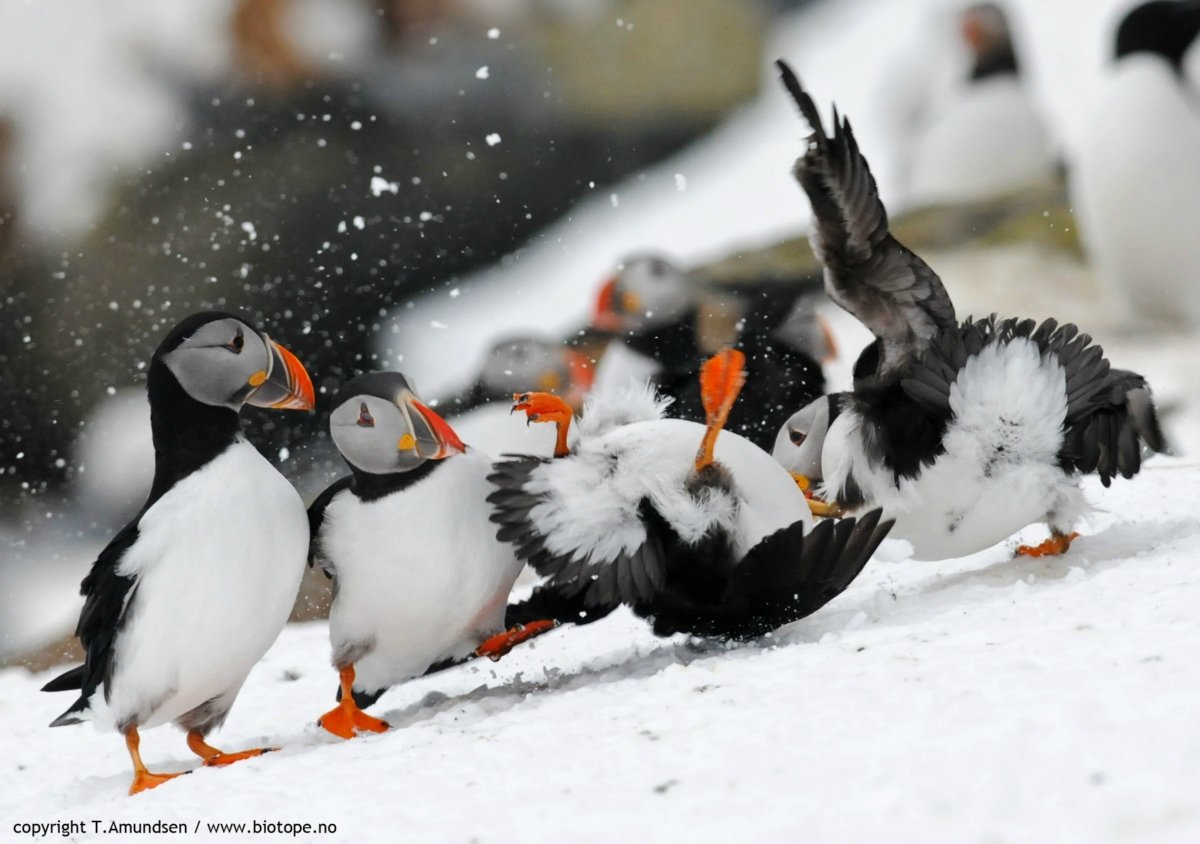
Not only puffins nest in bird cliffs
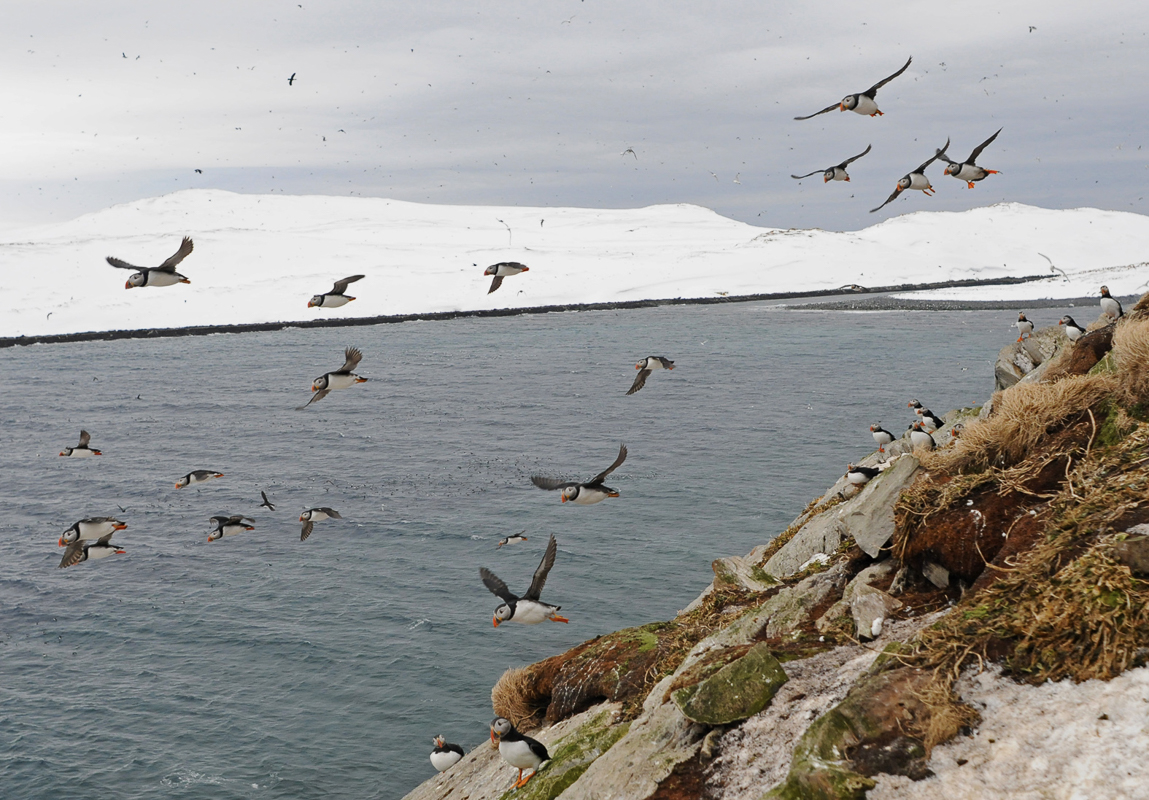
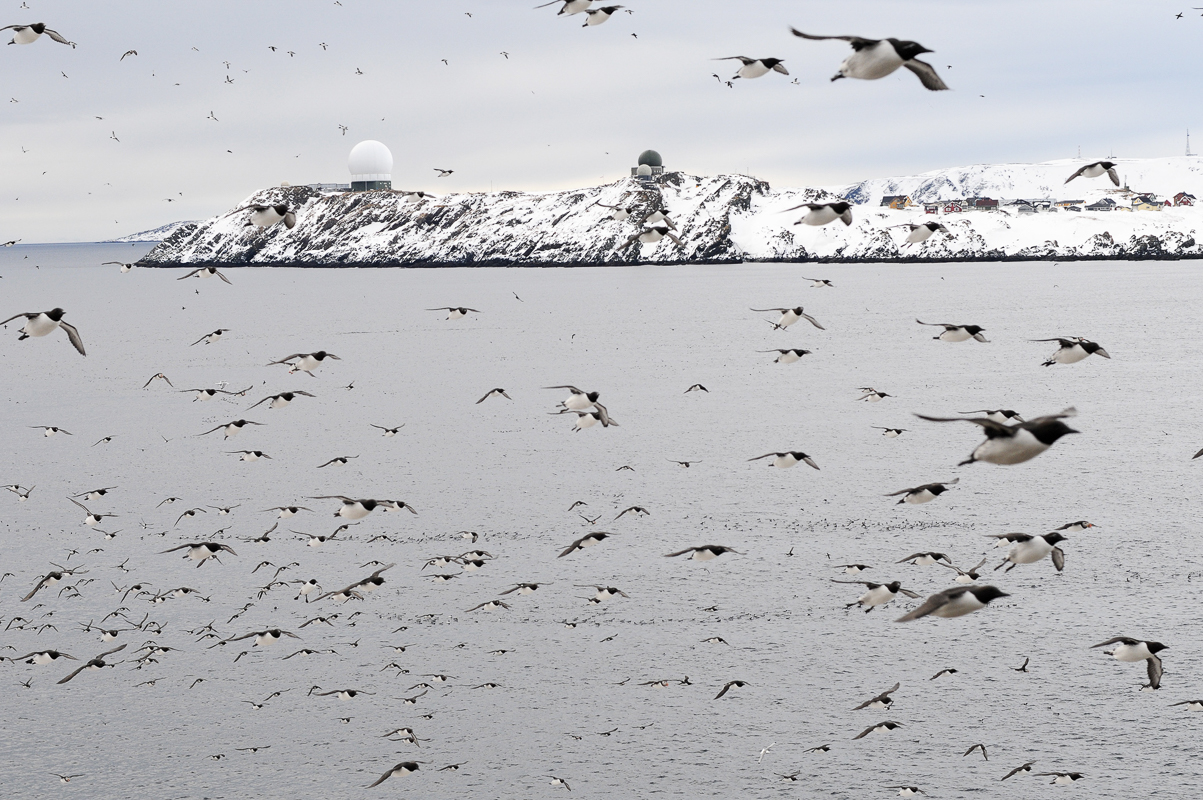
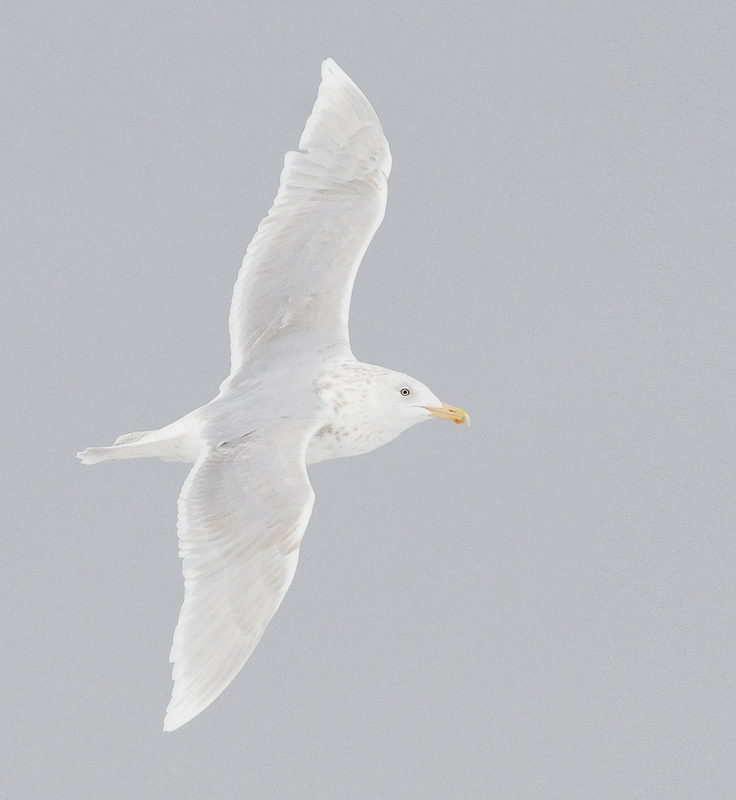
The spectacular bird cliffs have large colonies of kittiwakes, puffins, razorbills, guillemots, thick-billed murre, cormorants, glaucus gulls, Manx shearwaters, fulmars, Leach’s storm petrels and the winter breeding storm petrel. Ross’s, Iceland, lesser black-backed and Sabine’s gulls can also be seen.
Waders are found along beaches
Birds like the dunlin, red-necked phalarope, bar-tailed godwit, purple sandpiper, redshank, Temminck’s stint, ringed plover, curlew sandpiper and ruff strut about on rock slopes, along river mouths and next to still waters, gathering in huge numbers in the migration season, and breeding in summer.
Songbirds live in shrublands
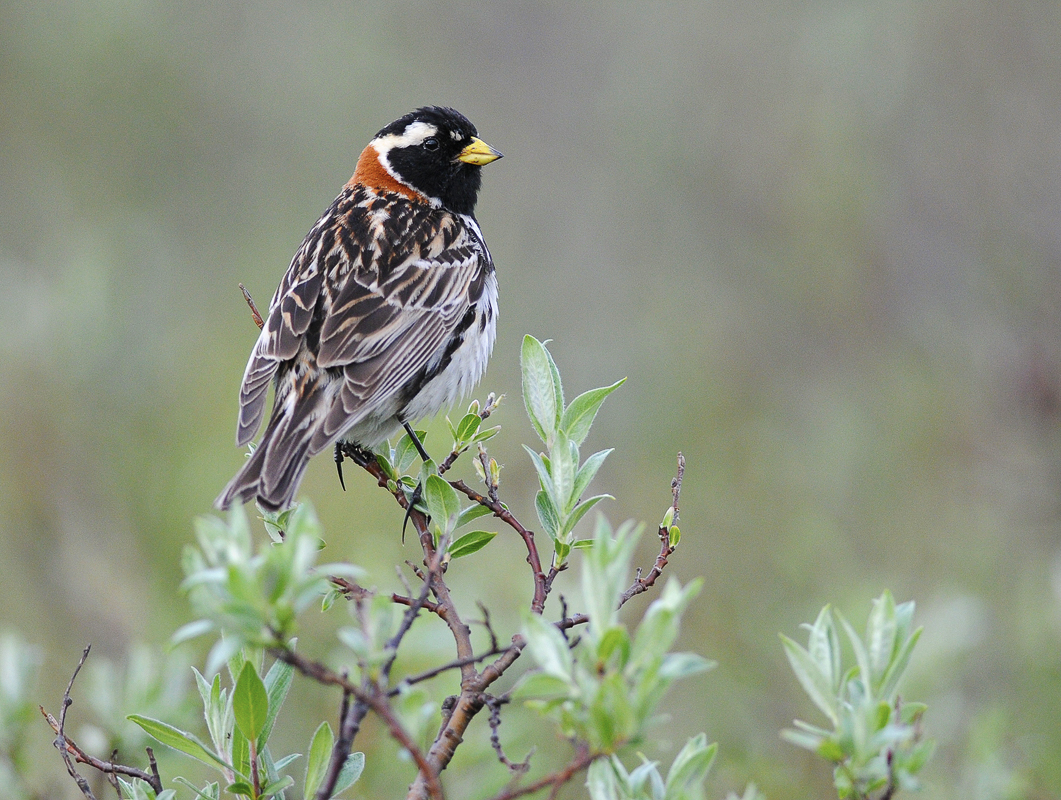
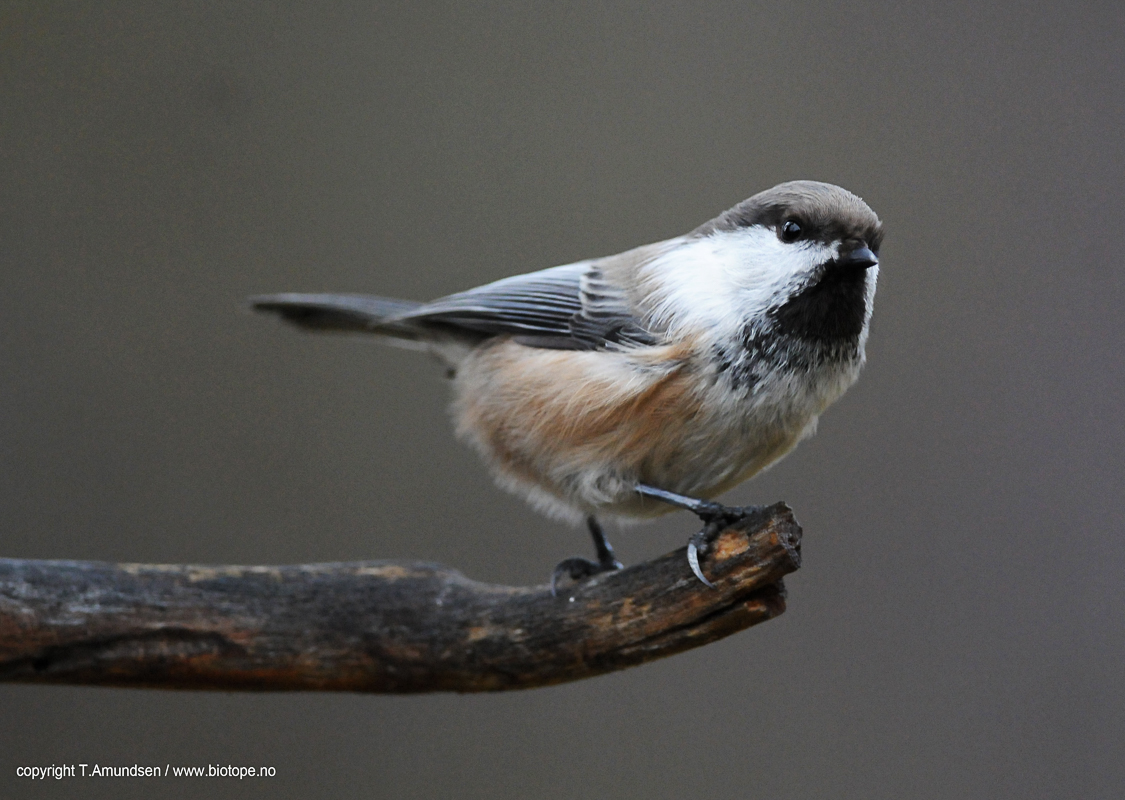
In the varied copse and forest vegetation, look out for songbirds and larks such as the bluethroat, Arctic redpoll, pied flycatcher, Eurasian rock pipit, red-throated pipit, shore lark, Lapland bunting, snow bunting and reed bunting.
The snowy owl comes in lemming years
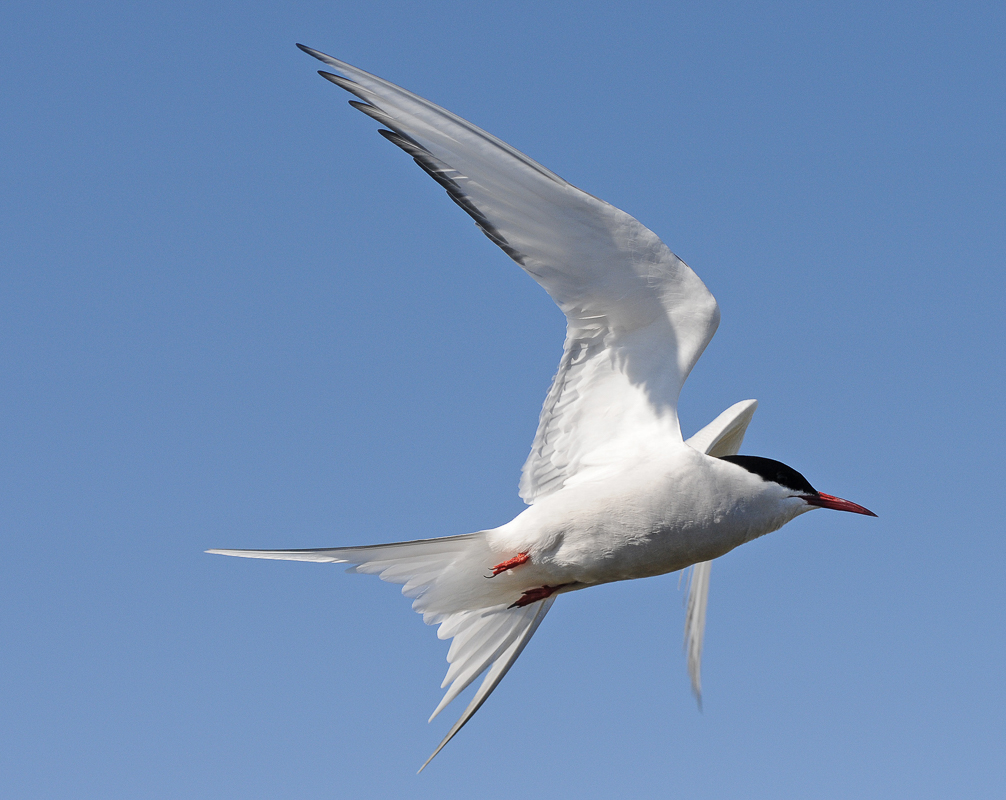
The snowy owl sometimes comes down from the Arctic islands to Varanger, looking for lemmings. Northern hawk owls, rough-legged buzzards and gyrfalcons also feast on these rodents and the Pomerine skua even nested on the Varanger peninsula after several good rodent years. The numerous sea eagles, however, hunt out on the bird cliffs.
Look out for these rare species
Varanger is visited by birds that are rarely, if ever, seen in the rest of Norway or Europe; these include cattle egrets, harlequin ducks, spectacled eiders, Egyptian vultures, greater spotted eagles, little bustards, semipalmated plovers, short-billed dowitchers, stilt sandpipers, little curlews, Ross’s gulls, bridled terns, European rollers, buff-bellied pipits, white-winged larks, glaucus-winged gulls and white-winged scoters.
You can watch birds practically all year
This is a very special place for birds, so many bird experts travel long distances to come here in winter. During the spring and autumn migrations, ornithologists study the flocks of waders on the shore and geese inland. In summer, the breeding season is the time for songbirds, birds of prey and breeding seabirds.
Bird shelters allow you to watch birds unseen
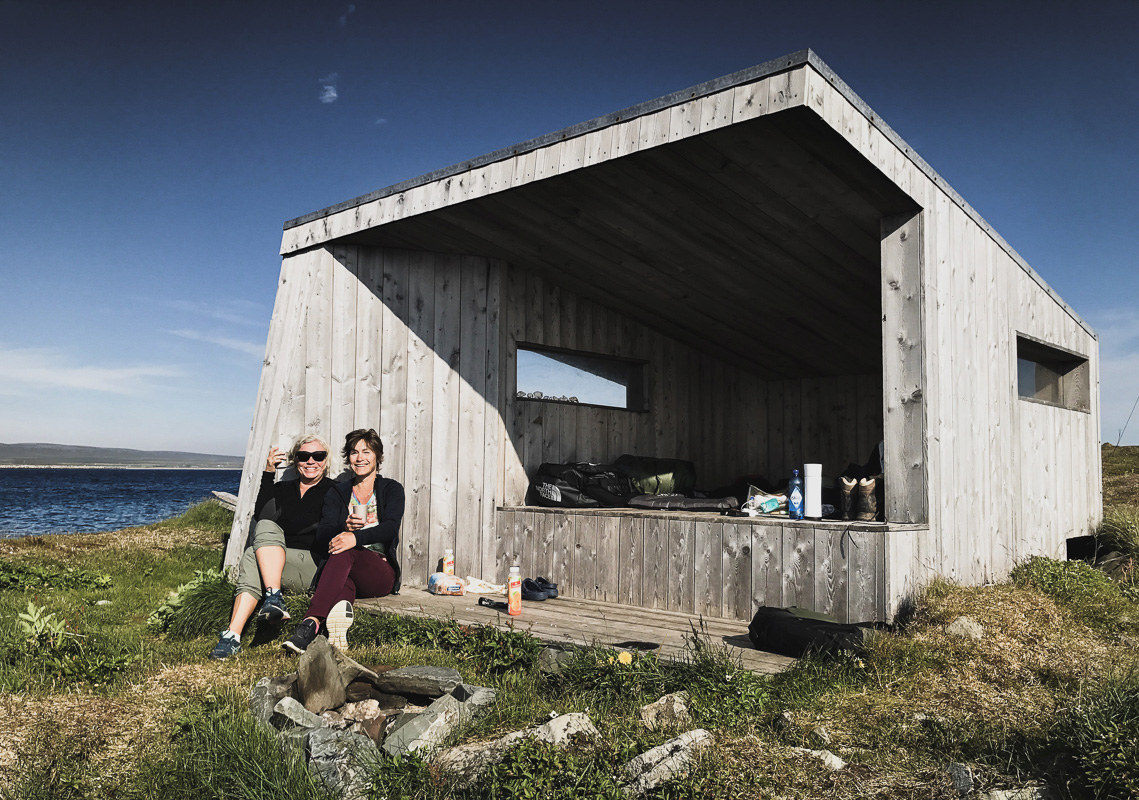
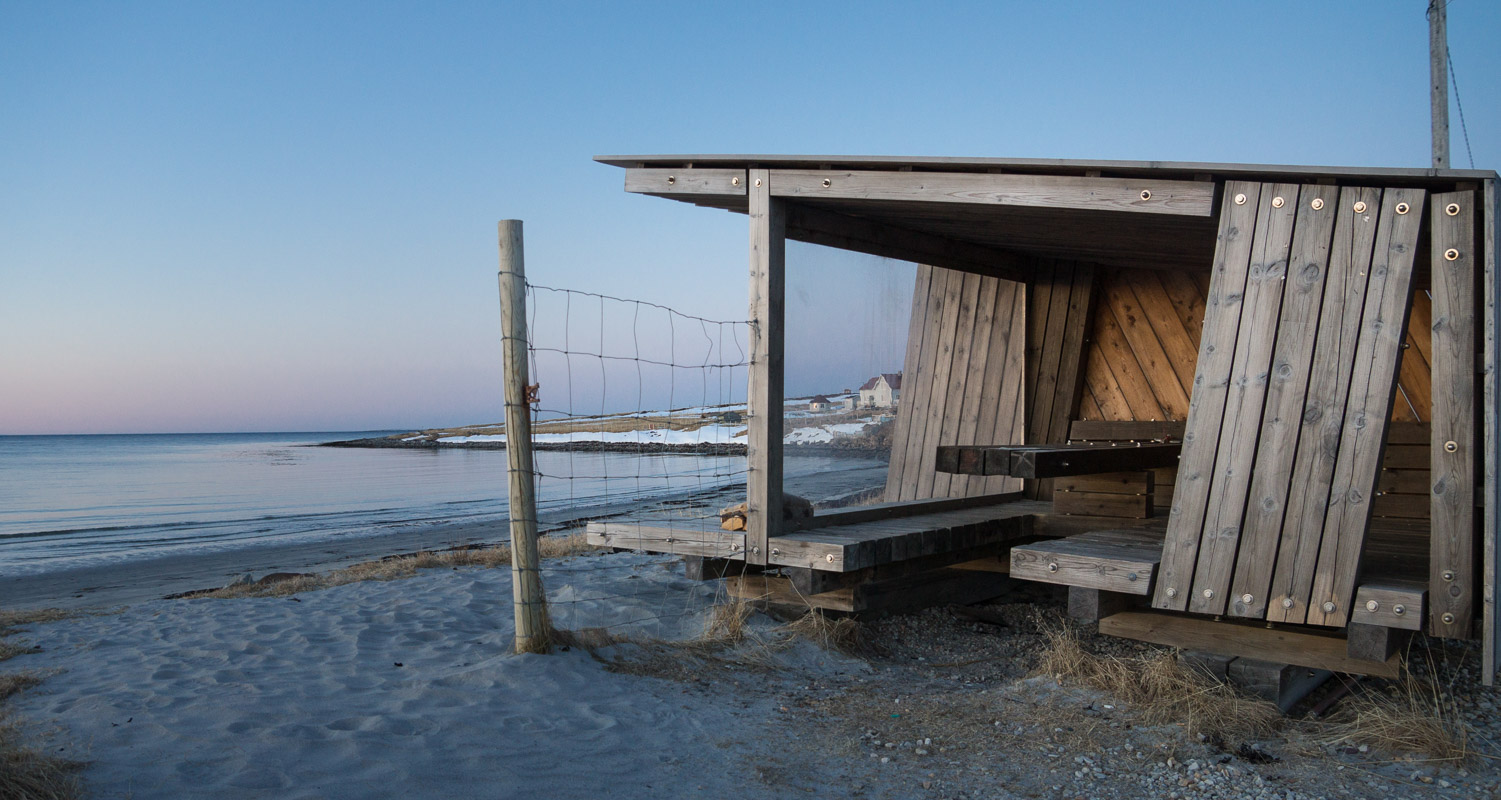
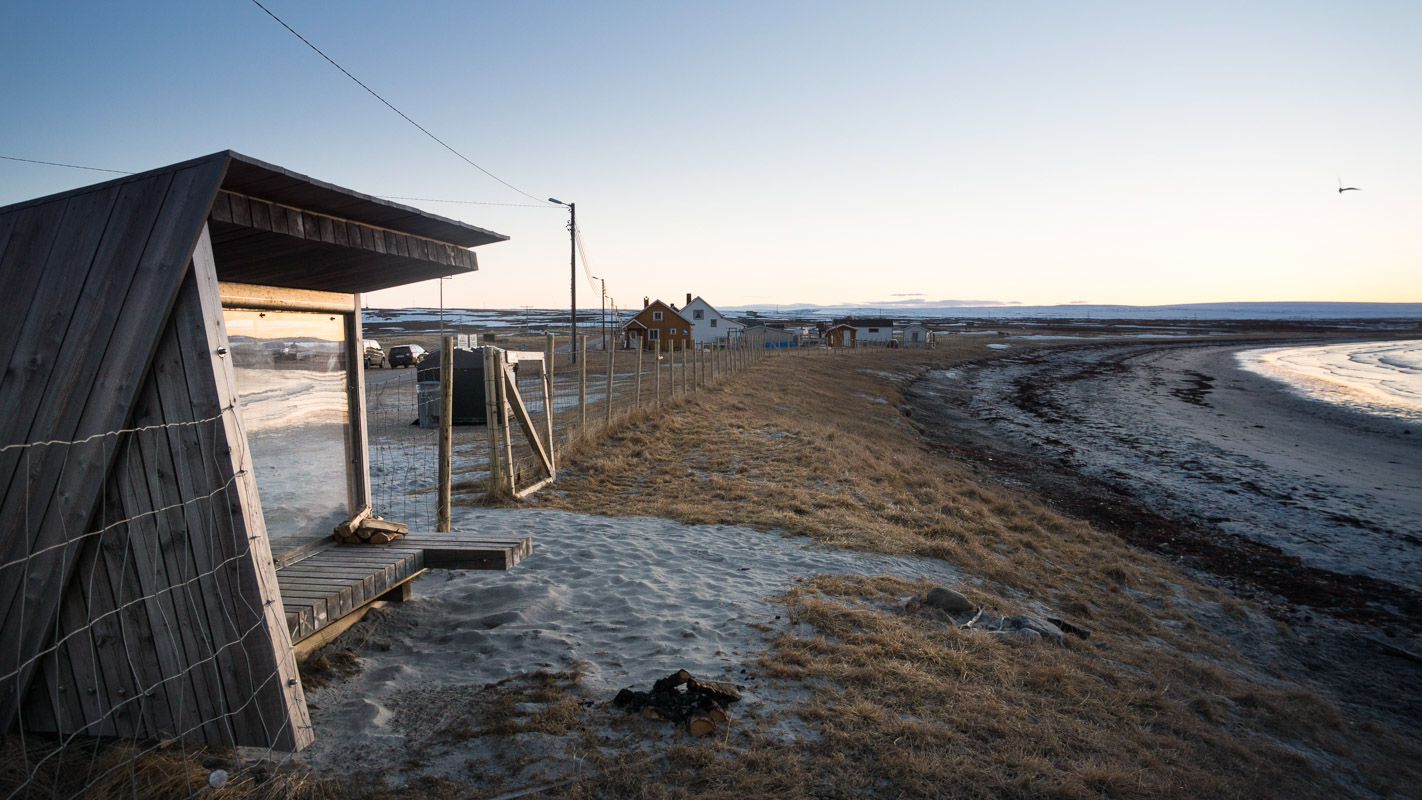
There are special hides for birdwatchers beside the Varanger Sami Museum, at Barvikmyra outside Vardø, and on Hornøya. These have been carefully designed to provide the best views without disturbing the birds, and to blend into the landscape. GPS navigators can also guide you to places of particular interest within the landscape. The casual birdwatcher can also see large flocks of king eiders and Steller’s eiders in the sea at Vadsø.