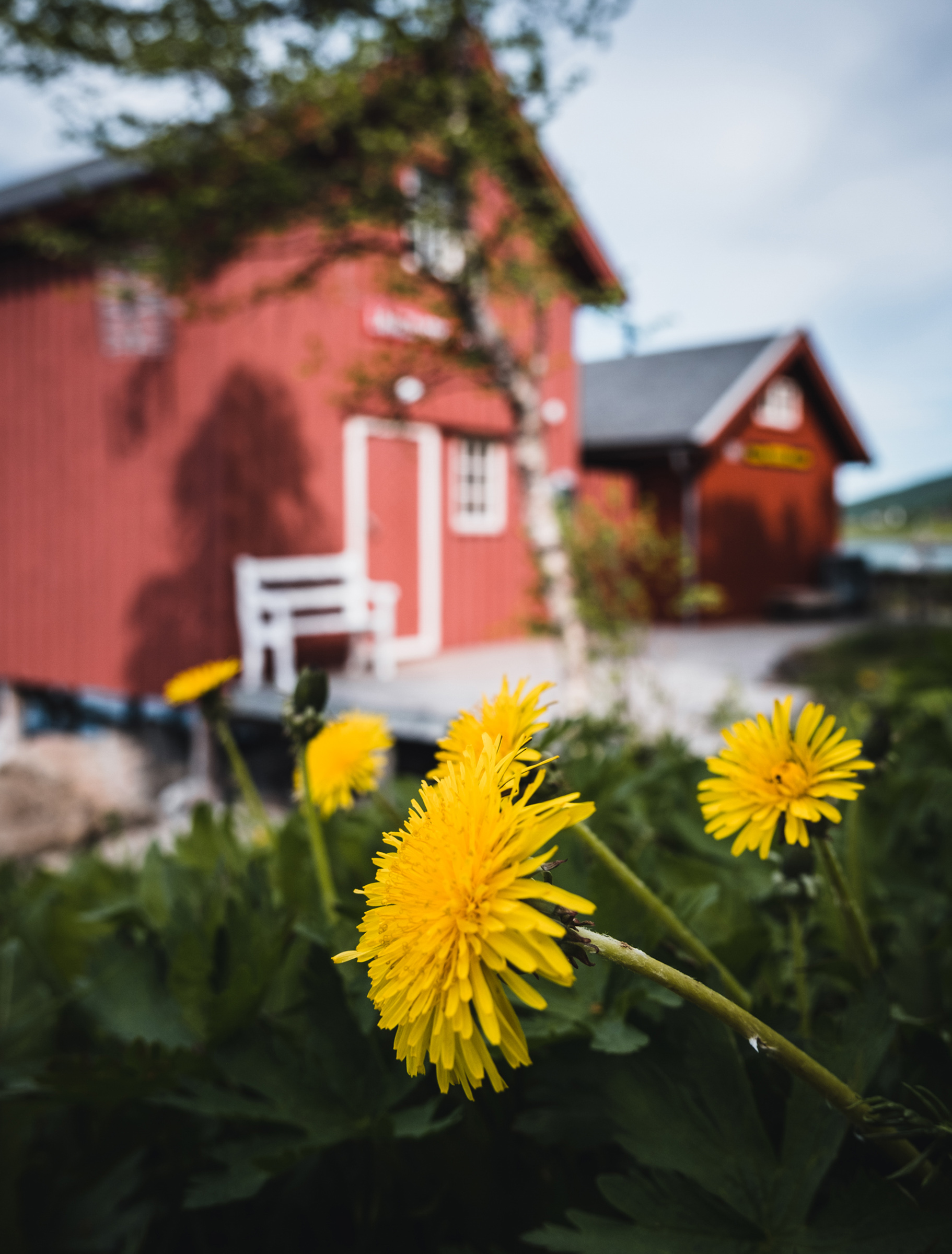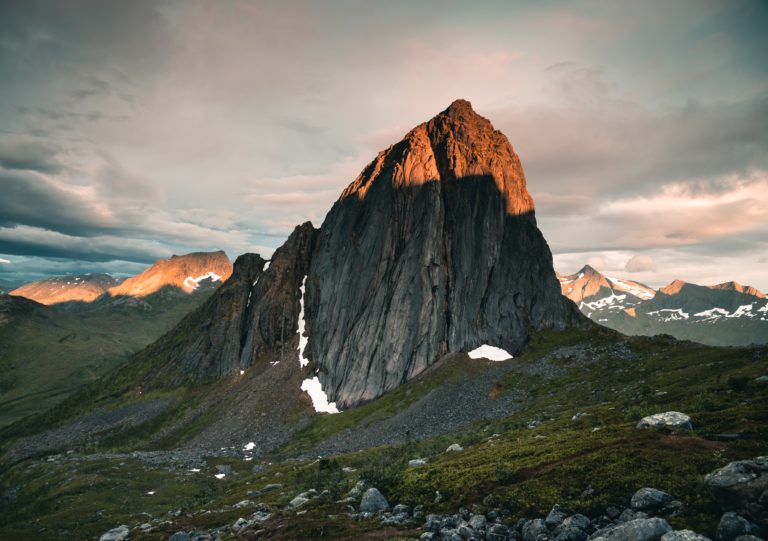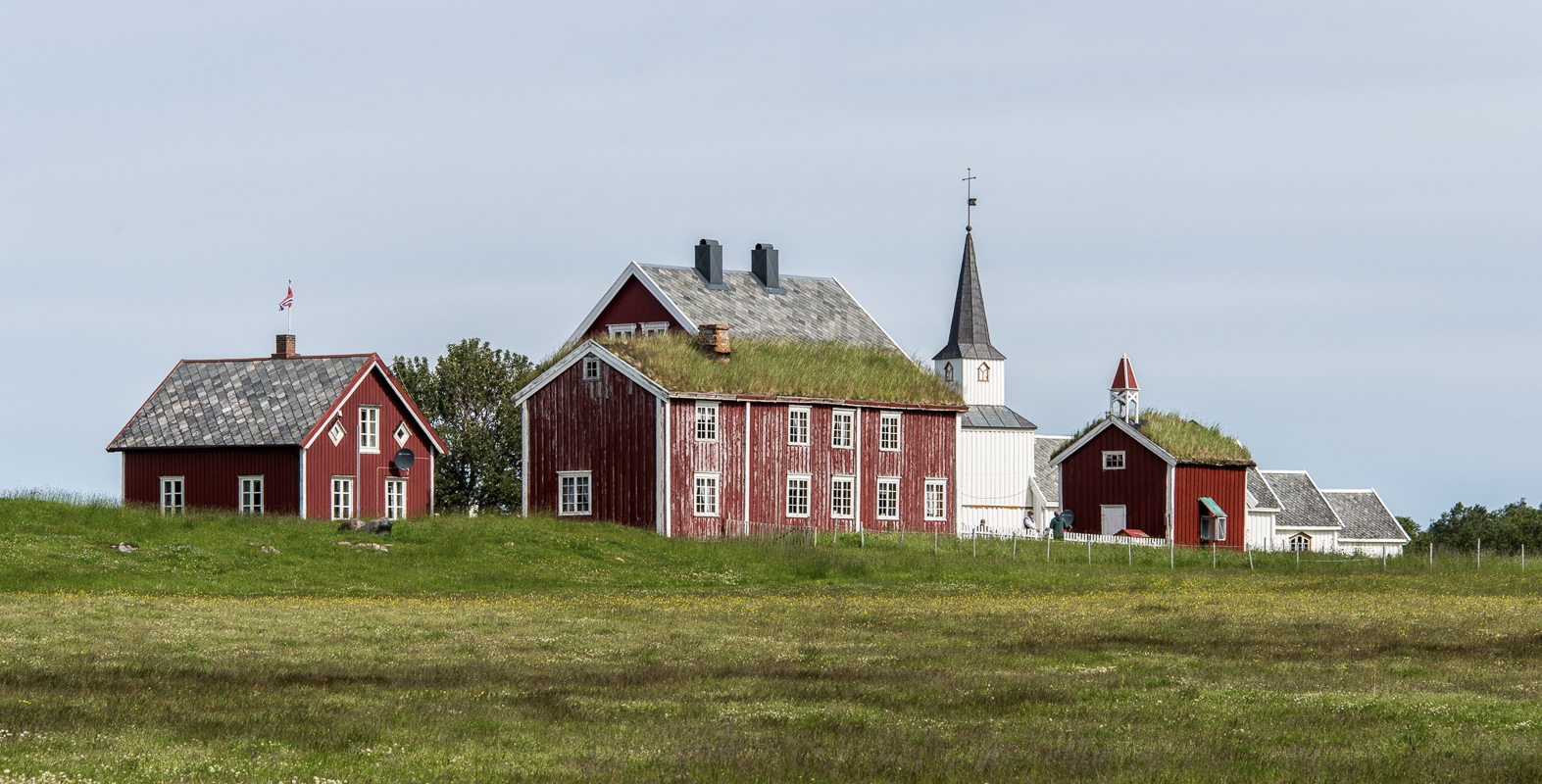
On a beautiful day of early Summer, I drove along the sound or waterway Gisundet from Finnsnes to Bjorelvnes. Dandelions and bird cherries in bloom, the narrow road wound its way between farms and red-painted boat houses. Looking across the Gisundet, it looked the same; this is an ancient cultural landscape where the green meadows have been tended for a couple of millennia. Soon the stately church of Lenvik presided over the landscape in white. Where could I learn more? The answer was obvious, the Lenvik museum in the old vicarage.
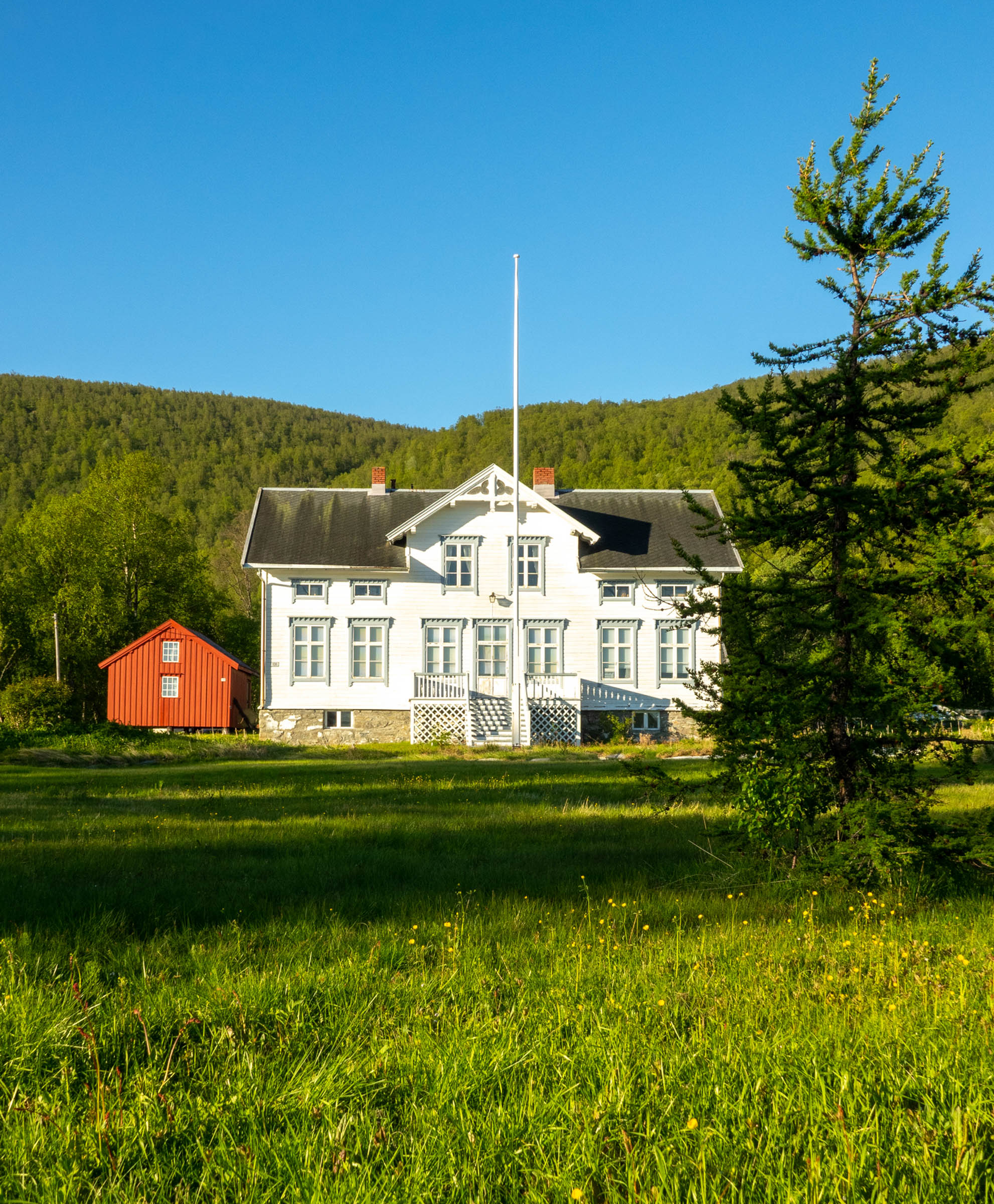
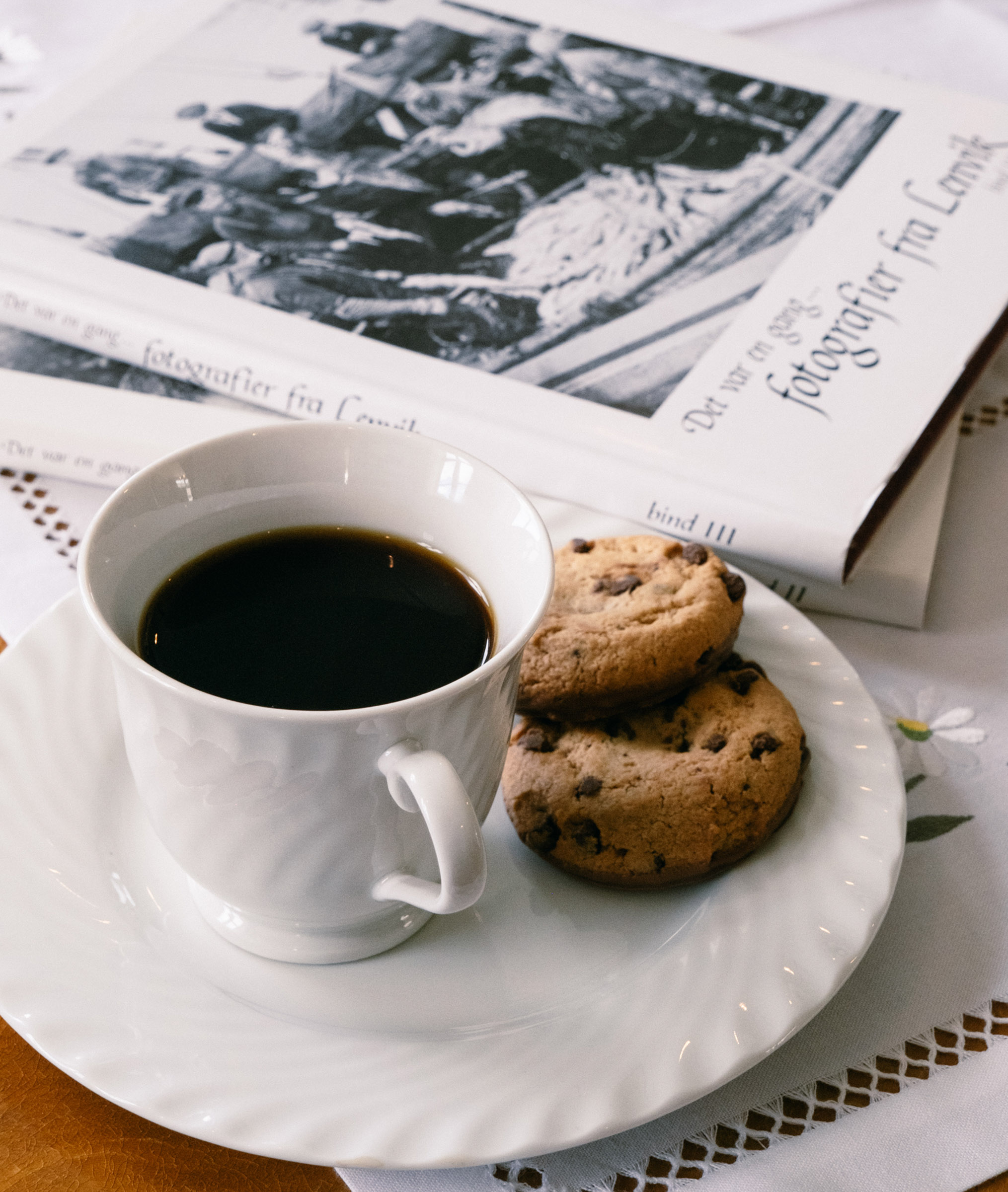
The vicarage is right in the middle of the cultural landscape
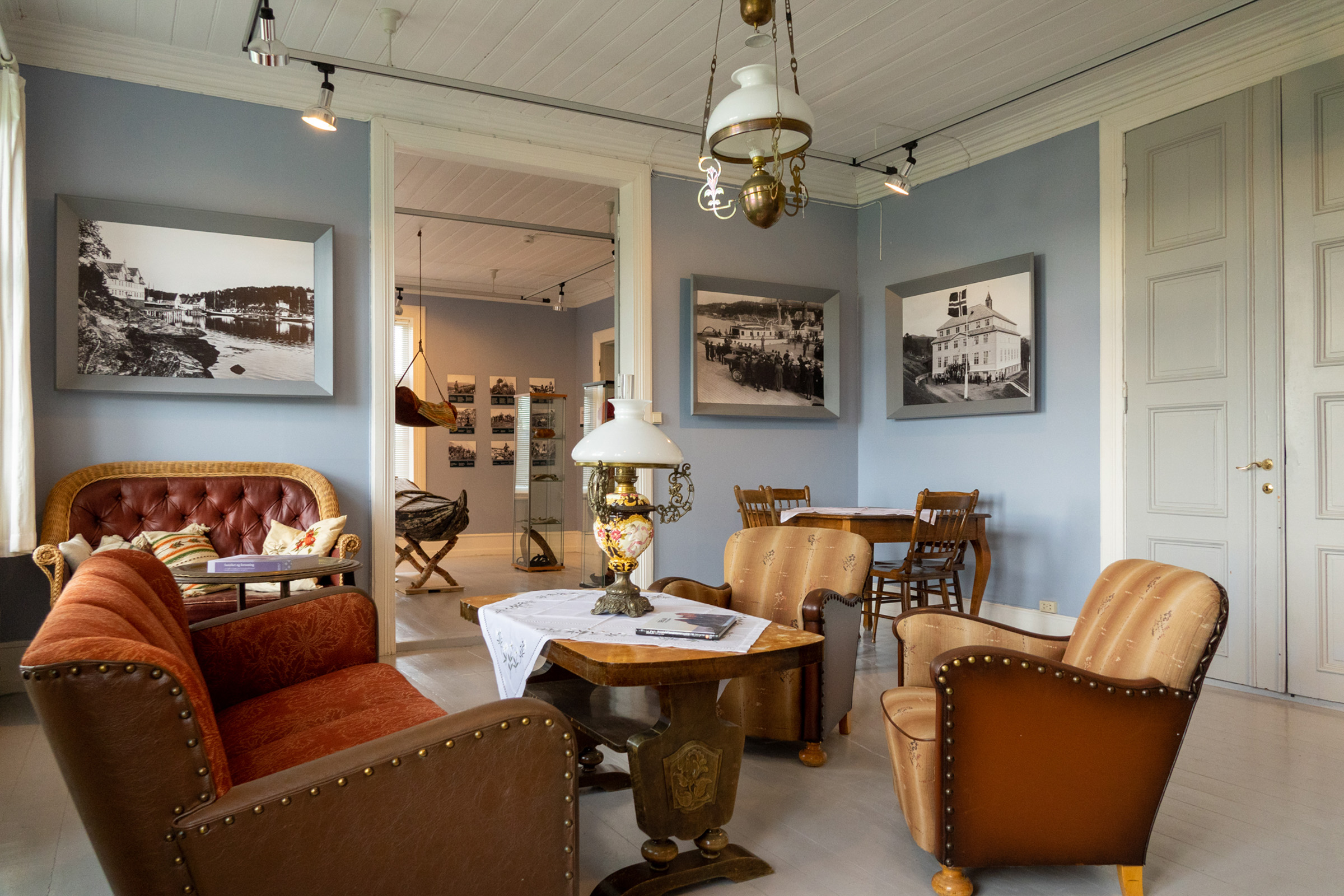
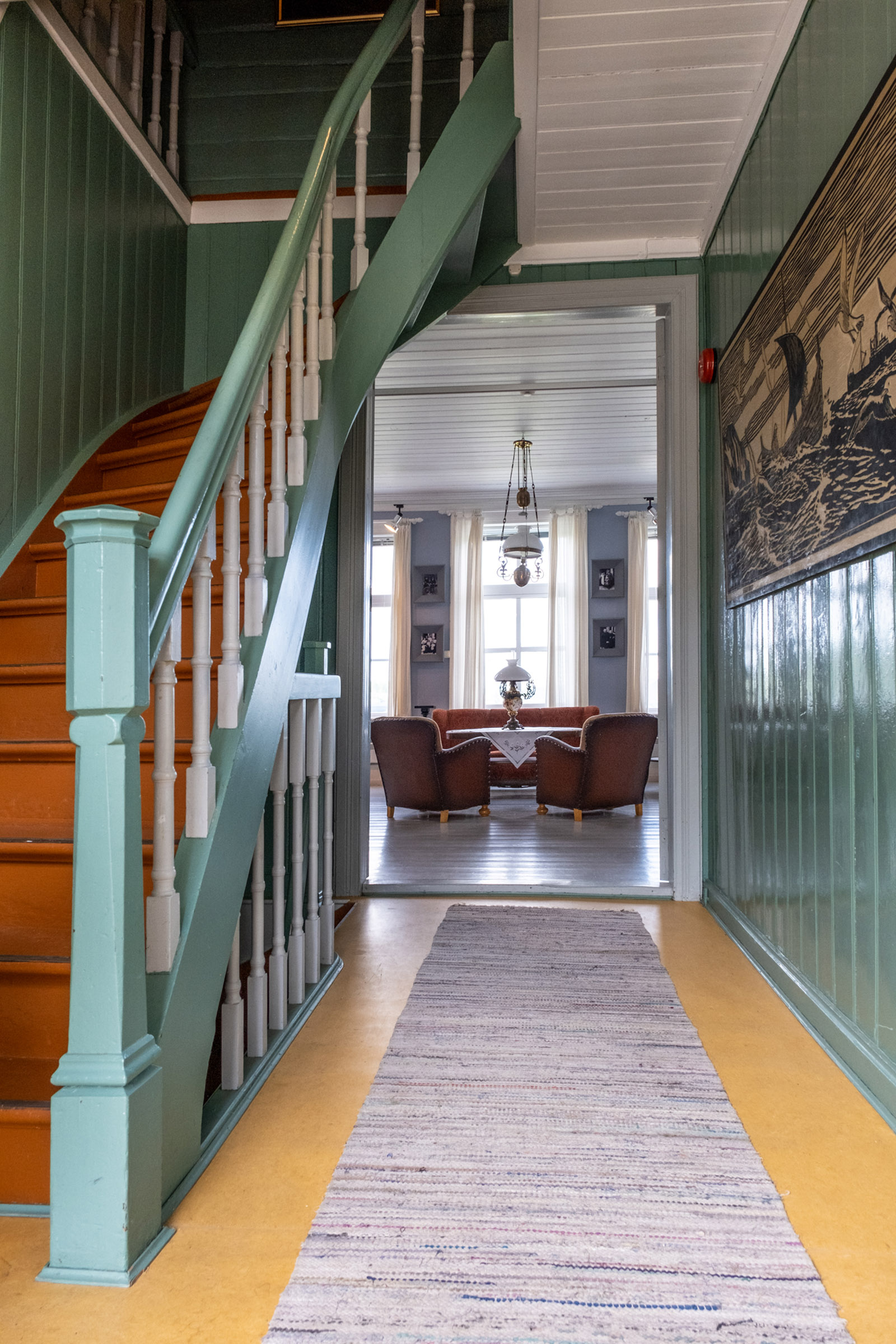
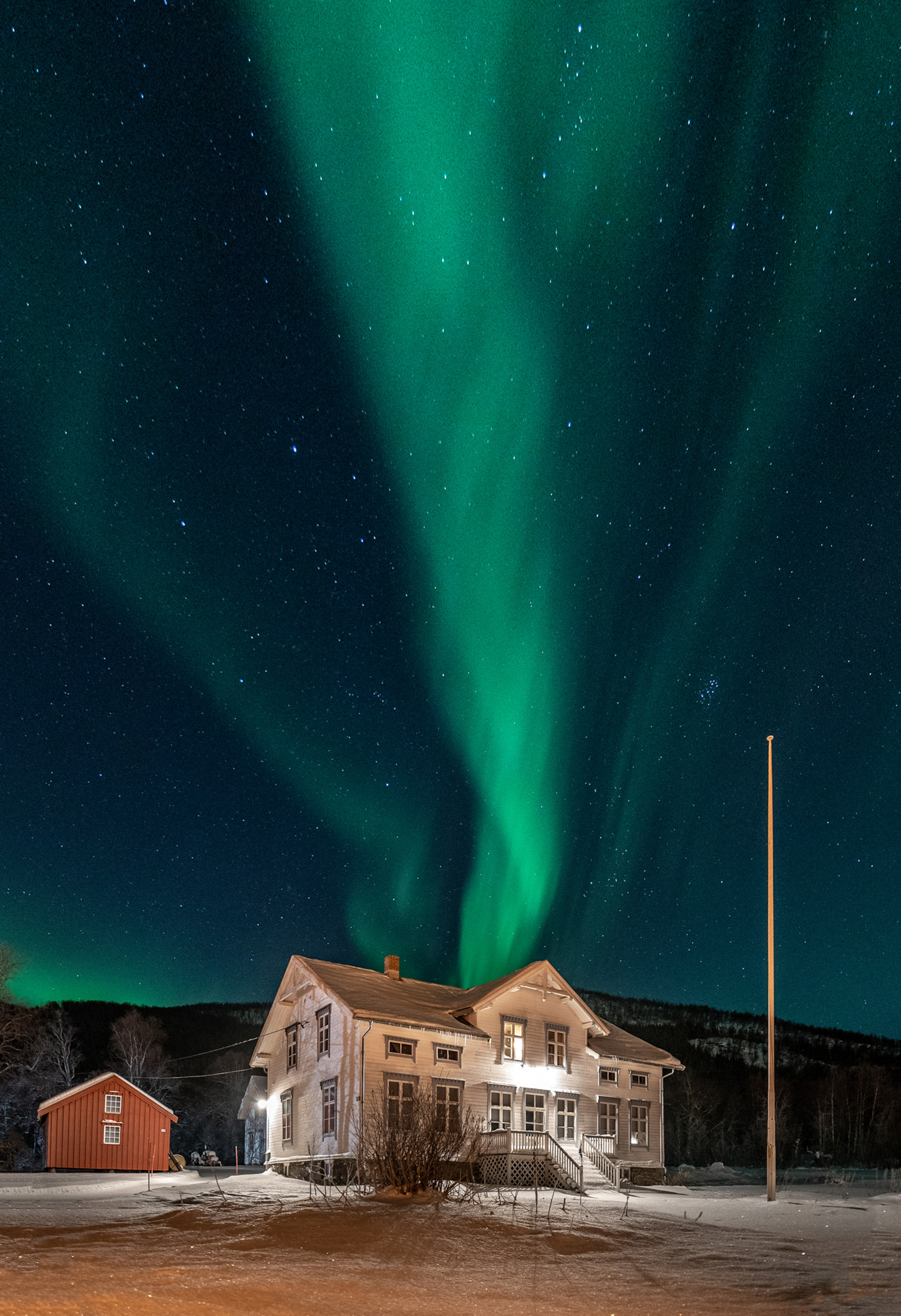
Overlooking the waterway of Gisundet, the main building of the Vicarage of Lenvik was built in 1885, when the church was moved from a place further north. The façade boasts a noble staircase surrounded by big windows. We commoners, however, enter by the kitchen door into the old-fashioned kitchen. From there, one makes the round around the ground floor, with several lounges. One is an exhibition of old fishing gear; another is a rather comfy lounge and the most interesting section is the Sámi exhibition. The last vicar moved to Finnsnes, the new centre, in 1963, and by 1985 it was the Lenvik Museum.
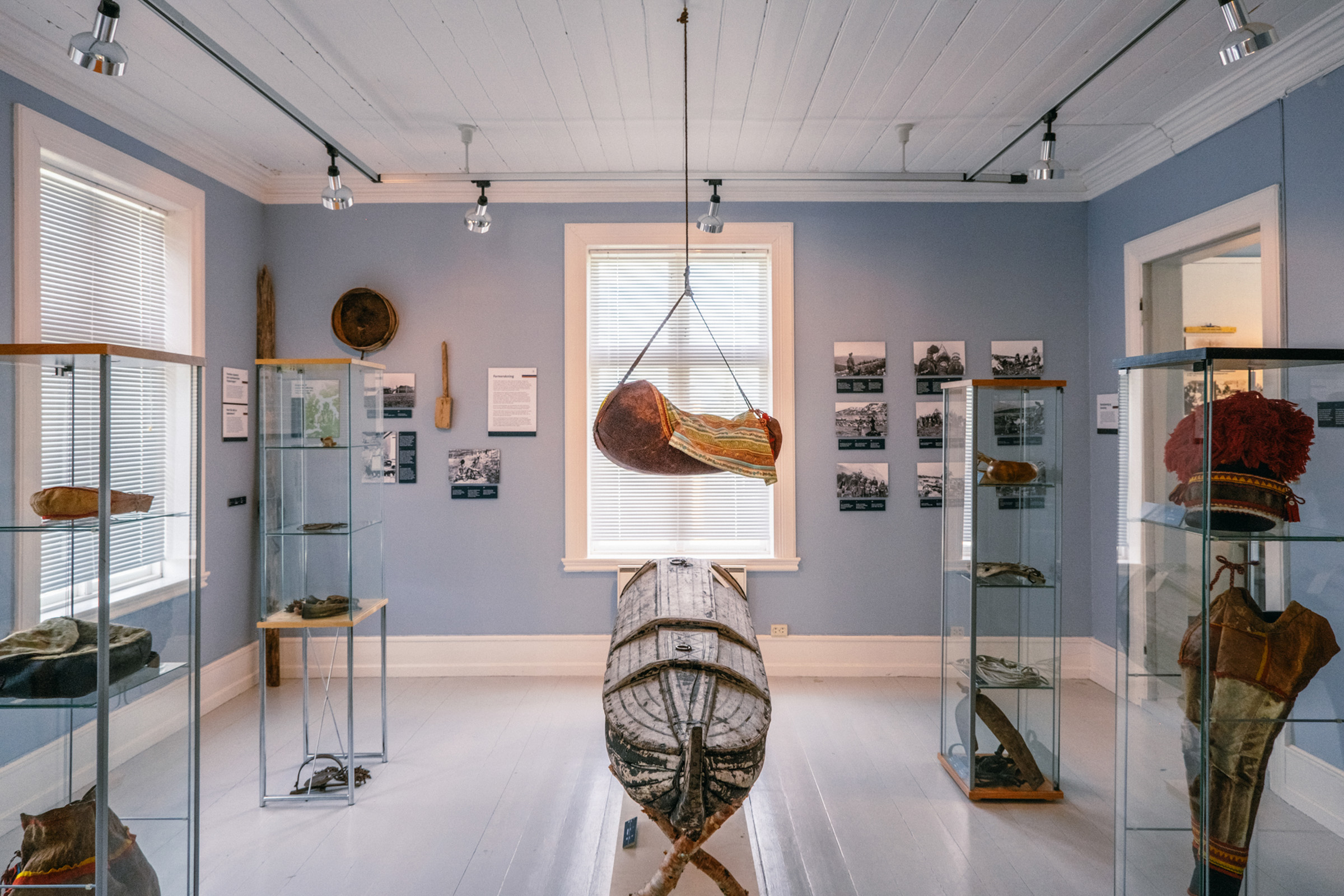
The Sámi exhibit shows a spectacle
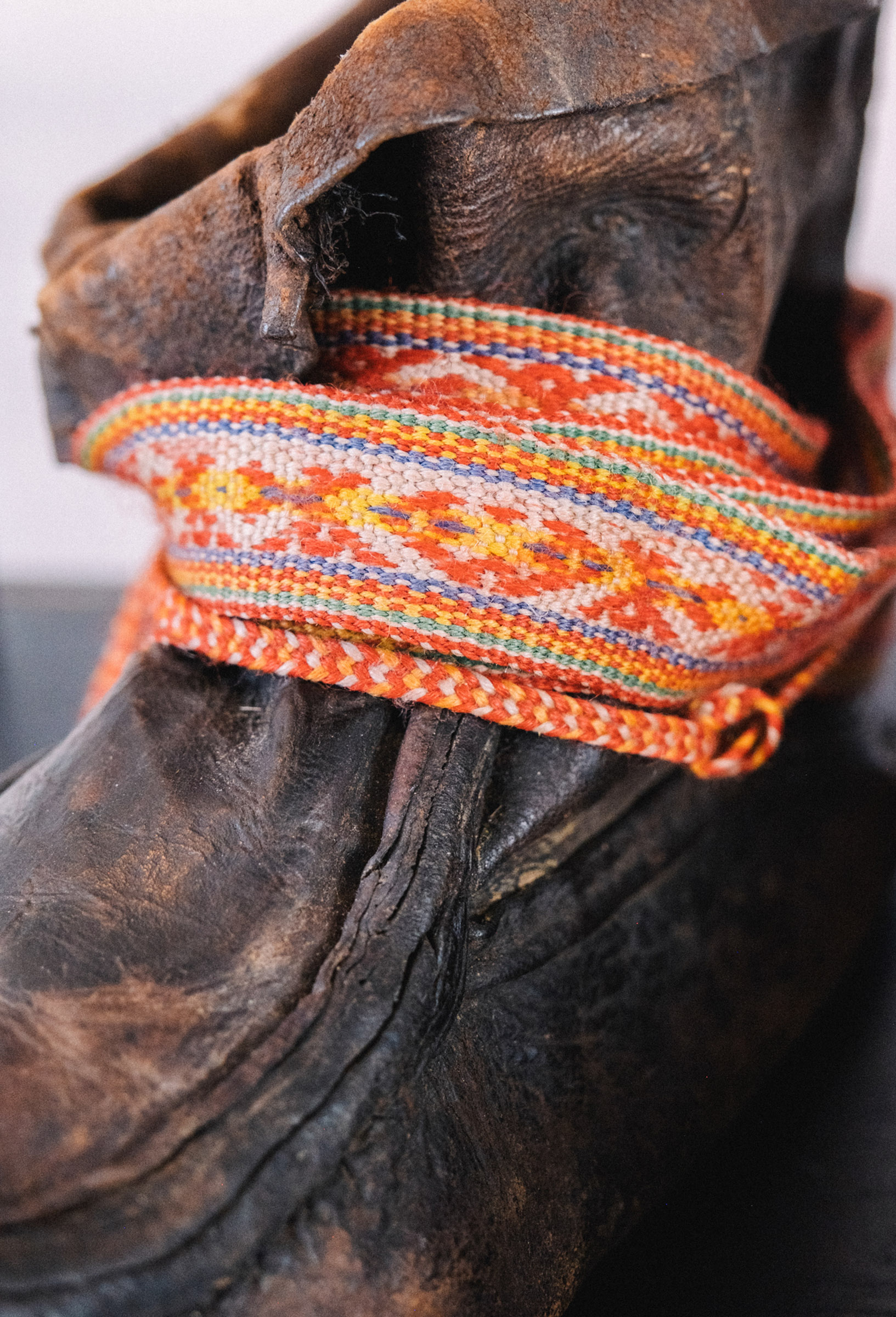
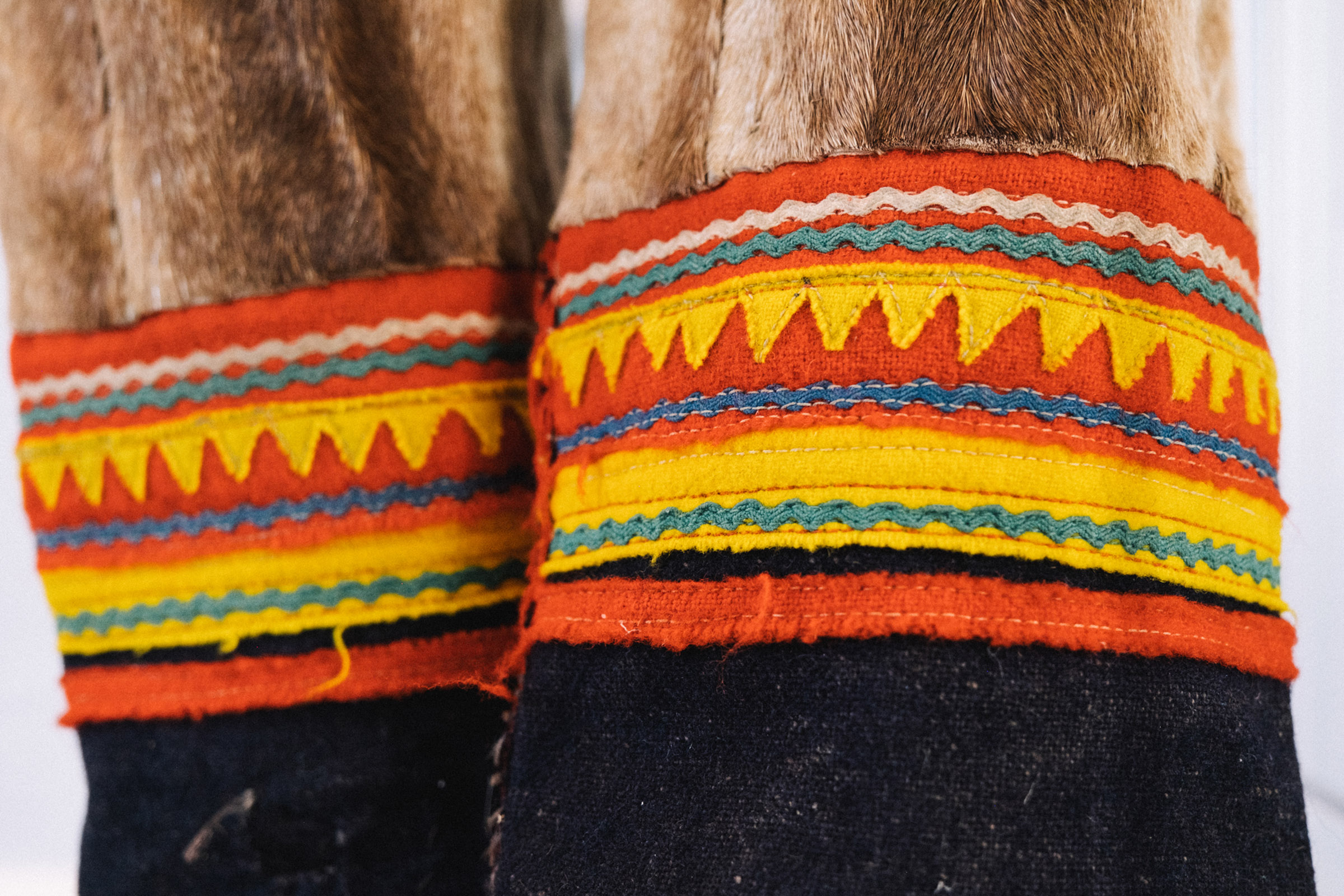
In one of the rooms, a new exhibition tells the story of the local Sámi history. The location is no coincidence. At this point, the Gisundet waterway is extra narrow, and it was a good place for reindeer to swim across the sound. In spring, the reindeer would come from their winter grazing in the northernmost areas of Sweden to spend their Summer on Senja’s green pastures. In Autumn, well ahead of deep snow and ice, they would return to windswept, snow-poor mountain pastures in Sweden. This is a pattern established after the end of the ice age, long before the reindeer were domesticated.
The crossing was a big event
Sometimes in Spring, a much-anticipated moment came for the local farmers. The reindeer would be trotting across the brown grass of yesteryear and the remaining snowy patches in a disorderly mass, driven by the Sámi reindeer herders. With the locals as interested spectators, the lead reindeer would plunge into the water. The other would follow suit, and swim in a winding, long line, guarded by the herders in borrowed boats, picking up tired reindeer calves. The locals would bake bread for the Sámi, and get reindeer meat in return and the whole thing would be a memorable occasion every spring. Photos from 1919 show the spectacle.
The Márkosamiek are a particular Sámi group
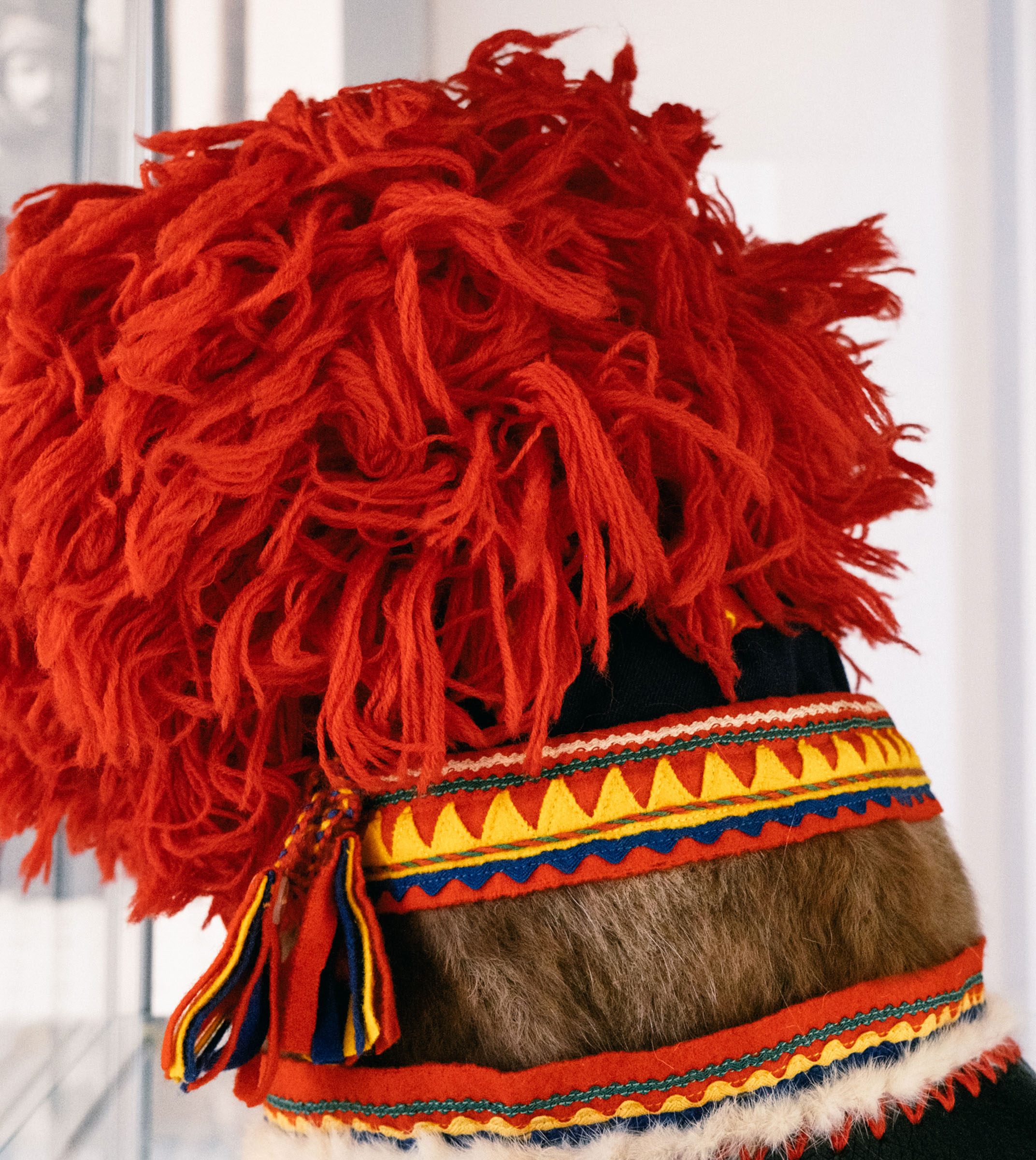
Through the centuries, some of the Sami would settle down in Senja. This could be for various reasons; bad times in reindeer husbandry caused by weather and decease, or simply because of better opportunities in their ancestral Summer lands. Instead, they would settle along streams and lakes in Senja’s forested inland, farming, hunting, fishing and taking seasonal work outside the community. This Sámi group calls itself Márkosámiek (markesamer in Norwegian). Their life is also documented in the exhibit. After decades for assimiliation, ridicule and suppression of the language, there is new interest in this culture in the area.
Go down to the sound
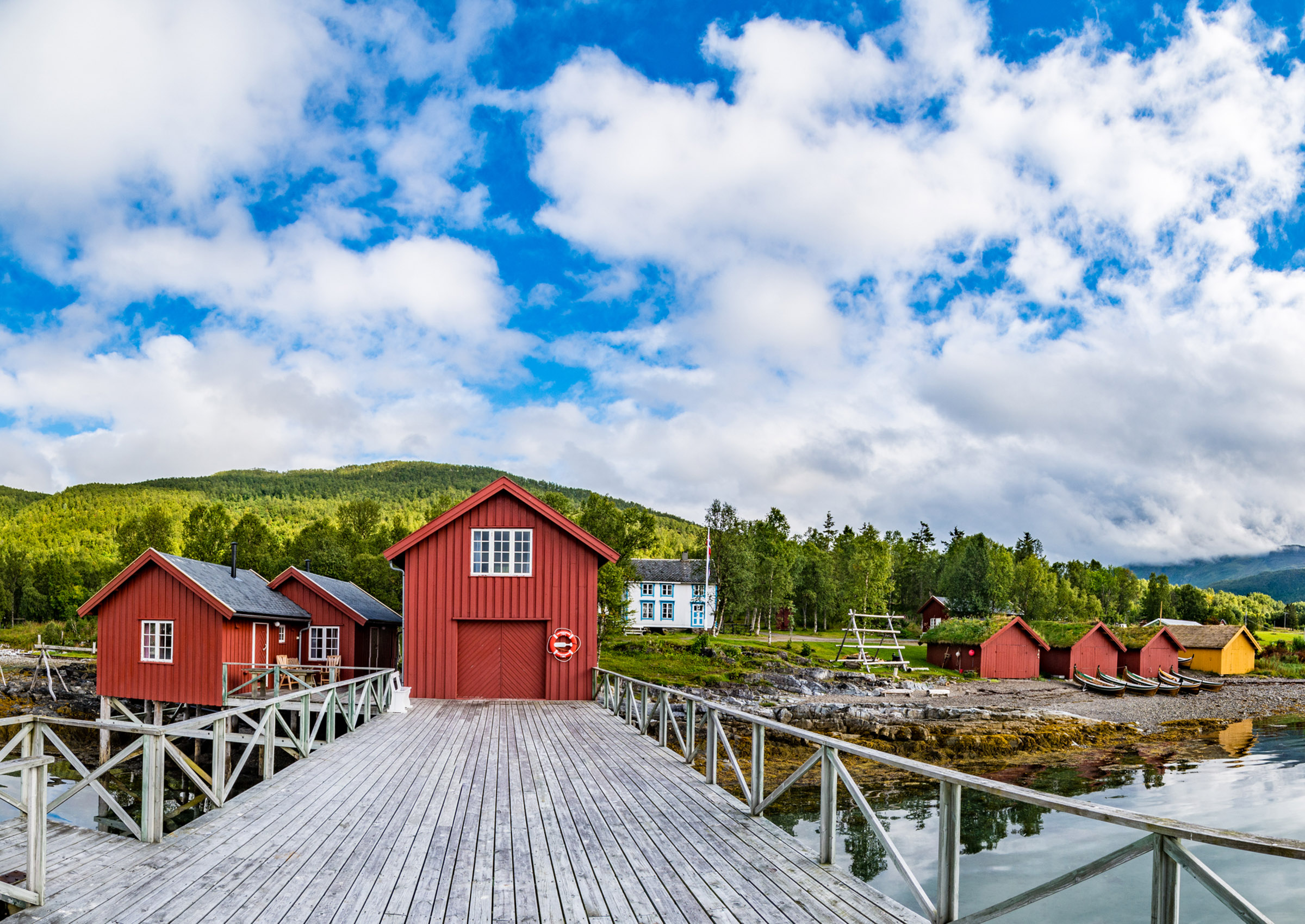
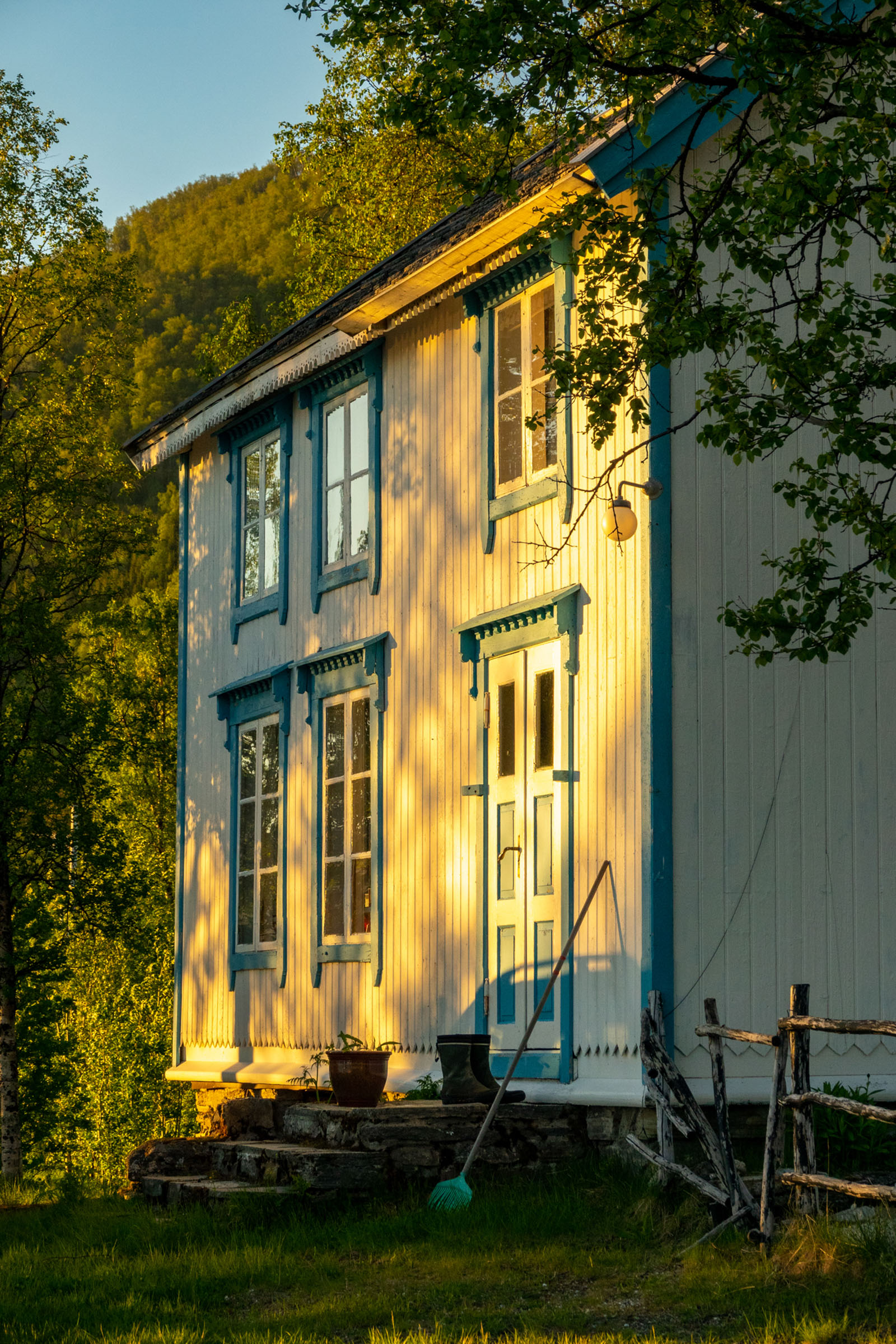
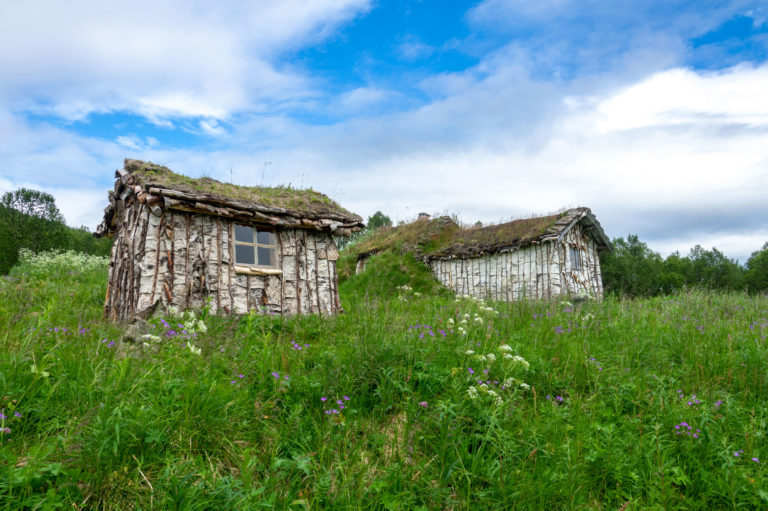
One of the most endearing things with the museum is the area below the vicarage. Among mighty birches and green meadows – at least in Summer – a white house with blue window frames overlooks the sound. This is the Berilstua, a traditional Nordland house. Normally, it’s not open, but you could ask for it to be opened. Or just look in through the windows.
Time-honoured seamanship is passed down
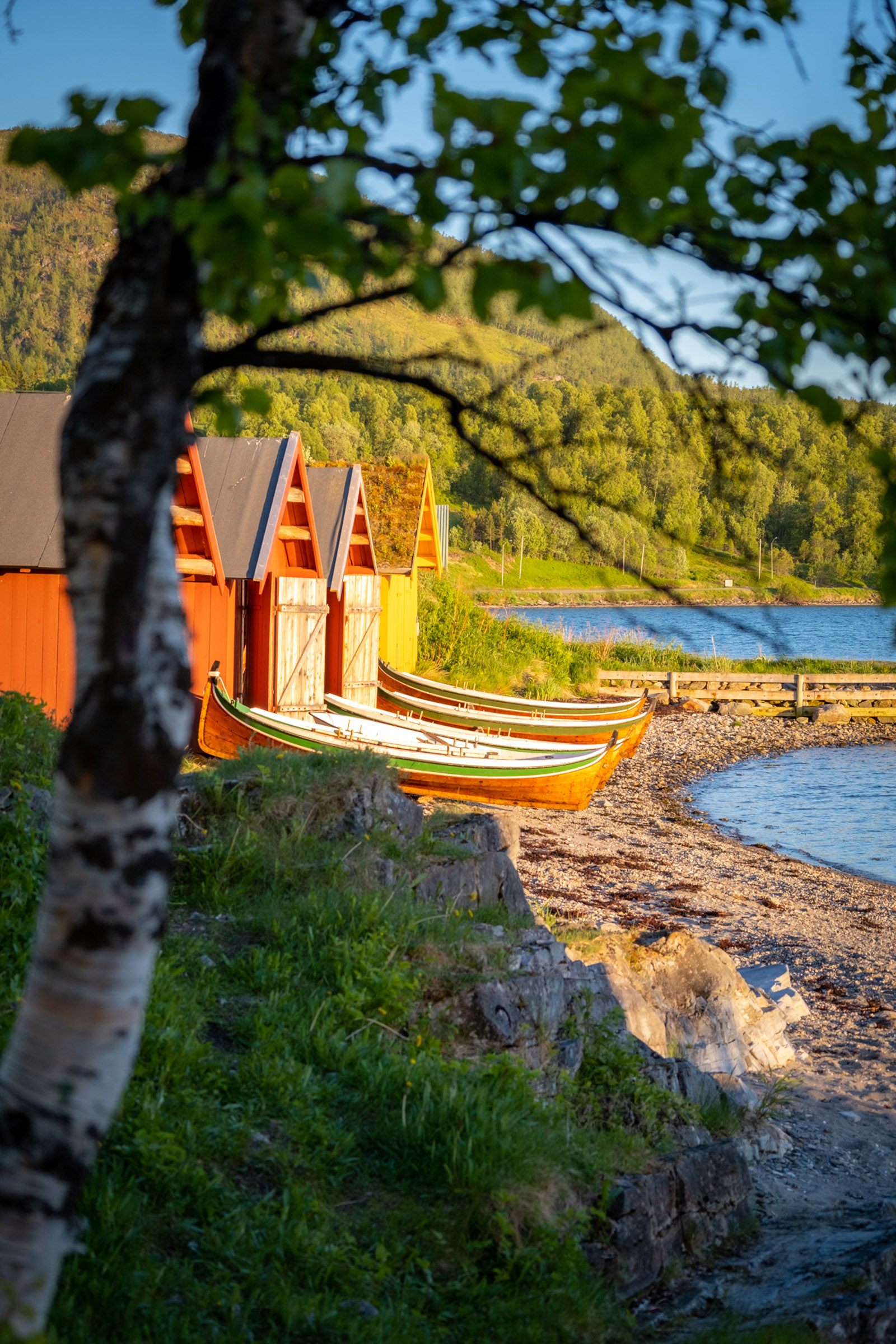
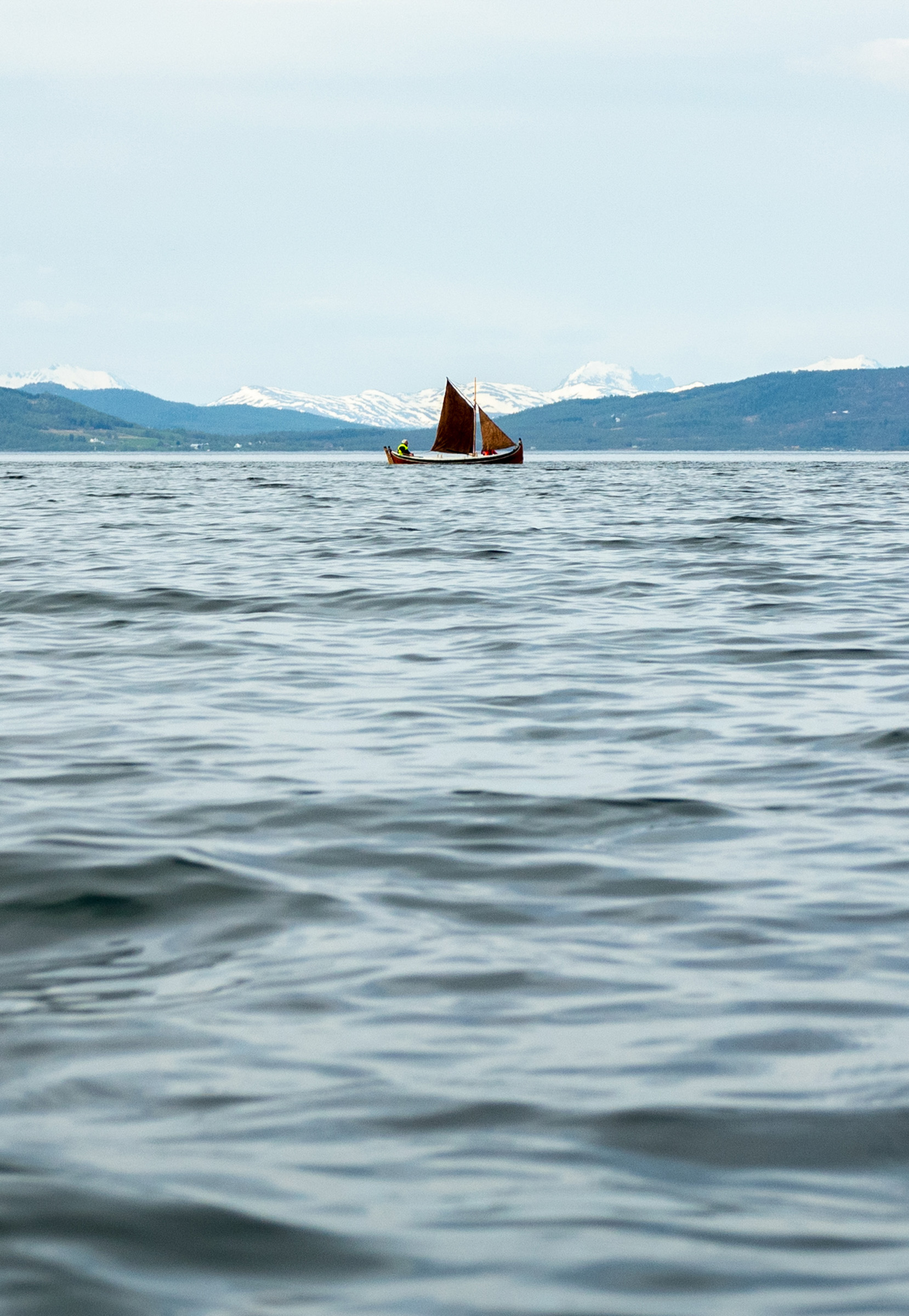
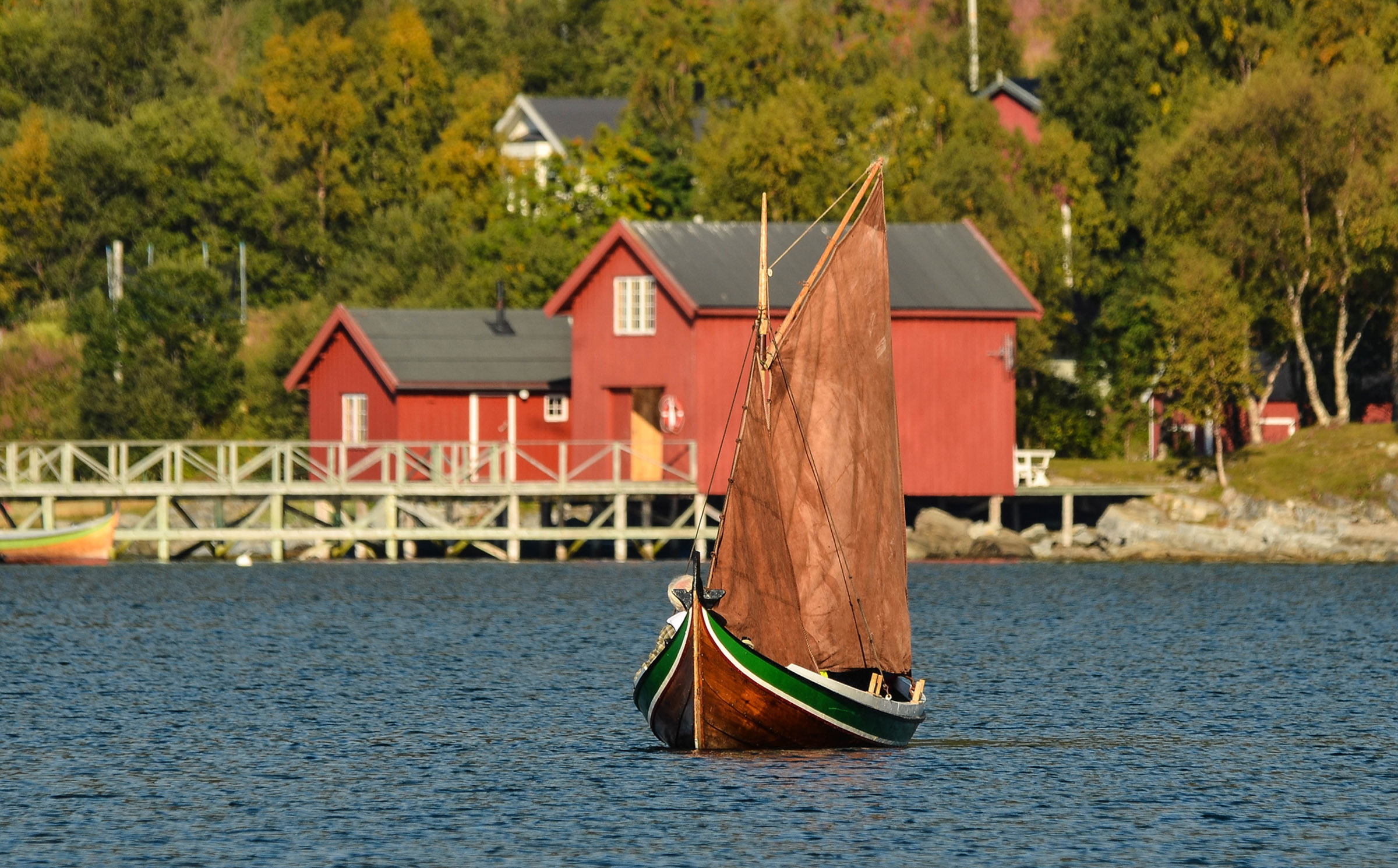
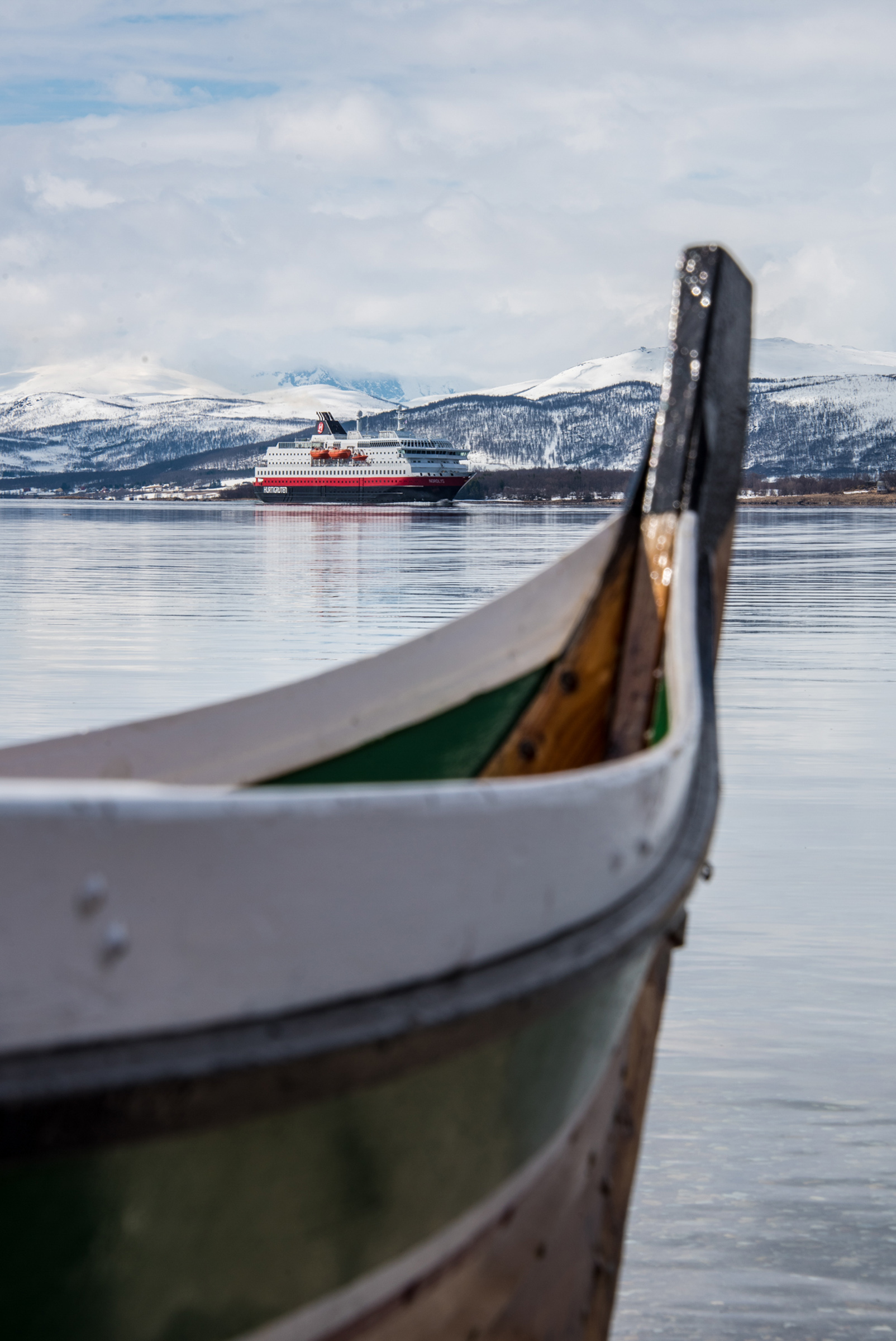
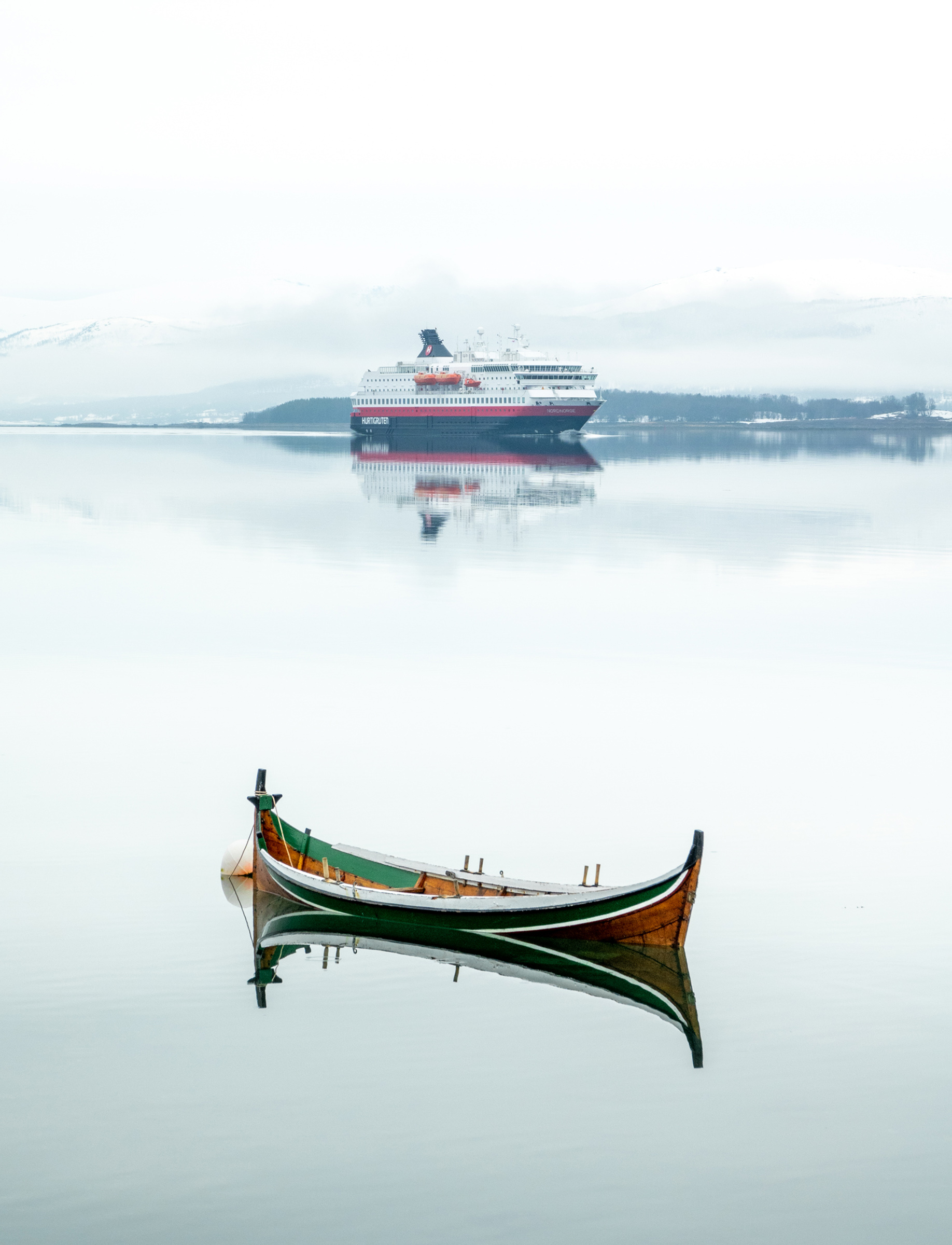
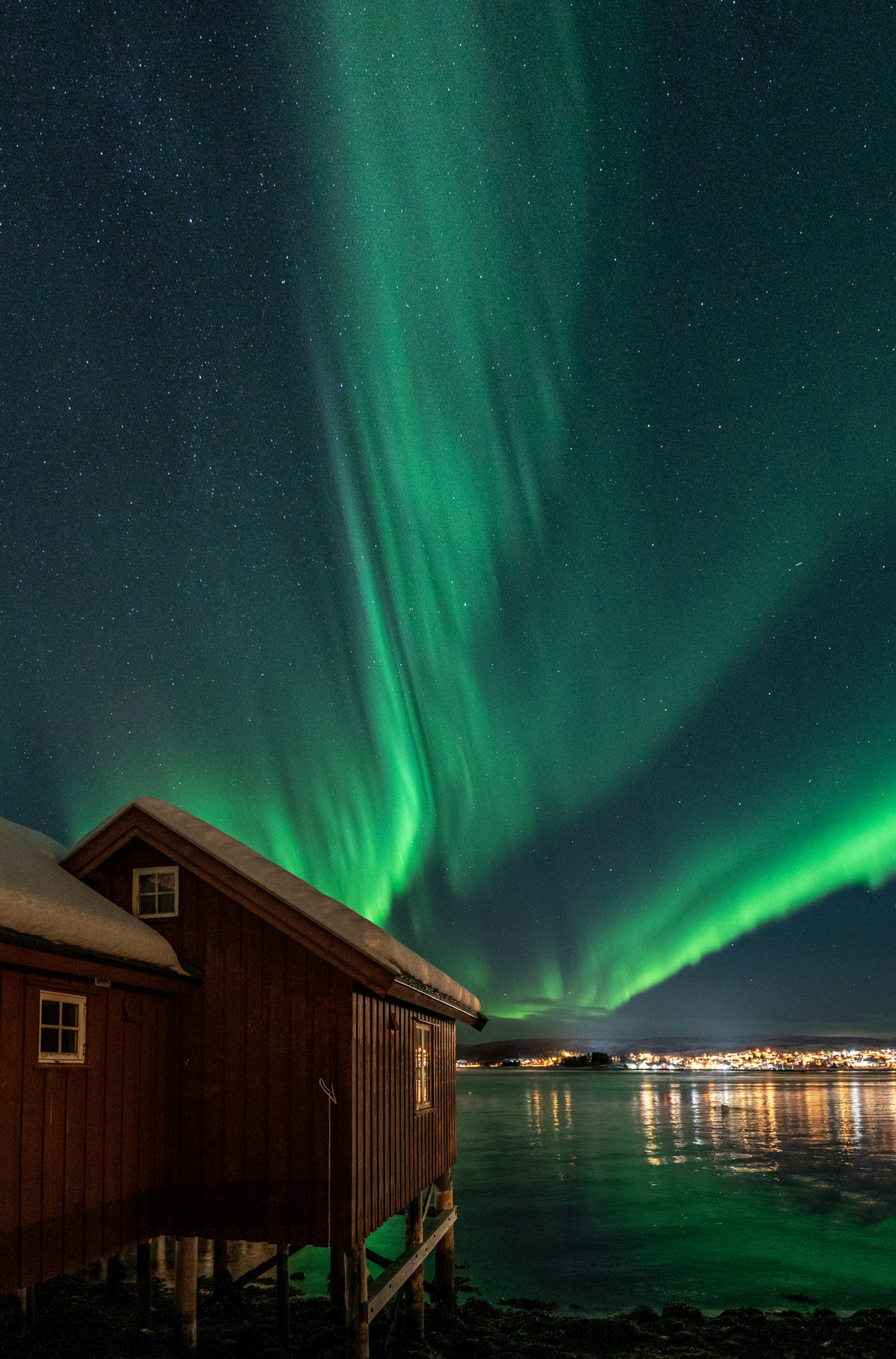
Below it, an ensemble of seemingly traditional, red-painted boathouses lines the shore. Inside, there are traditional Nordland boats. All this, however, is new. The boatbuilder Gunnar Eldjarn built 5 bindalsfæringer – boats for two rowers – with a small fore-and-aft rig in the 1980ies. Along with two old boats, they are used when teaching schoolchildren to sail with traditional boats. For most of us, admiring the elegant lines of the boats is enough, but little groups can pre-arrange an outing by boat.
The church of Lenvik was once the world’s northernmost church
The possibly oldest inhabitant we know of from the area is Ohthere, or Ottar in Norwegian. Around 890, king Alfred of Wessex’ court reports of a visit by a certain Ohthere, who claimed to be the northernmost Norwegian. Many claim that he must have been from the area. The Icelandic handwritten manuscript Rimbegla, which describes the Norse world, states around 1190 that the church in Lengjuvík is the world’s northernmost. It was situated a bit further north, in Lenvik, overlooking the mouth of the Malangen fjord. In 1386, the vicarage was burned by Karelian raiders. We know of several successive churches in Lenvik, the last built in 1822.
The church is grand and impressive for a small place
The church of Lenvik was built in 1879, as the law now required churches to accommodate a larger number of parishioners every Sunday. Seating 750 people, it is surrounded by a cemetery with old graves. In the late 19th c., many white, wooden churches with big windows were built in Norway, the interest for religion was great across the country. The church has no opening hours, but a walk around it feels like completing the little visit to Lenvik Museum. The church was also built on a new location, to be more central in the parish.
Lenvik museum
Lenvik museum is not a big museum, but the little Sami exhibit is great. There are also some fun interiors at the museum. The best, though, is the location; tranquil and overlooking the Gisundet waterway. The drive out here is stunning.
Lenvik museum is located in Bjorelvnes, a small village some 15 km north of Finnsnes in the mainland part of Senja municipality.
Consult their website for updated info. It’s a good idea to browse around this site for more info about other museums in the area.
Consult the website of Midt-Troms museum.
The website of Visit Senja has all about accommodation, eating, activities and attraction, and is your guide to this island. Our website present themes from Senja in a more relaxed manner.