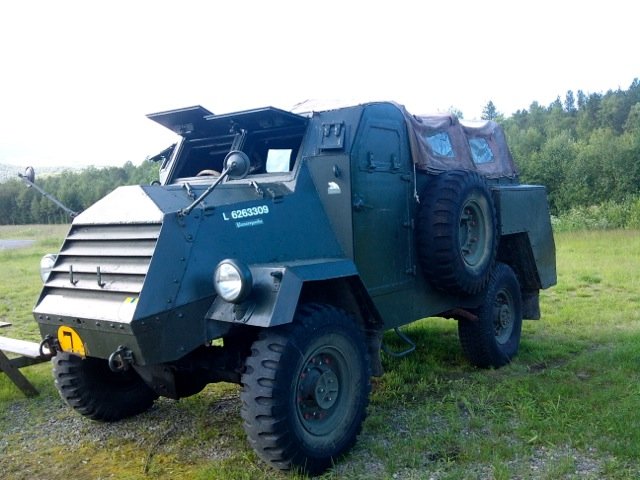
No part of Norway was as deeply affected by Word War II as the north. The campaign of Norway in 1940, the Eastern front warfare and the Murmansk convoys, the use of slave worker in the ambitious Nazi building projects and the complete destruction of the far North: The war in the north was a brutal and disrupting experience for anyone involved.
Narvik – War museum and the Landscape of War History
The war museum gives a full overview of the Battle of Narvik. The “Landscape of War History” encompasses the sites where it all happened
Kirkenes, the fronline town
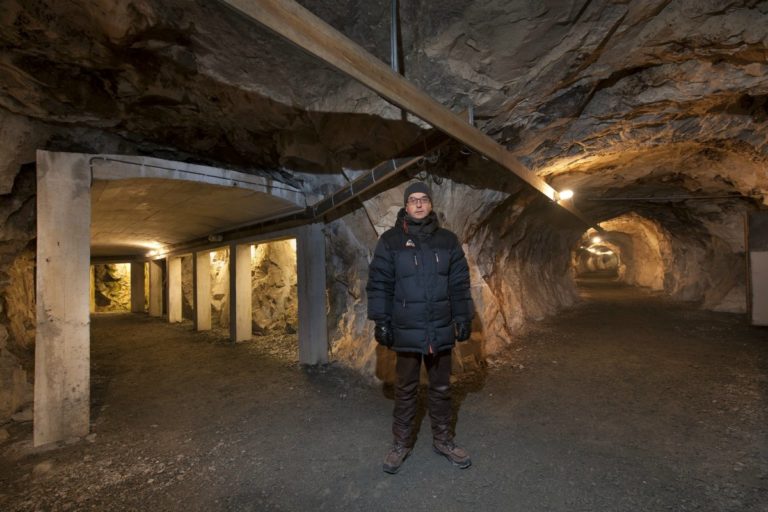
One of Europe’s most bombed towns has a great museum, an evocative air raid shelter and a Soviet-style war memorial
Bodø – city of reconstruction
Following the bombing of the city in the 27th of May 1940, Bodø was rebuilt in a modernist style with some monumental architecture
Manndalen and the Baalsrud cave
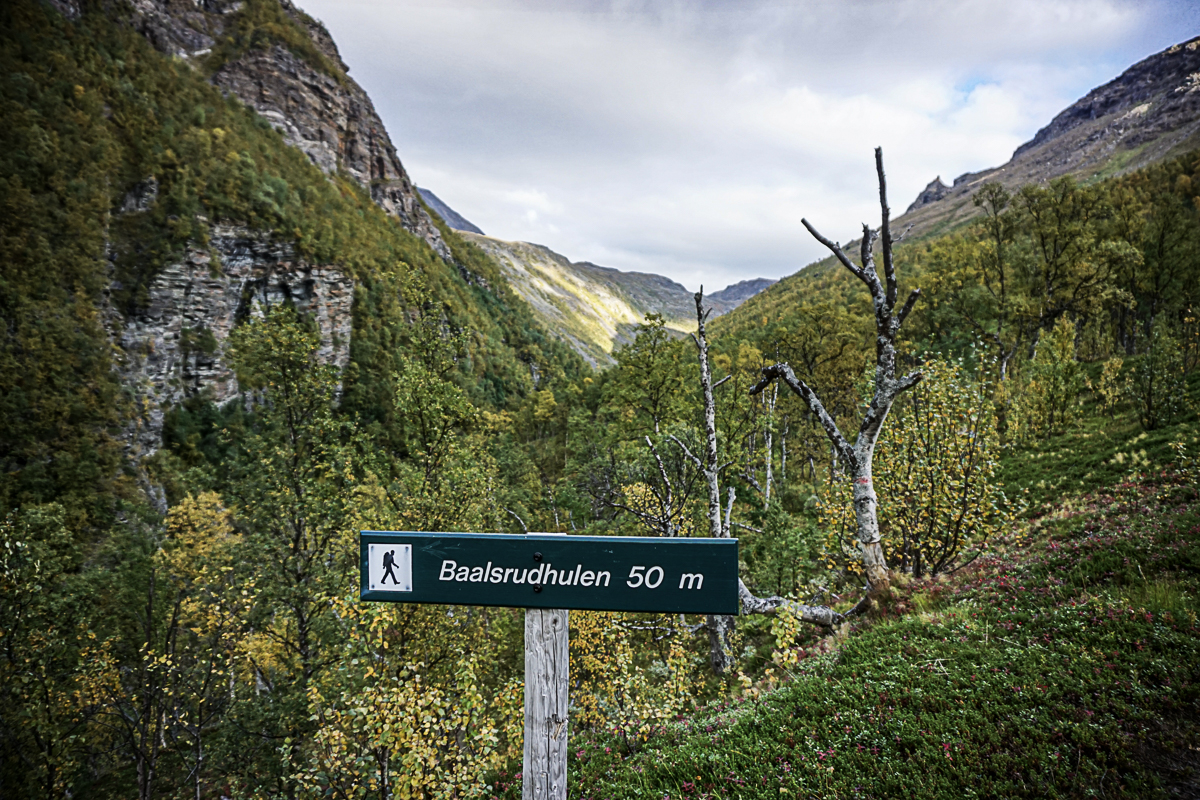
The incredible story of Jan Baalrud’s narrow escape is alive at the Lyngenfjord, and you can follow his route from the coast to this little valley
Trondenes, Harstad, and the giant cannon
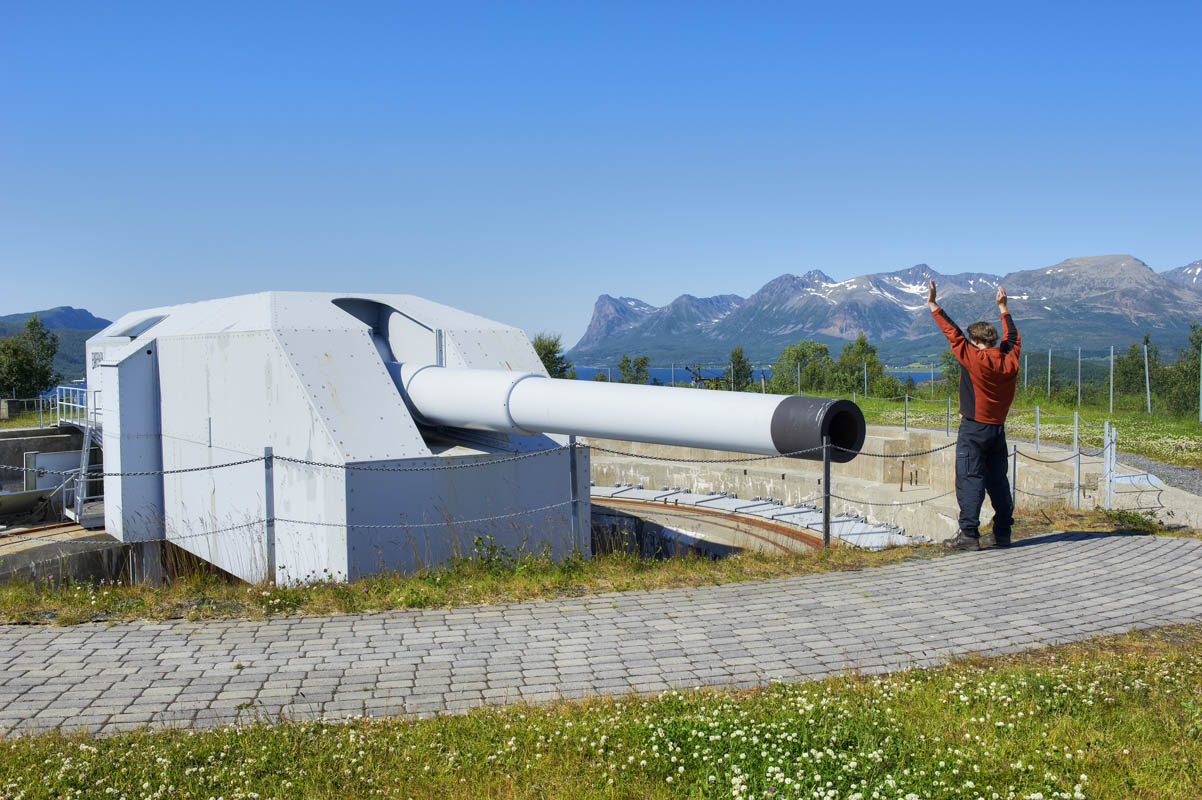
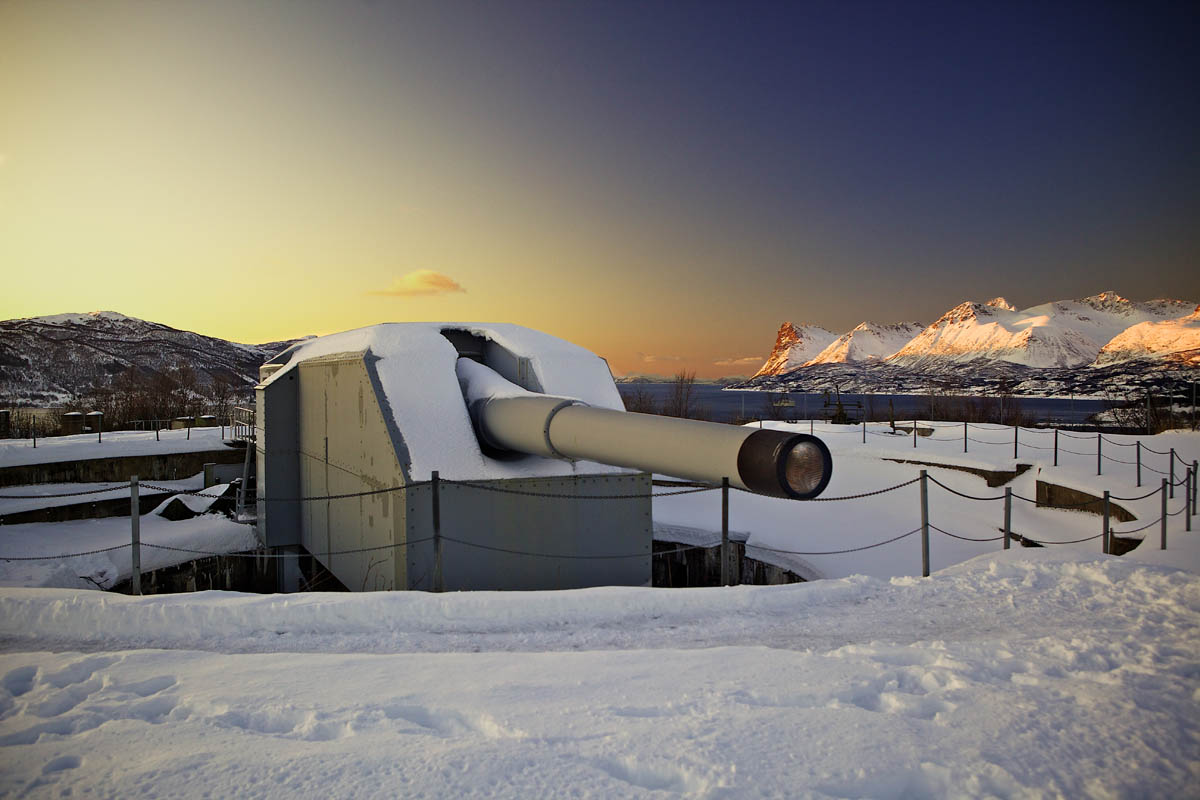
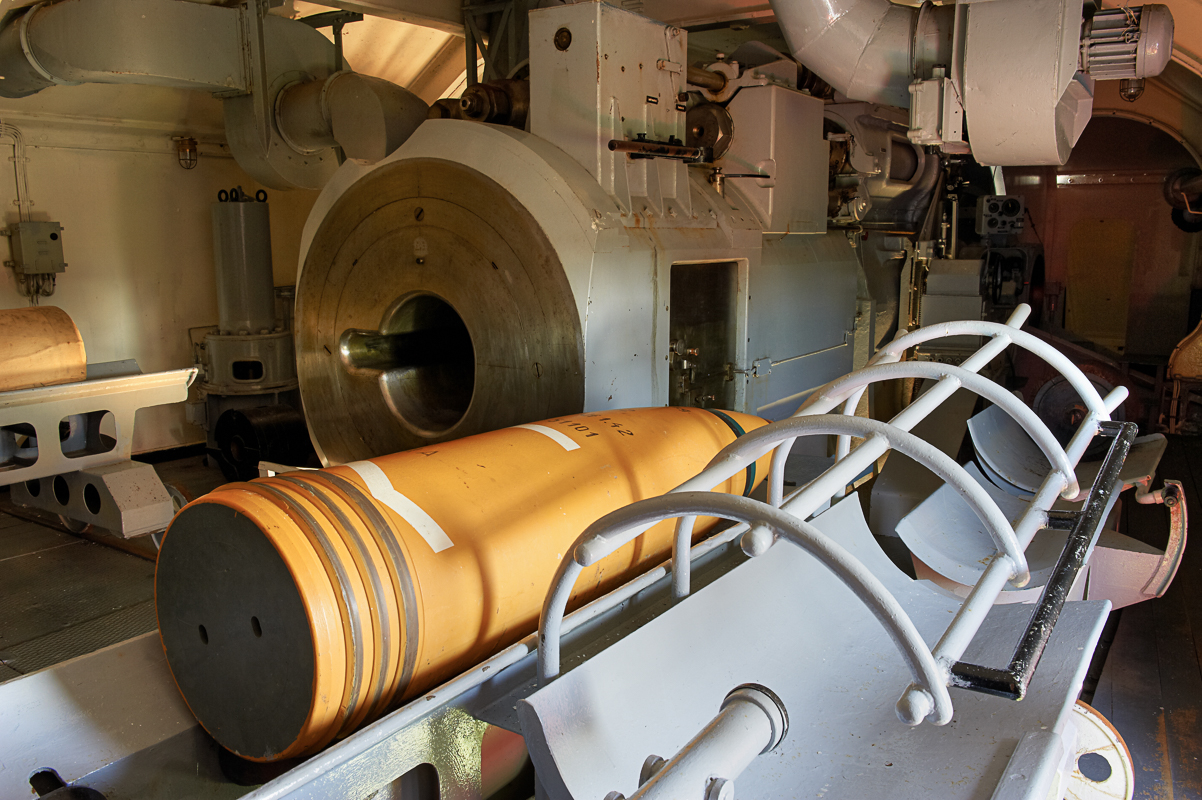
The Adolf gun – on the biggest of the war – guards the waterway to Narvik
Tjøtta and the war cemetary
Soviet POW’s that died in Northern Norway were buried at the Tjøtta International War Cemetary
Kiberg and the Partisan Museum
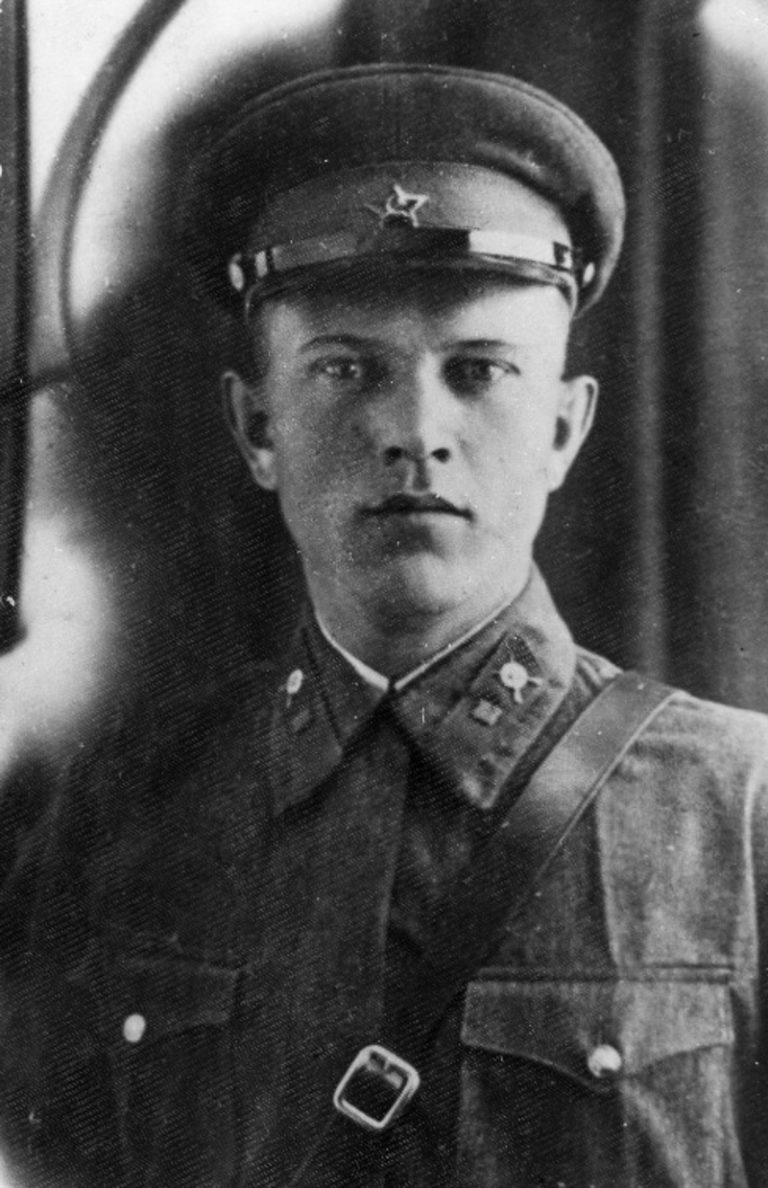
The brave young men and women enlisted by the Red Army, the Partisans, have their own museum in the old school at Kiberg
Hammerfest and the Museum of Reconstruction
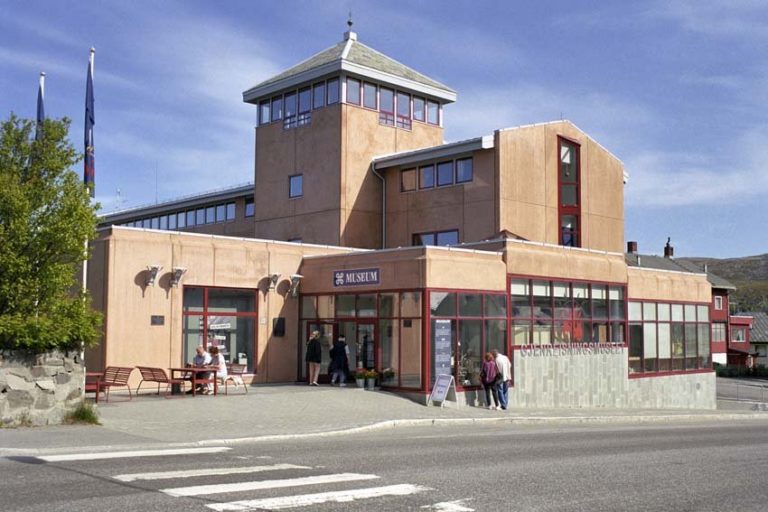
The Museum of Reconstruction tells the whole story of the destruction of northernmost Norway and how it was reconstructed. Hammerfest city is a good example of reconstruction architecture
Svolvær and the 1941 raids
The Lofoten War Memorial Museum has documentation on the British raids on Lofoten in 1941, and is full of war memorabilia
Hellemobotn and the refugee route
In Norway’s narrowest waist, a path used by refugees and their Sami guides leads across the border to Sweden
The Lyngen Line up in the mountains
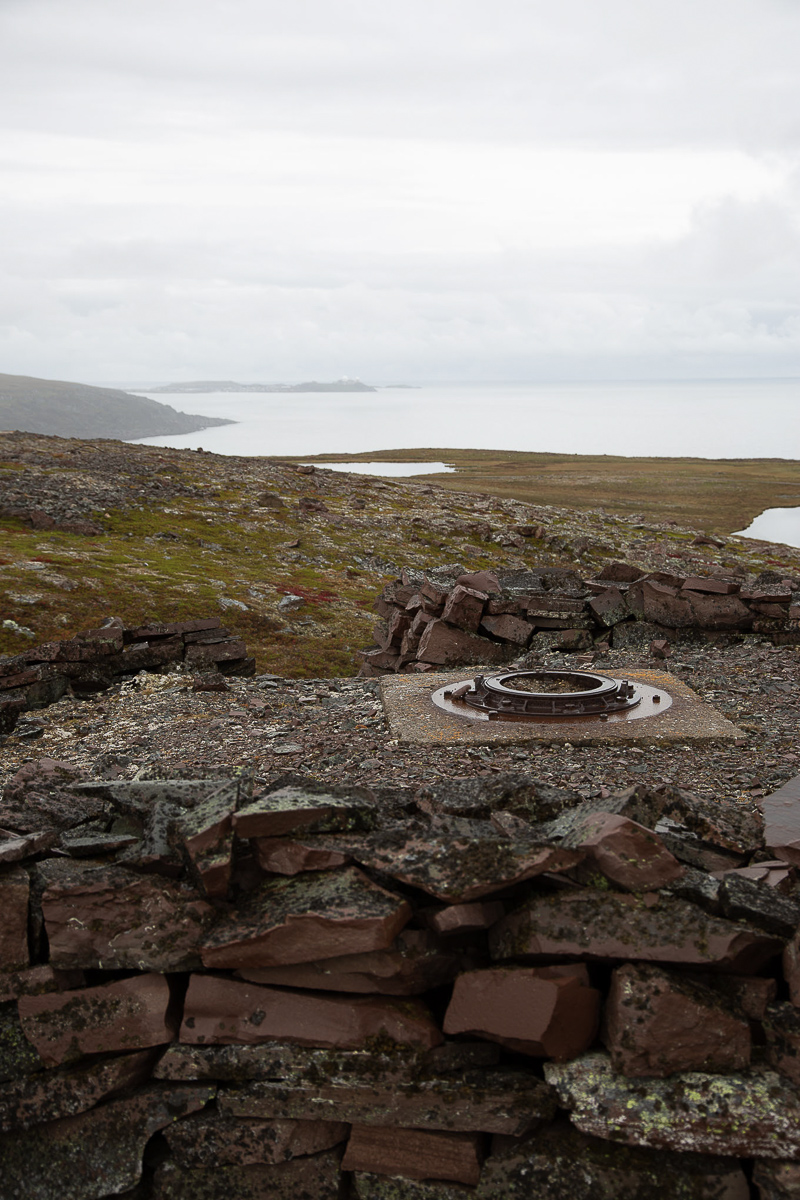
A defense line was built late in the war by Soviet prisoners of war in utter darkness and cold
Kåfjord, Alta, and the Tirpitz Museum
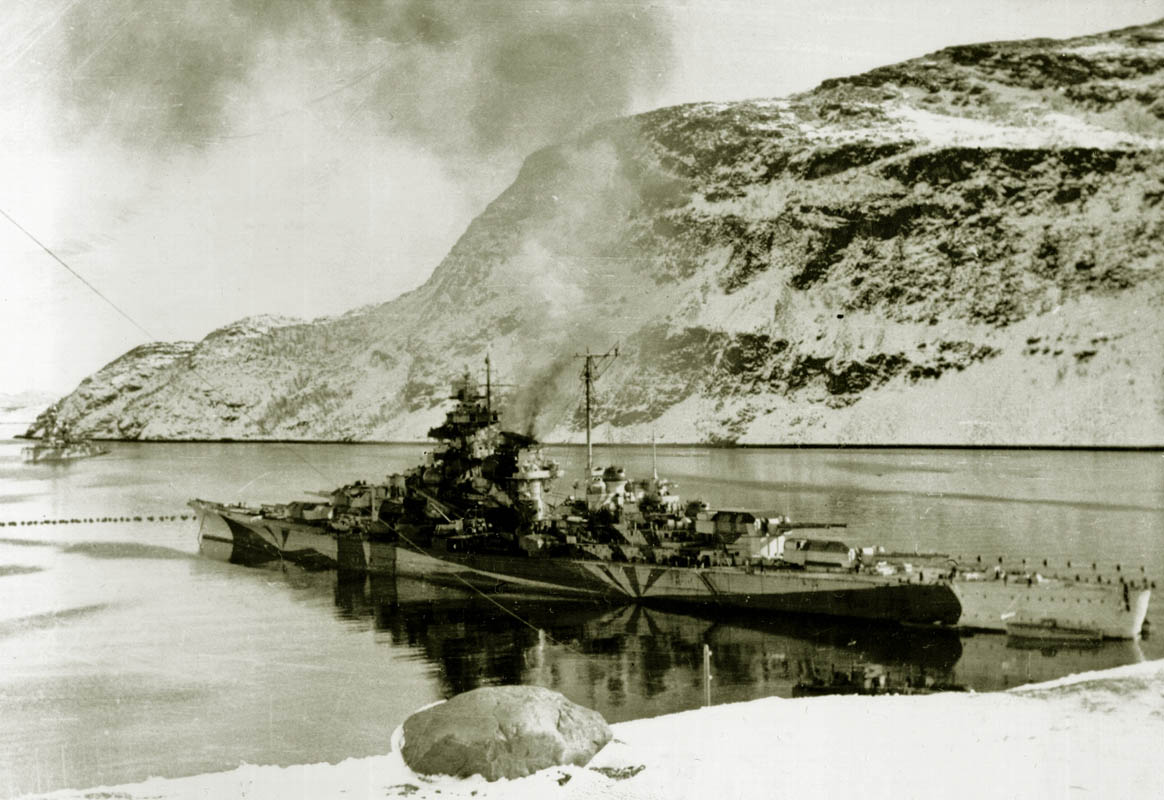
Small museum at the location where the “Tirpitz” was moor for 3 years
Rognan and the Blood Road Museum
The inhumane and cruel conditions the Soviet and Serbian POW’s lived under when constructing roads and railways are documentet where it happened
The battle of Narvik
It all started in Narvik
On the 9th of April 1940, a German fleet slipped undetected into Narvik’s port. Narvik surrendered, and Austrian mountain troopers were landed. However, Norwegian troops went into position along the railway, and the British Royal Navy attacked the German fleet at Narvik’s port, destroying all the vessels by the 13th of April. Hitler’s troups were thus isolated. Attempting to expand their bridgehead, they engaged in heavy fighting with Norwegian troops. By the 24th of April, the Norwegian troops were able press the Germans back from Gratangen north of Narvik.
Hitler’s first defeat happened in Narvik
Allied troops, British, French and Polish, landed around Narvik in May 1940. The German bridgehead was reduced rapidly, and on the 28th of May, Narvik was liberated. Most of the city was by then reduced to rubble. Only a small pocked along the Narvik-Sweden railway was under German control by early June. Surrender was imminent.

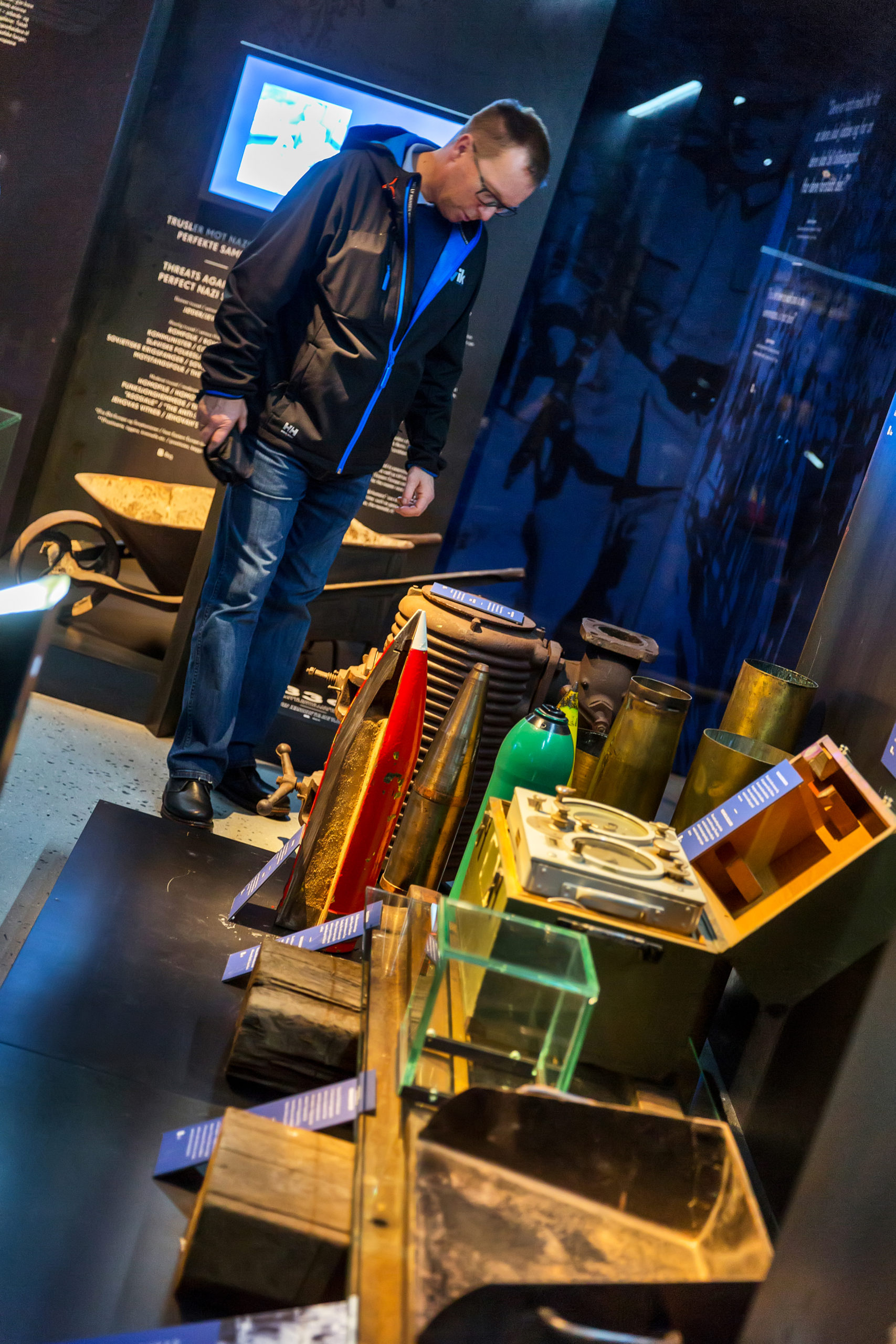
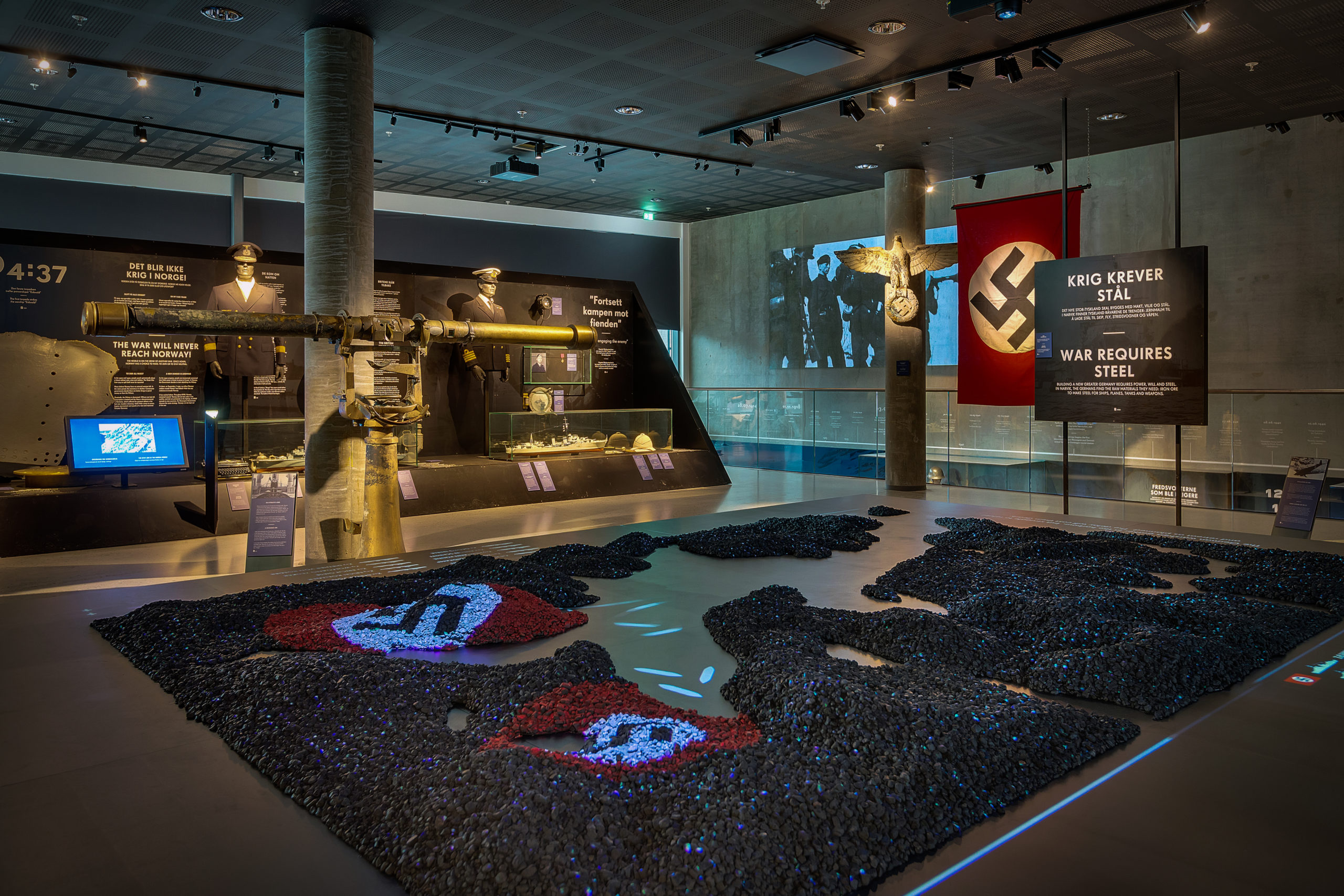
Northern Norway was occupied last
While the battle of Narvik was raging, the Norwegian government escaped occupation in Southern Norway and went up north. By May, the king and government were found in the Tromsø area. On the 27th of May, Bodø was bombed, and the entire central area went up in flames. In view of the precarious situation for the Allied on the battlefields of France, the British and French decided to withdraw from Norway. The Norwegian government decided to continue the struggle from Britain, and at the 7th of June the Norwegian government went in exile from Tromsø. The arms were laid down.
Northern Norway was heavily fortified
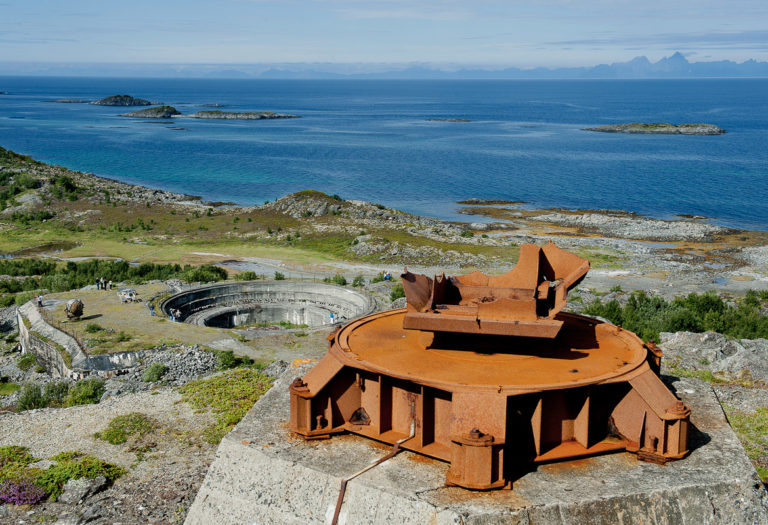
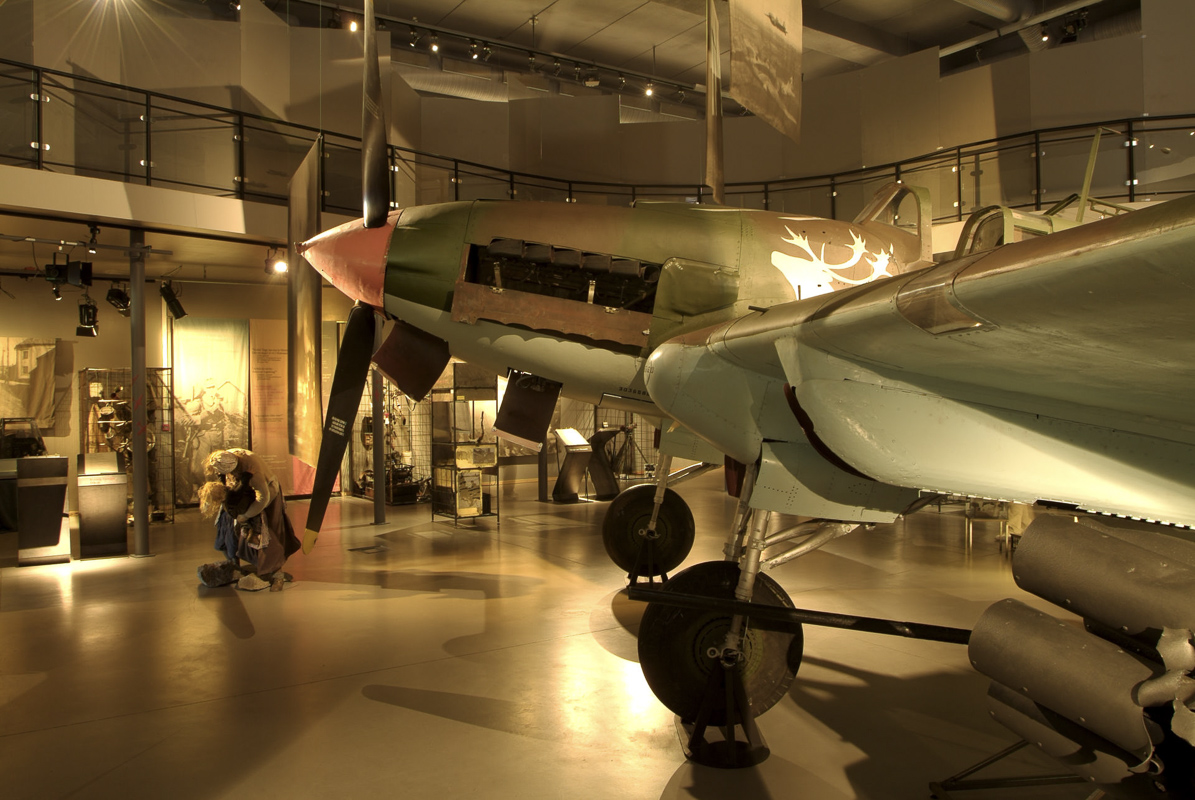
To the occupying Germans, Northern Norway was both of the outmost strategic importance and a challenge to hold on to. The Allied managed to inflict considerable damage to the Germans in several raids on the Lofoten islands in 1941. To secure the important iron ore transport from Narvik, a series of gigantic forts were built, armed with the biggest guns of WWII. The heavy work was done by Soviet prisoners of war, working under appalling conditions. Along the entire coast, bunkers were built to warn off an allied landing.
Germany invested heavily in the North
Occupied Northern Norway was buzzing with activity. Troups were everywhere, often outnumbering the locals. Bunkers, baracks and harbours were built. The road system was improved, and the Nordland railway was expanded further north. This created jobs for the locals, and fish and agricultural products could be sold at good prices. The Soviet and Serbian prisoners of war, however, paid the price.
Nazi occupation meant dictatorship
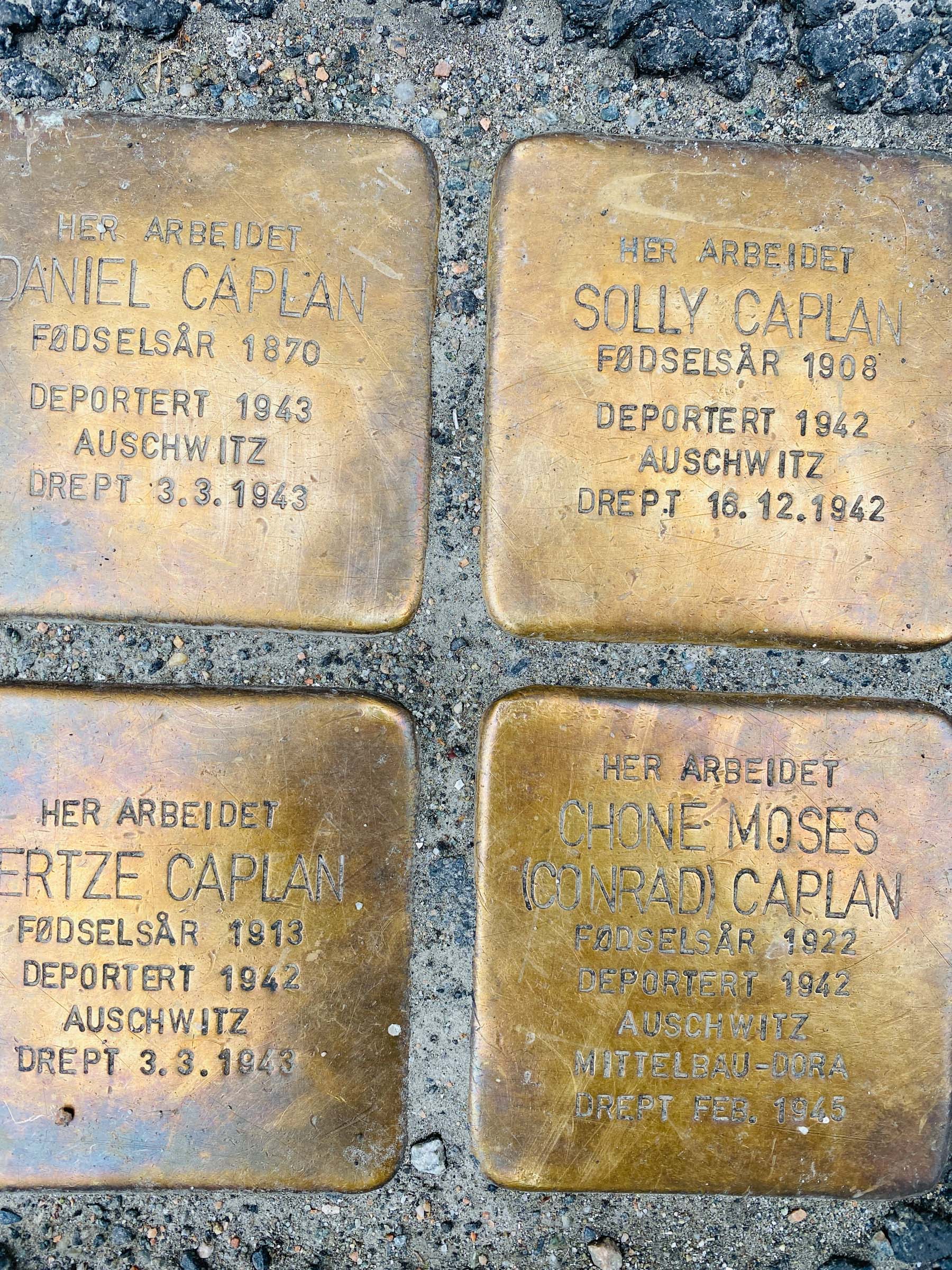
The Nazi takeover of Northern Norway meant an authoritarian society with no freedom of expression was imposed. The press, the police, the church, the judiciary system, sports and culture – the Nazi occupiers and their Norwegian collaborators used them all as instruments. In 1942, the antisemitic policies of the third Reich reached the minuscule Jewish communities in the north; some Jews from Northern Norway succeeded in reaching safety in Sweden, others were transported to the concentration camps in Poland. All the latter died.
Kirkenes was right on the frontline for three years
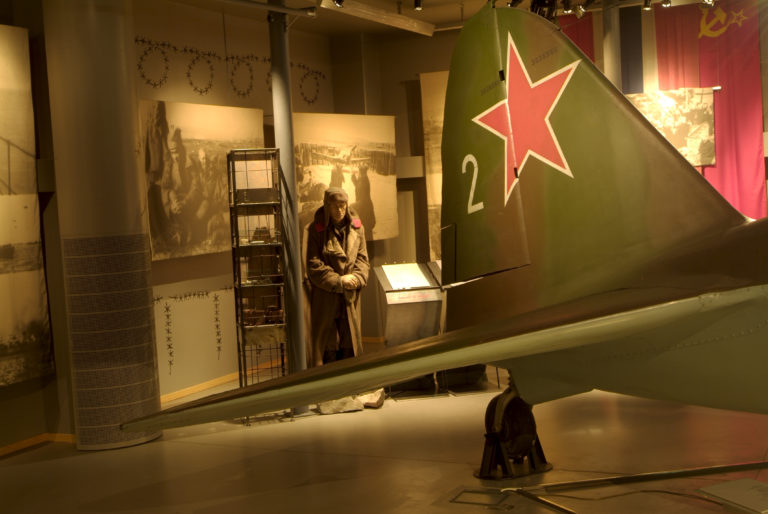
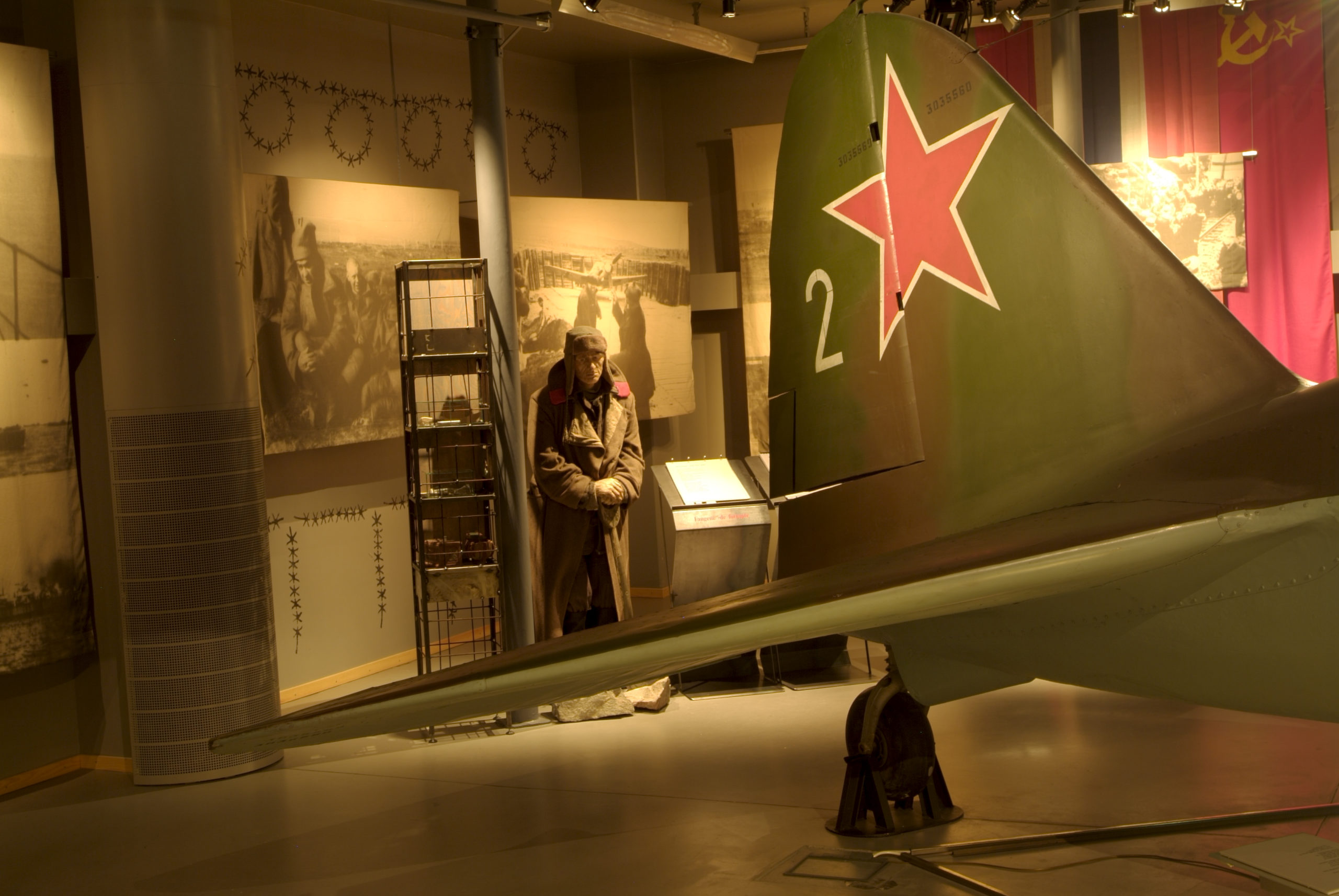
Operation Barbarossa, Hitler’s attack on the Soviet Union, happened on the 22nd of June 1941. The frontline went from the Black Sea to the Barents Sea. The front froze east of Norway’s border town Kirkenes – in the Litsa Valley – and remained largely unchanged for three years. Kirkenes was the German centre of operation and was bombed 323 times between 1941 and 1944.
The Murmansk convoys were a dangerous mission
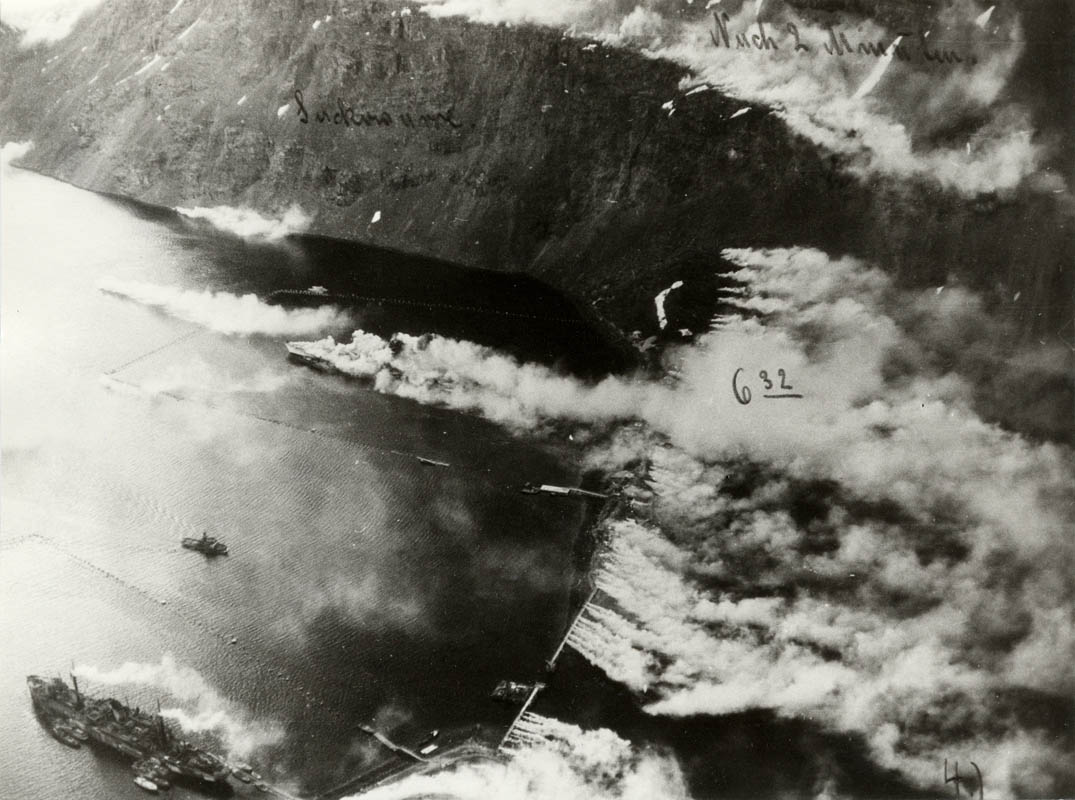
To reinforce the Soviet war effort, the Allied sent convoys of cargo vessels full of weapons and ammunition, guarded by war ships, from Iceland in a wide circle north of Northern Norway to the Soviet port of Murmansk. To counter this, the Germans stationed some of its biggest war ships in Northern Norway. In 1943, the mining towns and settlements in Svalbard were bombed and ruined by these ships. At the battle of the North Cape on Boxing Day 1943, the German battleship “Scharnhorst” was sunk, killing 2000 men. The “Tirpitz” were attacked repeatedly, before being finally sunk in November 1944.
Resistance was met with brutality
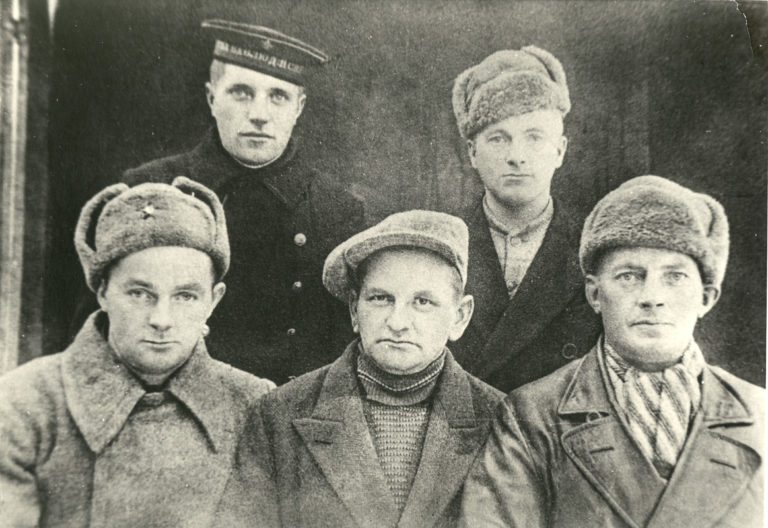
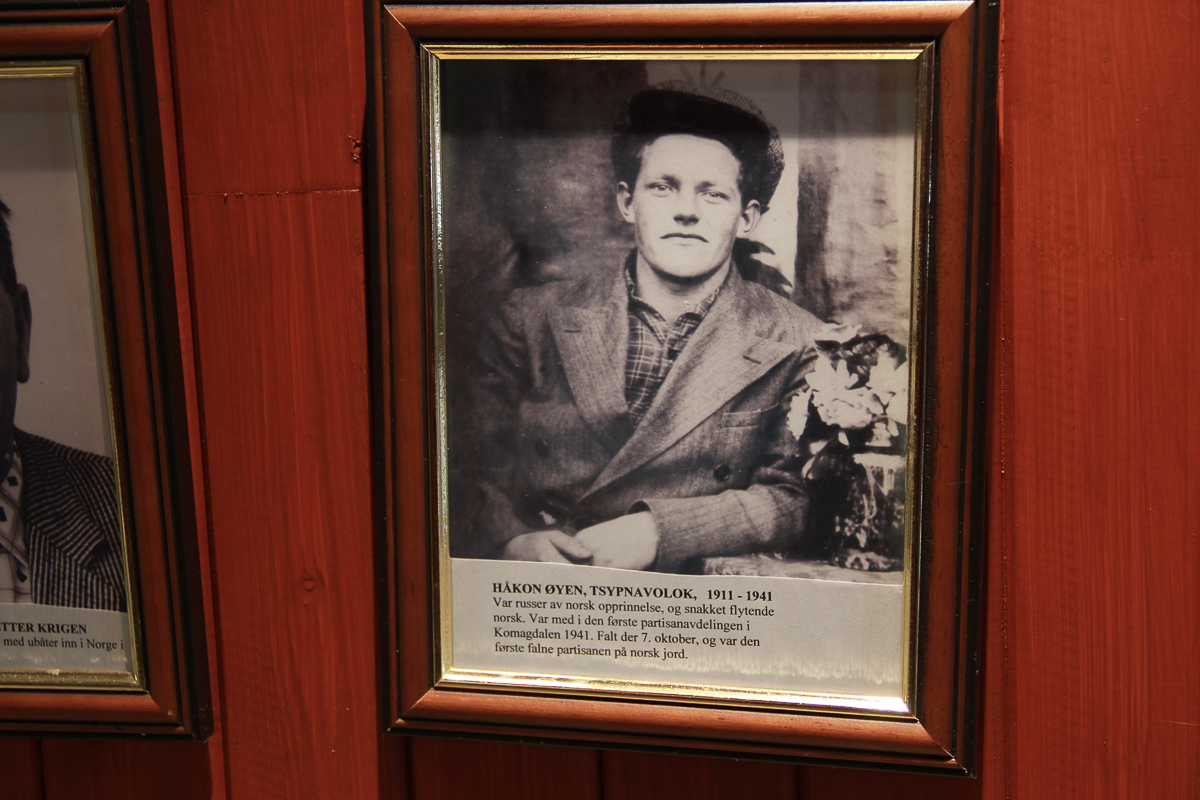
As the war moved on, resistance groups started to form across Northern Norway. The Nazi response was brutality and terror. Young men and women from Kiberg near the Soviet border escaped, were trained in the Soviet Union and returned to act as informers on the Nazi whereabouts. They could rely on support from the local population. However, many were discovered and shot. In 1942, a resistance group was discovered in Majavatn, in Northern Norway’s far south and 24 men were executed. In 1943, a sabotage mission from England north of Tromsø ended in disaster, with 11 men killed or executed. However, the 12th man, Jan Baalsrud, escaped to Sweden with the help of the local population. This story has been turned into a film twice.
The Red Army liberated Kirkenes in 1944
By late 1944, the Axis positions on the Murmansk front were hard pressed. On the 25th of October, the Red Army liberated Kirkenes, and the civilian population could come out of the mines where they had stayed for three weeks. In all haste, the easternmost areas of Norway were abandoned, and the bridge over river Tana was blown up on the 7th of November. The Soviet advance stopped here.
The far north was totally destroyed
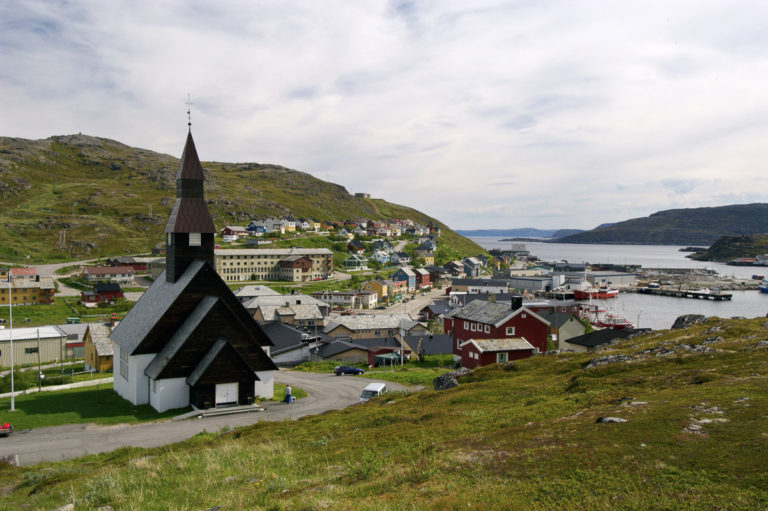
At the end of 1944, the Germans established a new front just northeast of Tromsø, the Lyngen line. The bunkers along the line were built in extreme cold and darkness by Soviet slave workers on minimal food rations. Everything north and east of this line was burnt and destroyed. The population was forcibly evacuated and housed well south of the new frontline. Many people resisted the forced evacuation and hid in caves away from the destroyed settlements. The destruction of the far north destroyed the visible history and inflicted huge suffering on the population.
Reconstruction changed the face of the north
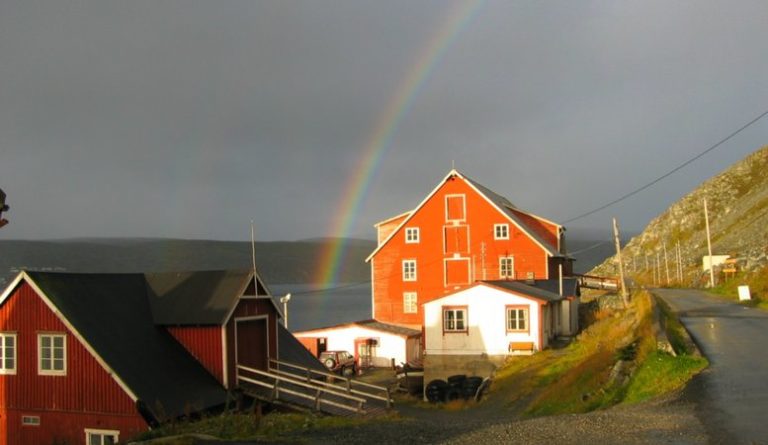
From 1945 on, the devasted areas of the far north as well as the bombed cities of Narvik and Bodø were rebuilt in accordance with modern ideals. Both fishing and mining boomed, and a new Finnmark emerged from the ashes. Anything from family photos to traditional costumes and architecture was lost, and this part of Northern Norway has today a modern face.