
Northern Norway used to be a long way from all the conflicts in Europe, and there was never any particular military presence here. The young men of Nordland, unlike those further south, were never called up for military service either. However, things started to change at the end of the 19th Century; Norway was preparing for independence from Sweden, and the iron ore railway line from Kiruna to Narvik, completed in 1902, made the area more interesting from a strategic point of view. Immigration from Finland was also seen as a danger to the territory.
General conscription ebbed and flowed
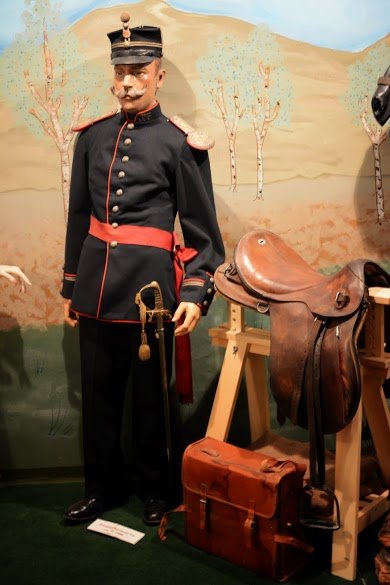
When general conscription was introduced in Northern Norway in 1897, a parade ground was created at Setermoen. The recruits were called up for a few weeks in late summer, carefully timed to avoid the haymaking season. However, activity increased during World War I, when Norway was afraid of becoming drawn into the European conflict. From the 1920s, things quietened down again, and it was only at the end of the 1930s when tensions increased in Europe that more troops were mobilised.
Stermoean was once the Norwegian army headquarters
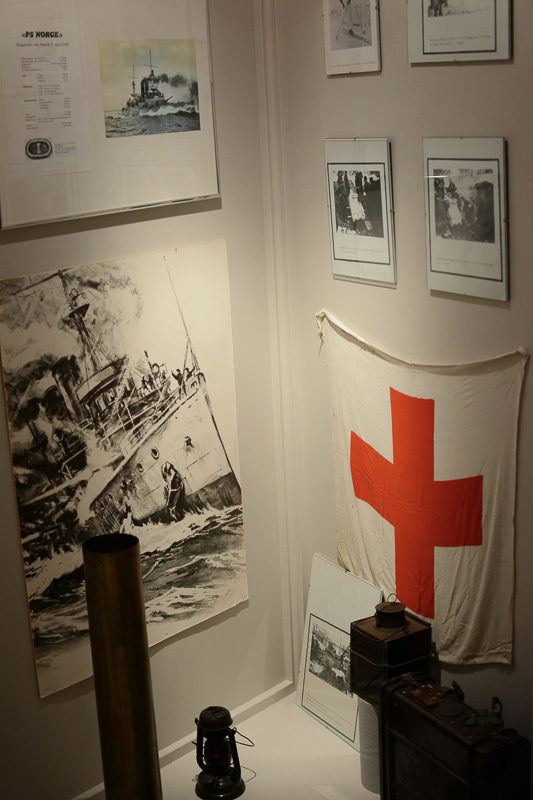
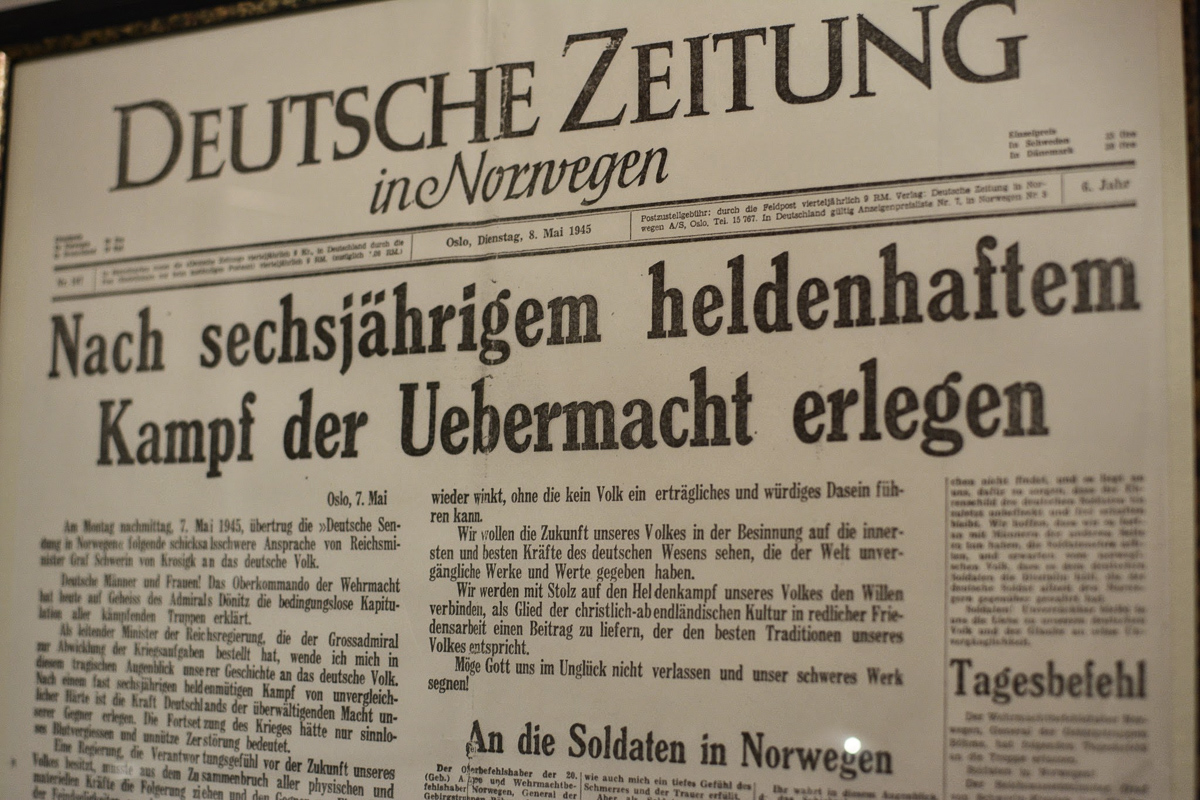
German troops occupied the port used for the export of iron ore in Narvik on the morning of 9th April 1940. Over the next few weeks, the German bridgehead was gradually extended. Norwegian army action was coordinated from Setermoen, and with invaluable help from Britain, France and Poland, Norway took Narvik back on 28th May. However, on 7th June, the Norwegian resistance surrendered, and the whole country was occupied.
All aspects of World War Two are laid out to see
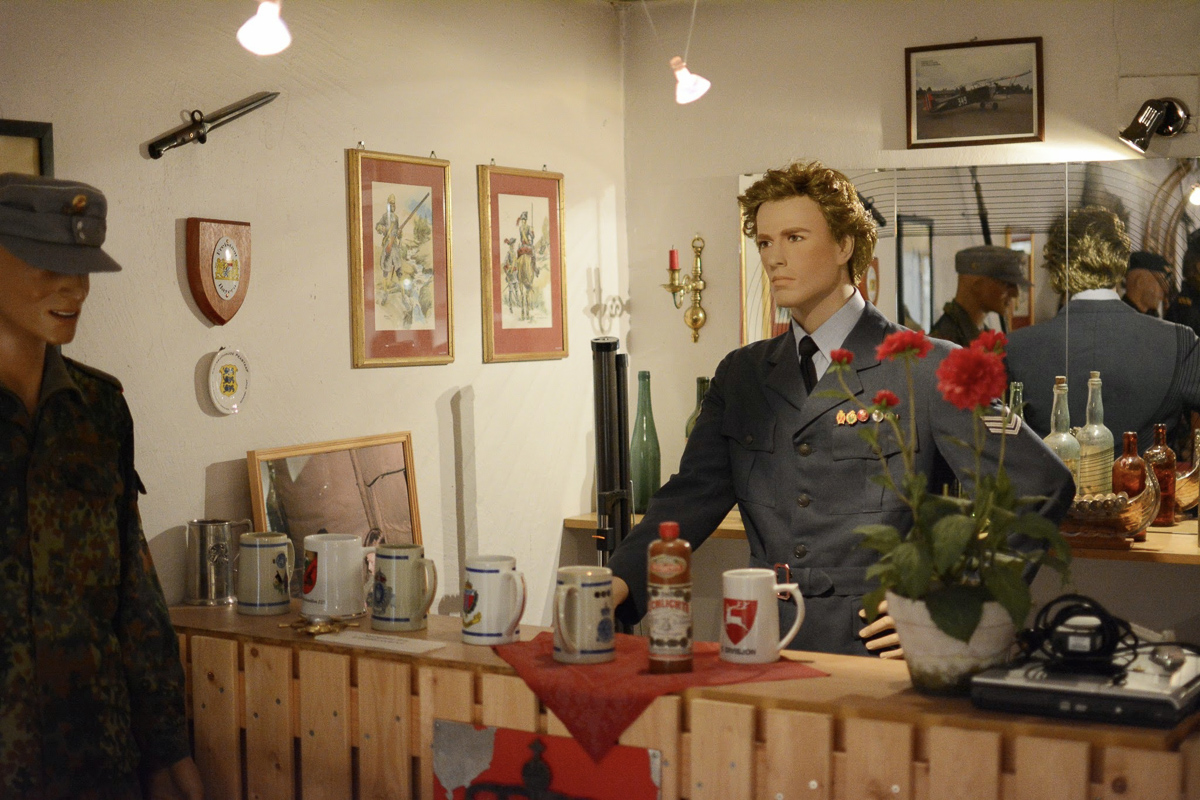
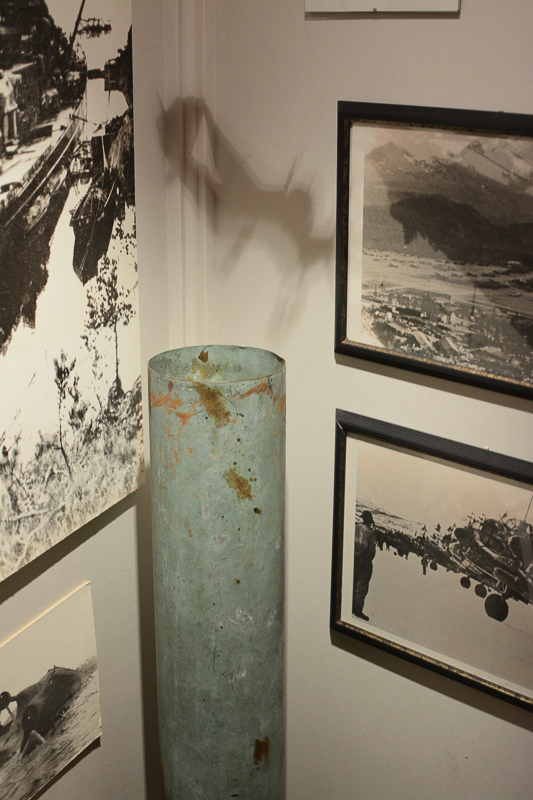
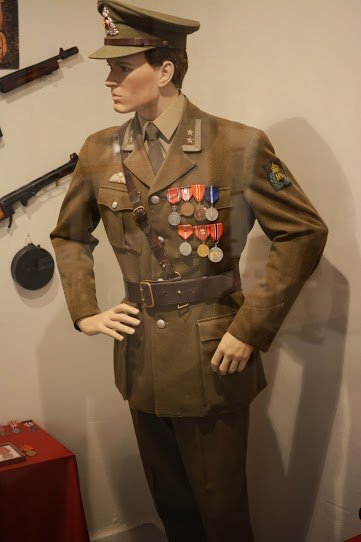
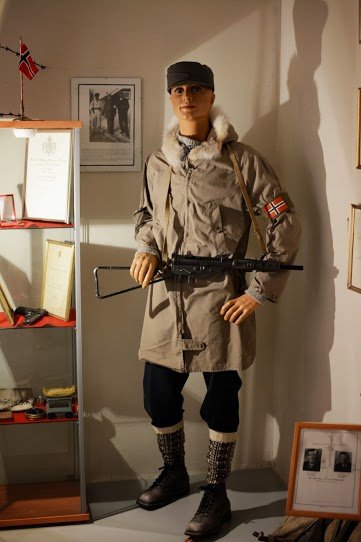
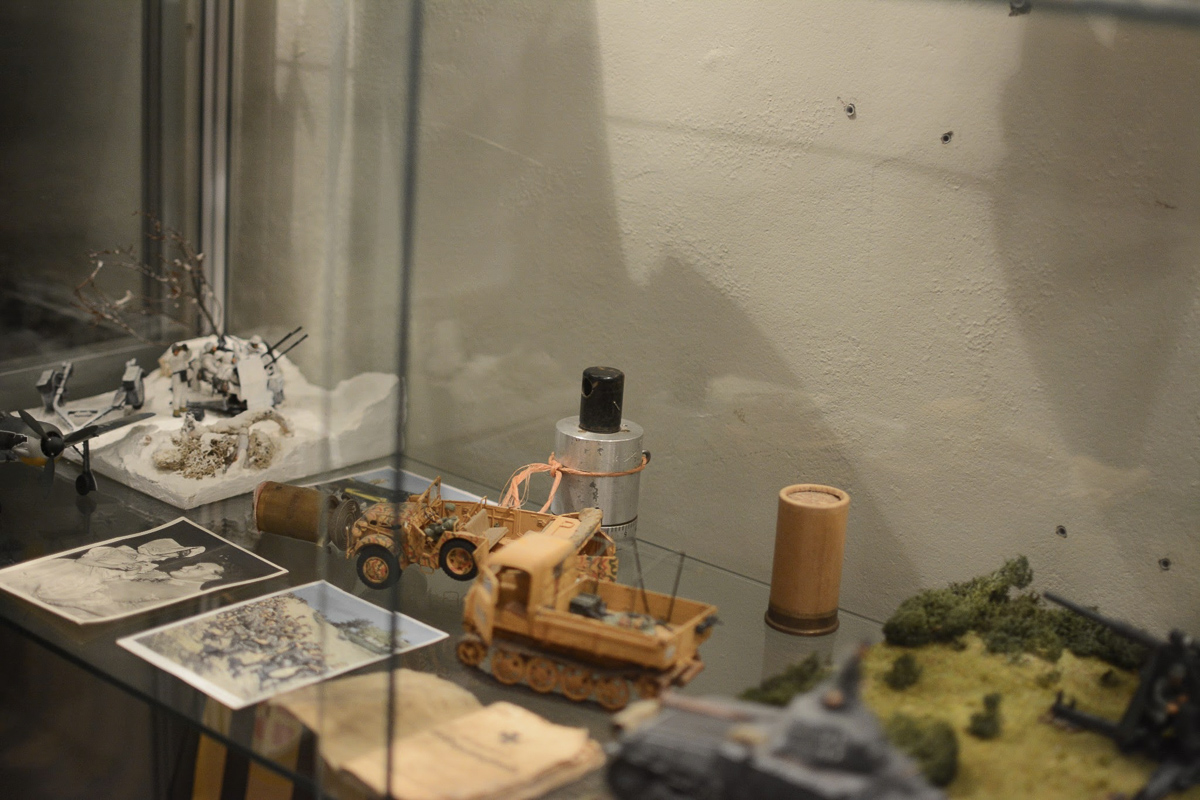
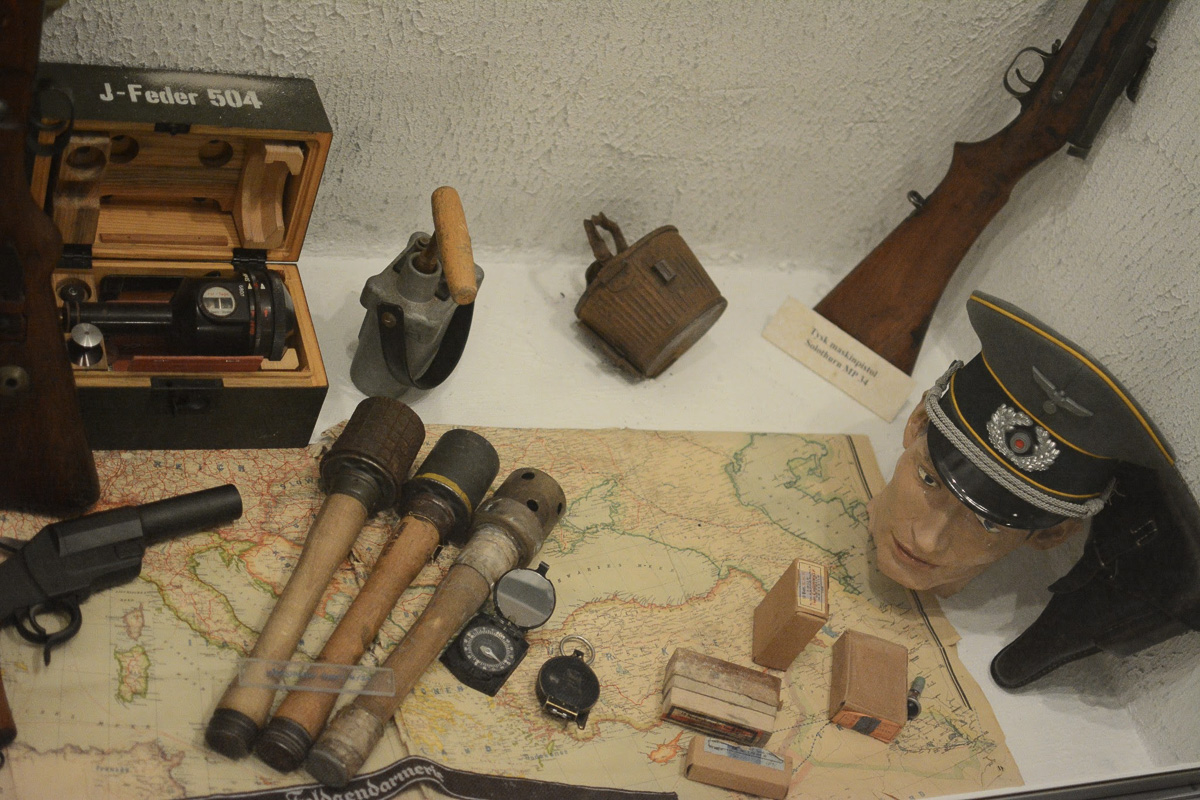
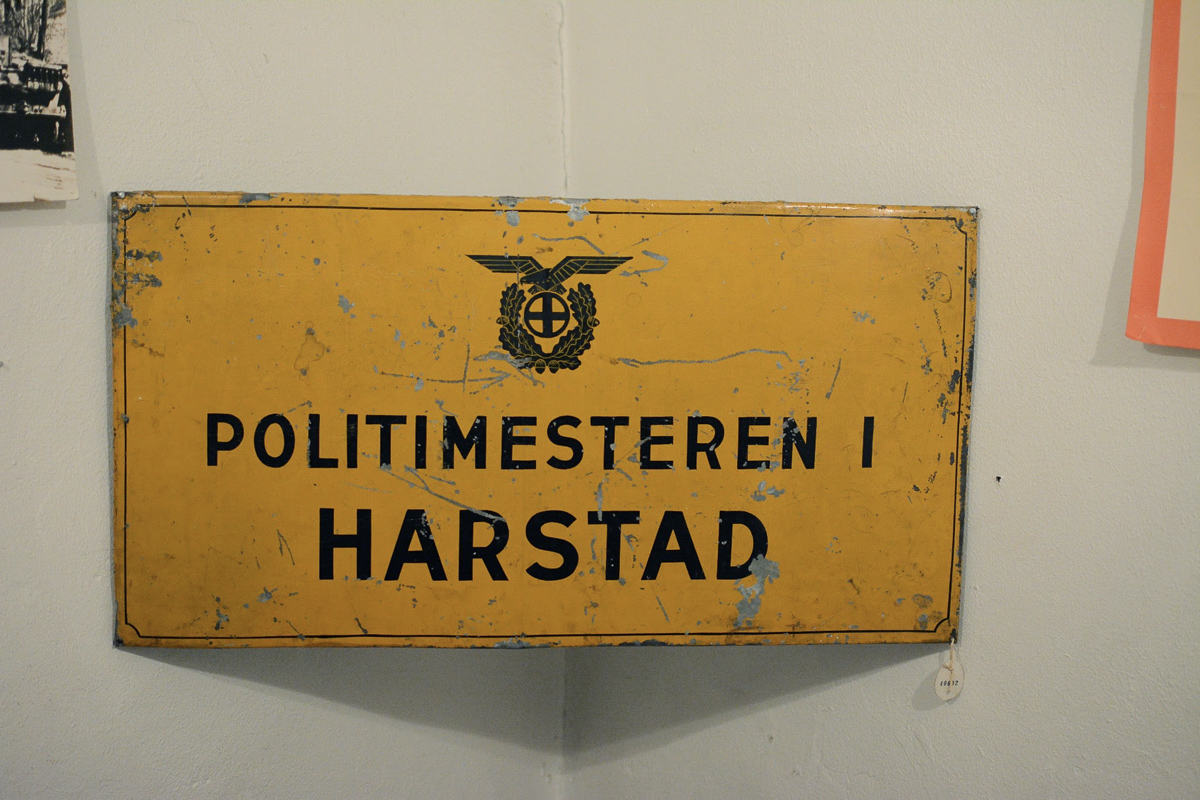
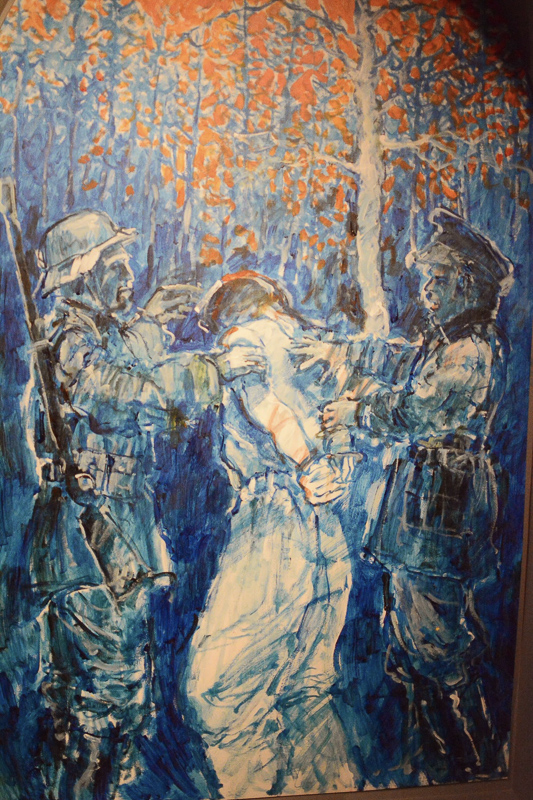
The Military Museum in Setermoen looks at many aspects of World War II, including the soldiers from Inner Troms who served in the Canadian Army, the sinking of the Tirpitz battleship and the labour camps for Russian prisoners. The resistance groups in Troms worked ceaselessly, and this came at a price. A tree trunk where two members of the resistance were executed is on display in the museum.
‘Kari’ was Norway’s spy centre
From 1943, the Norwegian politicians in Sweden ran an intelligence station known as ‘Kari’, just over the border from Setermoen. Most of the resistance efforts were centred around this station, and the area’s Sami reindeer herders played a vital role in communication across the border.
The Northern Brigade served to delay invasion
After World War II, Norway built up an effective military force that would enable it to defend Norwegian territory. It inherited some of its equipment from the German forces and was also given a lot by America as part of the Marshall Plan. The biggest threat was the Soviet Union, and Inner Troms, with Setermoen at its centre, was a focal point. In 1953, the Northern Brigade was formed, which continued until 1996. Young men from all over the country did their National Service in Inner Troms, and at one time, Norway could muster an army of over 200,000 men. Its mission was to hold its position until Allied assistance arrived.
Winter exercises bring together the NATO countries to the area
Throughout the Cold War to the present day, soldiers from across NATO countries come to Troms to carry out large-scale winter exercises. Inner Troms offered tough winter conditions and plenty of room for manoeuvres, but under controlled conditions.
Don’t forget to see the ‘Krag’
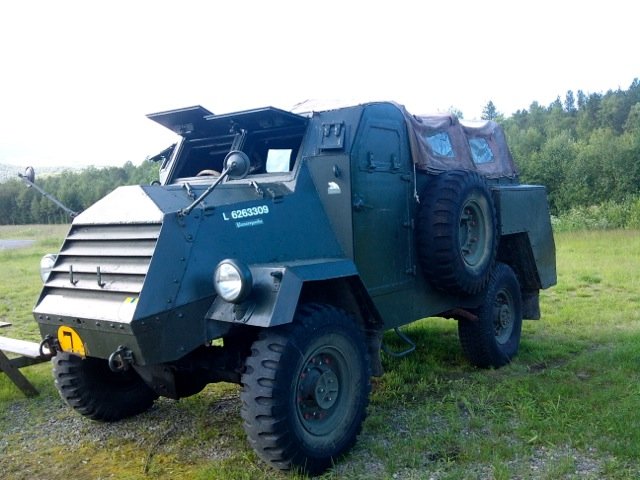
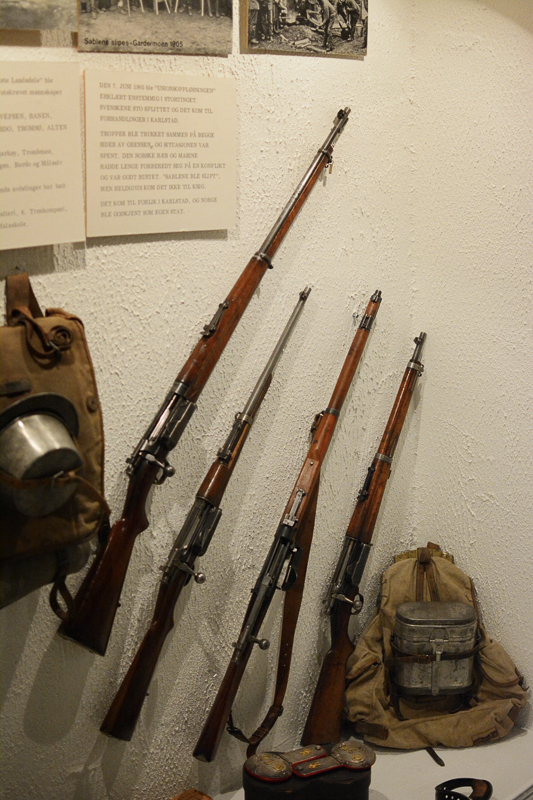
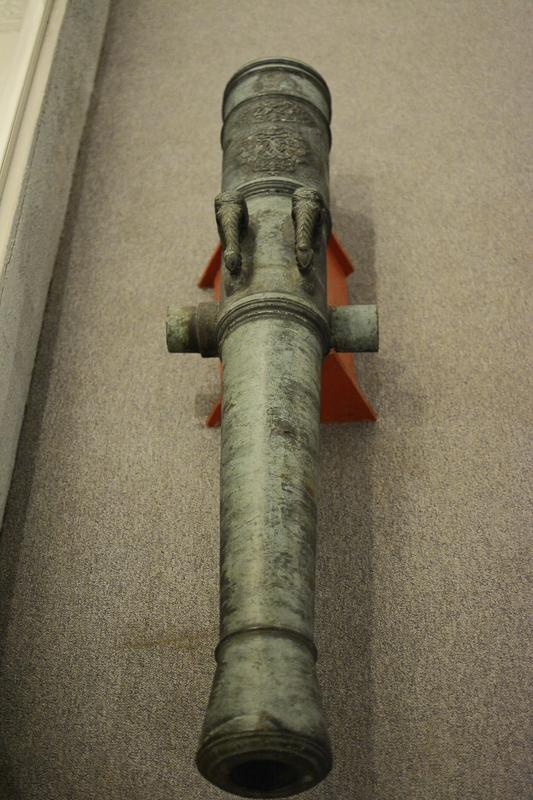
One room is dedicated to weapons, and contains weapons dating back to the 17th Century. The ‘Krag’ or Krag-Jørgensen rifle that dominated the Norwegian military from the days of Independence until World War II, gets a special place. In summer, military vehicles are displayed outside, including armoured cars, lorries and amphibious vehicles from the post-war years.
An eternal flame shines for those lost to war
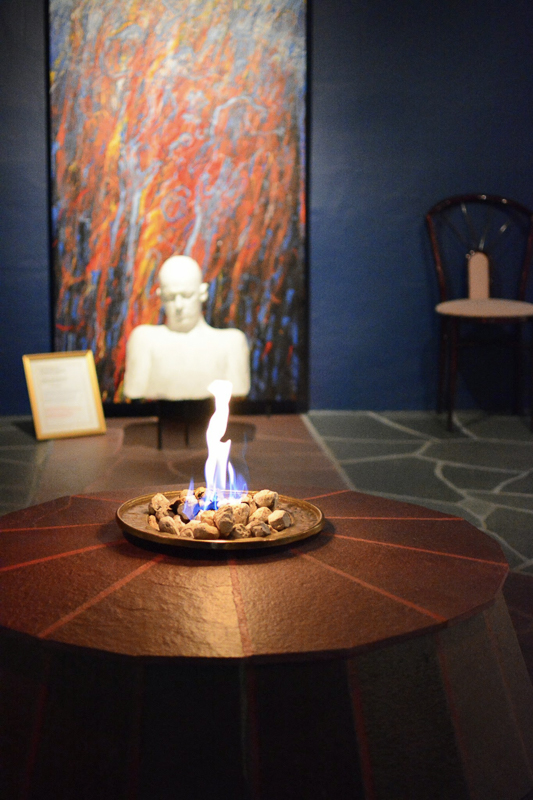
The human dimension of war has not been forgotten. The museum has a special memorial room, decorated by the artist Alvin Jensvoll. Around an eternal flame, those who died are remembered in evocative paintings – soldiers, civilians, naval servicemen, the borderless Sami, refugees and prisoners of war.

Visit Narvik
For all the information you need on visiting Narvik and its surrounding areas including Troms Military Museum, simply check out the Visit Narvik webpage.