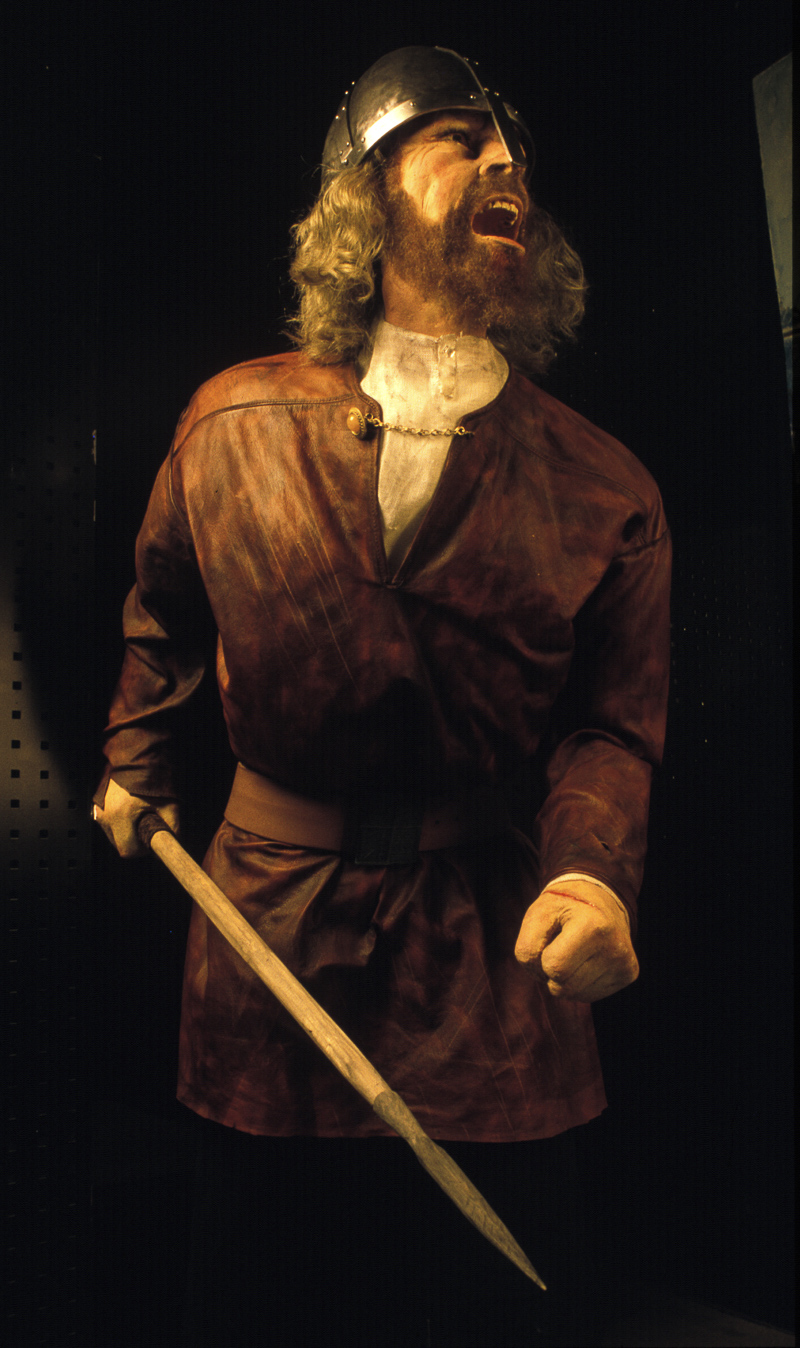
Netflix is full of Vikings these days. We simply cannot get enough of these brave warriors. Northern Norway had its share of the drama, and one of the major figures is Tore Hund. Tore Hund was a mighty chieftain from Bjarkøy near Harstad who resisted the attempts of Norway’s king to centralize power in the early 11th century. In the watershed battle of Stiklestad in 1030, he slew King Olav II. The conflict leading up to this violent end is full of drama and emotion. This is a guide to Harstad’s historic past, and where to go to find it.
Millennial Norway marks a thousand years of national history
On the 29th of July 2030, Norway will celebrate this legendary battle in a big way at Stiklestad. However, leading up to this, various historic sites around the country are commemorated. In 2023, the city of Harstad was the focus of attention. Both the historic peninsula of Trondenes just outside town and the Tore Hund island of Bjarkøy are the center of attention. The jubile is over, but you can still immerse yourself in the historic atmosphere and explore the sites on your own. Here, we show you how, after a little historical update.
Chieftains were local rulers
Iron Age Norway was characterized by a patchwork of chieftaincies. Prominent locations along the northern waterways were ruled by mighty clans, encompassing territories around. These clans possessed warriors and ships, allowing them to protect their lands. Alliances were formed with other clans, primarily through strategic marriages between their sons and daughters. Conflicts and disputes were common, often escalating into vendettas and blood feuds. In the 10th century, a centralized kingdom began to emerge, seeking to consolidate power. However, the chieftains were reluctant to surrender their authority to the king.


Bjarkøy was the northernmost chieftaincy
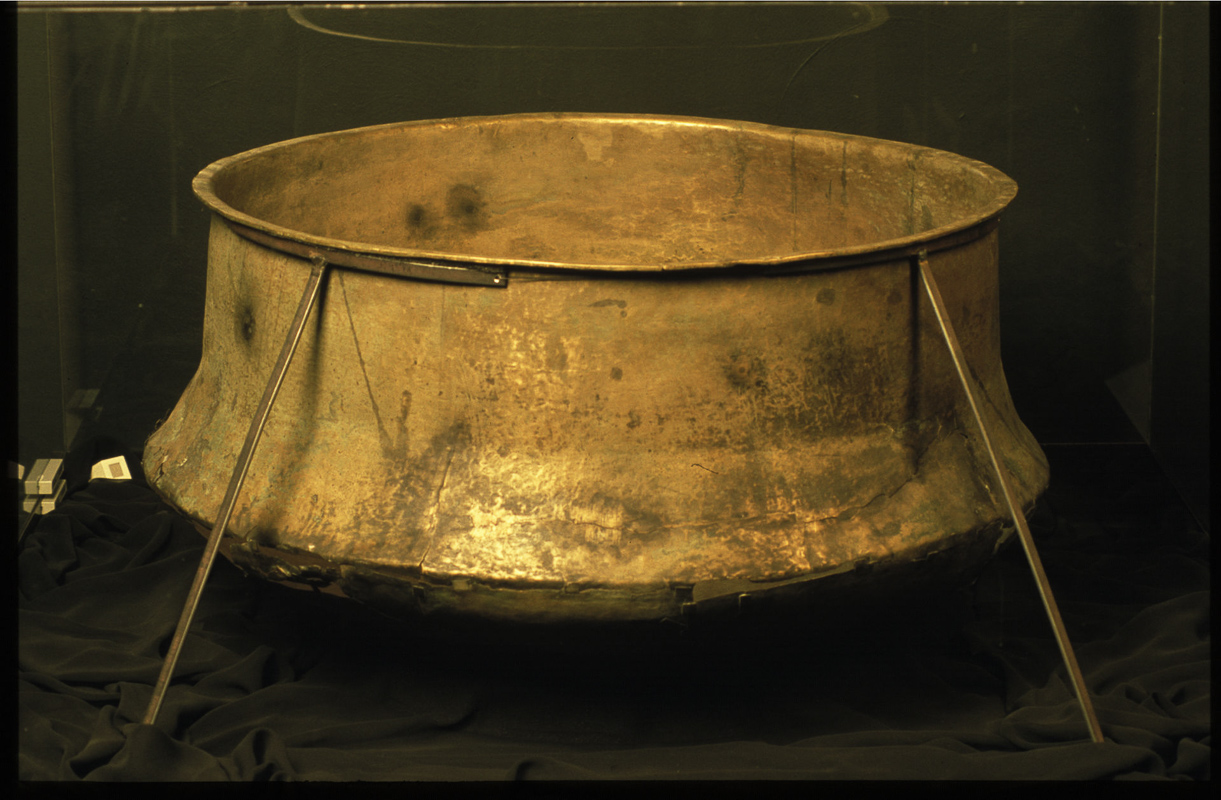
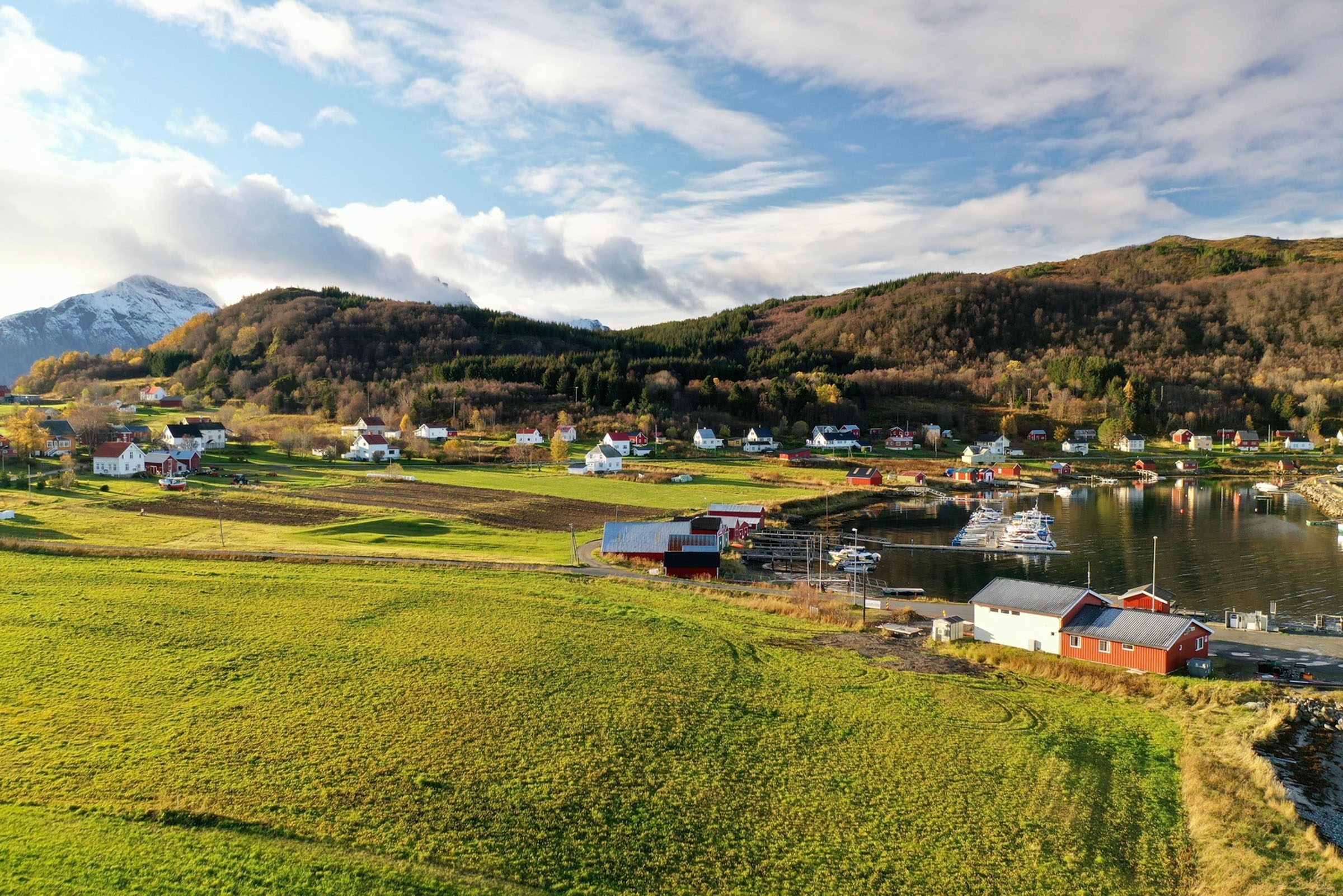
The small island of Bjarkøy is situated in the heart of Vågsfjord, providing convenient access to the larger islands of Hinnøya and Senja, as well as the southern waterways. It was strategically positioned along ancient trade routes that spanned the entire Norwegian coastline. However, the island’s most significant trade connections were with the Sami people residing in the inner fjords, along the interior trade routes, and extending northward beyond the North Cape. Trading with Uralic-speaking communities around the White Sea was also crucial. The Bjarkøy clan capitalized on these connections, trading valuable commodities such as fur from ermine, beaver, and lynx, as well as tusks, hides, and blubber from walruses. Their ability to transport these goods to Western European markets contributed to their wealth and influence.
Tore Hund was the northernmost ruler
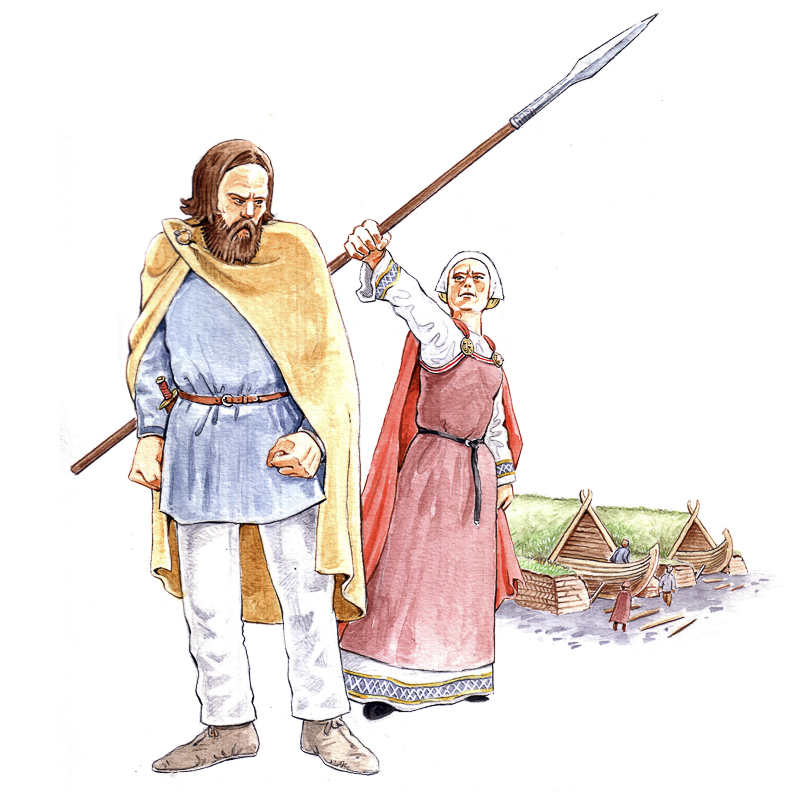
Around 980-990, Tore Hund, a Norseman by language and ethnicity, was born. There are indications that he might have had some Sami ancestry and possibly a Sami wife, suggesting that he had the ability to communicate in Sami. According to the sagas, Tore Hund not only led Viking attacks in the west but also conducted trade expeditions to the White Sea. In 1015, Olav II became the king of Norway and embarked on a mission to centralize power. His methods, combined with his Viking background, earned him many enemies among the higher aristocracy. Tore Hund formed an alliance with several powerful chieftains in the north and along the western coast to oppose Olav II’s centralization efforts.

Asbjørn Selsbane breached the royal embargo
Around 1020, a severe barley harvest failure occurred in the northern region. In response to the rebellious actions of the northerners, the king imposed a trading ban, prohibiting the sale of barley to the north. Tore Hund’s nephew, Asbjørn, ventured to Avaldsnes in the southwest in an attempt to purchase barley. However, due to fear of repercussions from the king’s representative, Tore Sel, no one dared to sell him any. Asbjørn took matters into his own hands and killed Tore Sel, who came from humble origins. Following this act, Asbjørn was able to buy the much-needed barley and return to the north, earning himself the nickname “Selsbane” or “slayer of Sel.”
Asbjørn met his death
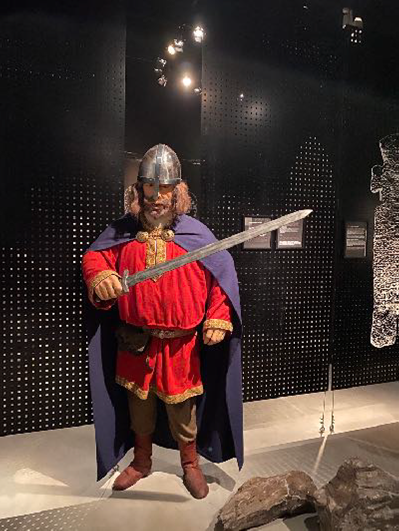
However, around 1024, the king sought revenge for the death of Tore Hund’s nephew. One of the king’s men killed Asbjørn while he was on a mission in Lofoten. The sword that was used to kill Asbjørn was presented to Tore’s sister, Sigrid, at Trondenes. Sigrid showed the sword to Tore, urging him to avenge their son’s death. In Viking society, blood feuds and vendettas were deeply ingrained in the moral code, and failing to seek revenge would bring shame and be seen as an act of cowardice. The conflict between Tore Hund and the king was intensifying.
This is where it all happened!
The king fled, and returned
In 1028, King Olav II was dethroned during the local assemblies known as “things,” due to pressure from the aristocracy. Instead, King Canute of Denmark and England ascended to the throne as the king of Norway. Olav sought refuge in Holmgard, the Norse-Slavic city of Novgorod. However, in 1030, Olav returned with a following, determined to reclaim the crown. At Stiklestad, near the Trondheim fjord, a powerful army led by the aristocracy awaited his arrival.
Tore Hund got his revenge
On the 29th of July, Olav’s warriors encountered the Norwegian army led by the aristocracy on the battlefield. True to his obligation, Tore Hund fulfilled his duty by striking down King Olav with the sword that had claimed his nephew’s life.Despite the violent encounter, the countenance of the fallen king remained peaceful, as if he were in a tranquil slumber. Tore took it upon himself to attend to Olav’s body and ensured that he received a proper Christian funeral in Trondheim.
Tore went to Jerusalem, Olav became a saint
According to the renowned Icelandic saga chronicler, Snorri Sturluson, Tore Hund embarked on a pilgrimage to Jorsal (Jerusalem) and never returned. Nevertheless, his clan, the Bjarkøyætta, thrived and remained one of Norway’s prominent landowning and aristocratic families for six more centuries. Remarkably, miracles began occurring at King Olav’s tomb, and over the following three centuries, a Gothic cathedral was constructed above his grave. In the Middle Ages, it became a significant pilgrimage site in Europe.
Where do you look for the history of Harstad?
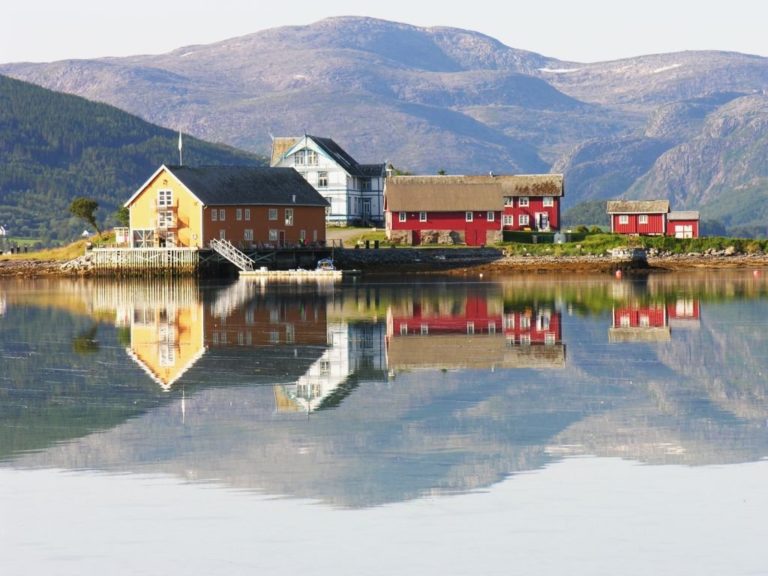
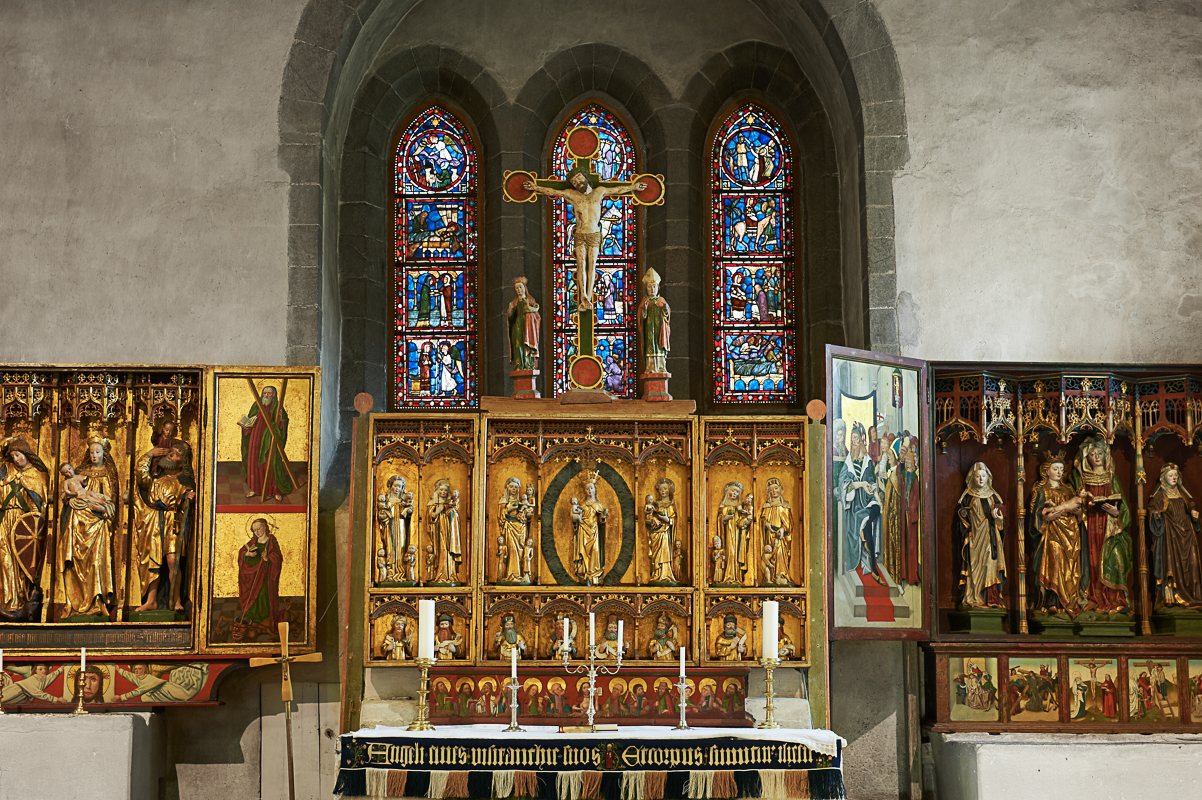
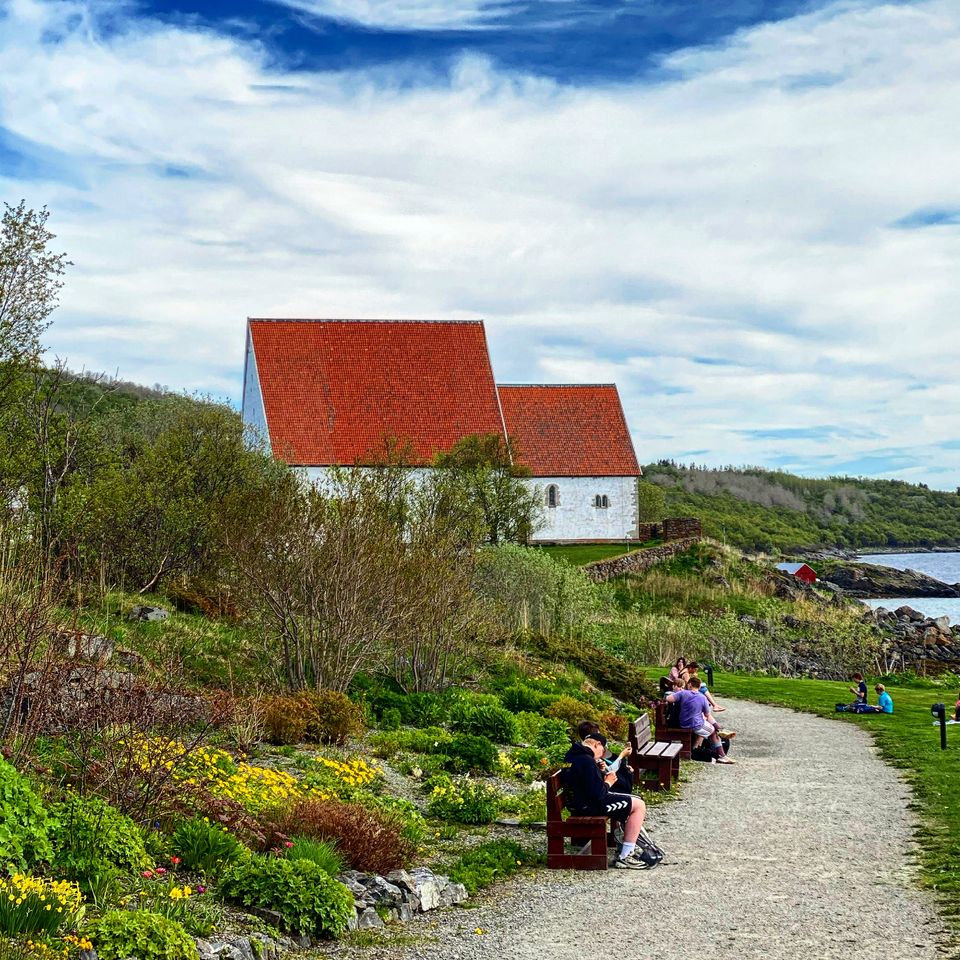
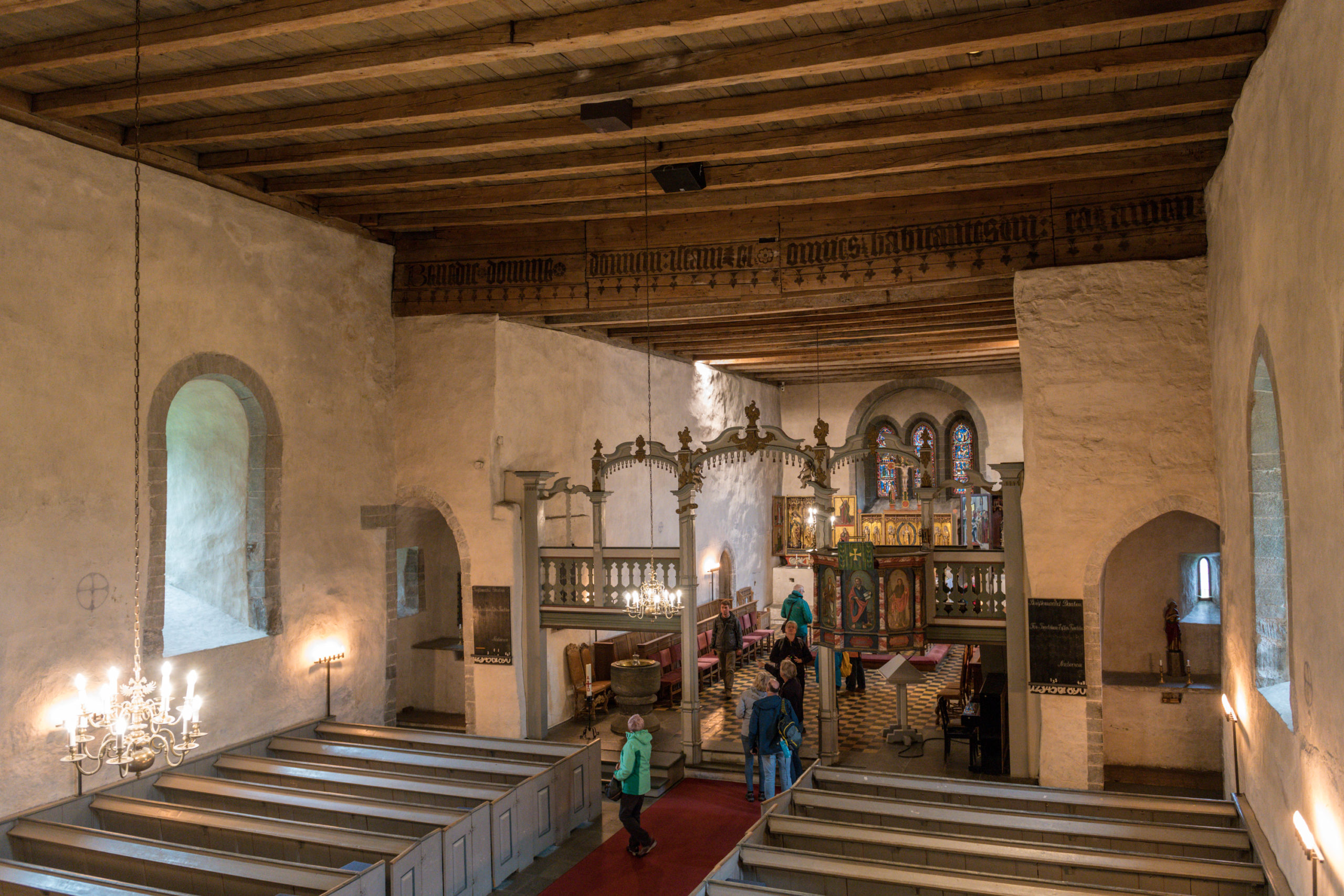
Although the city of Harstad is only some 100 years old, the area oozes with history. The mediaeval church of Trondenes, built over a long period from 1180 to 1440, is a small piece of the grand, European Gothic architecture. The late Gothic artwork is of high value. The church is surround by relicts of protective walls dating from the early 12th c. To some of us, there is noting that beats the location on the fjord, with distant peaks on the other side.
Trondenes Historic Centre creates the big timeline
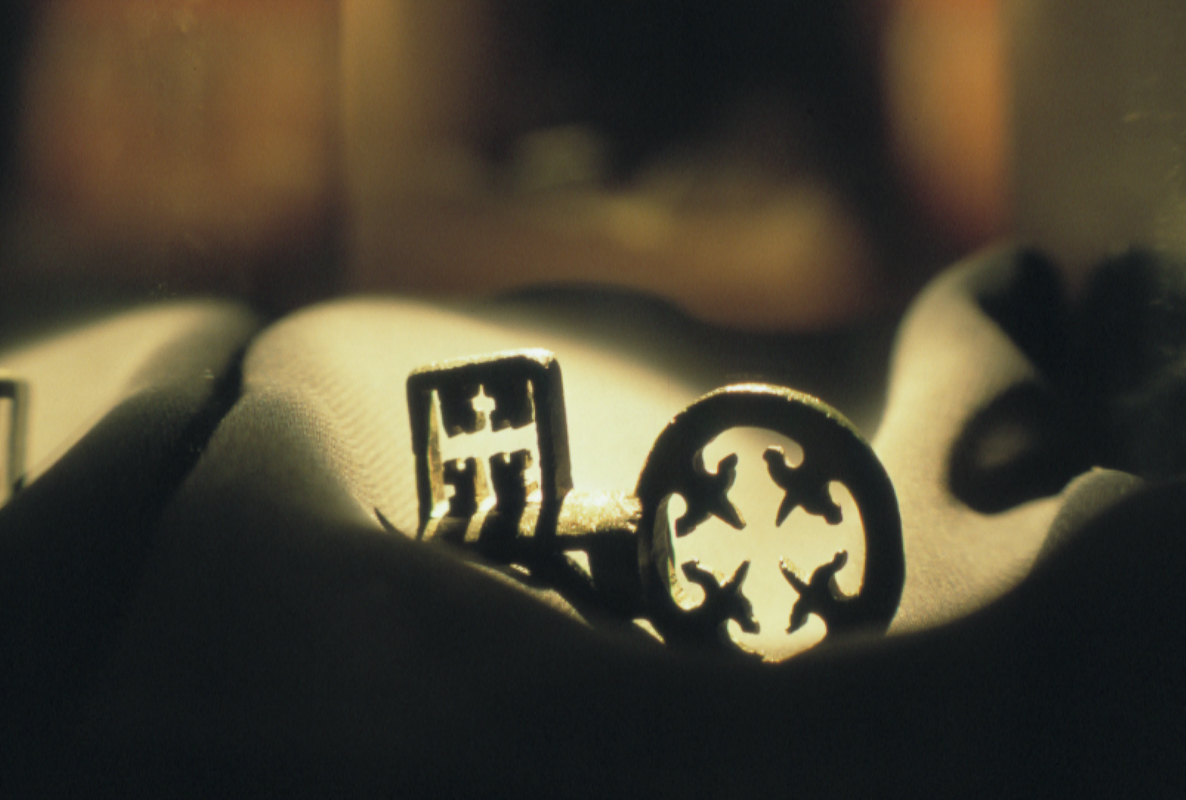
For those seeking a comprehensive understanding of the history of the northern region, a visit to the Trondenes Historical Centre, located next to the church, is a must. Here, the extensive timelines spanning from the Stone Age to the Bronze Age and the Viking Age are vividly presented. The fascinating story of Tore Hund is meticulously detailed, capturing its dramatic essence. The museum also recreates the vibrant colors that once adorned the church of Trondenes, which some might consider bold and bordering on excessive for modern viewers, offering a glimpse into its original splendor that has since faded into a subdued yet noble ambiance.

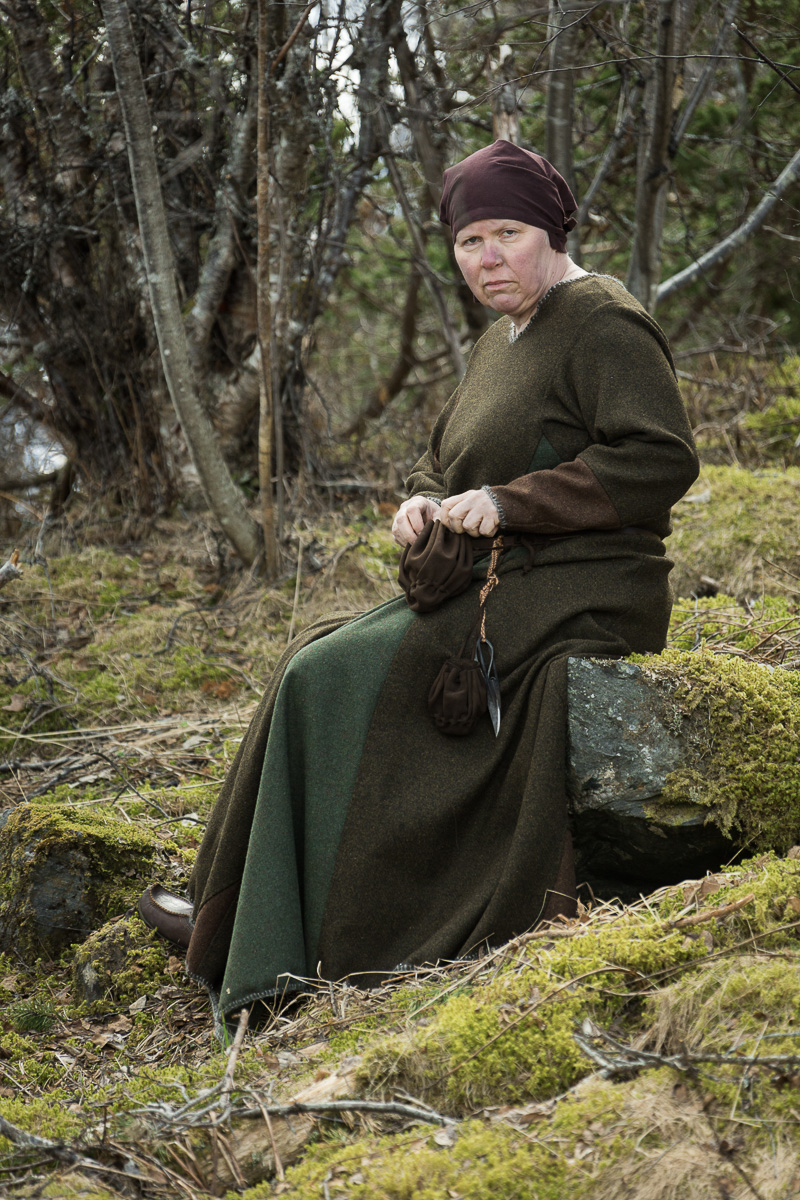
Outdoor it’s all brought to life
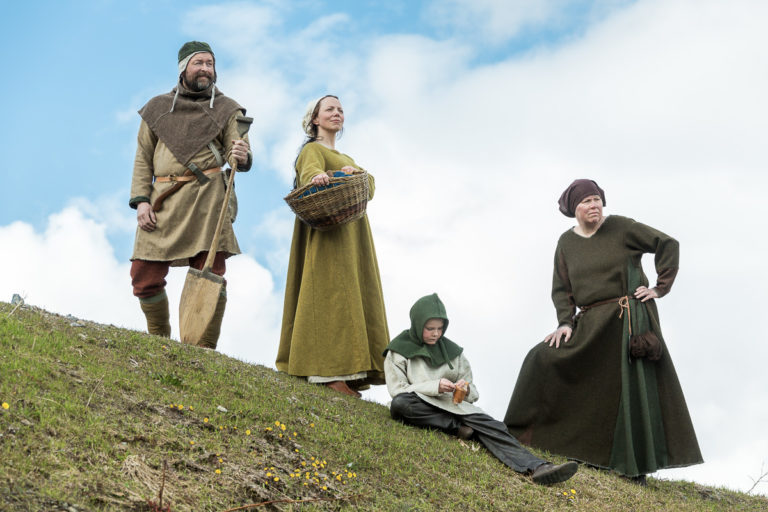
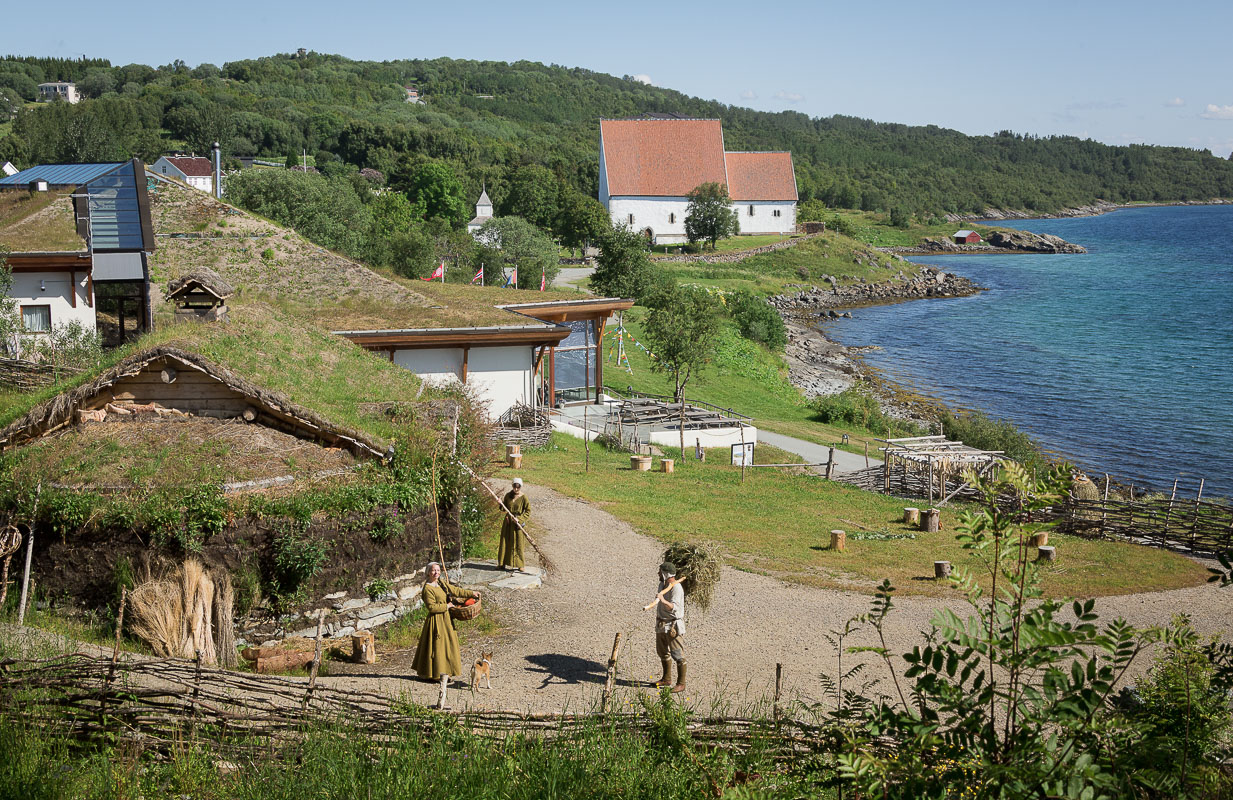
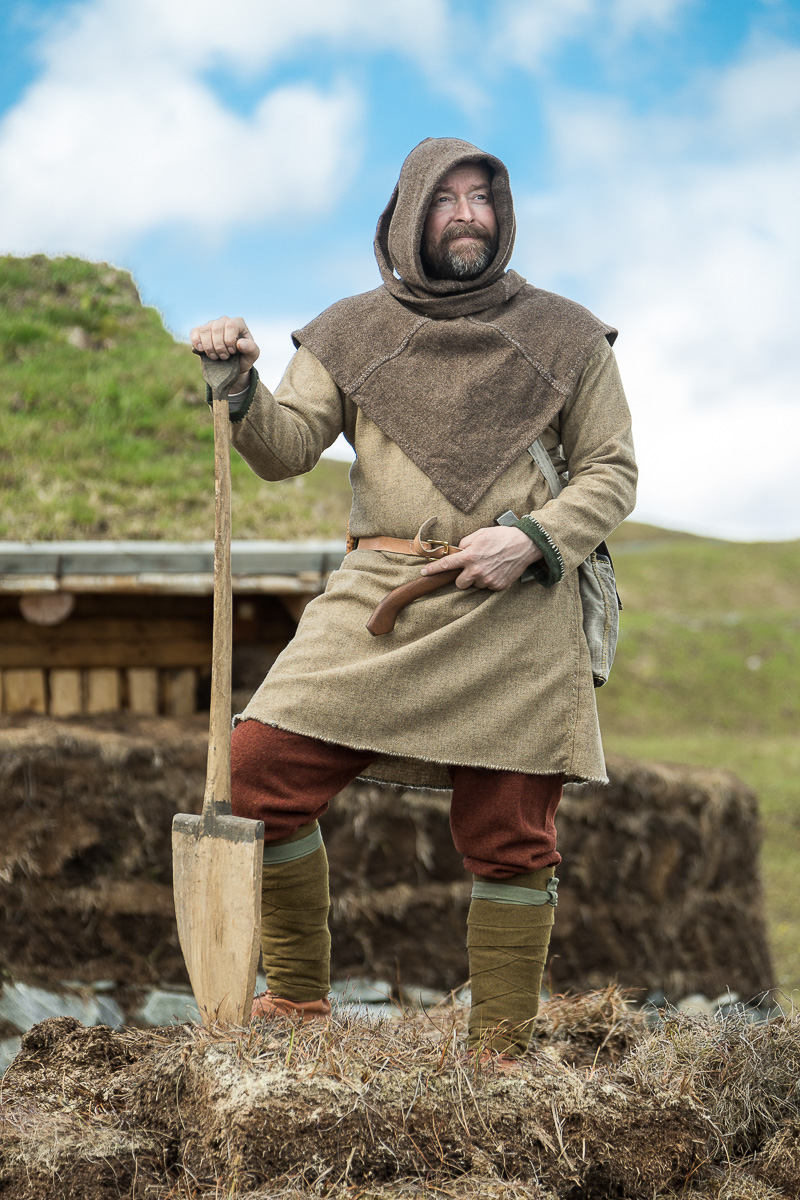
A snorting pig, clucking hens, Limp Haldor mending fences, and Jorunn the house mistress ruling with a firm hand—Trondenes medieval farm revives the 12th century. In a cozy turf house, the farm folk gather at night, surrounded by herb gardens and flax fields, everything needed to survive in the 12th century. The stave church, pointing to the heavens, displeases Grubby Gunvor, a devout follower of the old gods. Welcoming visitors from the 21st century, the farm provides a comprehensive explanation of its history.
During the war, giant guns came to Harstad
Following the turbulent Viking Age, the Harstad area enjoyed centuries of peace. However, the onset of the Second World War brought the region back into the forefront. In 1942-43, the occupying Germans established a battery of enormous guns on the Trondenes peninsula, the socalled Adolf Guns. Their purpose was to safeguard the northern waterway leading to the vital iron ore port of Narvik. Remarkably, these massive guns are still visible today—some of the largest ever constructed, capable of firing projectiles up to 40 kilometers away. Its sheer firepower prevented any allied forces from approaching.

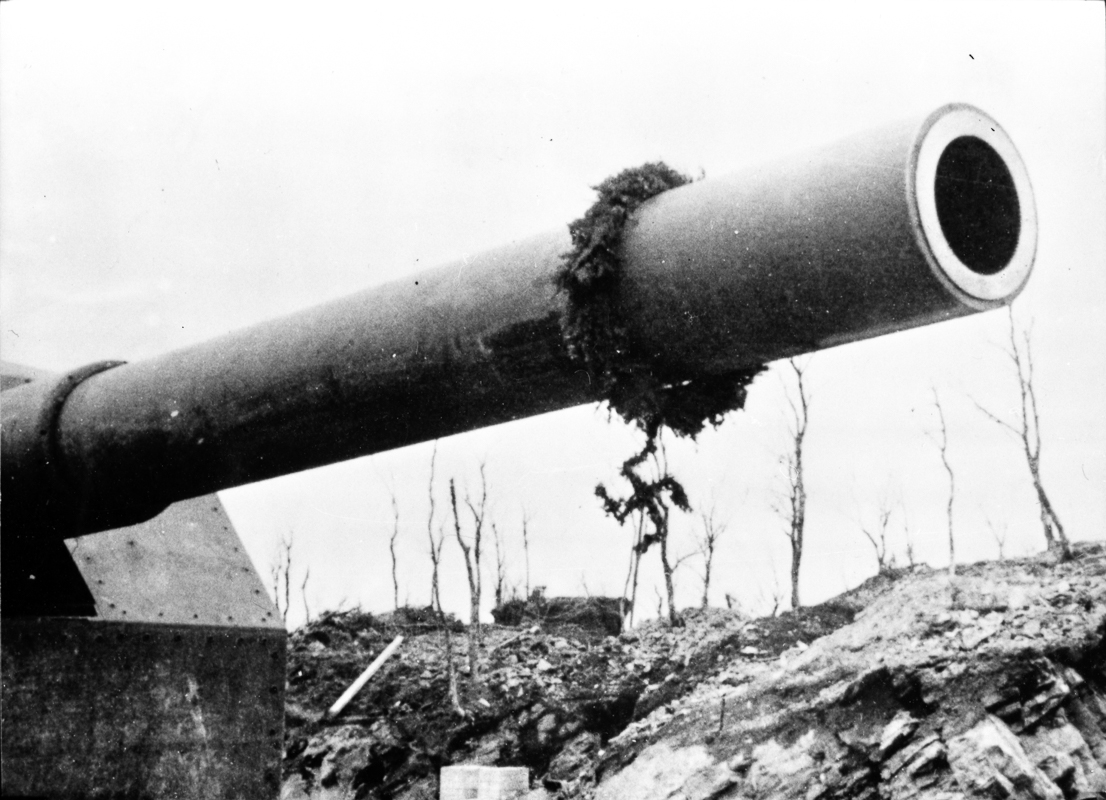

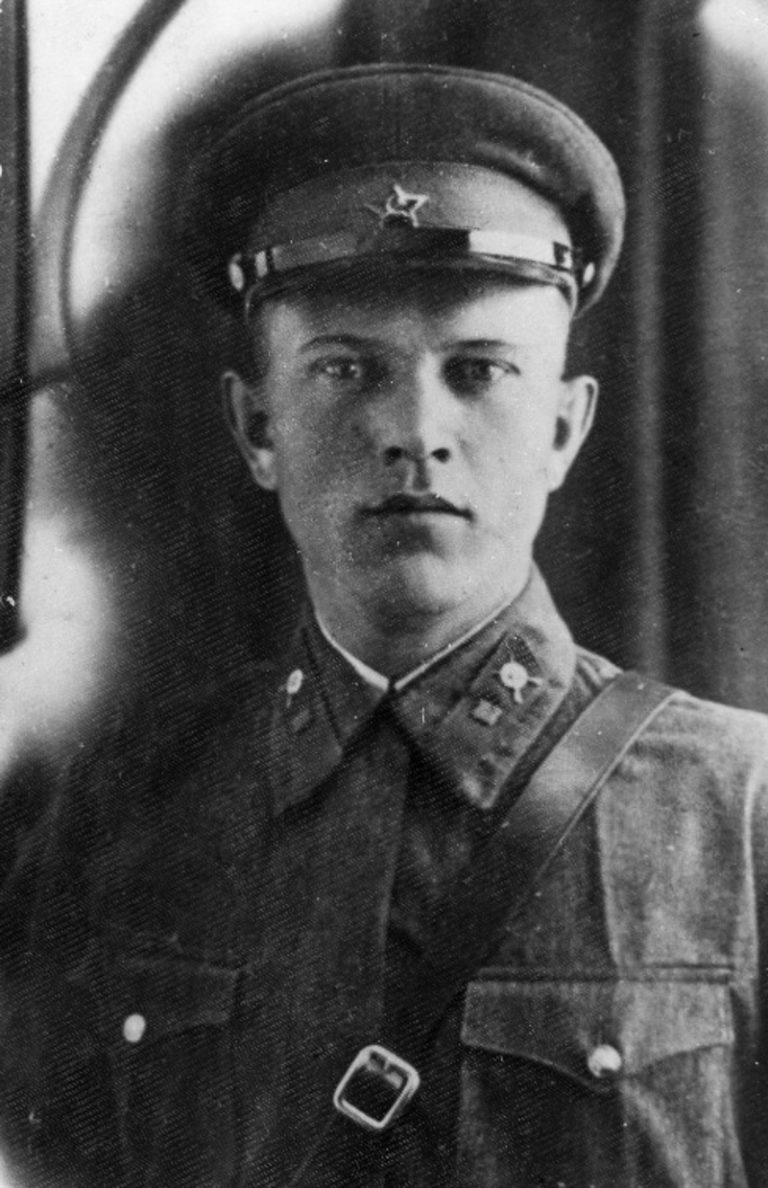
Someone paid the price for the big guns
Konstantin Seredintsev, one of the many Soviet prisoners of war, suffered a tragic fate due to starvation and mistreatment. His diary provides invaluable insights into his experiences. Upon arriving in February 1942 and seeing the cardboard barracks, he despairingly remarked, “We are clearly brought here to die.” Sadly, his prediction came true, and he passed away in late May. Trondenes Historic Center showcases the documentation related to this period, and you can also visit the remnants of the prisoner camp located just north of the church.
A Tore Hund fan should head out to Bjarkøy Island
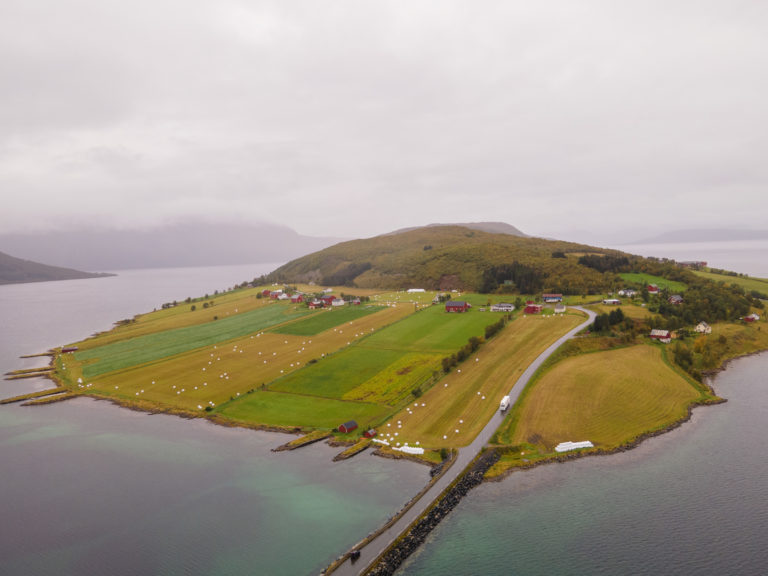
Bjarkøy, the home island of Tore Hund, is characterized by rocky mountains. However, a lush and fertile isthmus stretches across the island, preserving remnants from a rich iron age and medieval history as a political center. Embark on a boat ride and explore the nearly imperceptible traces of the iron age, Viking era, and more recent historical sites on foot or by bicycle. The breathtaking views make it a worthwhile experience, and the peacefulness of the area ensures a tranquil journey off the beaten track.


Do the world’s northernmost pilgrimage
For those with a philosophical inclination, embarking on a pilgrimage could be a profound experience. Currently, the world’s northernmost pilgrimage route is being developed, spanning from Trondenes through the scenic islands of Vesterålen and Lofoten, all the way down the coast to Trondheim. Along this route, pilgrims will encounter significant historical sites such as Hadsel, Røst, Gildeskål, and Alstahaug. The completion of the route is expected by 2024, providing an opportunity for spiritual exploration and contemplation amidst breathtaking natural landscapes.



Facts about Harstad, Millennial Norway and Tore Hund
In 1030, Norway’s patron saint, Saint Olav (alternative spelling in English Olaf or Olave) was killed in the battle of Stiklestad. This is a crucial moment in Norway’s history, and will be commemorated by Norway as a whole. Leading up to this, various locations around Norway commemorate local historical events leading up to the battle. In 1023, Tore Hund, Saint Olav’s slayer, was commemorated in his home Bjarkøy, part of Harstad municipality.
Tore Hund was a chieftain in the latter part of the Viking age in Norway. He resided at Bjarkøy, an island just north of Harstad. In 1030, he slayed the king of Norway after a prolongued conflict. The drama presented in this article.
His house is long gone. We do not know the exact location either. However, his home island Bjarkøy has a couple of candidates, which you can explore on a day-trip to this beautiful island. Visit Harstad can help you with the practicalities.
Head to the peninsula of Trondenes, where history can be experienced both in the Trondenes Historic Center as well as in outdoor. Also head to the island of Bjarkøy for a historic walk on a beautiful location. Visit Harstad is the local visitor’s centre, and can help you with all the practicalities.
The city of Harstad has a good choice of mid-range to first-class accommodation. For character and history, go out of town. The website of Visit Harstad has it all.