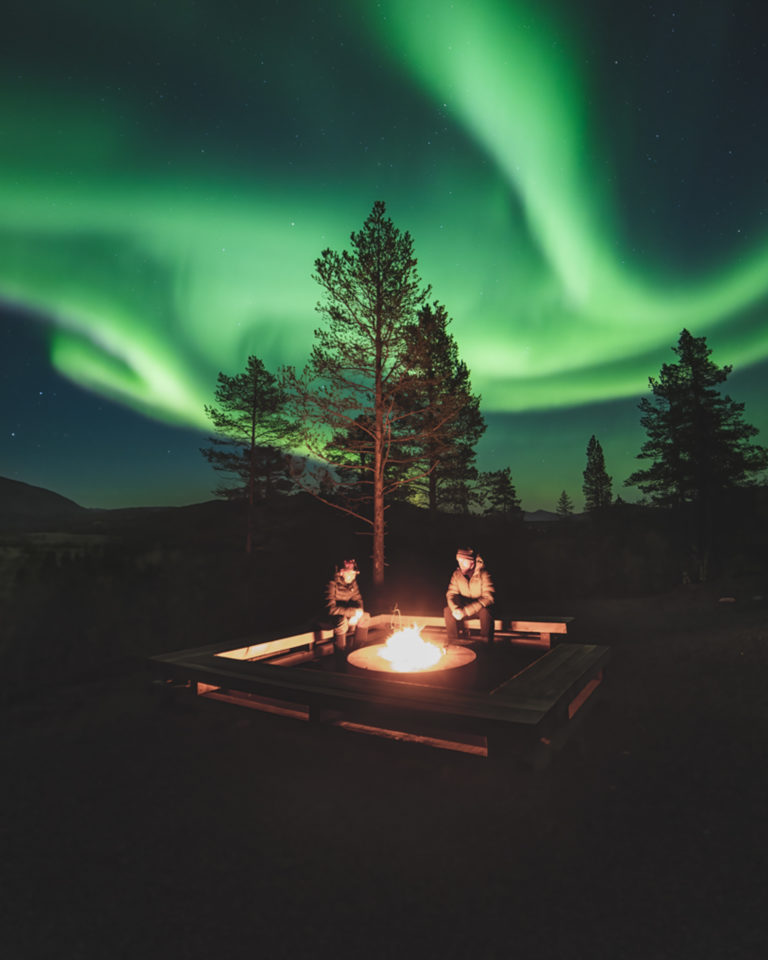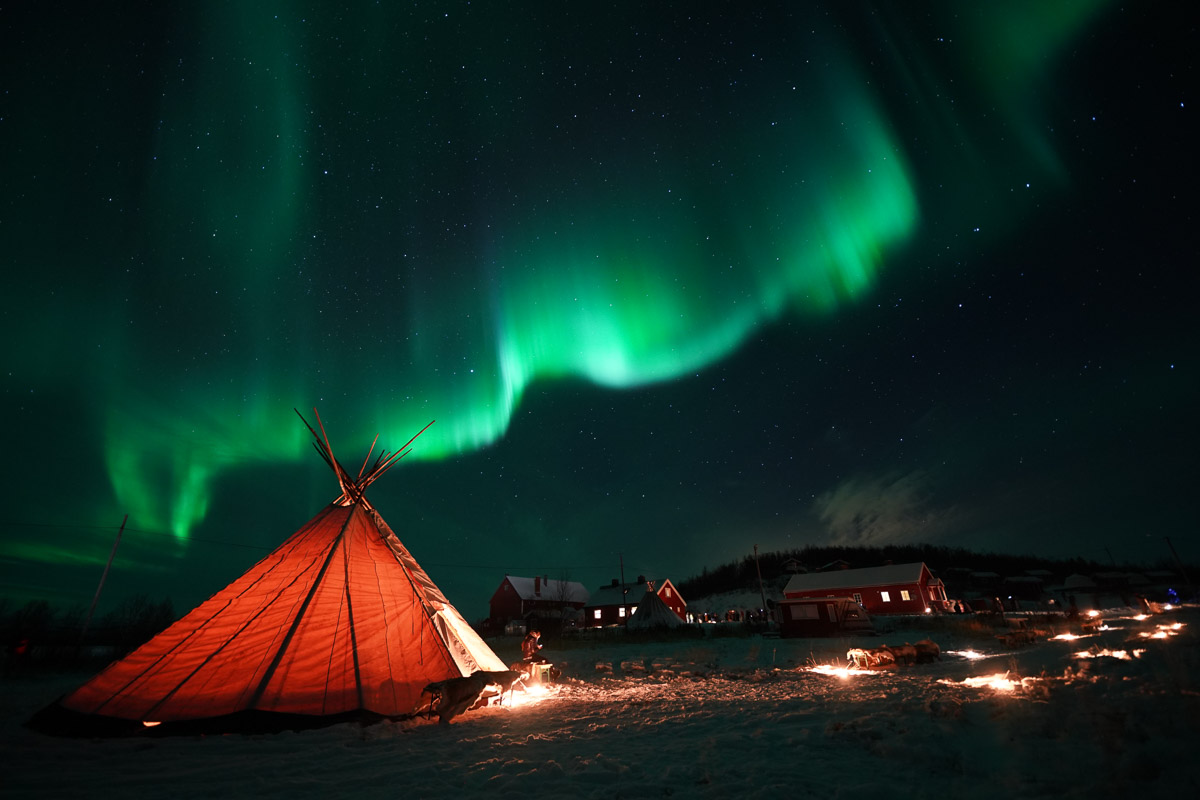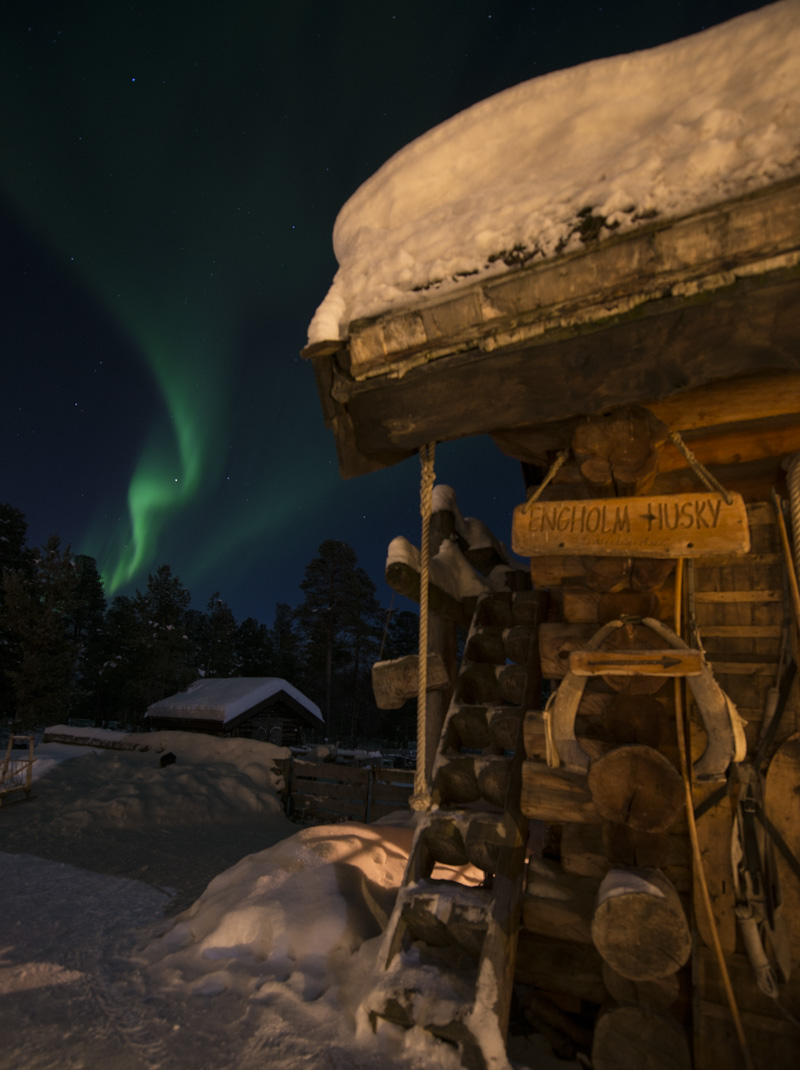
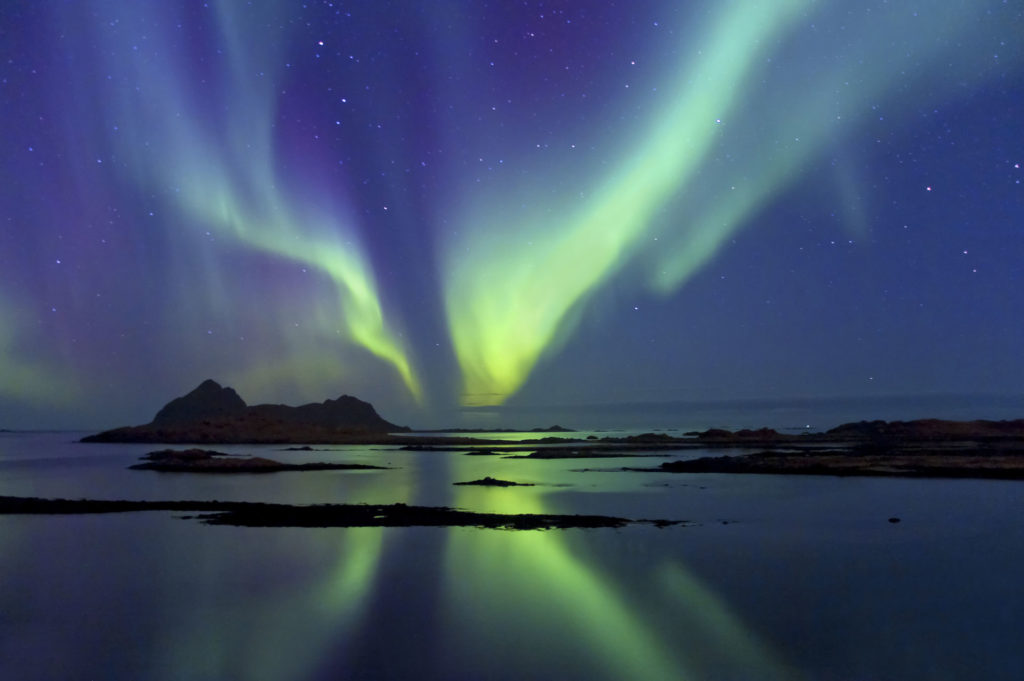
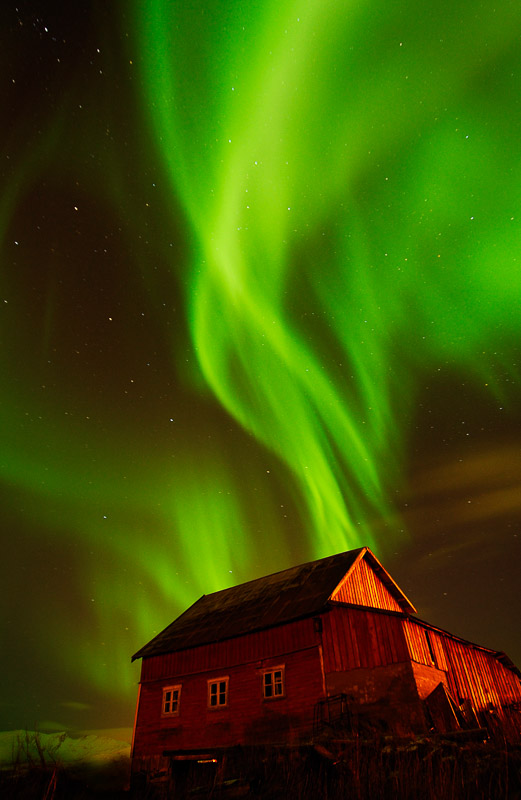
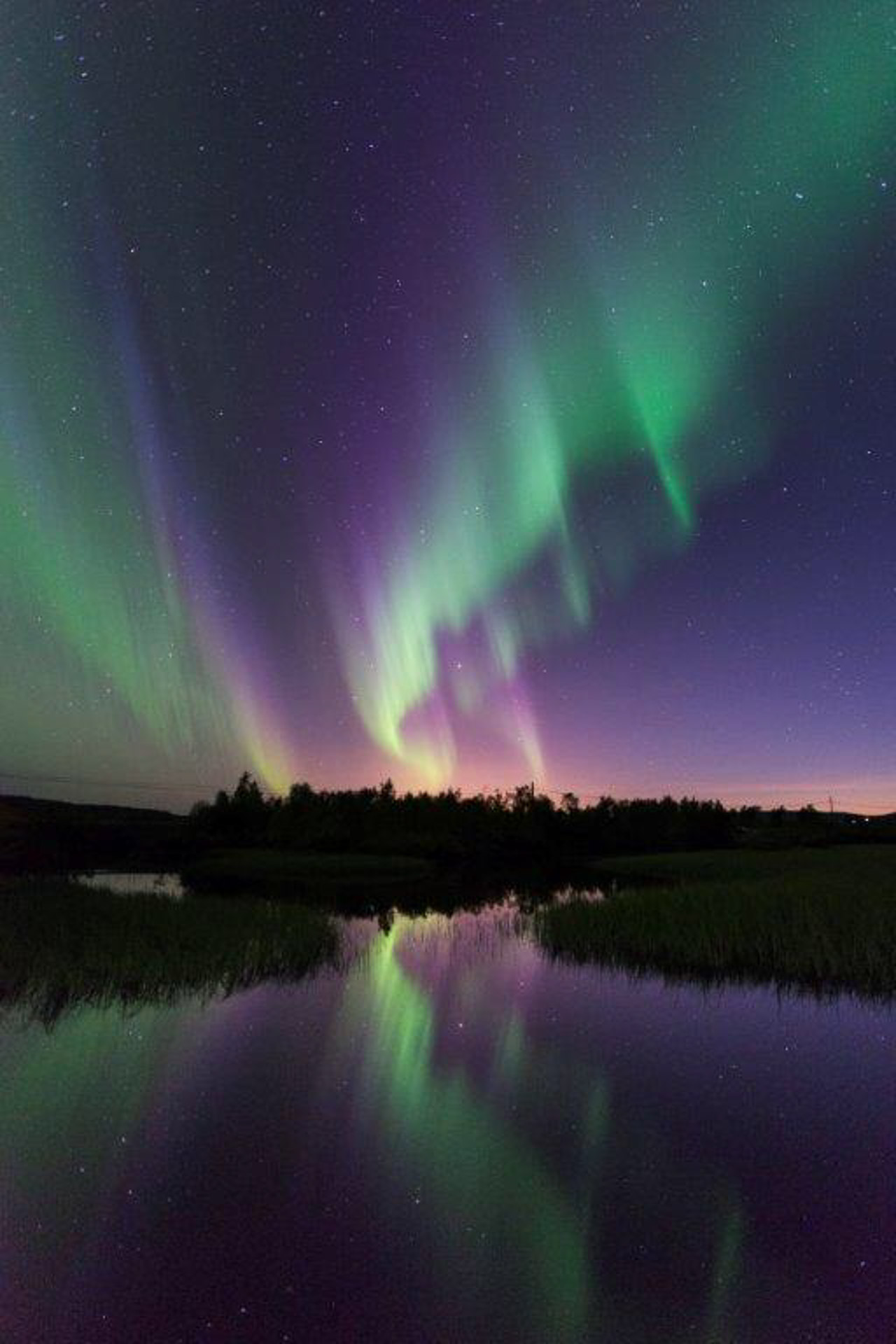
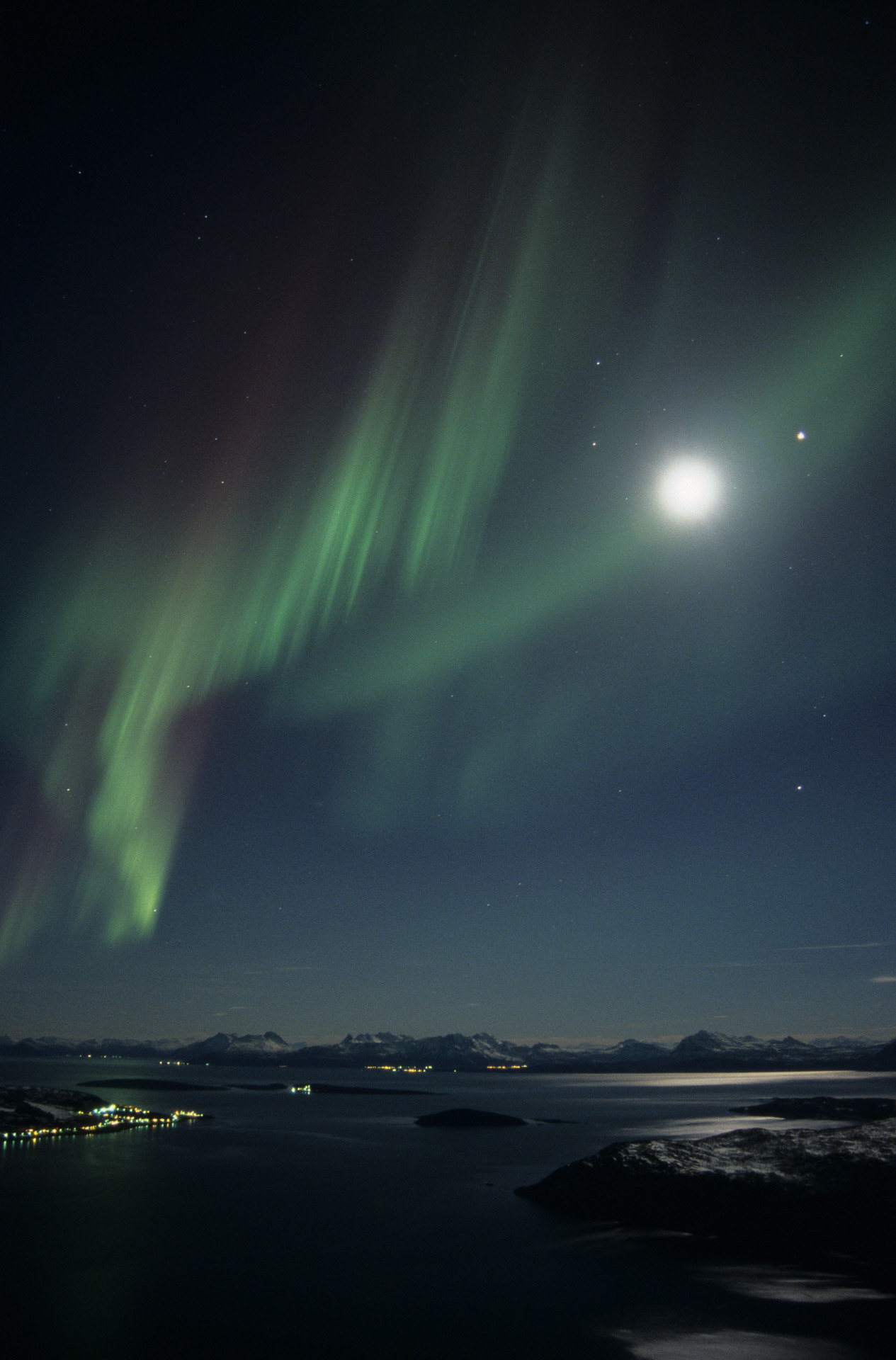
Isn’t it better to see the Northern Lights when the night is darkest, in the middle of winter? Well, don’t forget that nights are longer than days after the equinox, and your chances of seeing the lights are just as good as in the middle of winter. With the added advantage that autumn temperatures are often mild and comfortable, unlike midwinter. This means that Northern Lights trips in autumn can be a great idea for anyone who wants to see them without getting too cold. Solar activity is actually the same all year round; it’s just the longer hours of darkness that increase your chances of seeing the Northern Lights in winter.
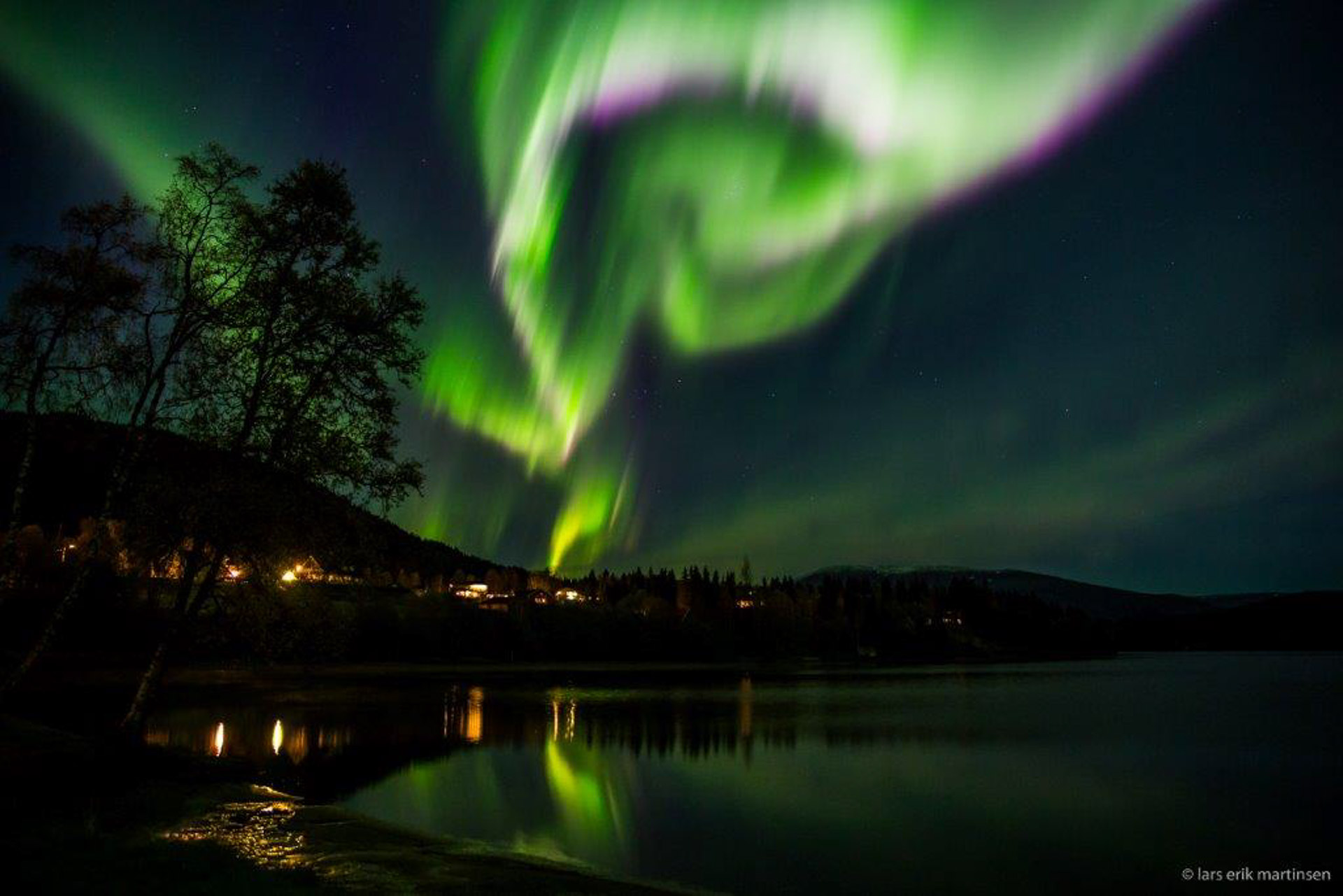
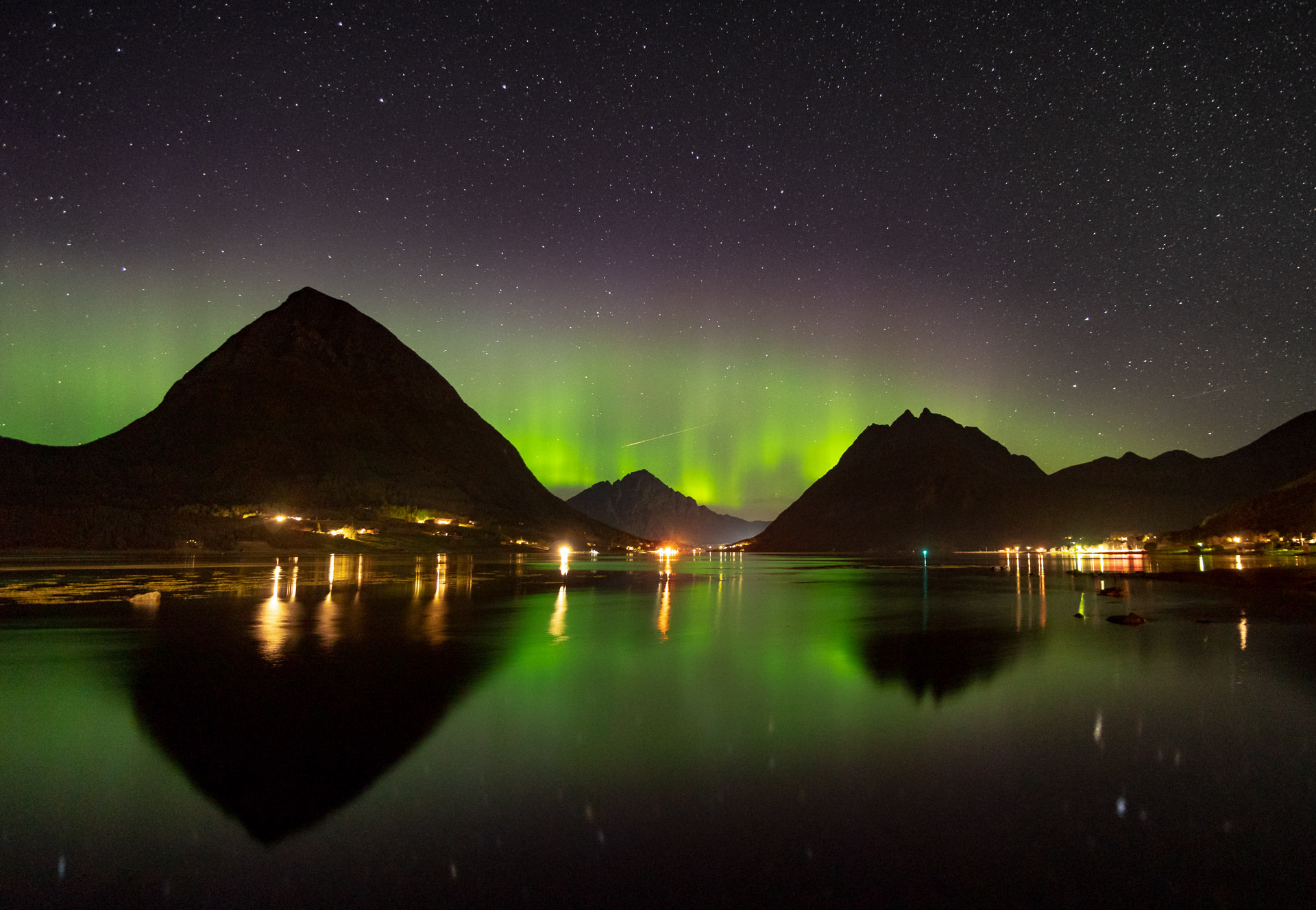
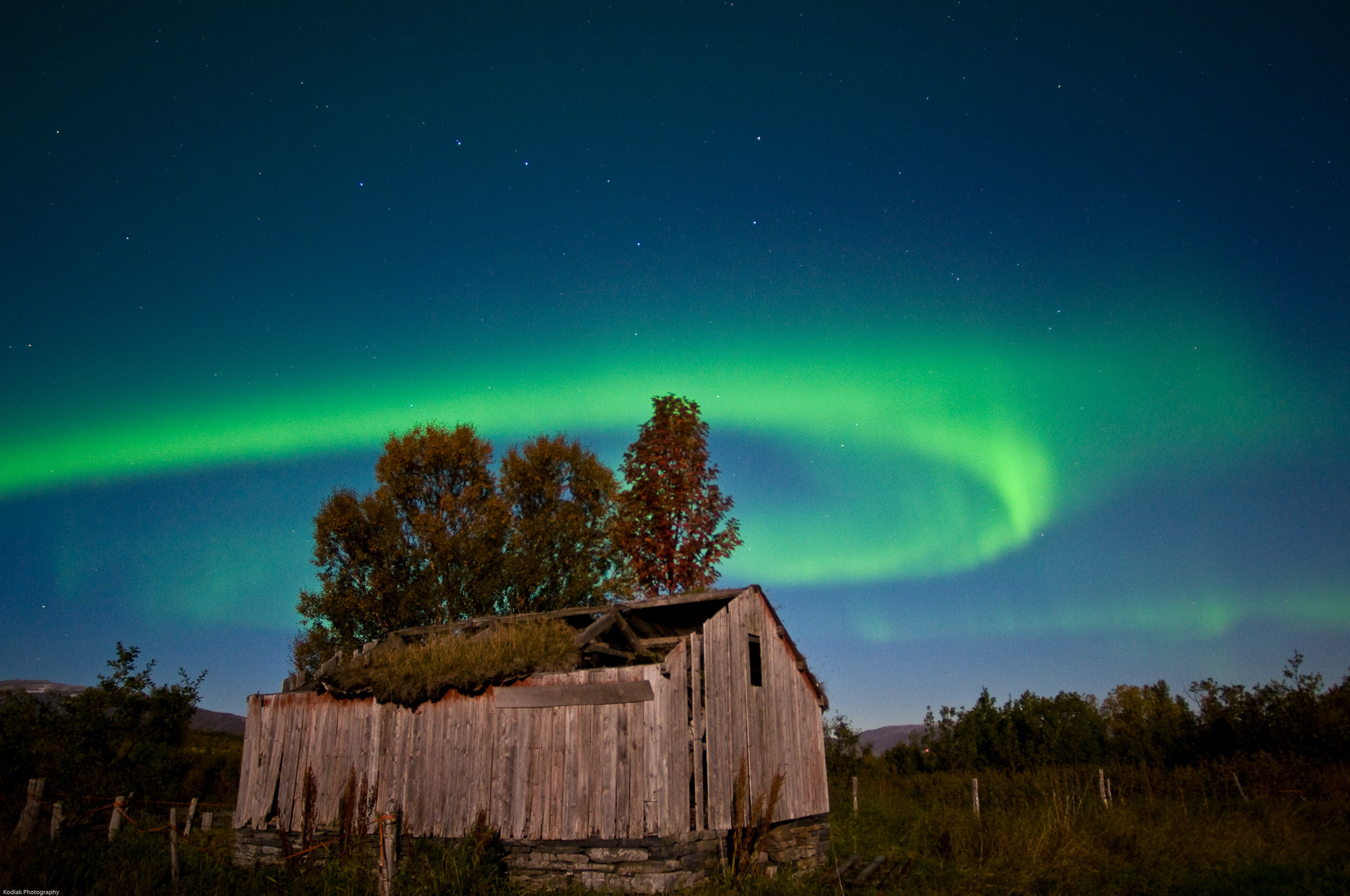
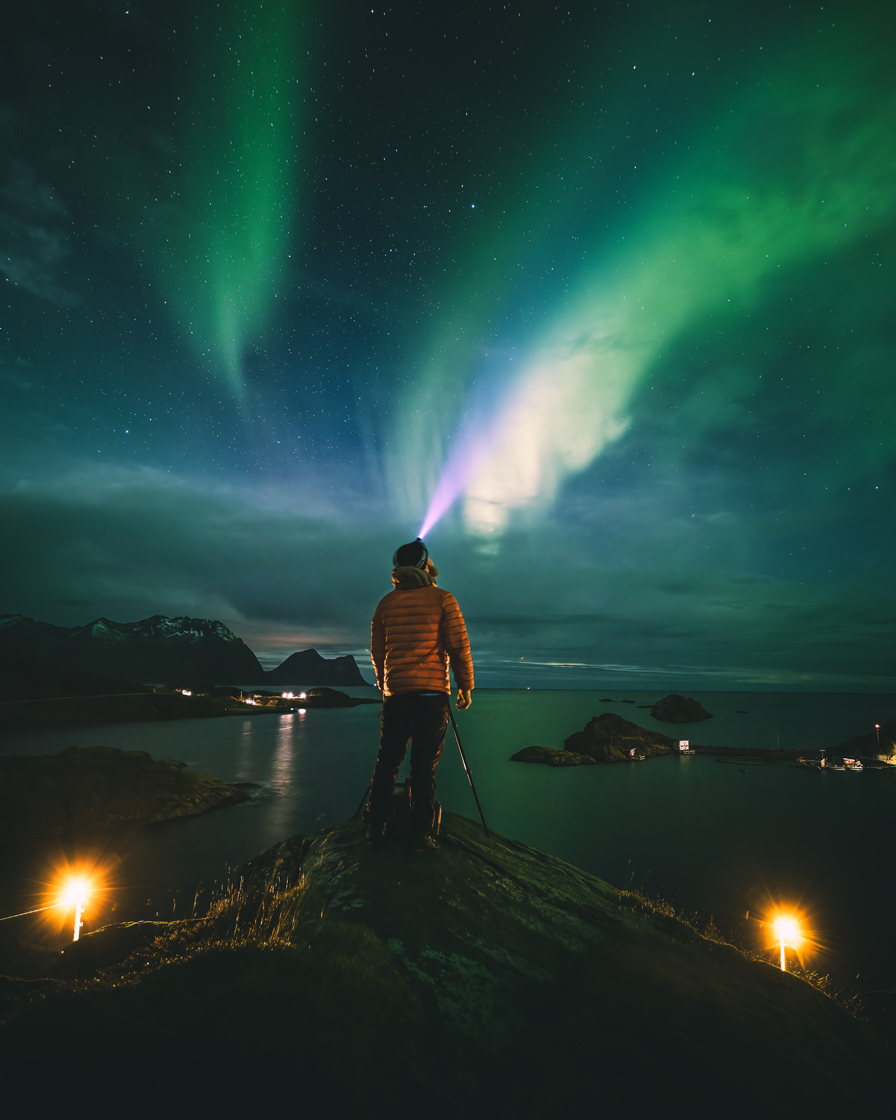
Why Autumn is good for Aurora
The first Auroras appear mid to late August
For first-time Northern Lights hunters, it’s safer to wait a few more weeks, until the nights get longer and your chances improve. However, after the equinox on 21 September, your chances of seeing the Northern Lights are at their best, because it’s dark from around 7pm, and auroral activity reaches its peak between 11pm and midnight.
Aurora and temperature are not related, don’t believe the locals
People in the North like to say that it has to be cold to see the Northern Lights. But actually that’s nonsense, because the weather and the Northern Lights are entirely unrelated. It’s true that cold weather tends to mean clear skies, but in the autumn, mild winds from the steppes of Russia can bring temperatures of 10°C and a gentle breeze, even at the end of September. At times like these, it’s no hardship to stand and watch the Northern Lights dancing.
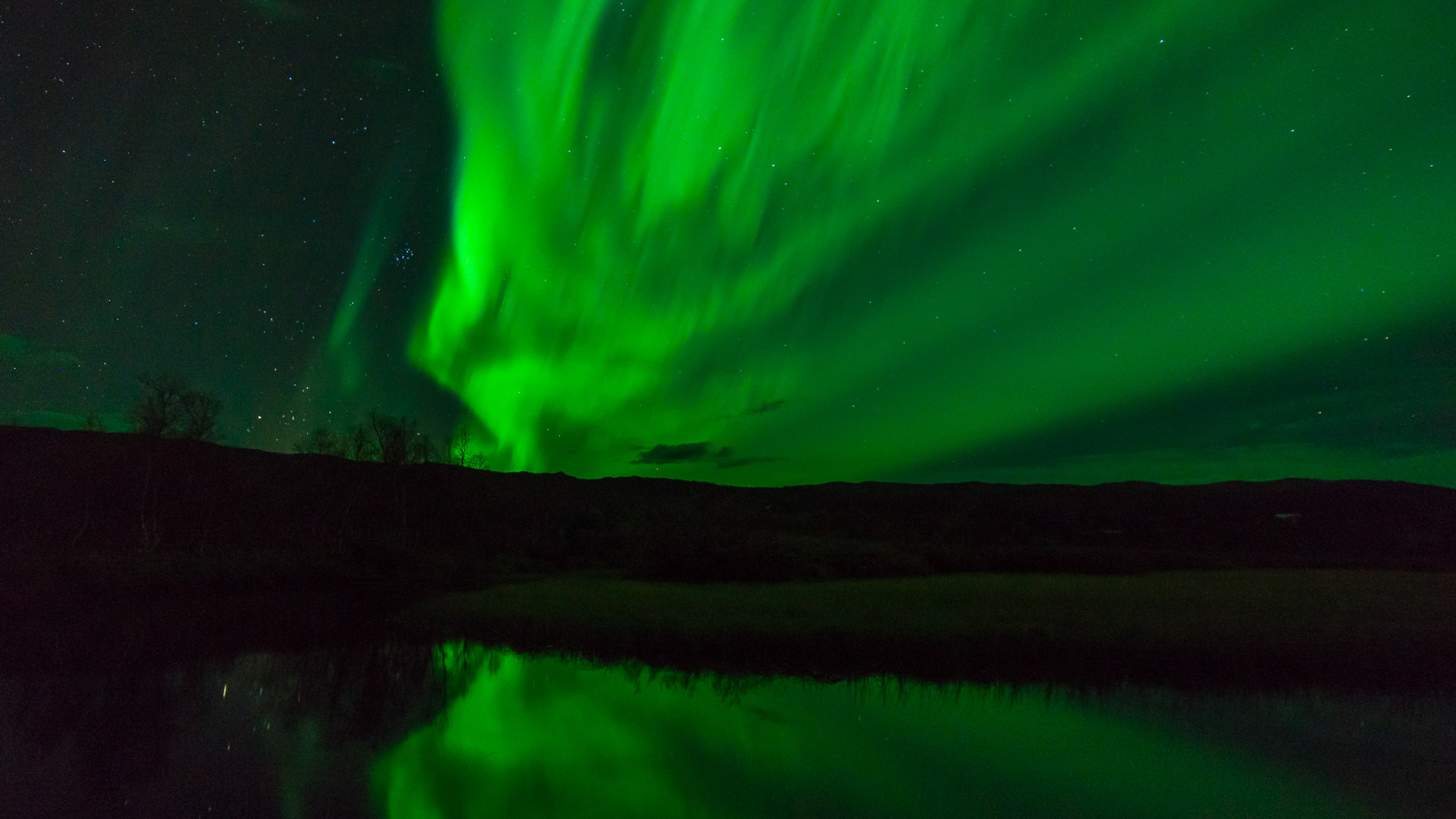
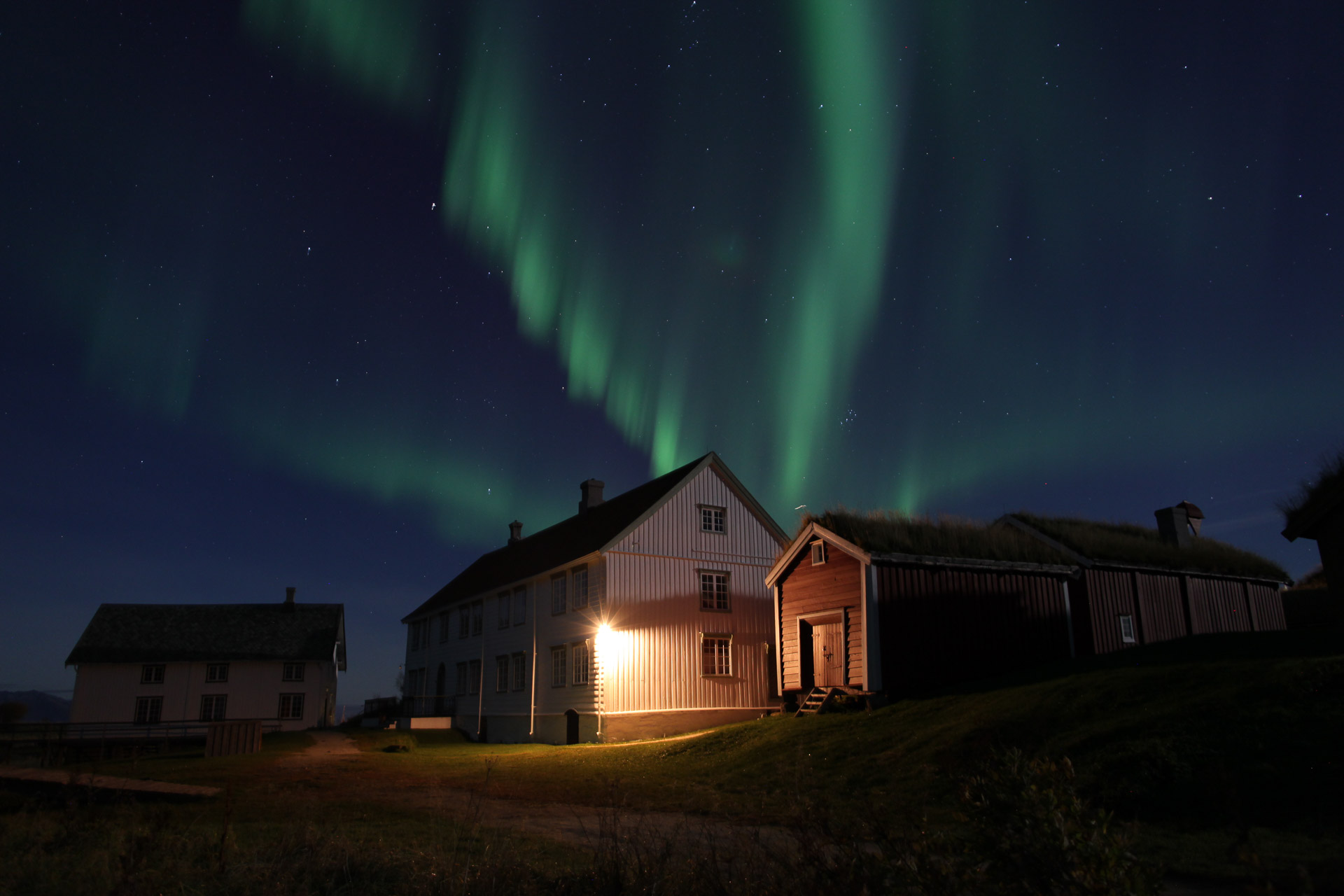
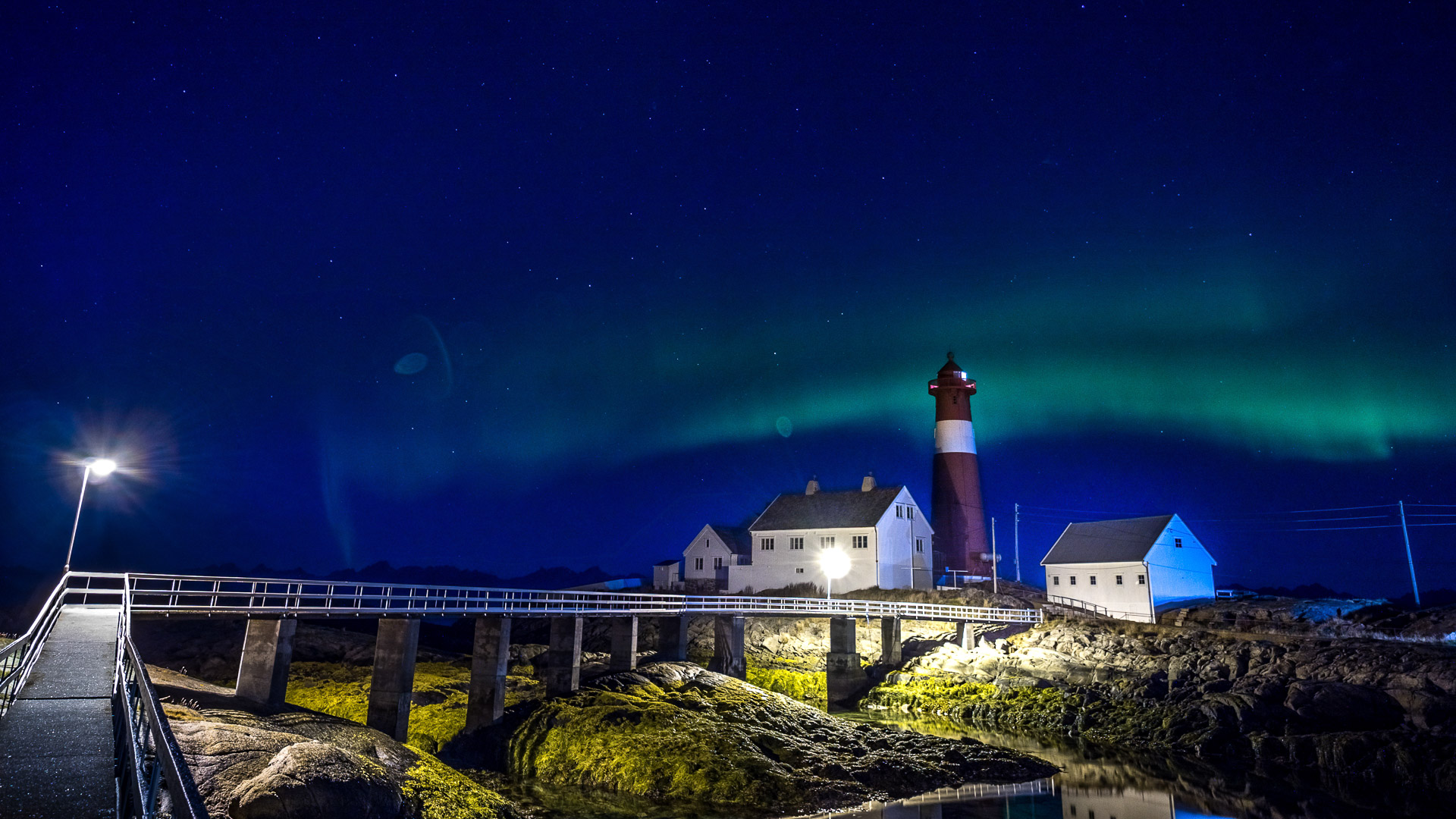
Sunny days and frosty nights are the perfect combination
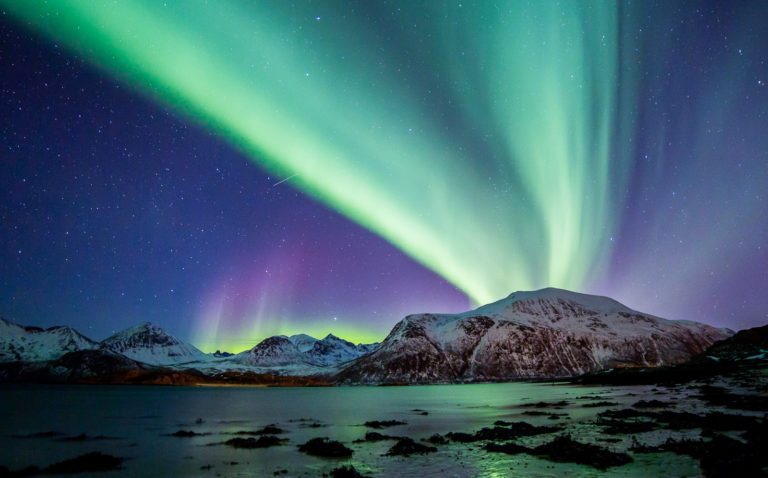
The mild, sunny and colourful days of autumn often end in frosty nights. Then you can just put on a hat and gloves, and go for a brisk walk north and west to escape the urban lights. Even though the leaves are frosty and crunch underfoot, and your footsteps break films of ice on puddles, it’s not too cold to walk uncomfortably.
Practical Information
This has happened under particular weather conditions, notably a strong and wet low over the Gulf of Bothia between Sweden and Finland, provoking a Föhn effect (North Americans might know this as the chinook) of dry, mild air dropping from the border mountain range. We wouldn’t call it frequent, though.
The weather is always a lottery in the north. A high pressure from the southeast would bring wonderful crisp days with temperatures in the mid teens. However, at night it gets cold, occasionally with frost. Ferocious storms, or just miserable rain, might follow the Golf Stream, effectively blocking any chance of seeing anything on the night sky almost everywhere. Your only hope then would be the dry inland pockets.
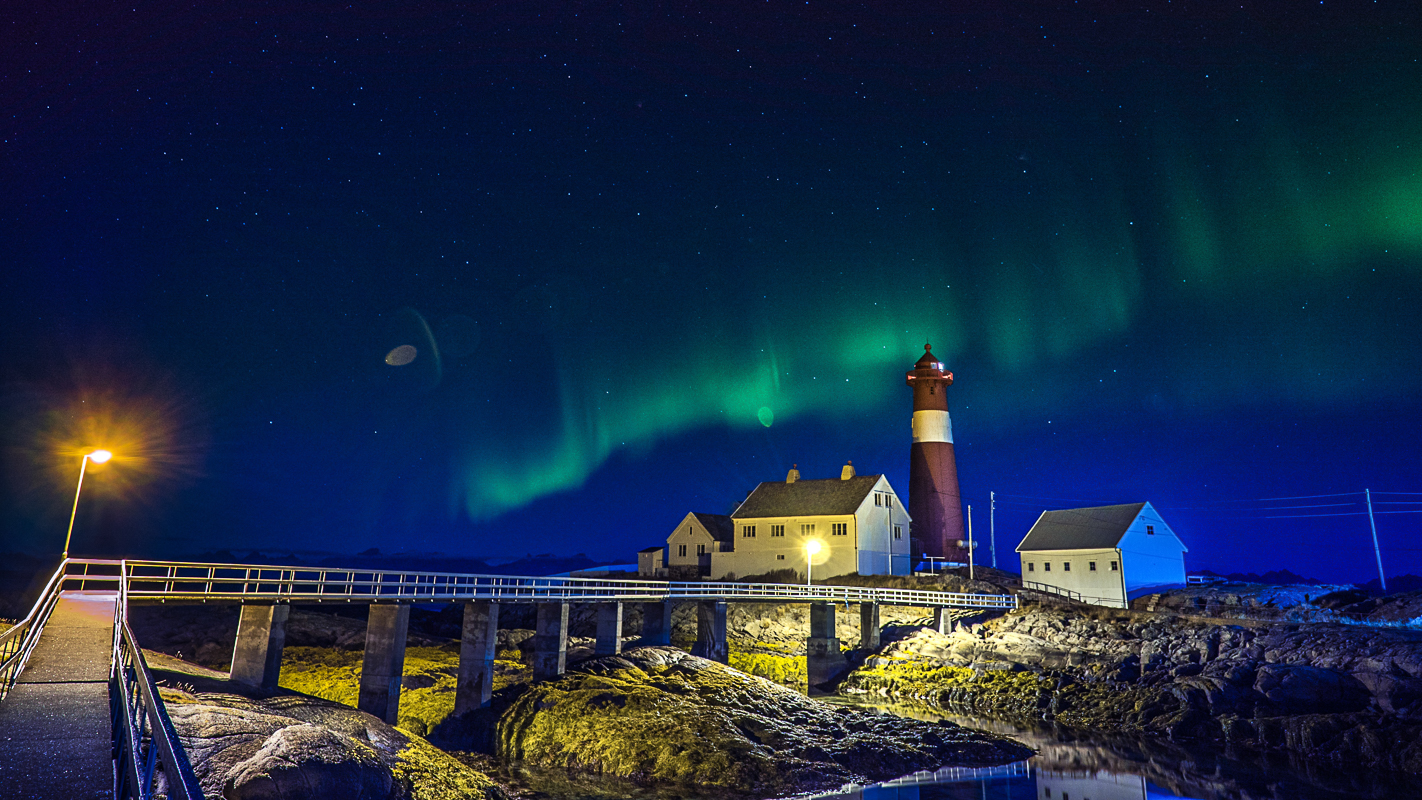
From around Autumn equinox, it gets dark at around 6pm (7pm, but we observe daylight saving). 6pm to 1am is the most intense Northern Lights period of the day, and from around September the 20th, this whole period is dark. Add to this that we often have increased solar activity around the equinoxes, and you can safely come in the Autumn, if snow is not your thing.
What about autumn rain? Drive inland!
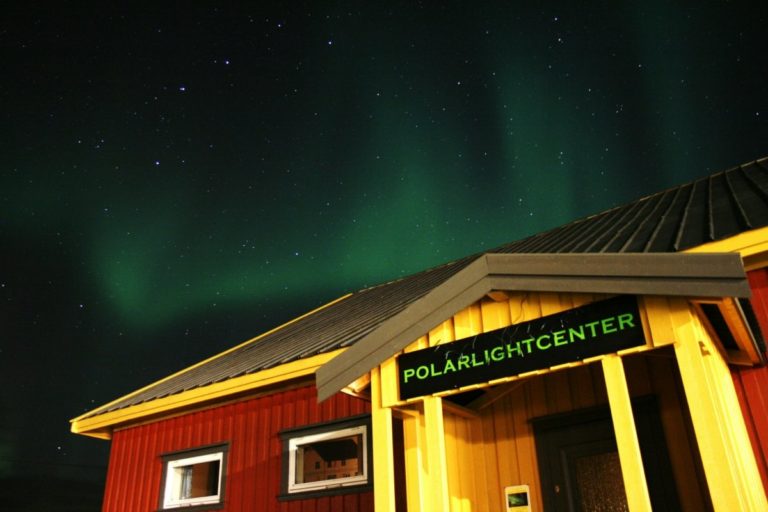
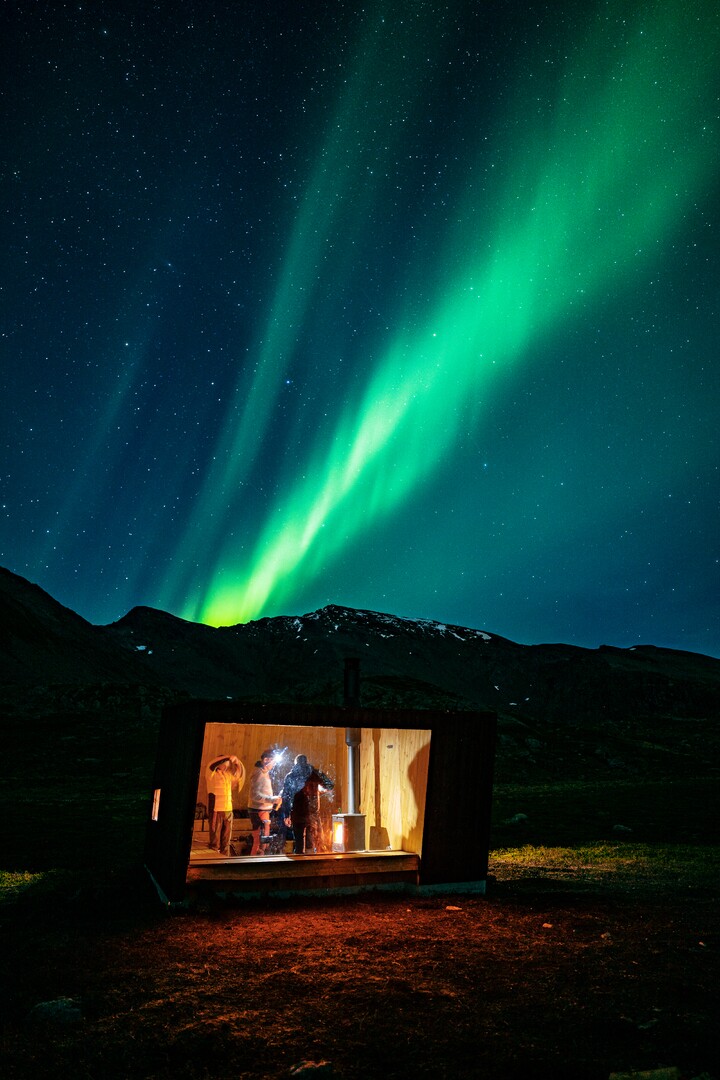
It’s no secret that autumn can be wet. When the rain clouds sweep in over the coast, Northern Lights hunters should head inland to the dry, desert-like pockets behind the mountains. These are protected from the rain, but the temperatures are comfortable and your chances of seeing the Northern Lights are high. You may also get clear skies at the coast when the rain clouds are glued to the mountaintops. The key is to be mobile. And from September onward, Northern Norway has numerous organised Northern Lights trips on offer.
In autumn you can join the local way of life
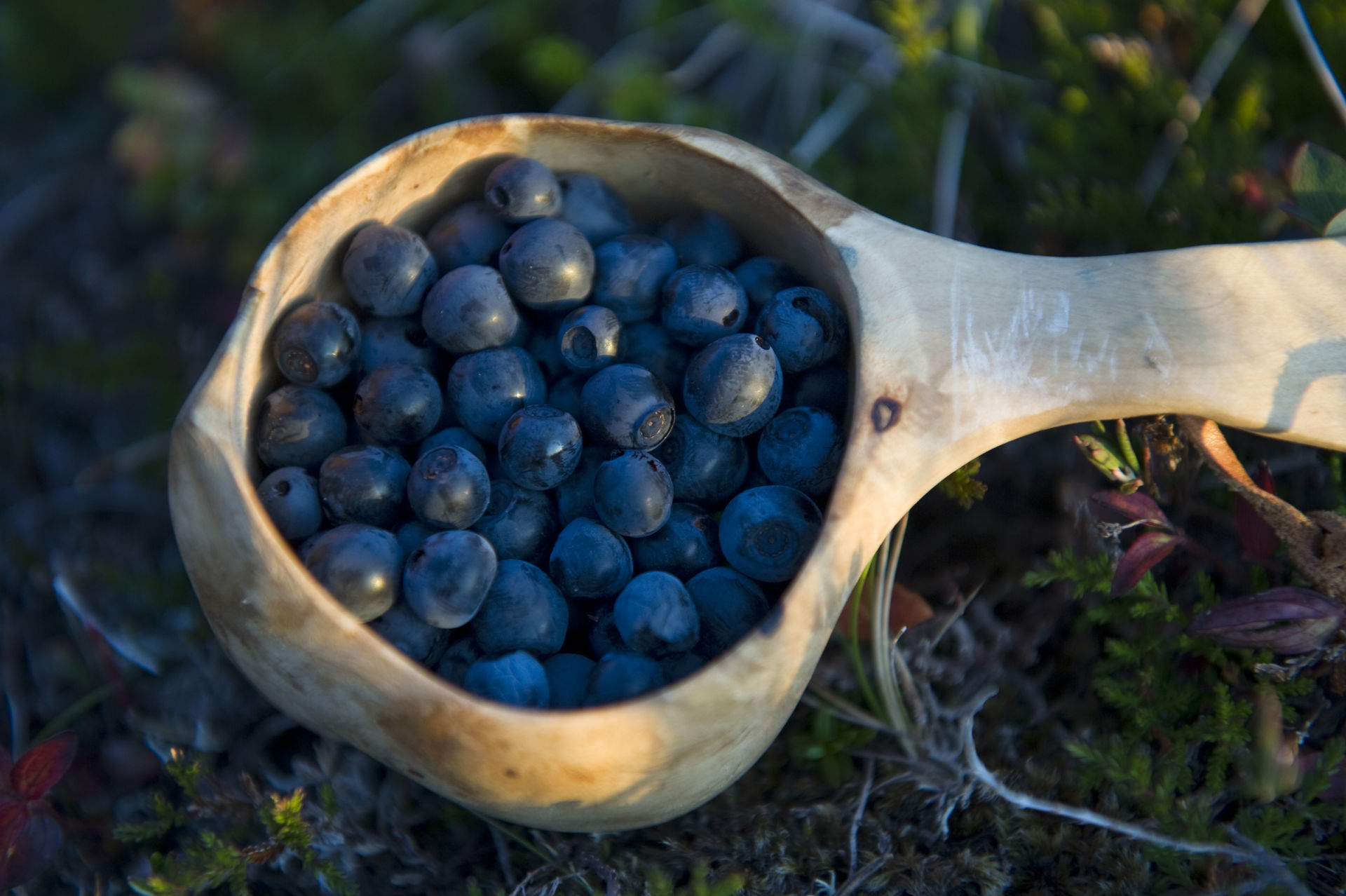
There aren’t any public holidays in autumn, so it’s a season when life settles back to normal for the people of Northern Norway. As the nights draw in, the cafés in the towns and settlements get busier, the restaurants start serving fresh lamb, and the concerts and festivals are mainly attended by locals. If you want to find out how the people of Nordland live when they’re not on holiday, autumn is a great time to come. Don’t be surprised if you bump into lots of them on your Northern Lights hikes in the dark; they’re just as fascinated by the spectacle as tourists.