Northern Norway boasts no less than three attractions on UNESCO’s world heritage list, the rock carvings in Alta, the Vegaøyan and the von Struve geodetic arc. They are as diverse as Northern Norway itself and represent archaeology, coastal culture and ground-breaking scientific progress. When visiting them, you learn about different aspects of Northern Norway.
The rock carvings in Alta can be read like cartoons
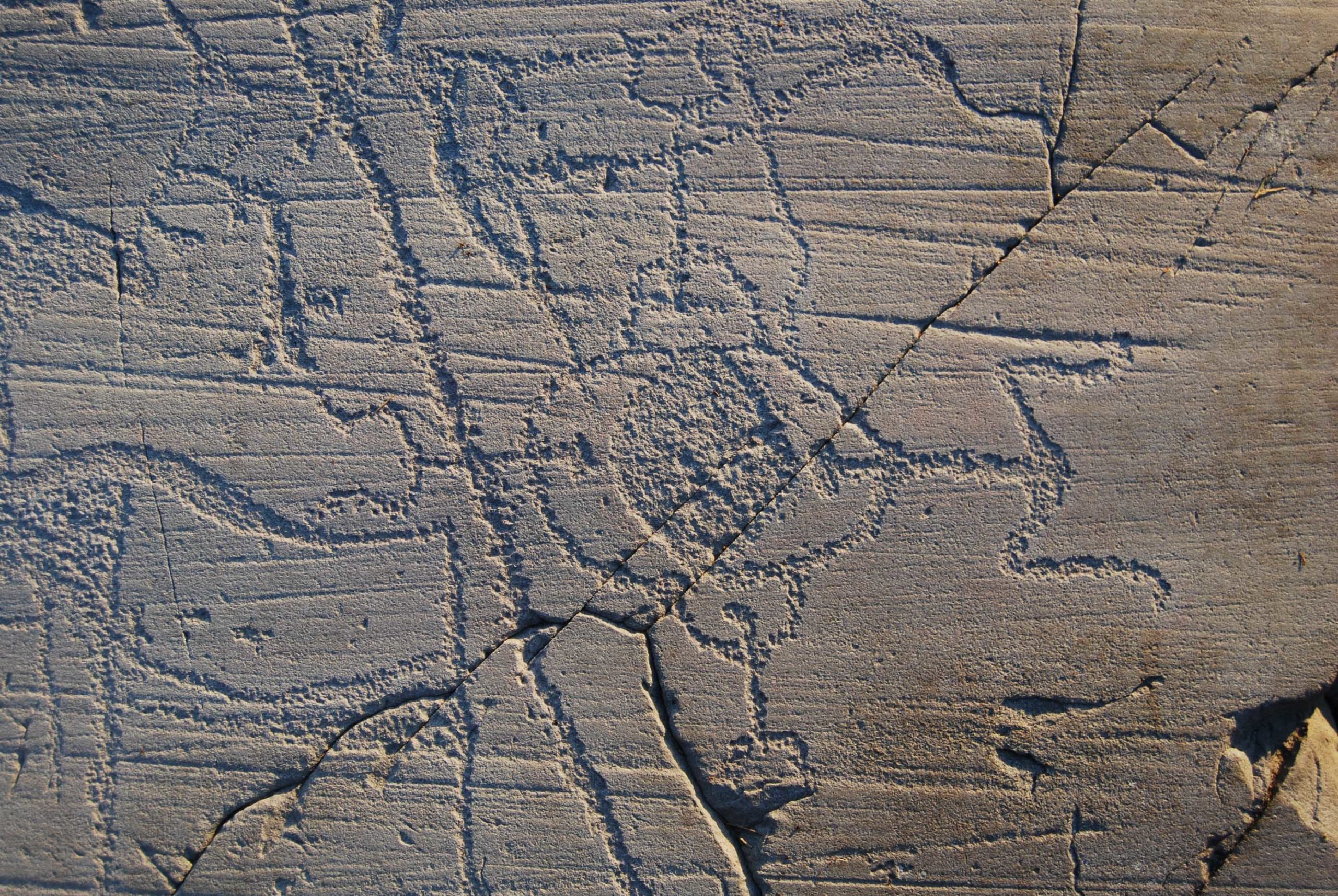
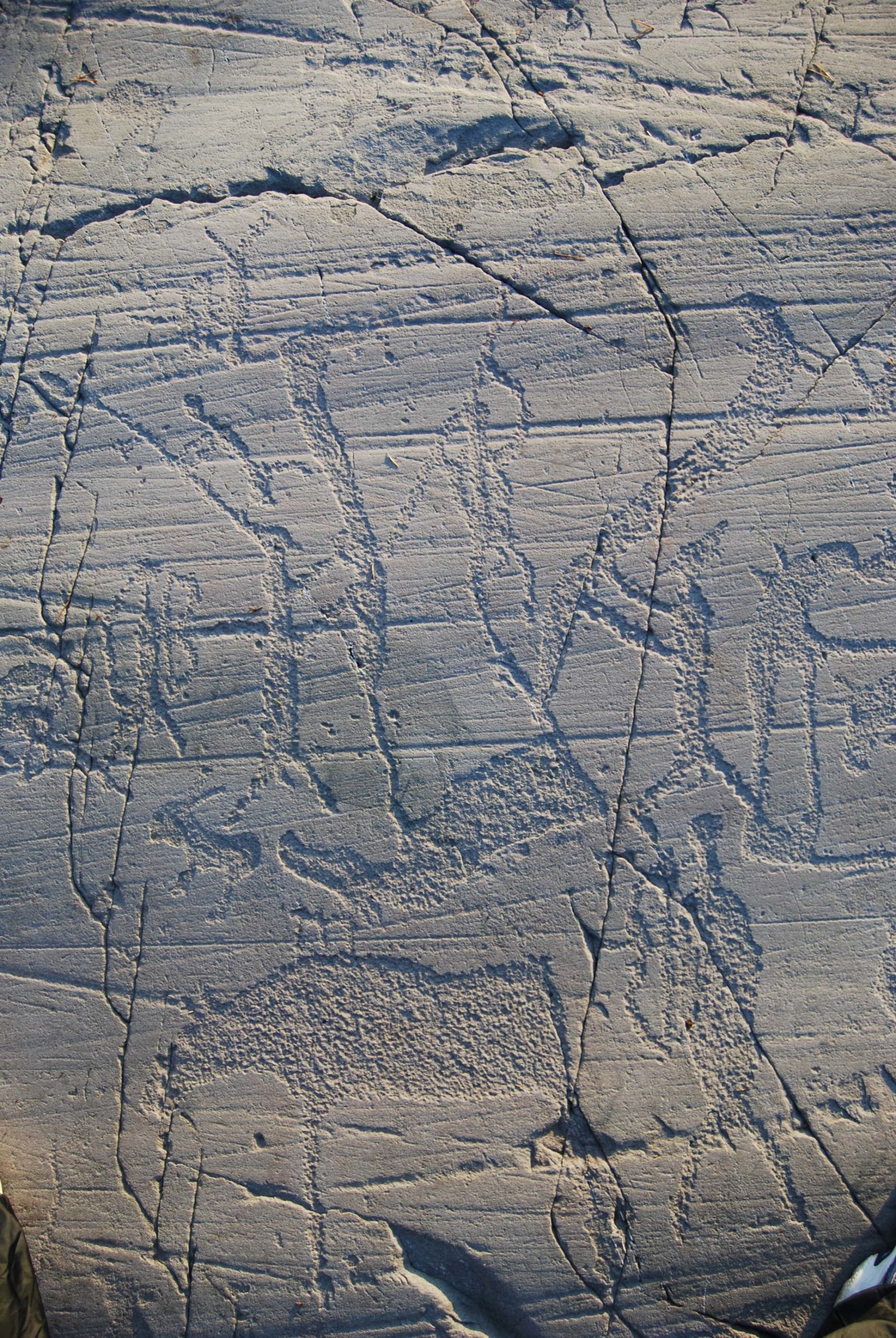
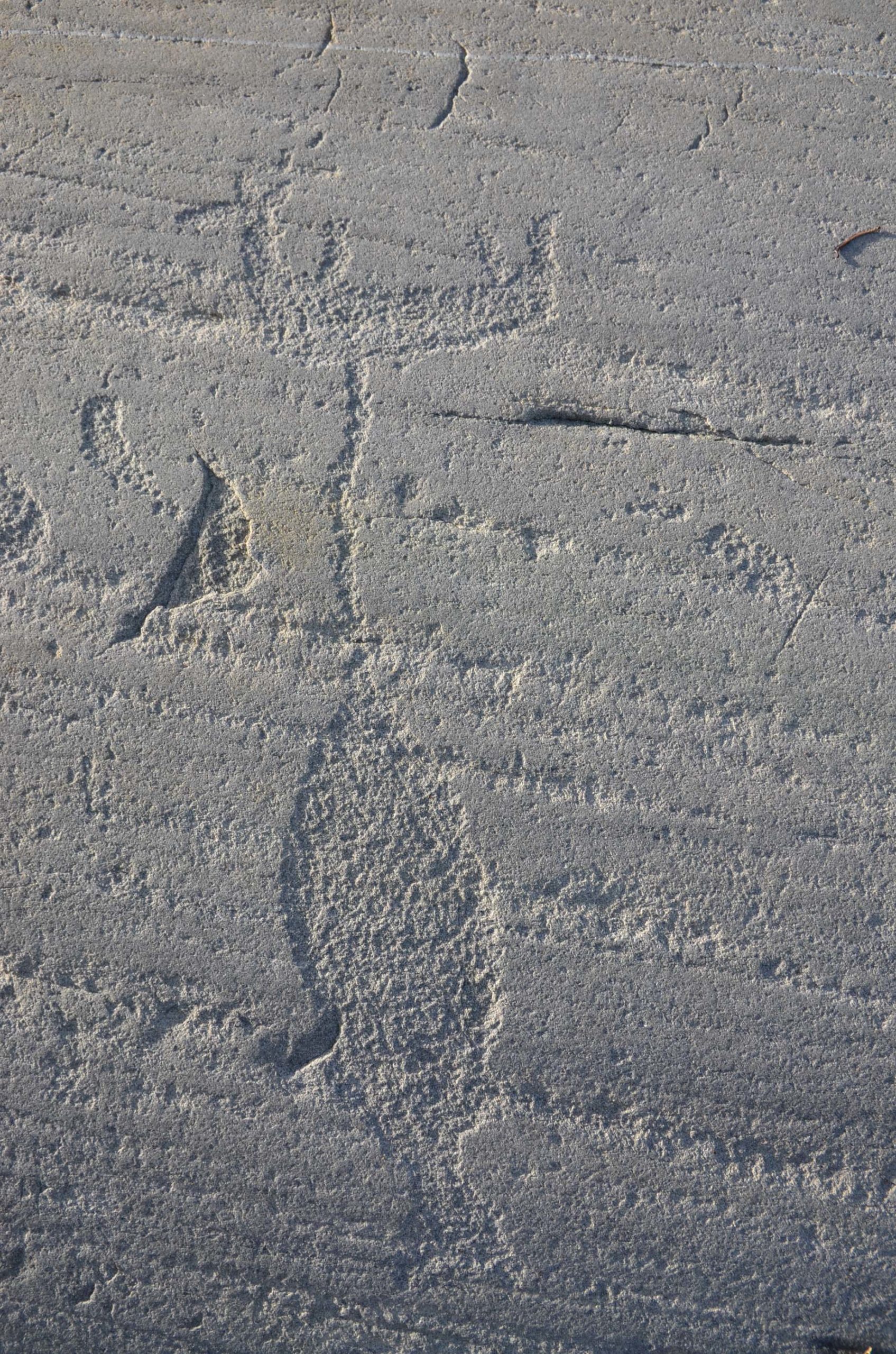
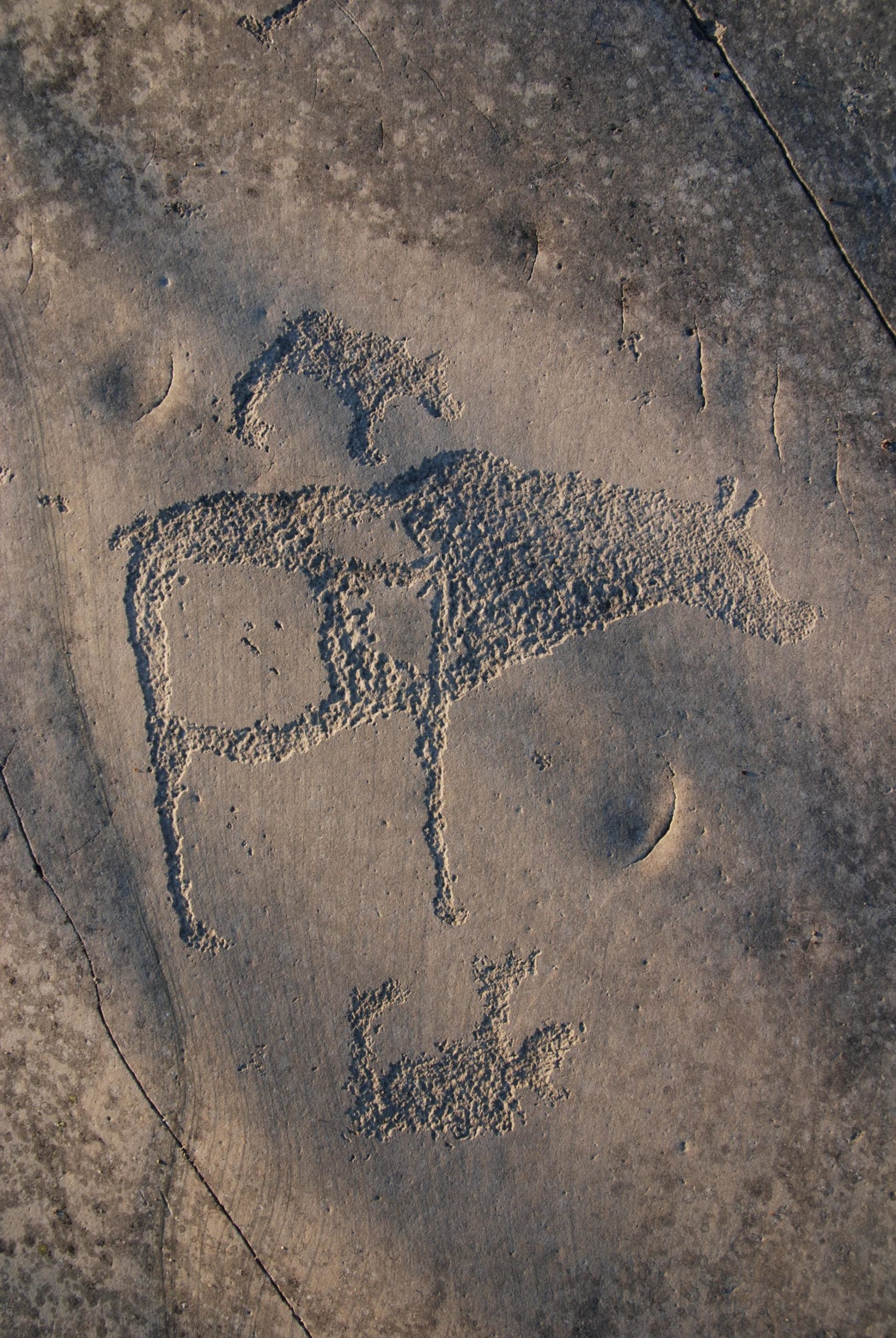
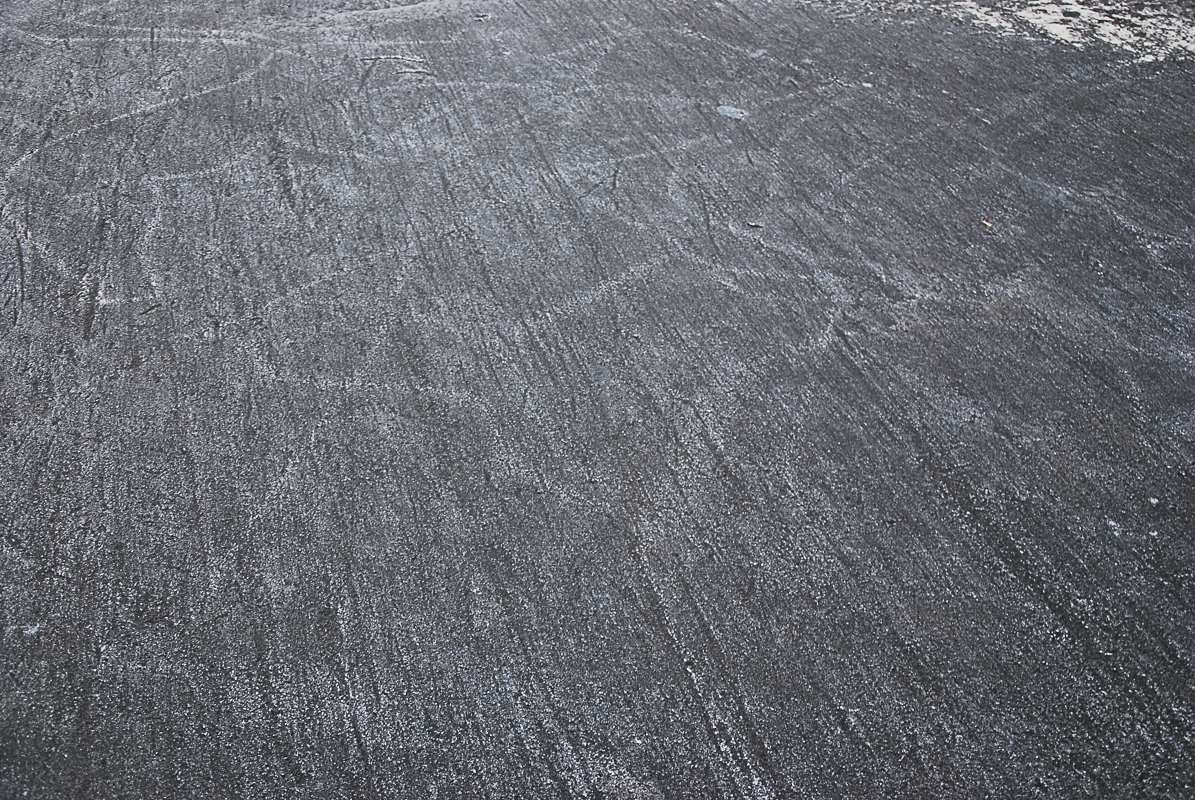
When wandering about the Hjemmeluft archaeological park, you are struck by one thing; you understand almost everything that is happening. People in boats, with a long fishing line and a big, square halibut deep down in the water. Reindeer swimming across the fjord, you only see the heads. Some things take a bit more of an explanation; like the cartoon-like sequence of the bear being chases out of its cave in spring. The hard part is understanding why they were made; were they magic signs, did they play a role when several groups met or did they have some kind of artistic purpose? That we will never know, as there is nobody to ask.
This fisherman fished 7000 years ago
6000 rock carvings line the Alta Fjord
At the Alta Museum, some 3000 rock carvings are found at various levels above the Alta Fjord. This is because the sea level was fluctuating, yet mostly decreasing after the ice age. The oldest, who also happen to be the easiest to understand, are highest up. These are some 6-7000 years old. The further down the hillside, the newer the rock carvings. The youngest date from around the year 0. A further 3000 are found on several locations around the Alta Fjord. Make sure to visit the well-explained Alta Museum for some background information, and the guided tours through the carvings are well worthwhile. The museum is open all year, but the carvings can only be seen when not covered by snow.
There is more archaeology in the North
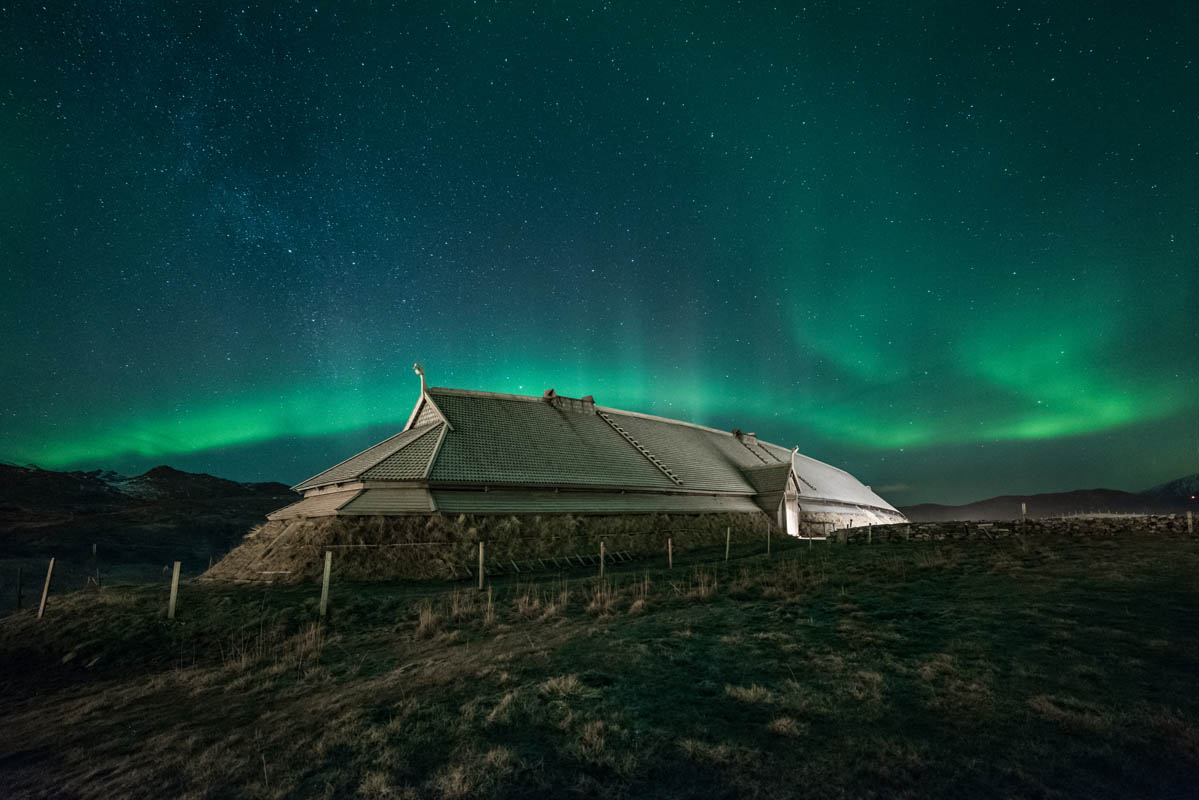
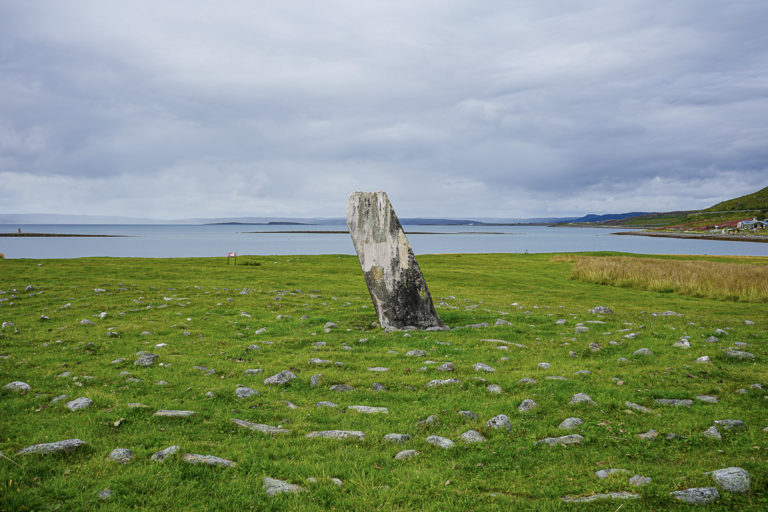
Northern Norway was settled more than 10 000 years ago, as the ice from the ice age withdrew. Stone age, iron age, viking age and middle age; go wandering through Northern Norway’s history.
The Vegaøyan UNESCO site is all about harmony
There is nothing fluffier, lighter, and finer in this world than eider down. A duvet or pillow of down is light weight, but very warm, and is fit for a king’s bed. At the end of winter, the locals on the 6500 island off Vega, in the far south of Northern Norway, start preparing the little eider duck houses, lining them with seaweed. In May, the eider duck pairs arrive, inspecting the little houses before deciding on one. Then the man…you know how men are… simply leaves. The missis lays the eggs, and warms them with down from her own body. By midsummer, the ducklings are hatched, and a few hours old they walk in line down to the sea and are gone.
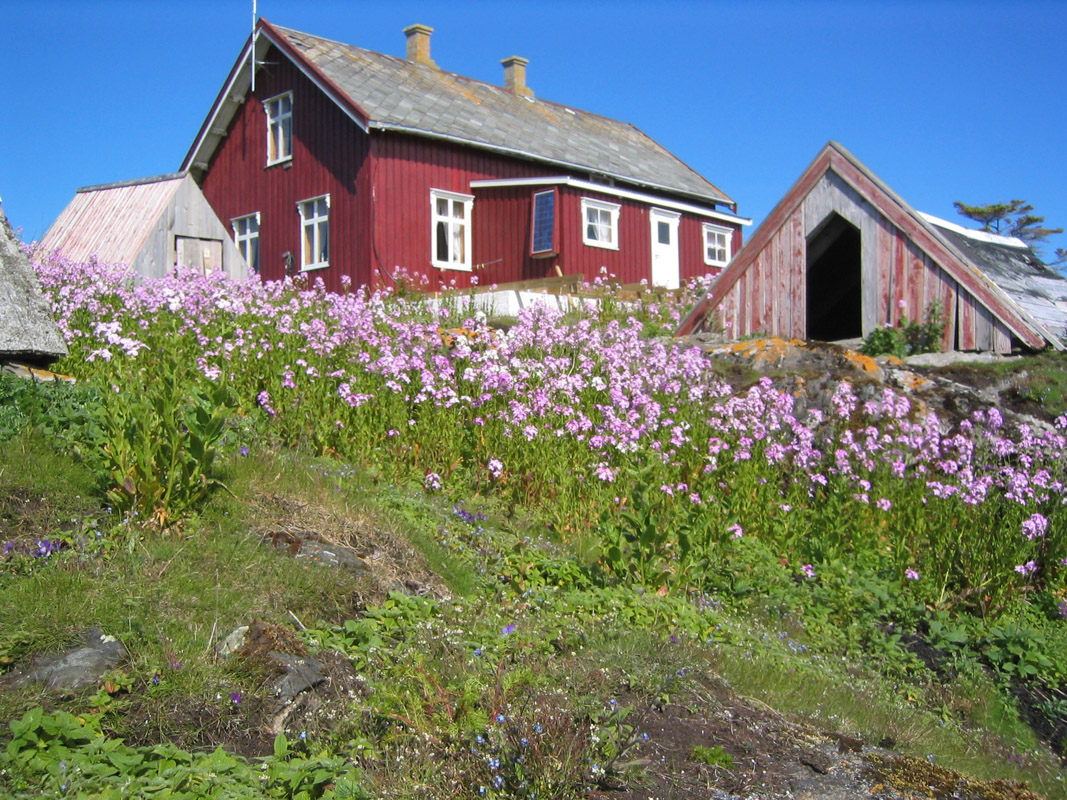
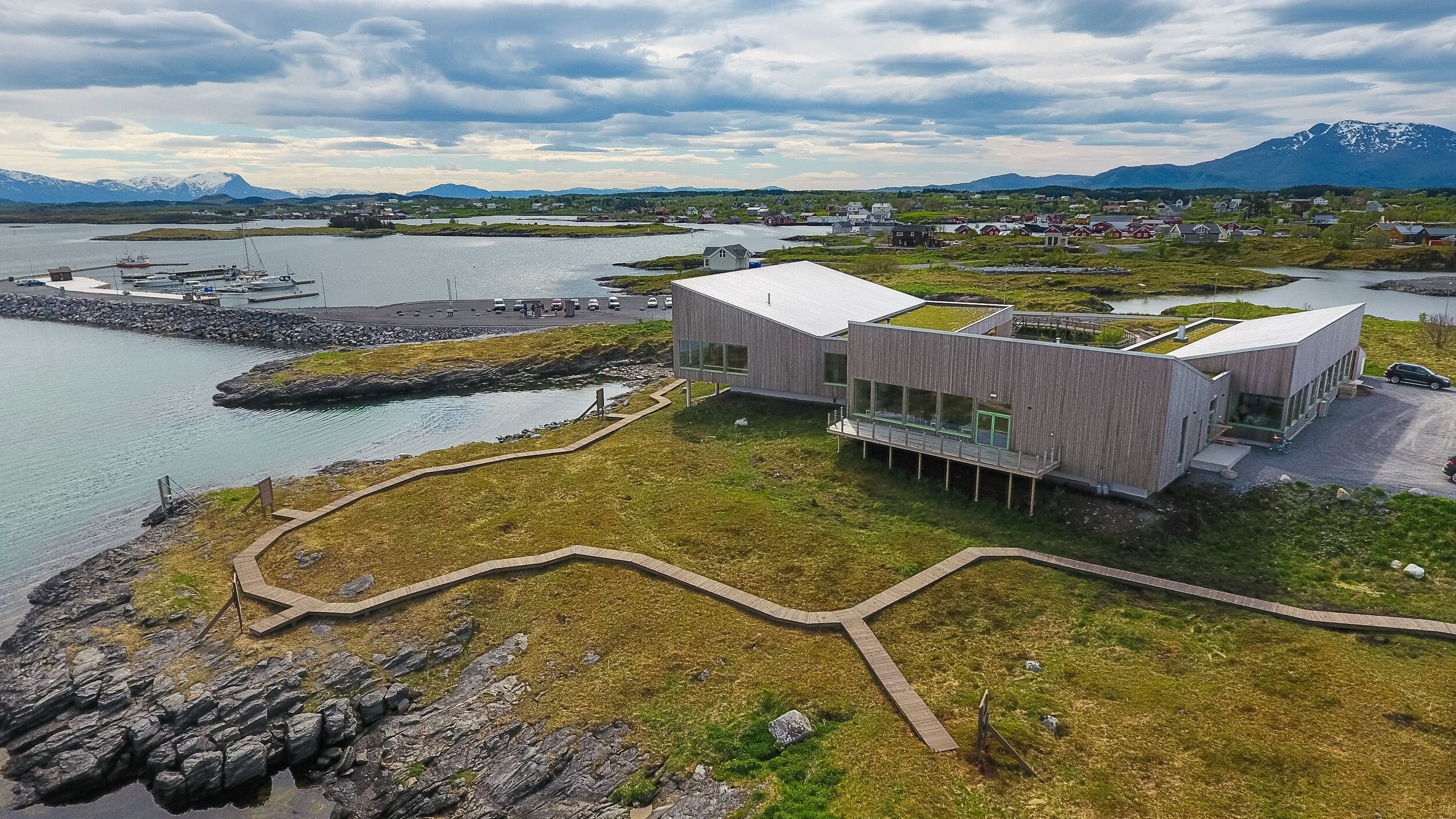
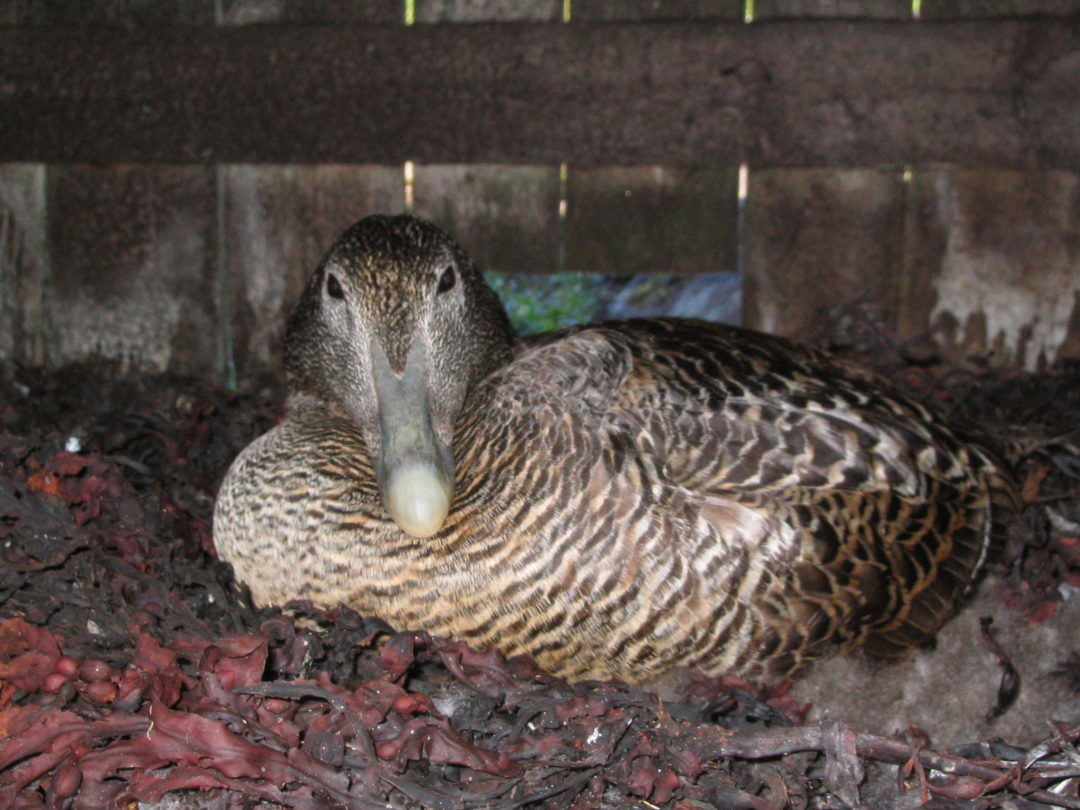
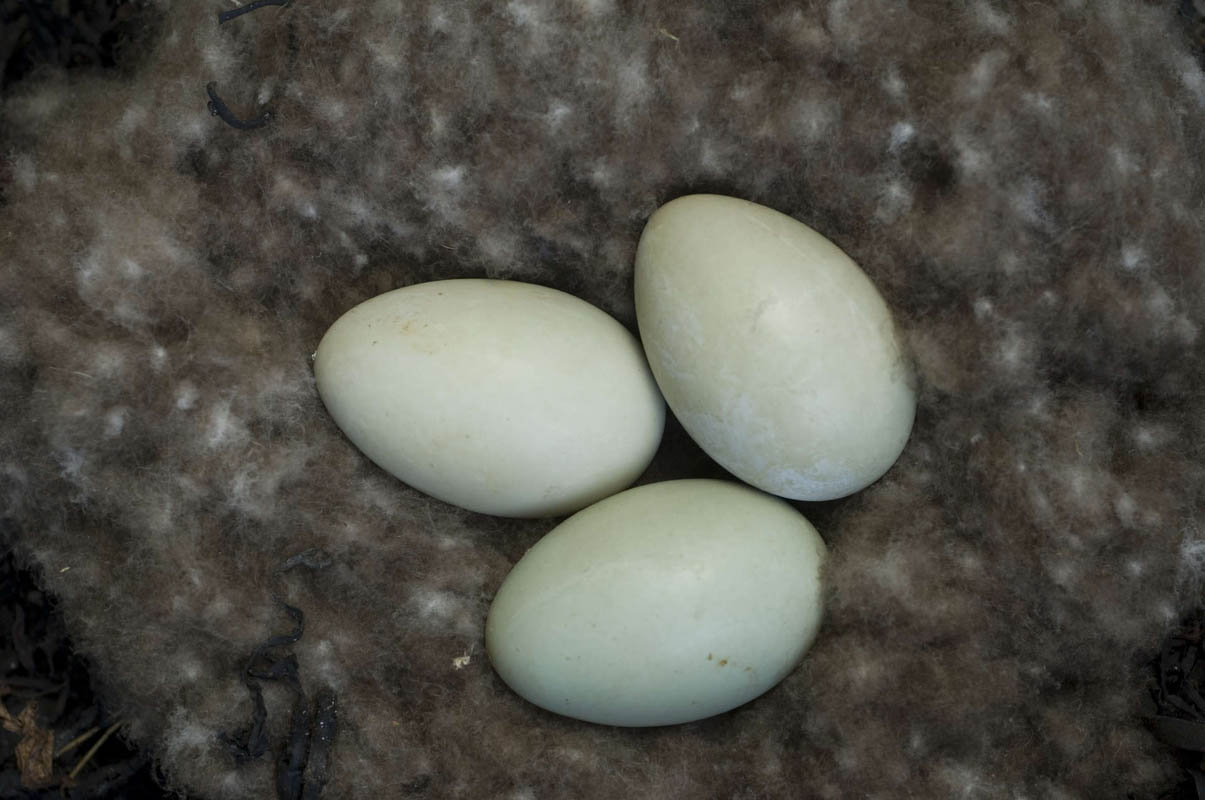
Down islands are an old tradition keept alive on the Vegaøyan island
For the locals on the islands, the early summer is consecrated to the eider ducks. The cat is locked in, unruly kids are sent to grandma, and one makes regular tours with a broomstick to fend off eagle attacks. The welfare of the eider ducks is priority. The reward are the soft downs, cleaned and plucked through summer and traditionally sold at markets. Since few people live on the islands these days, this way of life is under threat. However, at the Vegaøyan, this myriad of islets and skerries, a programme keeps the traditions alive, and can be experienced at the World Heritage Centre as well as on boat rides to the islands.
This is true love!
There is more coastal culture around
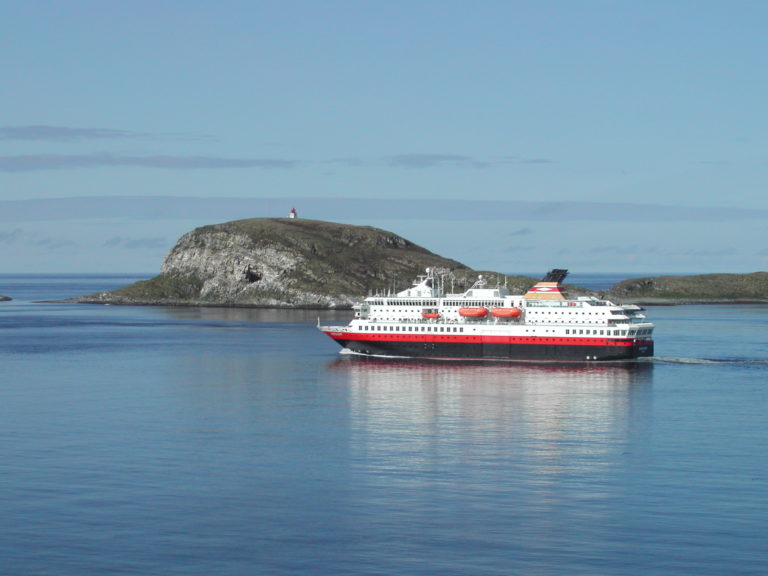
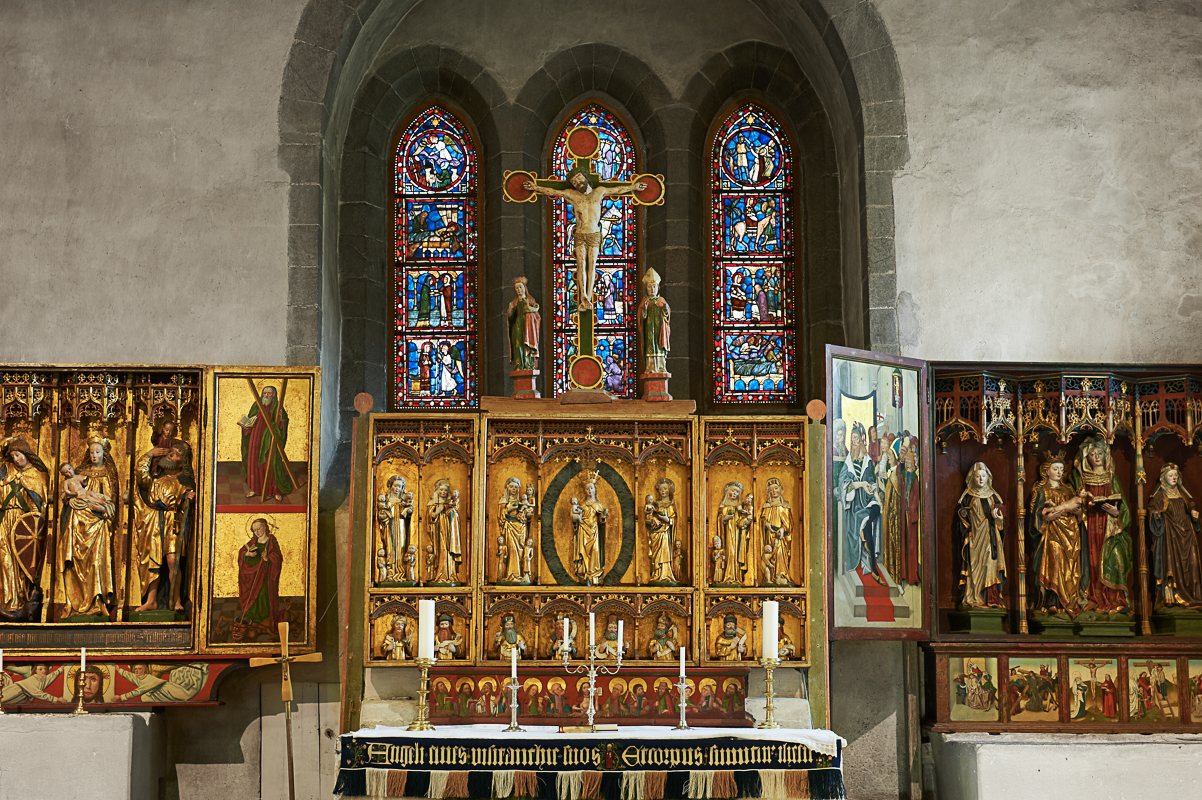
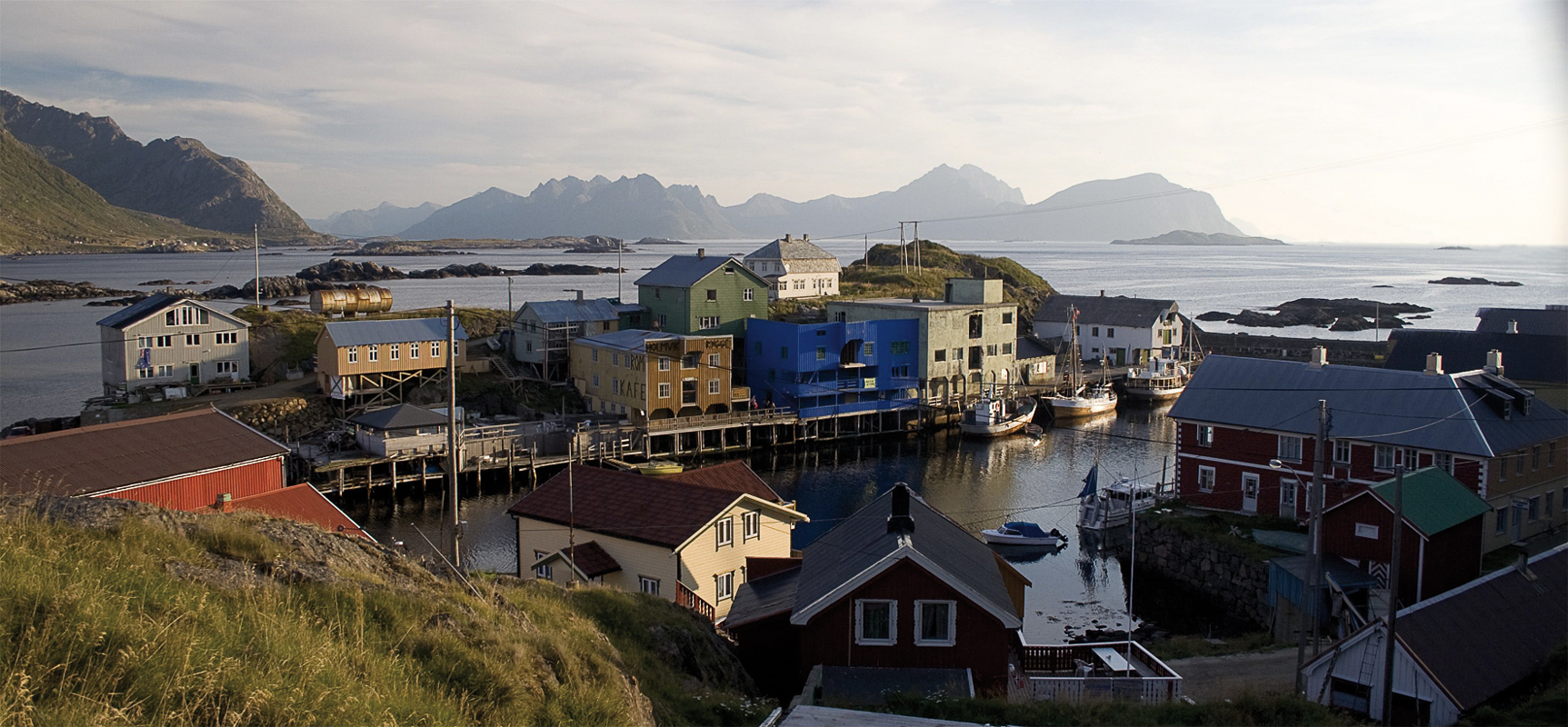
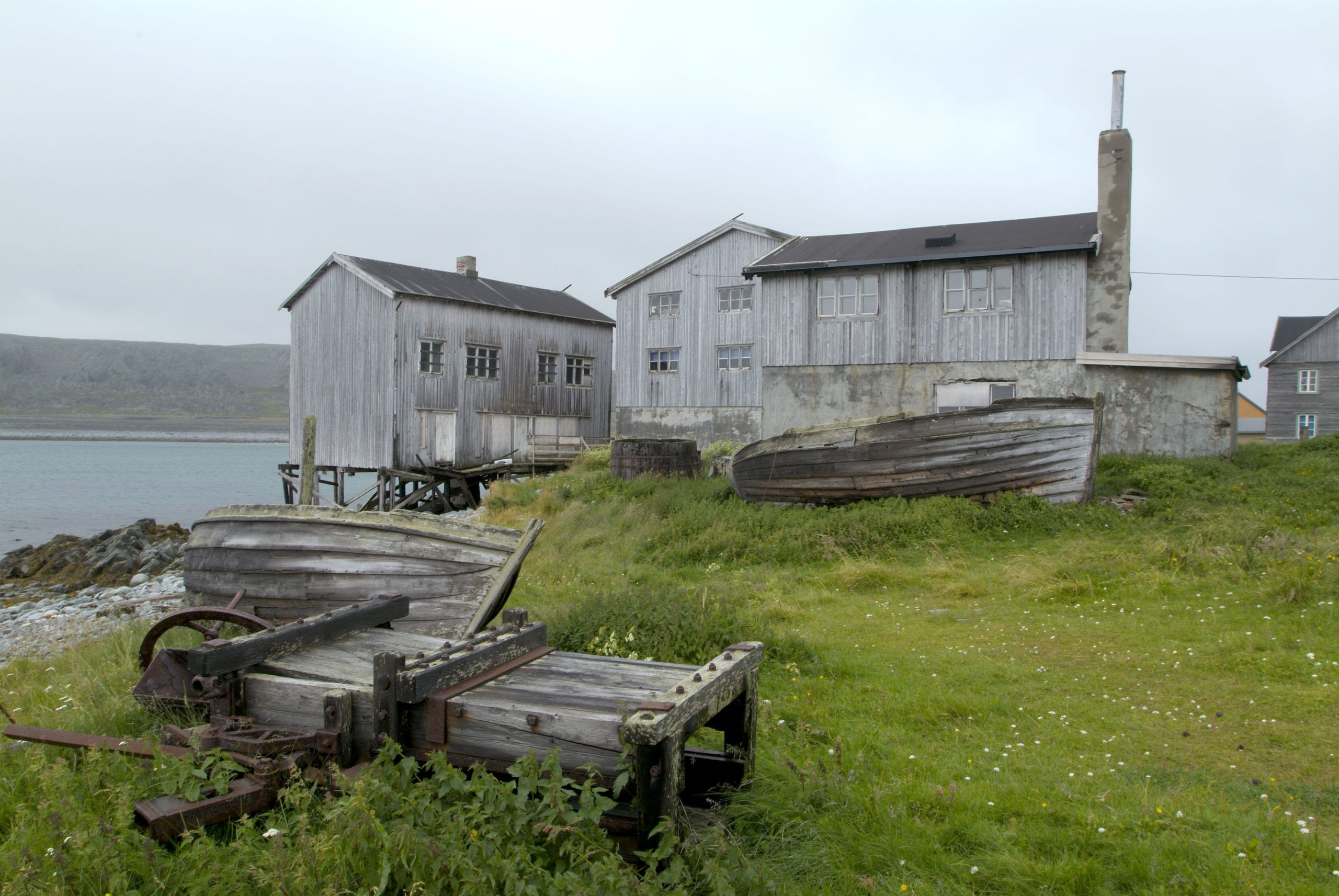
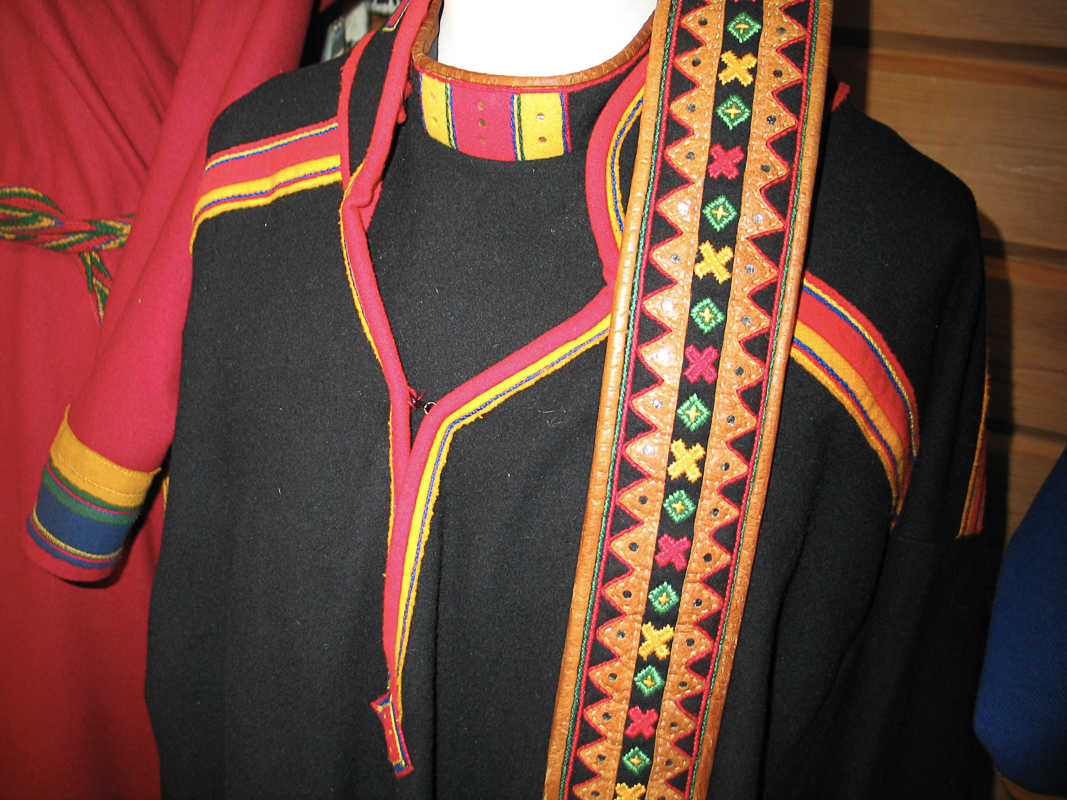
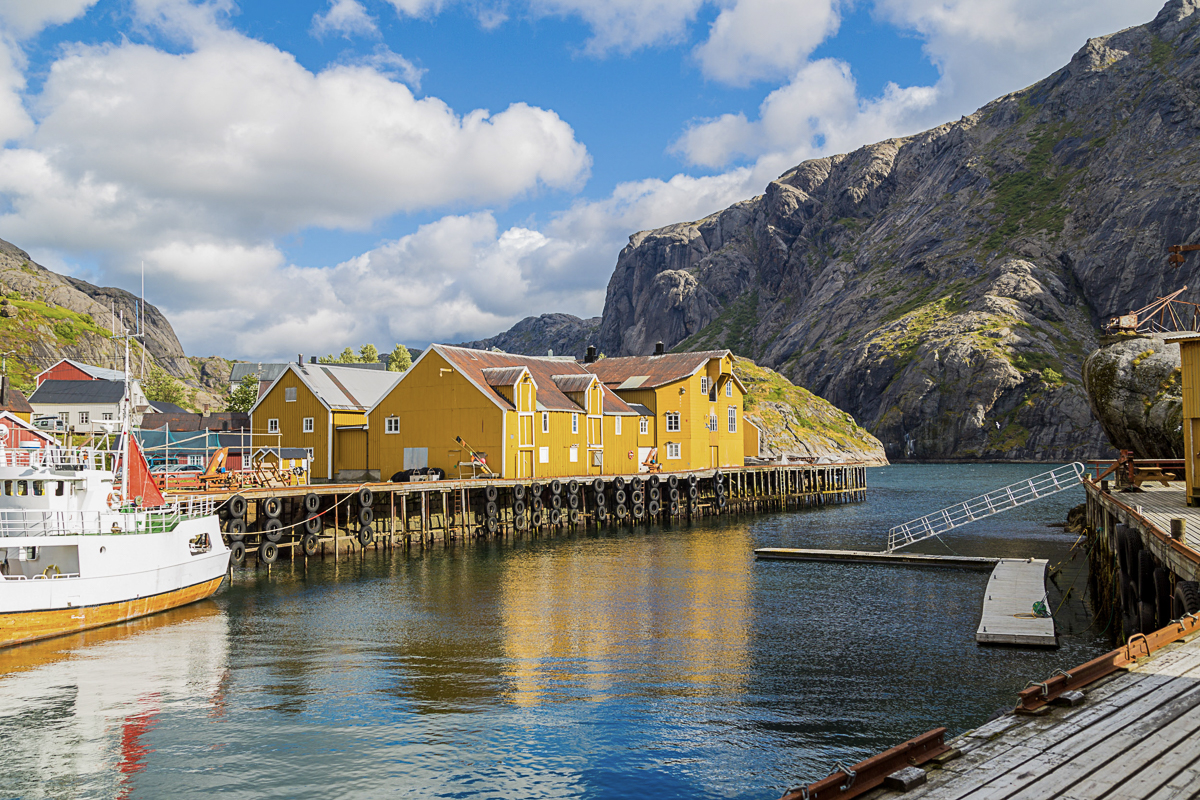
Unique as the Vegaøyan are, they represent something typical from the North. Northern Norway has been exporting cod for more than 1000 years, and the coastal culture is found from the south all the way to the Russian border. Here are some other sights that illustrate the same.
How big is the planet?
200 years ago, one was unsure about the exact size and shape of the globe. To have a better understanding of the globe, the German Friedrich Georg Wilhelm von Struve, the director of the observatory of Dorpat in Russia (now Tartu in Estonia) undertook a project of measuring up the planet with the help of 265 triangulation points in what are today ten countries. All the points are found along a 2820 km long line, a geodetic arc, from Hammerfest in the north to Izmail in Ukraine near the Romanian border. The 34 points that are visible today, now constitute the von Struve geodetic arc UNESCO world heritage site.
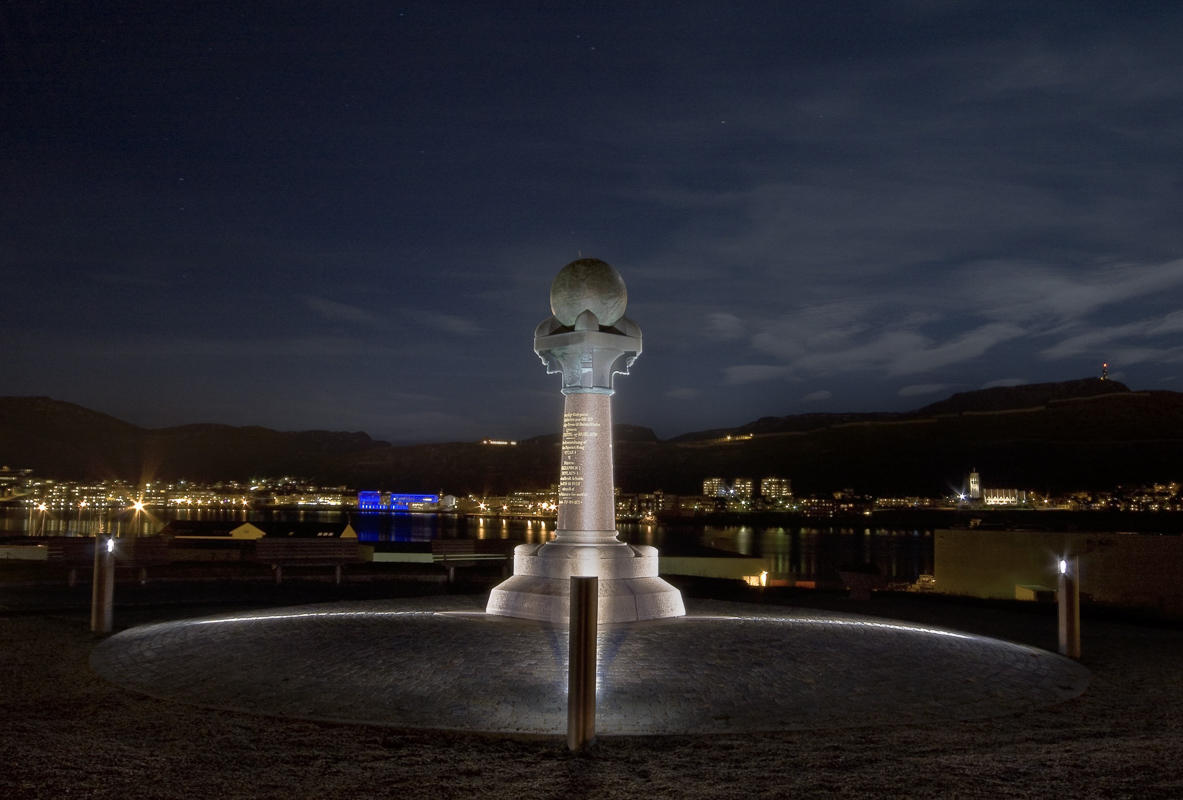
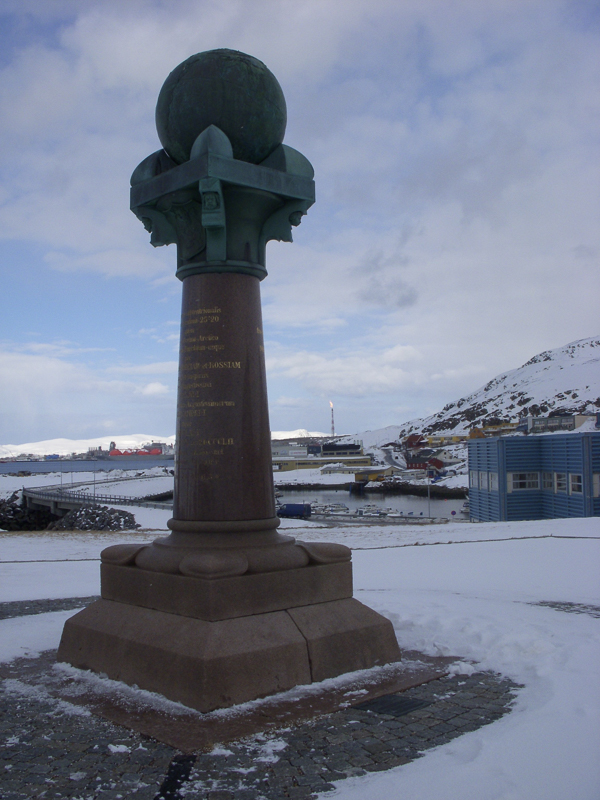
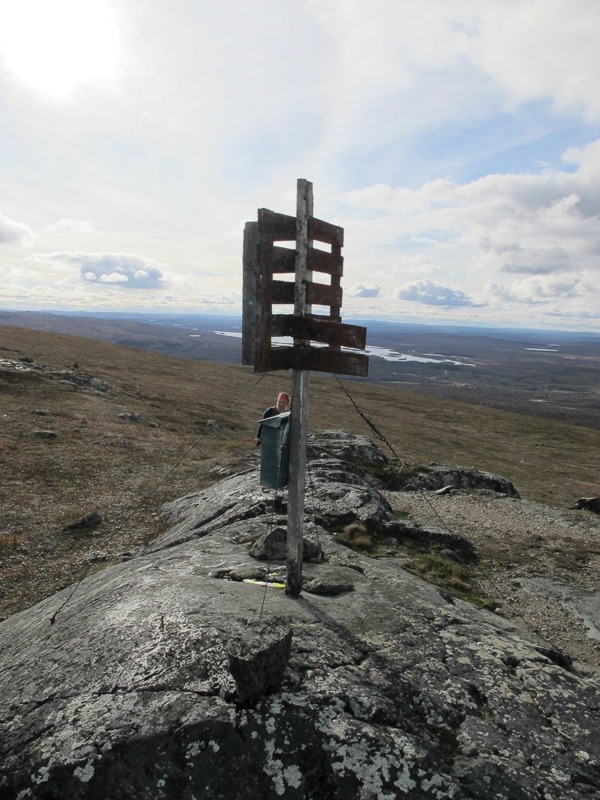
The meridian column in Hammerfest is at the end of the line
At Fugleneset Point in Hammerfest one finds the Meridian column, a memorial raised in 1854, two years after the completion of the project. This is a landmark that is easy to see. A further three triangulation points are found in Norway. The 286 metre high hill of Unna Ráipásaš (Norwegian Lille Raipas) is an easy hike from Alta, offering a wide view. Mount Luvddiidčohkka in Kautokeino municipality is more difficult to access, and should be dared by experienced hikers only. Finally, Mount Bealjášvárri near Kautokeino is a well-marked trail, but reserve most of the day to do it.
From Hammerfest to the Danube
Go to the extreme points in Northern Norway
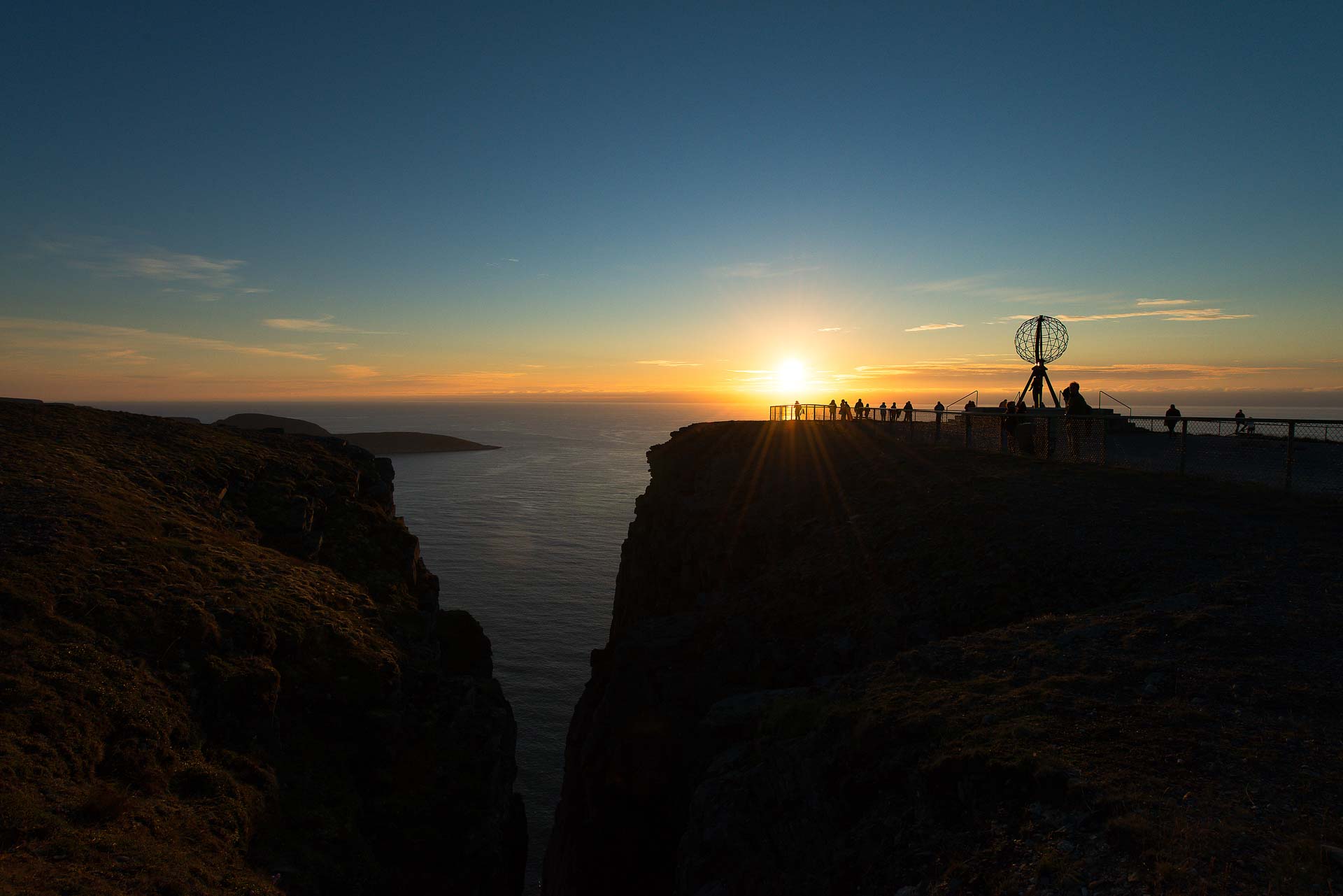
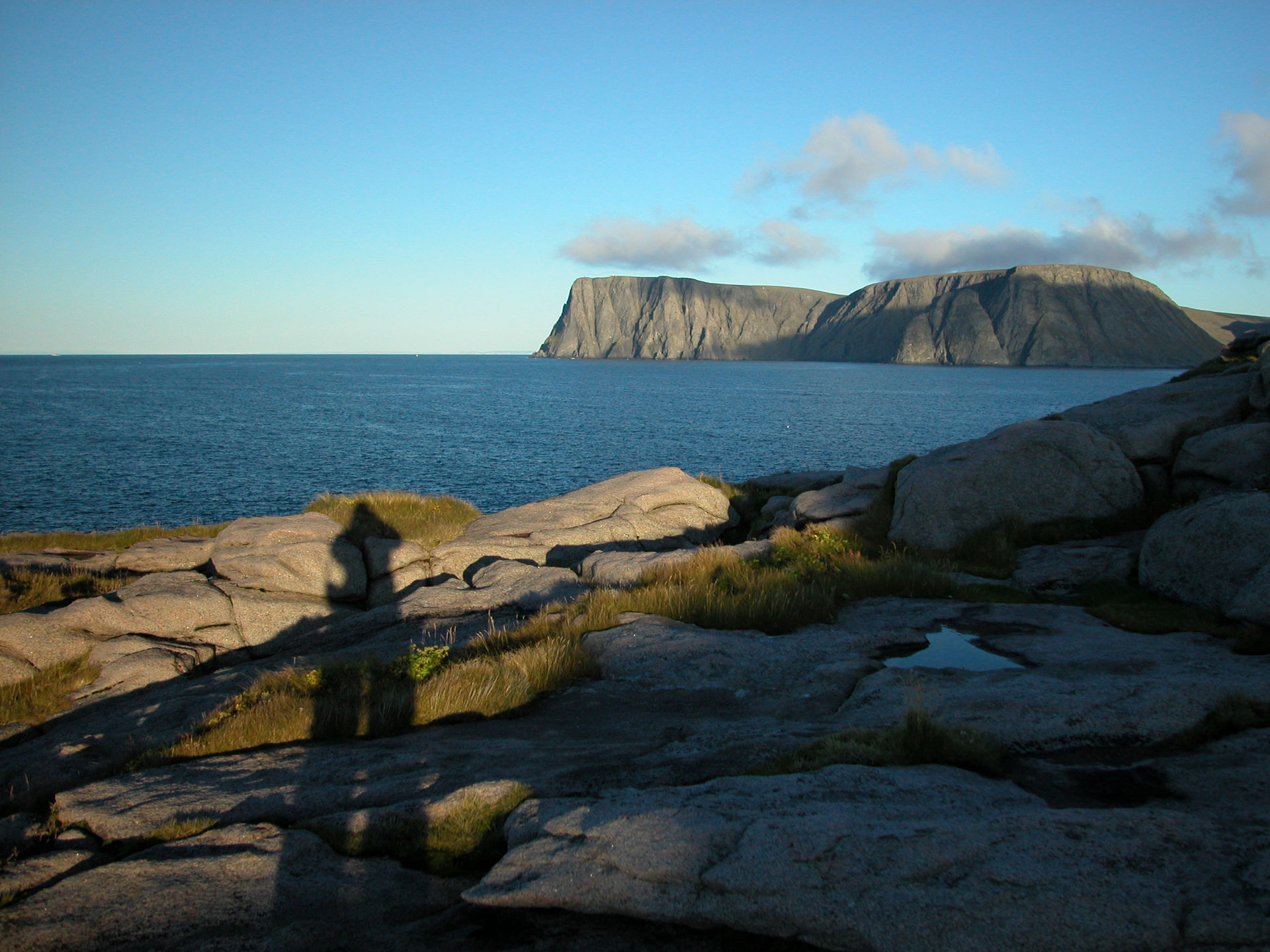
The North is also extreme geography, as we are further north than almost anyone else. Both the easternmost and the northernmost points of Norway are found in Finnmark, the north of Northern Norway. Here are some other points of interest.