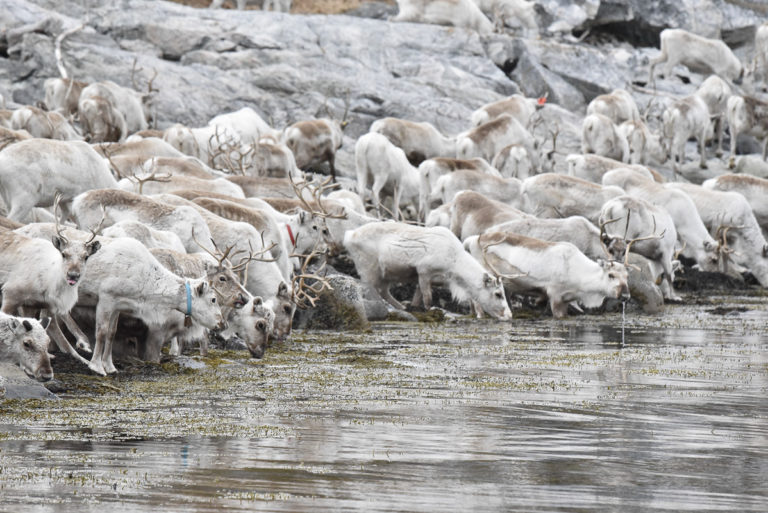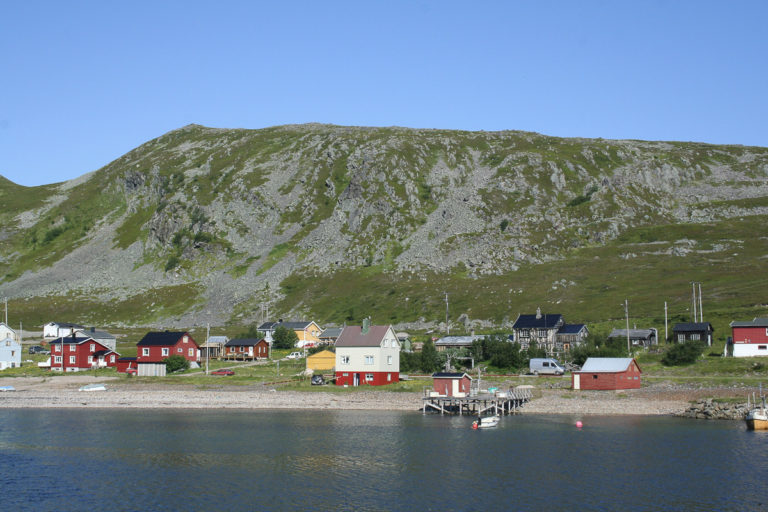
On July 30th, the midnight sun dips into the sea at the North Cape, and the darkness of night starts to creep down across Northern Norway. At first there’s just a faint dimming at midnight, but eventually the street lights start to come on, and people start lighting candles. And then someone always says “actually, I think it’s cosy”. But the evenings are still light before the equinox on 21 September. We may get the highest temperatures of the year in early August, but we might also see a dusting of snow on the mountaintops. This melts away quickly though, as winter is still several months away.
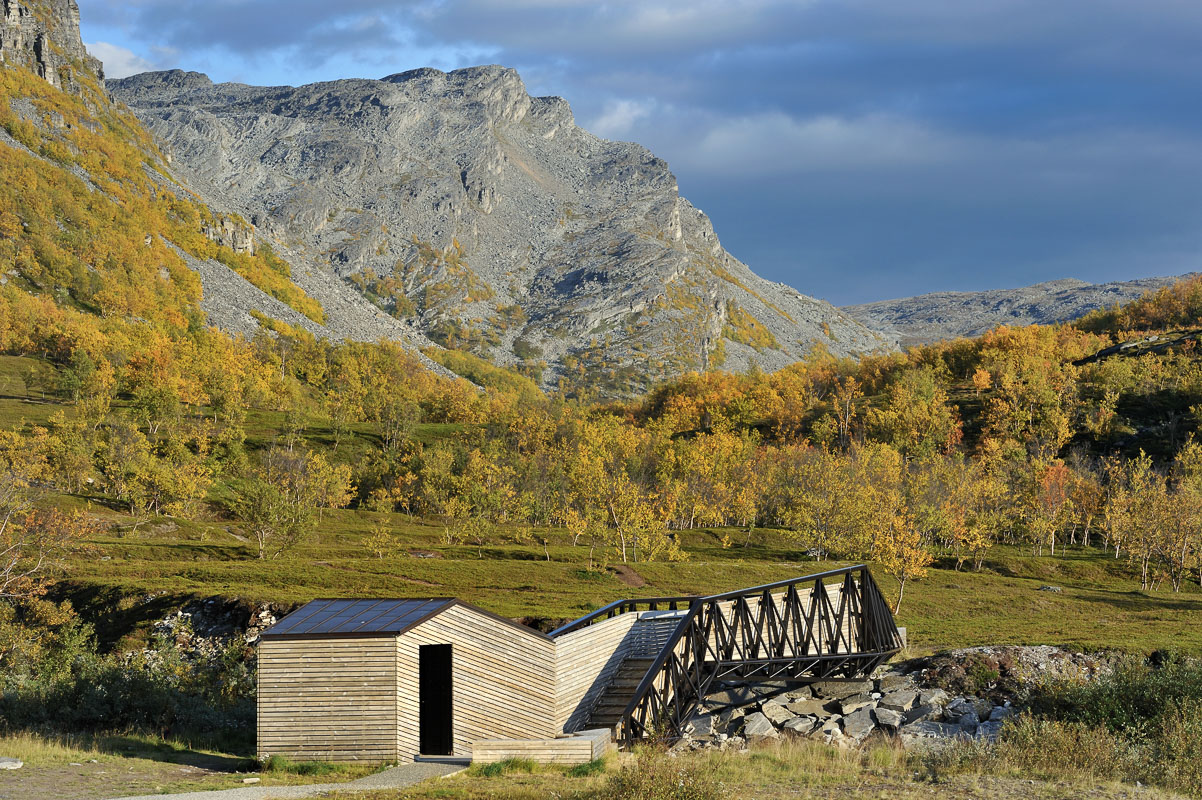
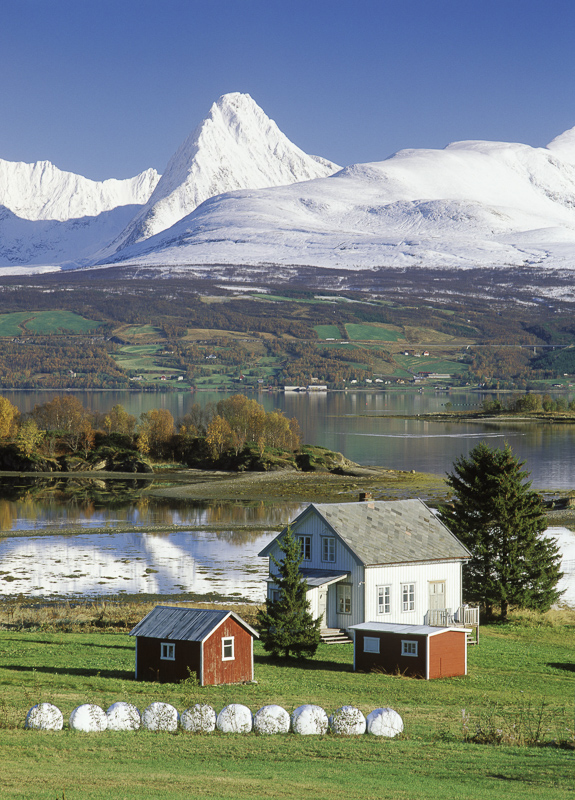
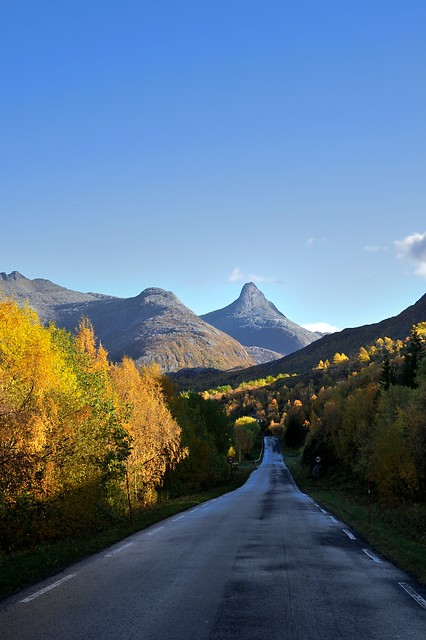
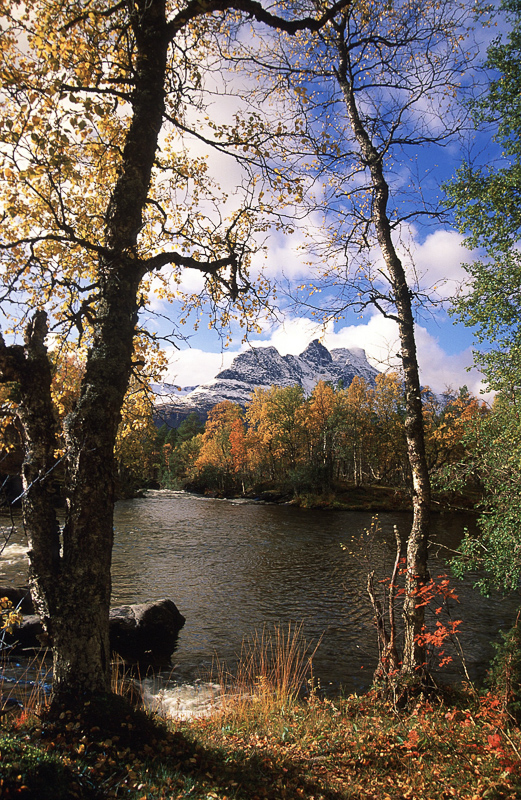
Late summer into autumn is the perfect hiking period
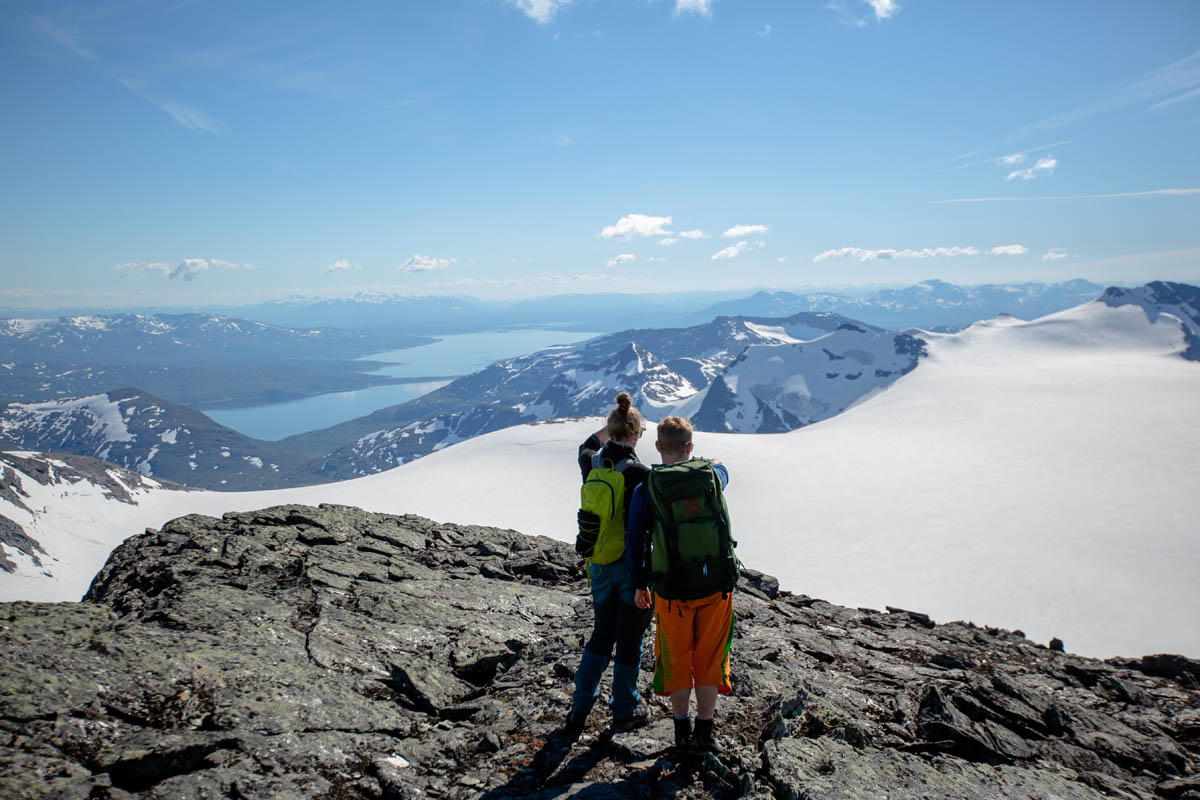
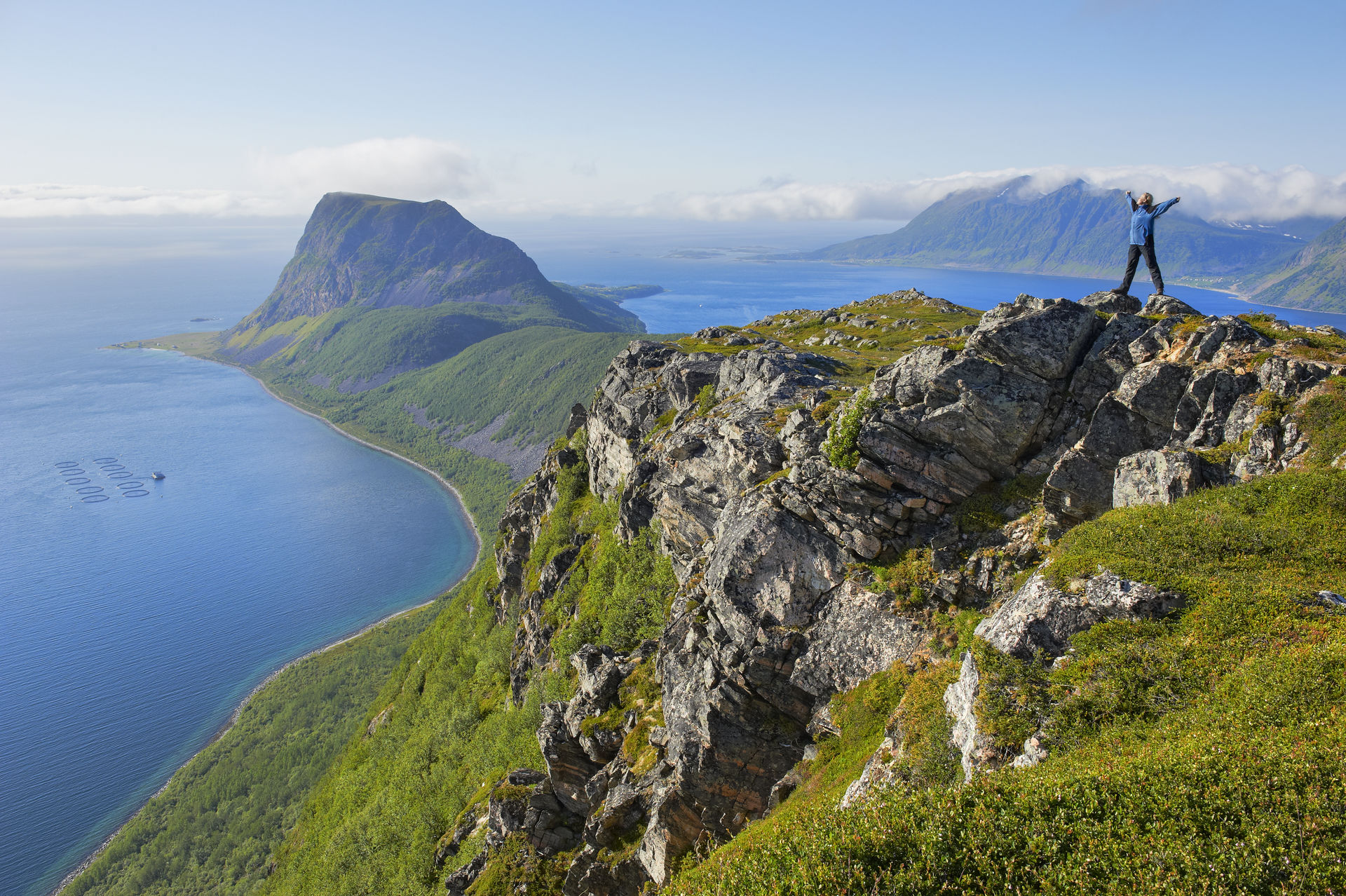
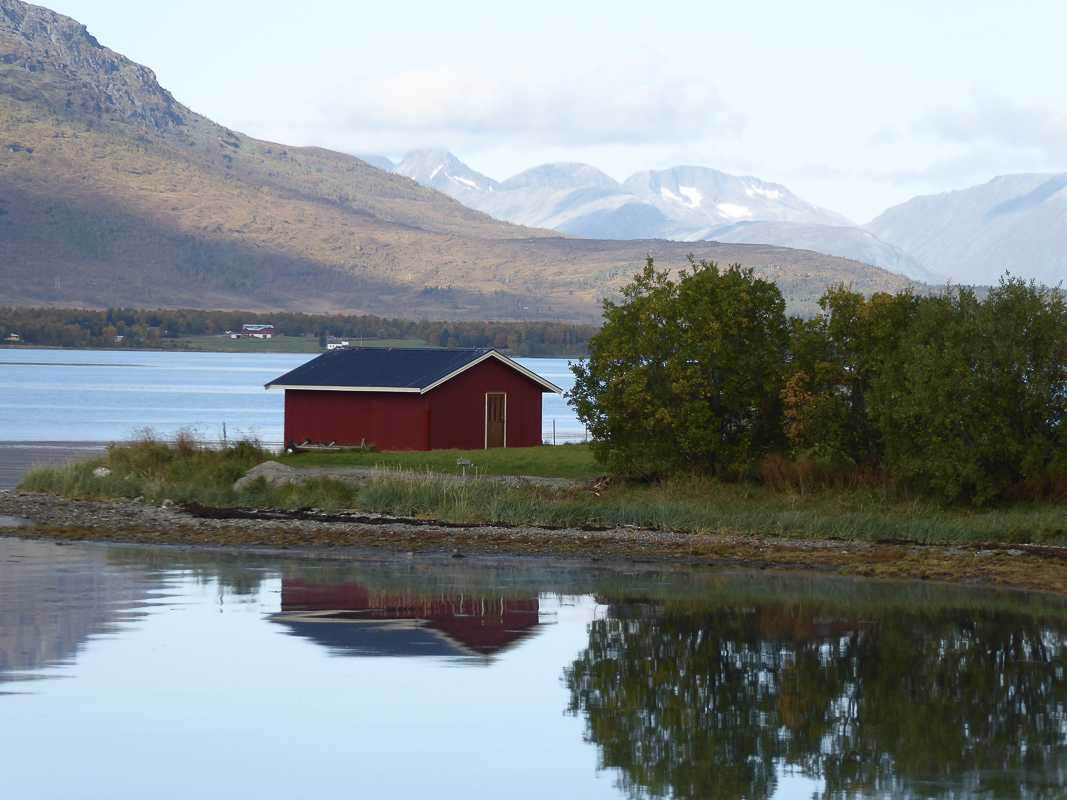
Later in August, the flies and midges emerge from the forests, there’s barely a flake of snow to be seen in the mountains, the water in streams and lakes is clean and clear, and the temperatures are very pleasant. Lots of people choose this time of year to hike up the highest mountains, because the clear air ensures the best visibility. In the dog days of August, you’ll be comfy in shorts, while the brisker autumn temperatures of September mean that you should put an extra sweater in your bag, just in case.
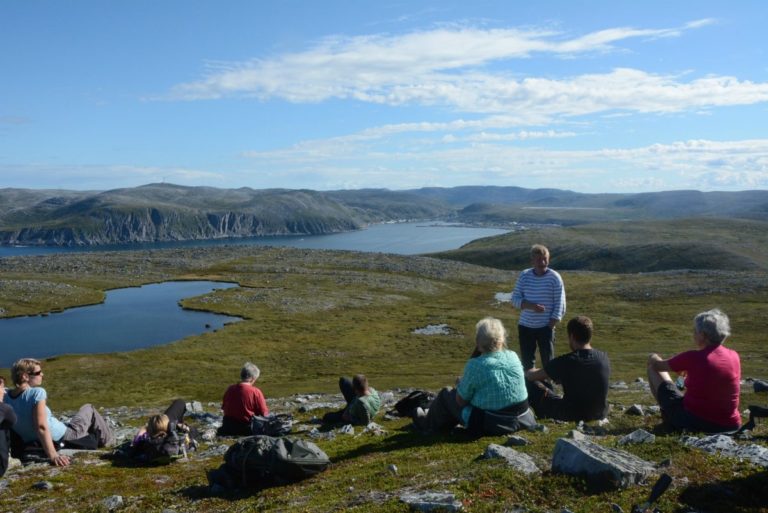
August offers a colourful farewell to summer
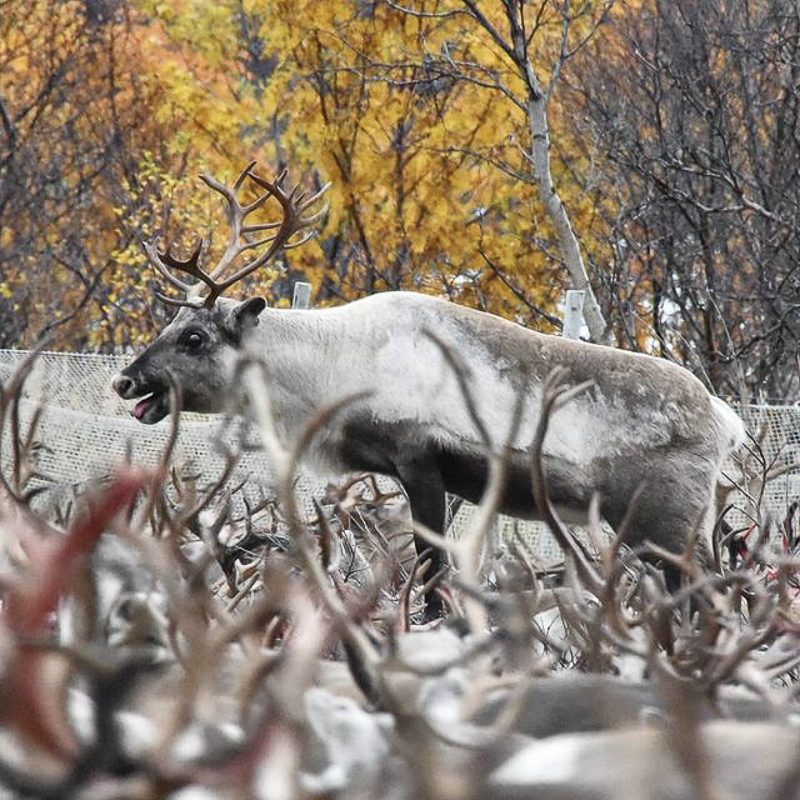
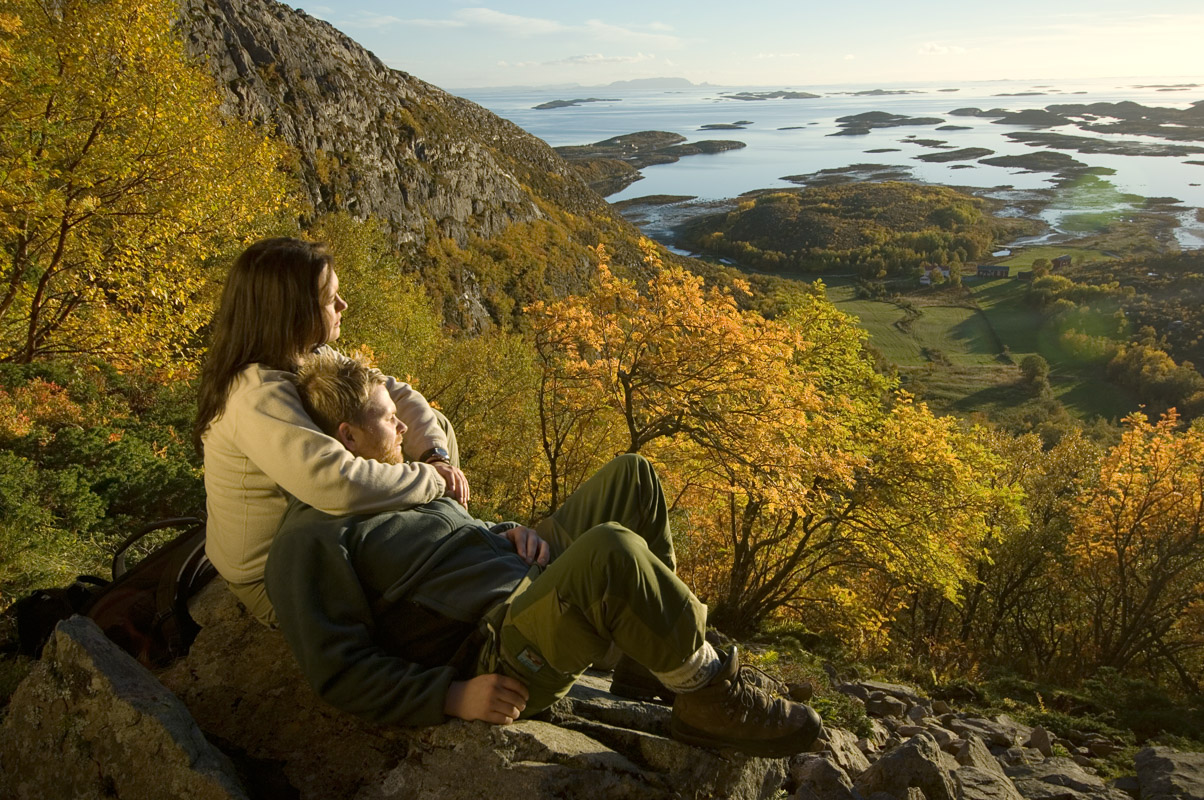
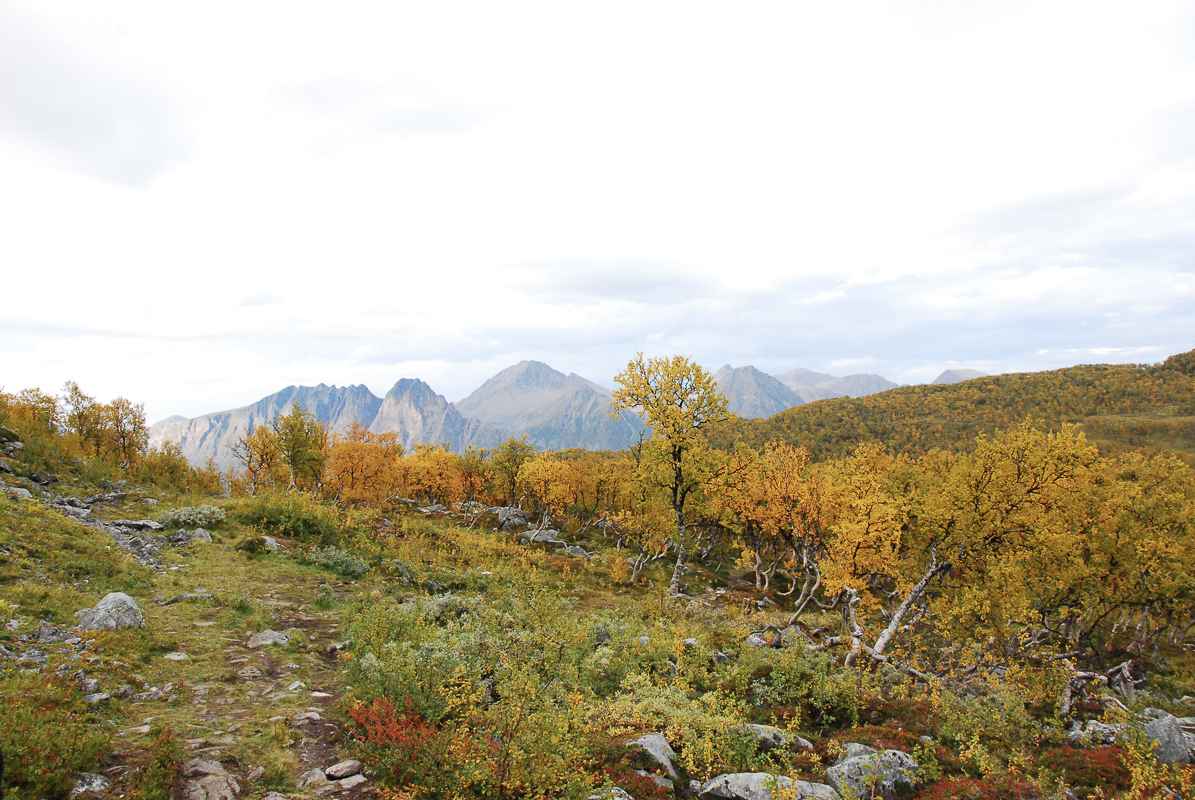
August is a month bursting with colour, from the fuchsia of willowherb along the roadsides, the red of rowanberries to the deep green of leaves. At the end of August, Arctic birches turn an orange-tinted ochre yellow, and the blueberry shrubs flame high up on the mountainsides with a fiery red. In September, the colours creep down into the forests, starting with the lemony yellow or pillar-box red of the aspen, followed by the rowan, which moves through a spectrum of deep yellow, luminous orange and deep red, before changing to a surprising purple. Almost at the same time, the birch leaves cloak entire mountainsides in a vivid yellow. We can usually enjoy a couple of weeks of this glorious spectacle, and then a storm will come and blow it all away. That’s nature for you.
For one week or two, the summer warmth embraces, but then the storms charge in. And the memory soon erases.
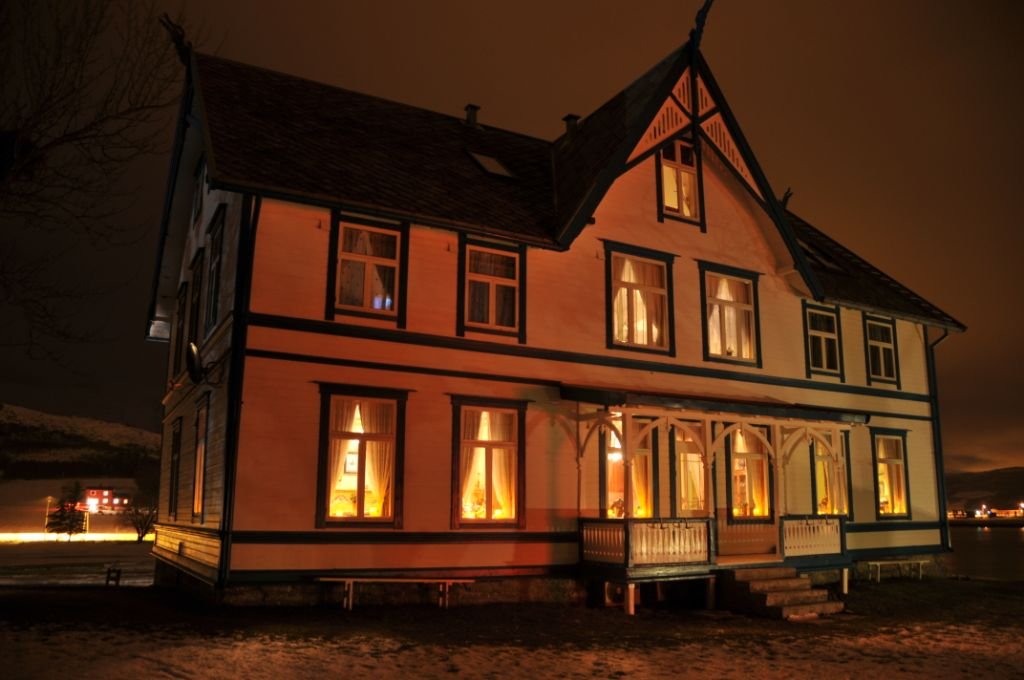
Lady aurora timidly appears as the nights get dark
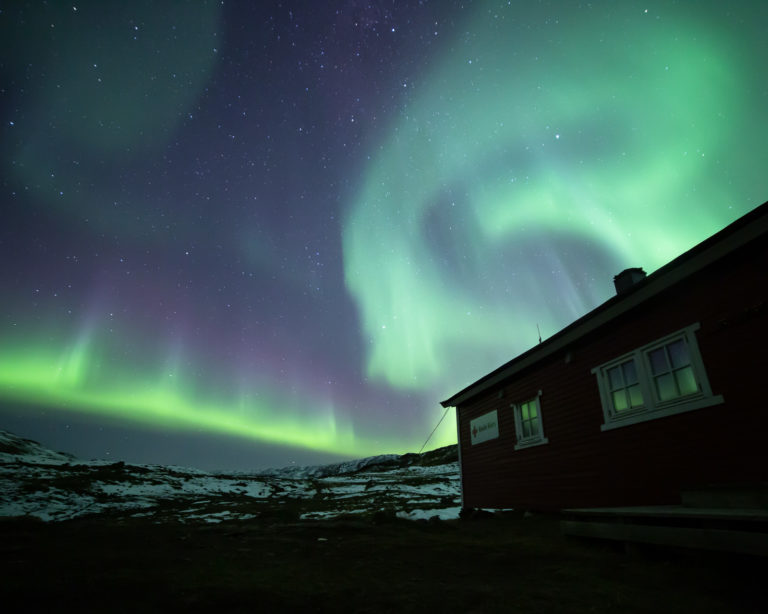
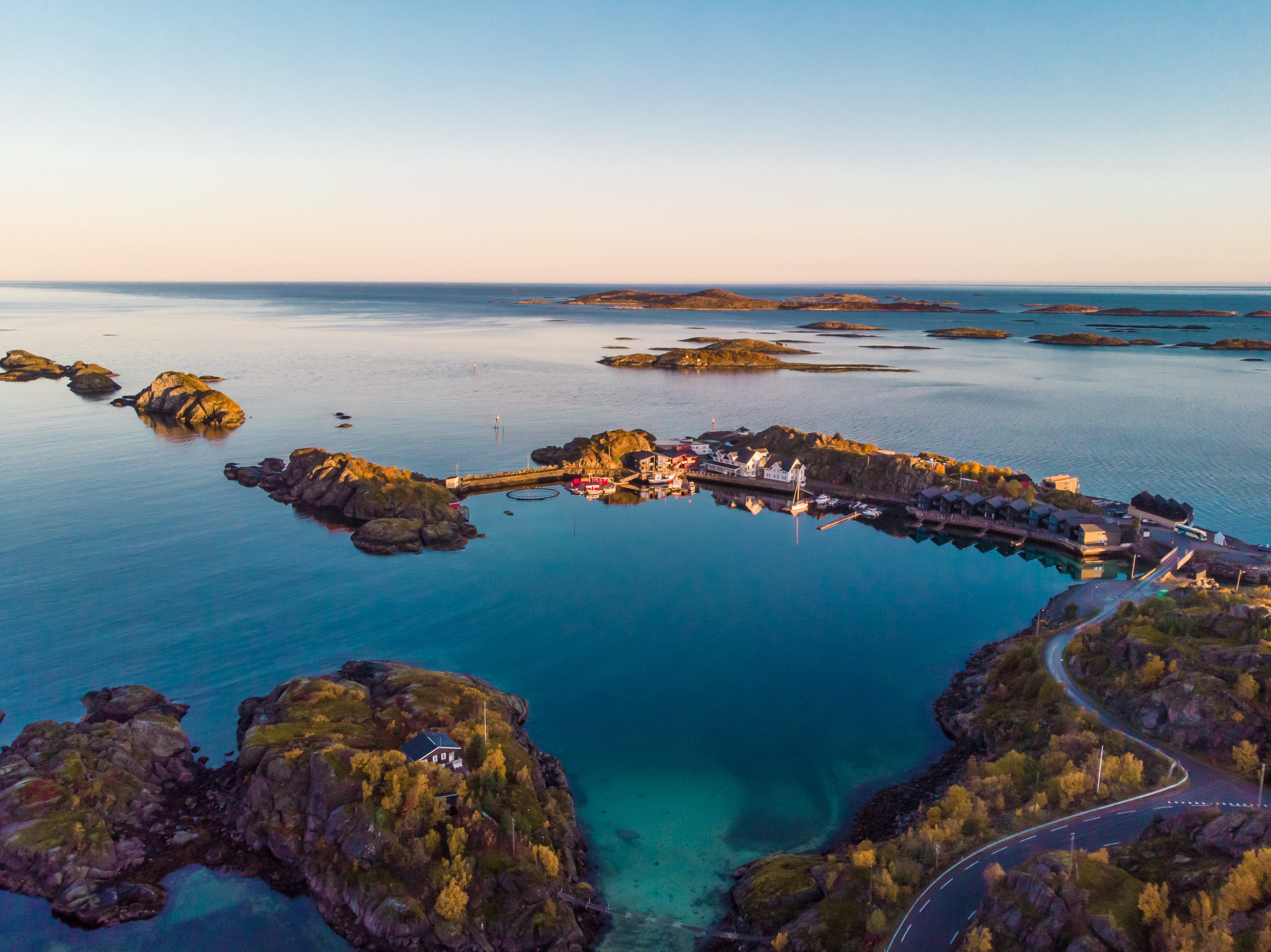
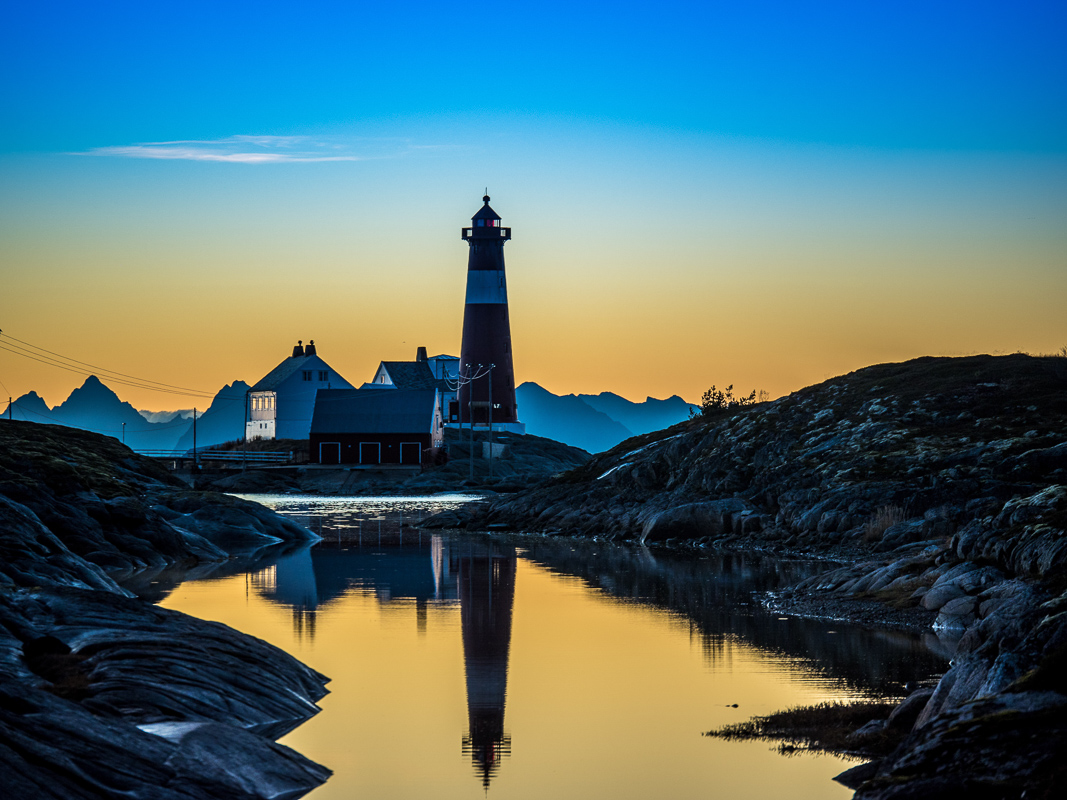
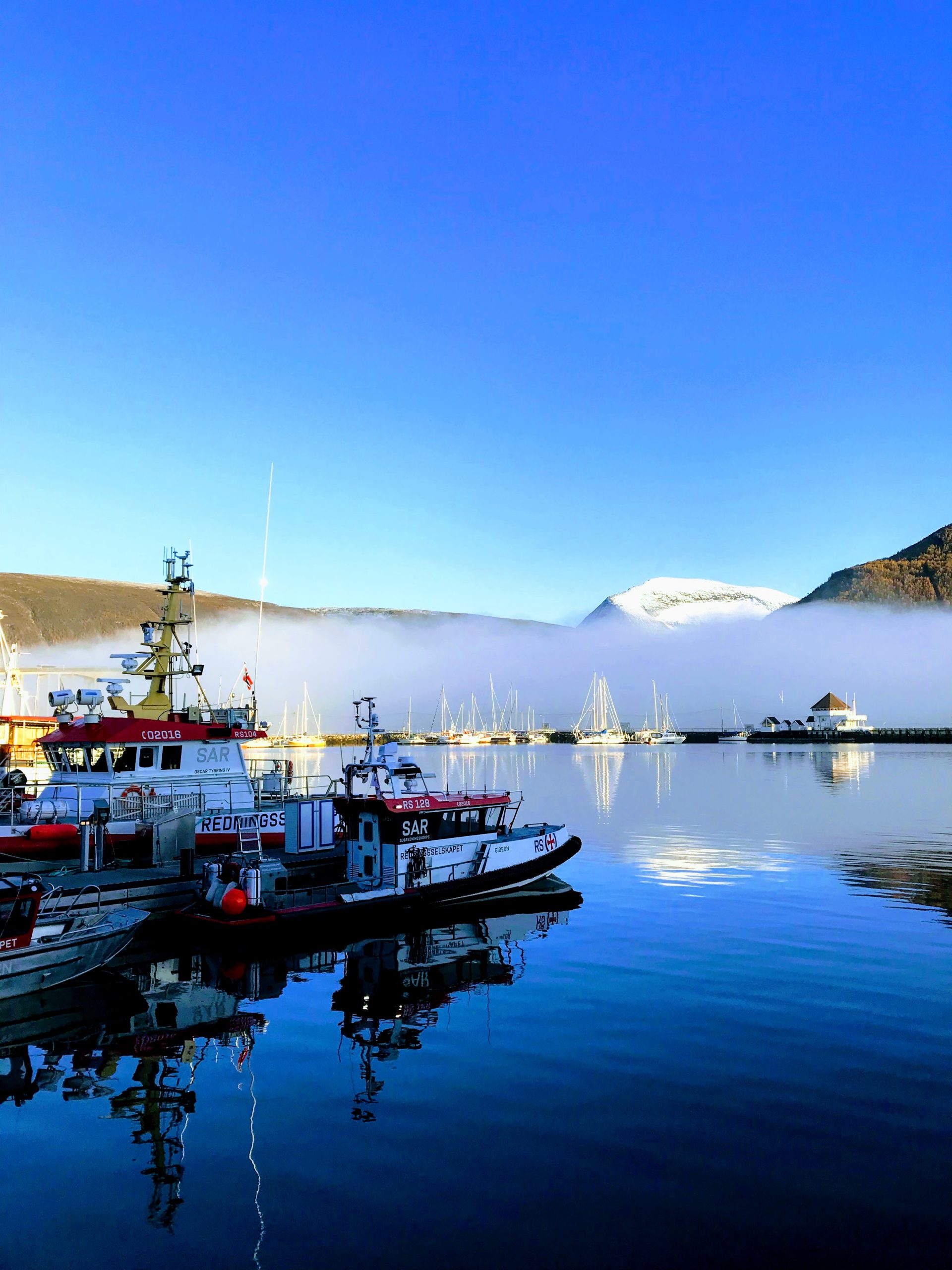
The first rays of the Northern Lights become visible as early as mid-August, once the nights start to grow darker. Experienced Northern Lights hunters can get some incredible photos of the first Northern Lights, but most people should wait until September. From around mid September, your chances of seeing the Northern Lights are as good as in mid -Winter, and you can look for them in mild autumn temperatures. You can simply put on a headlamp and walk the nearest trail to a little lookout point. Then you capture her over fjords and mountains. If you walk the streets of the cities, towns and settlements, she will appear over the foliage of the trees or mirroring in the waters of the harbour. In September, organised Northern Lights hunts are also organised in many locations.
The Northern Lights start in early Autumn
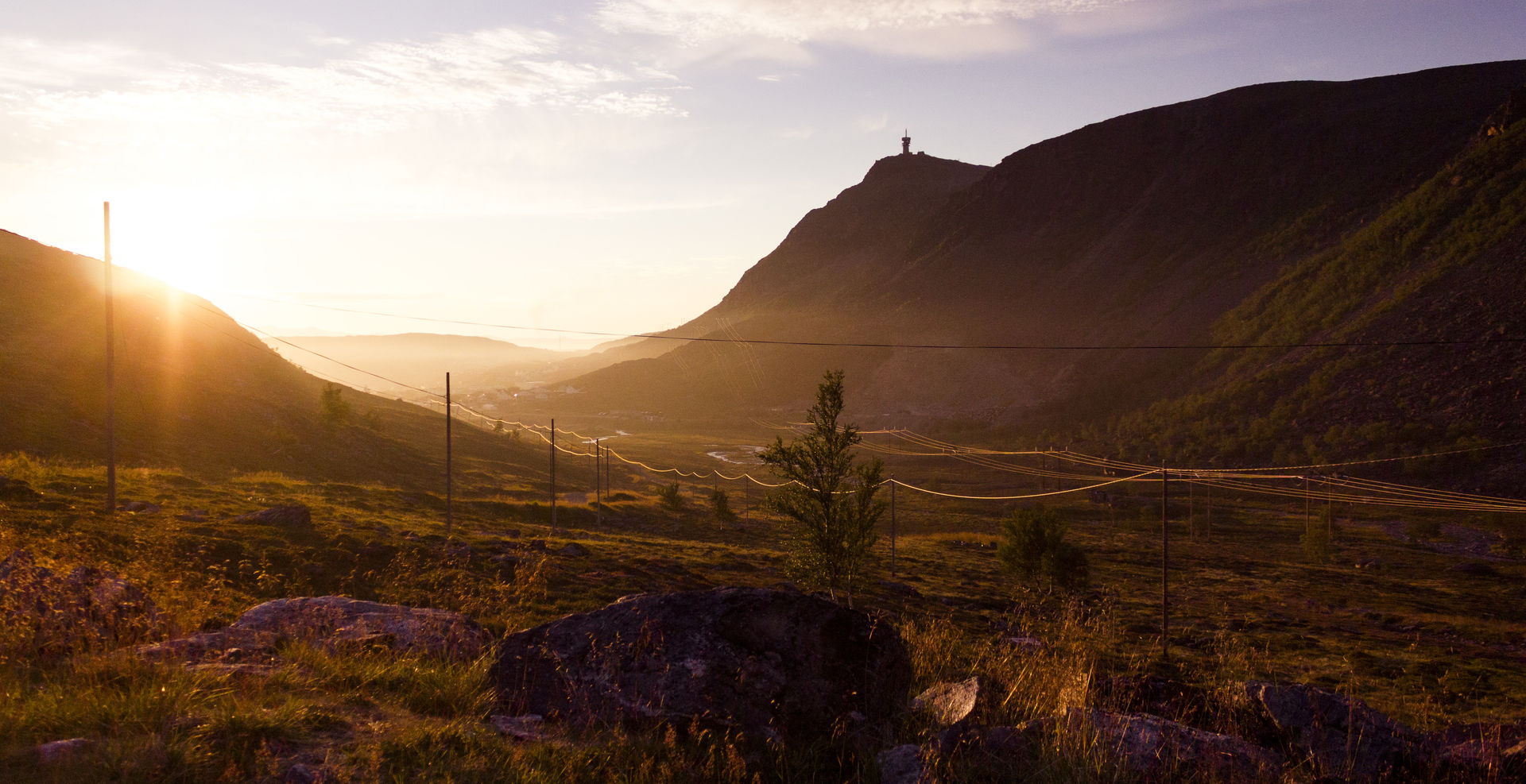
The berry harvest is an annual tradition
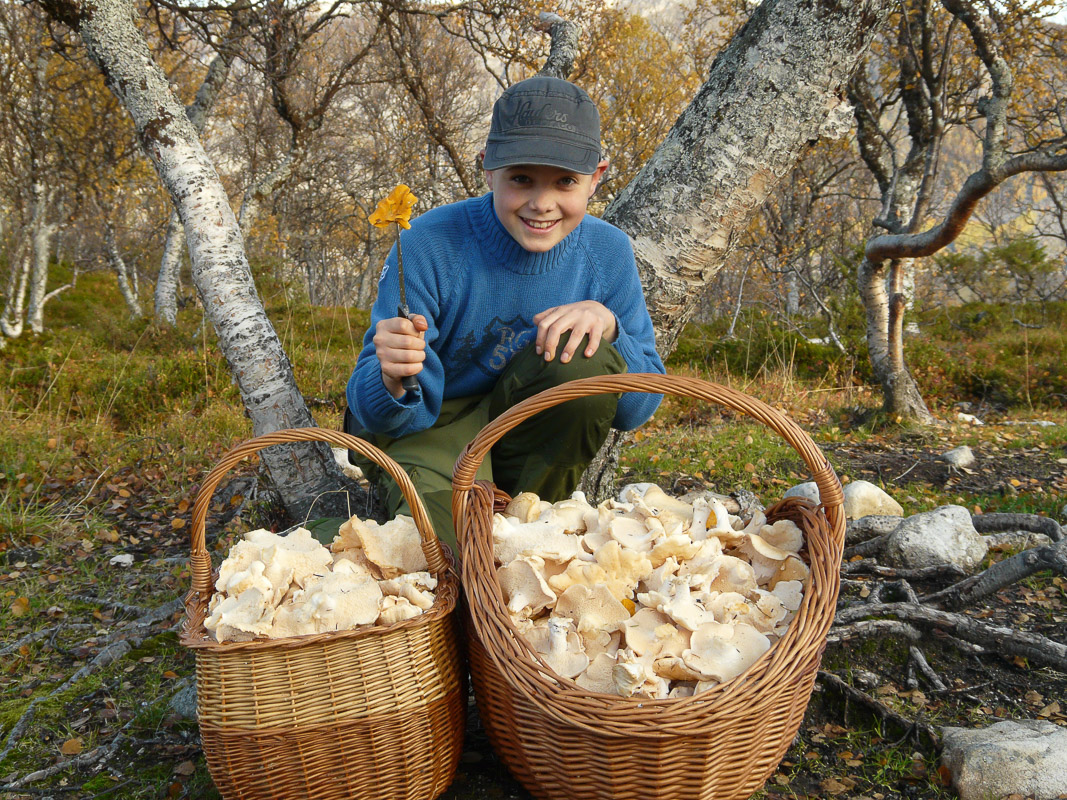
Everyone up here looks forward to the berry harvest. Some years, the orange cloudberry moors are bursting with berries to be picked in early august, while in other years there’s no harvest at all because of an excess of male flowers or a late spring frost. Blueberries in August are more dependent on the right combination of rain and sun. Lingonberries in September are sour vitamin bombs with a long shelf-life. Crowberries don’t taste of much, but you can make lovely, dark red juice from them. Most Norwegians aren’t too confident with wild mushrooms, so this leaves a bonanza of tasty varieties for mushroom experts in August.

August and September are a time of abundance
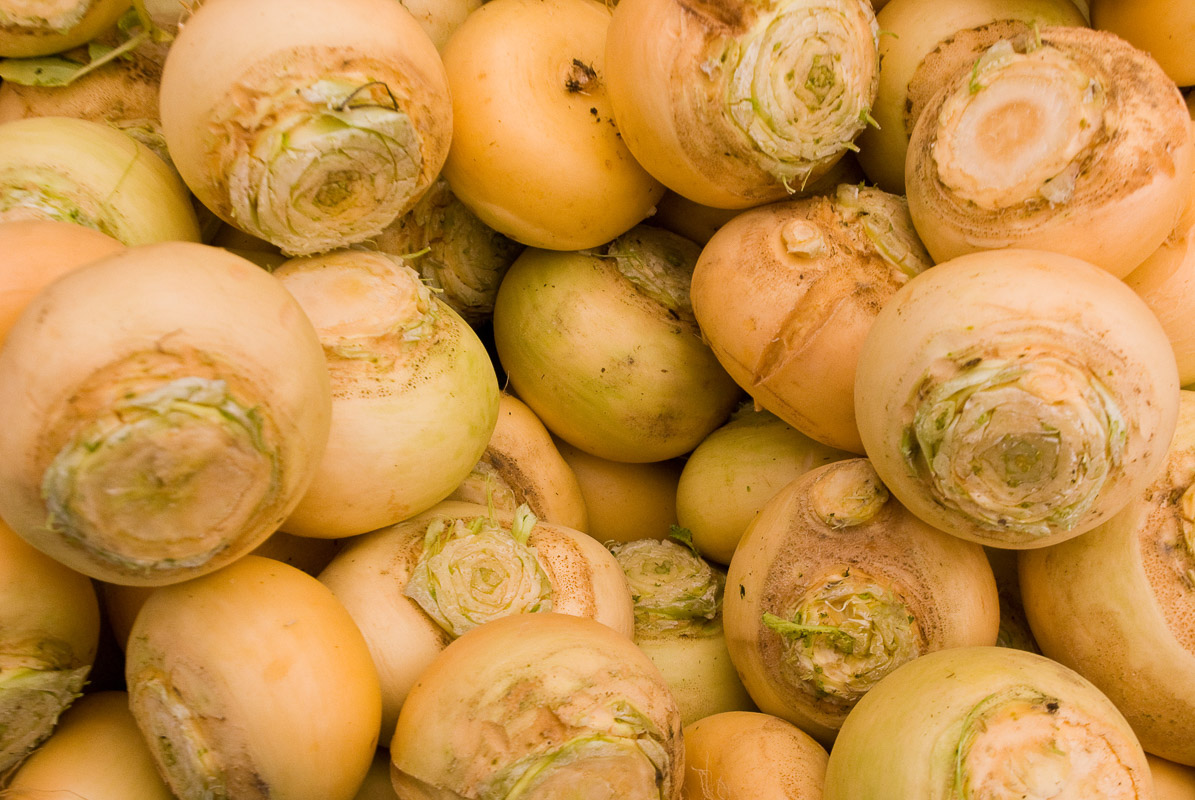
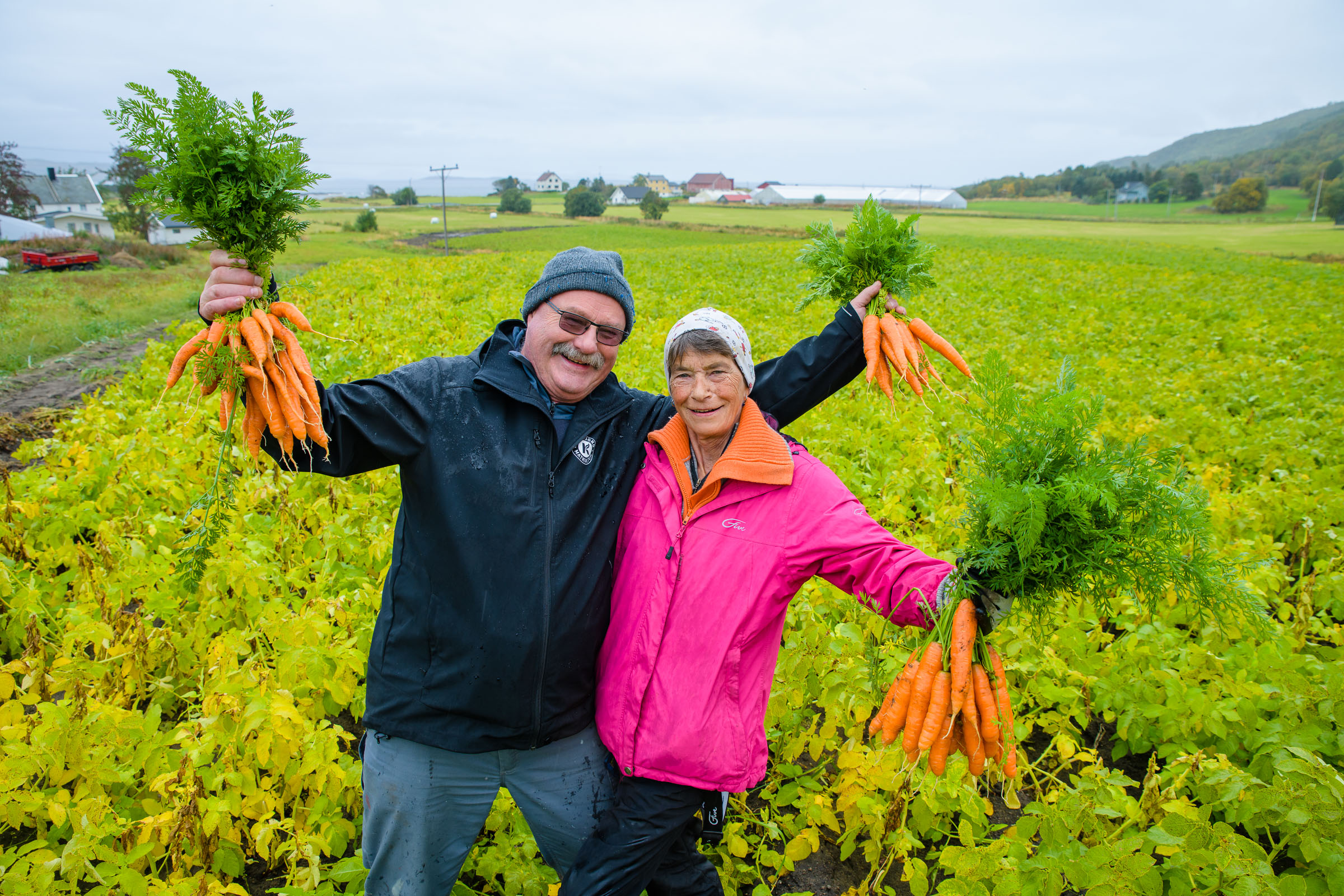
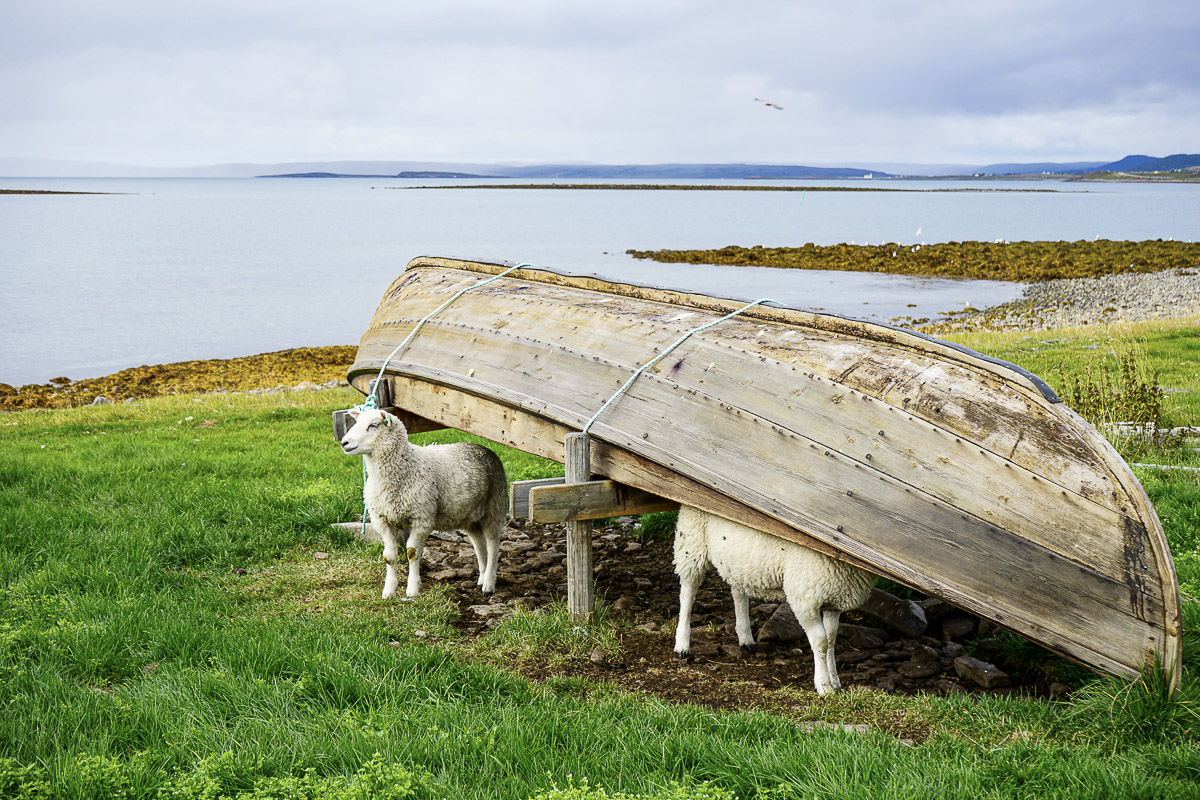
In August, it’s a joy to visit a market place and buy some nepe (neep), a small yellow crunchy and tasty turnip variety. Swedes, carrots and other hardy vegetables are also found in abundance, along with locally grown herbs. Every year, at the last page of the local newspaper, there is a photo of a deformed carrot, often twisted into an unsavoury shape. The giggling gardener is of course included in the photo. In September, the sheep are driven down from the mountains, and the free summer life is over. For many of them, life is over altogether. Mutton tasting of mountain herbs can thus be enjoyed at every restaurant table. The local potatoes, notably the highly praised “Gulløye” (Golden Eye) variety, are also harvested in September.
Everyday life starts again after the summer break
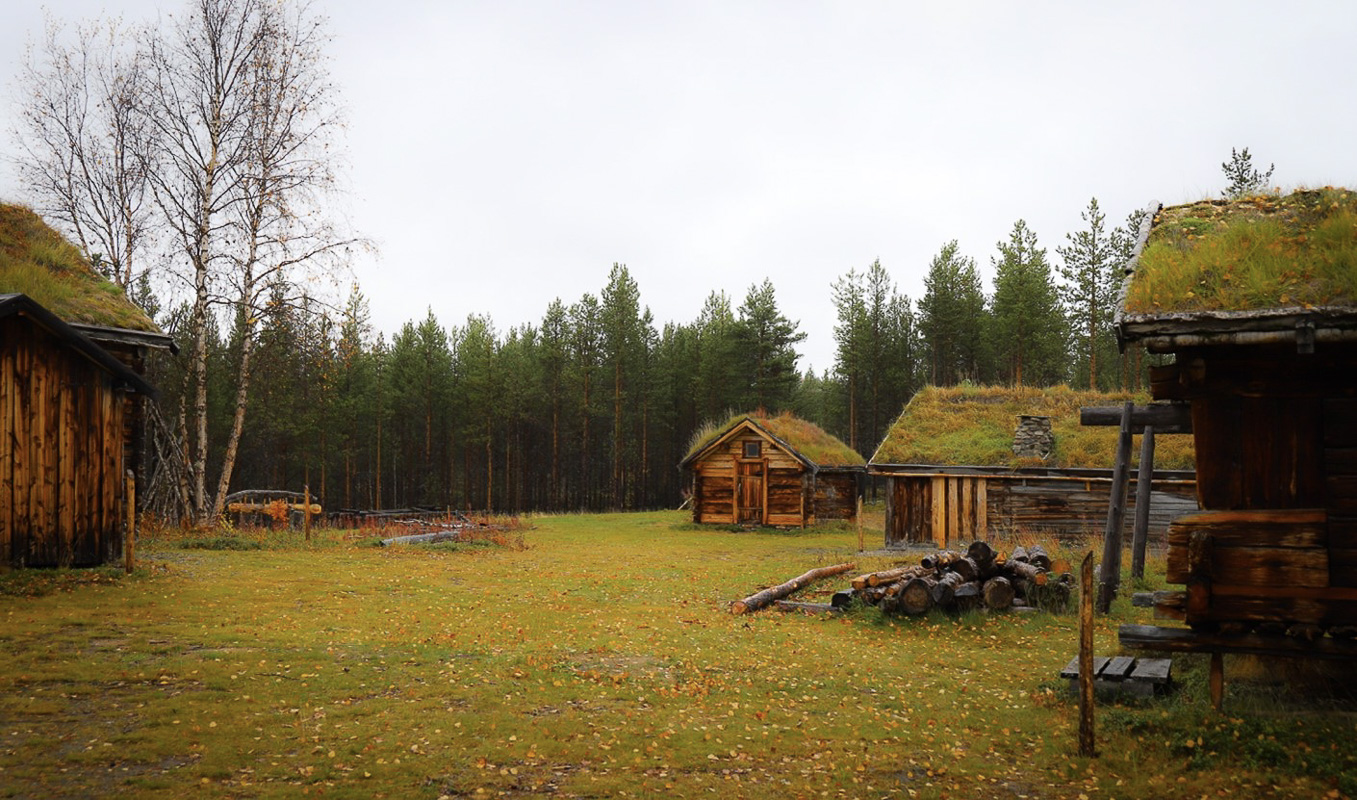
The new school year starts in the third week of August in Norway, and this is a sociable time of year for many Northern Norwegians. In the university towns, enthusiastic students, with their pockets full of student loans, liven up the beer gardens or get together in brass bands or sewing societies. In short, life gets back to normal. The locals are tired after the summer holidays and are happy to get back into their normal routines.
Meet the talkative Northerners
The cultural centres, theatres, orchestras and galleries present their autumn programmes, and old friends meet up in their favourite bars and cafés. The ever darker evenings invite to bar concerts, and intense conversations buzz over the glasses. You easily get in touch with people these days, the northerners are simply the most talkative Norwegians.
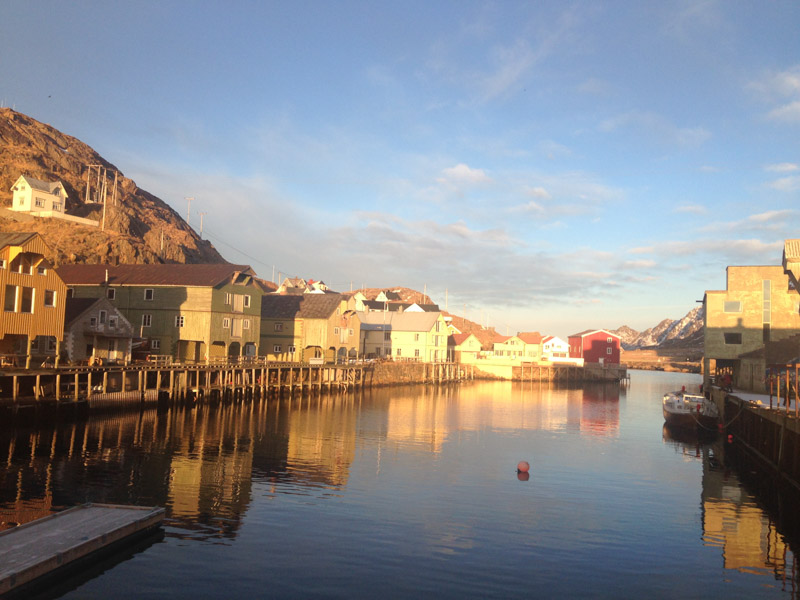
Good to know about early Autumn
The advent of Autumn colours are not the same all over Northern Norway, and they don’t come at the same time every year. However, they are usually there in the very first days of September in the far north east. In the Lyngen/Tromsø/Senja area, you can expect it around mid September. Further south, from Lofoten down to below the Arctic Circle, late September is a good time. However, you can expect
There are decidedly less tourists in August/September than in July. This means it’s easy to find accommodation. Museums and attractions often limit their opening hours, and there are less ferry departures to islands. This calls for better planning.
Autumn weather can be entertaining. The meeting between warm and cold can cause ferocious storms, and the aggressive hurricanes from the Caribbean can come all the way up here. They are, however, somewhat cooled down here. Mild winds from the east can tempt you into a walk in t-shirt in September, but when the sun sets, it can freeze. Snow is a possibility in the northern part of Northern Norway already in the first days of September, but permanent snow cover can happen only in mid October the earliest. In the coastal regions around the Arctic Circle, snow and frost is often unseen until December.