
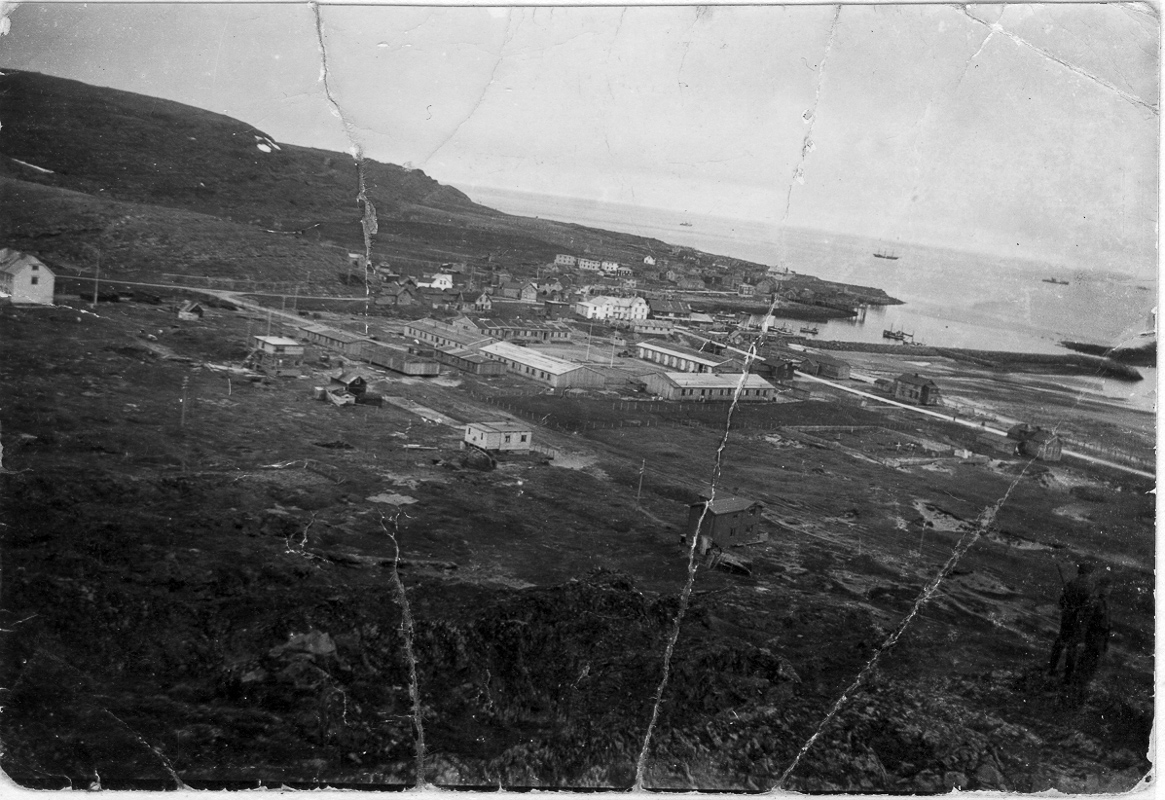
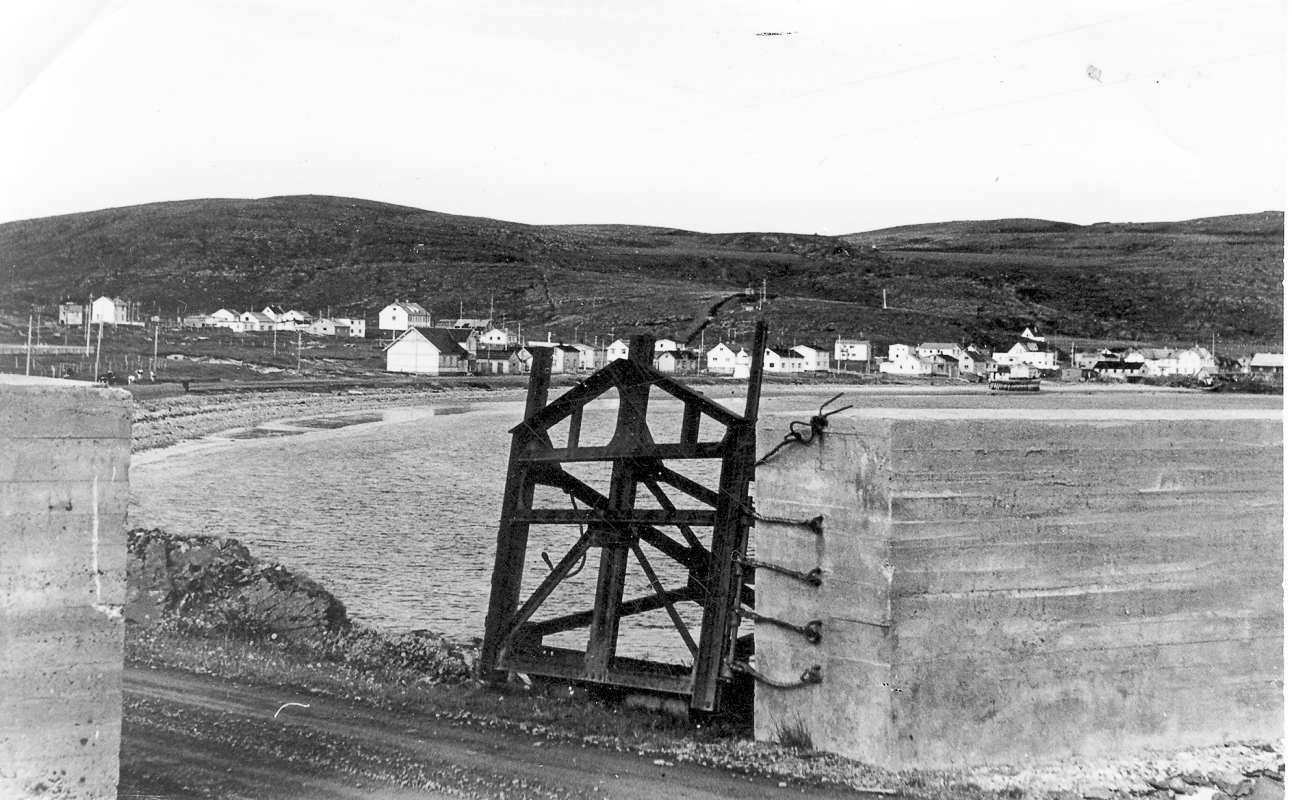
Historically, there have always been close and active neighbourhood ties between people in the north. Establishment of the Norwegian-Russian border in 1826 did not change this. Partisan activity is the story of the resistance struggle that continued on Norwegian soil after the King and government sought protection outside Norway’s borders. The partisans in Finnmark carried out the resistance struggle with the use of connections with Soviet Russia. This resistance movement led to Norwegian women and men moving to the Soviet Union with many volunteers who received training in intelligence work. These ‘spies’ were sent to occupied Norway to report to the Soviets on German activities along the coast of northern Norway. They wanted to fight for their own country against the Germans and the settlement of Kiberg was central in this business.
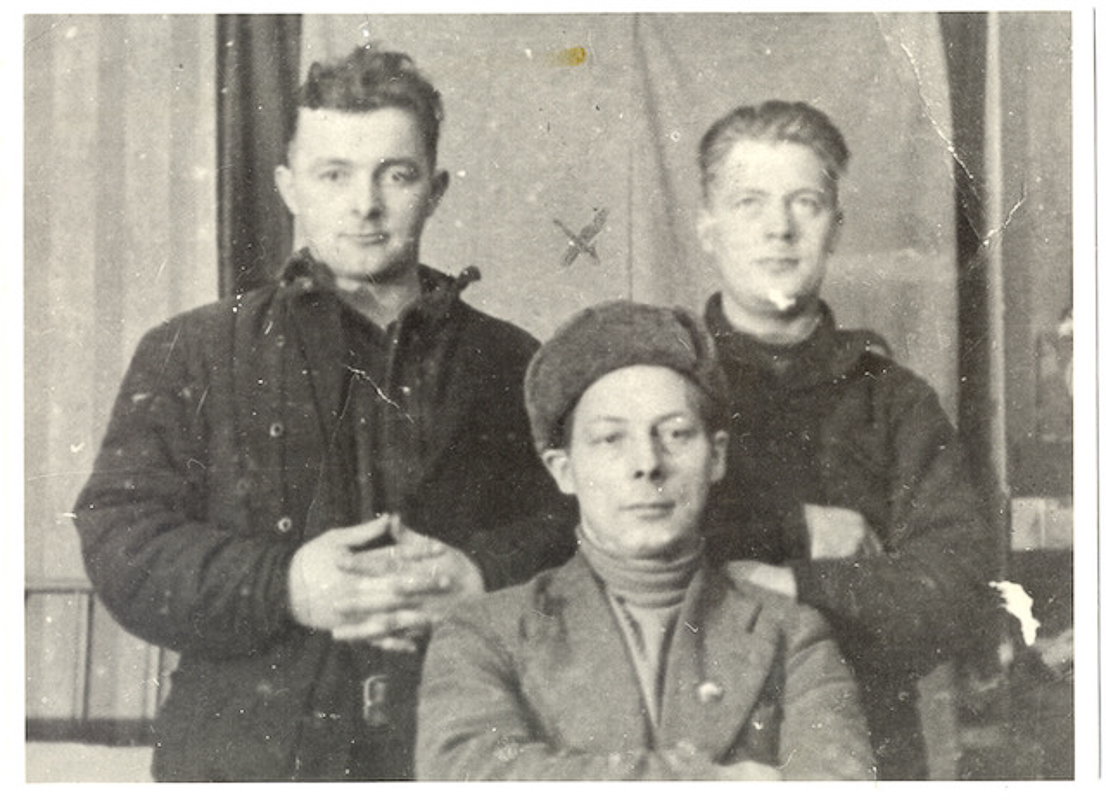
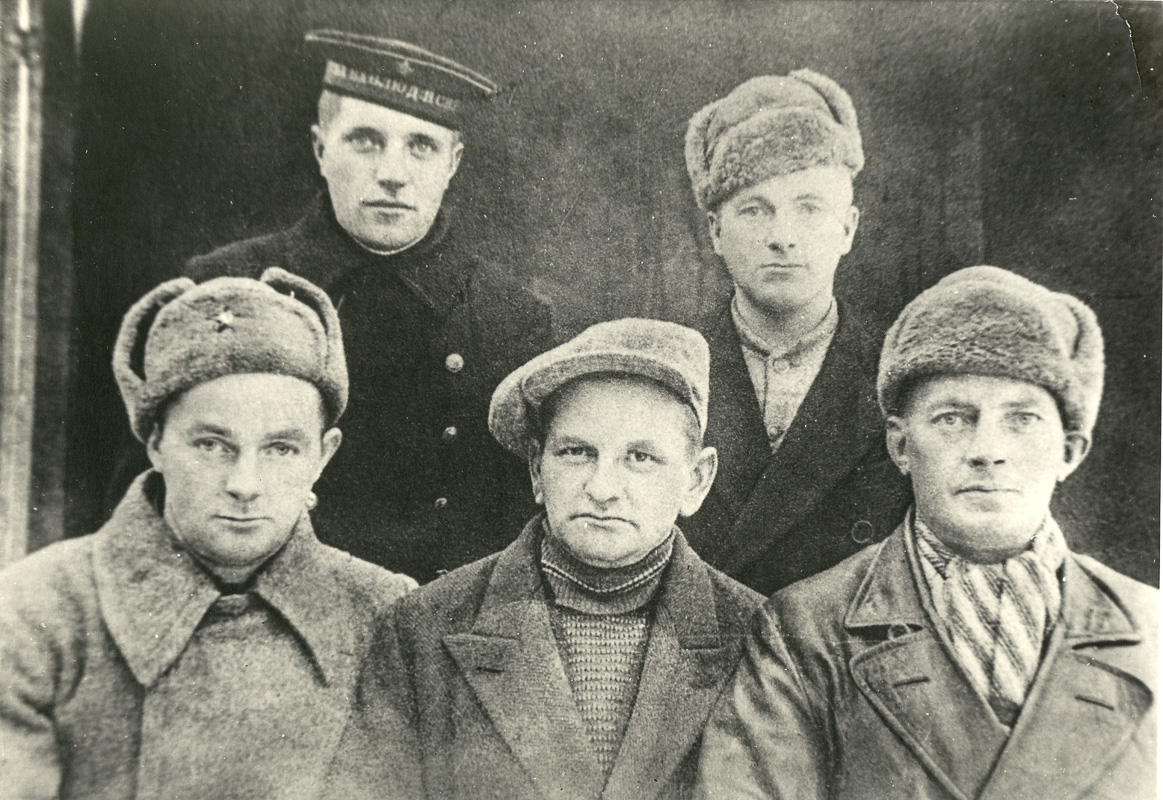
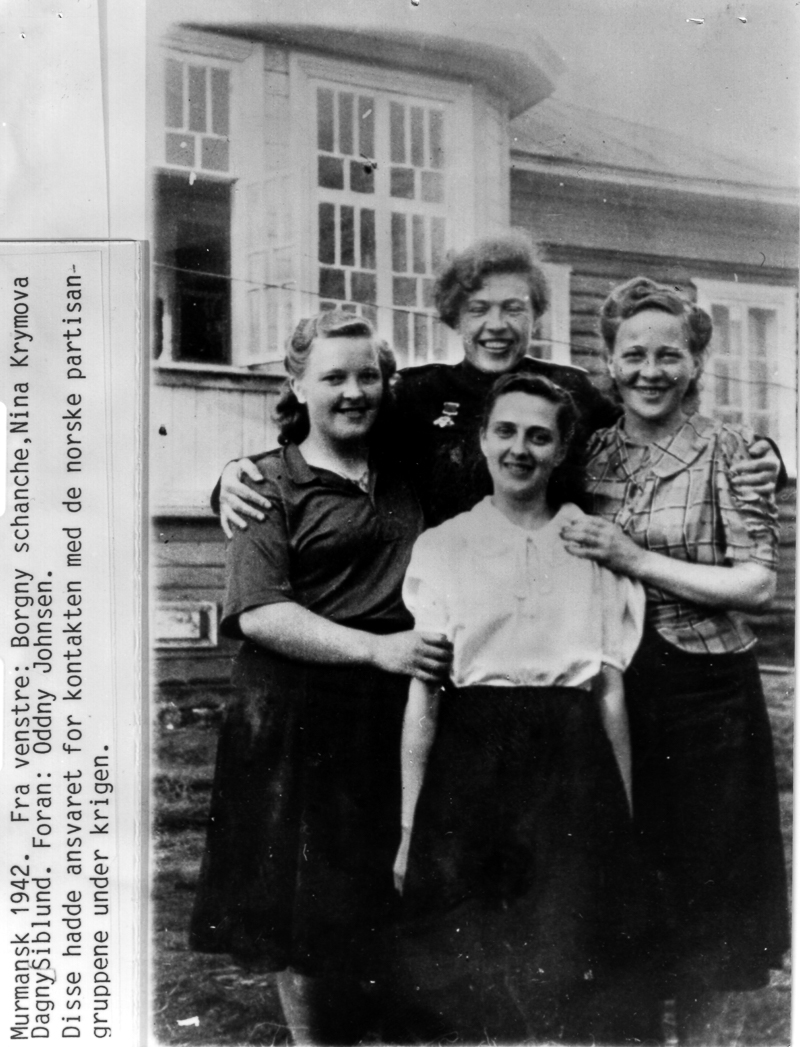
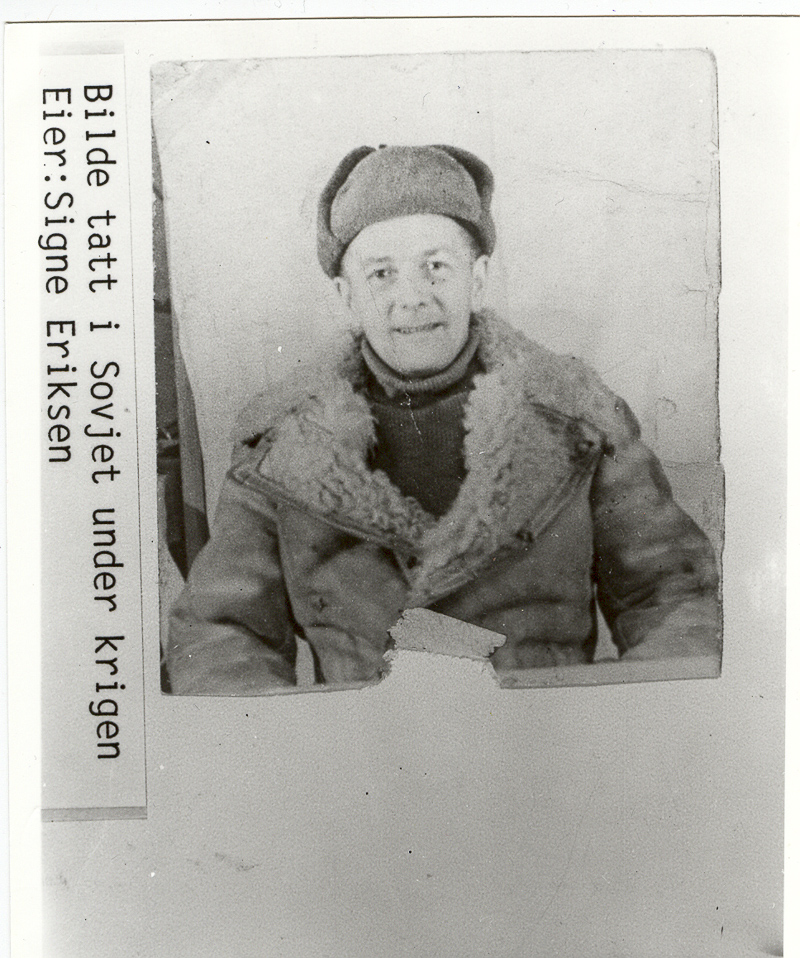
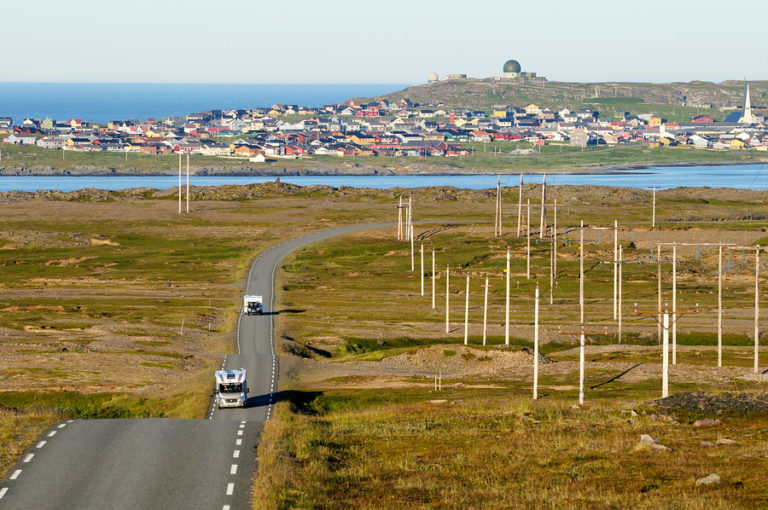
In the autumn of 1940, the first partisans returned
As early as October 1940, the first “partisans” were sent back to Norway to obtain information about conditions in the Varanger area. Here, the Soviets had already established a network of NKP members who had gathered information about the Germans’ military activity. Among other information, many of the messages were written down without a code and sent by fishing boat to meet boats from the Soviet side in the open sea.
The first fighting took place in the autumn of 1941
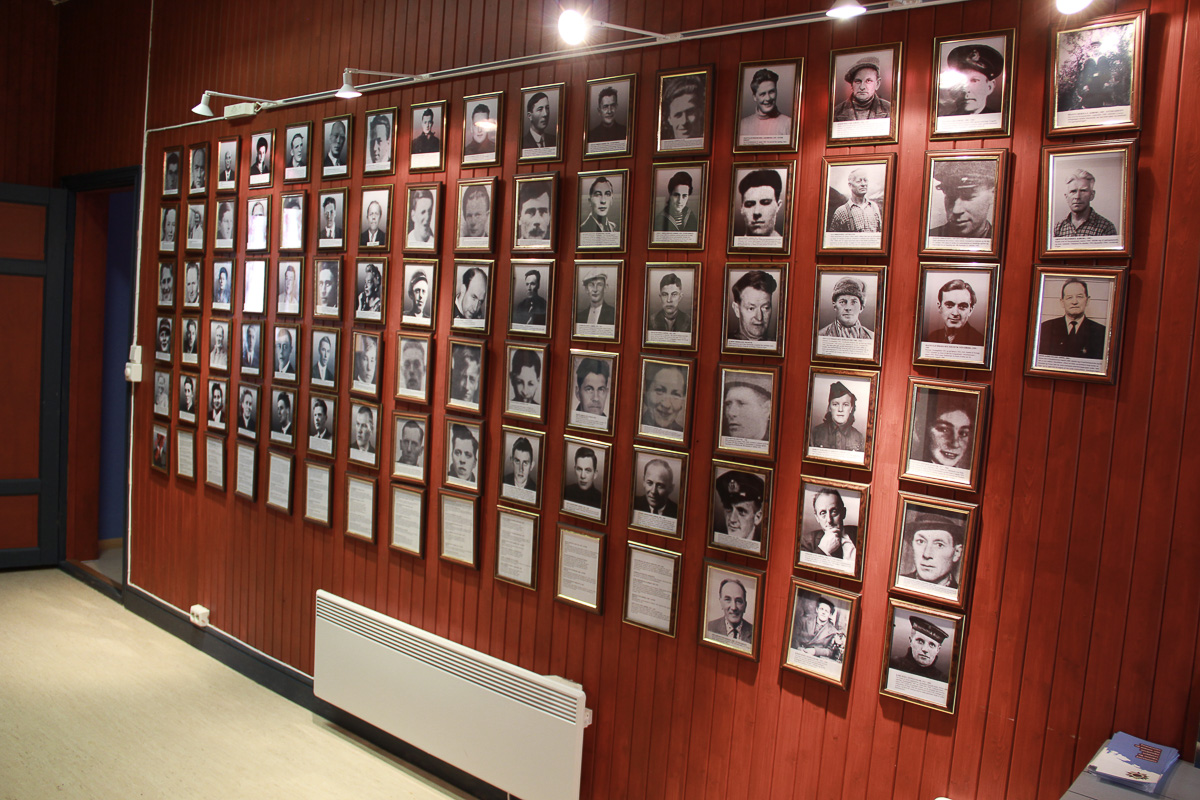
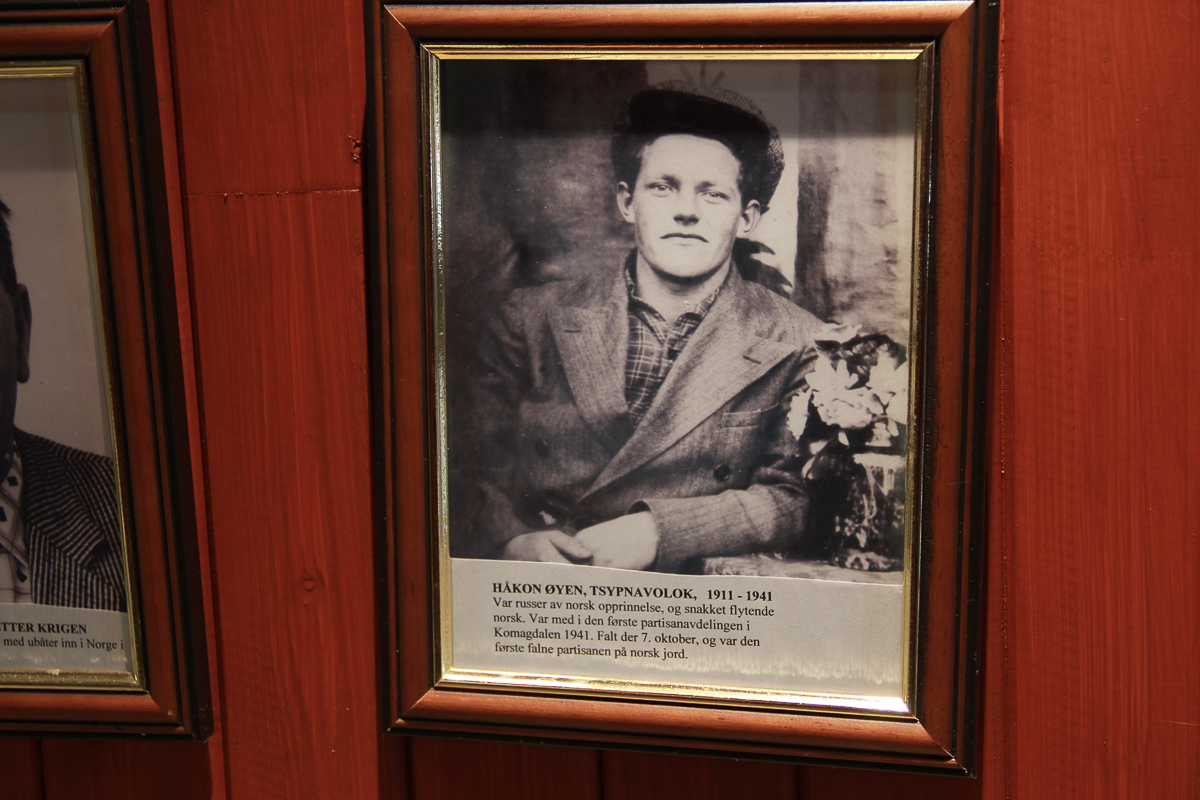
The first fighting that took place between the partisans and the occupiers was in September and October 1941 in Komagdalen and on Langbunes. This conflict was created when Russian forces landed with submarines to recover the area. Here the first Norwegian partisan fell in battle and the expedition was a loss.
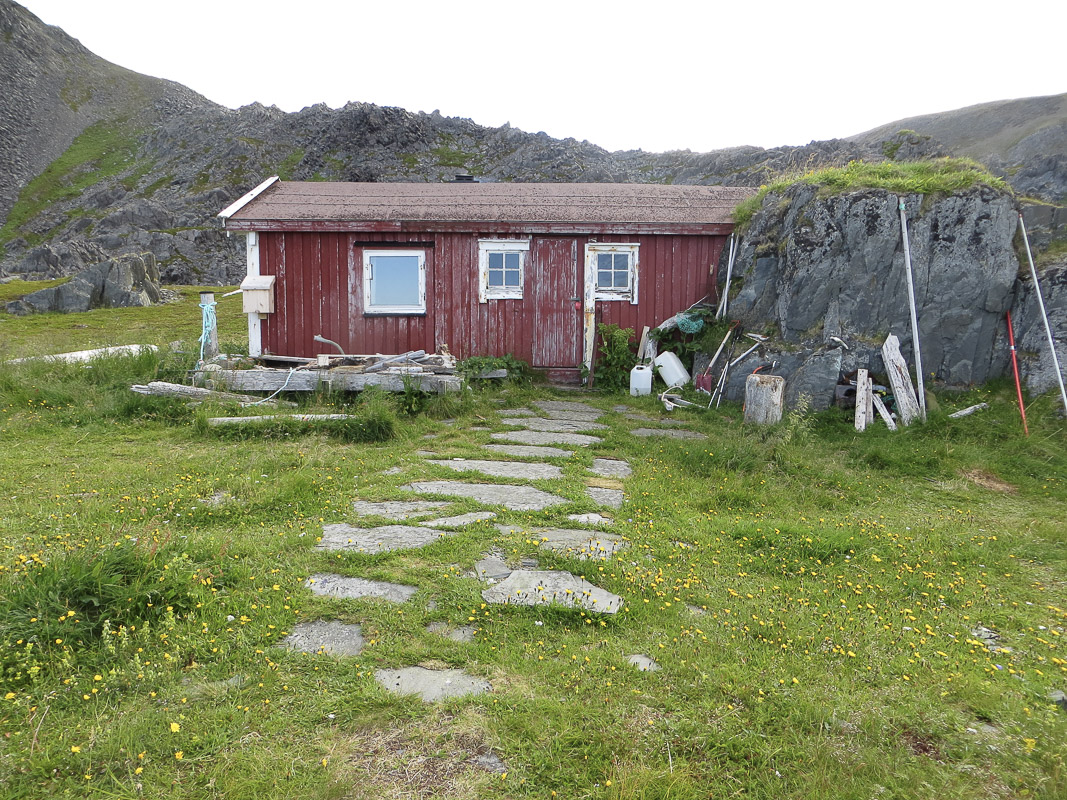
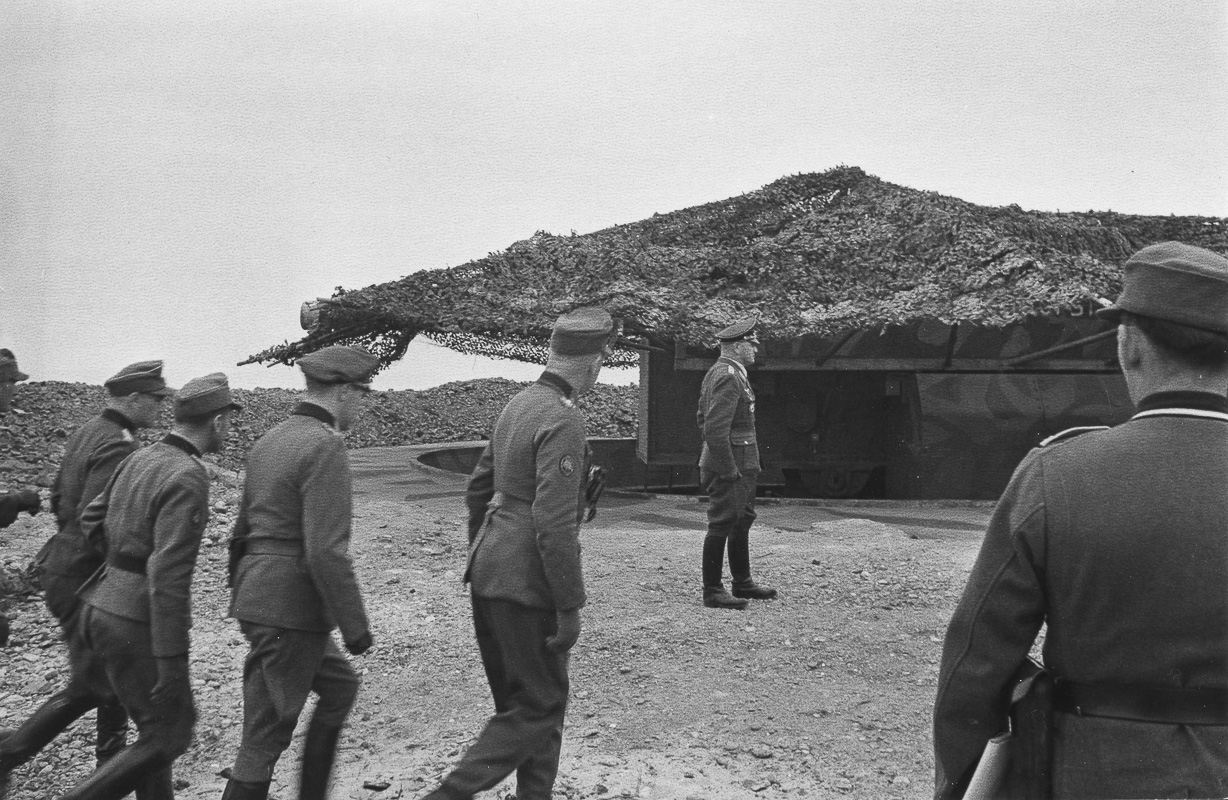
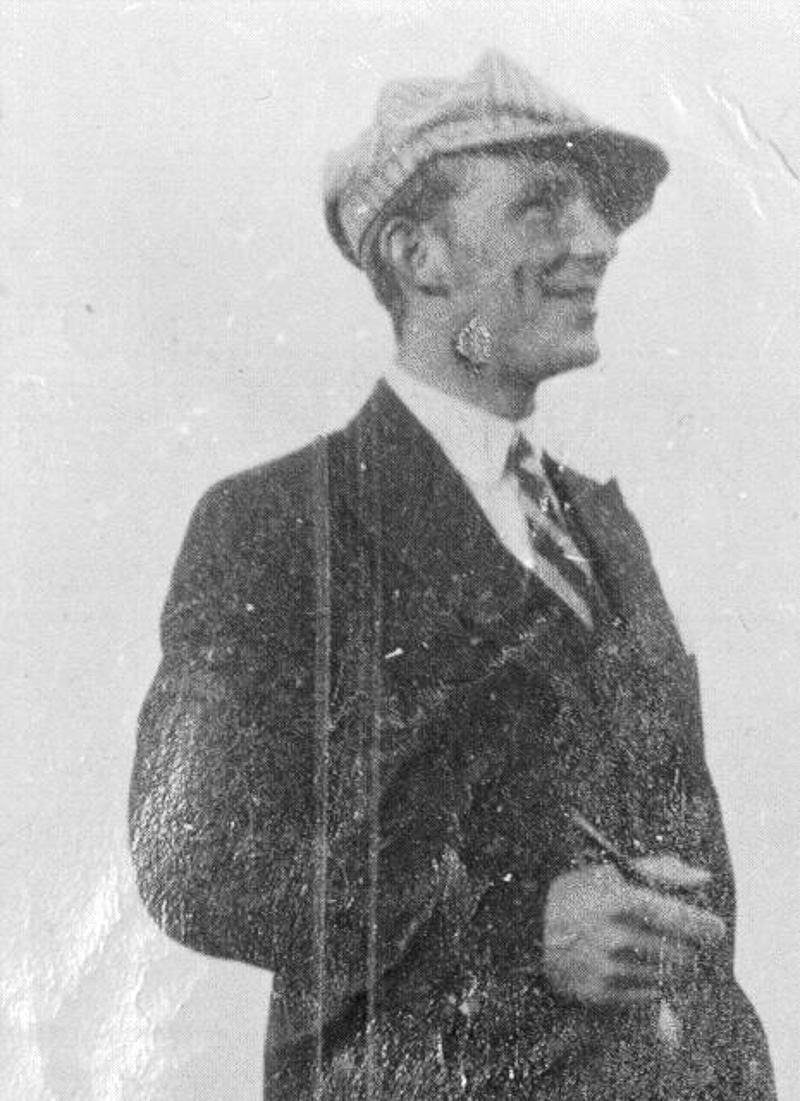
The Murmansk convoys began in August 1941
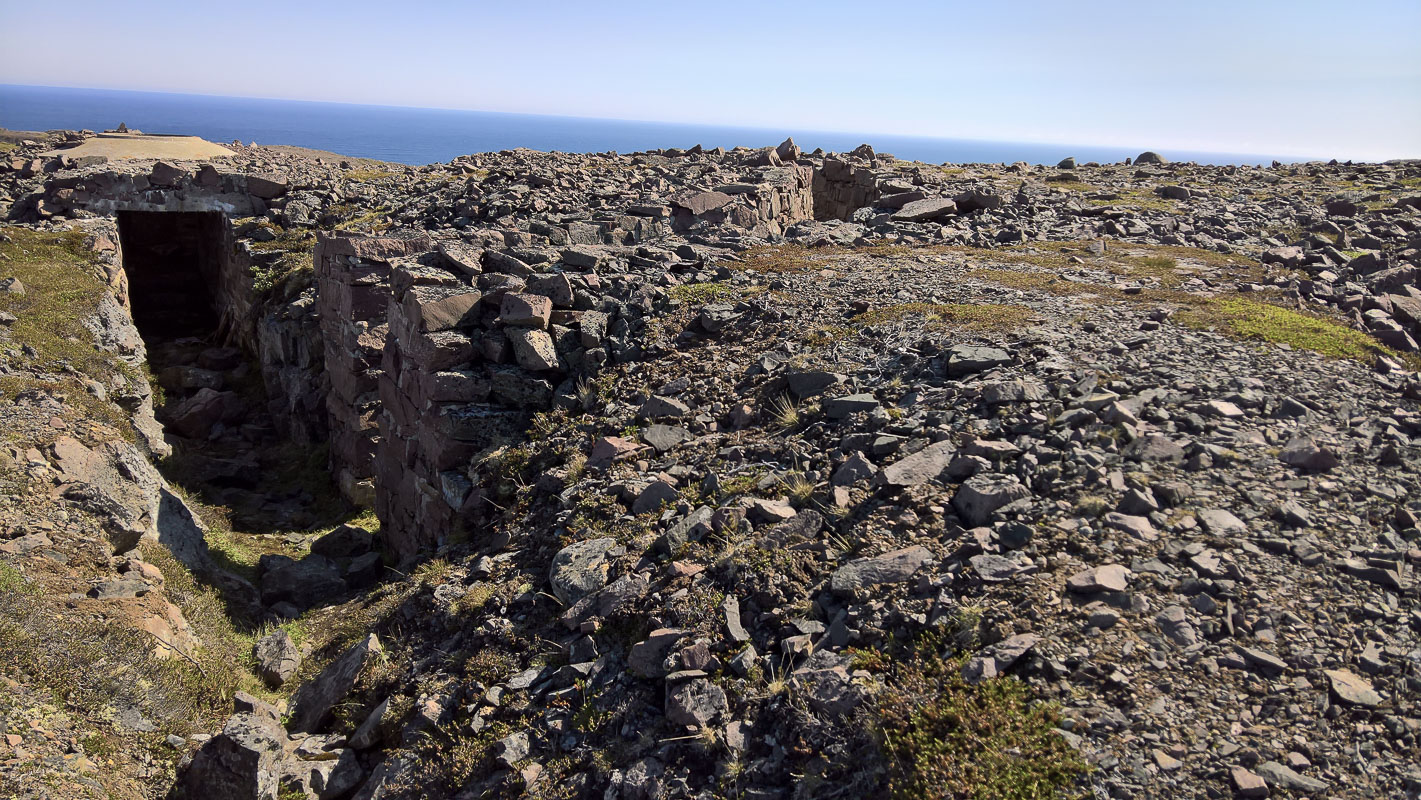
The Allied convoy of weapons and supplies to Murmansk began in August 1941. During 1942, the German occupation forces built extensive defence operations in northern Norway.
Why were the partisans important?
Partisan activities tied up German material resources. The partisans and their network of contacts gathered important information about the Nazi activities in Finnmark and supplied it to the allies in the Soviet Union. Information that the partisans gave to the Soviet Union lead to the Germans incurring heavy losses, not only in the form of material goods, but also people. The partisans also took care of transporting refugees to safety into the Soviet Union.
The cost of human life was great
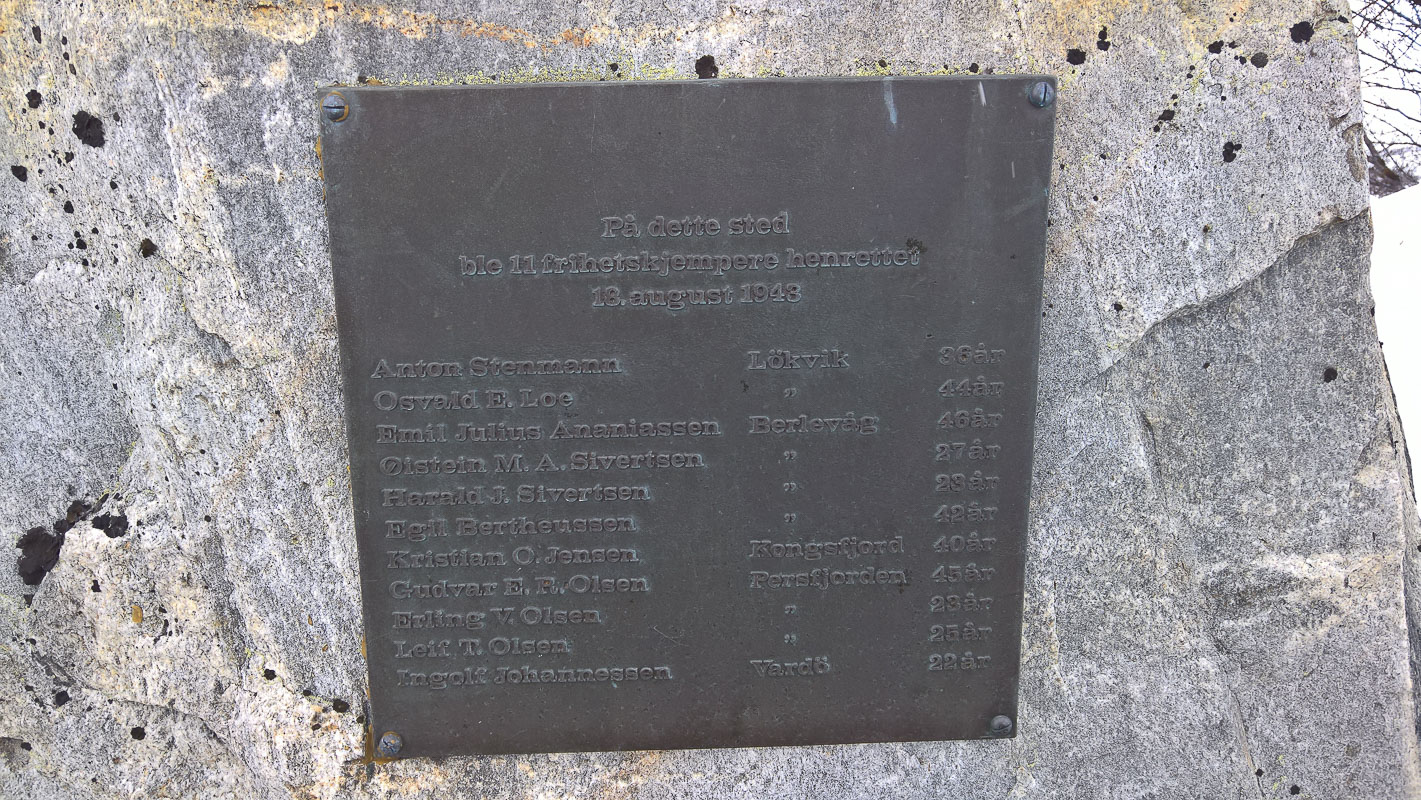
The partisans suffered heavy losses. On one occasion, eleven civilians who helped the partisans gather information about German activity were executed. In the summer of 1943, they were arrested and sent to prison camps near Kirkenes. After being tried in court, they were sentenced to death and executed on August 18, 1943. When the mass grave was reopened in 1946, it was found that the men had not been shot. During the excavation of one man’s own grave, the prisoner had been spat on by a drunken German officer. In anger, the prisoner struck back with a spade and killed him. In revenge, they were all killed with batons. After the war, the victims were buried in their home municipalities. One of the graves is at the cemetery in Vardø.
From Kiberg many travelled to the Soviet Union
There were 67 people from Kiberg who fled to the Norwegian village on Fiskerhalvøya, Russia during the summer and autumn of 1940. The children and most of the women were eventually accommodated in camps and farms east of the Urals. In time, dozens of other Norwegians also moved to the east to contribute to the fight against Nazism. Most of these returned to occupied Norway as resistance fighters.
Small groups spied on strategic places
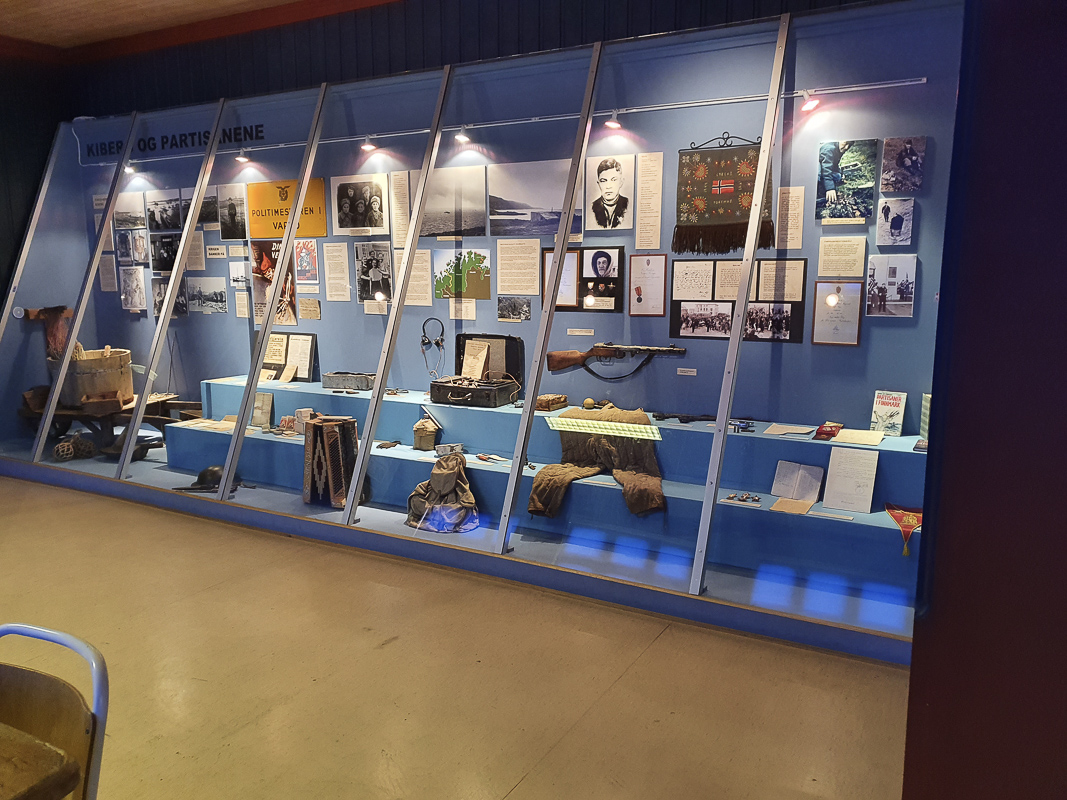
This part of the resistance movement in the north, called by the Russian term ‘partisan’, was mainly divided into small groups consisting of Russians and Norwegians. Russian partisans were usually telegraphists, and the Norwegians, acquaintances. The partisans were deployed in strategic locations along the entire Finnmark coast. They collaborated with local networks throughout Finnmark, and reported about German transports along the coast and into Kirkenes.
The business was successful, but at a great cost
The reports from the partisans resulted in 80 to perhaps 120 German cargo ships being tracked down and attacked by the Soviets. Occupying power revenge attacks were relentless and a lot of resources were invested to track down and execute partisans.
After the war came the Cold War
The efforts of the partisans in Finnmark were not recognized until the 1980s. During the Cold War, partisans who collaborated with the Russians during World War II were in many cases monitored by Norwegian police. The partisans in Finnmark fought just as hard as other resistance groups during the war, but did not receive the same recognition. Other resistance groups in Norway received the King’s Medal of Merit for the work they did. The partisans in Finnmark did not receive the recognition from the Norwegian authorities.
The partisans were monitored after 1945
Political troubles during the Cold War and the suspicion that partisans continued to cooperate with the Soviet Union after 1945 meant that their resistance struggle was not recognized until the 1980s. Many of the partisans claimed that they were investigated and discriminated against by the Norwegian authorities in the post-war period. The most famous partisan Trygve Eriksen was monitored as late as 1982. At that time he was 81 years old and clearly physically weakened by age.
Finally comes the recognition – from the top team
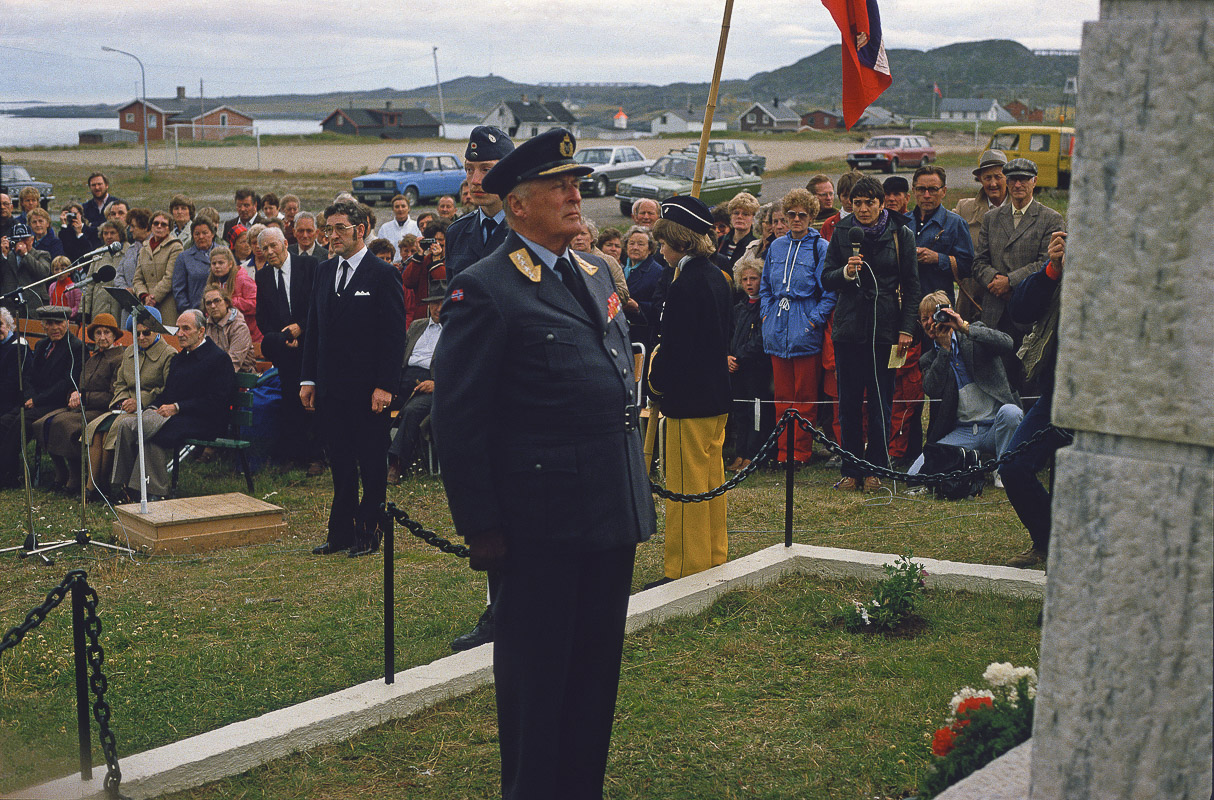
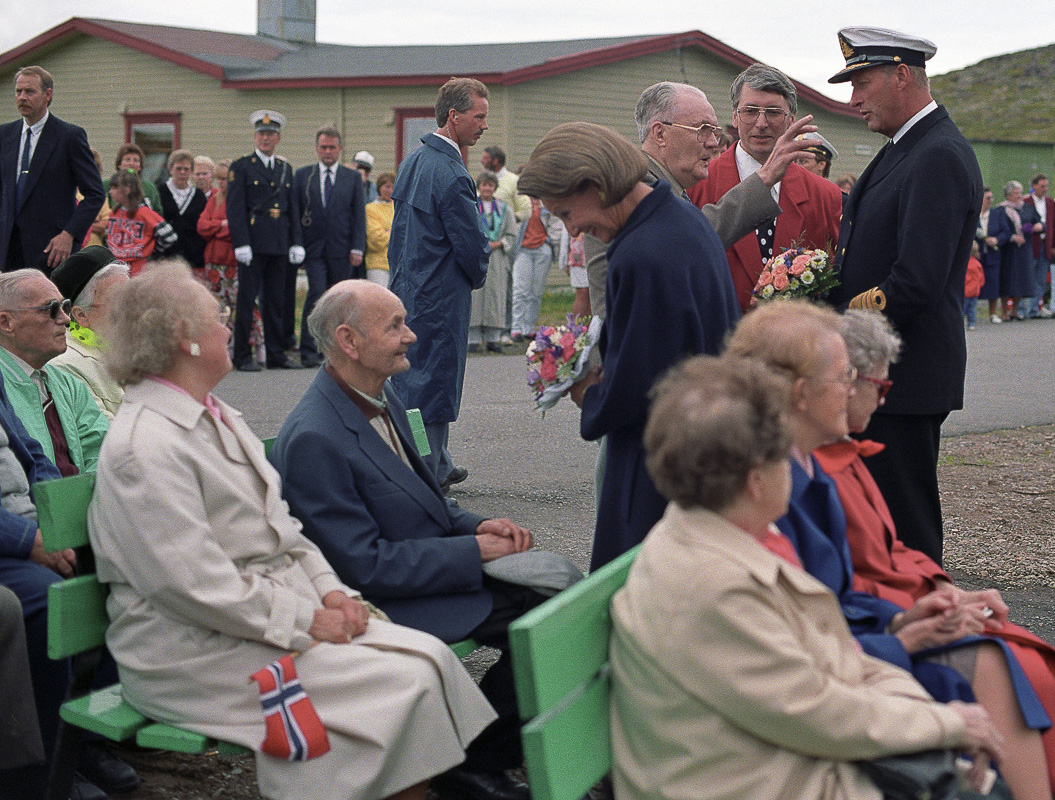
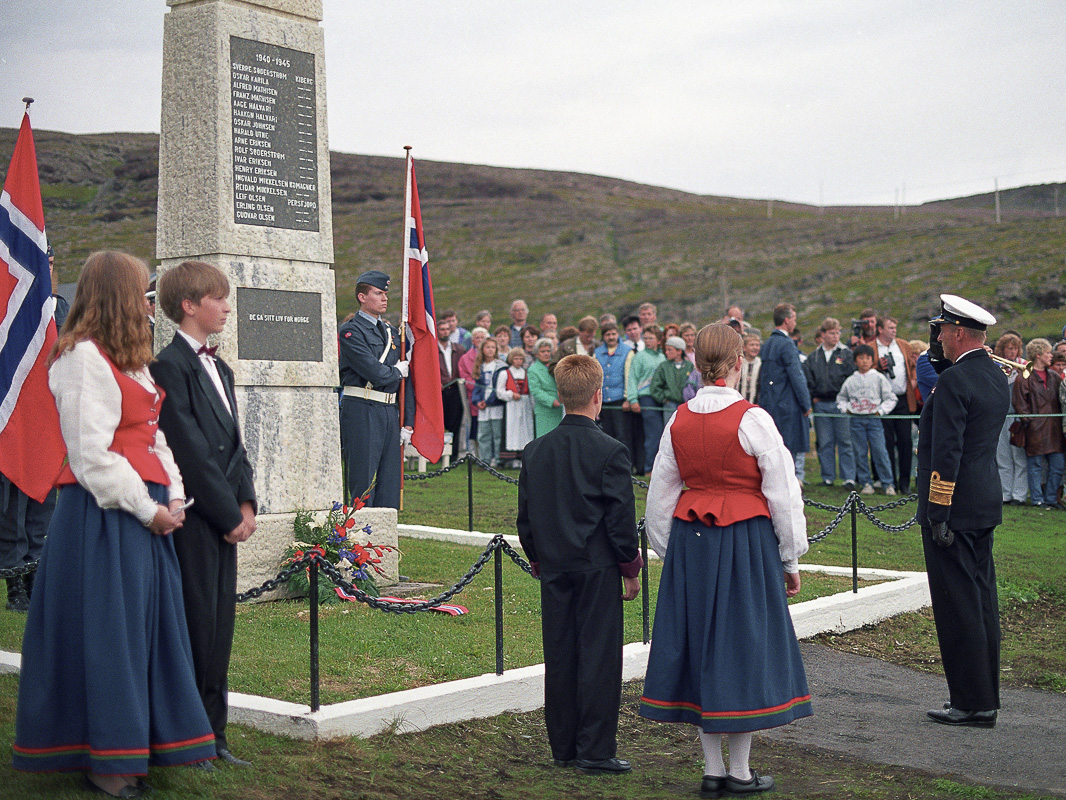
The discrimination did not end until 1983 when the partisans’ efforts were recognized and King Olav laid a wreath at the official Norwegian Partisan Monument in Kiberg. In 1992, King Harald apologized for the Norwegian authorities’ treatment of partisans after the war in his speech at the Partisan Monument.
The partisans were monitored until the eighties
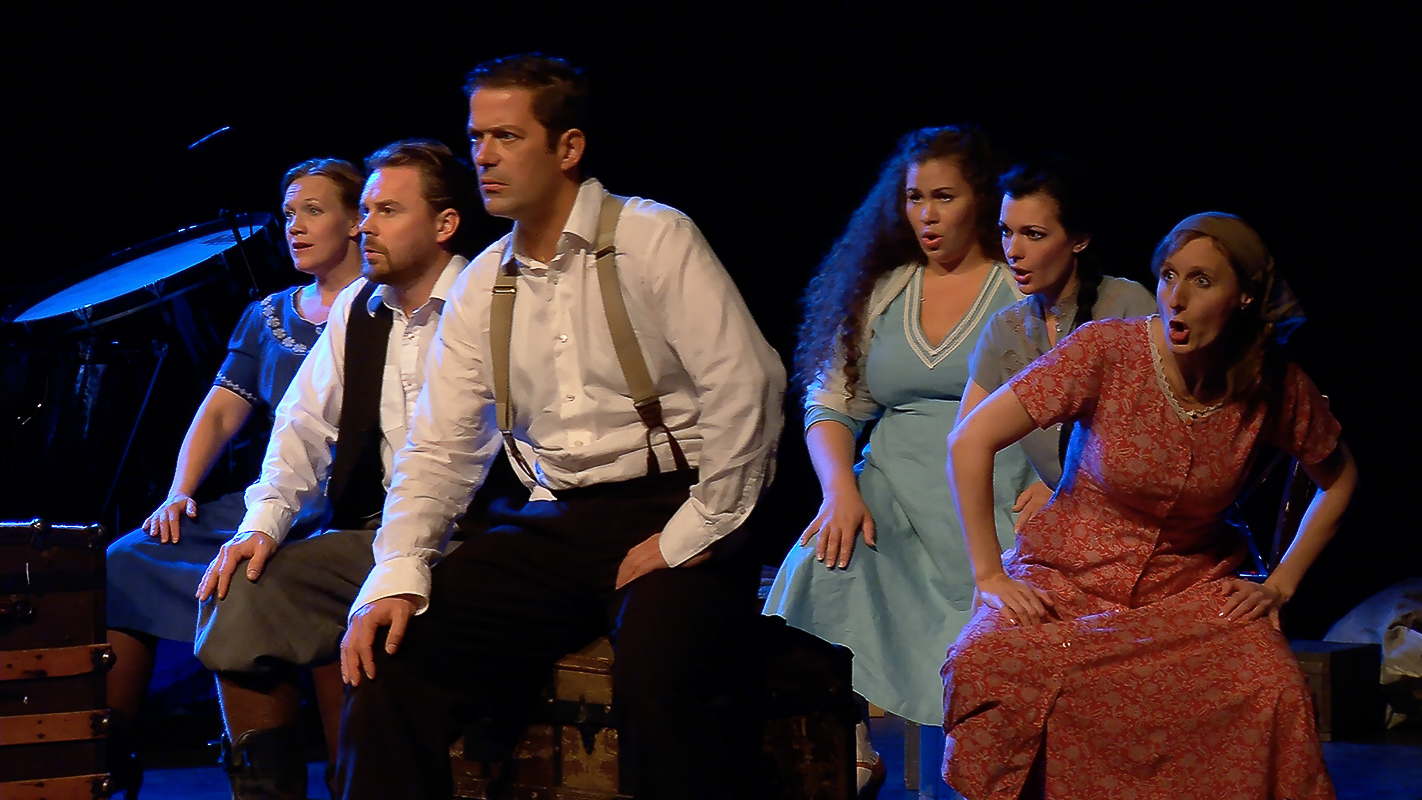
Partisans were monitored by the Norwegian security authorities until geopolitical changes setting up of the “Lund Commission” in the 1990s. Their’ contribution in the resistance struggle against the occupiers had little place in the collective Norwegian memory of the war. However, In the Soviet Union it was the opposite. Several Norwegian partisans received the “Red Flag”, the highest military award in the Soviet Union. The Ministry of Defence investigated the question of medals for the partisans and the Solberg government concluded in 2017 (after a five-year investigation) that no more medals should be awarded for efforts during World War II.
Visit the Partisan Museum in the old school boarding school
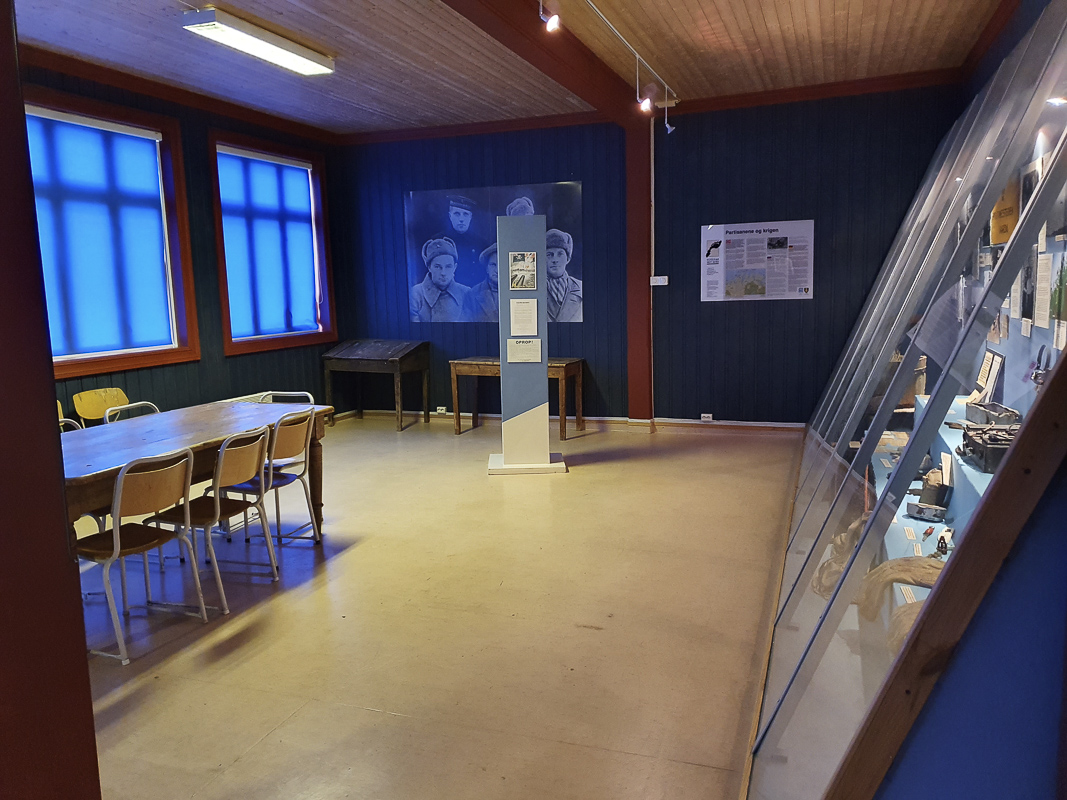
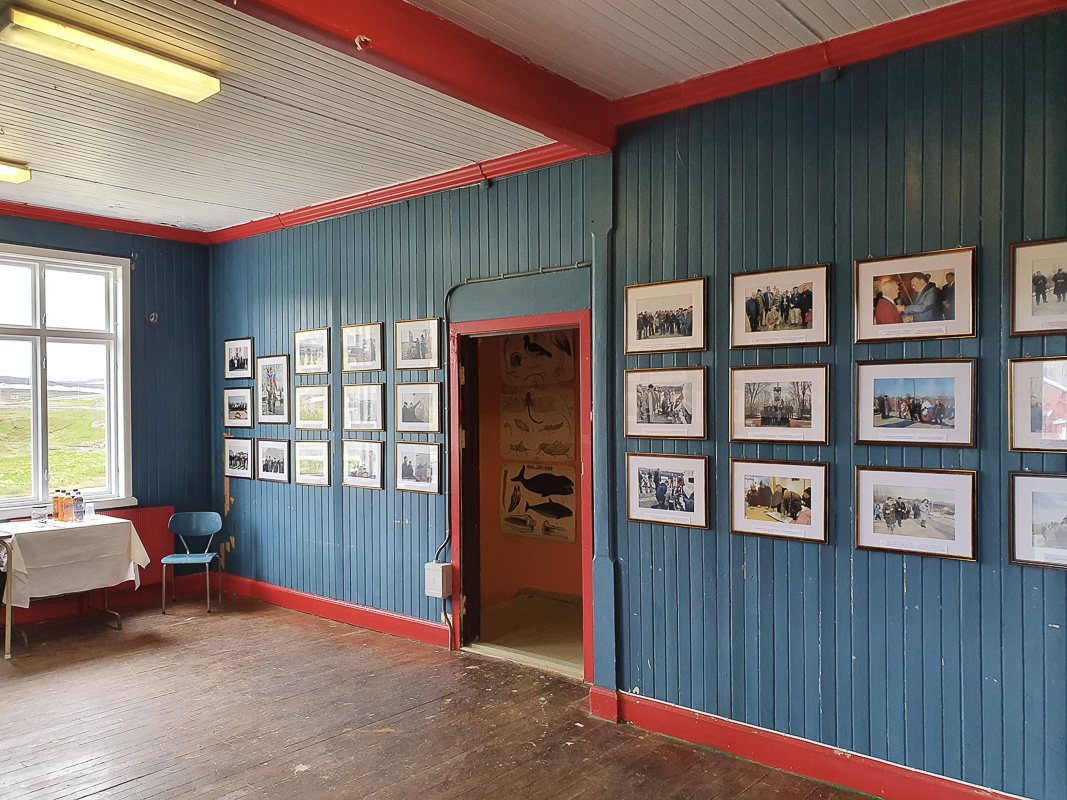
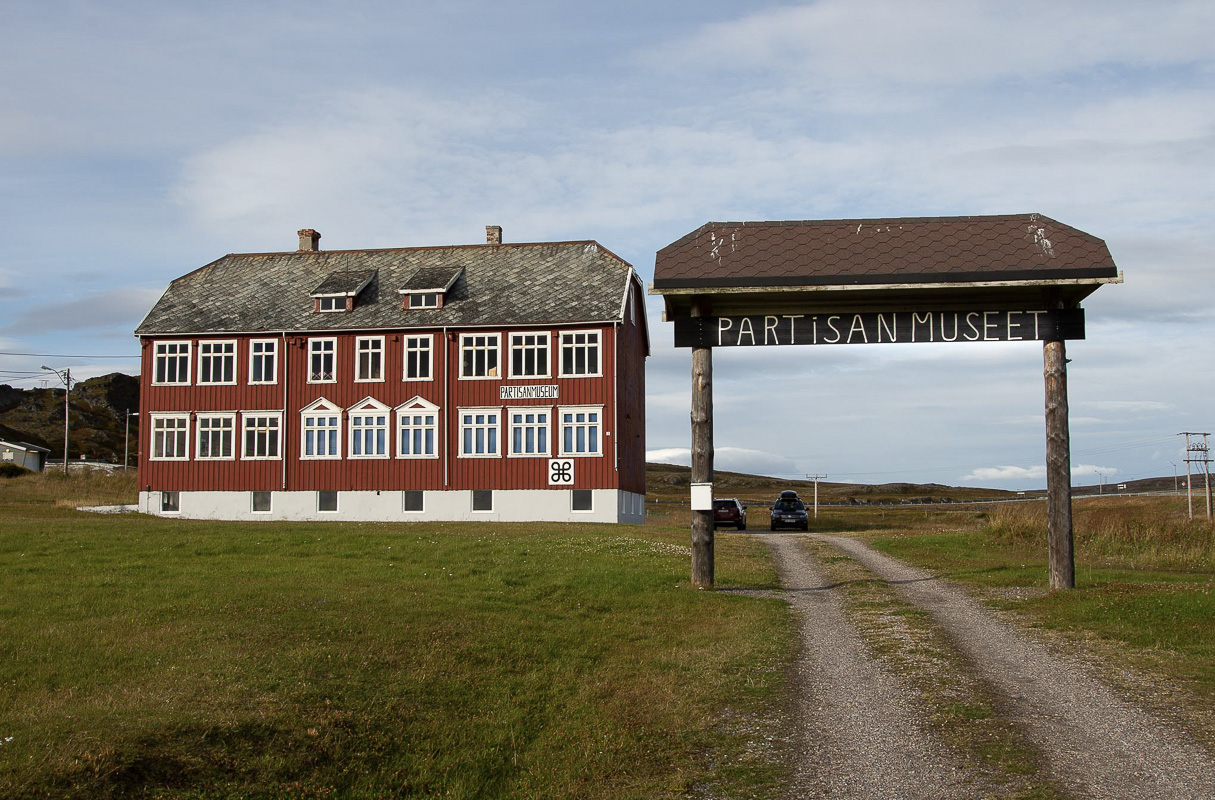
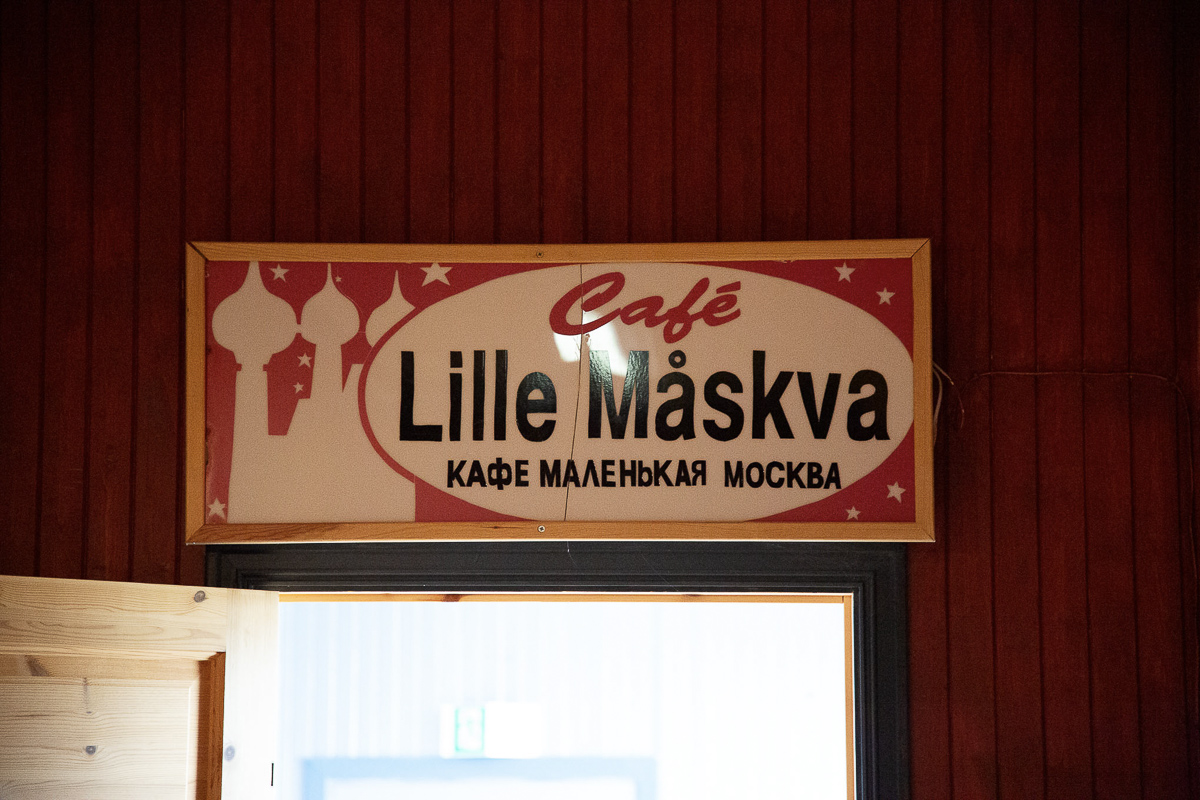
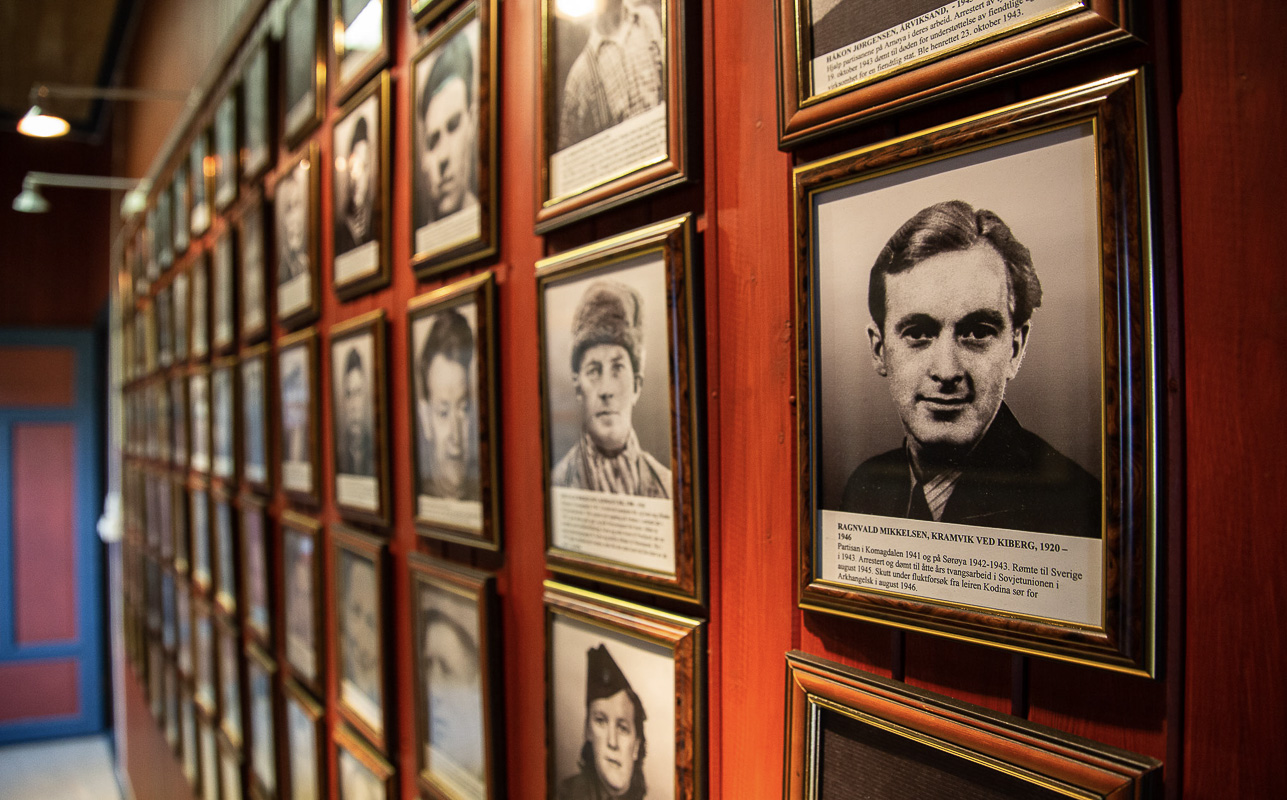
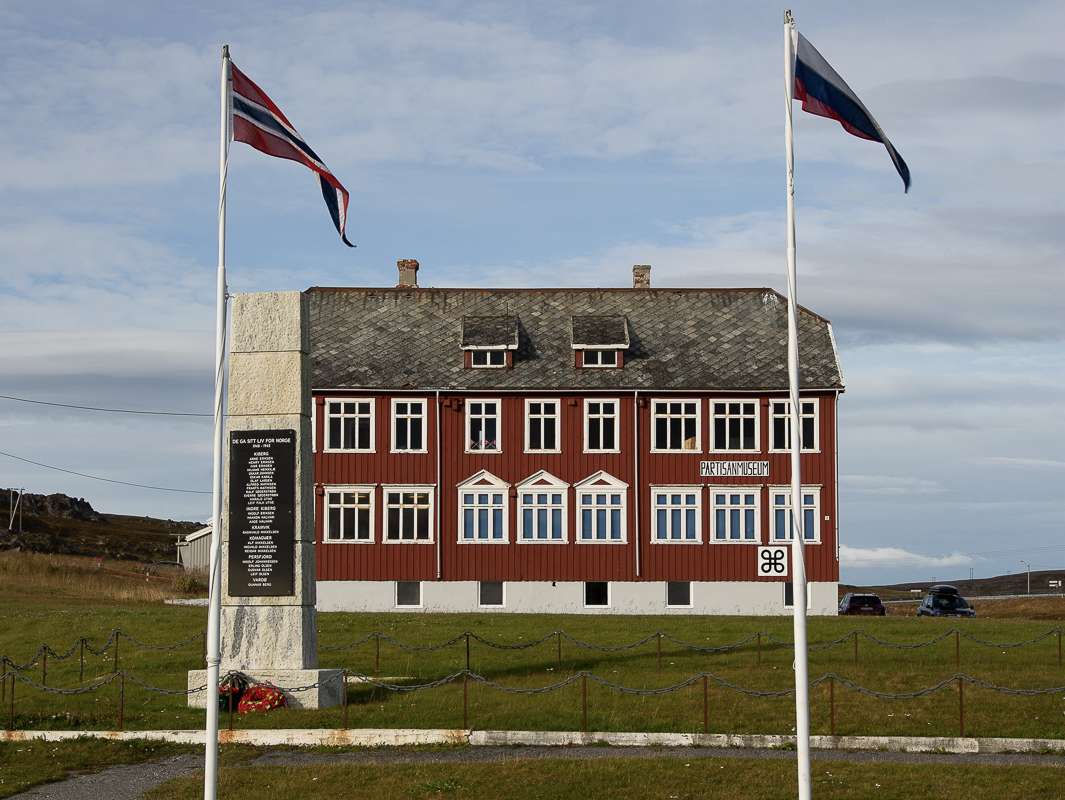
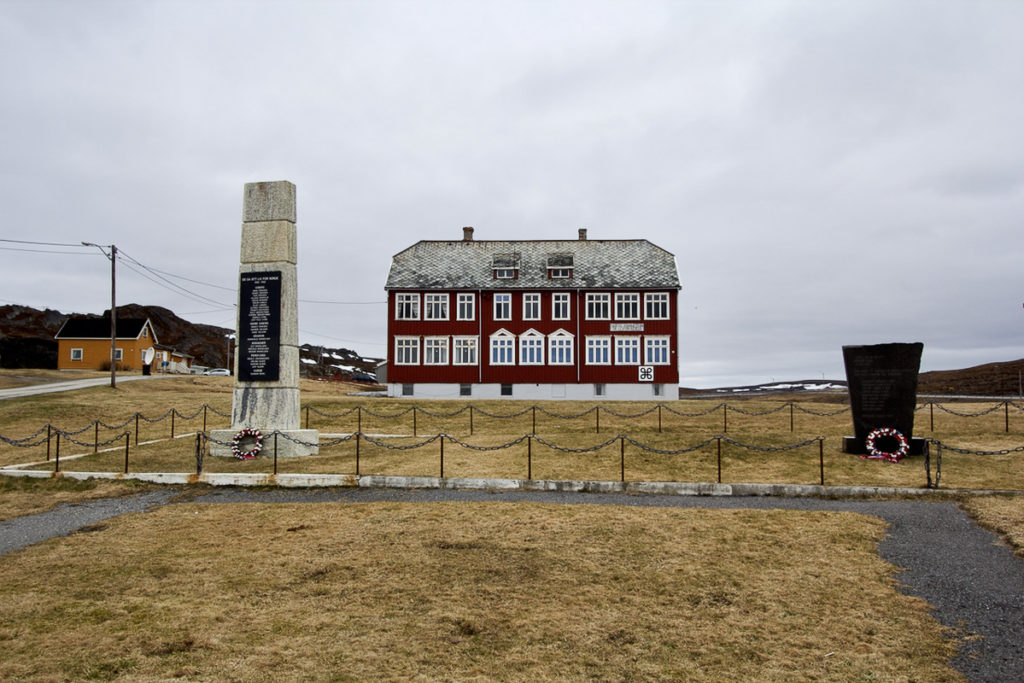
There was a significant local commitment to establish the Partisan Museum and Kiberg was the best location. On the way along the main road along the Varanger Peninsula, E75, we see a large red-painted building on the right hand side. It is the former boarding school which in 2000 was converted into the partisan museum. The building is large, but the museum quite small. On the other hand, it is packed with objects, photographs and informative texts. In the entrance area we find the “Partisan Gallery”, with about 100 portrait photographs of men and women who participated in the resistance struggle during the war, in various roles. Most of the exhibition is naturally about partisan activities, and there are powerful stories to be told.
20,000 German soldiers guarded the coast
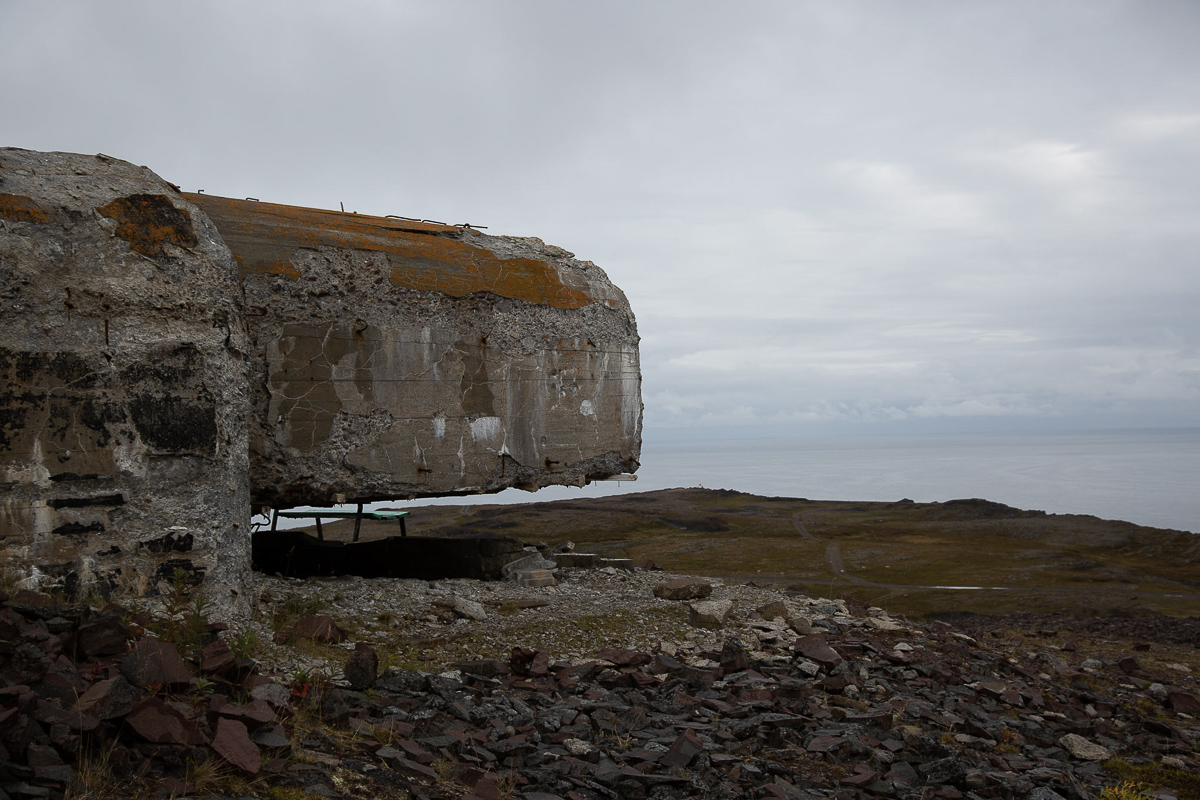
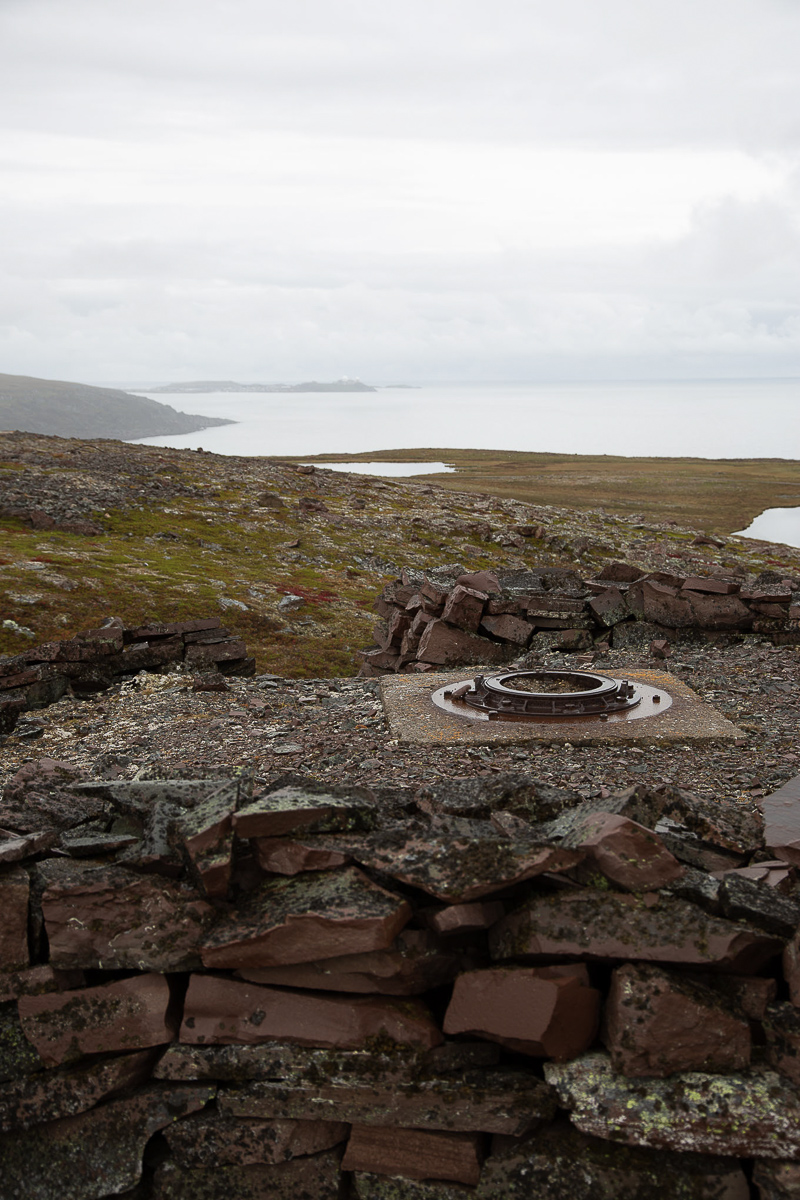
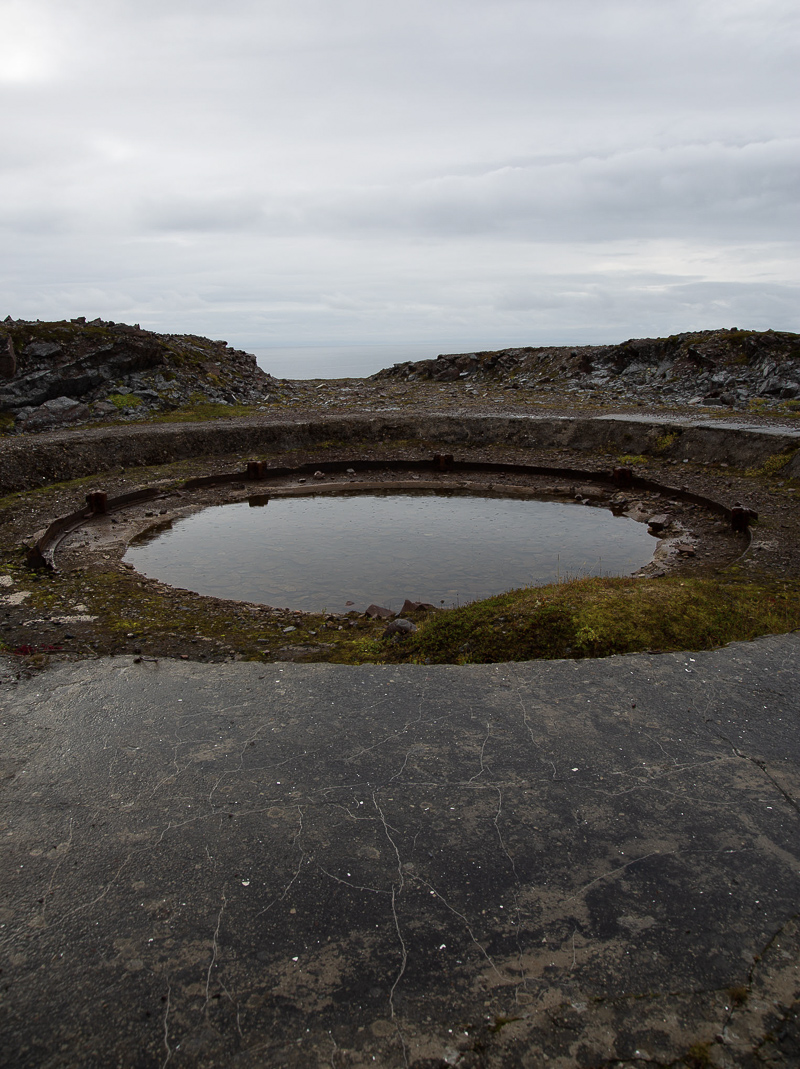
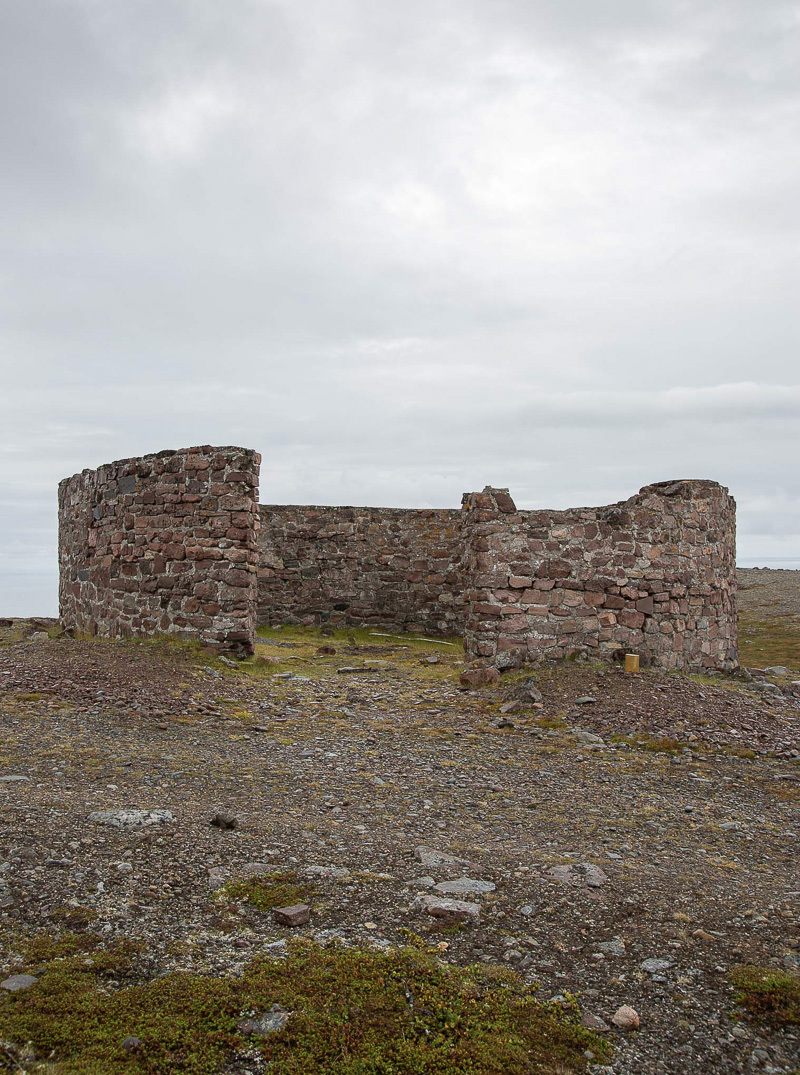
A good part of the exhibition also tells the story of life at the fort. As mentioned, Kibergneset was expanded with extensive facilities. From Berlevåg to Petsamo (what was Finnish territory at the time, now Russian), the occupying forces established as many as 20 coastal batteries, three airports and kept almost 20,000 soldiers stationed across the area. Kiberg was of great strategic importance. The German occupation motivated a local resistance struggle, which involved almost all the families in Kiberg.
Dogs played a major role in the warfare
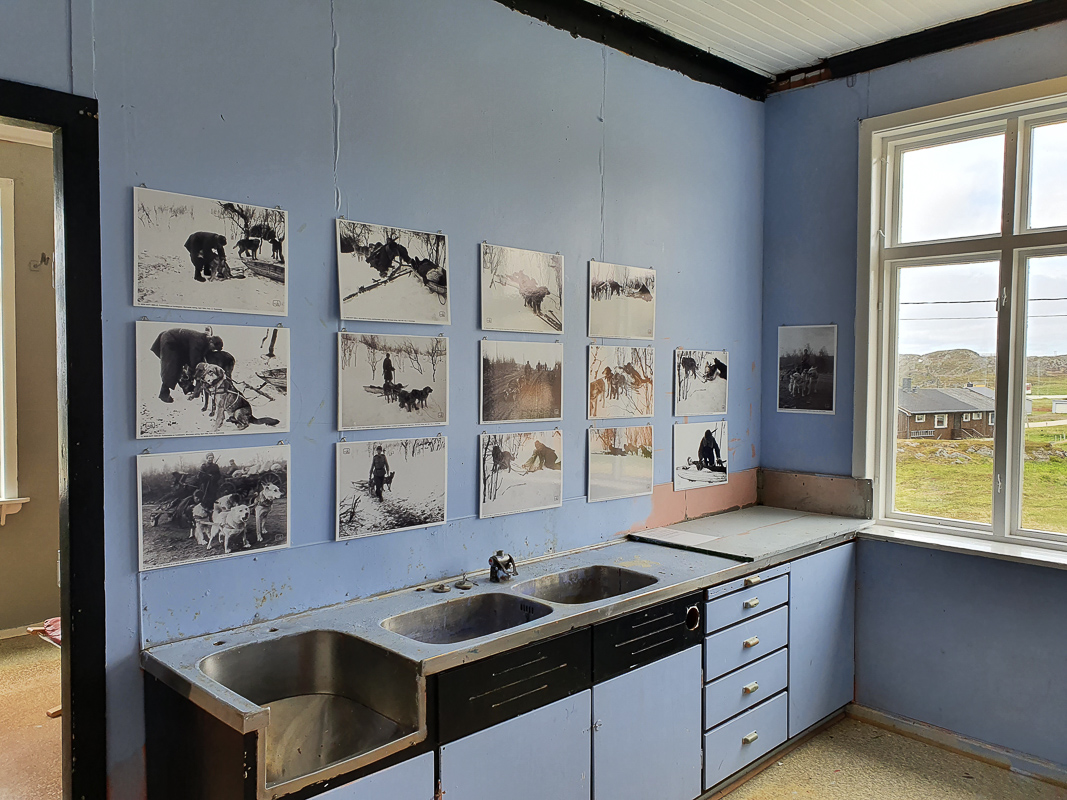
In recent years, larger parts of the building have been used for exhibitions. An interesting sub-exhibition deals with the use of dogs on the Karelian front during World War II. In what must have been regular suicide attacks, dogs contributed to the destruction of 300 tanks. In addition, the dogs helped evacuate 500,000 from the battlefield.
“Minnetur Partisan” are Norwegian-Russian friendship trips
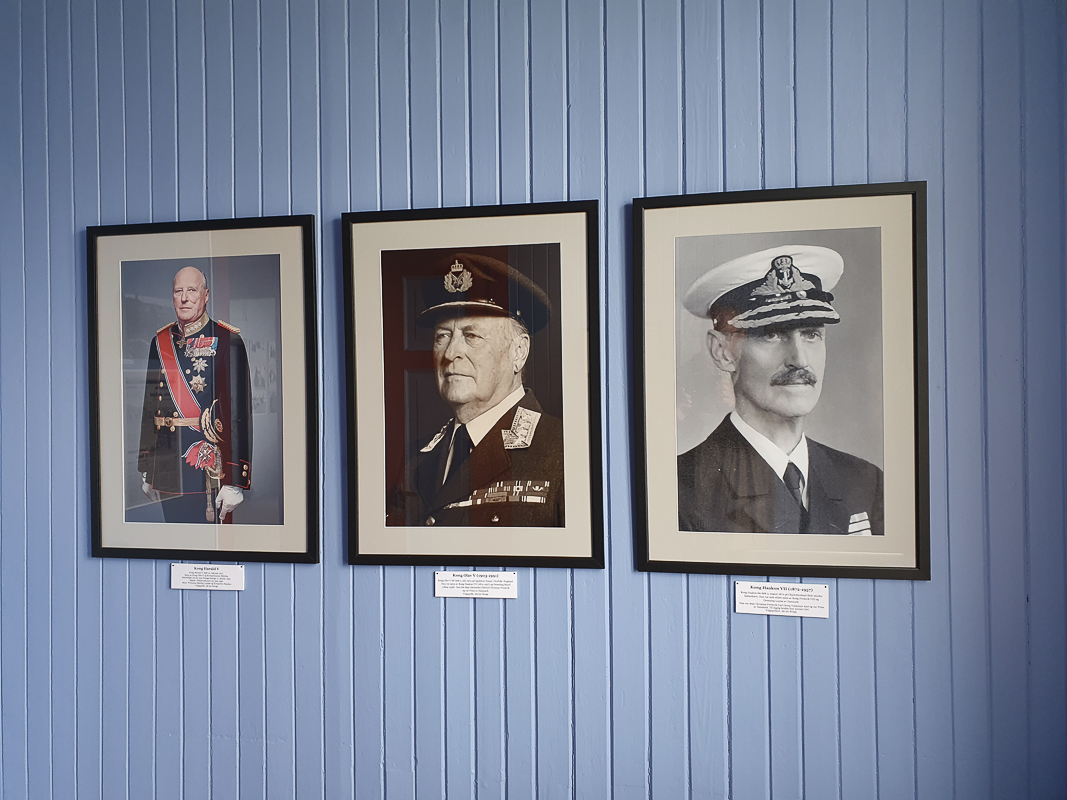
Every year, the Partisan Museum conducts two dissemination and memorial tours “Minnetur Partisan” (one in May and one in October) which starts in Murmansk and ends in Vardø / Persfjord. Russian and Norwegian veterans and historically minded people participate. In every place where soldiers and partisans have fallen, wreaths are laid and remembrance words are said. This is the dissemination of a common Norwegian-Russian allied war history in the north. An exhibition from these trips also hangs in the Partisan Museum. There is also a movie room showing movies related to the war. In 2020, a “Royal Room” was established which is an exhibition as a tribute to our three kings. The exhibition shows pictures, text and several of the king’s speeches from London can be heard over loudspeakers.
The official Norwegian partisan monument is Norway’s thanks
There are two Partisan monuments a few meters south of the museum building. The tallest Partisan Monument is the official Norwegian memorial that Norway’s kings have visited and laid wreaths at several times. The plaque entitled “They gave their lives for Norway” lists 25 names from Kiberg, Indre Kiberg, Kramvik, Komagvær, Persfjord and Vardø – all places on the eastern side of the Varanger Peninsula.
Russia partisans are remembered at the second Partisan Monument
The second Partisan Monument has been erected by the Russian authorities. The following is engraved in the memorial: “Eternal memory of Russian and Norwegian patriots who fell in the struggles against fascism. Russia thanks you. ” Nine names are also engraved together with a quote from Nordahl Grieg: “Freedom and life are one”. Both monuments Monuments are for us to remember the partisans who fought and died for Norway’s freedom 1940-1944.
Find the Partisan Museum
Vardøhus Museumsforening owns and operates the Partisan Museum. Kiberg and the Partisan Museum are located along the E75 between Vadsø and Vardø. The place is a small detour down from the main road. The museum is easily visible and it is open from liberation day on May 8th to liberation day on 18th October, every day from 0900-1800. Feel free to contact us in advance for guided tours.
This text was written by the Partisan Museum for us. We have inserted introductions and headings, otherwise the story is told in their own words.