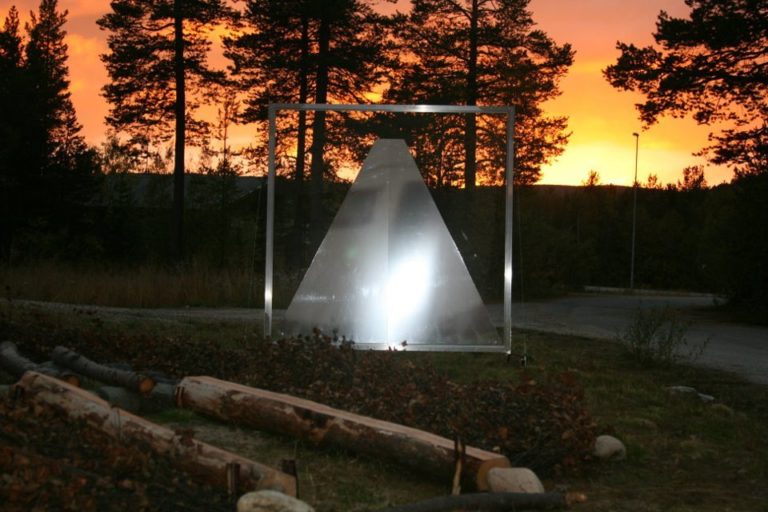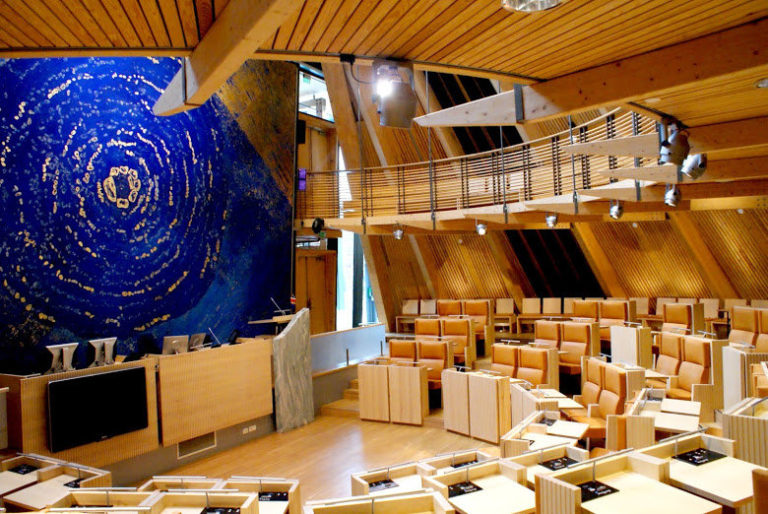
Sámiid Vuorká-Dávvirat (The Sami Collections) in Karasjok form part of the RiddoDuottarMuseat foundation, together with three other museums. The others are in Kautokeino, Porsanger and Kvalsund. The museum is dedicated to Sami history and culture.
The Goahti was a herder’s home
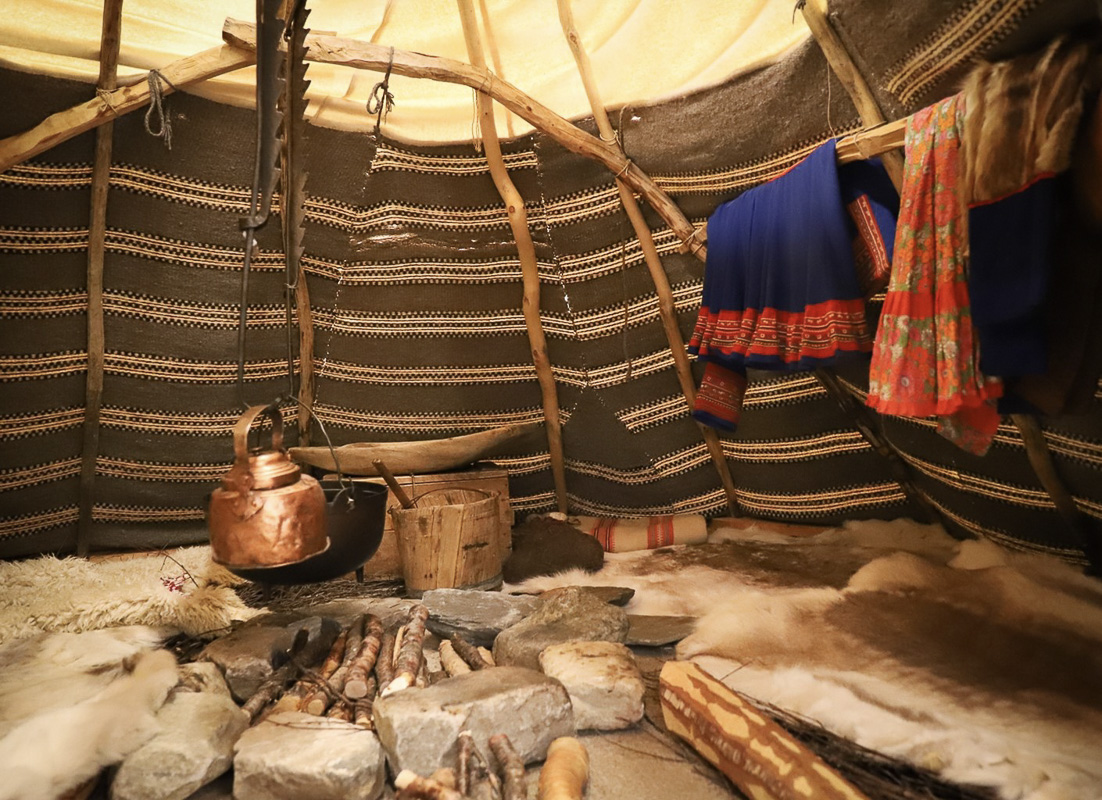
Right in the middle of the exhibition rooms, you will find a goahti — a Sami tent. This is the mobile version of the traditional dwelling. It is supported by two pairs of curved poles that are held in place by a cross-piece and two cross-beams. This basic structure forms the support for thinner poles that are laid around the walls. The outside covering is a broad sheet of wool, loavdda, or a thinner material such as canvas.
Lavvo, goahti and turf huts were the three main homesteads
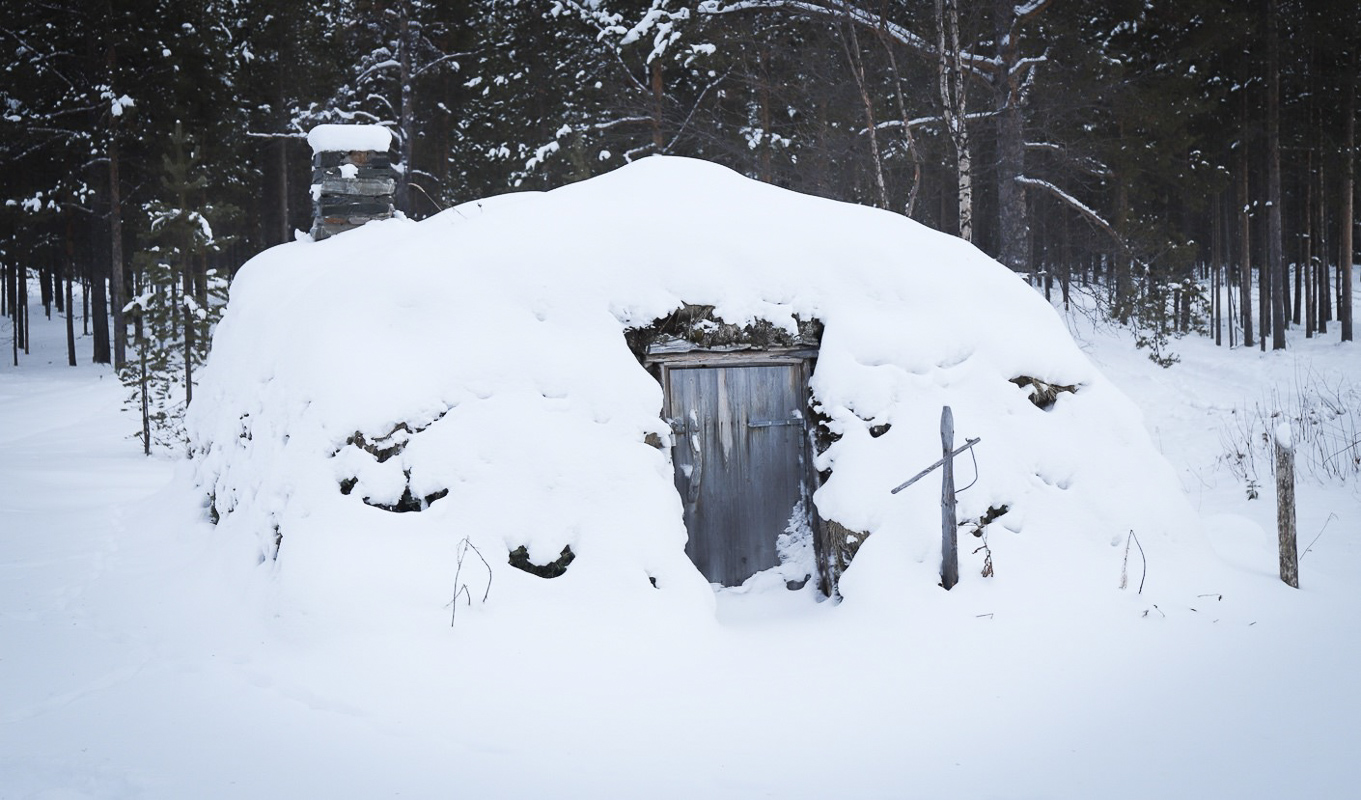
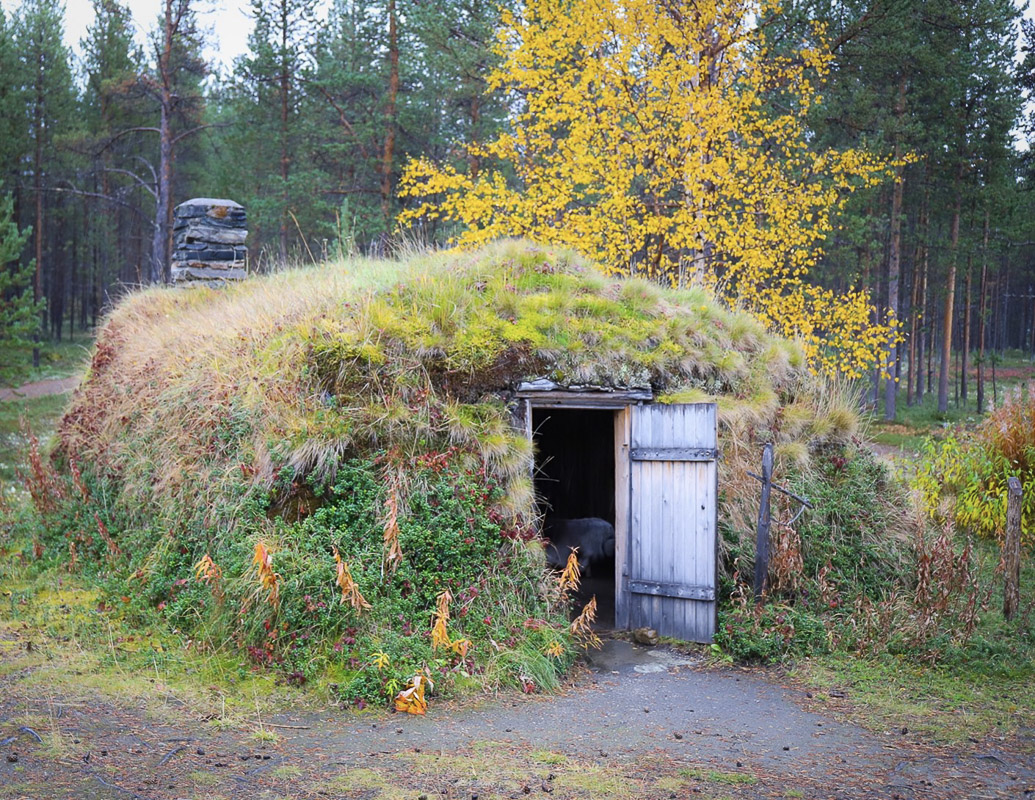
A simpler version of this dwelling is the lavvo. There is more room in a goahti, and it’s more comfortable than a lavvo. In places where a more permanent dwelling was needed, or if people were going to live somewhere for long periods before moving on, they built a turf hut — a non-moveable version of the goahti. This has walls of turf and birchbark, and a more solid basic structure consisting of thicker curved rafters and bars. You can see examples of these in the open-air part of the museum.
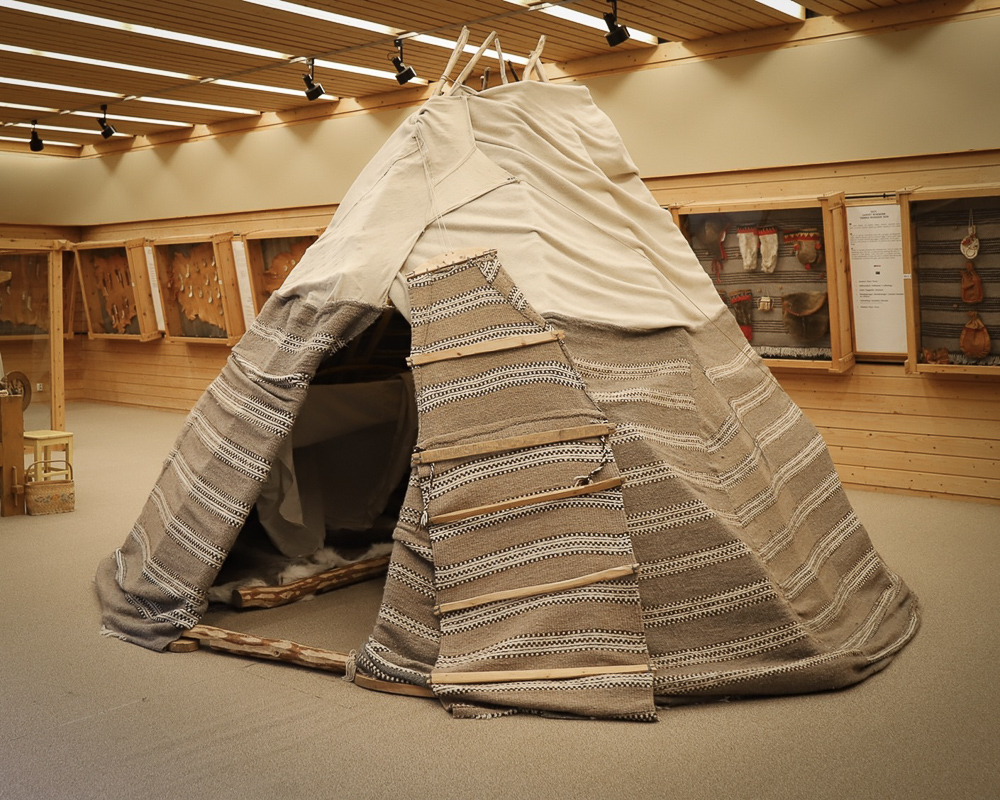
Inside the tent there is an orderly system
There isn’t much room in a tent, so there is a place for everything, and everything has its place. The floor area in a goahti is divided into five sections. Seen from the entrance door, a centre line is formed by the uksageahče (door end), then the ára (fireplace) and the boaššu (kitchen area) through the floor area. The area on each side of these makes up the loaiddut, where the occupants live and sleep. The floor of each loaidu is covered with birch twigs with reindeer skins laid over them. Various items of equipment are also kept in the loaidu, such as the dried blister sedge that is used instead of socks inside the fur boots. Members of the family occupy the spaces furthest inside the tent. The area closest to the door opening is kept for guests and servants. A goddess called Sáráhkká lived underneath the fireplace, and it was customary to sacrifice a splash of coffee to her. An optional inner tent could be hung to protect people from the cold or insects while they slept.
Duodji handicrafts and dáidda art are varied and complex which continues today
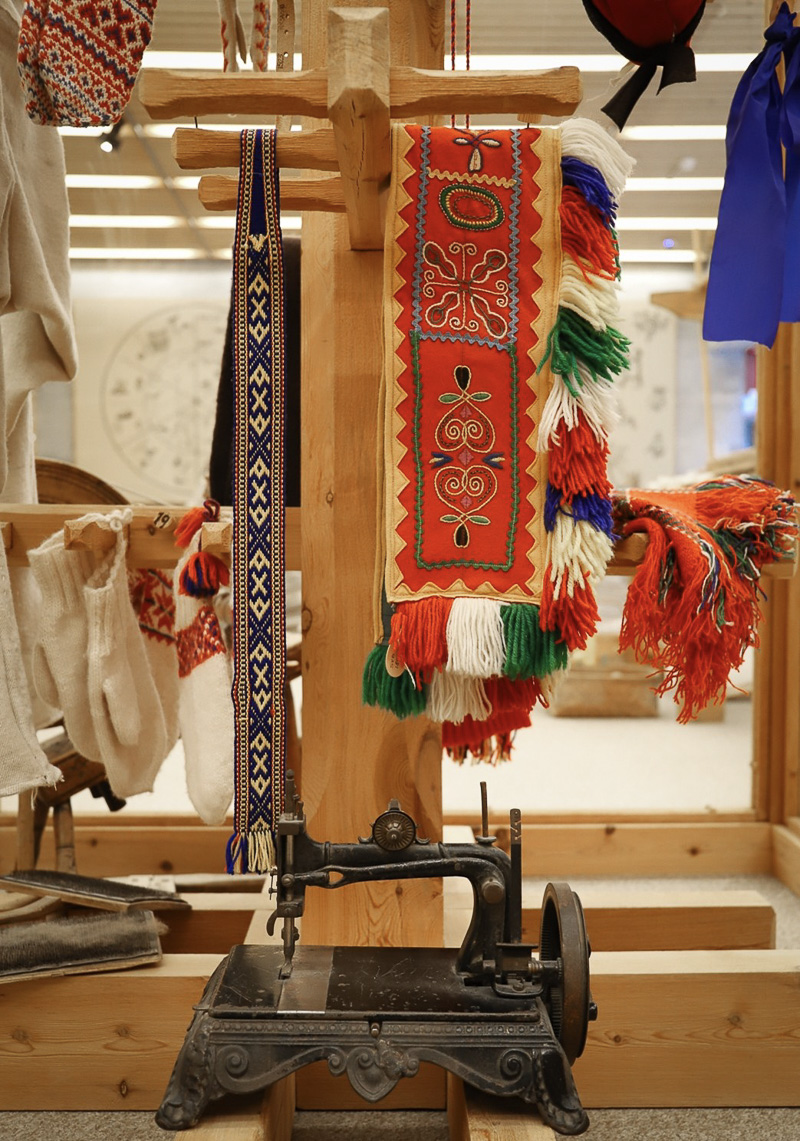
The glass cases of artefacts are like little treasure chests of beautiful things. Horn spoons, small band looms made from bone, knife handles, pin cushions and bowls made out of birch burrs were decorated with beautiful patterns. A rigid geometry was the rule in the southern Sami regions, whereas northern Sami ornamentation shows lighter, more fluid lines. Embroidery with pewter wire was very widespread in the southern Sami area, while the eastern Sami people in Finland and the Kola peninsula in Russia tended towards colourful pearl embroidery. The museum also has a unique collection of Sami contemporary art, which is displayed in exhibitions that change frequently.
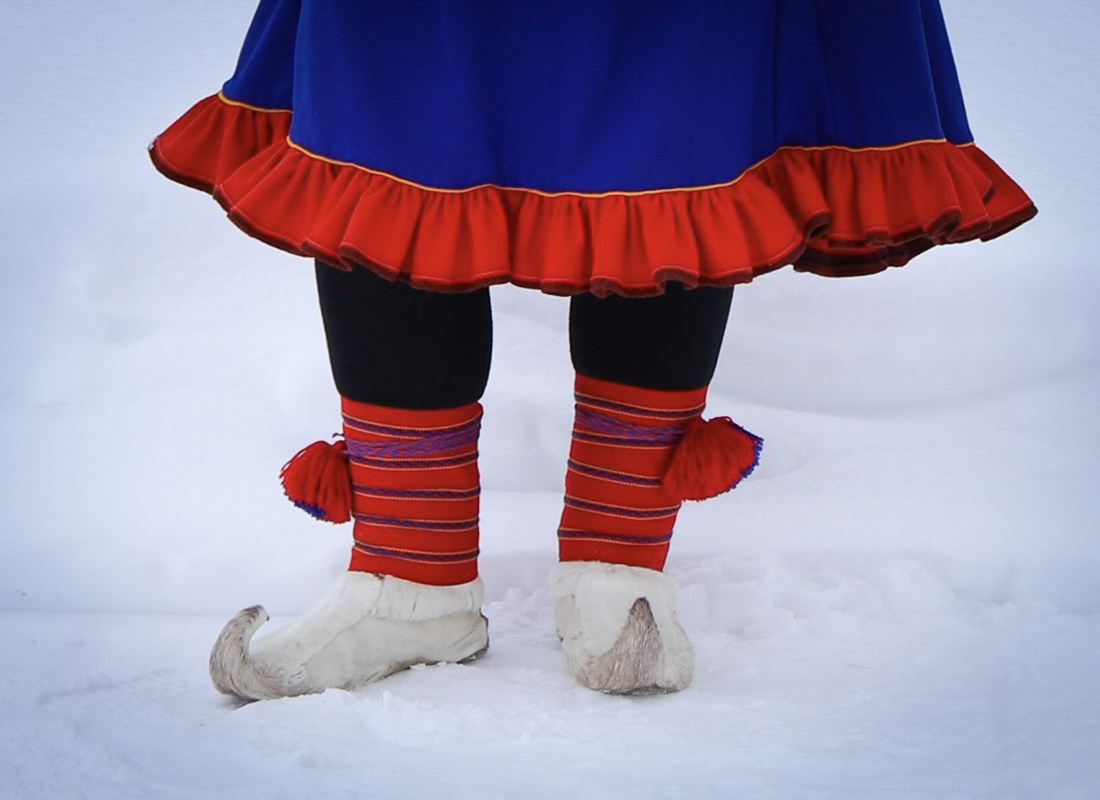
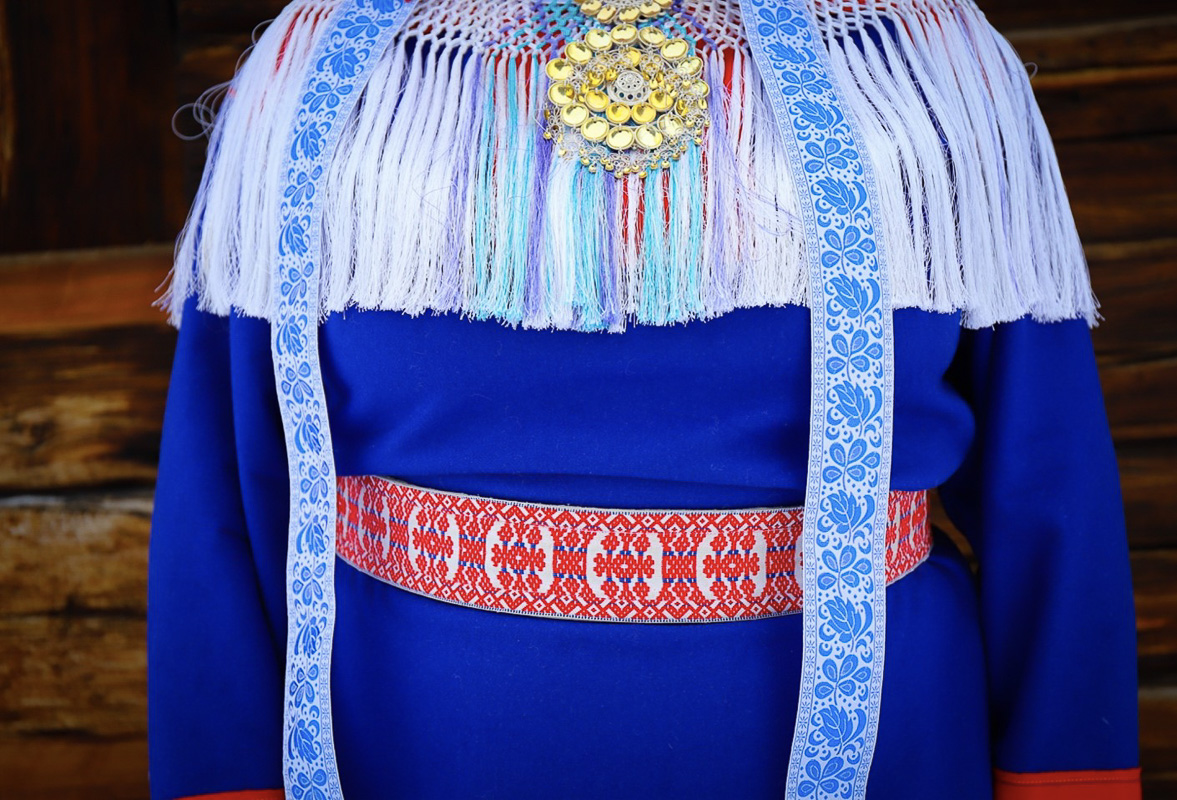
Gákti is the traditional dress of the Sami
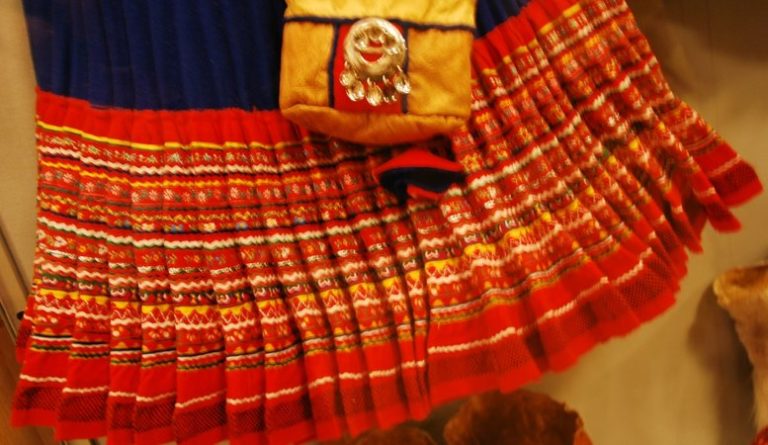
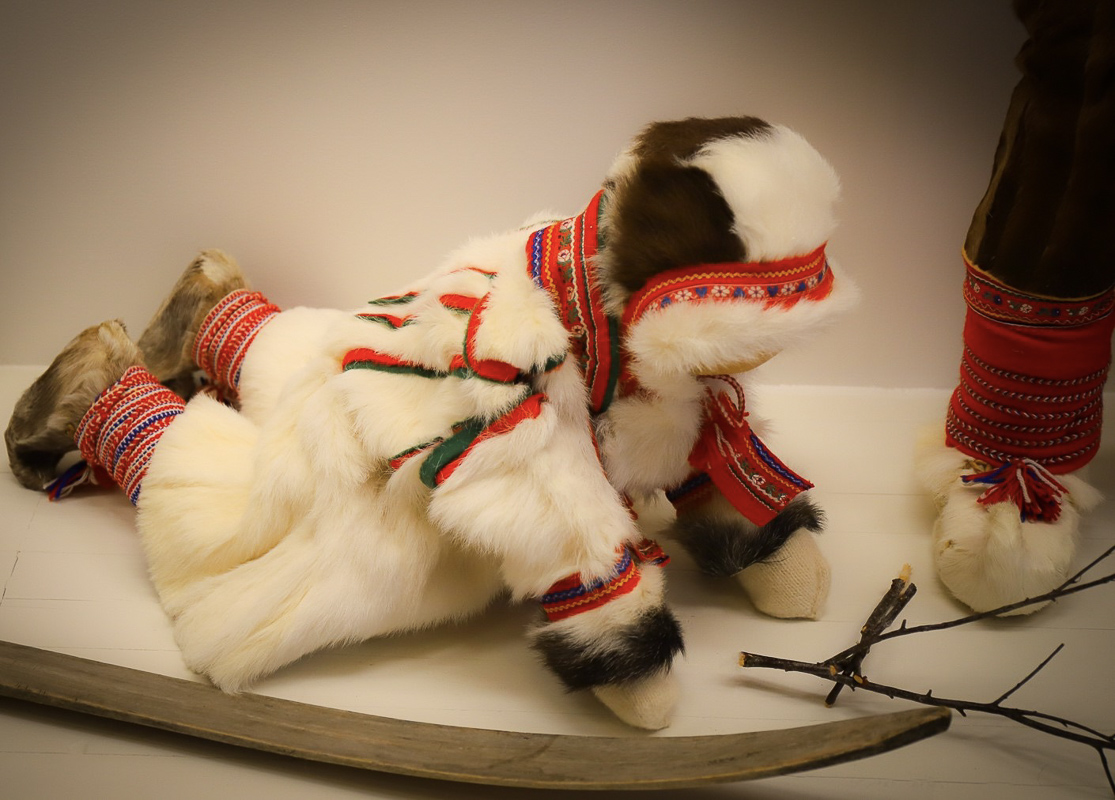
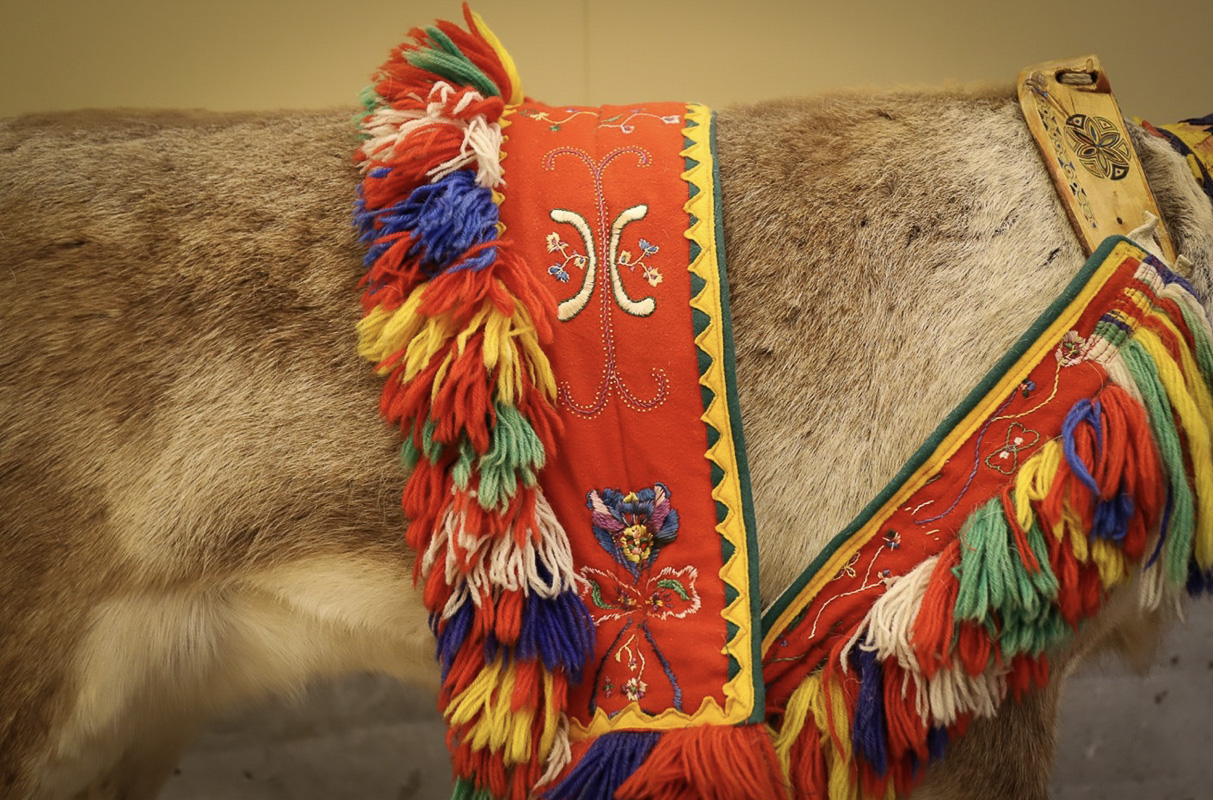
Sami costumes are also displayed in the permanent exhibitions, including hats, belts and details from the costumes. The costumes vary from area to area in the Sami homelands, but certain elements of the costumes also show which family someone belongs to, who they are related to, or whether they are married or not. Since this is a living costume tradition, the clothes are constantly changing. The wearer’s and the seamstress’s personal taste also plays a part.
Goavddis is the drum used to enter the spirit world
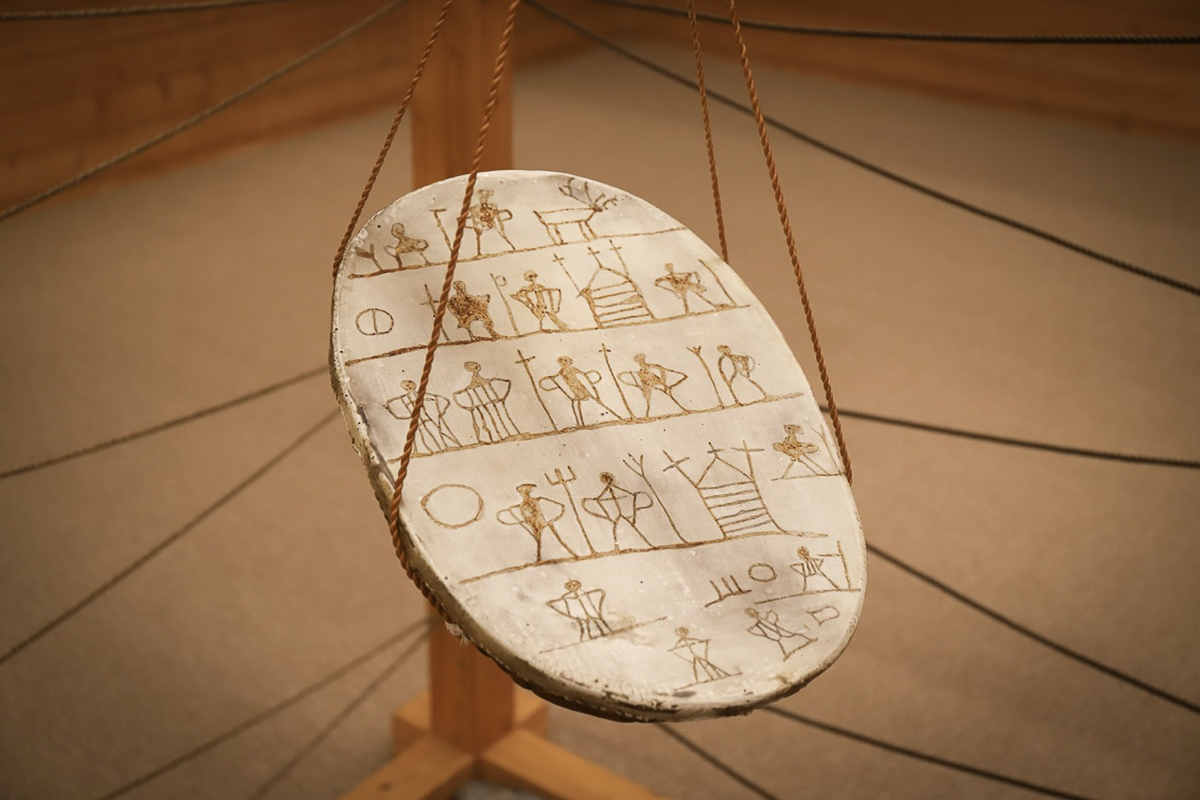
Noaidi was the Sami religious leader in pre-Christian times. The drum was noaidi’s tool for communicating with the world of gods called Sáivo, where the dead also lived. On the drum skin there is a myriad of small figures representing deities and the forces of nature. In the south of the Sami area, the figures are centered around the sun sign, in the north the figures are layered in rows. The noaidi Paul-Ánde, Anders Poulsen, born in Tornio and living in Utsjok and later in Varanger, was imprisoned and his drum confiscated in 1692. A copy of this is on display. The museum is working on the return of this drum from the National Museum in Copenhagen to Sápmi – the land of the Sami.
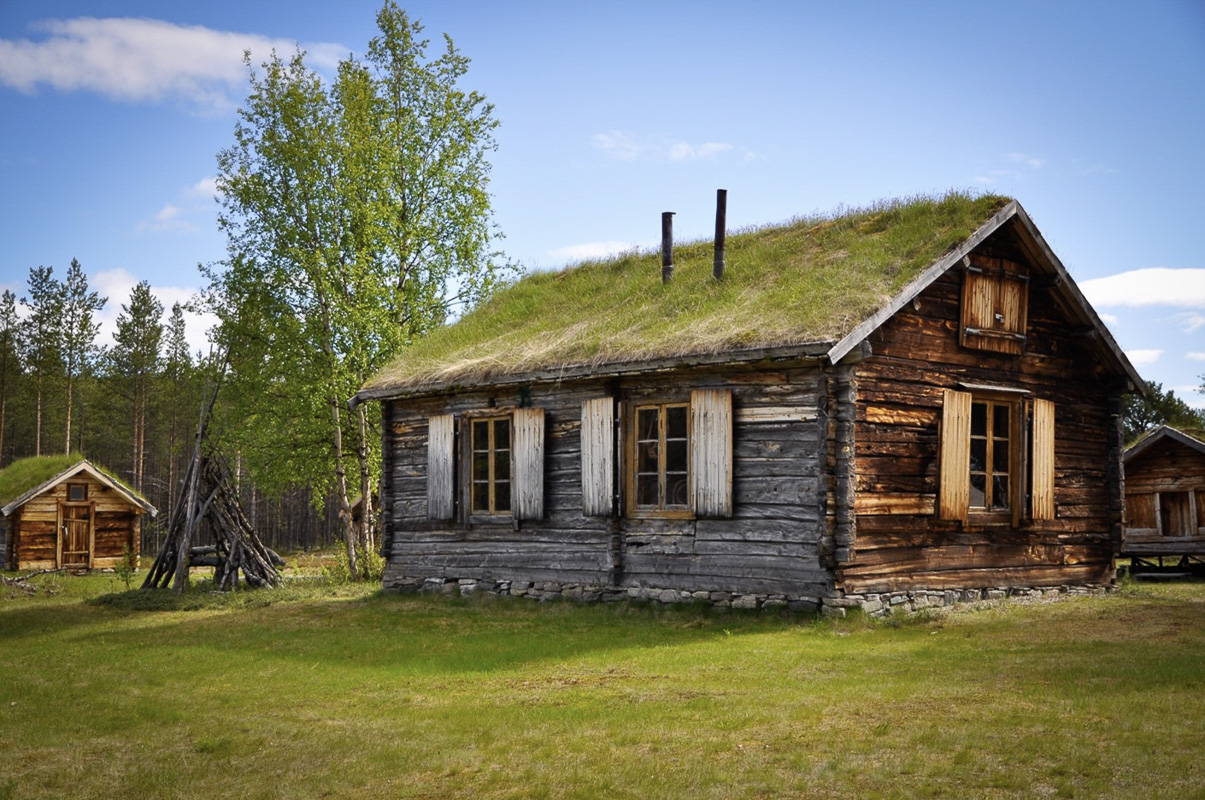
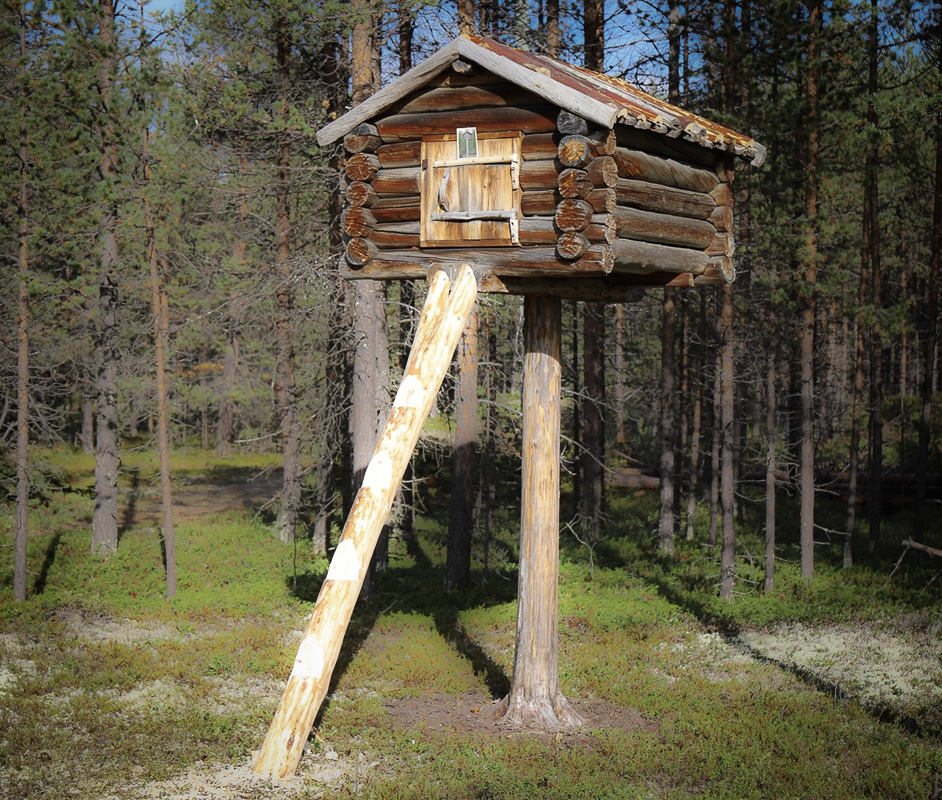
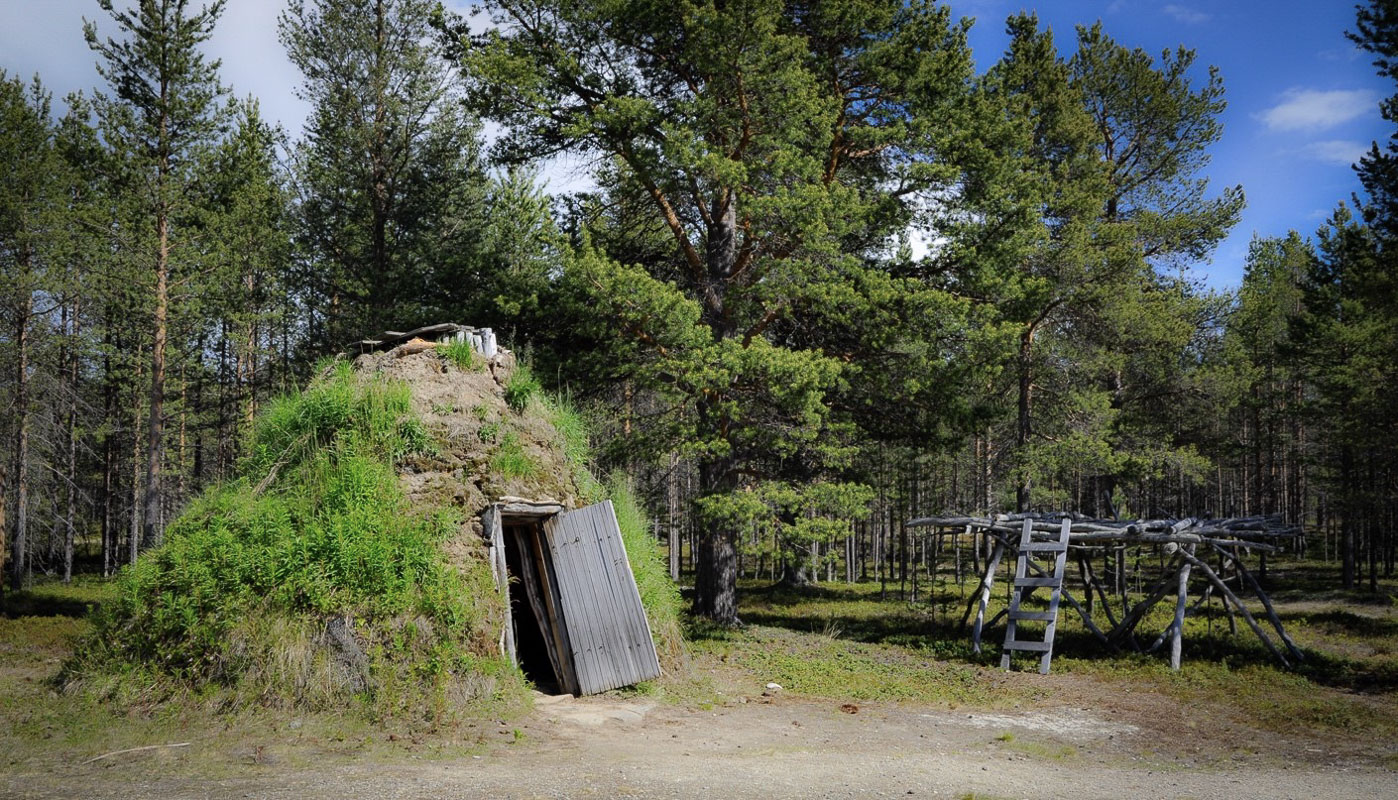
An open air section allows you to see architectural variations
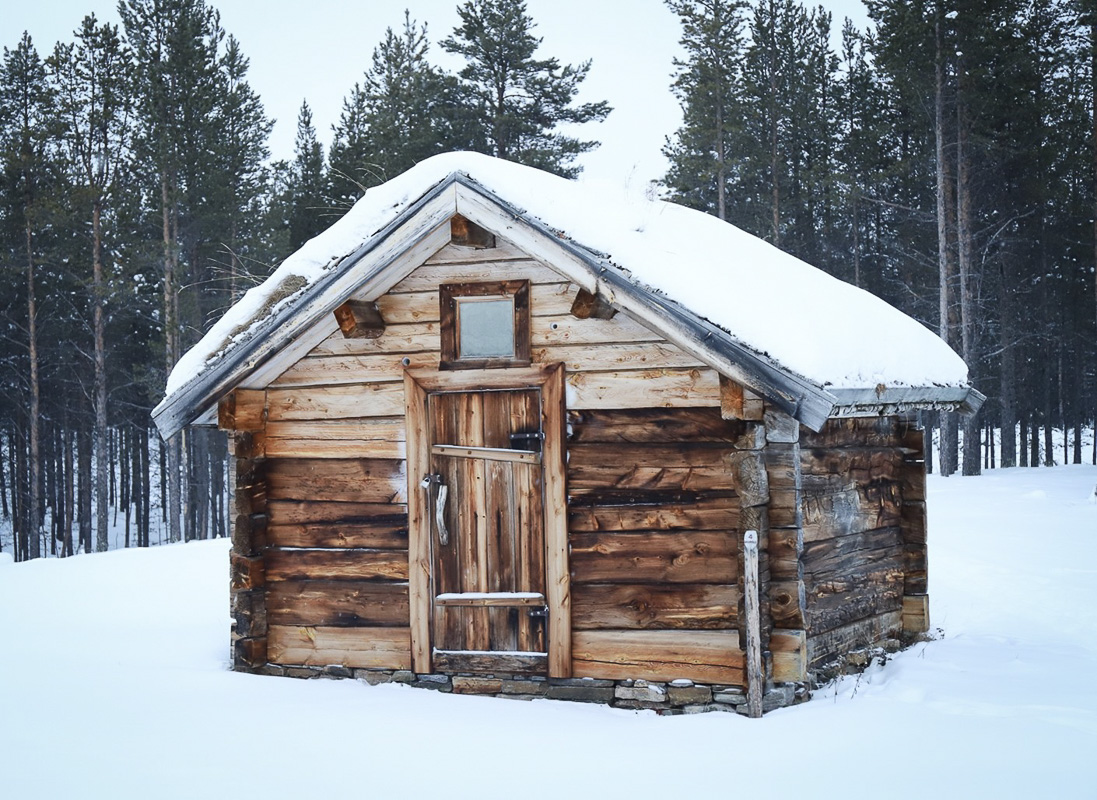
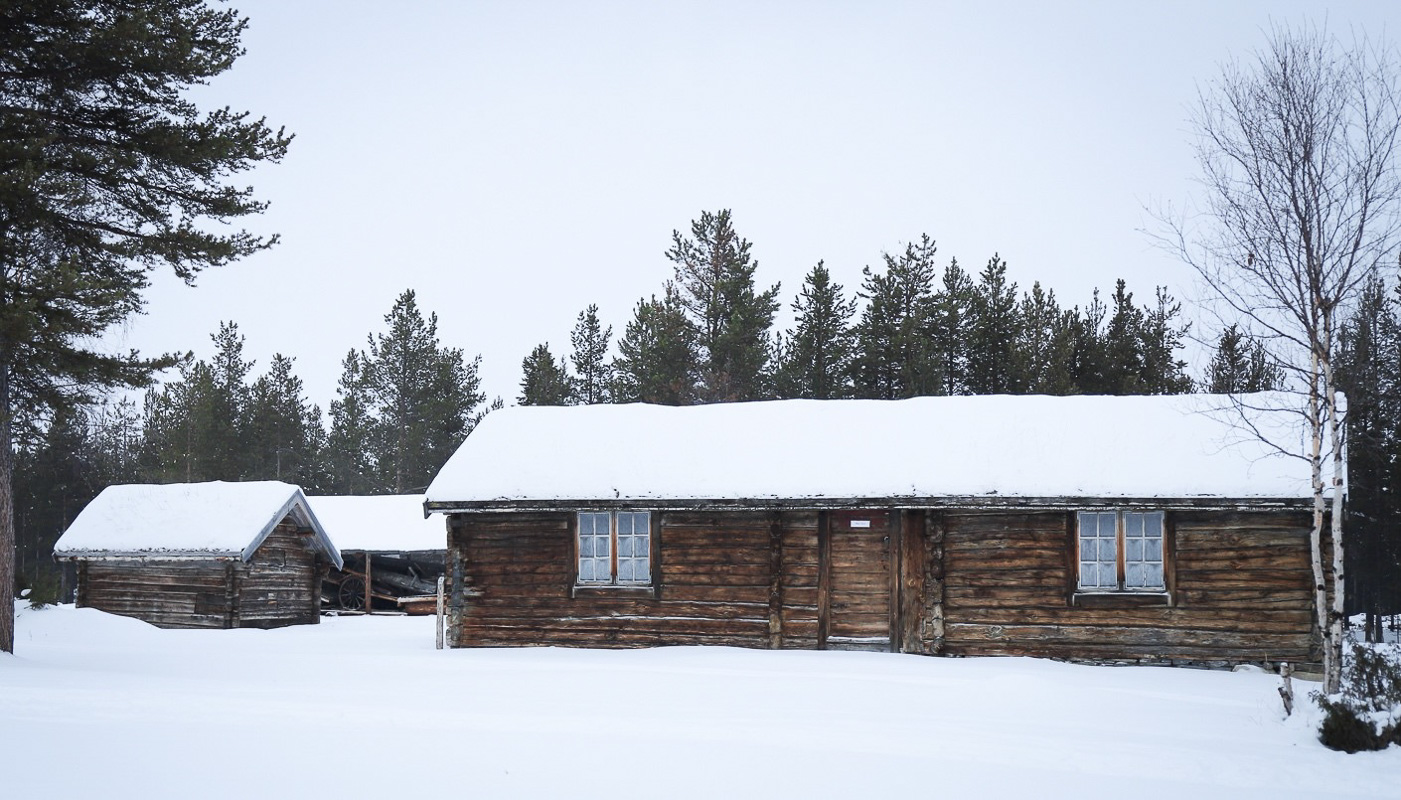
The museum has an open-air section consisting of a number of small wooden houses, a mountain lodge, turf huts and reconstructions of storage facilities that show the building techniques of the Finnmark plain. A unique River Sami farm that survived the German razing of the area during the last World War can be seen here. There is an app available in Northern Sami, Norwegian, Finnish and English, giving you a tour around.
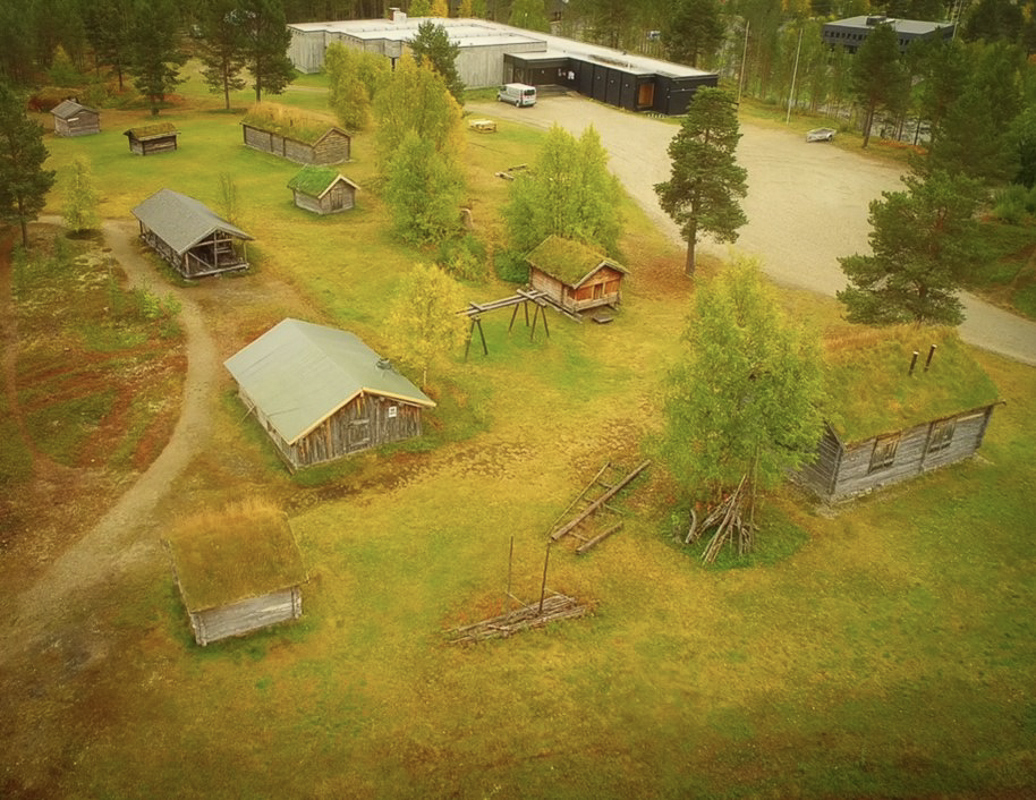
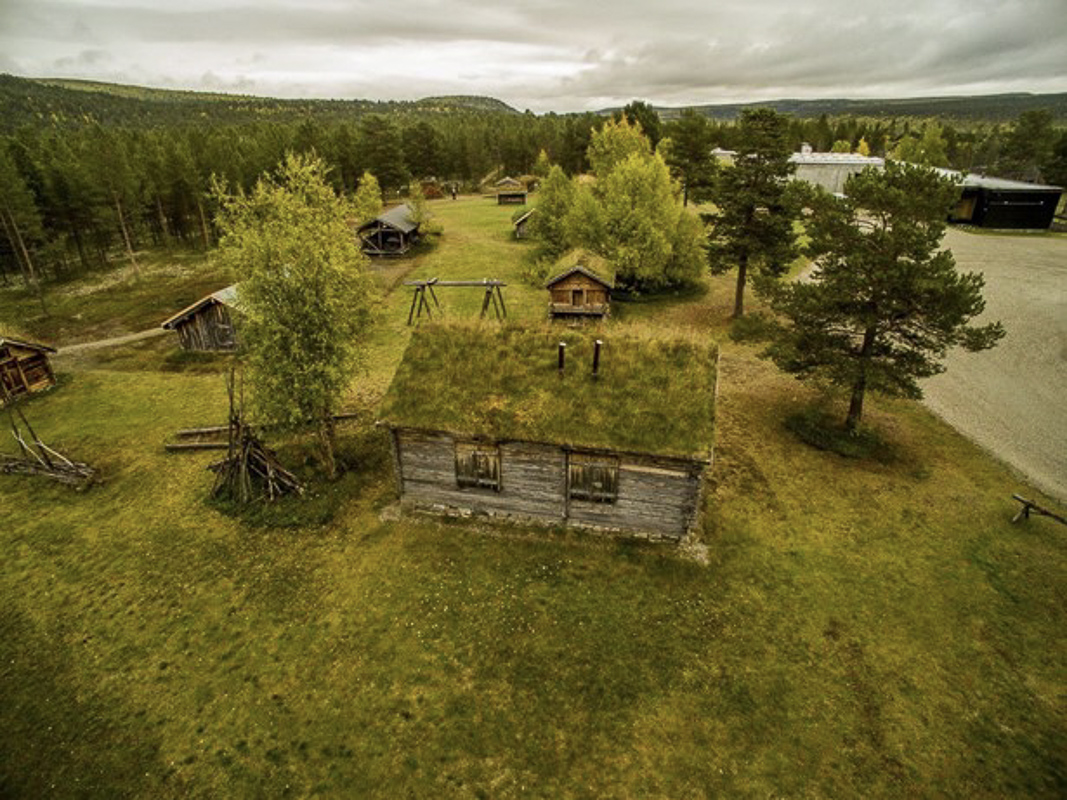
Practical information on visiting the Sami collections
Karasjok is located in central eastern Northern Norway close to the Finnish border. There is no airport in Karasjok, therefore it is recommended to fly to Lakselv to the north and take a bus or rent a car to make the journey. Karasjok is far from the ocean, therefore no boat routes will take you there.
Karasjok is well inland, and therefore experiences a continental climate pattern. During the winter months it’s not uncommon for Karasjok to be the coldest place in all Norway with temperatures in January example averaging at -17, but having dropped below -45 degrees Celsius on occasion. In the Summer however, the temperature can rise into the high 20s and low 30s. Therefore it is up to you as to which extreme you wish to endure.
The museum is open all year round and has its own website. Here you can keep up to date with changing exhibitions and events.
Karasjok has a daily bus from Alta throught Lakselv. Coming from Hammerfest and Honningsvåg, you change bus at