Reindeer husbandry is a way of life that has 4-500 year old traditions in Northern Norway. Today, around 2,700 people in Norway, almost all in northern Norway, are connected to herding reindeer. In Finnmark, the reindeer migrate between the inland and the coast depending on the season, and Marit Helene Eira shares this with us in her little story:
Our family works both in and outside reindeer husbandry
I, Marit Helene, work as a hairdresser with my own salon, I am also a part-time fire constable. Raised on a farm. Married to Nils Isak who grew up in reindeer husbandry. He is a reindeer owner and takes care of the daily operation of the reindeer husbandry. We have three children. Our son Johann Eivind is 27 years old, he is a trained carpenter. He lives in Alta with his girlfriend and two children. Biret Helene, 18 years old, is an apprentice as a child and youth worker at school. She lives in Alta. Maret Isalin. 13 years old, is in the 8th grade at Máze school.
We are affiliated with a siida
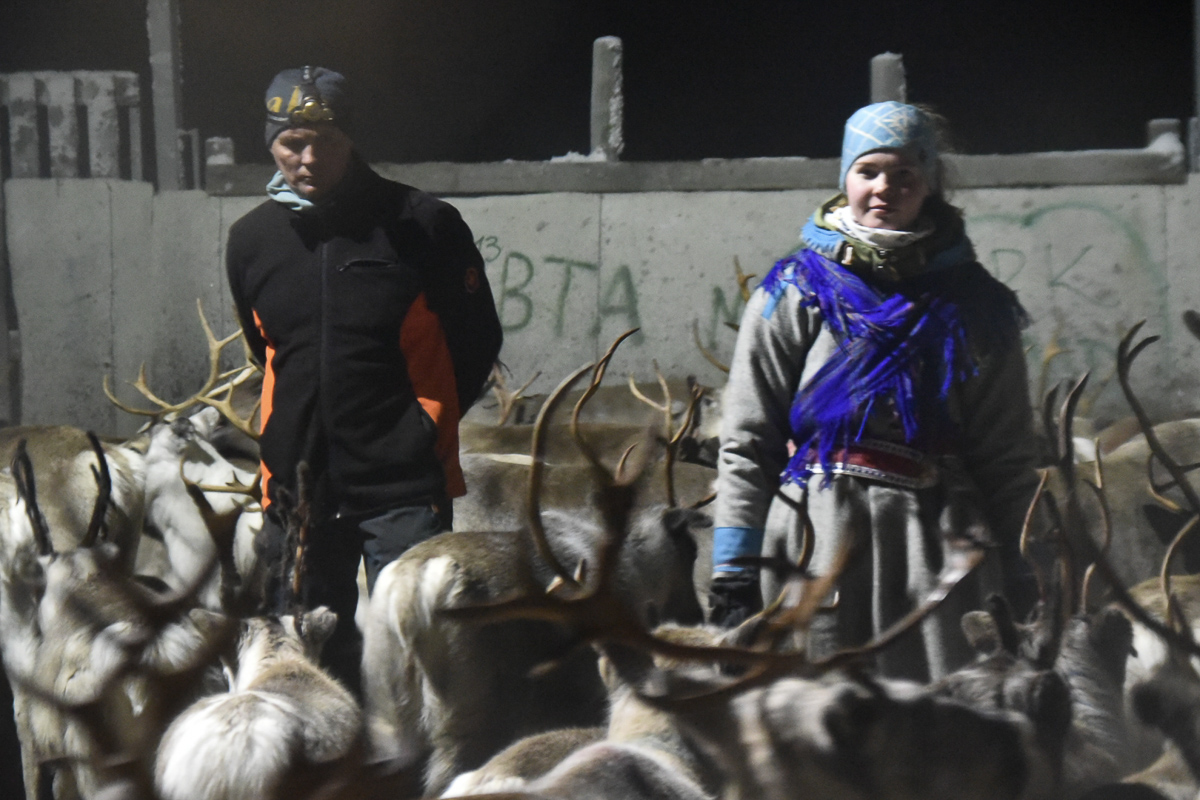
A siida is a group with several families. When we are attending the reindeer herd, we are in siida. Our siida consists of 4 operating units, ie families, in the winter. In winter, there are always two people in the siida watching the reindeer herd. Each of them is a week at the herd and has a week off. The reindeer herd is in forest areas and on the high plateau in winter.
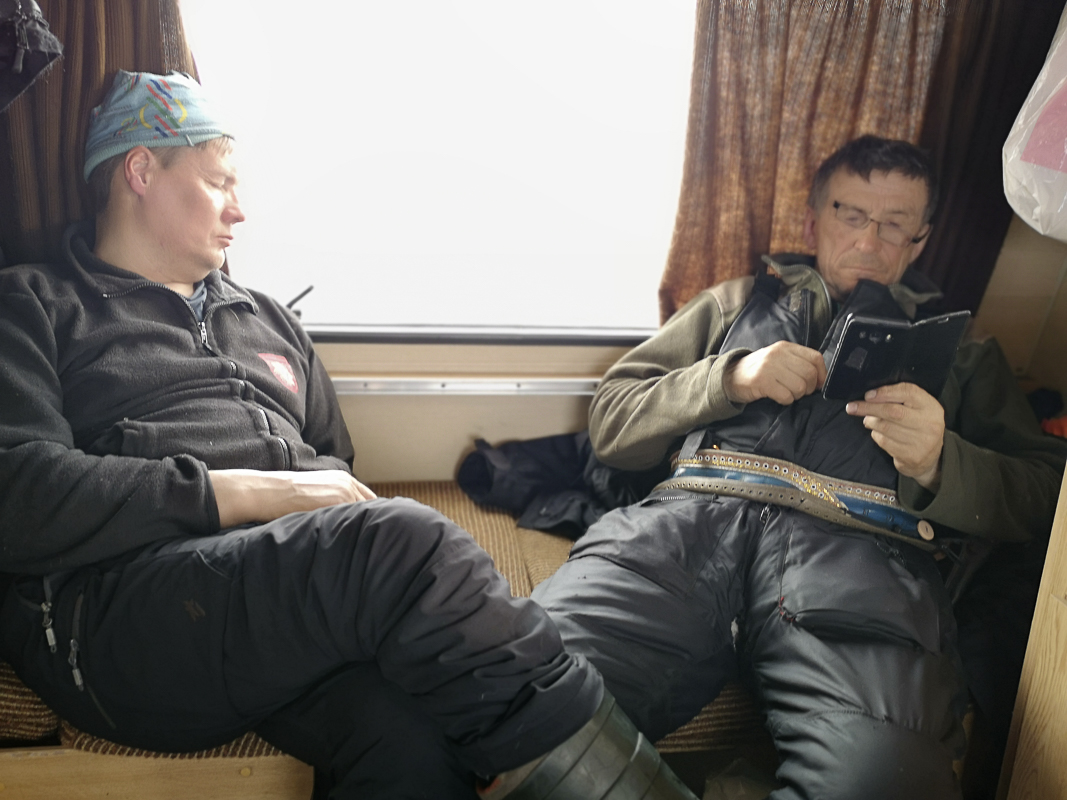
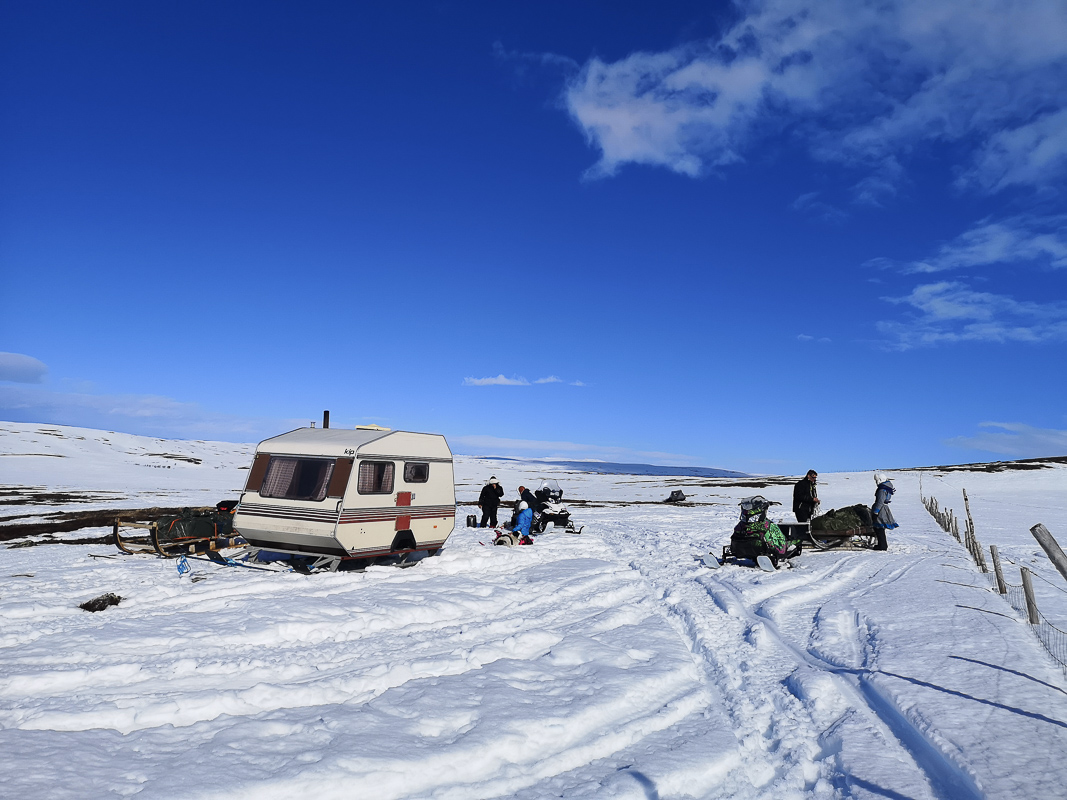
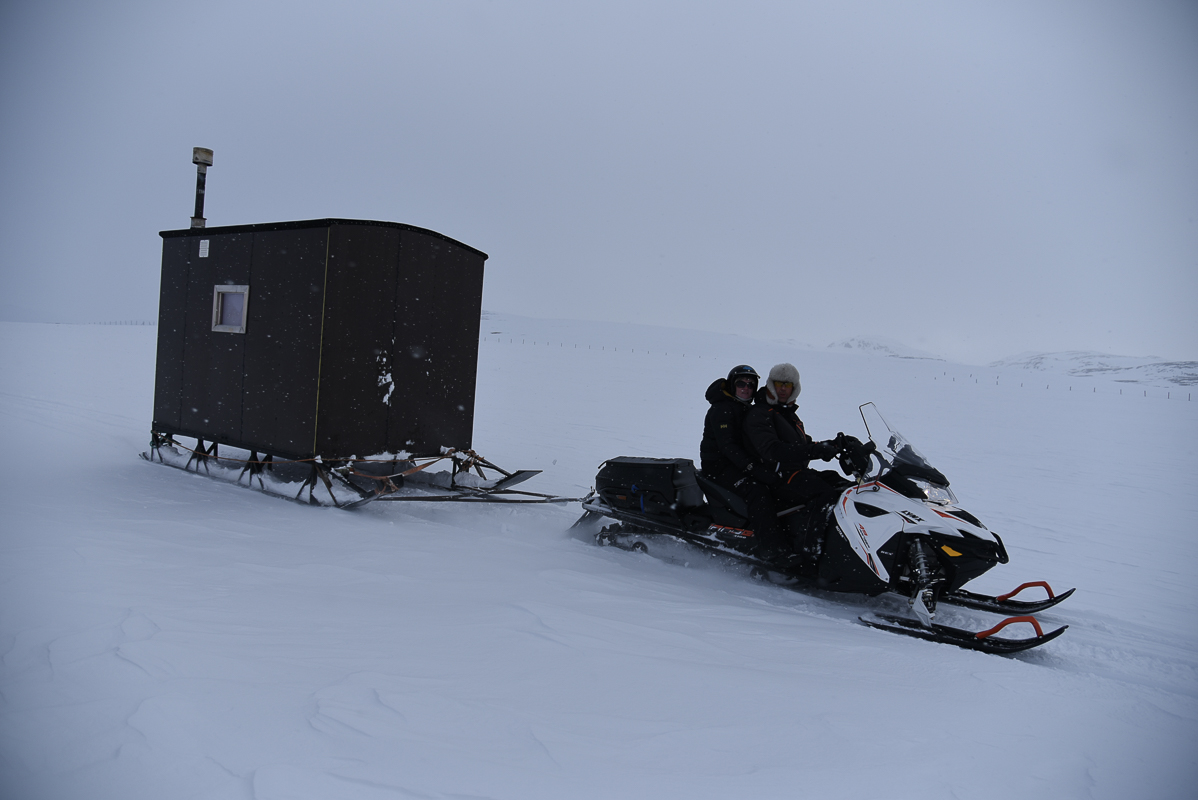
The winter pasture is on the Finnmark plateau
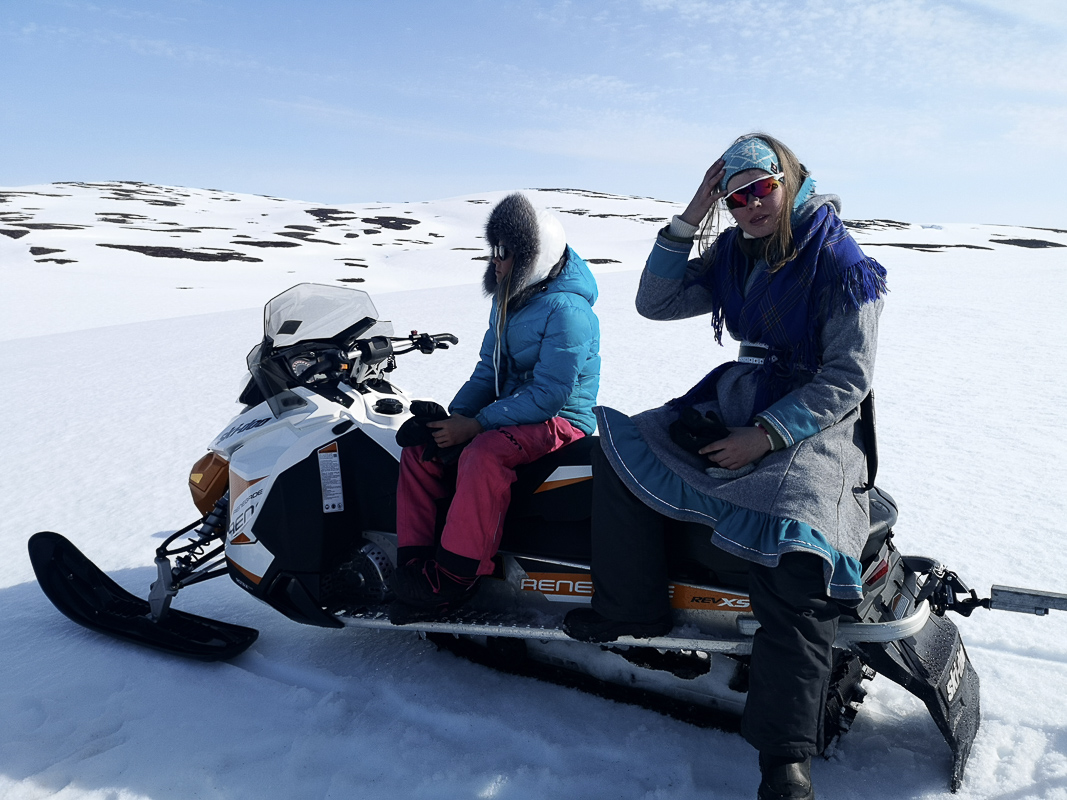
Our winter pasture is at Lahpoluobbal, only 30 km from home. We drive there by car. From there, the snowmobile is used as a means of transport. We have a small cabin in the winter grazing area, which those on duty use for rest and sleep. The rest of us who belong to the siida are by the reindeer herd, when more people are needed. More people are needed, for example, when the herd is in the fence, ie the enclosure, during reindeer collection and slaughter. Last winter there was a lot of snow, which made it necessary to give the animals extra fodder. In such cases, it is good that more people can provide help. This winter there have been good grazing conditions. Additional feeding has not been necessary.
Spring migration starts in April
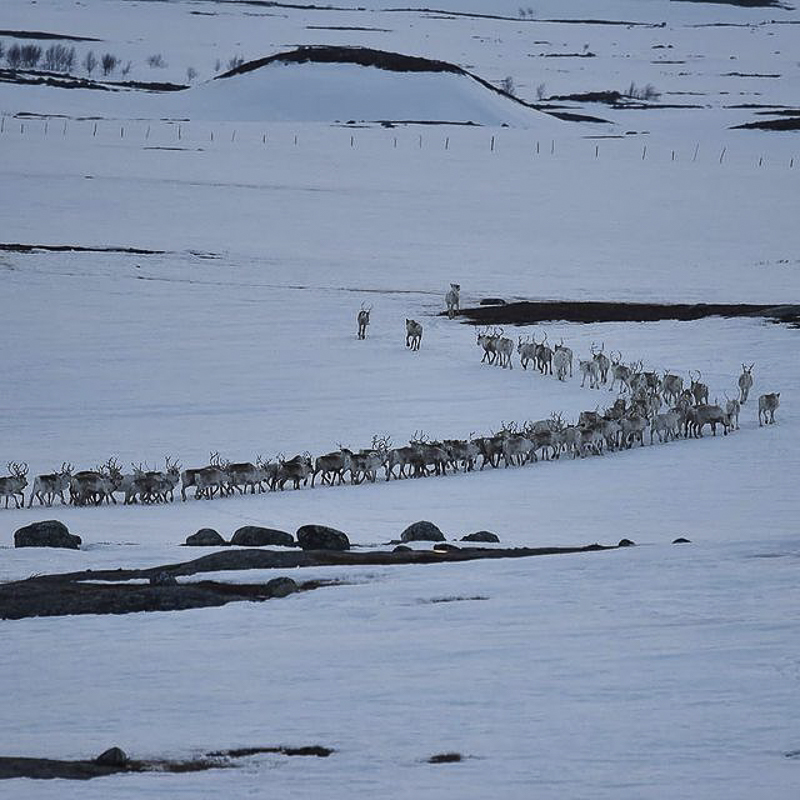
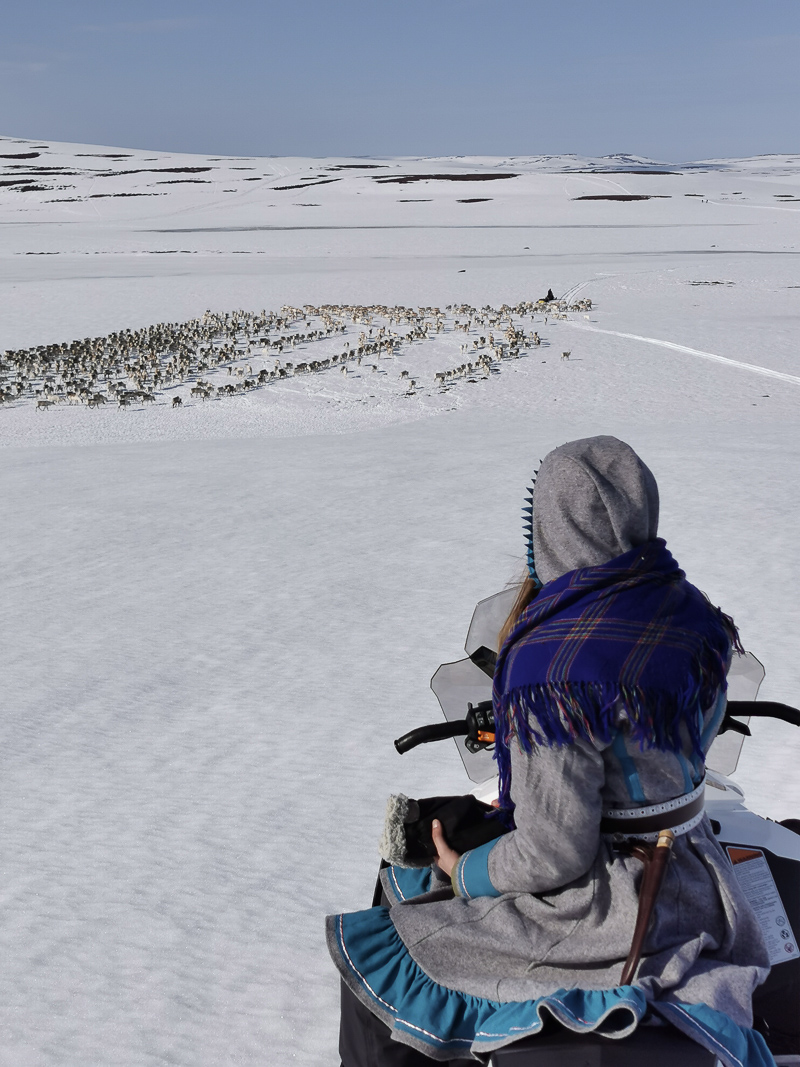
The weather decides a lot. It is never up to us to decide when reindeer migration to summer grazing lands starts. The animals know when it’s time to start north. They begin to move north in April. Pregnant females are in the front. And the journey begins, which is very dependent on weather and grazing. The animals know the migration route themselves and we check everything goes well. When moving reindeer, it is a great advantage that there is not so much snow. Last year’s reindeer migration in the spring was very challenging and took a full 6 weeks. Duration varies from one week upwards, depending on grazing conditions. When the animals get enough food, the journey goes well. Our family is involved in parts of the move. Children are given leave from school. During reindeer migration, we live in a gompi, a small house on skis, it is 12 sqm, and the snowmobile pulls it. If needed we also use a lavvu (round tent) or a turf hut, both traditional housing.
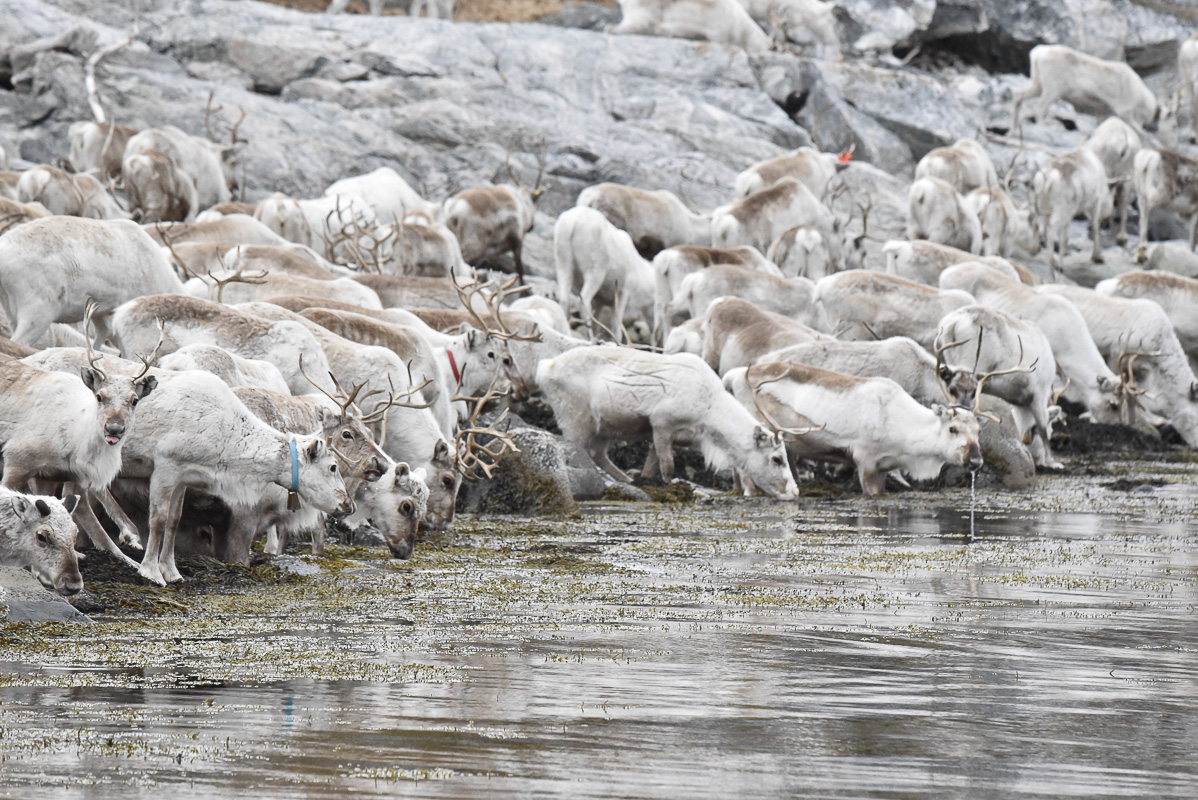
The sea air speeds up the herd
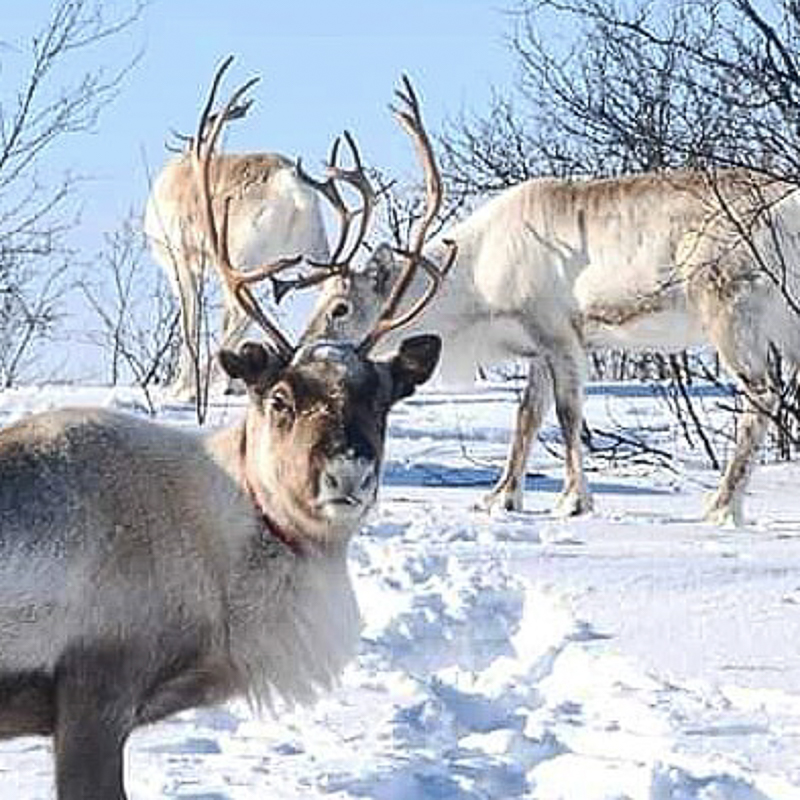
We call the last days of the move the parade stage and it is special to be a part of it. You can feel the animals getting an extra gear when they approach the shore. The taste of the seawater is certainly a very good and long-awaited drink for the animals when we arrive at the coast.
The reindeer are transported across the strait in a landing craft
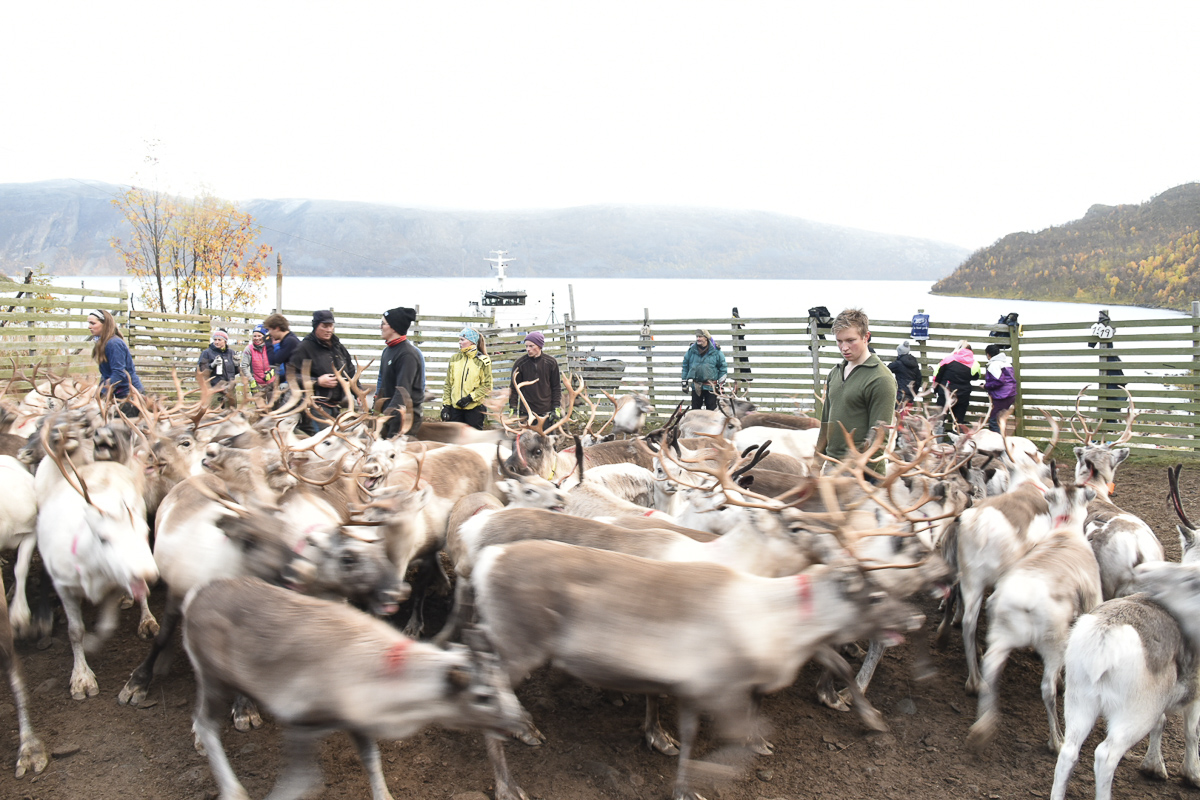
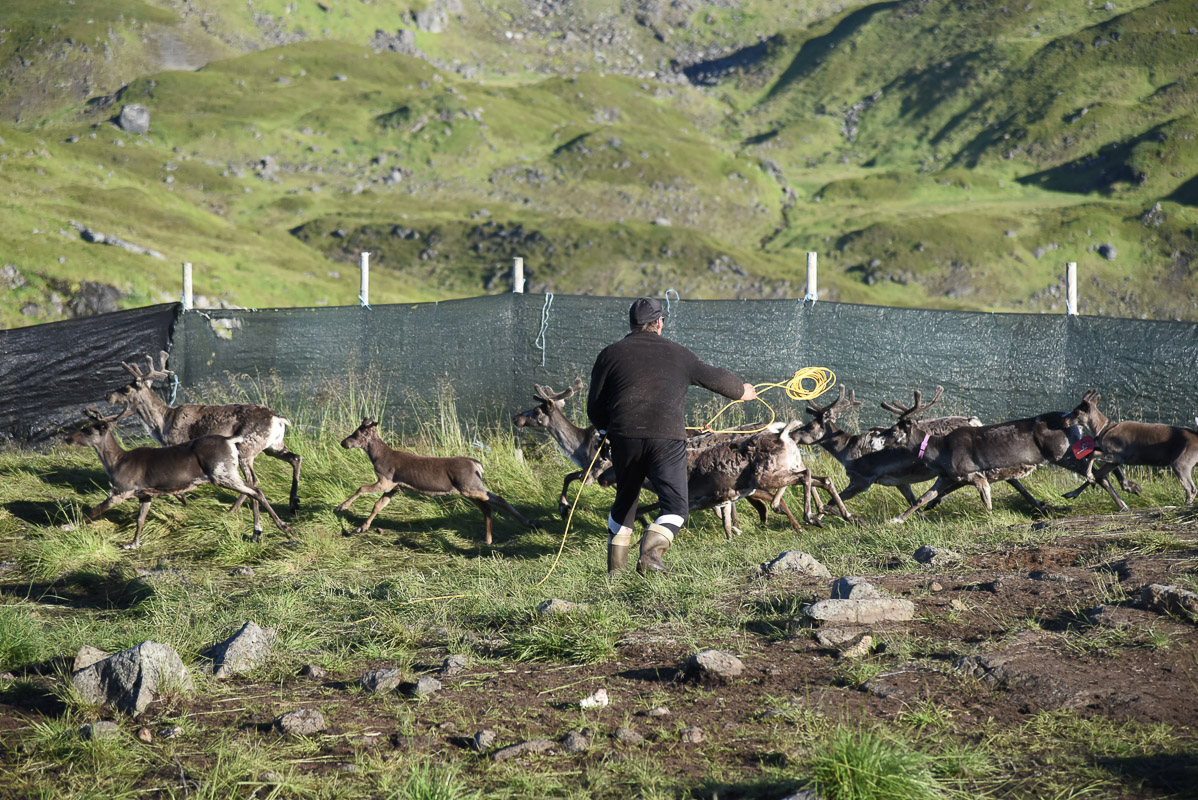
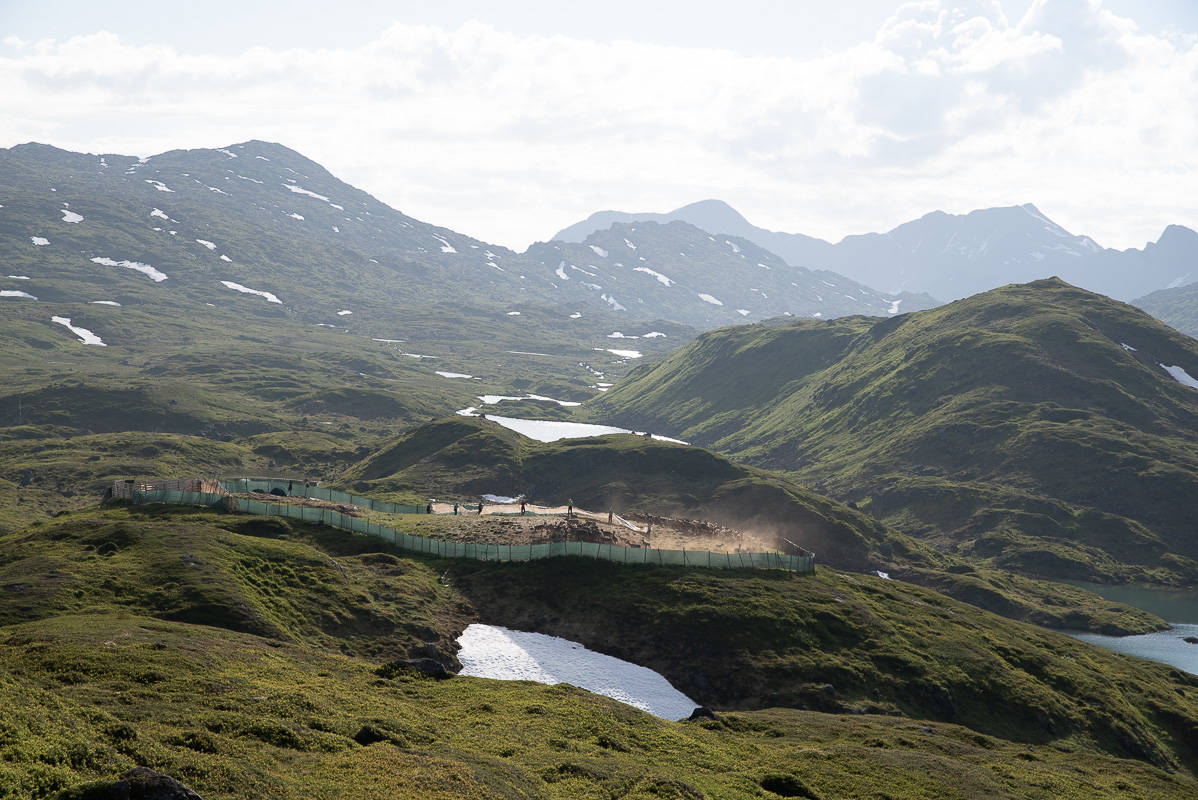
The transport of the animals across the waters to the summer lands takes place from a fenced-in area. Landing vessels from the navy transport the animals safely over to the island of Sievju (Seiland). There have already been people from the siida who have arranged the fence ready for the reindeer herd to arrive. Here, everyone must help out, big and small. In the enclosure animals are sorted and separated. Calving starts at the beginning of May. It has happened that some animals give birth already during the spring migration. In summer there are two siidas on the island. The animals from both siidas are on the same island, but the pasture is divided up.
The reindeer also get a summer vacation
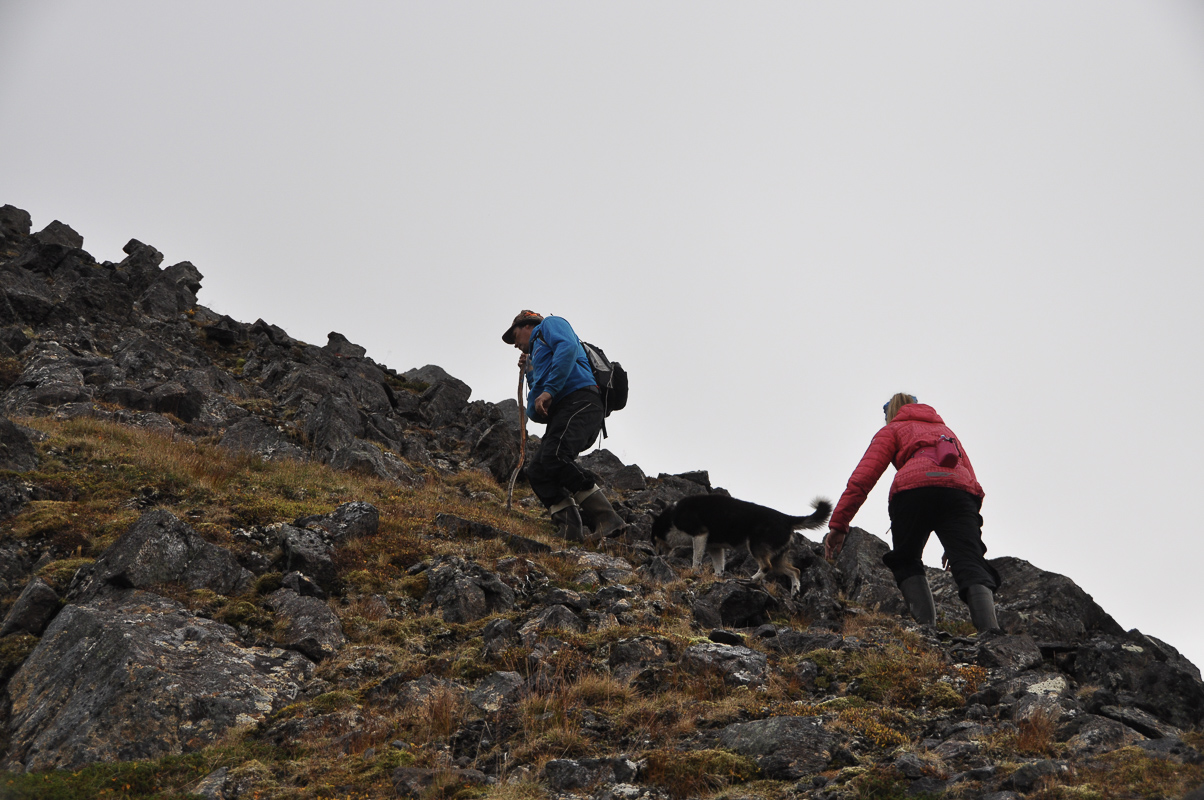
When the snow melts, it’s time for repairs of the reindeer fences. This work takes approx. 2 weeks. Our summer siida has chosen to mark reindeer calves at the beginning of July. The animals are drawn to the glacier when heat and insects become a nuisance to them. The animals are collected and brought into the enclosure where all the reindeer calves are marked. All persons in the siida, children and adults, women and men, have their own ear tag. It feels special to meet all the little calves. The work often takes place at night, as it is cooler.
In the Autumn, the reindeer are herded together
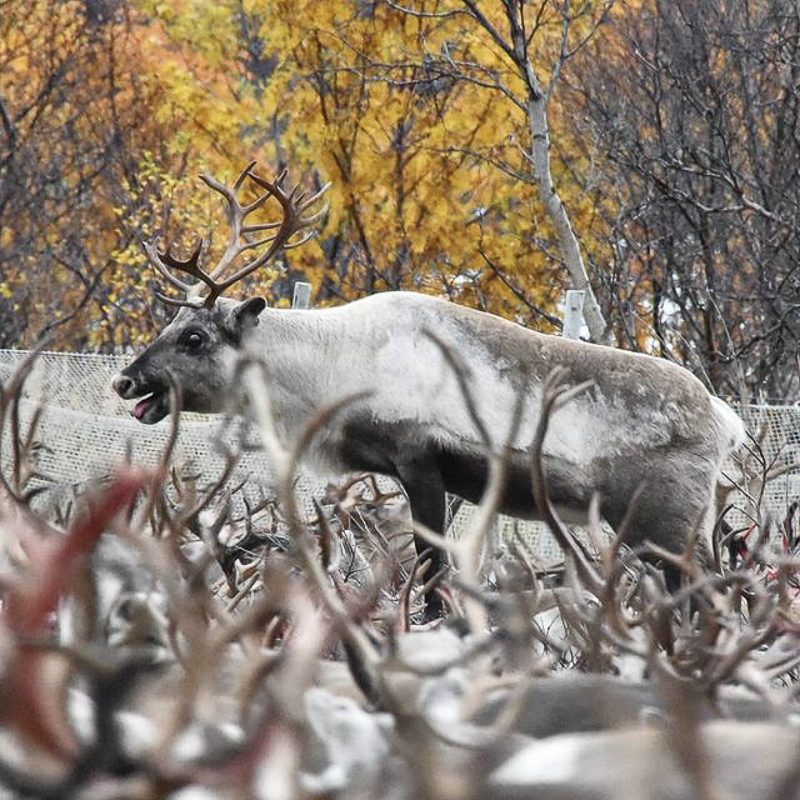
Like us, the animals have summer holidays No reindeer herding happens in the summer. In early September, the autumn collection of reindeer begins. It is rare that the collection goes completely smoothly. Family and friends help with the reindeer collection. Rain, storms, and fog can cause work to be delayed. In a way, they are tricked into a fenced-in grazing area. This pasture is so large that the animals can stay there for several weeks. When they enter the fenced-in pasture, they cannot get out again. When all the reindeer are inside the controlled pasture area, the it’s time to gather the animals in the reindeer fence.
October is time to head back to the mainland
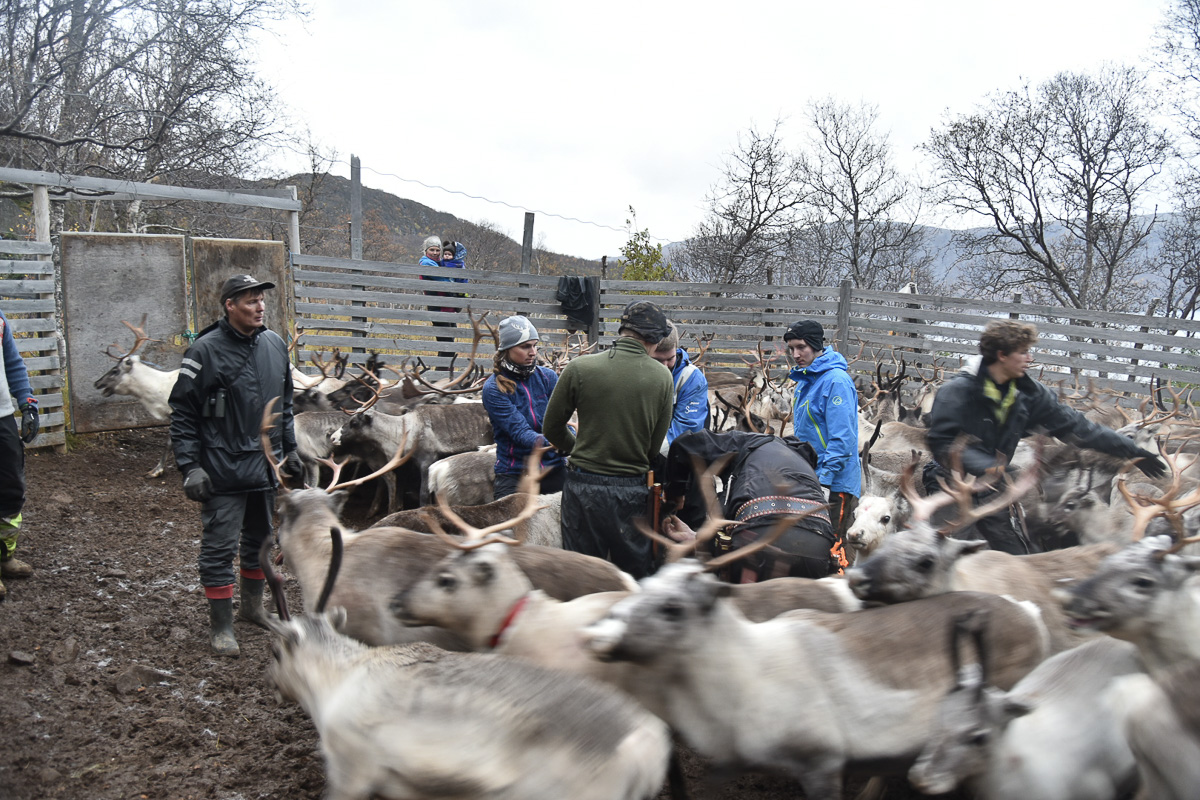
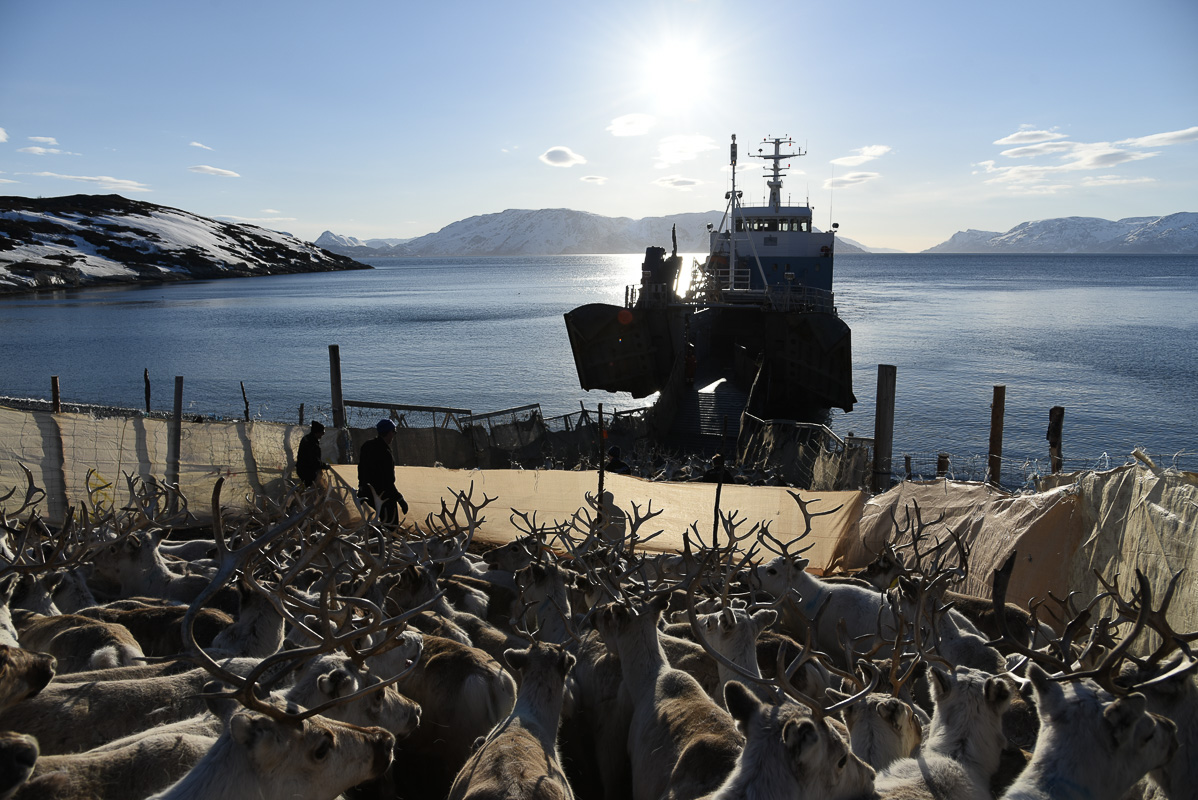
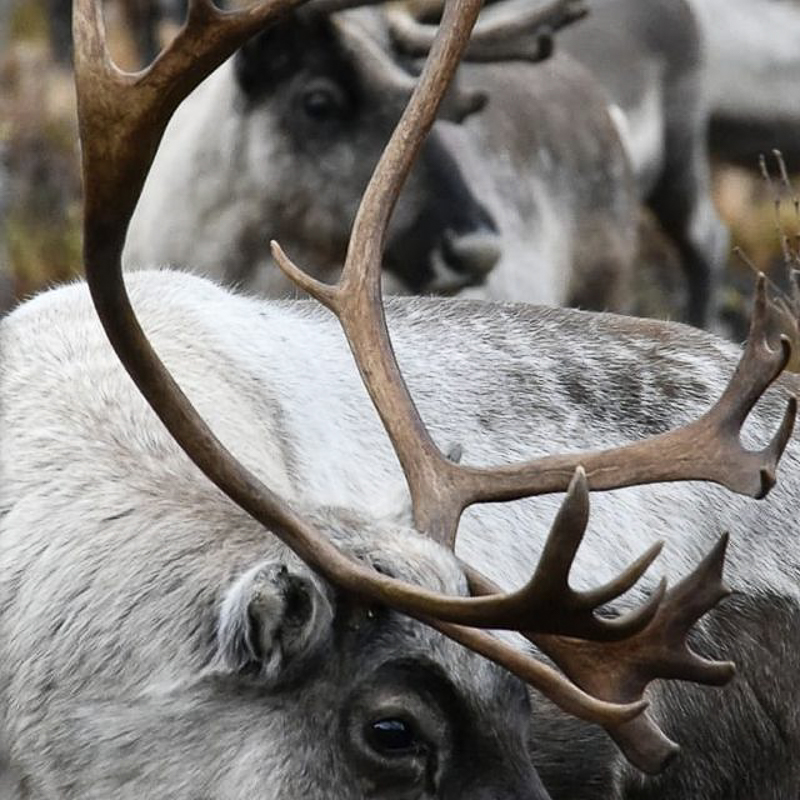
Often there are animals left on Sievju / Seiland that must be picked up later. Otherwise they have to spend the winter on the island and it can be very tough. A winter with a lot of snow they will not be able to survive. The work in the reindeer enclosure in the autumn is to select the animals ready for slaughter, vaccinate calves and mark the reindeer calves that have not been marked in the summer. The reindeer calves that were small this summer have grown large. The average weight of reindeer calves in the autumn is approx. 21 kg. The naval landing craft arrives and picks up the animals in early October. They bring slaughter animals to Alta, where they are transported by truck to the slaughterhouse in Kautokeino. The reindeer herd is transported to the mainland.
The autumn migration is slow
On the mainland, there will be a reunion with the Sara siida. There they stay approx. two weeks along a fjord. Then they begin to move south. The journey south is slow. There are other reindeer herds that are also on their way to winter grazing. Mixing with other reindeer herds is important to avoid. Mixing takes place, which involves extra work. Challenges with little snow mean that the animals must be kept back. With little snow, there are challenges with vehicles, both ATVs and snowmobiles are used. The animals must be herded continuously. The reindeer herding in the polar night is demanding with a lot of storms, frost and unsafe ice. The animals arrive at winter grazing just before Christmas. It usually takes two weeks before they settle down. Otherwise in the year we all have things to do in addition to reindeer husbandry. Festivities such as weddings, christenings, confirmations, and festivals we participate in, as long as possible.
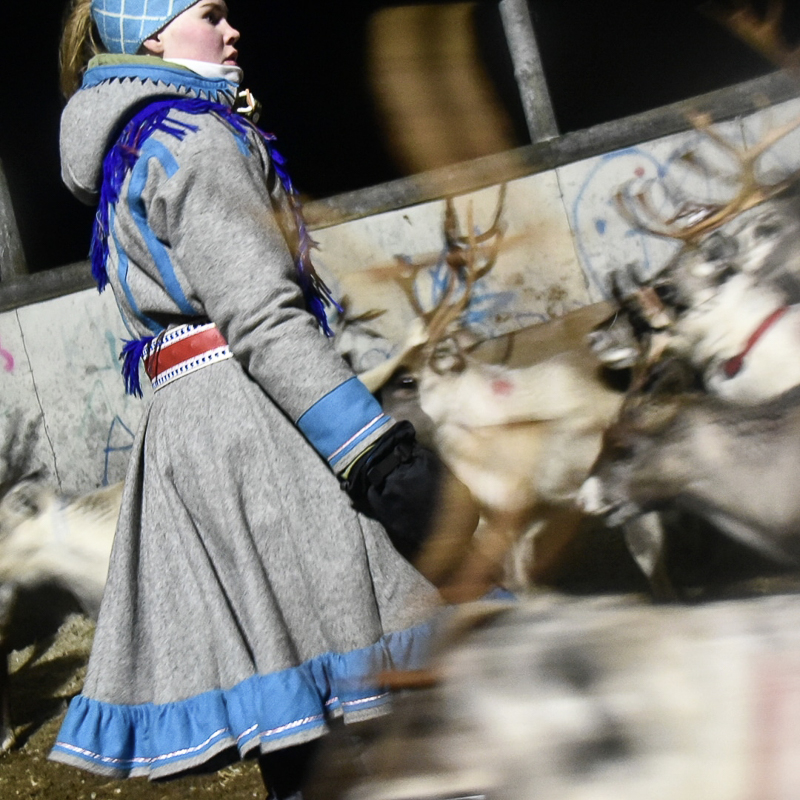
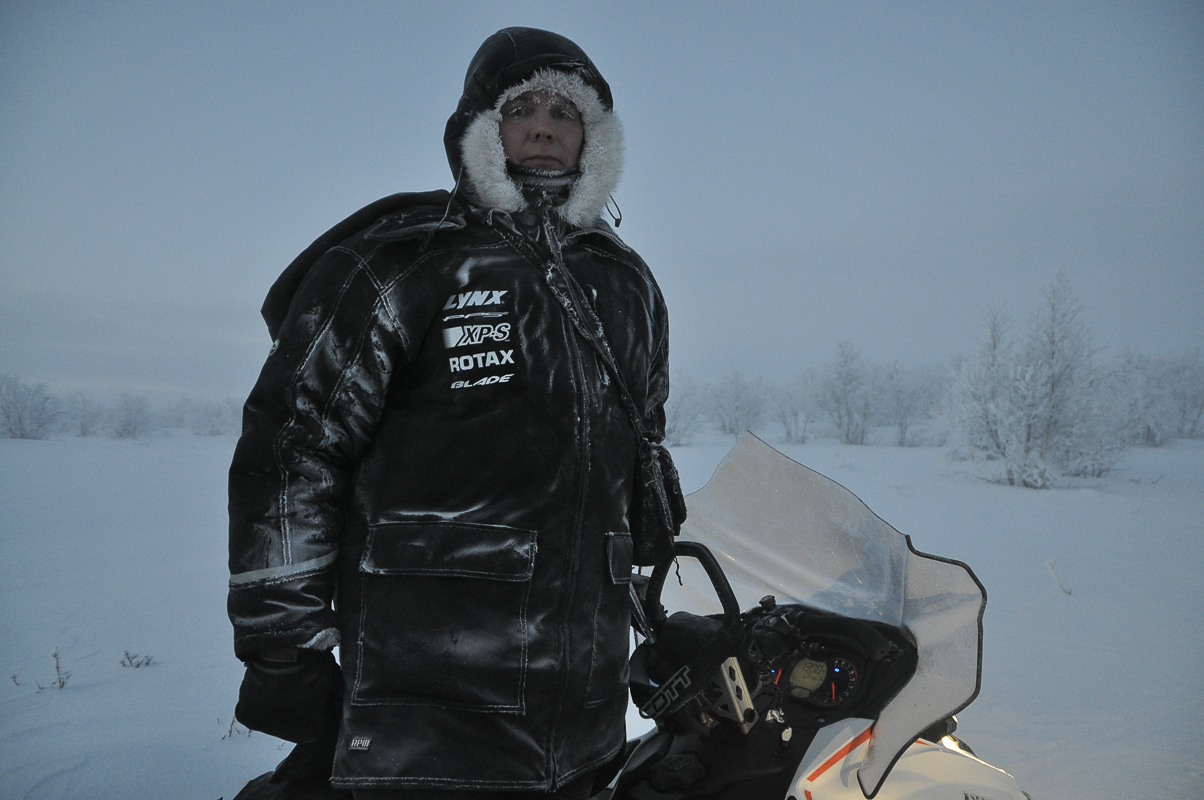
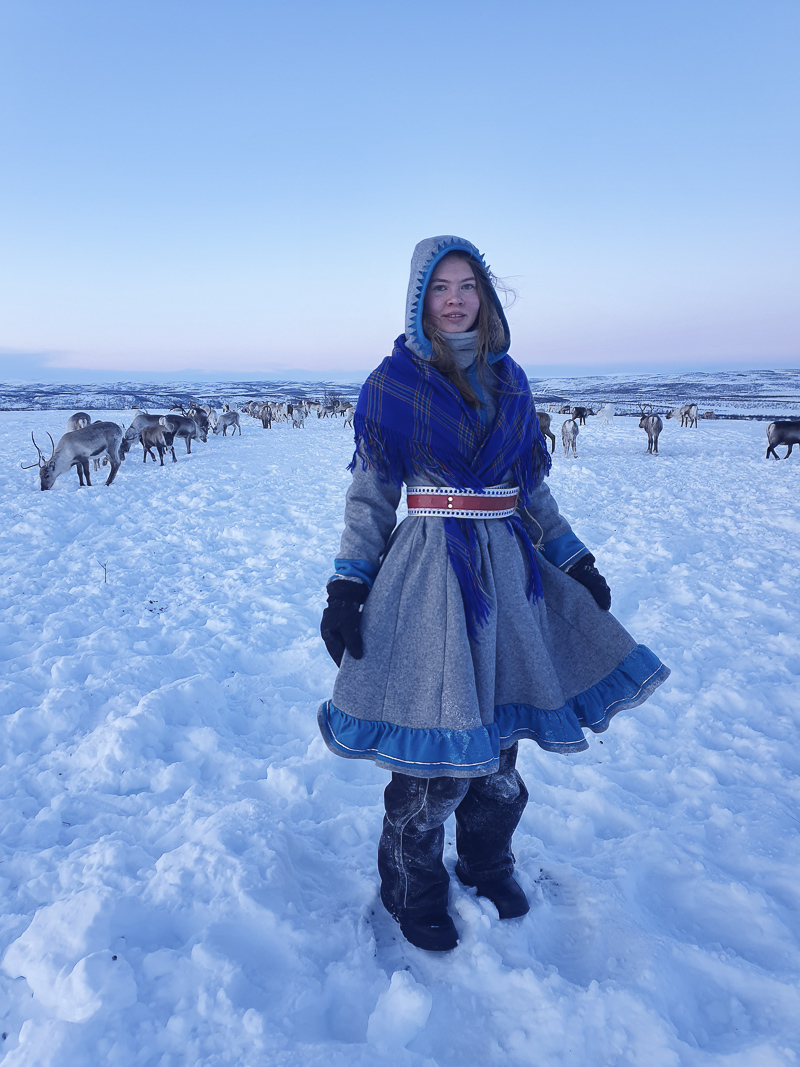
We contacted Marit Helene because she has a great instagram account with pictures from reindeer husbandry in her siida, feel free to take a look at it. The article is written by her, while we have added headings and the small introduction in italics.