Arctic Norway

  • Destinations
  • See & do
  • Sleep & eat
  • Travel suggestions
  • Plan your trip
  • Norsk
  • Deutsch
  • NO
  • DE
© Terje Rakke

The Lofoten Fishery is the richest in the world

The world’s richest cod-fishing takes place every winter in Lofoten. For nearly 1000 years, dried fish has been exported to Europe from here. Traditionally, it was the most important event in the calendar along the entire coast of Norway.

When the temperate waters of the Gulf Stream enter the grounds around the Lofoten archipelago, the temperature is exactly right for the Norwegian Arctic cod to spawn. Large cod swim down from the Barents Sea in the middle of the darkest winter, and become known as skrei on the way. They reach the western coast of Finnmark and Troms before Christmas and get to Lofoten in January. Some spawn as far south as Trøndelag and Møre, but most of the spawning occurs between Røst and Lødingen, on the mainland side of the Lofoten archipelago.
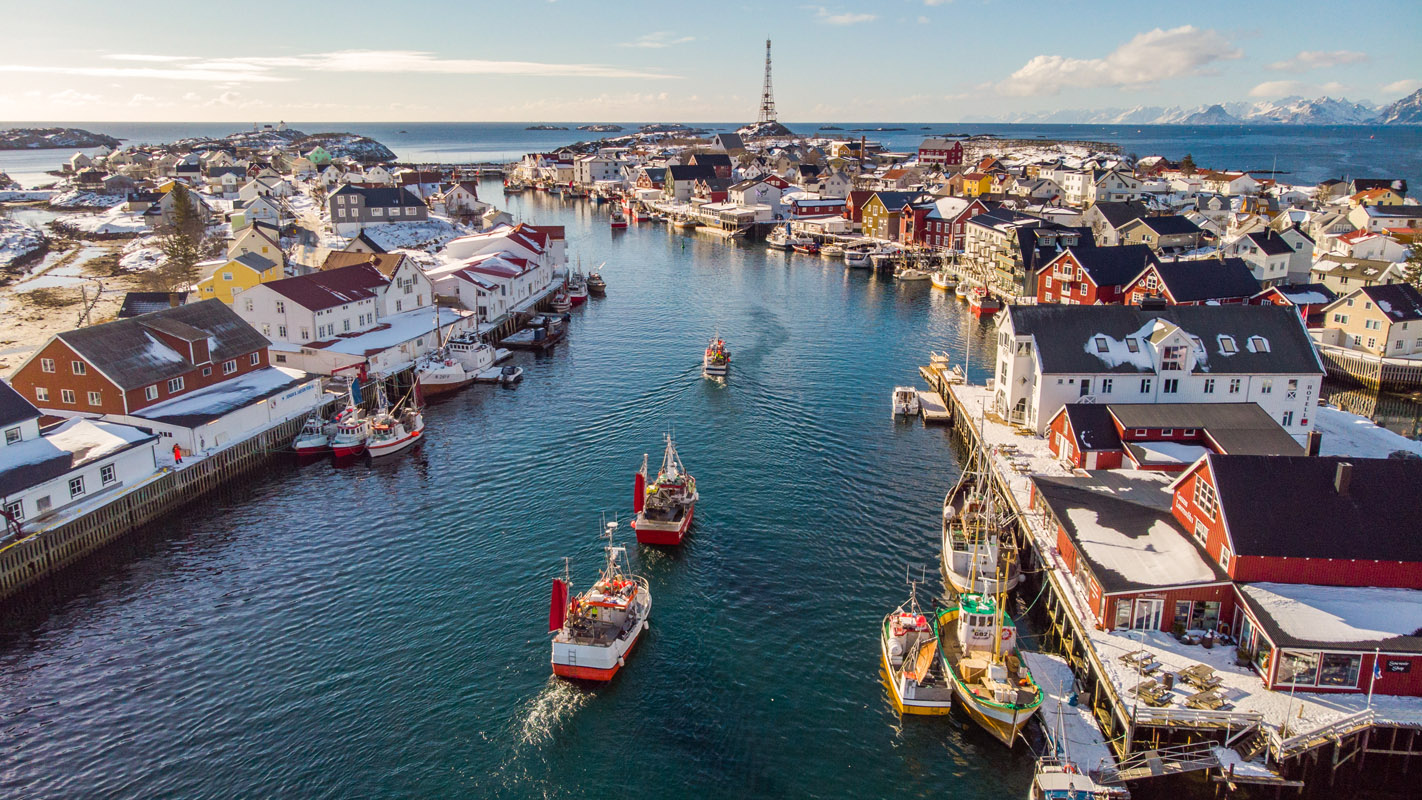
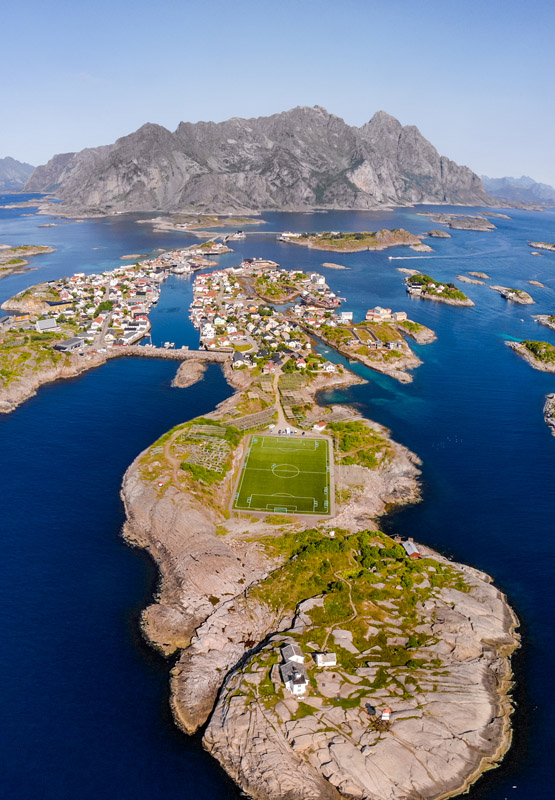
  • 01Henningsvaer is a lively town during the winter © Ismaele Tortella
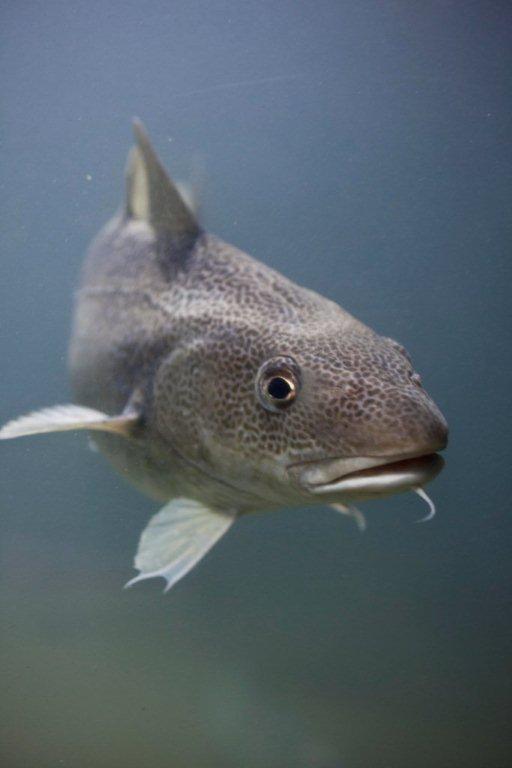
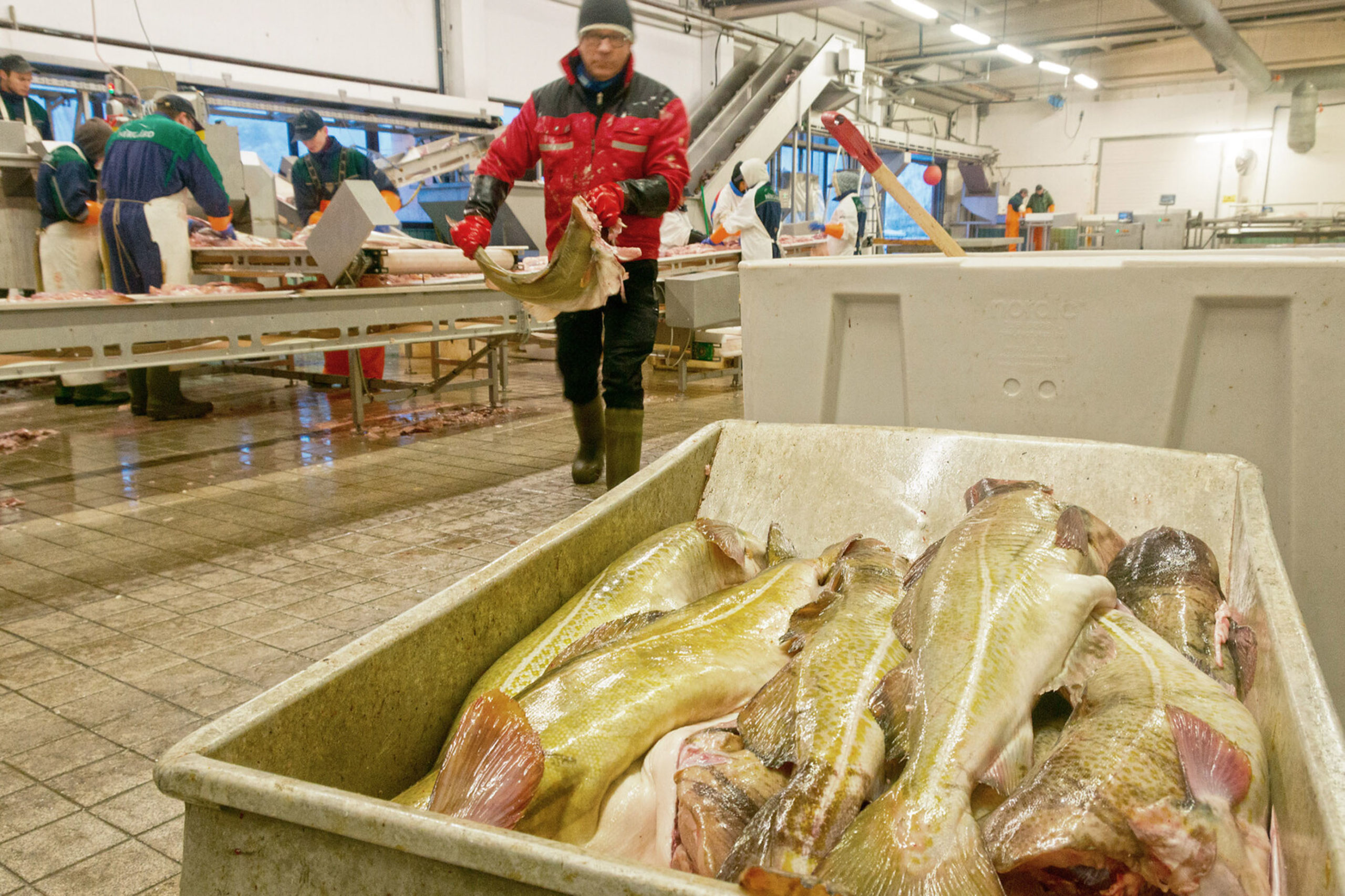
  • 02Skrei, Norwegian Arctic cod, during the winter fishing © Reiner Schaufler
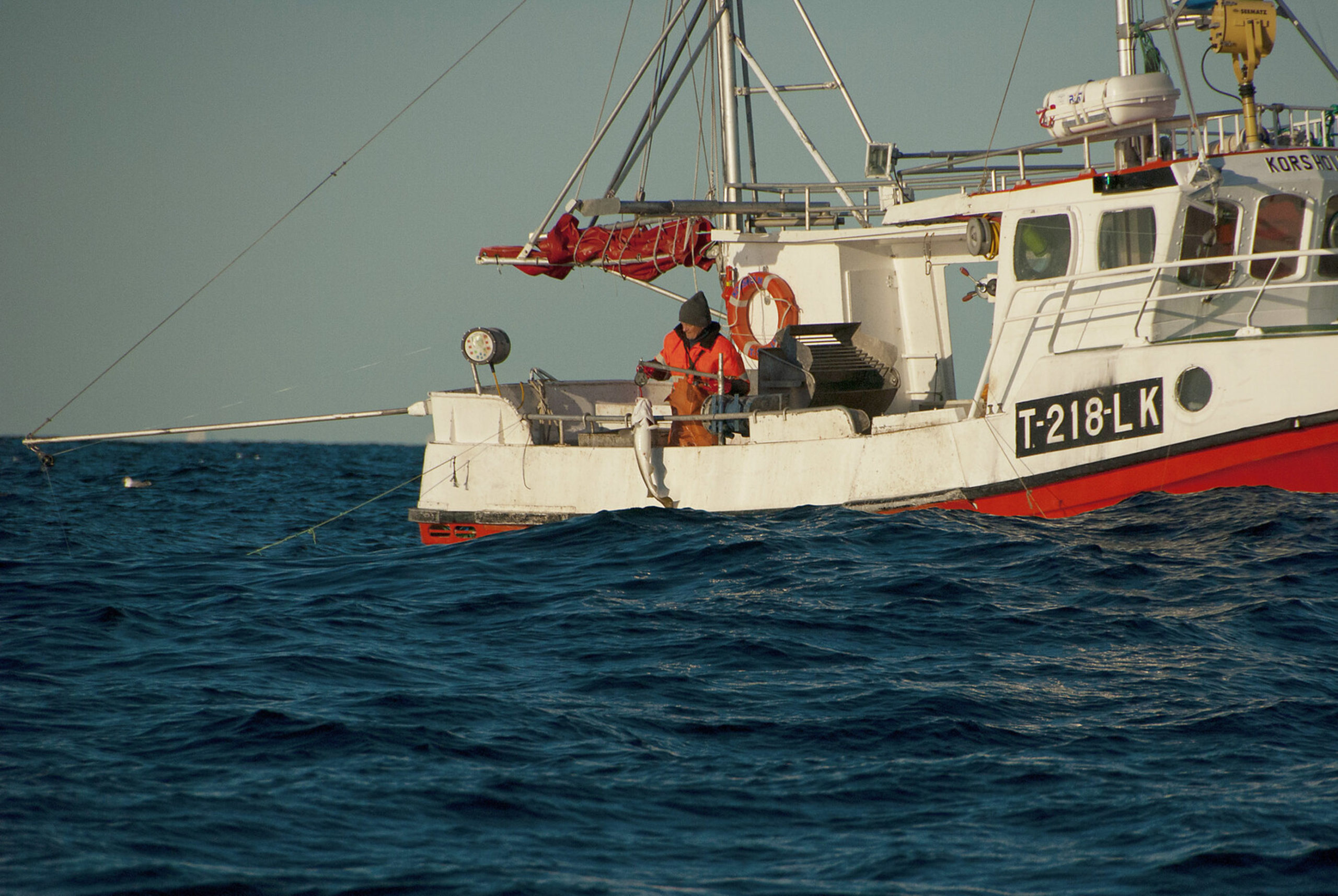
  • 03Cod fishing at Malangsgrunnen bank off Senja Island © Reiner Schaufler
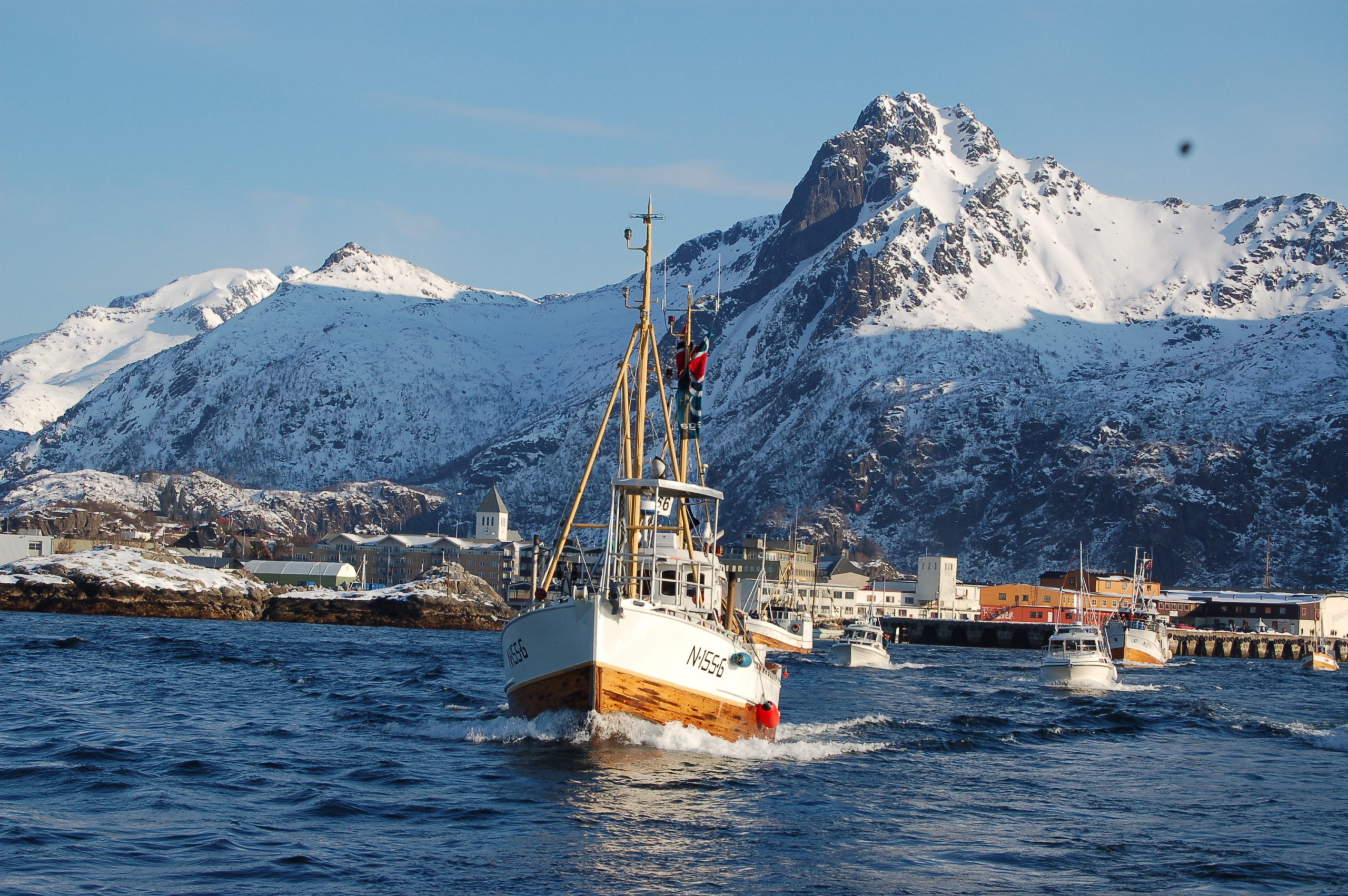
  • 04The world championship in cod fishing is part of the experience © Magnar Jakobsen/VM i Skreifiske
01: Henningsvaer is a lively town during the winter © Ismaele Tortella
02: Skrei, Norwegian Arctic cod, during the winter fishing © Reiner Schaufler
03: Cod fishing at Malangsgrunnen bank off Senja Island © Reiner Schaufler
04: The world championship in cod fishing is part of the experience © Magnar Jakobsen/VM i Skreifiske

The fish is dried to preserve it

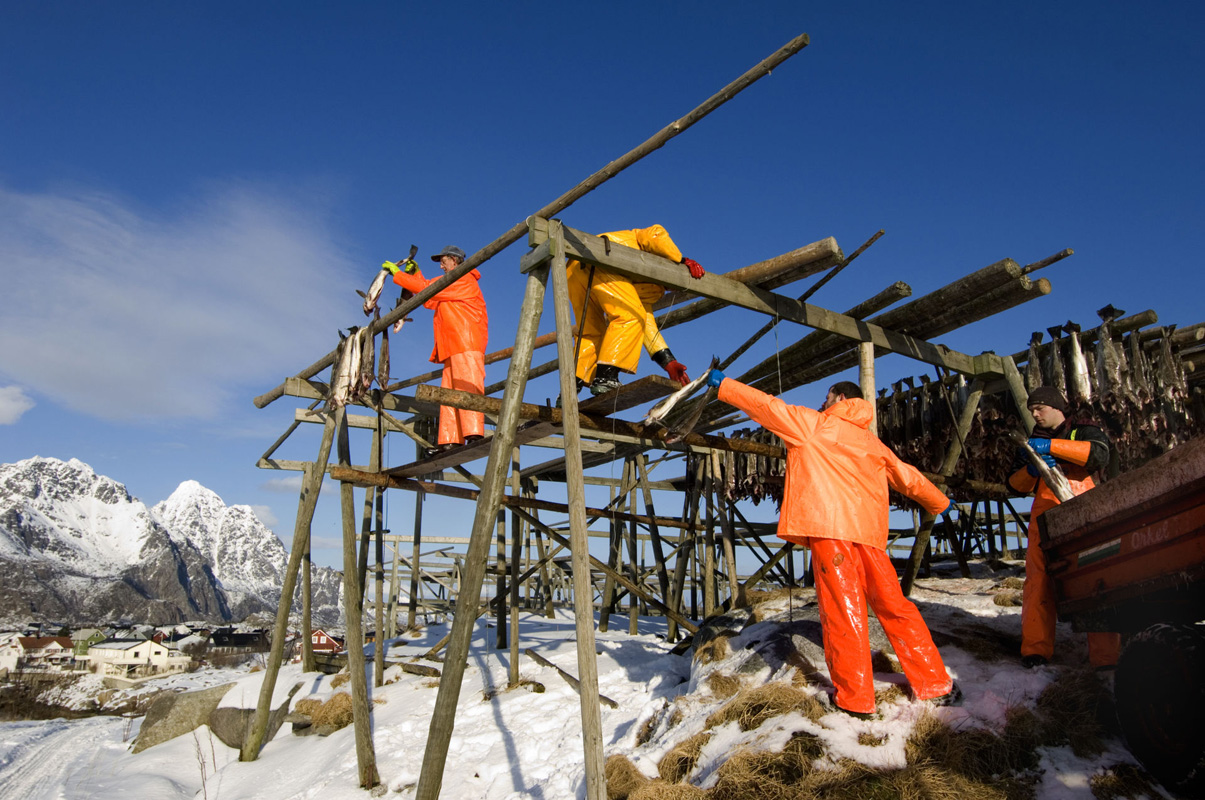
In order to preserve the fish, it is dried on large drying racks. It doesn’t need to be salted or smoked, as the temperature in Lofoten in the winter is just below freezing. The fish does not freeze into pieces, but it doesn’t rot either. The fish simply dries in the sun and wind from late winter until spring. Then, it is bone dry and easy to transport but still retains its key nutrients.

Fish trading

The trade in stockfish between Lofoten and Europe began in the early 12th century. In the summer, large cargo vessels transported the dried fish to Bergen. The German Hanseatic merchants were waiting, and sold the fish on to the citizens of the thriving cities of northern Europe. Good Catholics eat fish on Fridays, and cod are rich in hearty proteins.
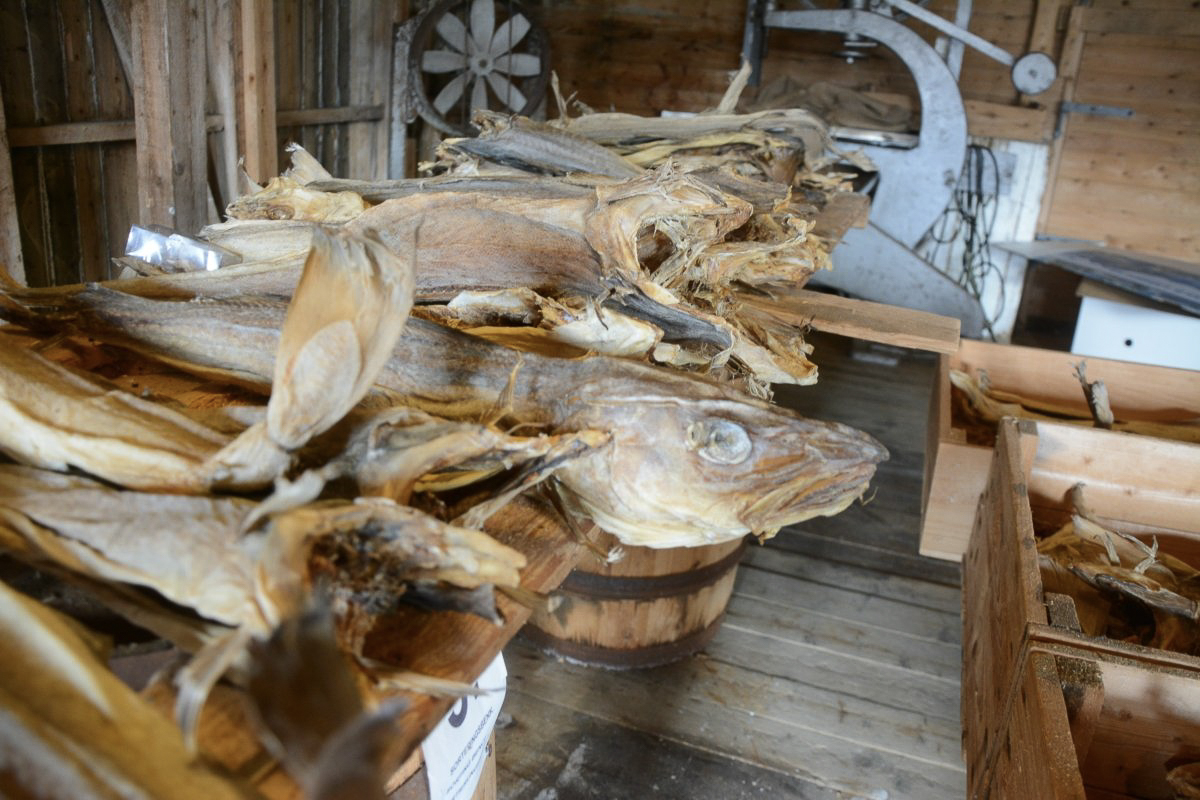
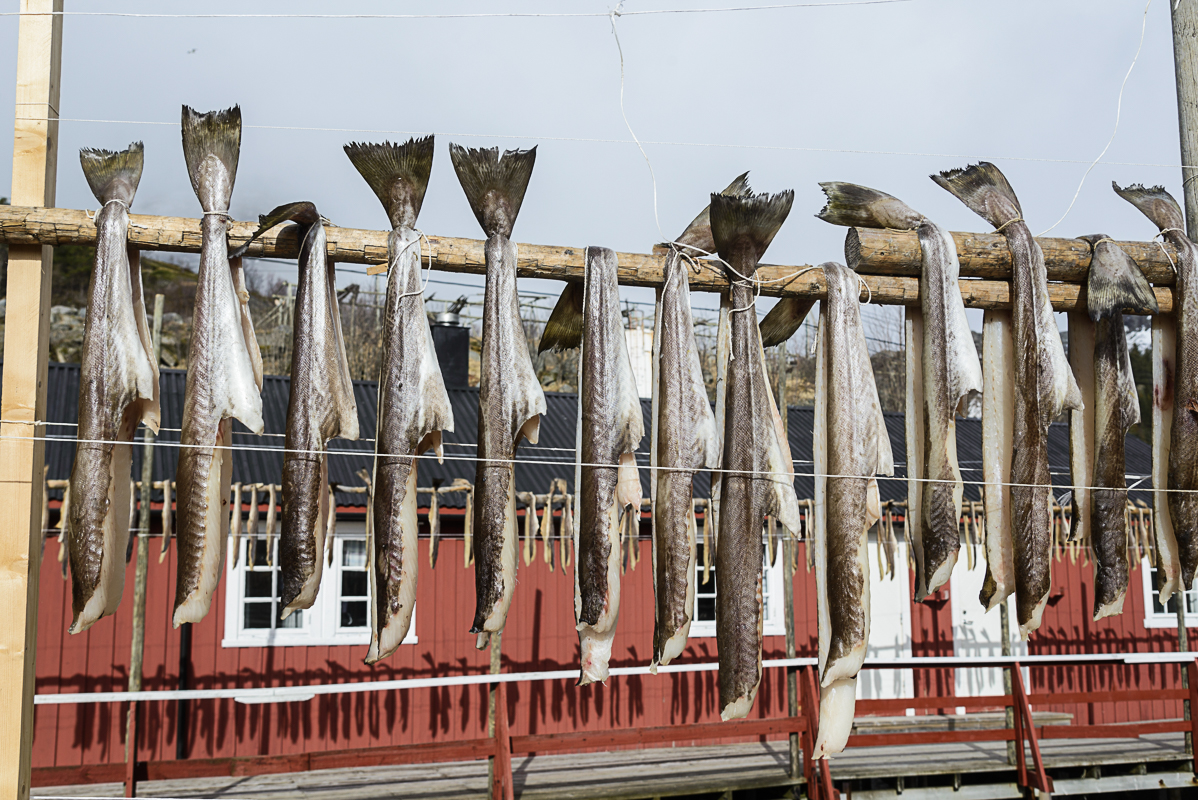
  • 01Stockfish have been traded for a long time in Northern Norway © Knut Hansvold Lofoten Stockhfish Museum
  • 02For many years this was the most important export in whole of Norway, and it still is one of our hallmarks © Steinar Skaar / Statens vegvesen
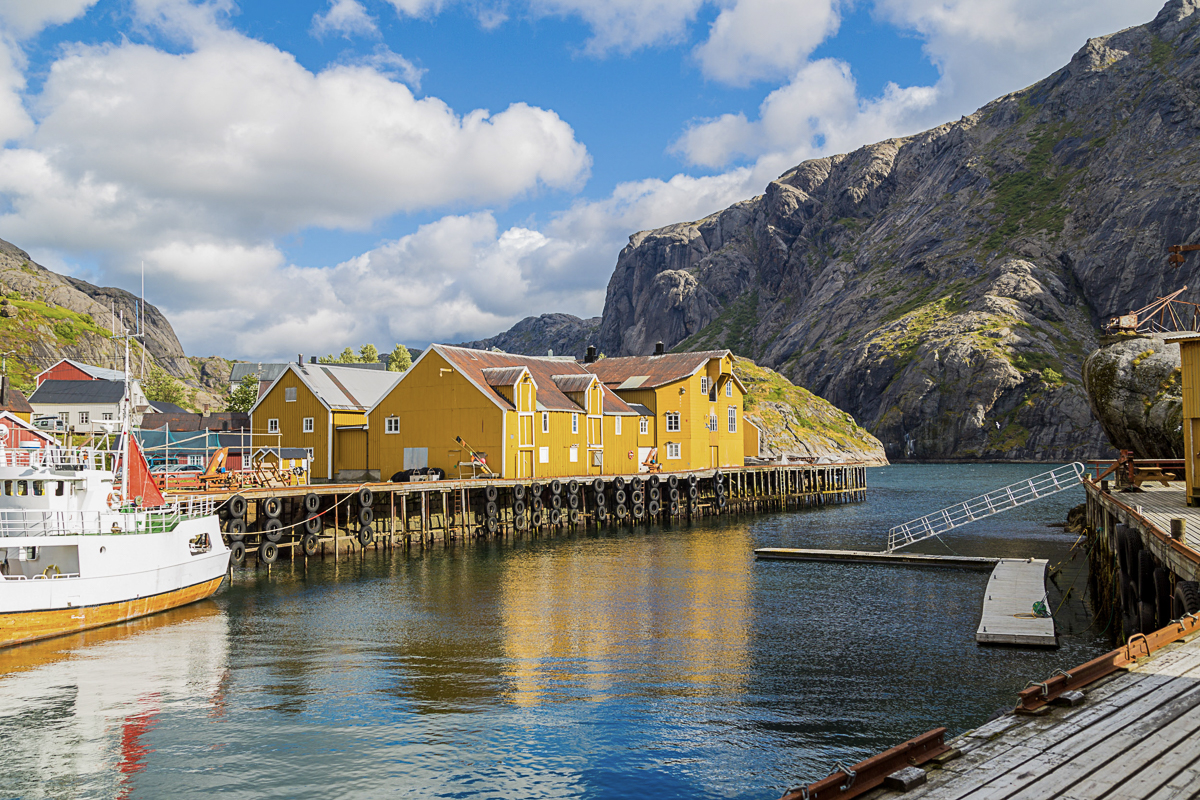
  • 03Fishing village in Lofoten
01: Stockfish have been traded for a long time in Northern Norway © Knut Hansvold Lofoten Stockhfish Museum
02: For many years this was the most important export in whole of Norway, and it still is one of our hallmarks © Steinar Skaar / Statens vegvesen
03: Fishing village in Lofoten

Cod prices cycle

In the 14th and 15th centuries, the Lofoten fishermen got very good prices. In the 16th and 17th centuries, competition increased and demand fell, and there were hard times along the coast. In the 19th century, demand increased again, and the coast got a boost that has lasted, with a few interruptions, until today. From the 19th century until around 1940, the Lofoten fishery made up the bulk of revenue for most fishermen in northern Norway. Today, most of the dried fish is exported to Italy, while airborne fresh fish is sold to fine restaurants throughout Europe.

Fishermen from along the coast

The Lofoten fishery was part of the annual rhythm of coastal people from Trøndelag and northwards. After Christmas, fishermen’s Lofoten chests were packed with dried food, warm clothing and hymnals as they left for Lofoten. They were away from home from January to March/April, depending on how the fishing went.
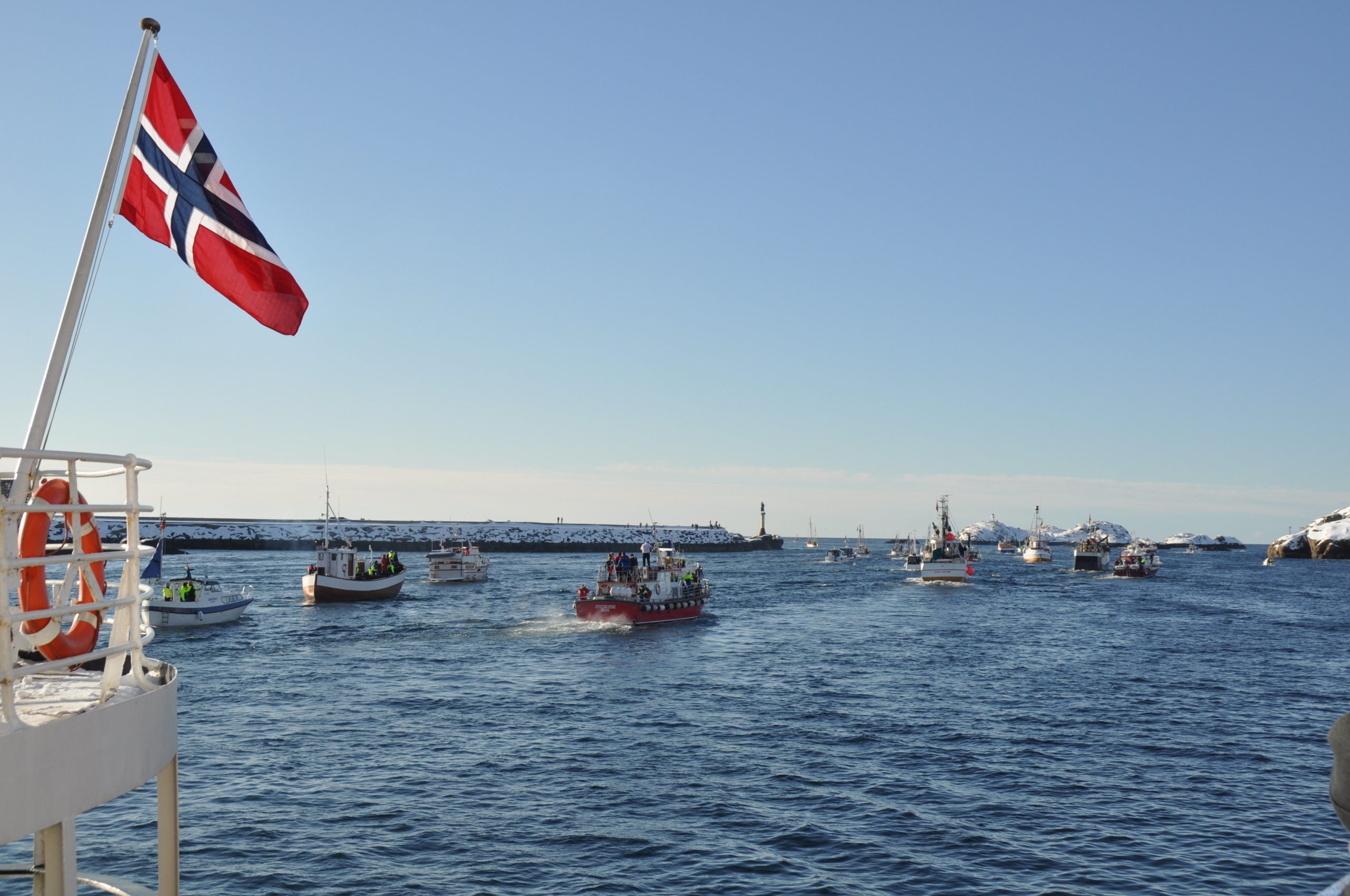
  • 01© Magnar Jakobsen/VM i Skreifiske
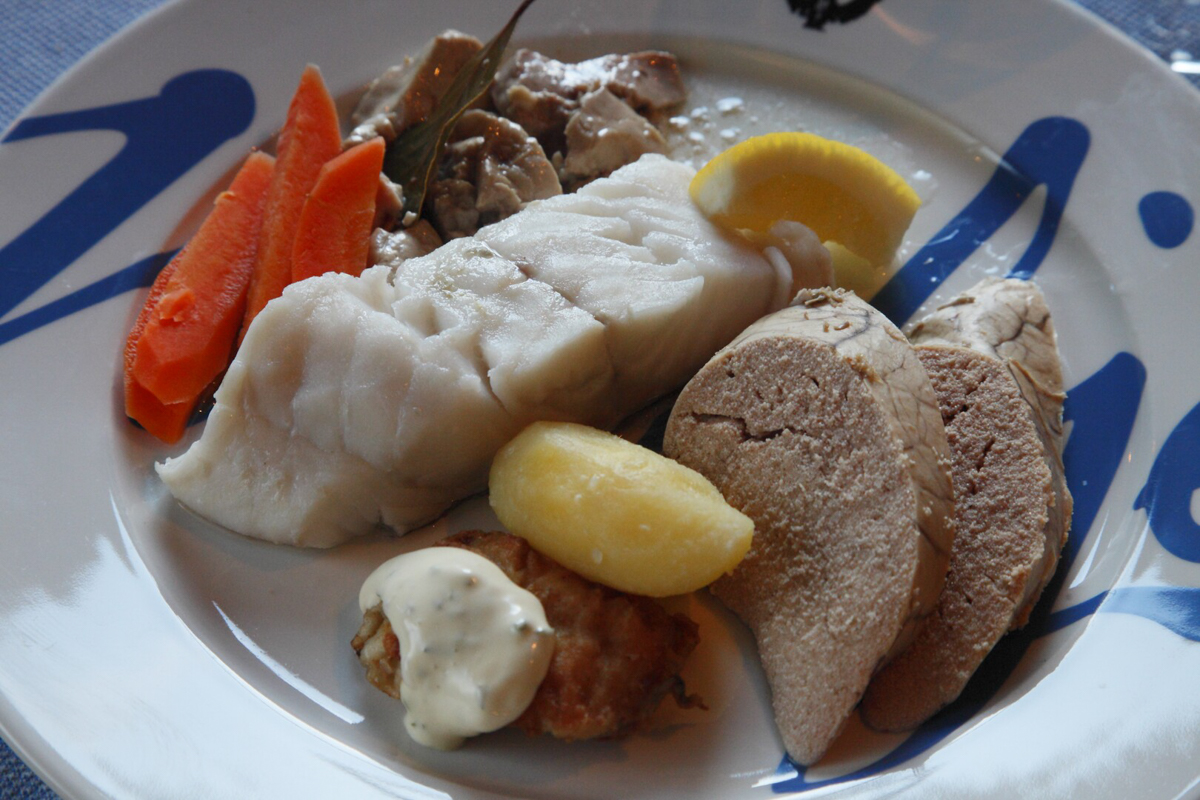
  • 02Mølja is a mix of cod, cod liver and cod roe, the little thing in the front is a cod's tongue. Protein and vitamin d galore! © Shigeru Ohki
  • 03Cod fish © Lofotakvariet
  • 04The fish racks being filled up © Terje Rakke/Nordic Life
01: © Magnar Jakobsen/VM i Skreifiske
02: Mølja is a mix of cod, cod liver and cod roe, the little thing in the front is a cod's tongue. Protein and vitamin d galore! © Shigeru Ohki
03: Cod fish © Lofotakvariet
04: The fish racks being filled up © Terje Rakke/Nordic Life

Fishermen`s shacks and markets

While they were in Lofoten, they lived in shacks — simple houses, where an entire crew lived in the same room. The boys were 14 years old and newly confirmed the first time they went out. Pedlars, photographers, liquor dealers, carousel owners, magicians and “less reliable ladies” also visited Lofoten during this period, in case the fishermen had earned a little extra.

The Big Booze Day was a respite from hard work

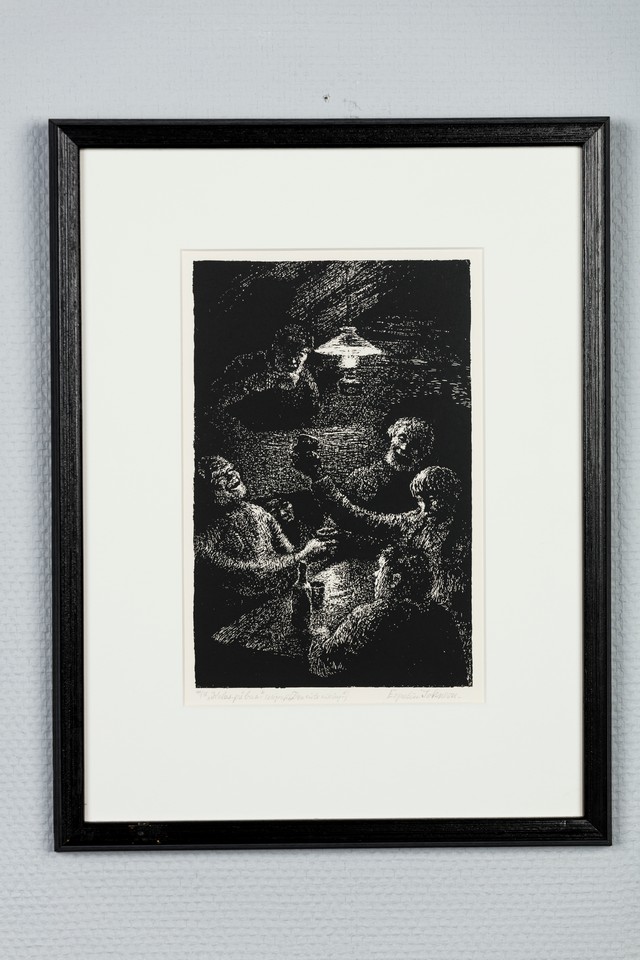
The 25th of March, the Fiest of the Annunciation in church, was an important day in the Lofoten Fishery calendar. The cod roe was now so developed and coarse, that it could no longer be salted. The fishemen had consequently got paid for their hard work earlier in winter. This meant one could celebrate a little bit. Back then, celebration meant hard liquor. The 25th of March was known as “den store brennevinsdagen” – the Big Booze Day.
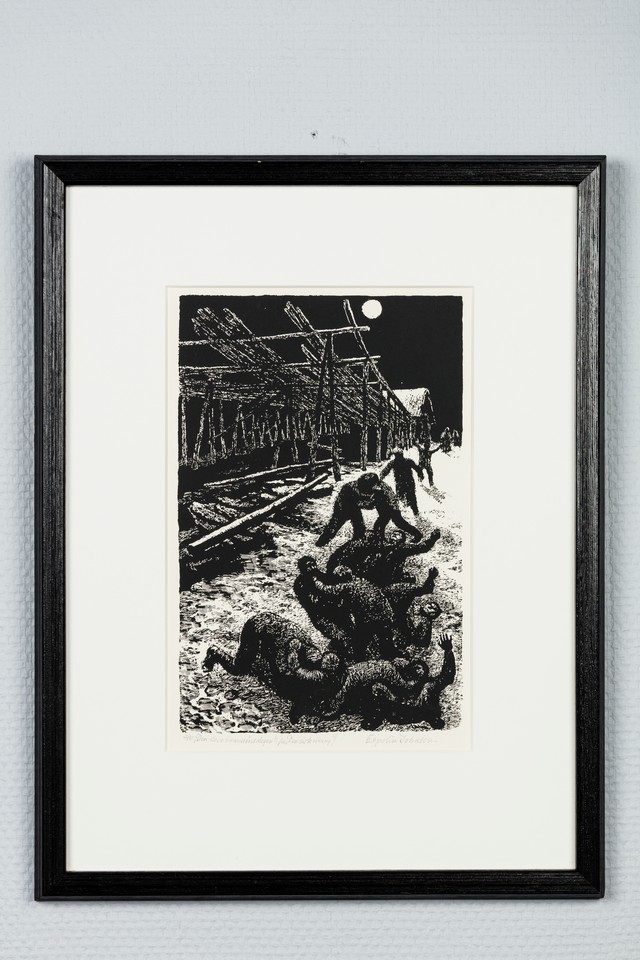
  • 01Den store brennevinsdagen - The Big Booze Day - Serigraphy by Kaare Espolin Johnson, displayed in Galleri Espolin in Kabelvåg/Lofoten © Kjell Ove Storvik/Museum Nord
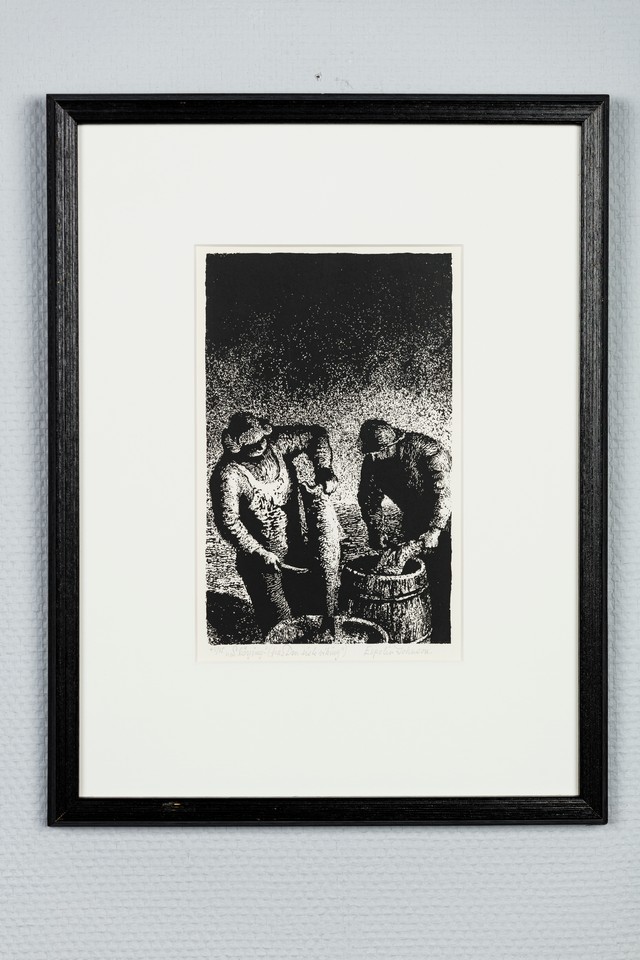
  • 02"Sløying" - Fish cleansing - Serigraphy by Kaare Espolin Johnson, displayed in Galleri Espoli in Kabelvåg in Lofoten © Kjell Ove Storvik/Museum Nord
  • 03"Kalas på bua" - "Party in the shack - Serigraphy by Kaare Espolin Johnson, displayed in Galleri Espolin in Kabelvåg/Lofoten © Kjell Ove Storvik/Museum Nord
01: Den store brennevinsdagen – The Big Booze Day – Serigraphy by Kaare Espolin Johnson, displayed in Galleri Espolin in Kabelvåg/Lofoten © Kjell Ove Storvik/Museum Nord
02: "Sløying" – Fish cleansing – Serigraphy by Kaare Espolin Johnson, displayed in Galleri Espoli in Kabelvåg in Lofoten © Kjell Ove Storvik/Museum Nord
03: "Kalas på bua" – "Party in the shack – Serigraphy by Kaare Espolin Johnson, displayed in Galleri Espolin in Kabelvåg/Lofoten © Kjell Ove Storvik/Museum Nord
  • Coastal Culture
  • Culture and history
  • Fishing
  • Winter fishing
  • Lofoten
  • Winter
Lofoten

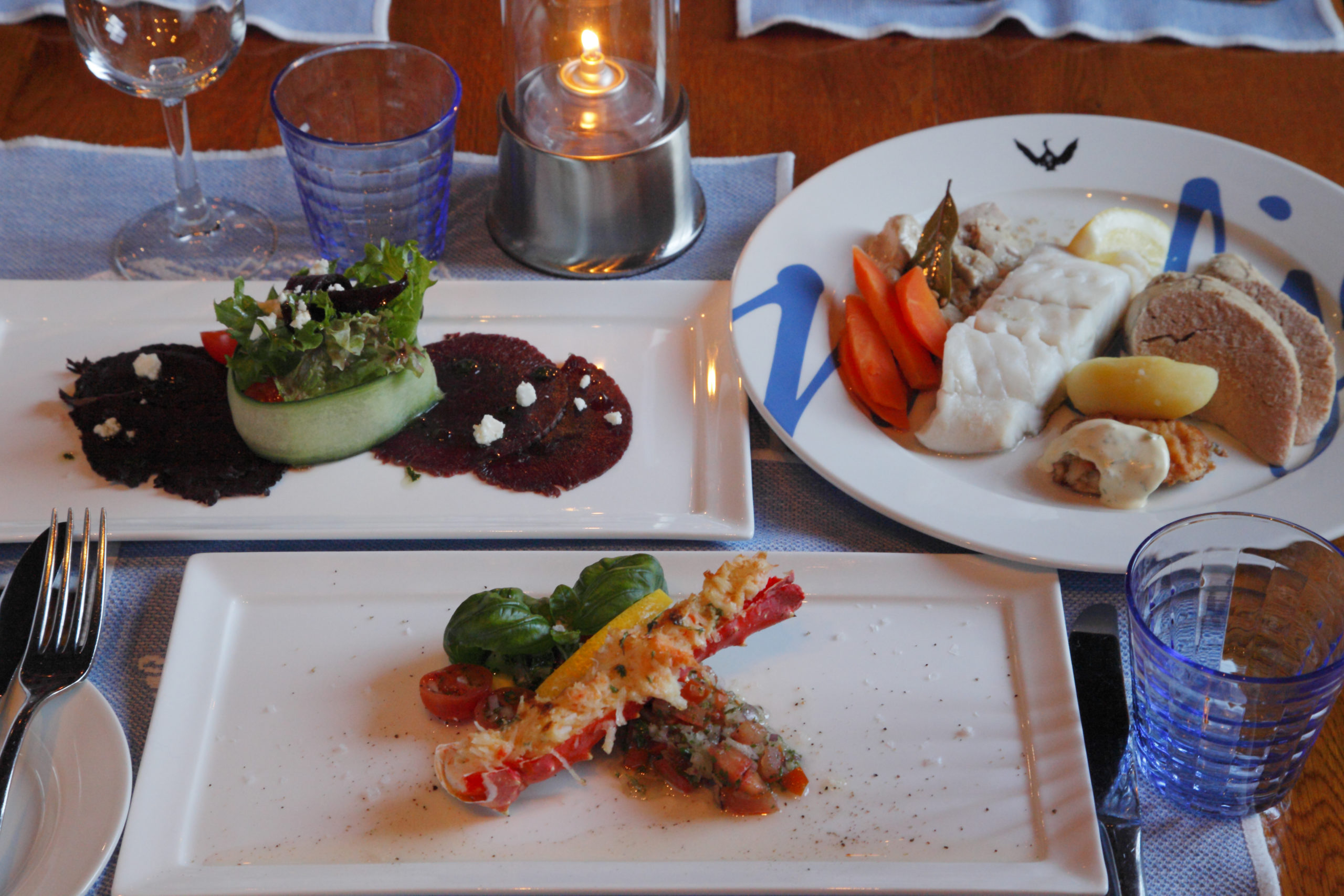
Mølje is the North’s favourite winter meal

Eat and stay
Lofoten

Henningsvær is the pulse of the Lofoten fishing

Natural highlights

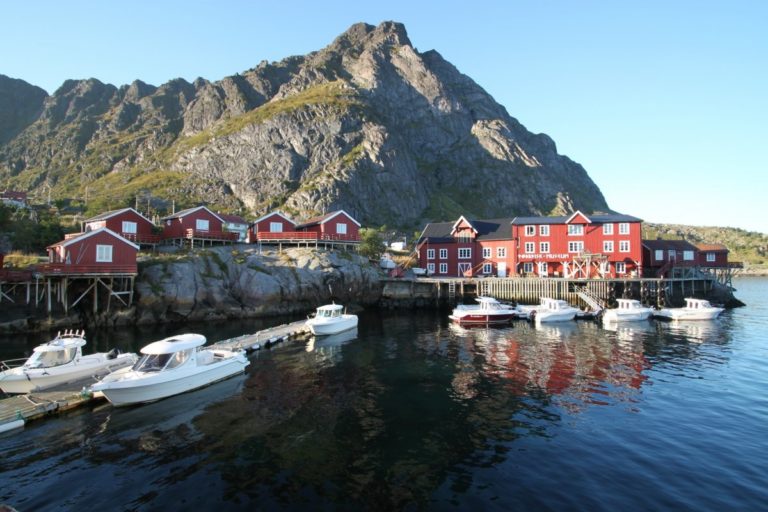
Lofoten Stockfish Museum in Å reveals how stockfish became such a craze

  • About us
  • Privacy statement
  • Our social channels for visitors
  • Our business channels and media tools
  • Guest Survey

NordNorsk Reiseliv AS

+47 901 77 500
post@nordnorge.com

Bodø

Tollbugata 13, Bodø

Tromsø

Storgata 69, Tromsø

Alta

Markveien 38b
9510 Alta

Org. no. 994 153 862

© 2026