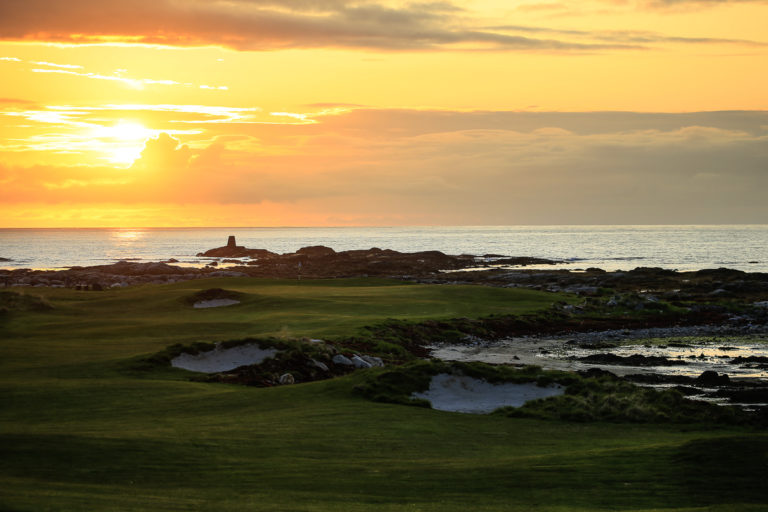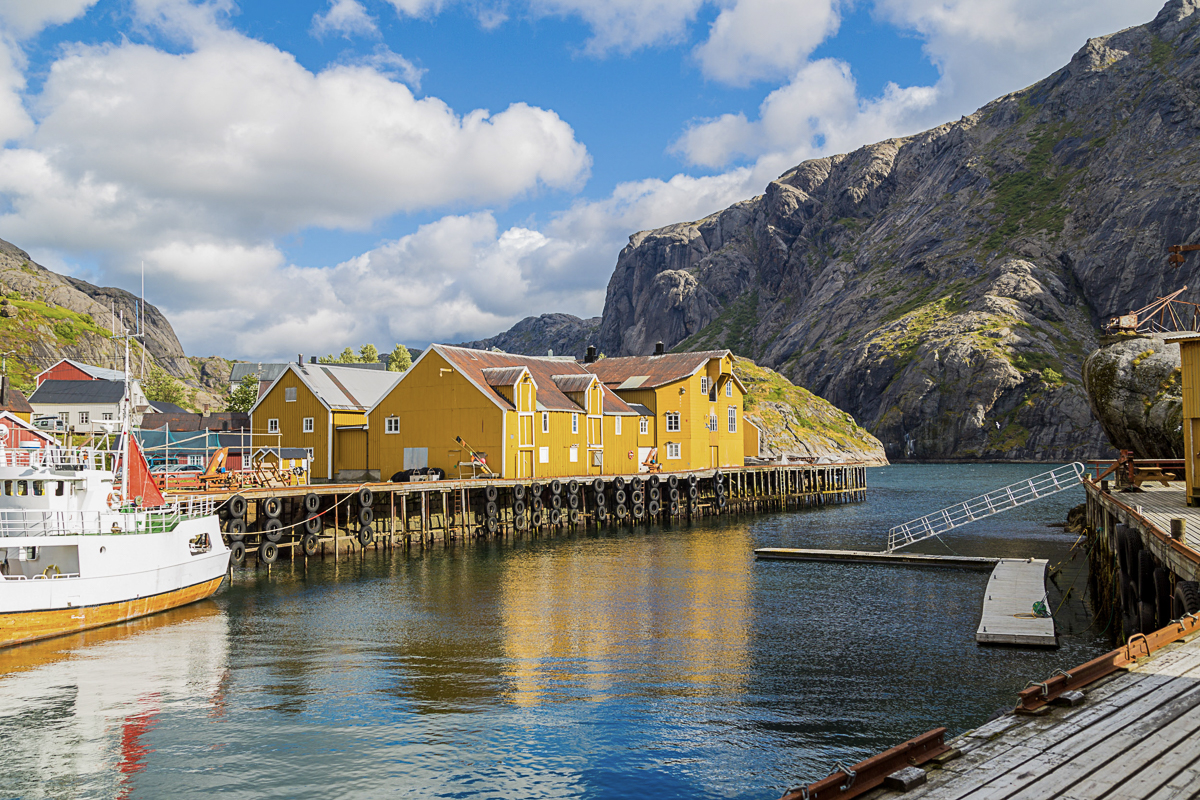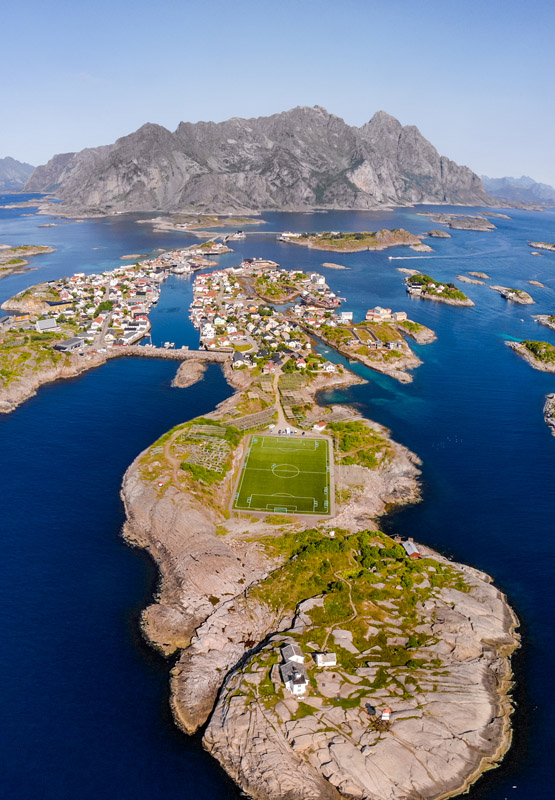
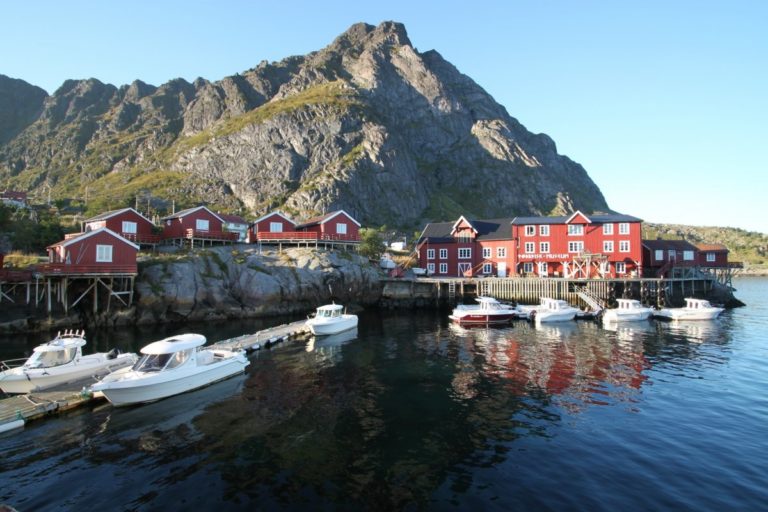
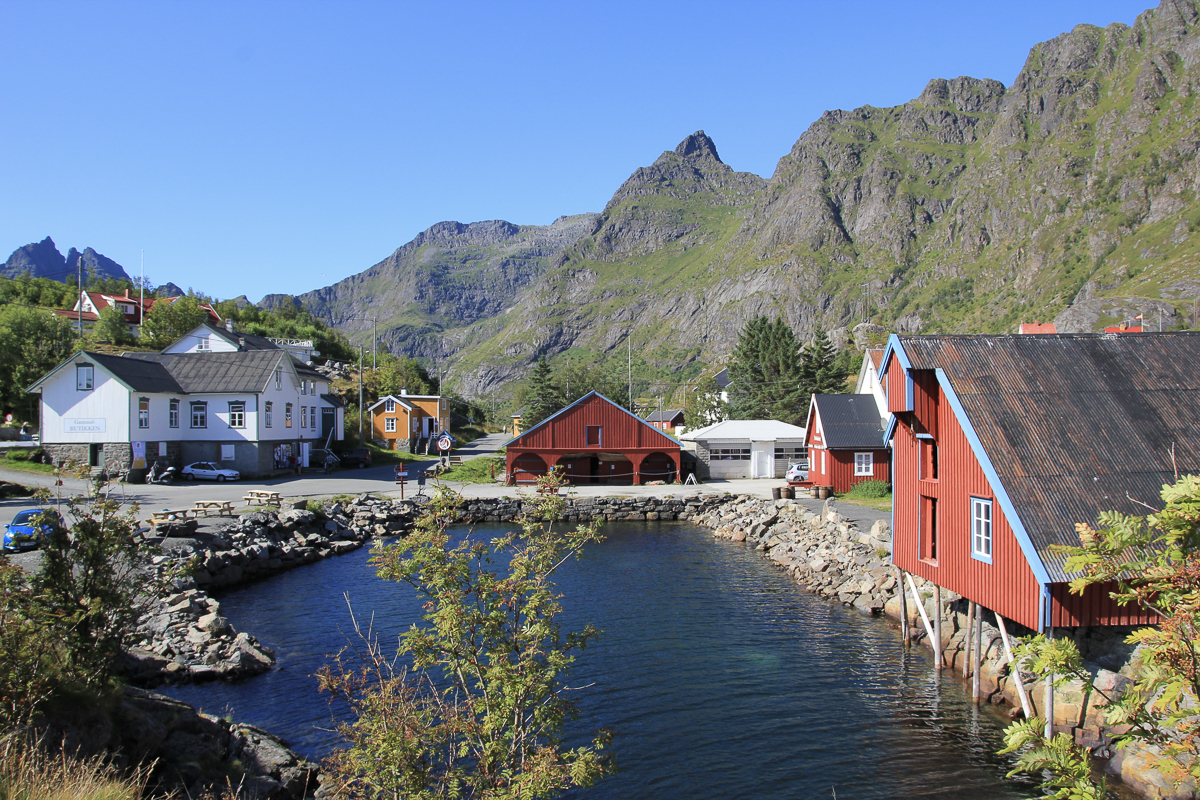
Å is a far as you can drive in Lofoten, and what a finale it is! Steep mountains, the wild Atlantic and the picturesque old houses make an ensemble that could be nowhere else. Make sure your Lofoten voyage goes all the way – to Å.
Å is and the end of the Lofoten alphabet
The E10 runs from Luleå in Northern Sweden through Narvik and all the way crisscrossing the islands of Vesterålen and Lofoten. A fair bit of this route is called the Norwegian Scenic Route Lofoten. This most scenic of routes end in Å. Incidentally, Å is also the last letter in the Norwegian alphabet, we have the usual 26 plus æ, ø and finally å. So it certainly is where it all ends, in a good way.
Å really makes you feel you’ve reached the end
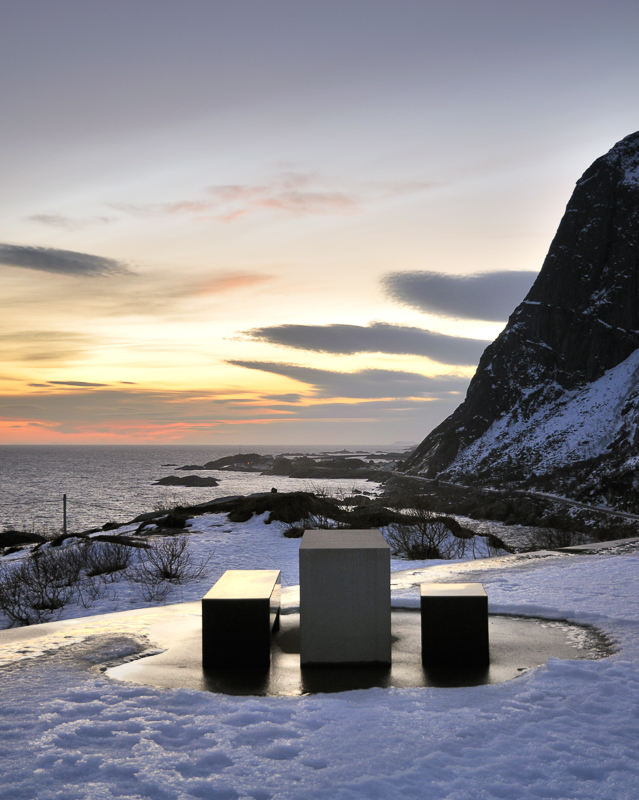
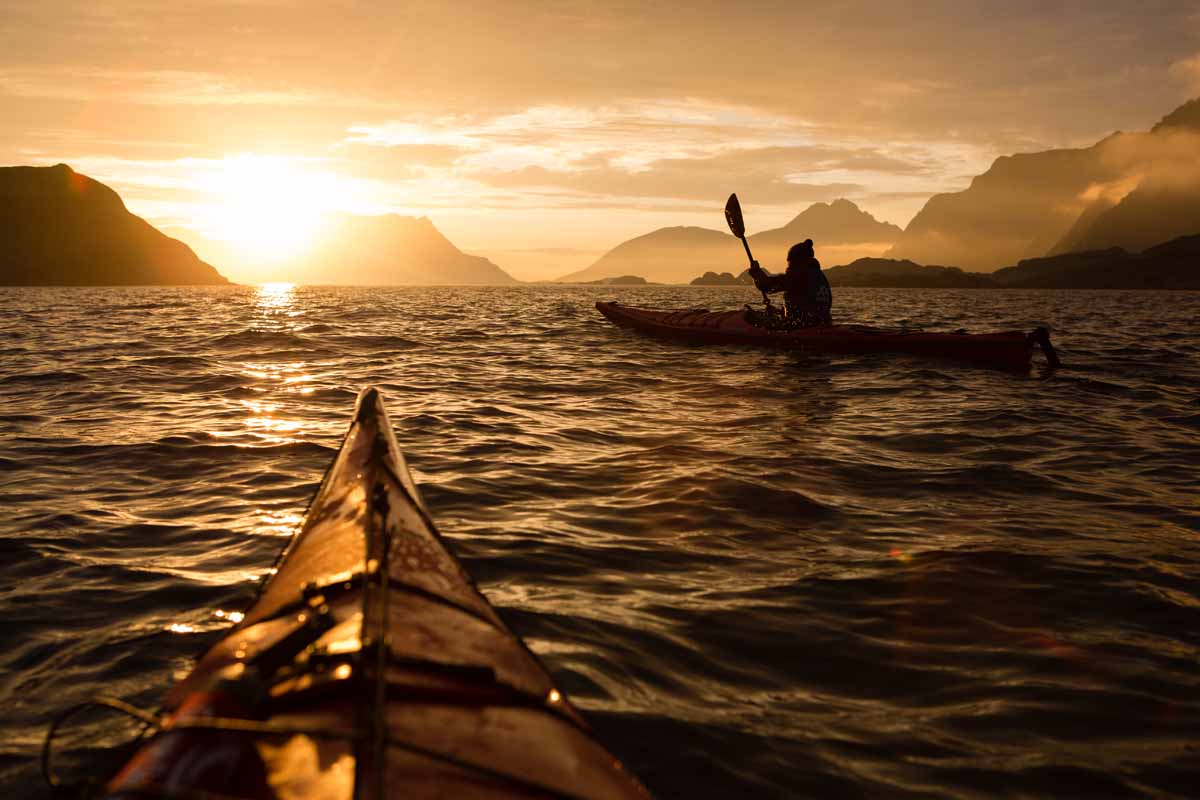
Okay, it’s not the end of the world, but standing at the end of the road, with steep mountainsides behind you, and the roaring ocean in front makes you think. Afar you see the cliff island of Mosken, and yet further out the high island of Værøy. Only in really good weather, you can see the mainland north of Bodø the other way.
Å is at the edge of the maelstrom
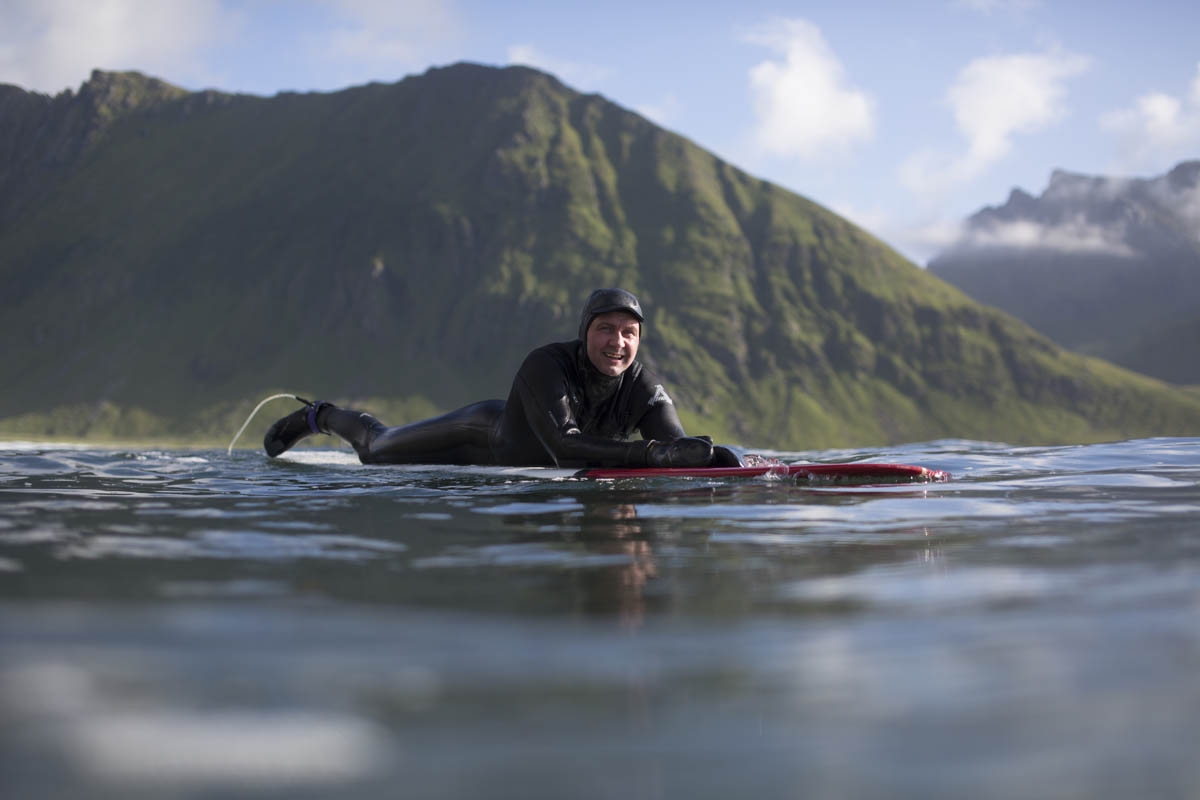
The sea between Å and Mosken Island is the famous maelstrom, known from the novels of Jules Verne and Edgar Allan Poe. The maelstrom is found on Dutch and English sea charts already in the 17th c, and Locally, the maelstrom is called Moskstraumen, or Moskenesstraumen. This giant ocean current is created by the tide from the open Atlantic gushing over the shallow waters into the Vestfjord, the giant bay that separates Lofoten from the mainland. There are not that many sea monsters in the maelstrom anymore, but navigating it certainly takes a skilled captain.
Why is the name Å so short?
Å is a somewhat old-fashioned Norwegian and Scandinavian word that means river. There are in fact several locations in Norway, Sweden, Denmark and the Swedish-speaking part of Finland called Å. Together with the French village of Y, they are listed in the Guinness’ book of records as the shortest names in the world. The letter å is pronounced “awe”, so when you say it, you have a surprised look in your face.
Å is where the Lofoten Fishery starts
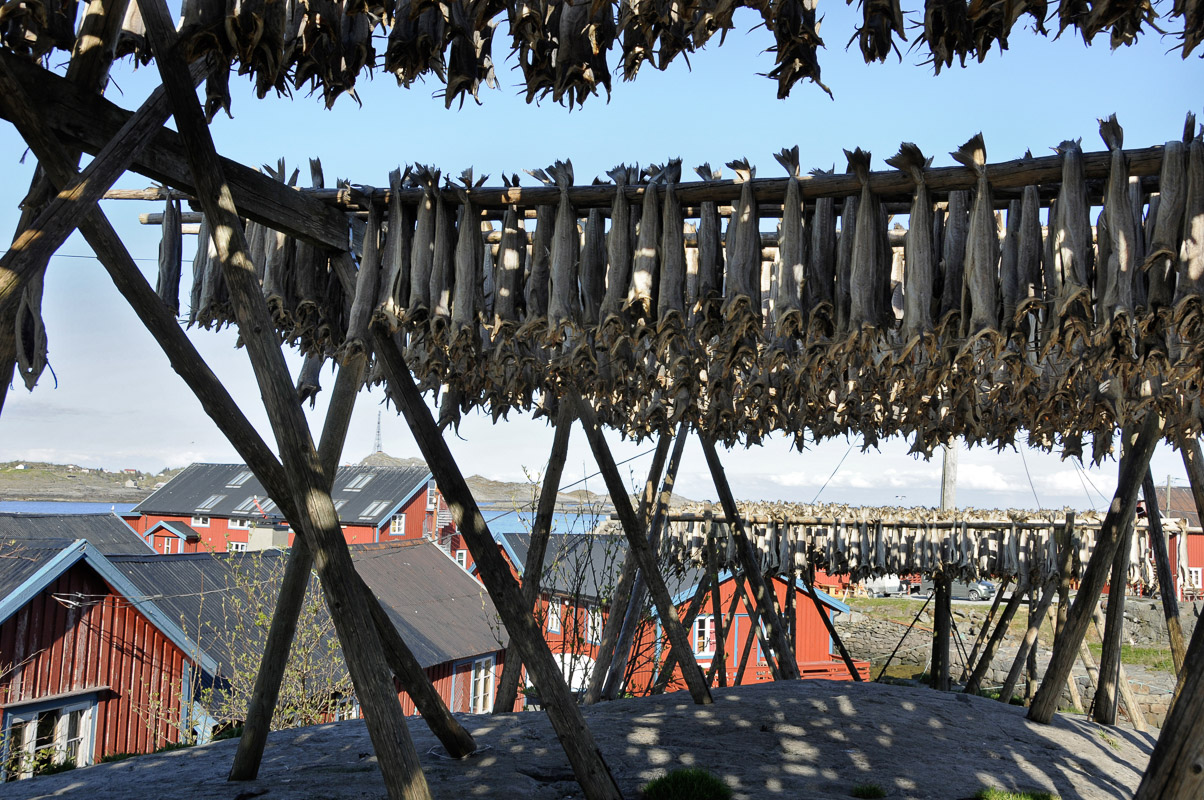
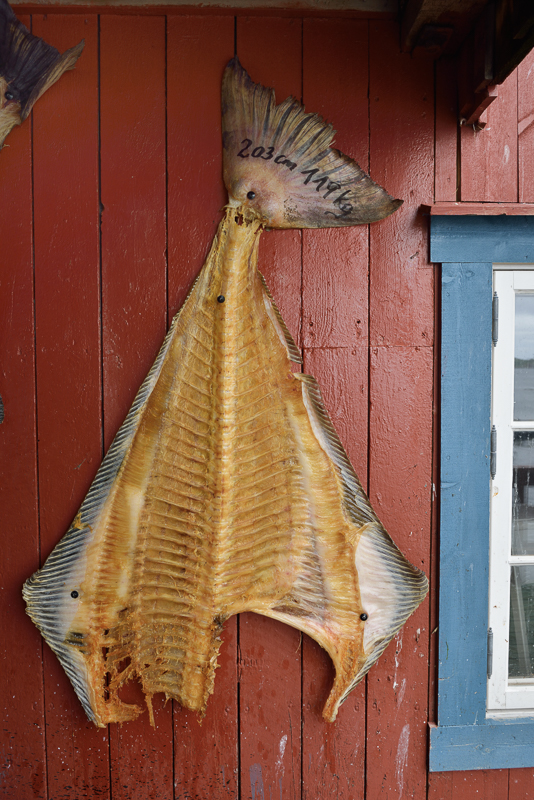
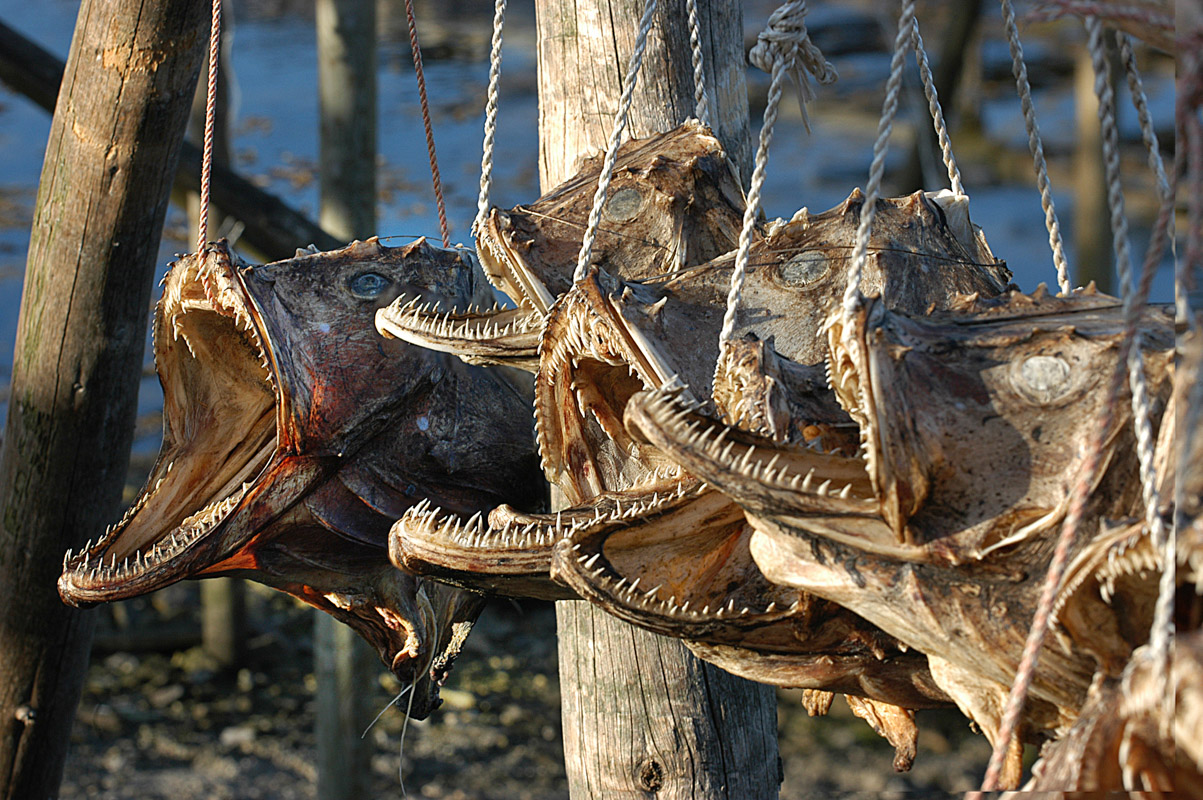
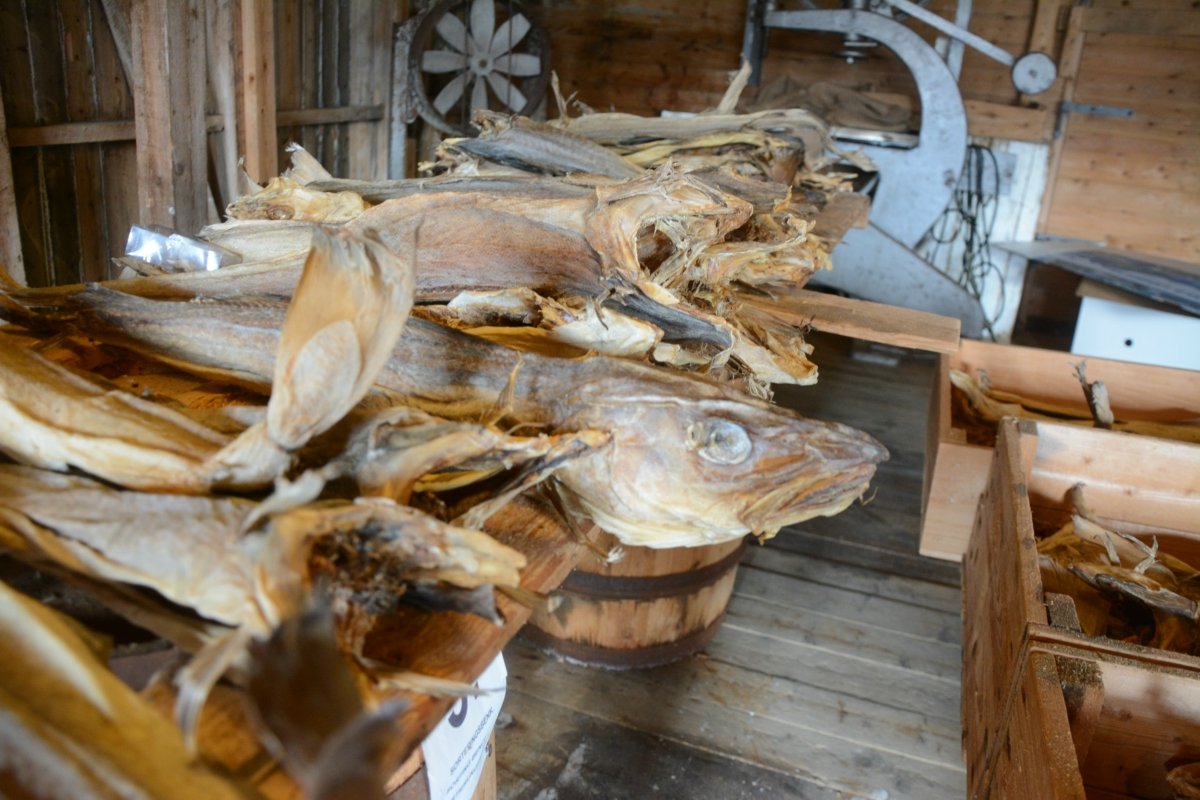
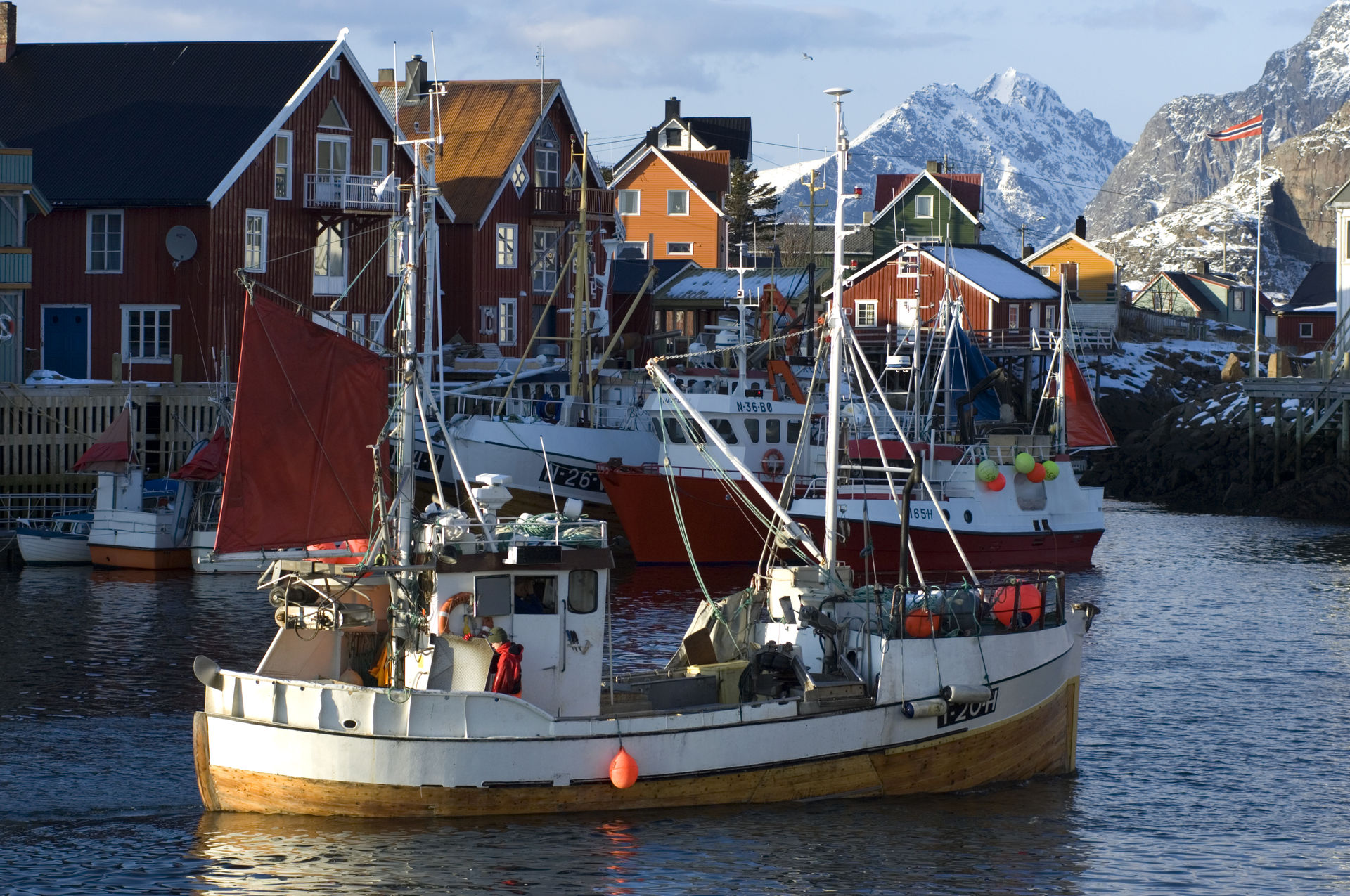
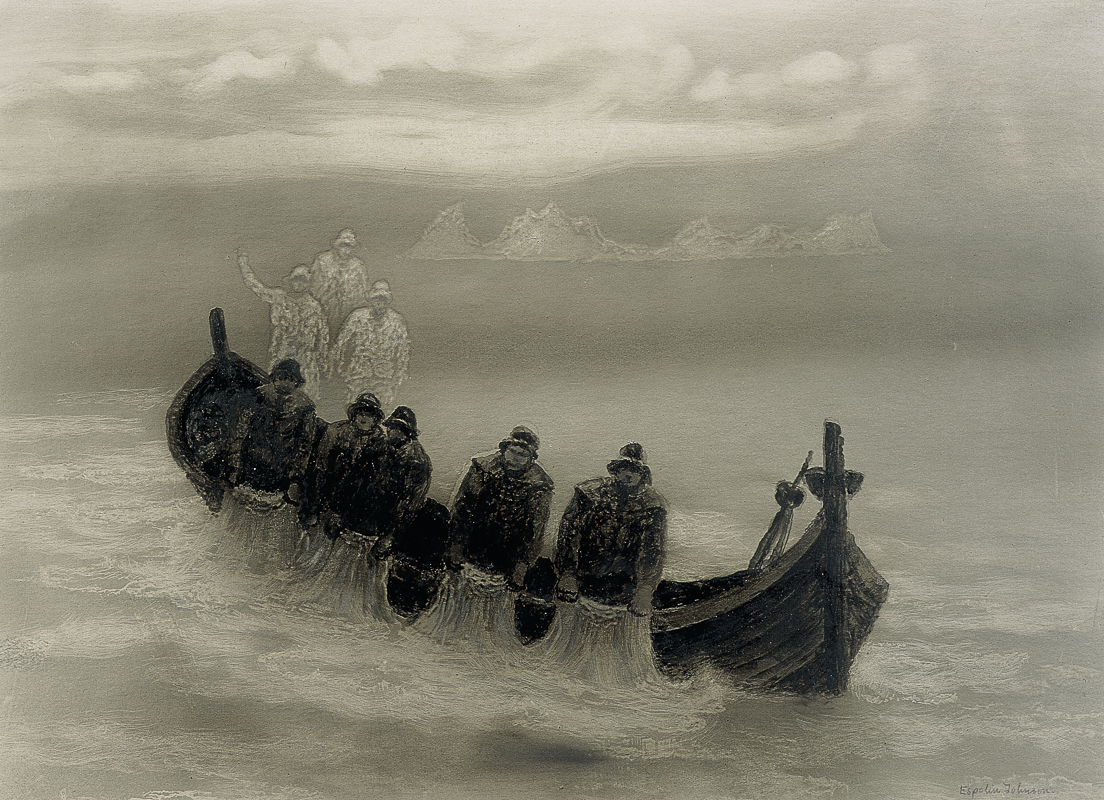
Å, along with the numerous villages lining the south-eastern shore of the Lofoten chain, has played a vital role in the Lofoten Fishery. The Lofoten Fishery starts in January, when the cod is coming from the High Arctic down to the tepid waters of Lofoten to spawn. The cod reaches the outermost islands first, so at Røst, Værøy and around Å, one can fish already in January. At this time, the cod is still round and fat. Later, the cod migrates further northeast towards eastern Lofoten, it doesn’t eat. The fat cod from around Å is thus different from the lean one from around Svolvær, and is much preferred in Southern Italy. Northern Italians prefer the lean one from the east.
The Lofoten Stockfish Museum explains the Lofoten Fishing
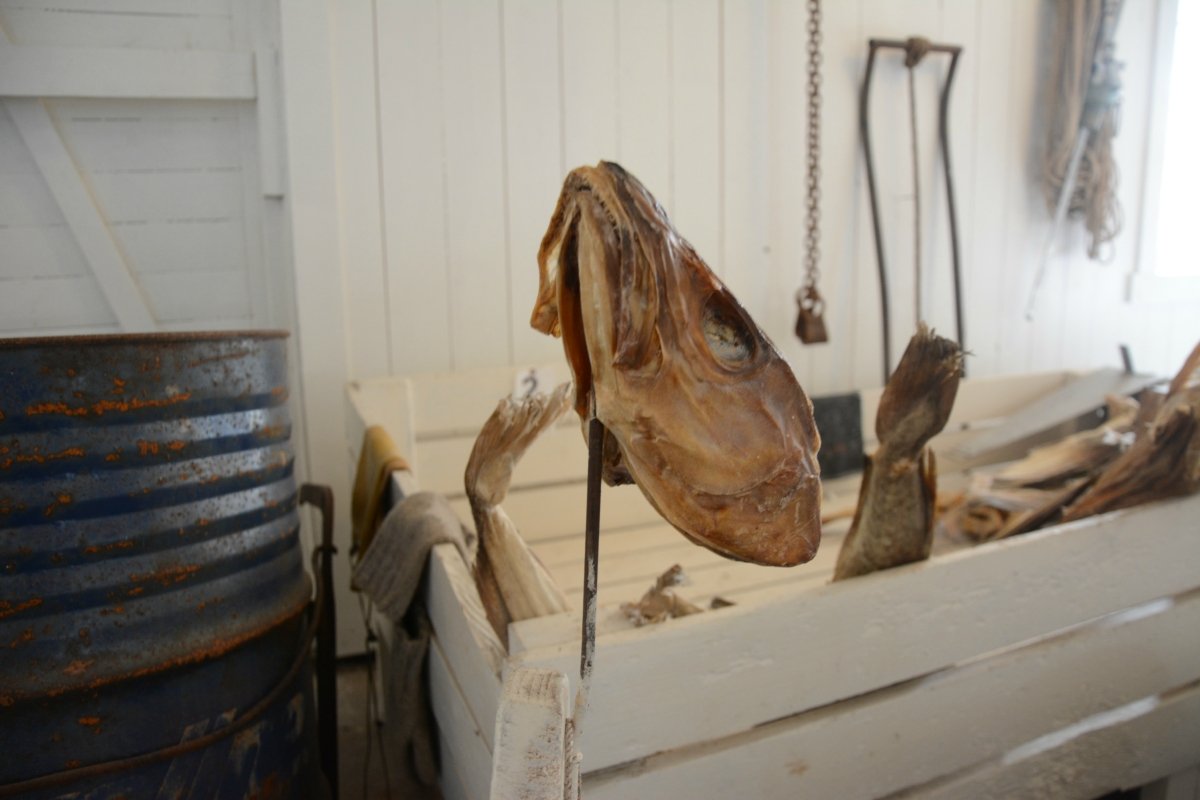
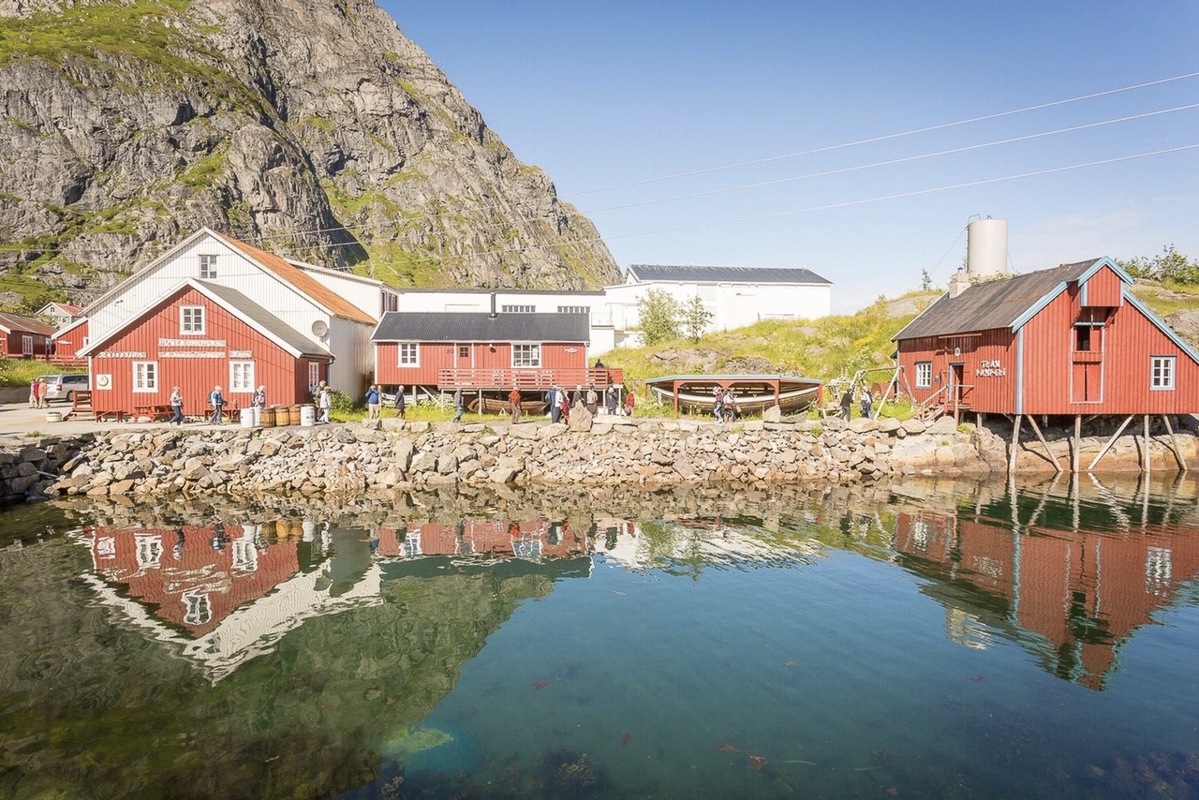
A sign reveals the Italian connection: “Si vende stoccafisso” is written on a garage door, “we sell stockfish”. Park your car there, and walk down to the old wharf to see the Lofoten Stockfish museum. A guided tour will take you through all the different qualities of fish, fat or lean, big or small, fished early or late in the season. All the qualities have Italian names, as Italy buys 95% of the stockfish from Lofoten, most of the remaining 5% go to Croatia. However, the heads are sold in Nigeria, where they are pulverized and made into tasty fish soup. After a visit here, you will be better informed on culture and economy of the north.
The Ellingsens were the big shots at Å
At Å, the rich merchants of the Ellingsen family ruled supreme. They housed the fishermen coming from all over Northern Norway and beyond, they sold provisions and brandy to them, they bought the catch, they exported the fish and they imported all the necessities. Fishermen were often in debt to the Ellingsens, and had to come back to Å every year to fish and try to down pay the loan. Switching to a competing merchant wasn’t possible as long as you owed Ellingsen money. Similar stories are found all along Lofoten, and the Ellingsens were what we call nessekonger, “kings on the cape”, and they were part of an economic system that lasted well into the post-war period.
The Norwegian Fishing Village Museum is completely preserved
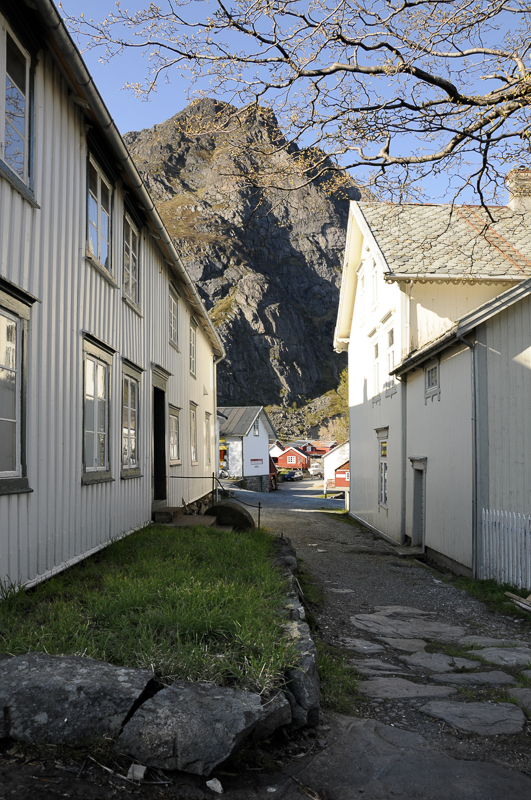
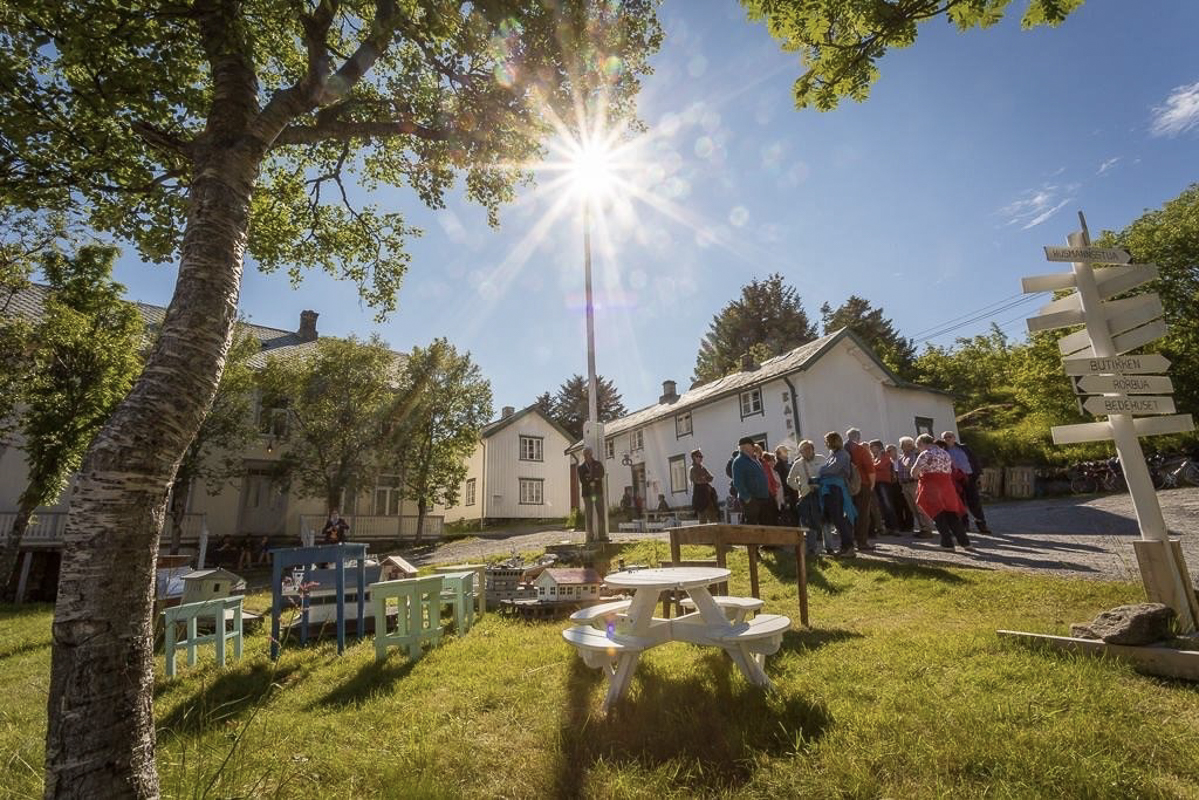
The Ellingsen estate is now completely preserved, and is today the Norwegian Fishing Village Museum. The stately main buildings are traditional Nordland houses, long and relatively narrow, with a stately interior, and they are surrounded by traditional gardens. The shop, which today works as the reception of the museum, dates from 1843.
Roam around the museum for a complete understanding of coastal life
The house of the crofter dating from 1925 shows how the little people lived; crowded and cramped. The boathouse shows the various boat types used along the coast, and you also get an insight into the superstitions connected with fishing. Making cod liver oil was also important, and you learn how they steamed the precious oil used for everything from frying oil to house paint.
Taste the pastry after the tour
The old baking oven from 1844 of the trading post has been revived. The oven provided fresh bread for hundreds of fishermen, strengthening them for a hard and cold day out on the open Lofoten Sea. Things are different these days, so instead the oven makes irresistible cinnamon buns for hundreds for tourists in the high season.
About Å in Lofoten
Å is a fishing village in the Lofoten Islands, found at the end of the road connecting the islands together and with the mainland. It is the outermost village you can drive to.
No. Two island communities are actually further out, Værøy and Røst. Both, however, are way out at sea, and you need a ferry to go there.
There is a ferry from Bodø to Moskenes, which is but a few kilometres further northeast. You can fly to Bodø, and you can also fly to Leknes, which is the nearest airport.
The Norwegian letter å is pronounced like -aw- in English. The English word awe is pronounced exactly the same as this Norwegian village.