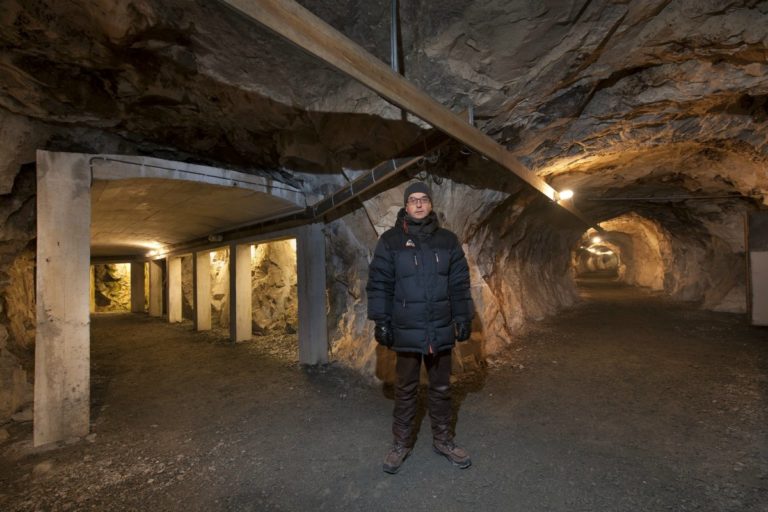
The struggle for control of natural resources and wealth is the cause of nearly all wars. The Battles of Narvik in 1940 were all about who was to have control of Europe’s largest iron ore resources, as well as the supply routes for transporting the ore. Narvik was and is an ice-free port built to ship iron ore from the important mines in Kiruna in Northern Sweden. Nazi Germany tried to gain control of this vital supply, and the Allies tried to stop them.
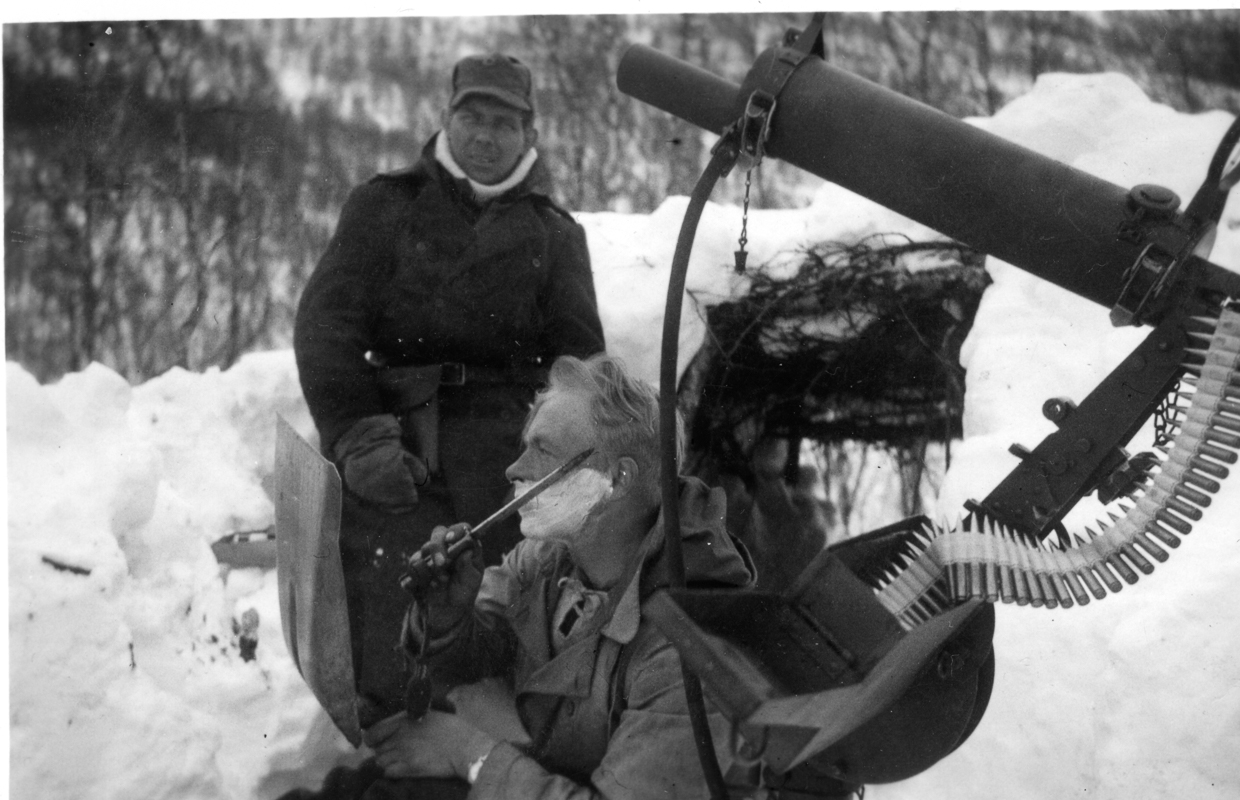

The attack on Norway during second world war
On 9 April 1940, German forces launched a co-ordinated attack on the most important ports in Southern Norway, and on Narvik in the north. In the grey light of dawn in heavy snow, 10 German destroyers entered Narvik harbour, where two old Norwegian coastal defence ships, «Eidsvold» and «Norge», were anchored. The two Norwegian ships took up the fight, and were immediately sunk with great loss of life. The destroyers anchored in Narvik and 2,000 Austrian mountain troopers (Gebirgsjäger) were landed.Narvik was occupied by the Germans.
The first naval battle
Following the breach of Norwegian neutrality on 8 April, and the British Royal Navy having laid mines along the coast from Hustadvika to Bodø, the British were quick to respond with a counter-attack. On 10 April, five British destroyers attacked the German destroyers in the Port of Narvik. They succeeded in sinking two of the German destroyers, and a third was badly damaged. Seven other German ships and several merchant vessels were sunk, which had a crucial impact on the supply situation. The British naval forces also suffered losses, two of their five destroyers were sunk and a third was heavily damaged. Narvik harbour was filled with shipwrecks.

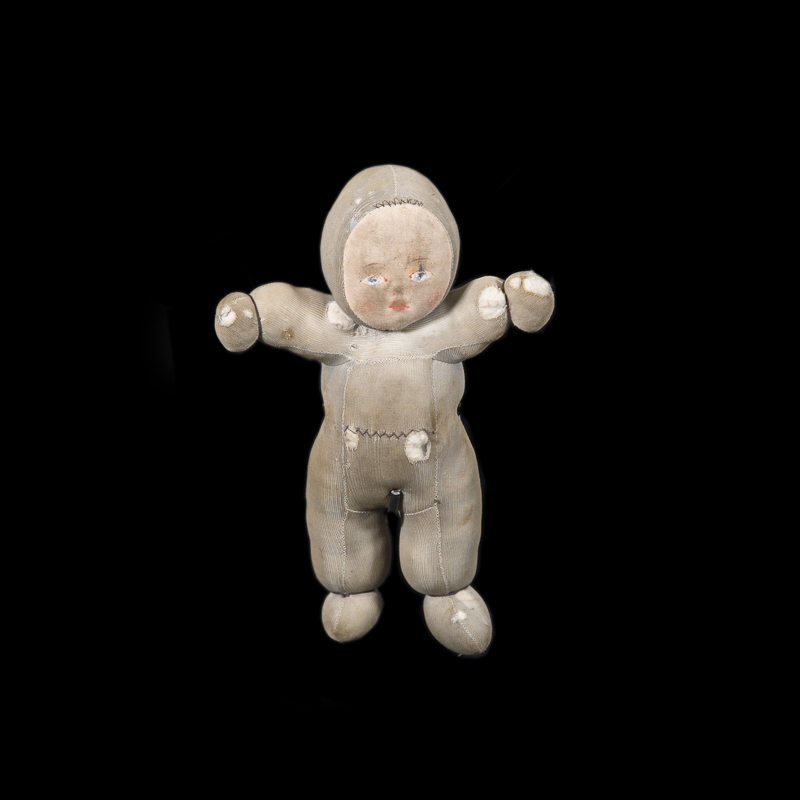
The second naval battle
On 13 April, the British naval forces returned, this time with the battleship HMS «Warspite» and nine destroyers. They sank eight German ships in the port of Narvik and in the Rombakfjord. This left the Germans with no naval resources with which to fight back, and most of their ammunition, war materiel and supplies had been lost beneath the waves. The majority of the German marines were, however, rescued, and were equipped with the uniforms of the vanquished Norwegian forces.
The land campaign
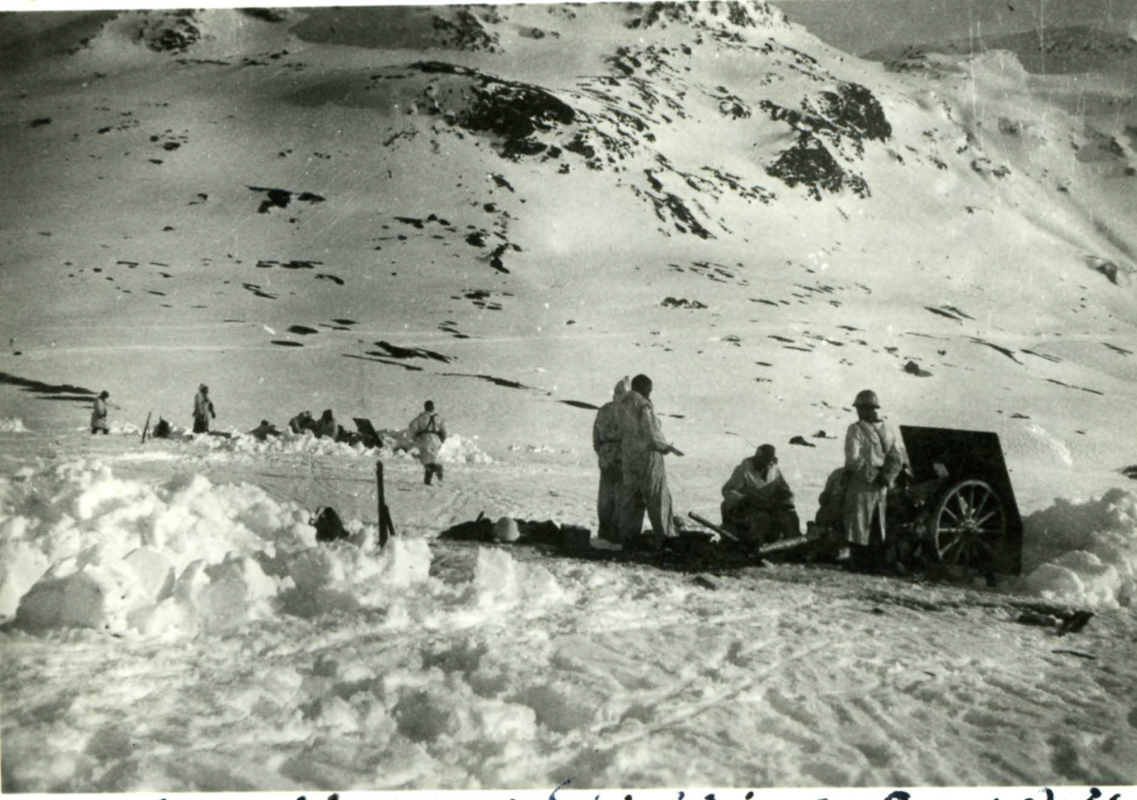
The 2,000 Austrian mountain troopers who had landed on 9 April worked systematically to extend their bridgehead in the Narvik area. They soon received reinforcements in the shape of 2,600 marines who had been rescued and brought ashore from the sunken German destroyers. On 16 April this combined force defeated a Norwegian force of 200 men at Bjørnfjell, and were thus able to occupy the entire length of the Ofotbanen railway and secure reinforcements of personnel and materiel via Sweden. Moving northwards from Bjerkvik, they crossed the mountain to Gratangsbotn in an attempt to reach Bardufoss airport, but were stopped at Lapphaugen by determined Norwegian resistance from units of the 6th Division under the command of General Carl Gustav Fleischer. The Norwegians now systematically recaptured mountain summits and heights until the German front lines had been pushed back to the Swedish border.

Allied landings
The British established their headquarters in Harstad on 14 April. From 28 April they began receiving reinforcements from a French expeditionary force, and on 9 May four Polish exile battalions arrived. On 13 May, French Foreign Legion troops landed in Bjerkvik. The Poles were soon operating on the south side of the fjord system, and the Germans in Narvik were attacked from two sides.
The first Allied victory
The Germans were now cut off from reinforcements, and had only modest cover from the air. Increasingly co-ordinated pressure from the Norwegian and Allied forces drove them back, and on 28 May Norwegian and French forces landed on the Narvik peninsula from the north, while Polish troops attacked from the south. The Germans blew up and destroyed Narvik harbour before retreating inland along the railway. This was the first Allied land victory of World War II.
Evacuation
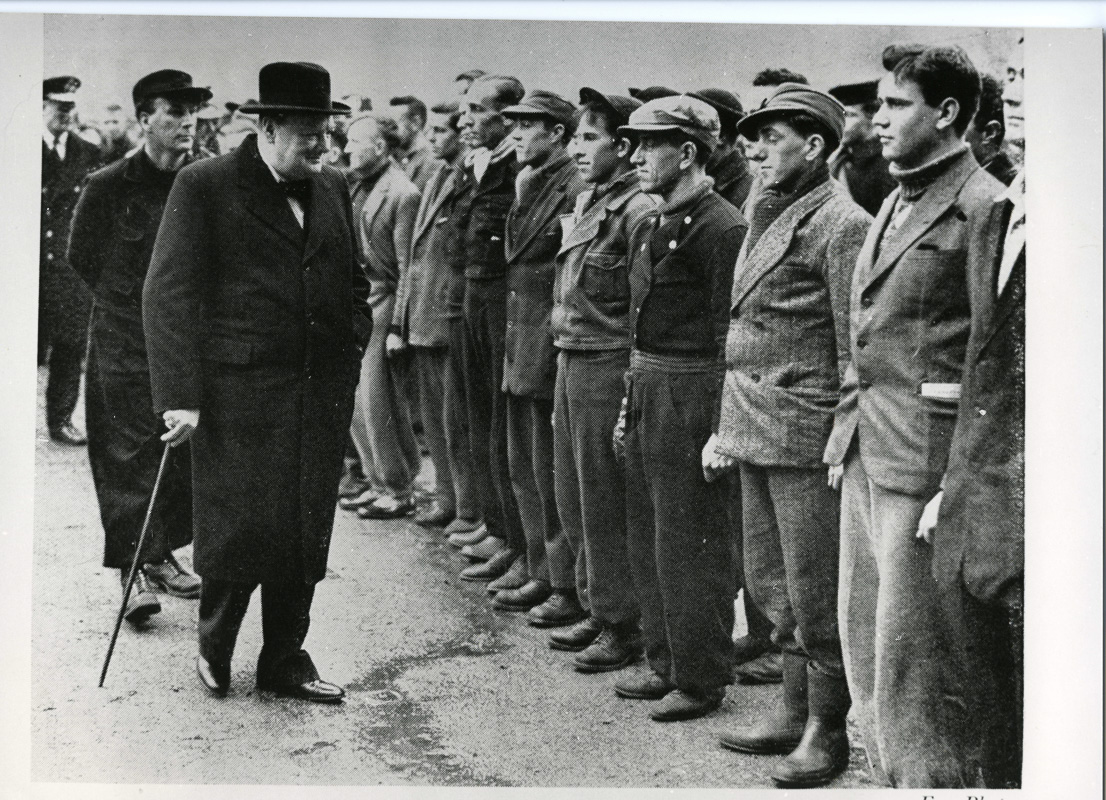
The Germans held only a small pocket of resistance at the border, and they planned to allow themselves to be interned in Sweden, which was neutral. But this plan was never executed. Already prior to retaking Narvik, the Allies had decided to withdraw from Norway: the situation in France at the time was critical and the armed forces were needed there. The victory in Narvik was, however, a real shot in the arm for the Allied war effort, and Winston Churchill said «Look to Narvik». Between 4 and 8 June, the Allied forces were evacuated from Narvik, and on 8 June the town was re-occupied by the Germans. On 10 June the Norwegians capitulated.
War Memorial Museum and Landscapes of War
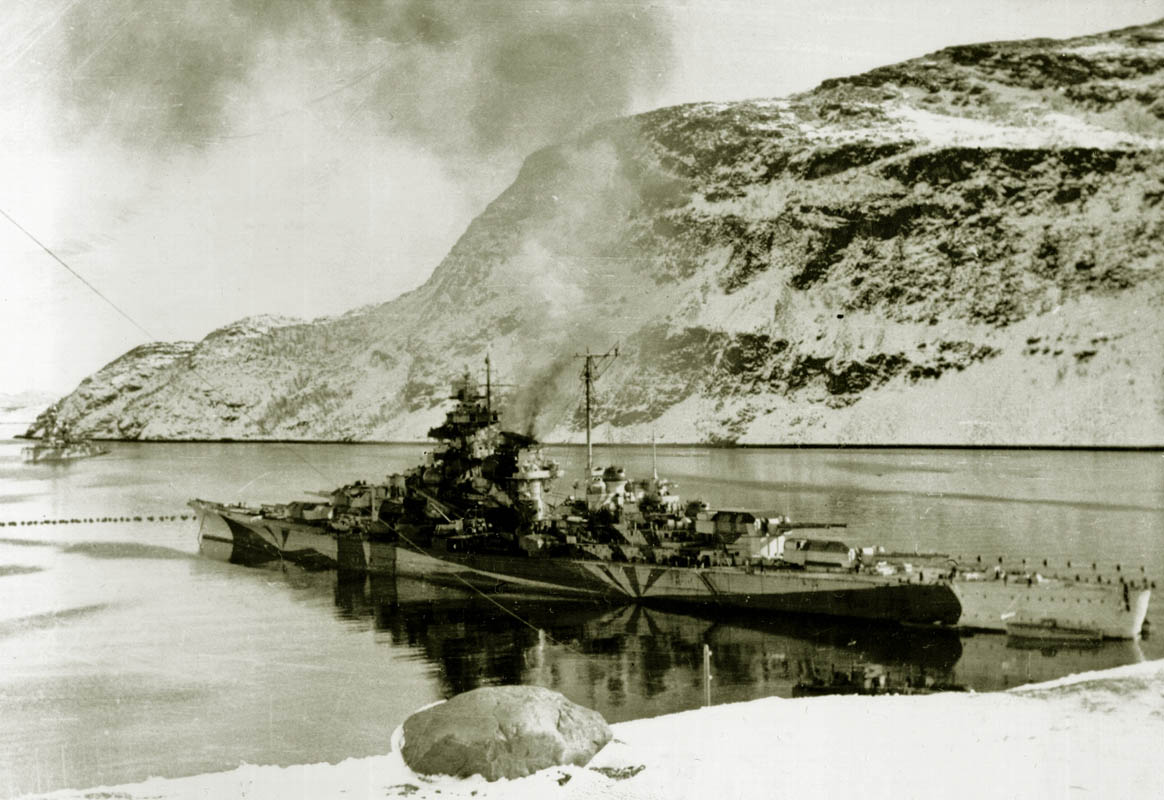
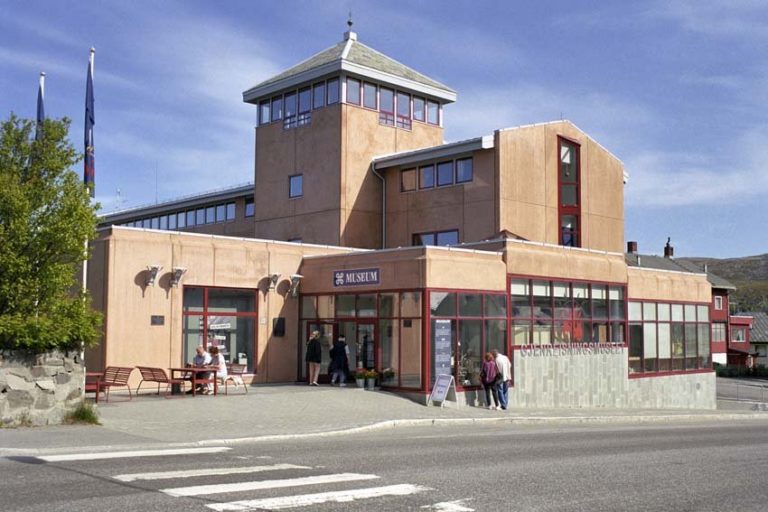
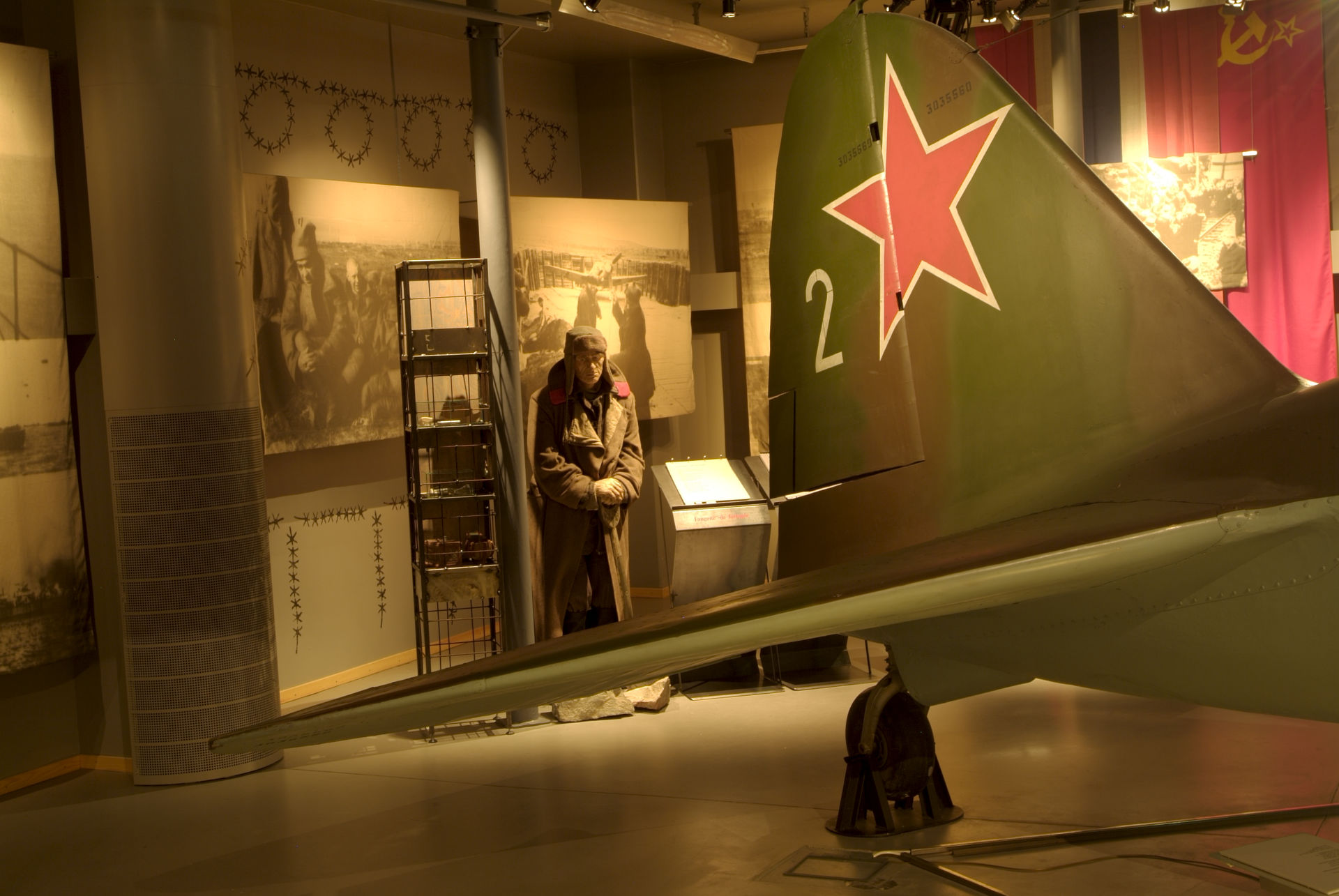
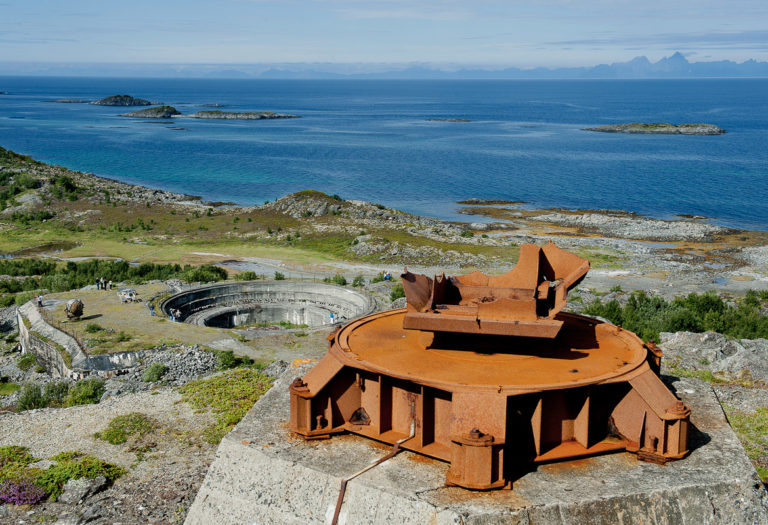
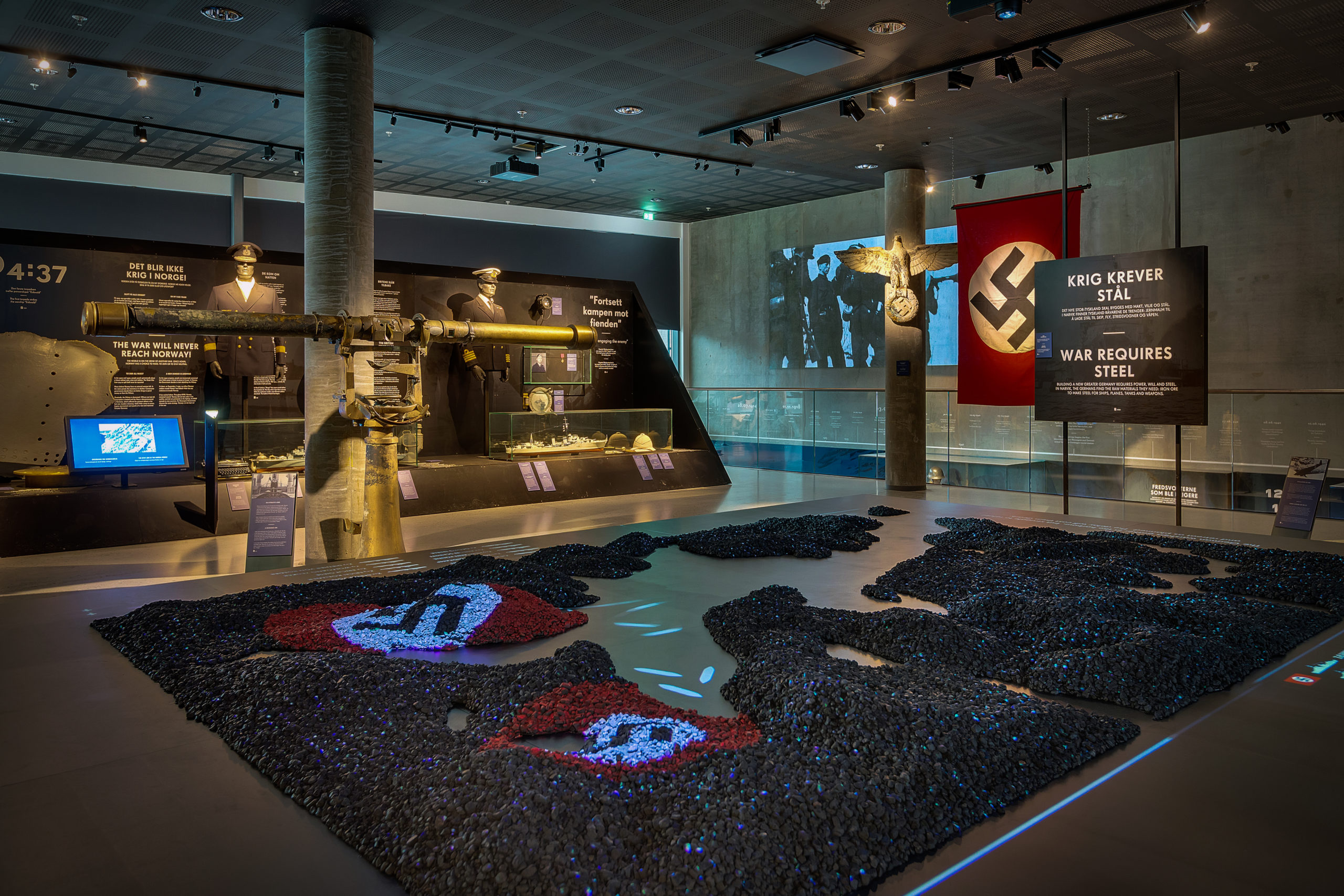
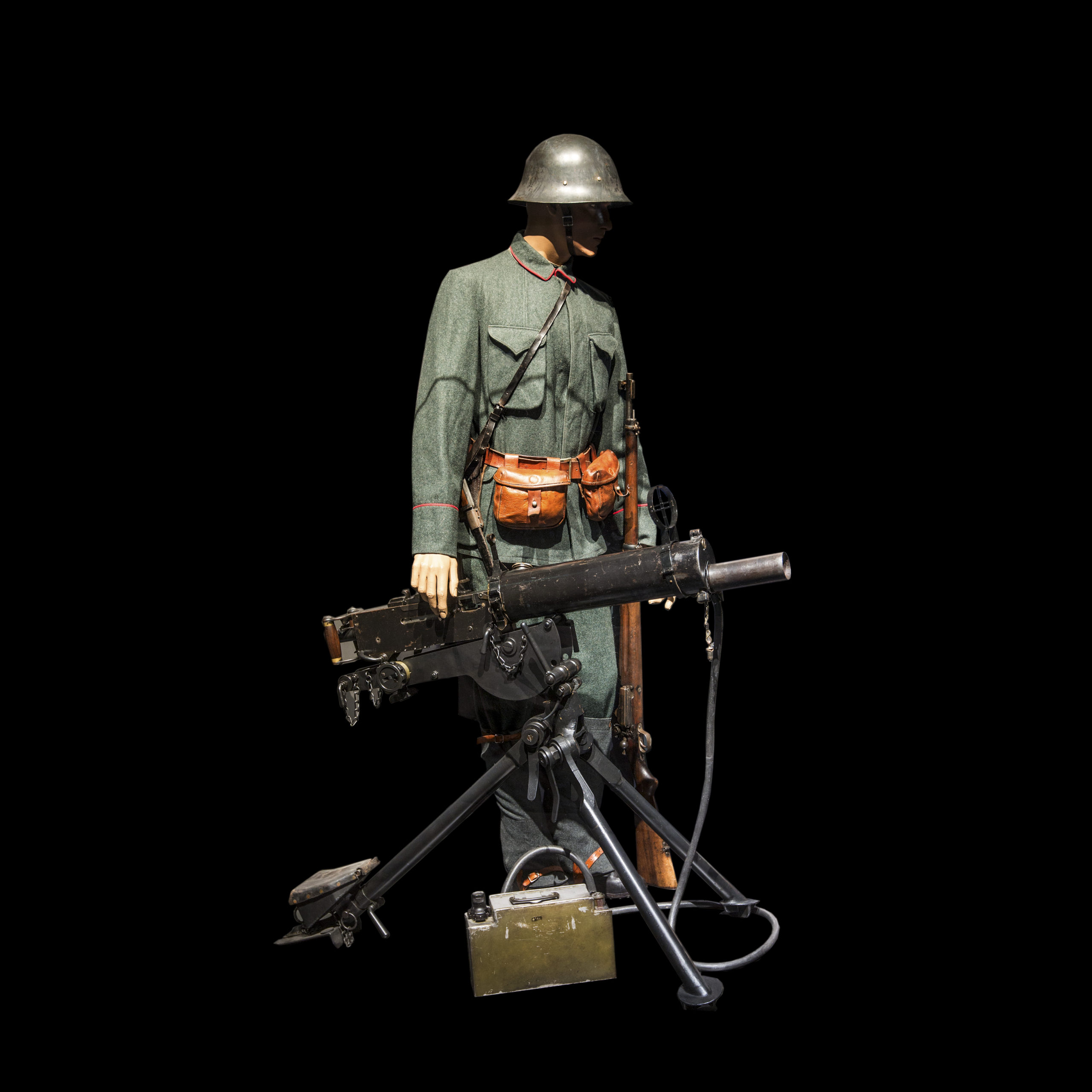
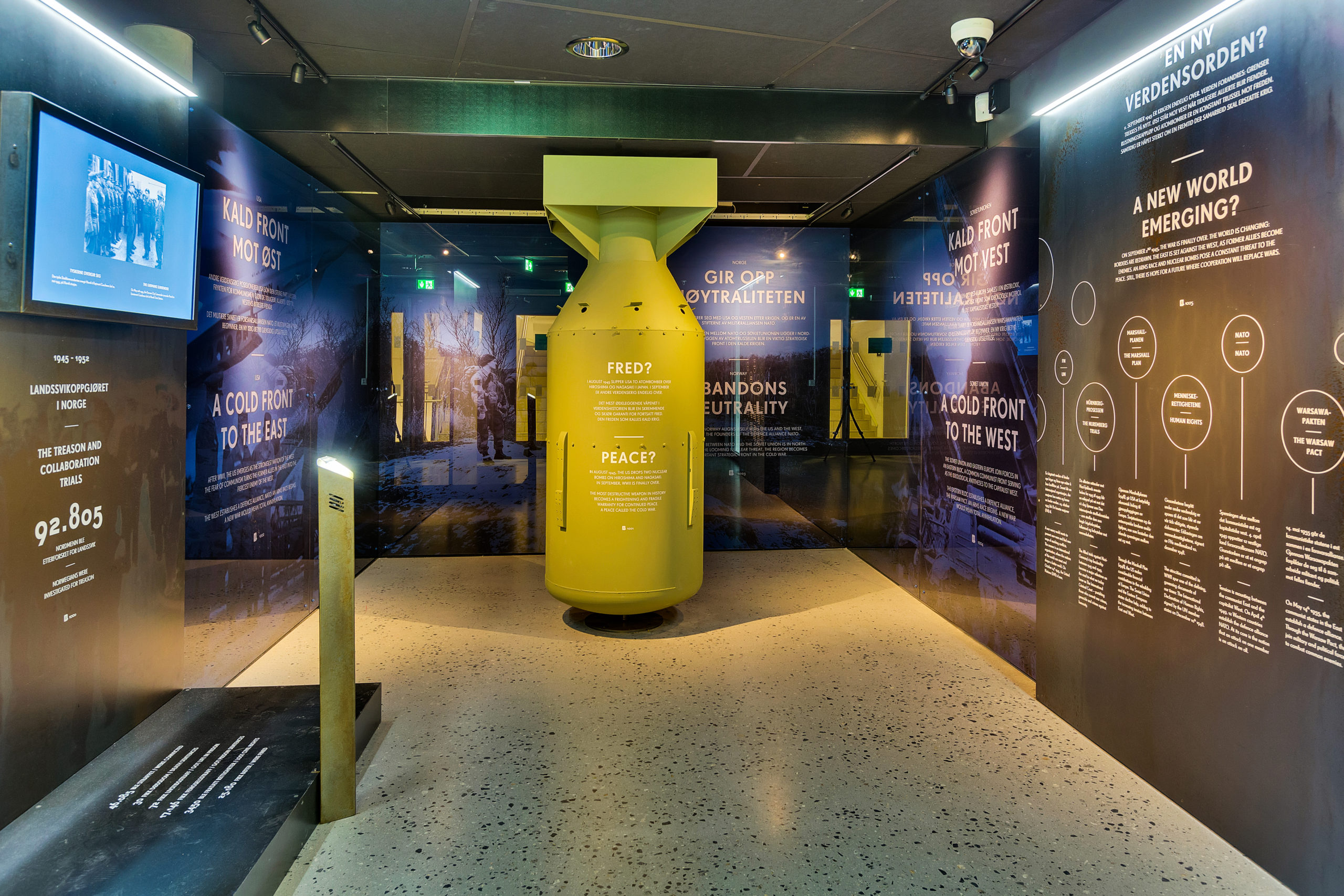
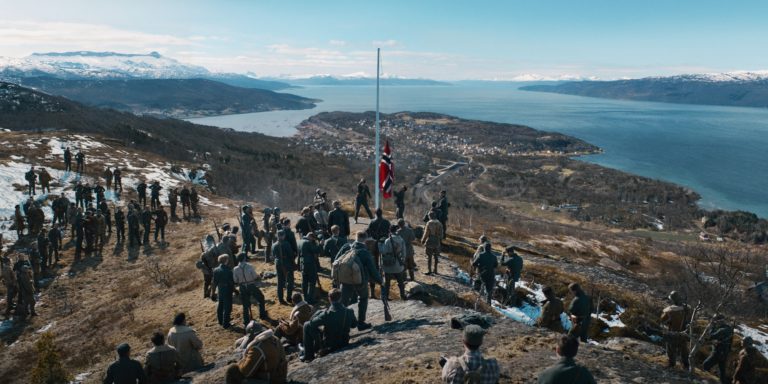
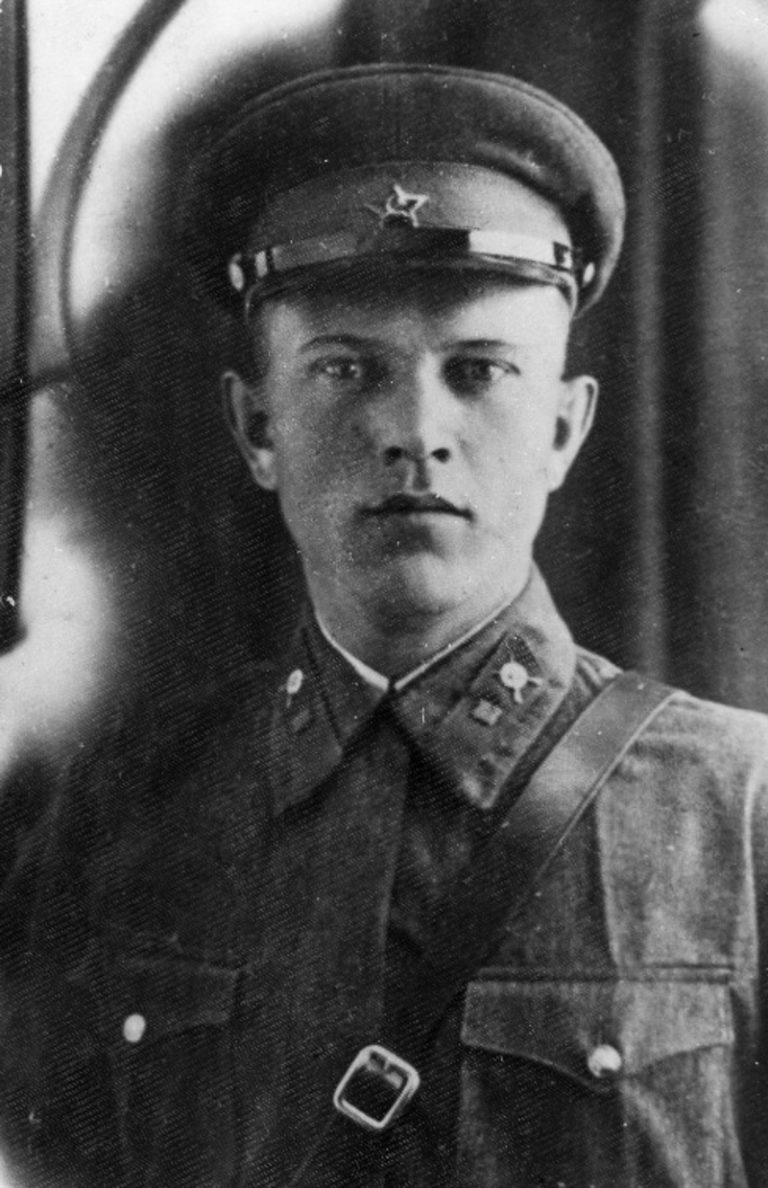
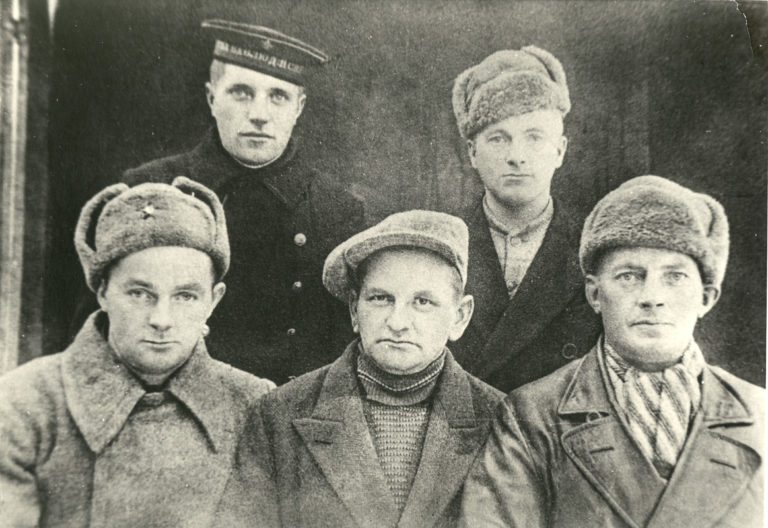
In the centre of Narvik is the war museum. Using wall charts, photographs and objects such as uniforms, weapons and medals, the museum tells the dramatic story of the various stages of the Battles of Narvik. Other World War II themes are also in focus, such as the fate of Soviet prisoners of war and the sinking of the Tirpitz. Narvik also has a Peace Chapel and a large war cemetery. In the areas around Narvik where the fighting took place, six commemorative artist-commissioned slabs or columns have been erected in what has been called the “Krigshistorisk landskap” (Landscapes of War).
Information about Narvik War Museum
It is an interactive and modern museum. The exhibition was finished in 2016, and they use modern methods in order to tell the dramatic story. Among many things, you will be able to witness the battle of Narvik on a live model.
The museum is in a modern building, where you also find the library and the tourist information. Within the building you also find a cafe where you can buy snack.
The museum is open all year, almost every day. Check their website for the details.