Arctic Norway

  • Destinations
  • See & do
  • Sleep & eat
  • Travel suggestions
  • Plan your trip
  • Norsk
  • Deutsch
  • NO
  • DE

The Halibut Museum in Skrolsvik is consecrated to a sacred fish

No fish off the coast of Norway is surrounded by so much folklore and legend as the mythical halibut. Landing a halibut for Christmas requires close co-operation between husband and wife, and the Kveitmuseum – halibut museum – in Skrolsvik on Senja Island updates us on all the details.

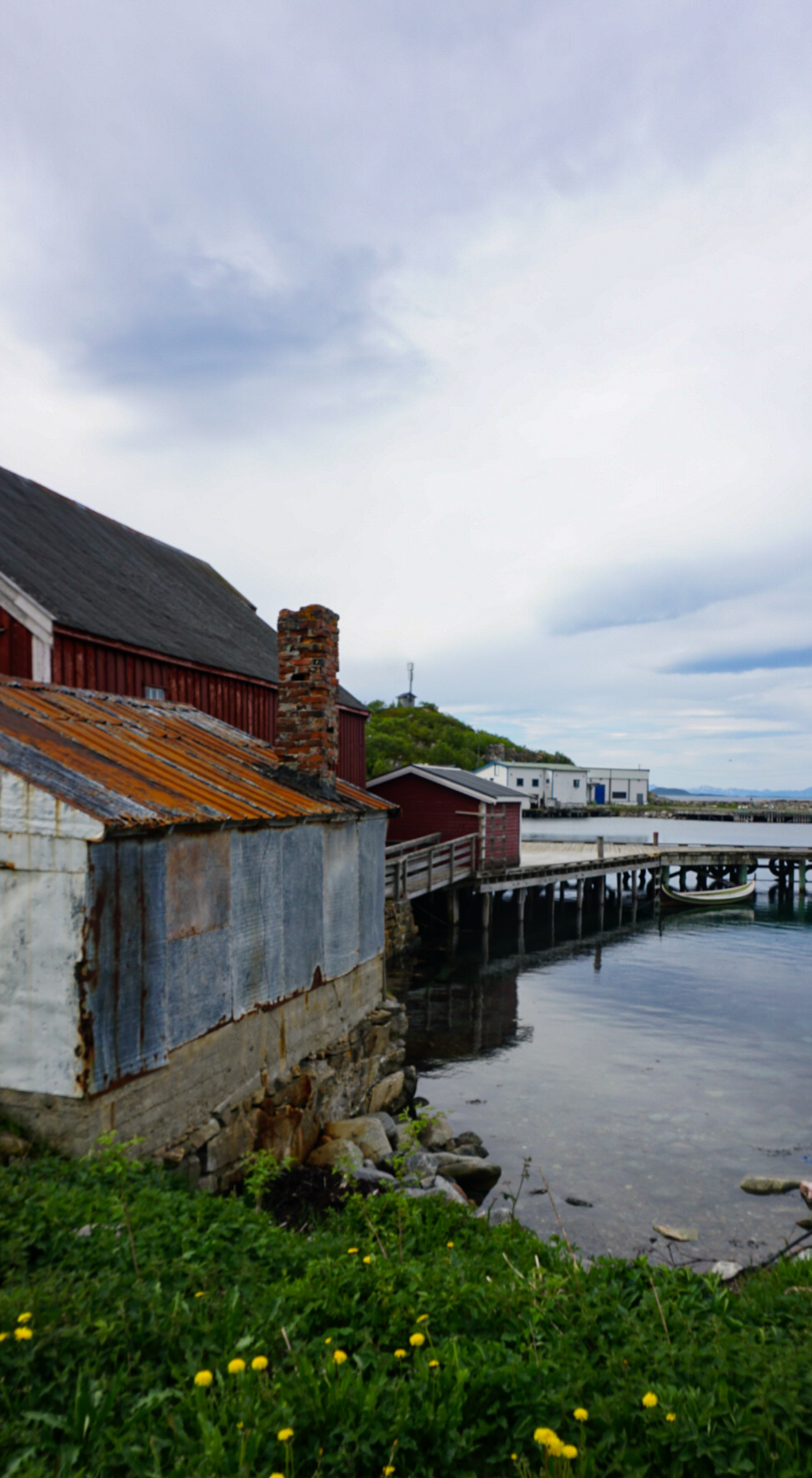
When touring the fairy tale island of Senja, one should go the island’s southwestern tip for a small and charming museum in the picturesque fishing village of Skrolsvik. In an old, red warehouse on the shore, you are taken around a small, yet humorous and fascinating exhibit steeped in local tradition.
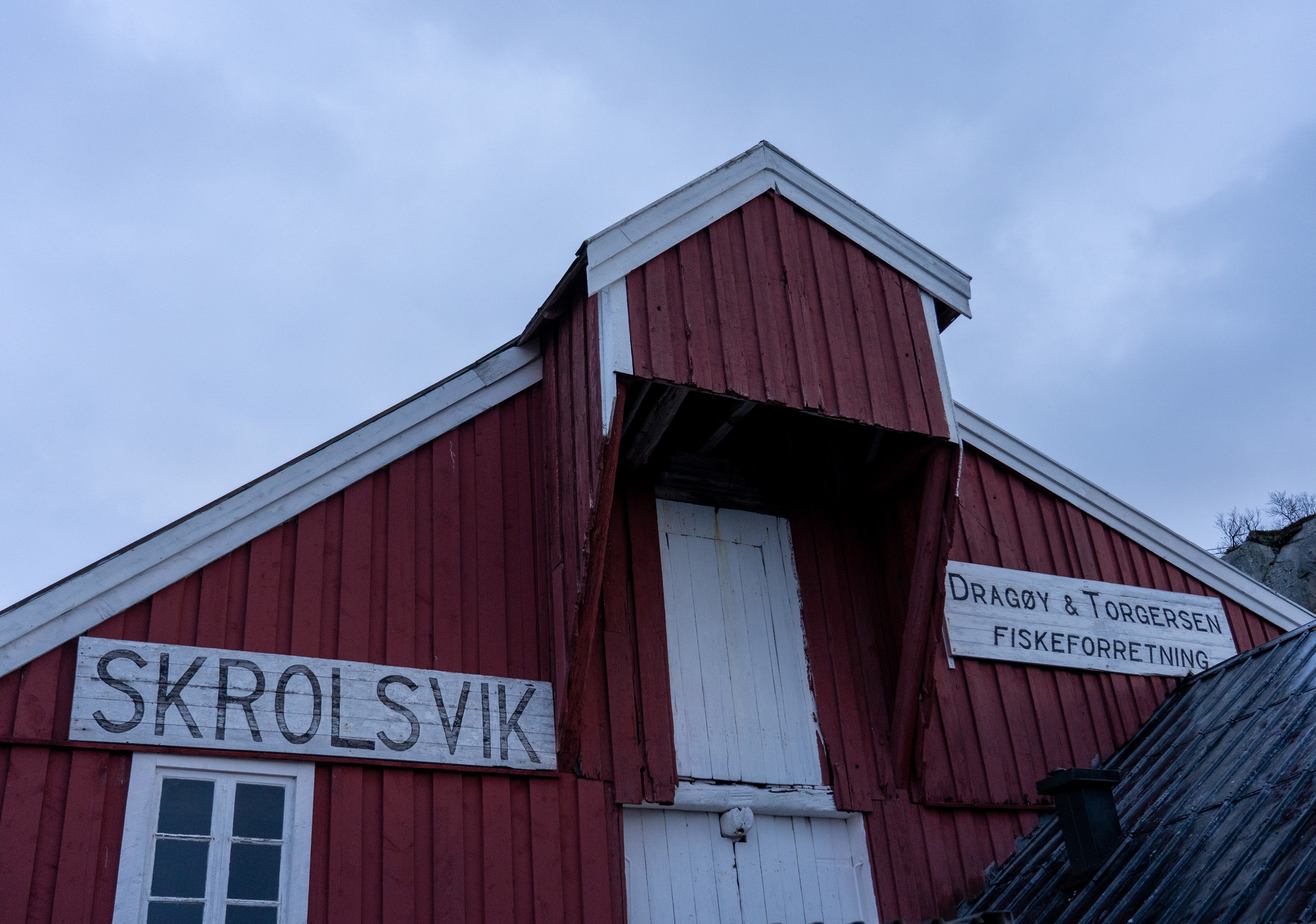
  • 01The Kveitmuseet - The Halibut Museum - is located in an old wharf from the 1870ies © Dag Arild Larsen / MIdt-Troms museum
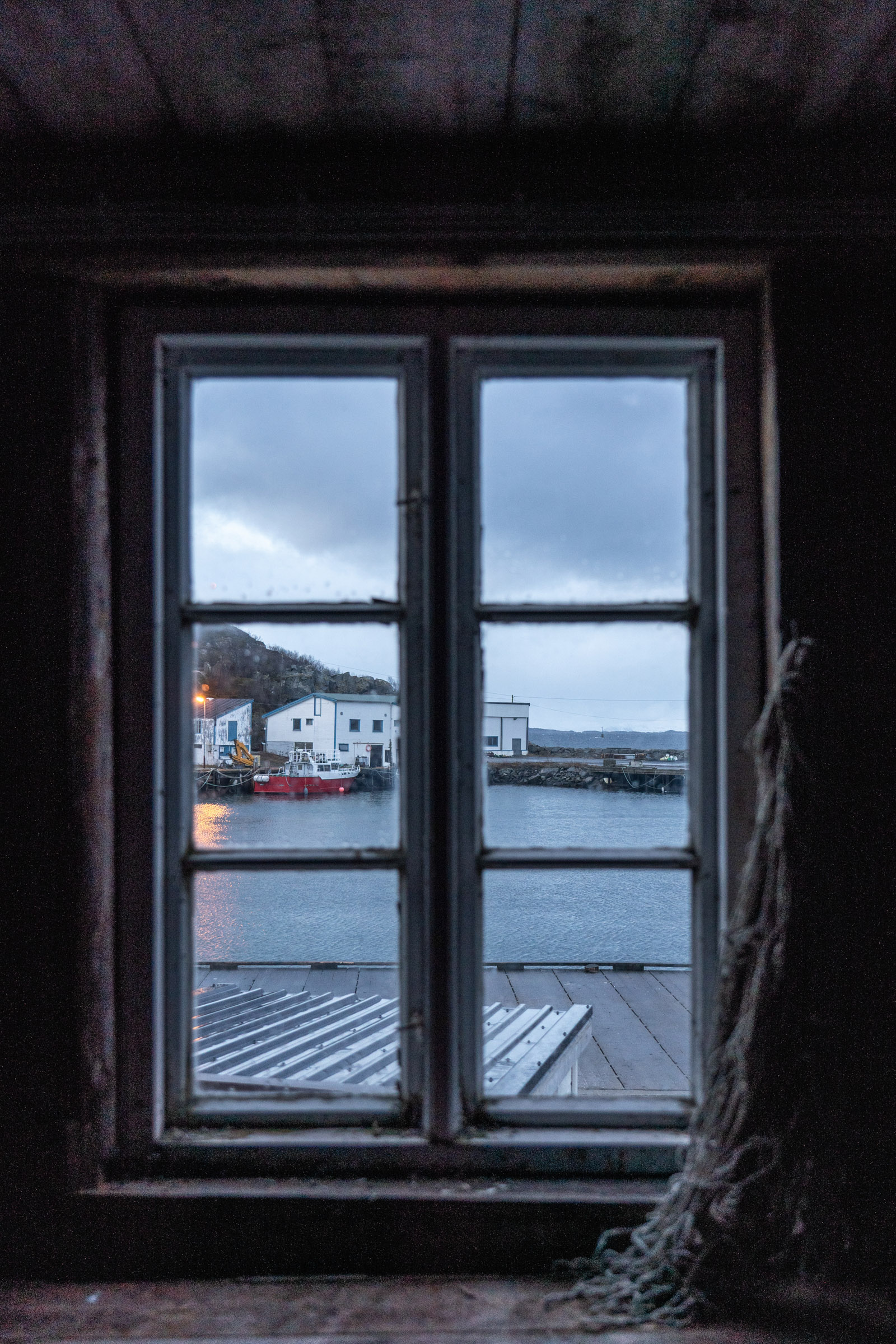
  • 02Glance towards the sheltered port at Skrolsvik from the Kveitmuseet - The Halibut Museum © Dag Arild Larsen / MIdt-Troms museum
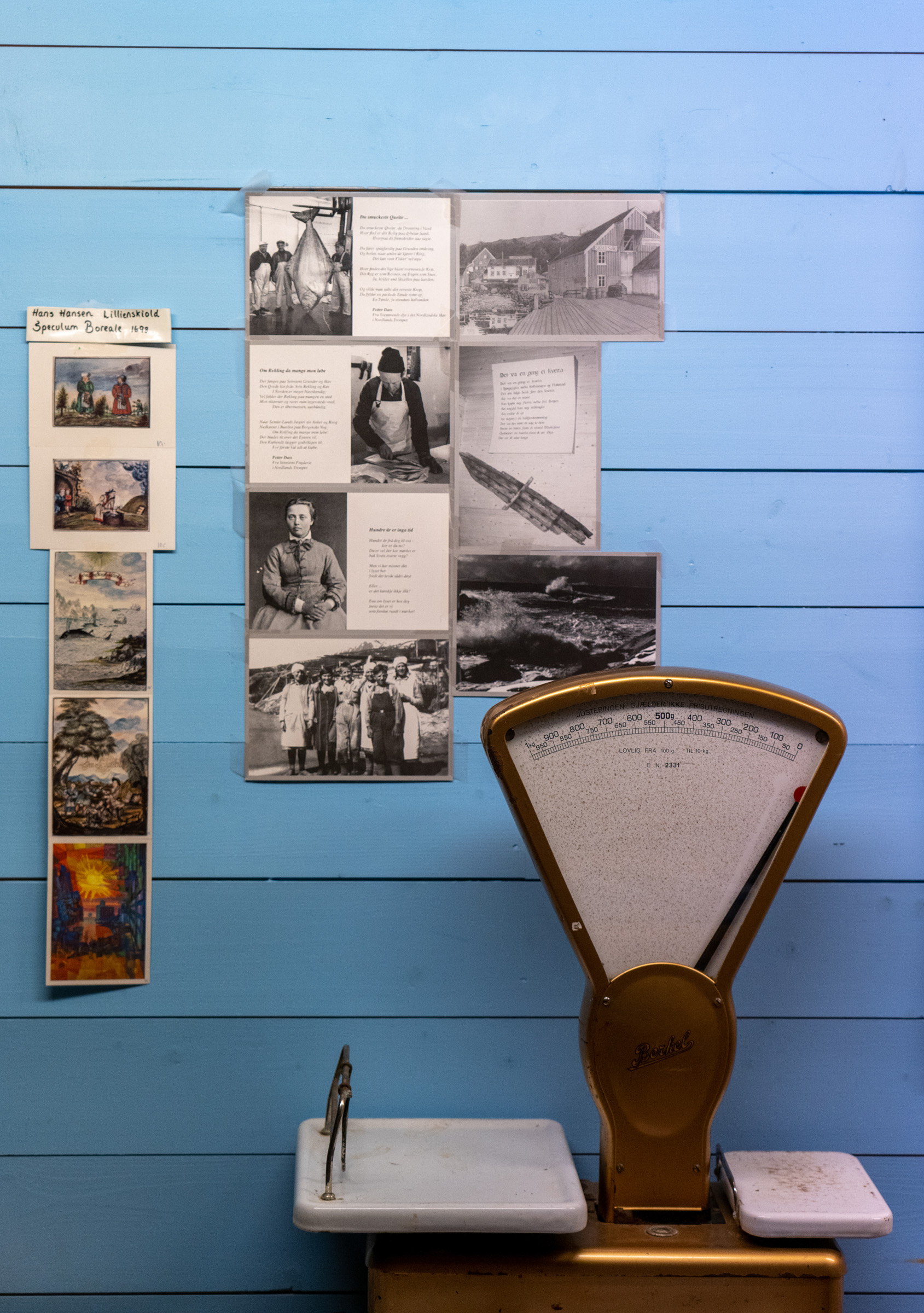
  • 03An old scale, old photos and small explanatory texts at the Kveitmuseet - Halibut Museum - at Skrolsvik, Senja © Dag Arild Larsen / MIdt-Troms museum
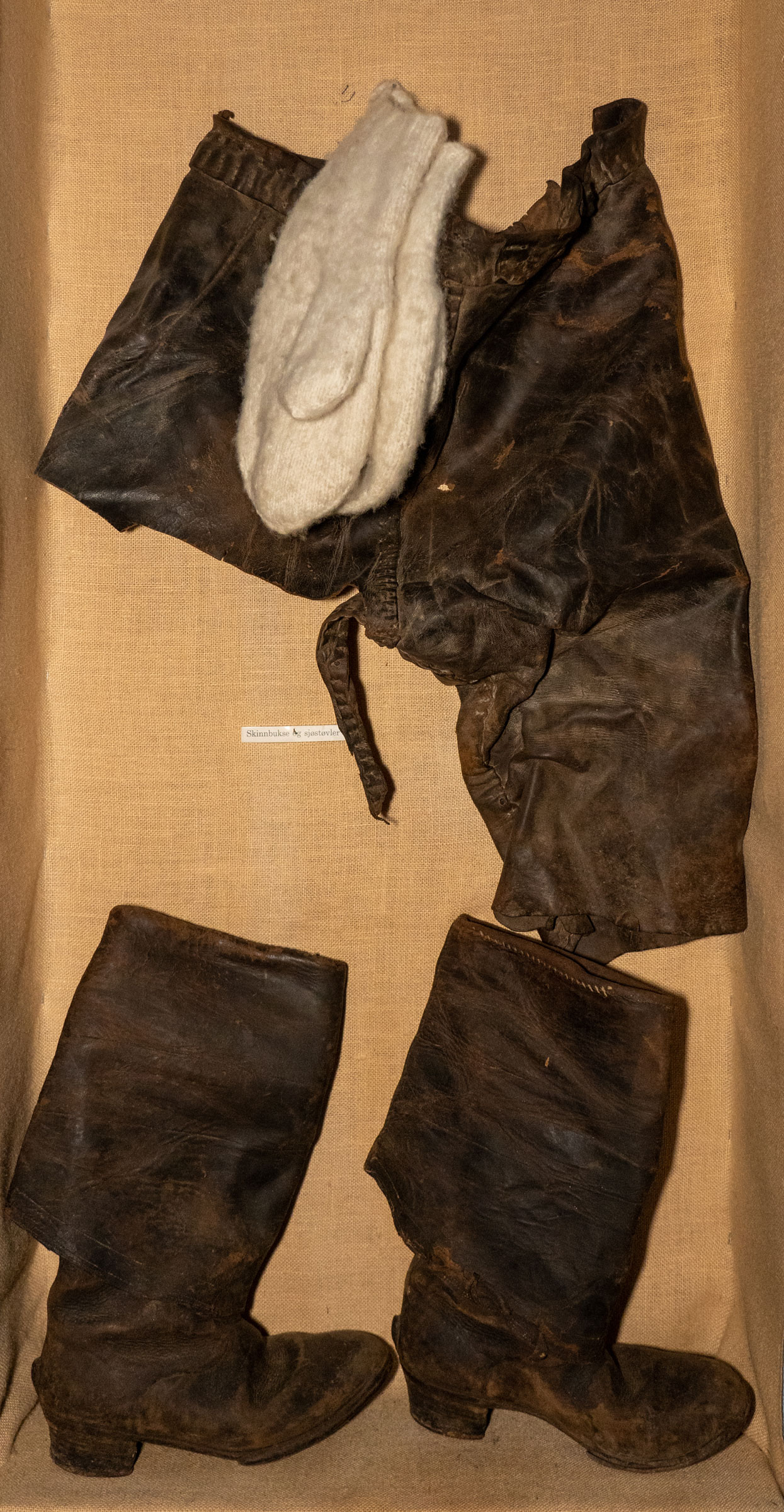
  • 04Woollen mittens and leather gear for winter fishing at the Kveitmuseet - Halibut museum - in Skrolsvik © Dag Arild Larsen / MIdt-Troms museum
01: The Kveitmuseet – The Halibut Museum – is located in an old wharf from the 1870ies © Dag Arild Larsen / MIdt-Troms museum
02: Glance towards the sheltered port at Skrolsvik from the Kveitmuseet – The Halibut Museum © Dag Arild Larsen / MIdt-Troms museum
03: An old scale, old photos and small explanatory texts at the Kveitmuseet – Halibut Museum – at Skrolsvik, Senja © Dag Arild Larsen / MIdt-Troms museum
04: Woollen mittens and leather gear for winter fishing at the Kveitmuseet – Halibut museum – in Skrolsvik © Dag Arild Larsen / MIdt-Troms museum

The halibut is a big bottom fish

The halibut – hippoglossus hippoglossus – is a large flunder living across the North Atlantic. It lives on the seabed, and catches fish and crustaceans within a limited area. Females can attain a length of more than 3 metres and weigh more than 300 kilos. Articles about giant halibuts  in local newspapers are much read, but their flesh is coarse and not very tasty. For human consumption, they should be less than 100 kilos.

The old trading post was based on halibut

Skrolsvik is a sheltered port on Senja’s southwestern extremity facing the Andfjord. The Andfjord is not a classic fjord, but rather a wide bay of the Atlantic between the large islands of Senja, Andøya and Hinnøya. Large parts of the seabed are quite shallow, making it rich is marine life, there are even coral reefs around. Here you also find the spawning grounds for the halibut. In the 1870ies the trading post was founded in Skrolsvik. In one season, they could catch up to 28 000 kilos of halibut, creating a solid surplus. Halibut nets were introduced in 1936. They were very efficient, and only after a few years most of the fishing stock had been fished up. The nets were banned, and they returned to the more traditional halibut rig. The stock thus recovered.
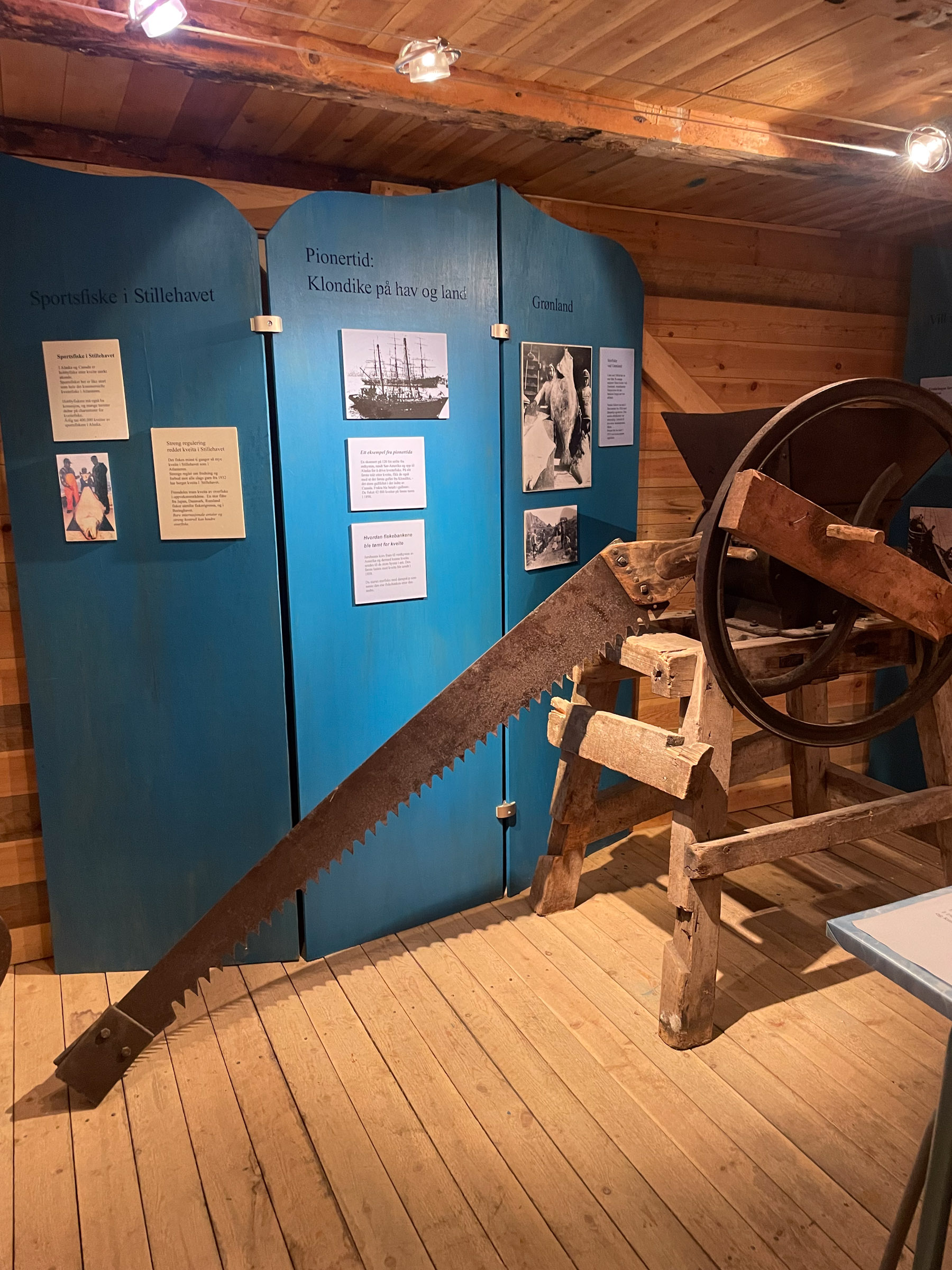
  • 01The exhibits at the Kveitmuseet - Halibut Museum - tell the tale of fishing and coastal culture © Julie Lauritzsen / Visit Senja Region
  • 02The fishing gear at the Kveitmuseet - Halibut museum - in Skrolsvik smells of salt sea © Julie Lauritzsen / Visit Senja Region
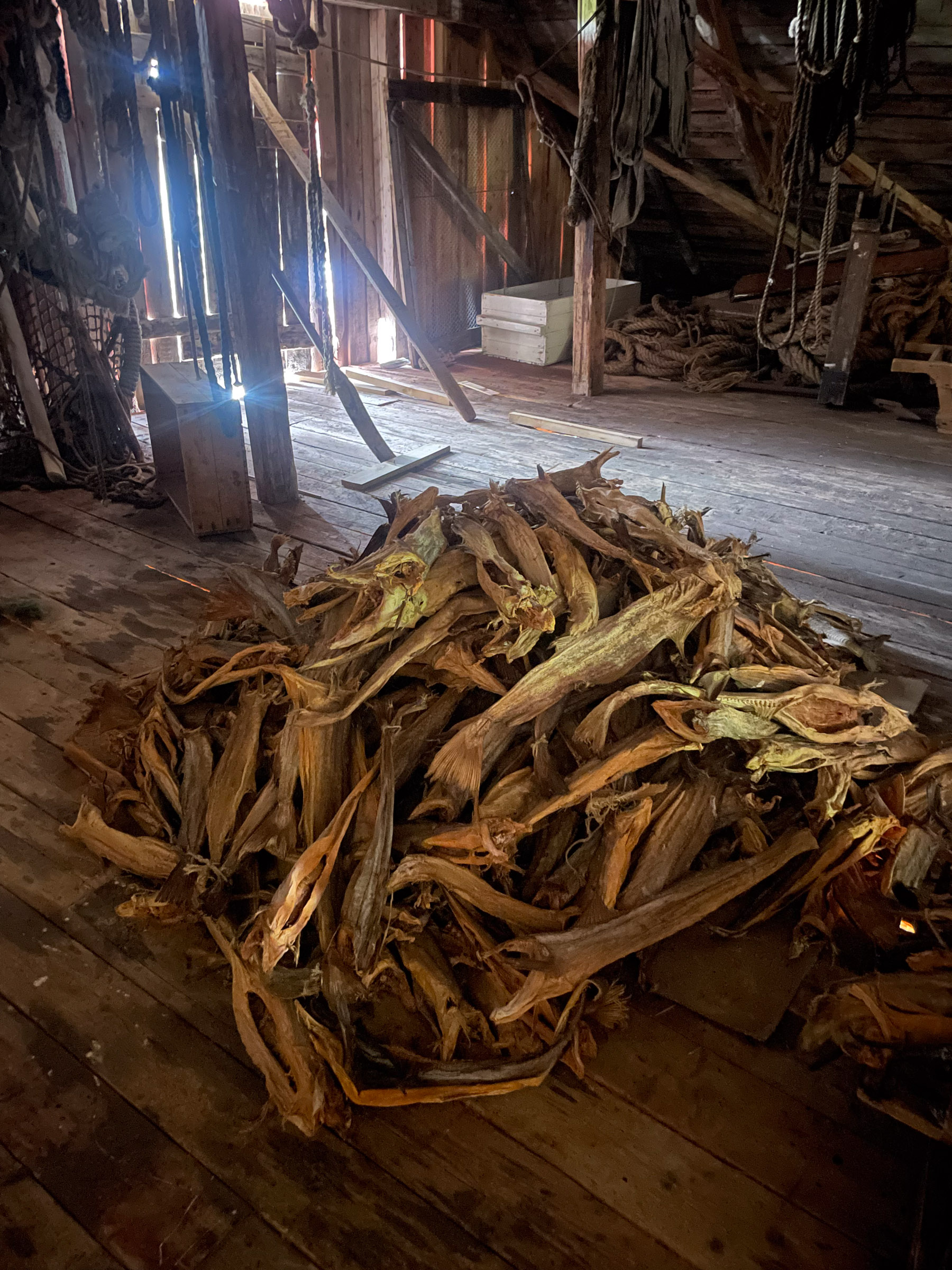
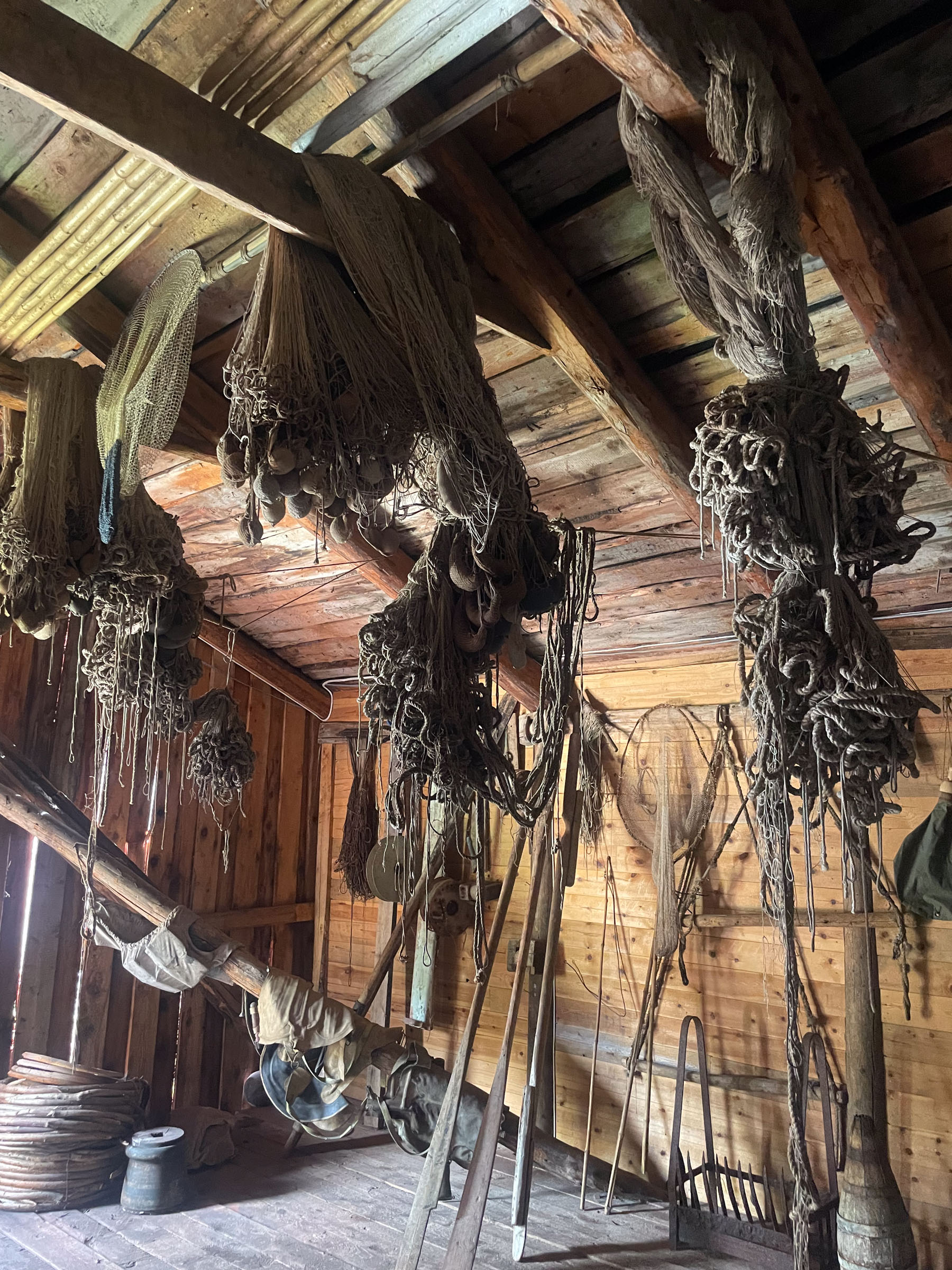
  • 03Stockfish at the loft of the Kveitmuseet - Halibut Museum - in Skrolsvik, Senja Island © Julie Lauritzsen / Visit Senja Region
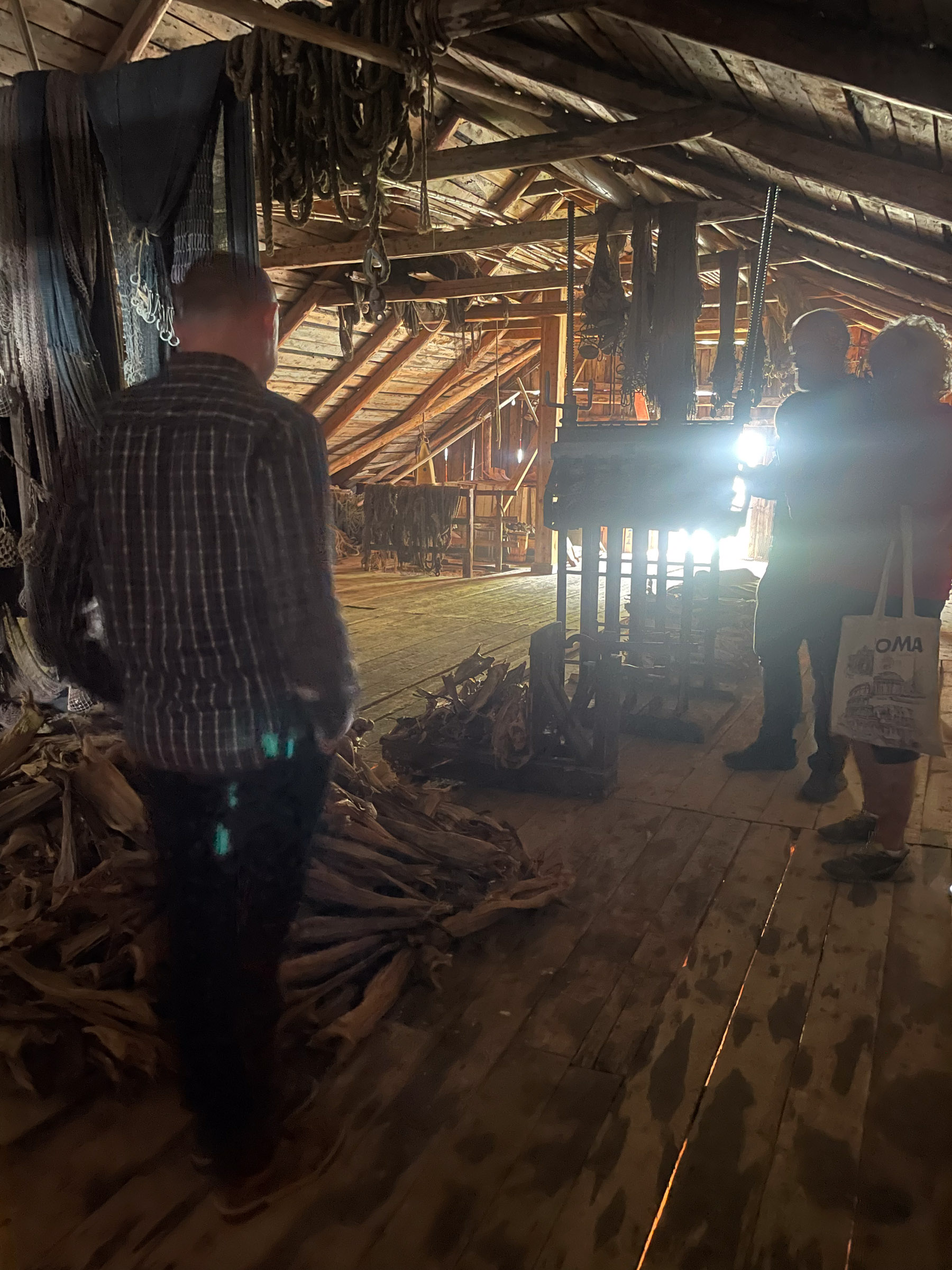
  • 04At the loft of the Kveitmuseum - Halibut Museum - at Skrolsvik, Senja © Julie Lauritzsen / Visit Senja Region
01: The exhibits at the Kveitmuseet – Halibut Museum – tell the tale of fishing and coastal culture © Julie Lauritzsen / Visit Senja Region
02: The fishing gear at the Kveitmuseet – Halibut museum – in Skrolsvik smells of salt sea © Julie Lauritzsen / Visit Senja Region
03: Stockfish at the loft of the Kveitmuseet – Halibut Museum – in Skrolsvik, Senja Island © Julie Lauritzsen / Visit Senja Region
04: At the loft of the Kveitmuseum – Halibut Museum – at Skrolsvik, Senja © Julie Lauritzsen / Visit Senja Region

The halibut is a sacred fish

In Norwegian, there are two names for halibut. In the north, we usually say kveita, which is derived from kvit – white. In south-eastern regions of Norway, it’s called hellefisk, derived from heilag – holy. This attests to the special status of this fish, and during the Catholic Middle Ages it was a favourite food during lent. It’s still referred to as a gudsfesk – a godly fish – and is compulsory food for Christmas. If a fisherman didn’t secure some halibut for Christmas, he would have to sit astride the boathouse in shame. Thus, one would take every precaution before fishing.

Keep the womenfolk away and use code language

Many things can scare the halibut away. Women should stay far away from the boat ahead of the crucial halibut fishing, as women in or close to the boat bring utur – bad luck. Steer your boat towards the sun when going out. Avoid talking about cows and horses. The fishing gear shouldn’t be mentioned by its right name, as one thought that the halibut could understand the word for “halibut rig” and elope. Also, the word “halibut” is a big no no, don’t let the fish understand the topic of conversation. Instead, creative euphemisms are found.
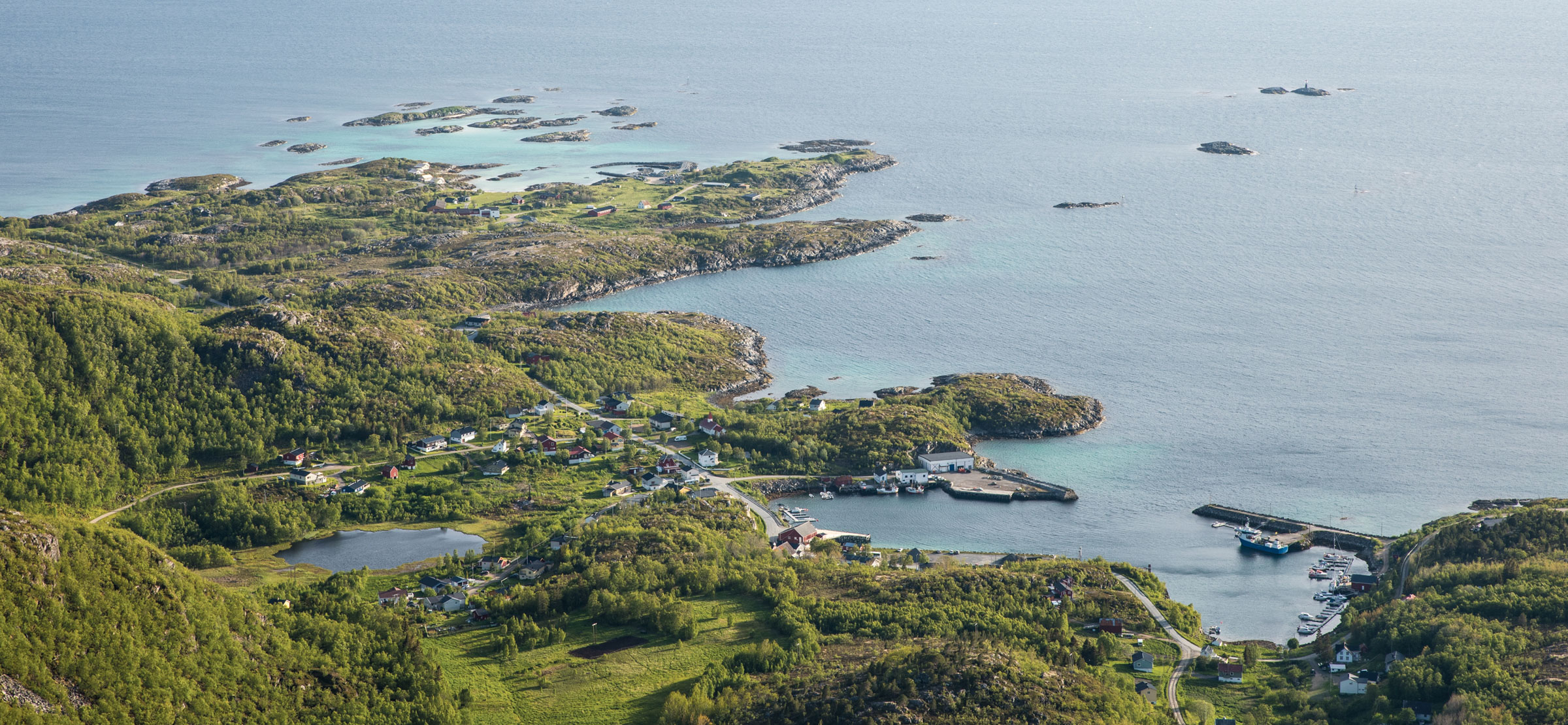
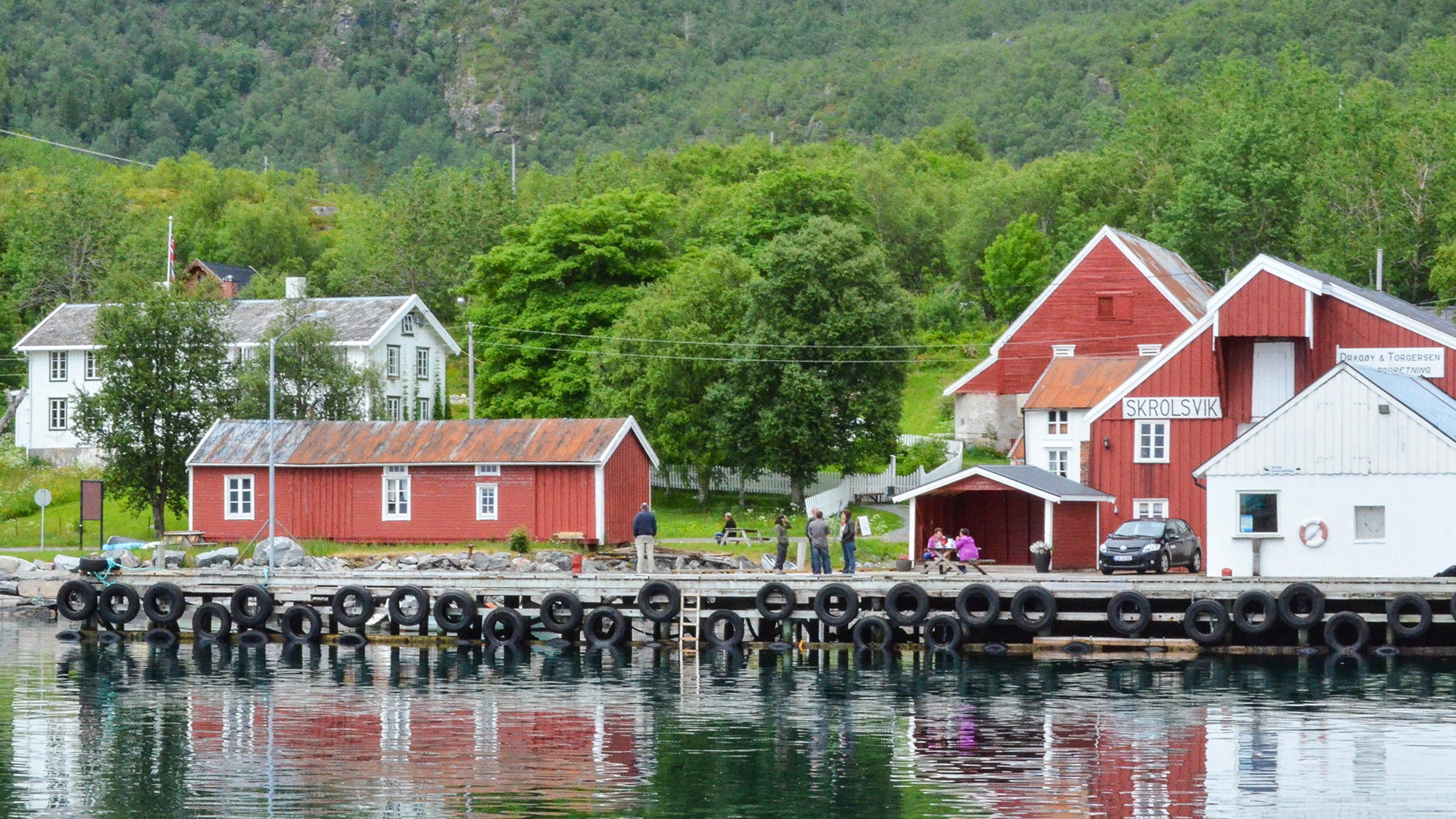
  • 01View of Skrolsvik on Senja's south-western tip. The Halibut Museum is the red wharf in the harbour below the centre of the photo. The upper left area is the Skrolsvik Fort area. The fortress was established by the German occupying forces, and used by the Norwegian navy until 1991 © Dag Arild Larsen / Midt-Troms museum
  • 02Kveitmuseet - The Halibut Museum - is found in picturesque, historic surroundings in Skrolsvik. The museum at the right, and the white house behind it (you see but a corner of it) is the Old Shop © Dag Arild Larsen / MIdt-Troms museum
01: View of Skrolsvik on Senja's south-western tip. The Halibut Museum is the red wharf in the harbour below the centre of the photo. The upper left area is the Skrolsvik Fort area. The fortress was established by the German occupying forces, and used by the Norwegian navy until 1991 © Dag Arild Larsen / Midt-Troms museum
02: Kveitmuseet – The Halibut Museum – is found in picturesque, historic surroundings in Skrolsvik. The museum at the right, and the white house behind it (you see but a corner of it) is the Old Shop © Dag Arild Larsen / MIdt-Troms museum
Senja

16 hikes on Senja Island offer endless beauty

Hiking trips
Senja

The Senja autumn is a drama of colours and weather

Norwegian Scenic Routes

Haill means hooking up for luck

But women still played a crucial role in fishing. One measurement to ensure fishing luck is to practice a bit of marital harmony before setting off to the fishing grounds, referred to as haill. This expression was to begin with used exclusively when referring to a pre-halibut fishing rendez-vous but is now used and practised ahead of any kind of fishing. Of course, today the expression haill is an endlessly popular theme over a glass of beer, but back in the day this was taken very seriously.

Halibut is a delicacy

Halibut is a fish that you can eat poached or panfried, lately often cooked in the oven. Melted butter, potatoes and boiled carrots are traditional condiments. If you upgrade the butter to Sandefjord-style butter sauce, a beurre blanc or a hollandaise, you don’t go very wrong. The firm, tasty and mild fish meat is also excellently suited for fancy novelties like sushi, sashimi and ceviche. However, an almost forgotten traditional snack is kveiterekling – made from the fattiest part of the halibut around the finns. Cut in strips, it’s left to dry. It is enjoyed as a snack, and you end up licking your fingers with the delicious and healthy halibut fat. Even after the museum took over the place in the early nineties, kveiterekling was produced in the loft of the building.
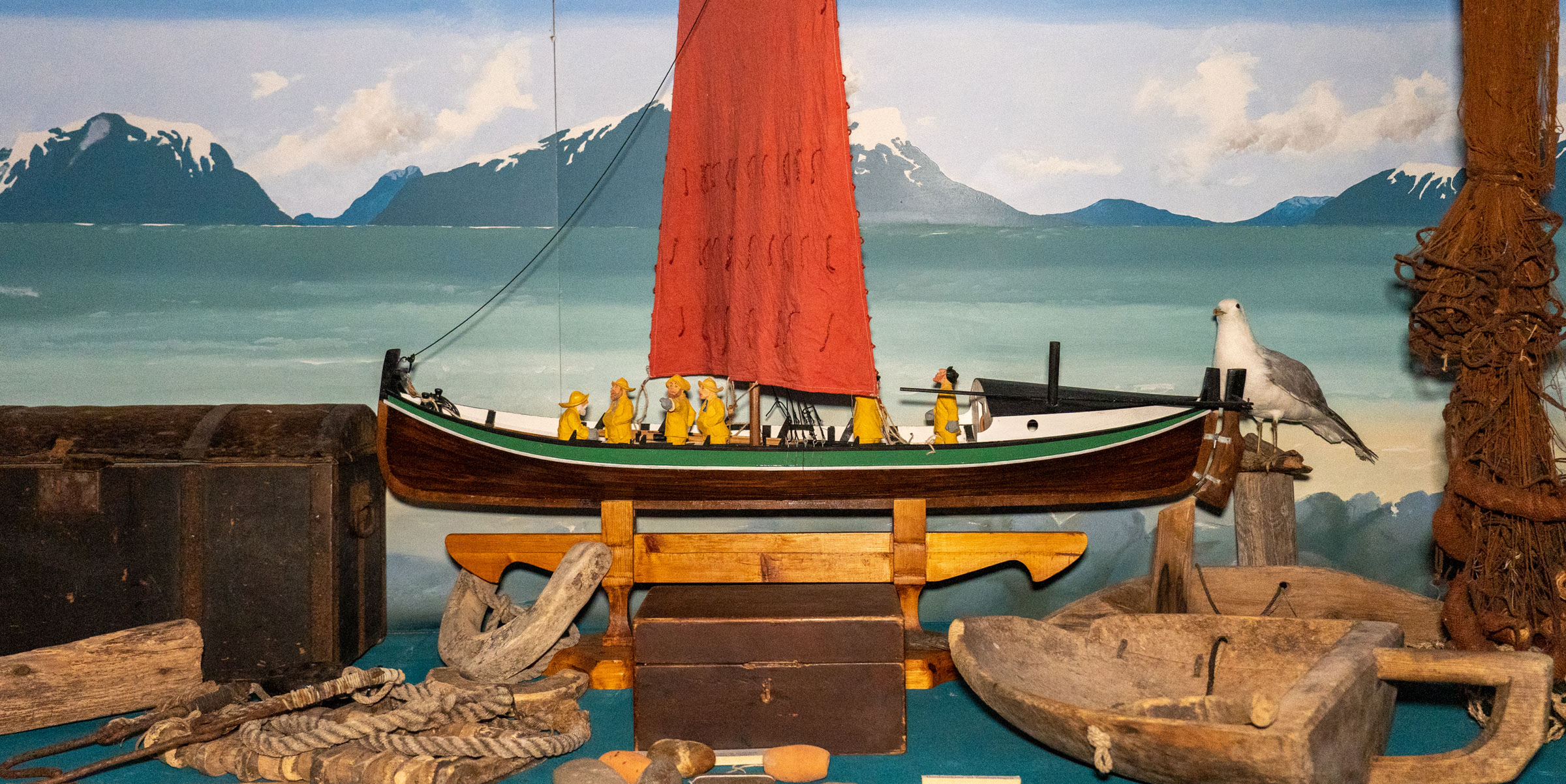
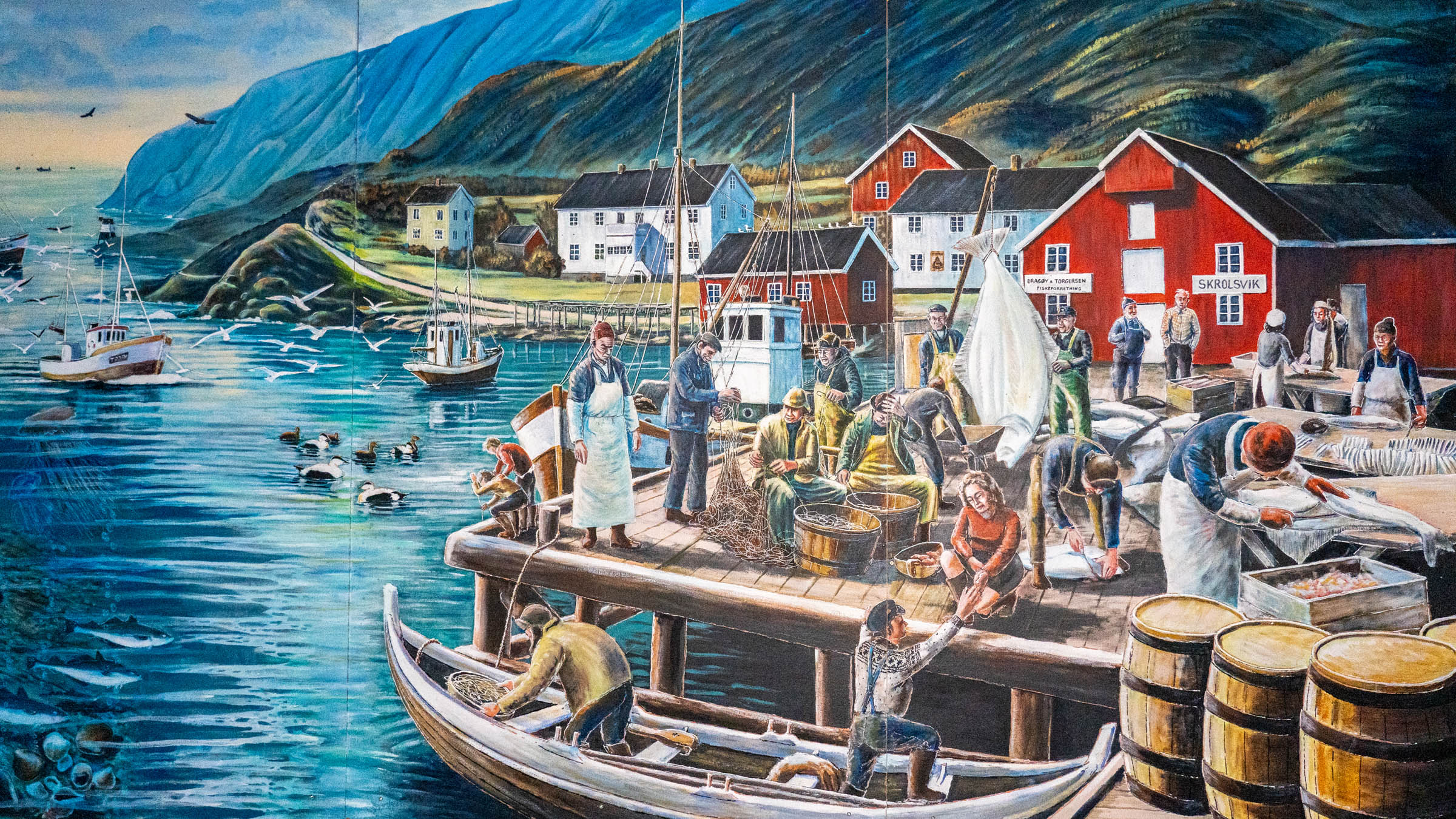
  • 01Illustration at the Kveitmuseet - Halibut Museum - at Skrolsvik, Senja © Dag Arild Larsen / MIdt-Troms museum
  • 02At the dock in Skrolsvik © Dag Arild Larsen / MIdt-Troms museum
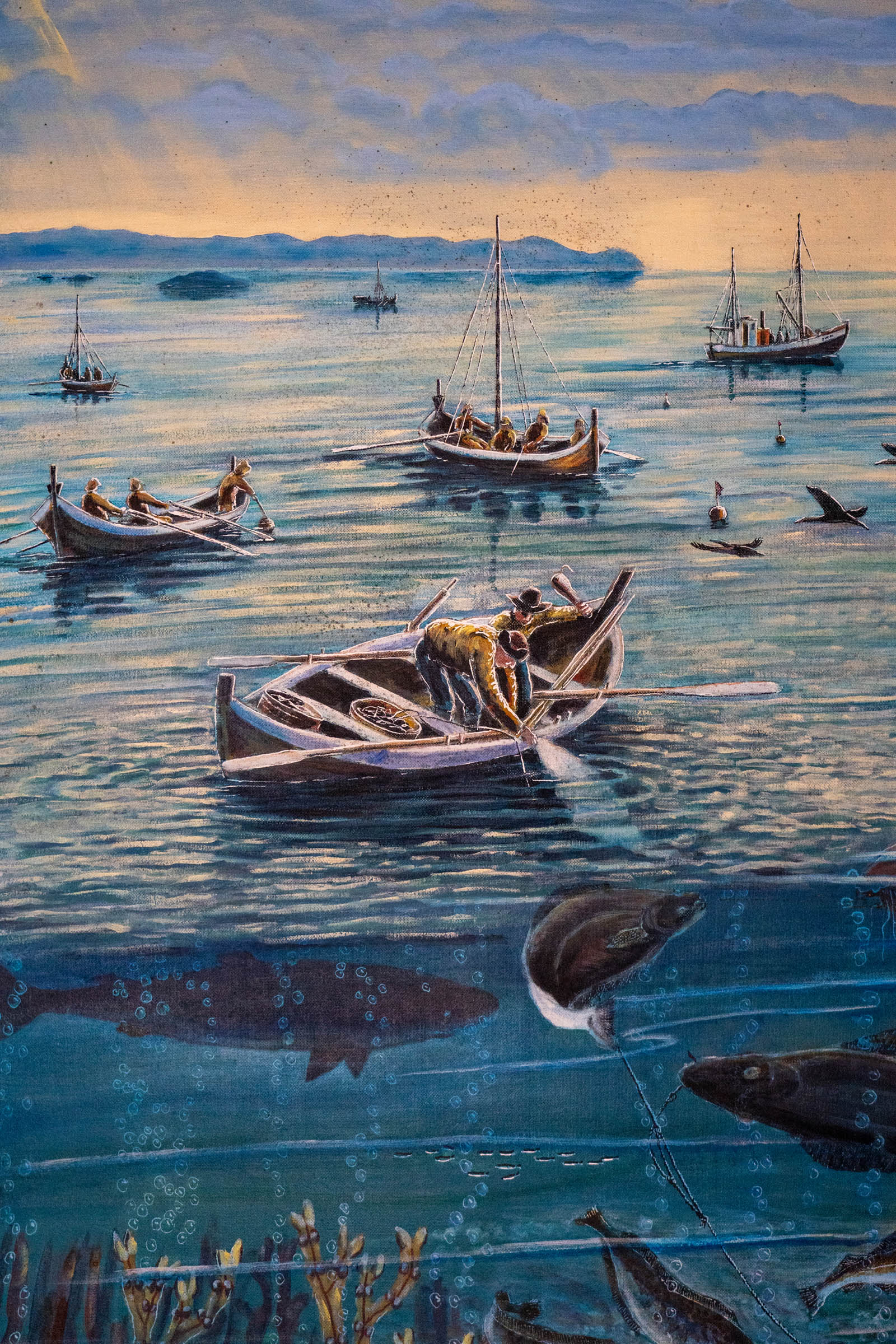
  • 03Halibut fishing at the Andfjord, with both traditional Nordland boats and then modern motorised boats, early 20th c. Illustration at the Kveitmuseet - Halibut Museum - in Skrolsvik © Dag Arild Larsen / MIdt-Troms museum
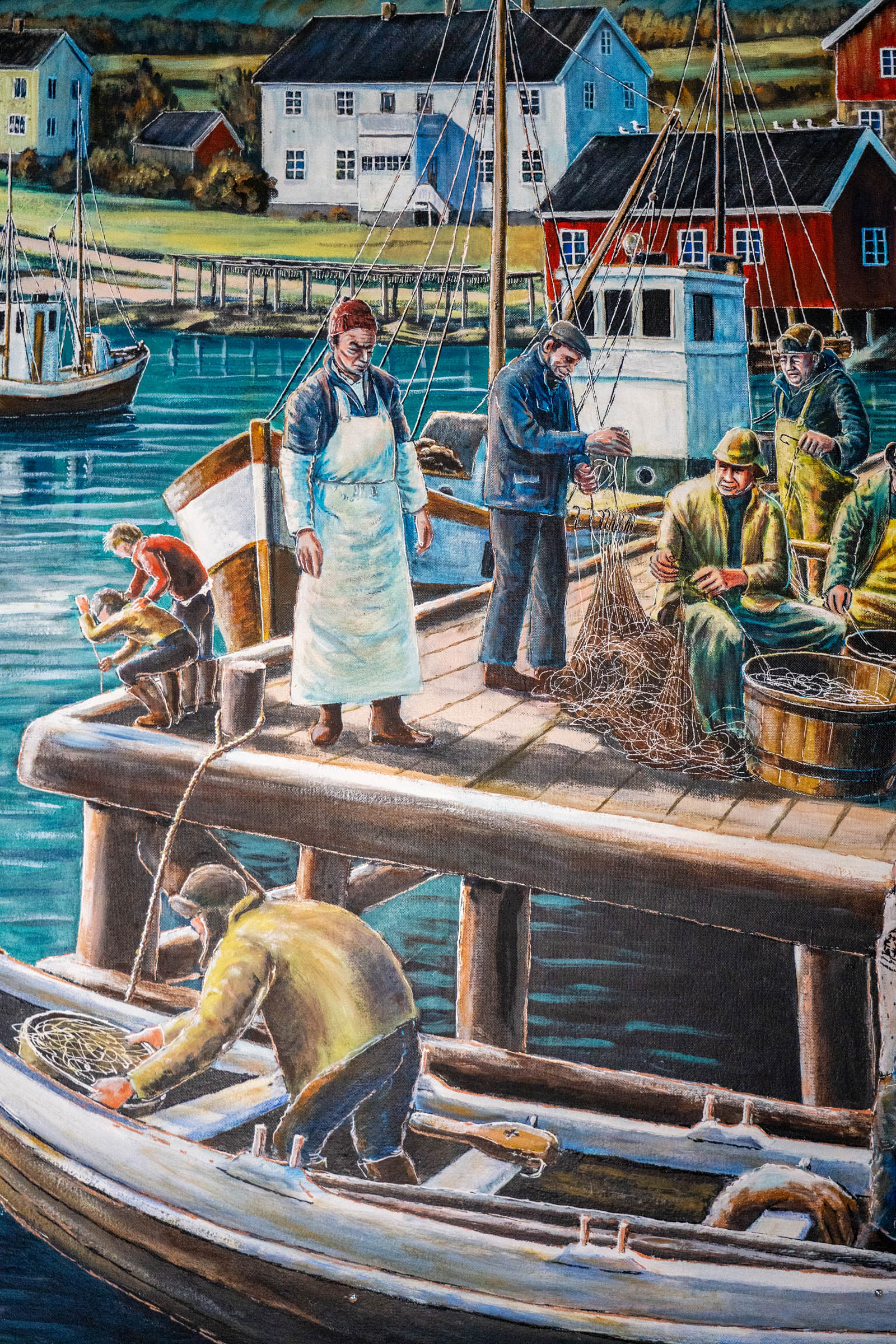
  • 04Hectic activity at the Skrolsvik dock. Illustration at the Kveitmuseet - Halibut Museum © Dag Arild Larsen / MIdt-Troms museum
01: Illustration at the Kveitmuseet – Halibut Museum – at Skrolsvik, Senja © Dag Arild Larsen / MIdt-Troms museum
02: At the dock in Skrolsvik © Dag Arild Larsen / MIdt-Troms museum
03: Halibut fishing at the Andfjord, with both traditional Nordland boats and then modern motorised boats, early 20th c. Illustration at the Kveitmuseet – Halibut Museum – in Skrolsvik © Dag Arild Larsen / MIdt-Troms museum
04: Hectic activity at the Skrolsvik dock. Illustration at the Kveitmuseet – Halibut Museum © Dag Arild Larsen / MIdt-Troms museum

Tour the museum

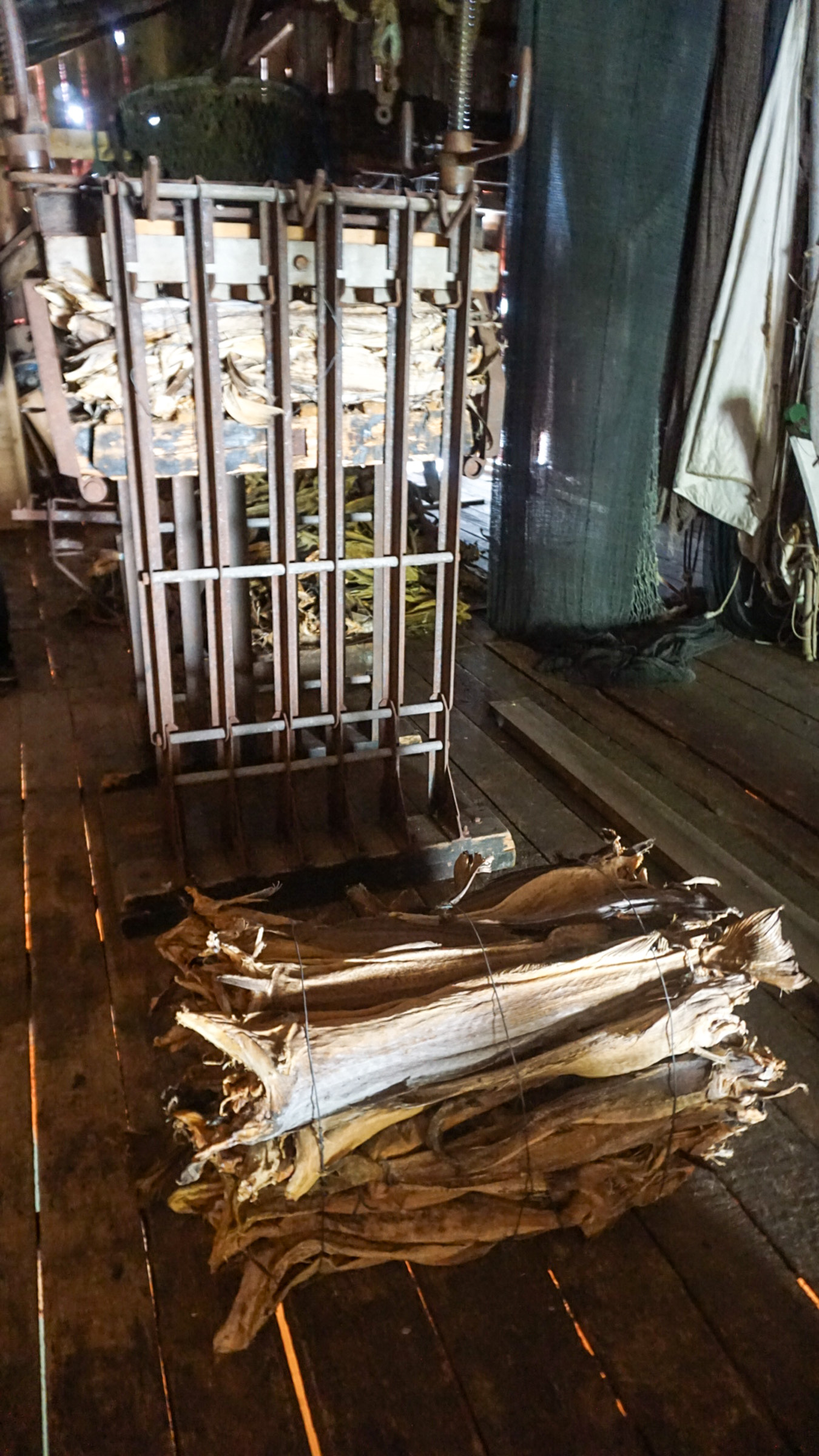
The museum is housed in a traditional red-painted brygge – a warehouse – used by the old trading post. Small displays explain the history of halibut fishing, complete with old black-and-white photos. Many popular beliefs are also well-explained. An interesting parallel is drawn to the Tlingit people on Canada’s Pacific coast. Their traditional pacific halibut fishing is equally rich in rituals and beliefs.  Then head up the stairs to the storage on the top floor. Here you stumble across traditional wooden fish cases. Stacks of stockfish surround the stockfish scale, and there is fishing gear everywhere like halibut rigs with hooks and glass floats for fishing nets. It all smells of salt sea and fish. One can often get a little introduction, and then snooze around alone.
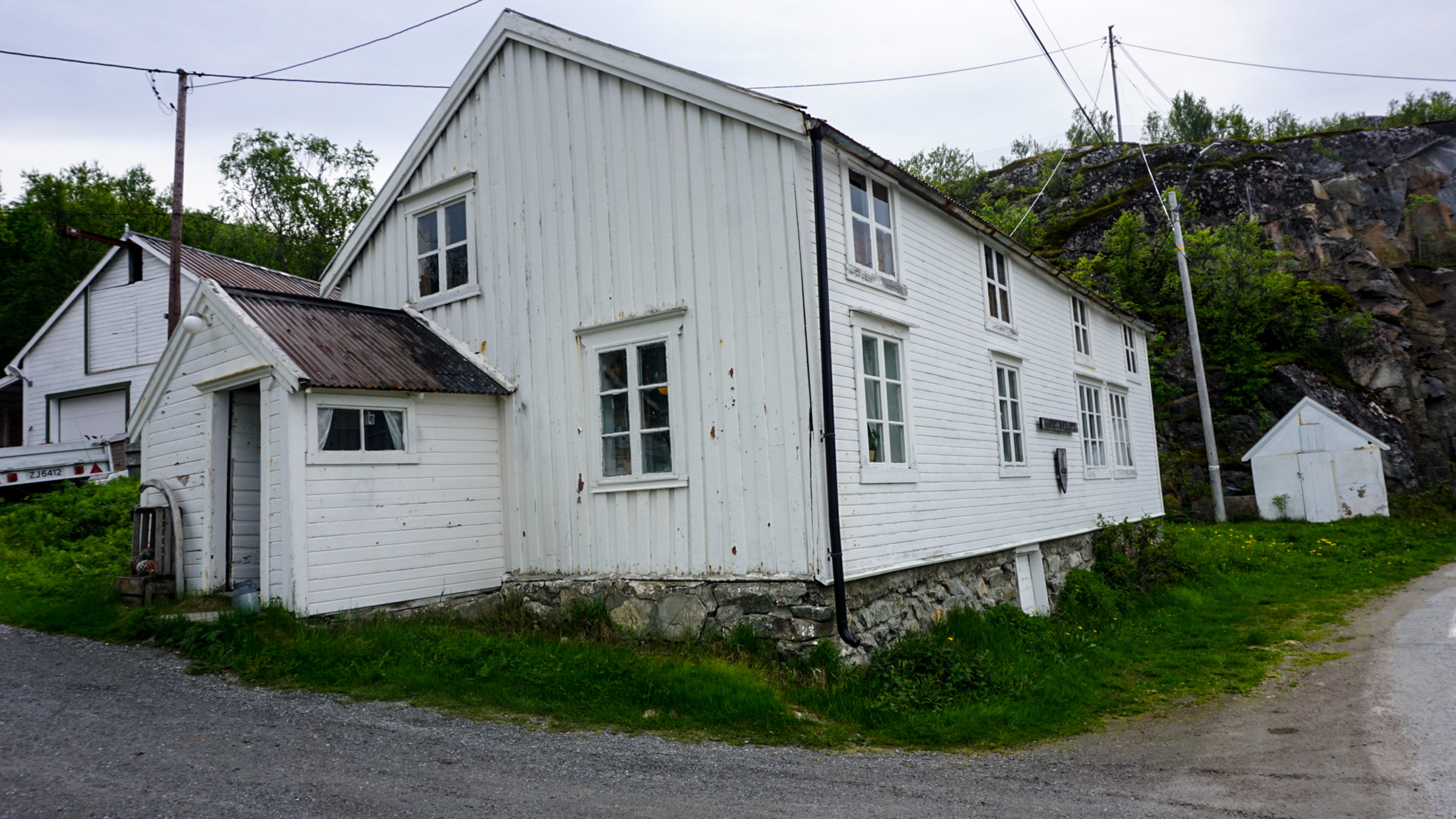
  • 01The Old shop used to be part of the same complex at the warehouse now housing the Kveitmuseet - Halibut Museum © Knut Hansvold
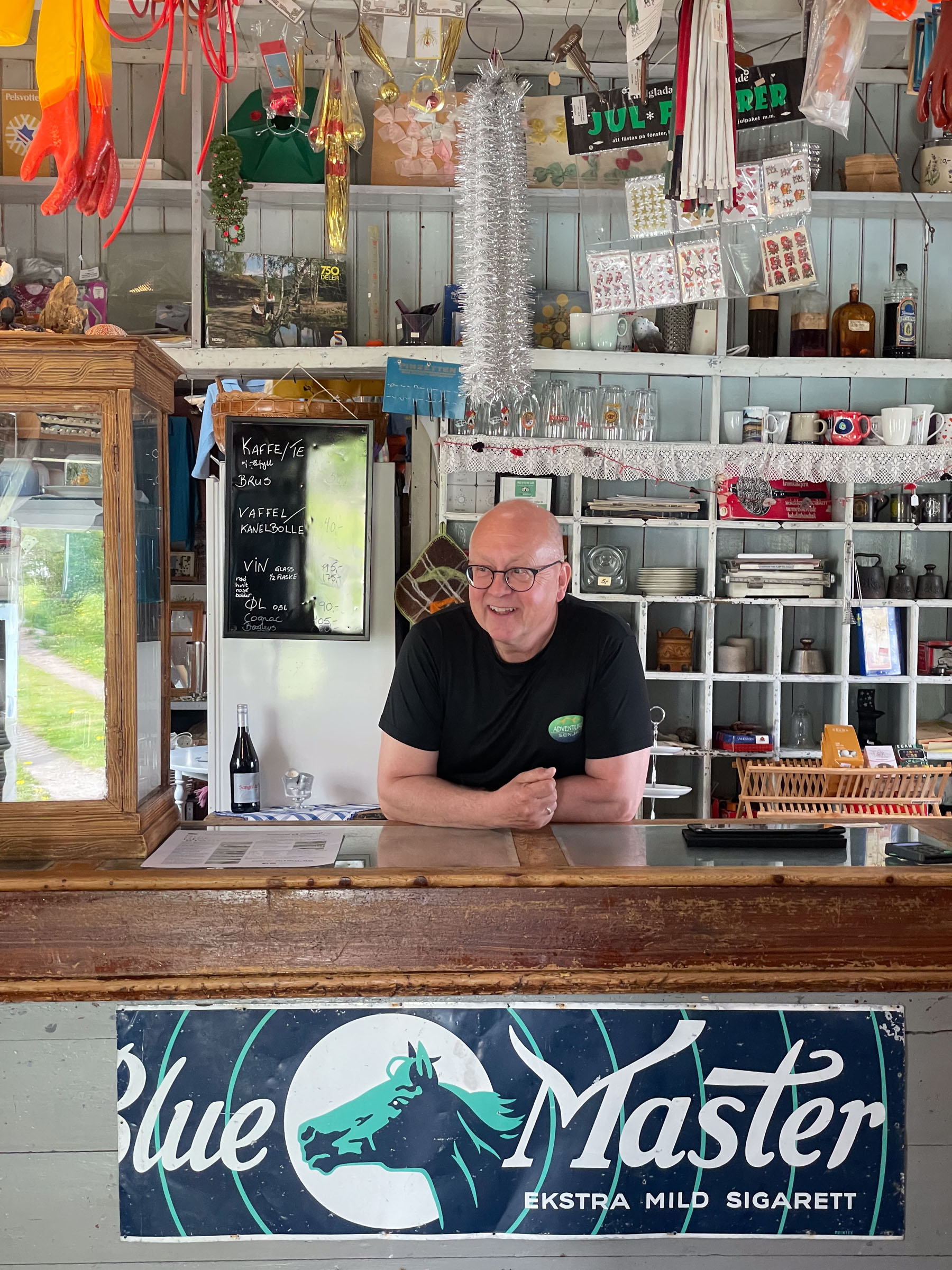
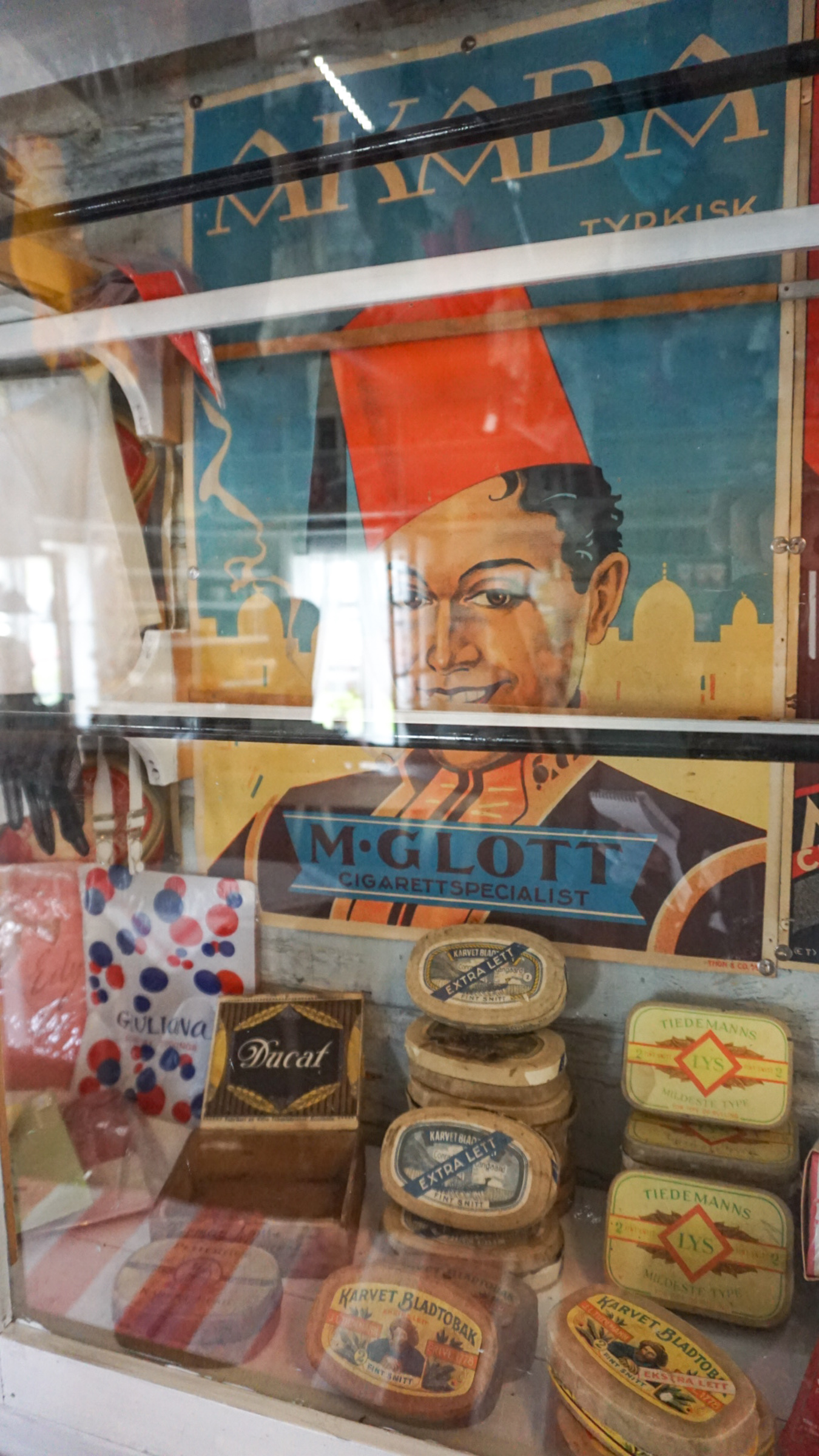
  • 02Tobacco not for sale at the old shop in Skrolsvik © Knut Hansvold
  • 03Skrolsvik is a picturesque fishing village © Knut Hansvold
  • 04Welcome to the old shop in Skrolsvik © Julie Lauritzsen / Visit Senja Region
01: The Old shop used to be part of the same complex at the warehouse now housing the Kveitmuseet – Halibut Museum © Knut Hansvold
02: Tobacco not for sale at the old shop in Skrolsvik © Knut Hansvold
03: Skrolsvik is a picturesque fishing village © Knut Hansvold
04: Welcome to the old shop in Skrolsvik © Julie Lauritzsen / Visit Senja Region

Finish the visit in the old shop

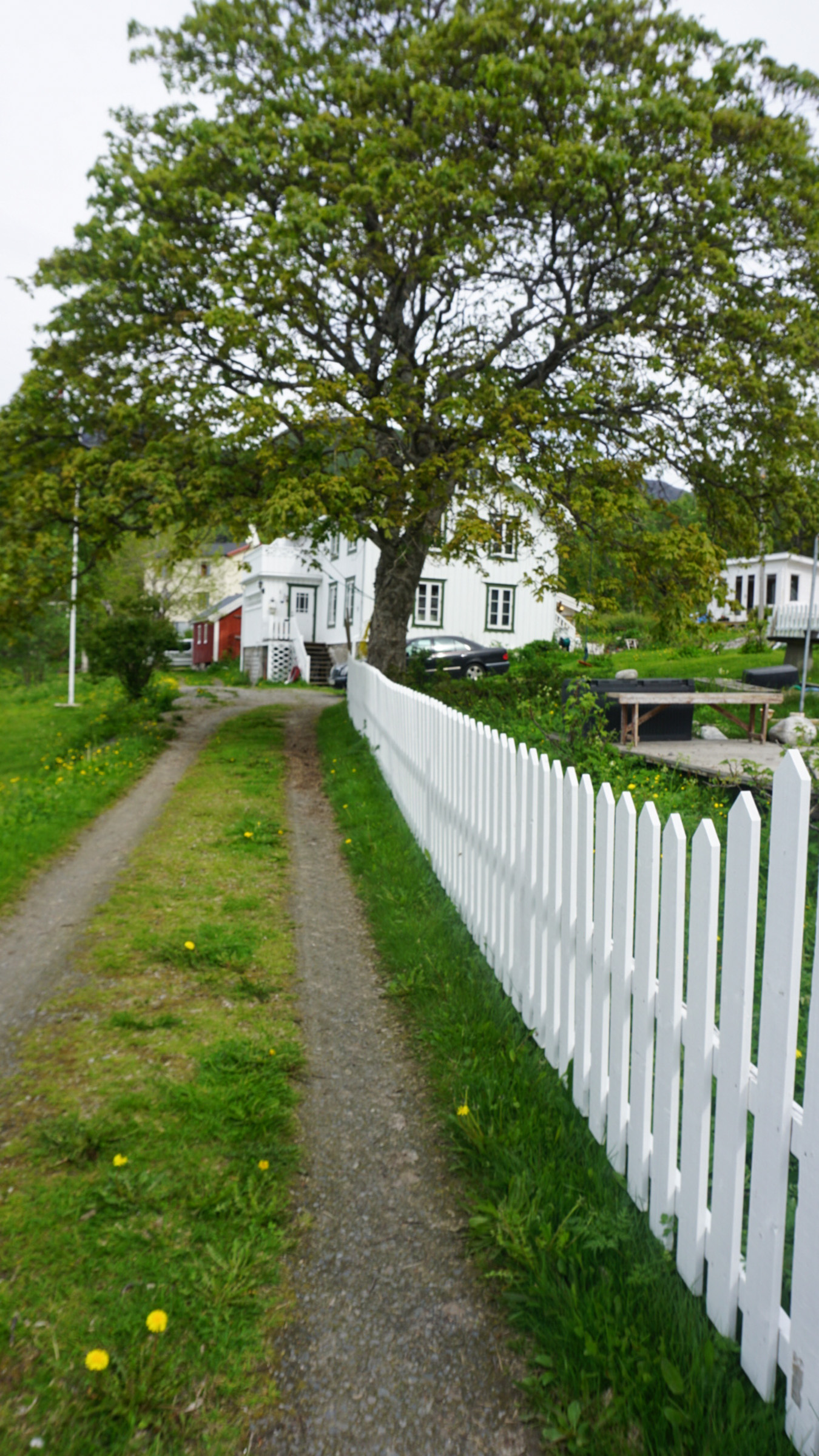
Across the village road, the old shop belonging to the trading post can be found. This is a traditional shop with buckets and fishing gear for sale hanging from the ceiling. When we were there, a local lady in her golden years chuckled; “oh, there is that hair tonic grandpa used to drink”. Waffles and coffee are often available, and you can buy fun little souvenirs, knitted socks and mittens and have a look at their second hand store in the back room. And most of all, it gives a feel of how the fishermen would stop by to buy necessities and occasional luxuries after having delivered the halibut to the Skrolsvik trader. The shop is not part of the museum, but opening hours often coincide with those of the museum.
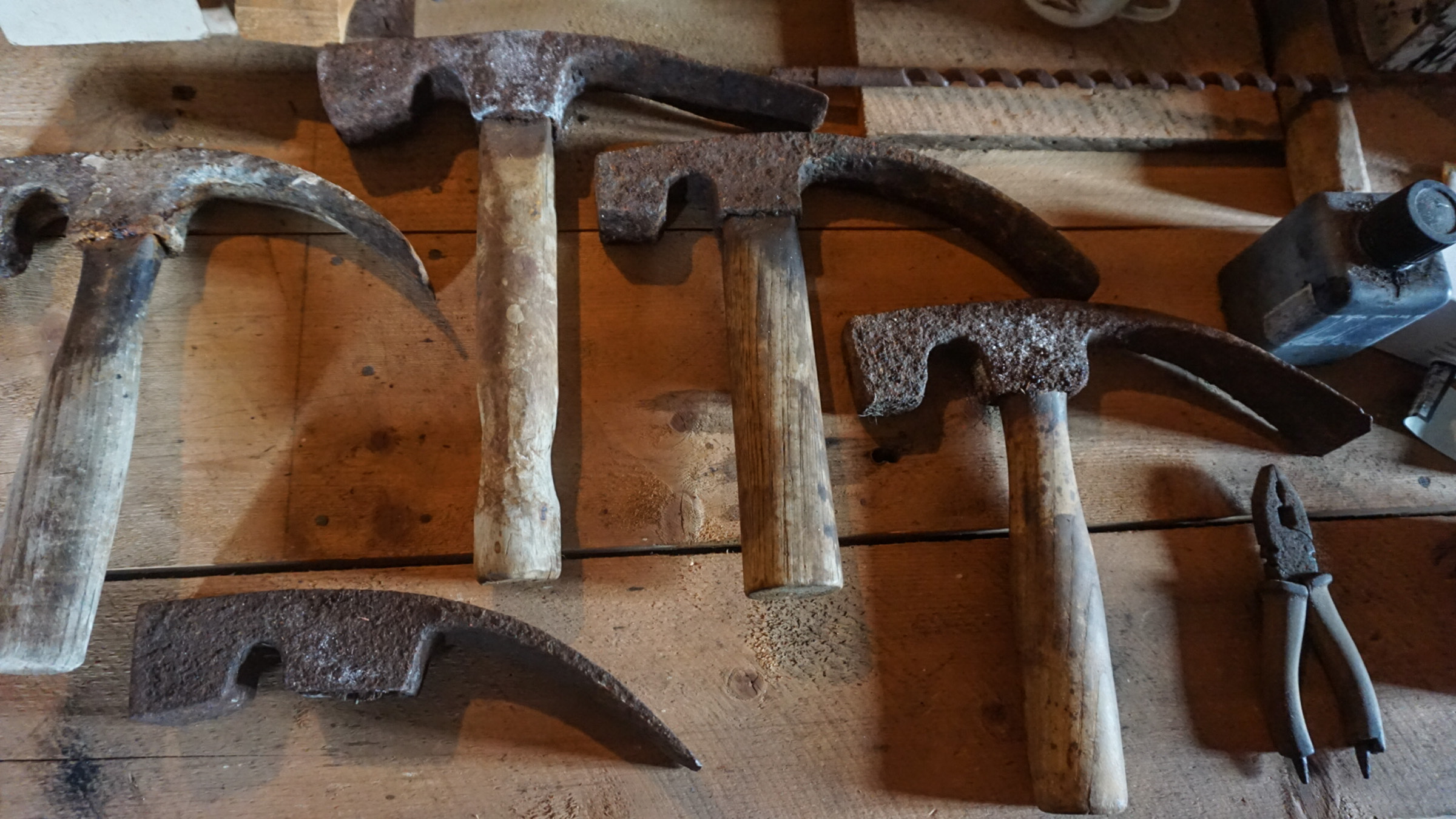
  • 01Tools at the Kveitmuseet - Halibut Museum - at Skrolsvik, Senja © Knut Hansvold
  • 02The Kveitmuseet - Halibut Museum - in Skrolsvik. In the front we see the bread oven. When the wives of the fishermen had bought flour, they could make the dough and bake the bread in this oven before returning home © Knut Hansvold
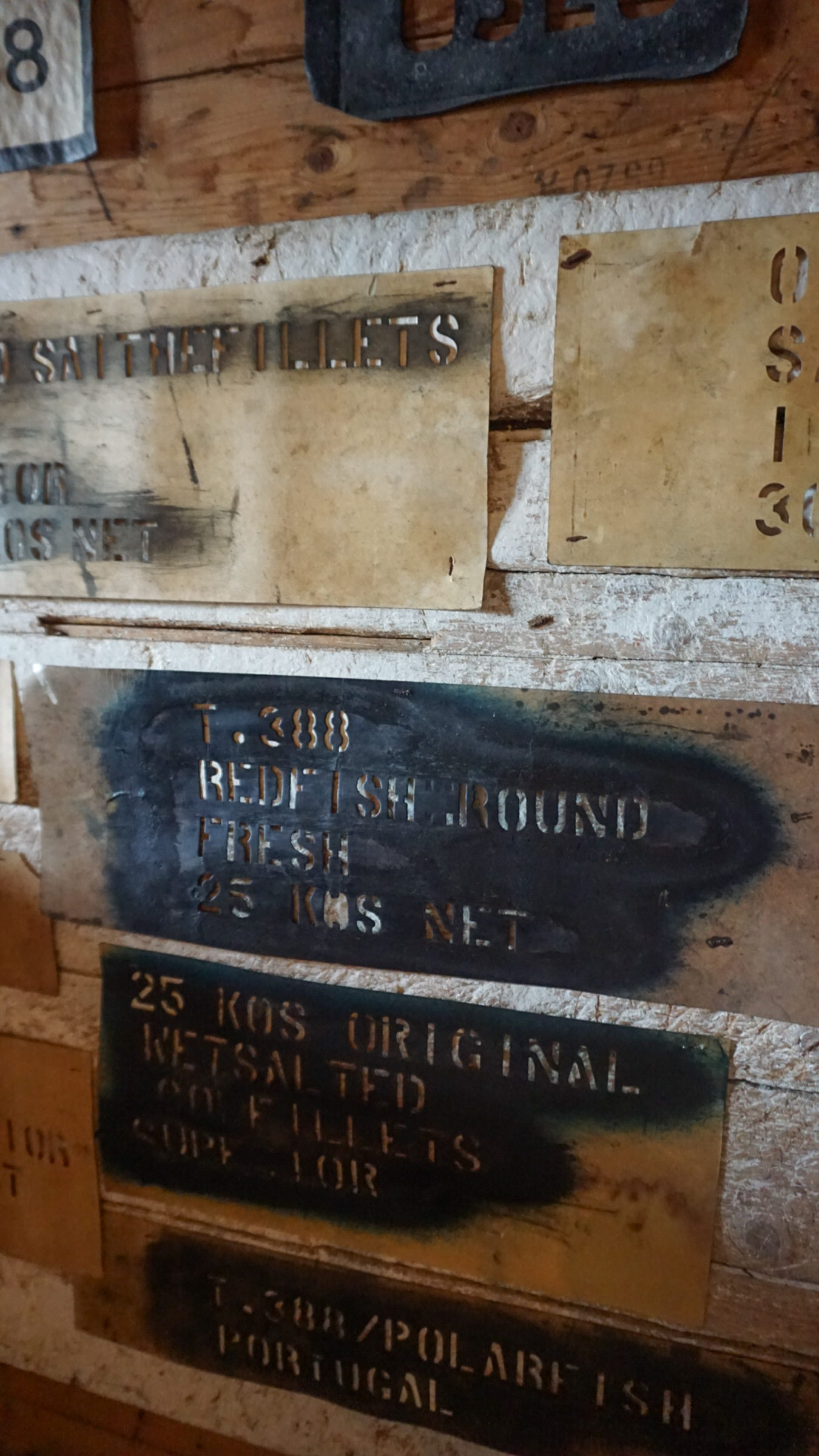
  • 03The Fish cases destined for export had to be labelled. Kveitmuseet - The Halibut Museum - in Skrolsvik © Knut Hansvold
  • 04Stockfish press at the Kveitmuseet - Halibut Museum - in Skrolsvik © Knut Hansvold
01: Tools at the Kveitmuseet – Halibut Museum – at Skrolsvik, Senja © Knut Hansvold
02: The Kveitmuseet – Halibut Museum – in Skrolsvik. In the front we see the bread oven. When the wives of the fishermen had bought flour, they could make the dough and bake the bread in this oven before returning home © Knut Hansvold
03: The Fish cases destined for export had to be labelled. Kveitmuseet – The Halibut Museum – in Skrolsvik © Knut Hansvold
04: Stockfish press at the Kveitmuseet – Halibut Museum – in Skrolsvik © Knut Hansvold

Good to know about the Halibut Museum

This is a small, local museum, and should take you around half an hour to visit.

Skrolsvik is found on the southwestern tip of the island of Senja, in the municipality of Senja.

It is easy to drive to Skrolsvik from notably the regional centre of Finnsnes, which should take you a good hour. There is also a catamaran from the city of Harstad to Skrolsvik most days of the week.

Check the website for Midt-Troms Museum (Central Troms Museum – the organisation for many local museums – fun to browse around…)

Visit Senja Region operates an excellent website with many tips.

Along the southern coast of Senja, there are several small campsites with comfortable huts, guesthouses and resorts. Nothing is big, all is homely and cozy. Check Visit Senja Region’s website for an overview.


Kristoffer went hunting for the Northern Lights in Senja

Northern Lights
Senja

The Norwegian Scenic Route winds around Senja’s outer coast

Norwegian Scenic Routes
  • About us
  • Privacy statement
  • Our social channels for visitors
  • Our business channels and media tools
  • Guest Survey

NordNorsk Reiseliv AS

+47 901 77 500
post@nordnorge.com

Bodø

Tollbugata 13, Bodø

Tromsø

Storgata 69, Tromsø

Alta

Markveien 38b
9510 Alta

Org. no. 994 153 862

© 2026