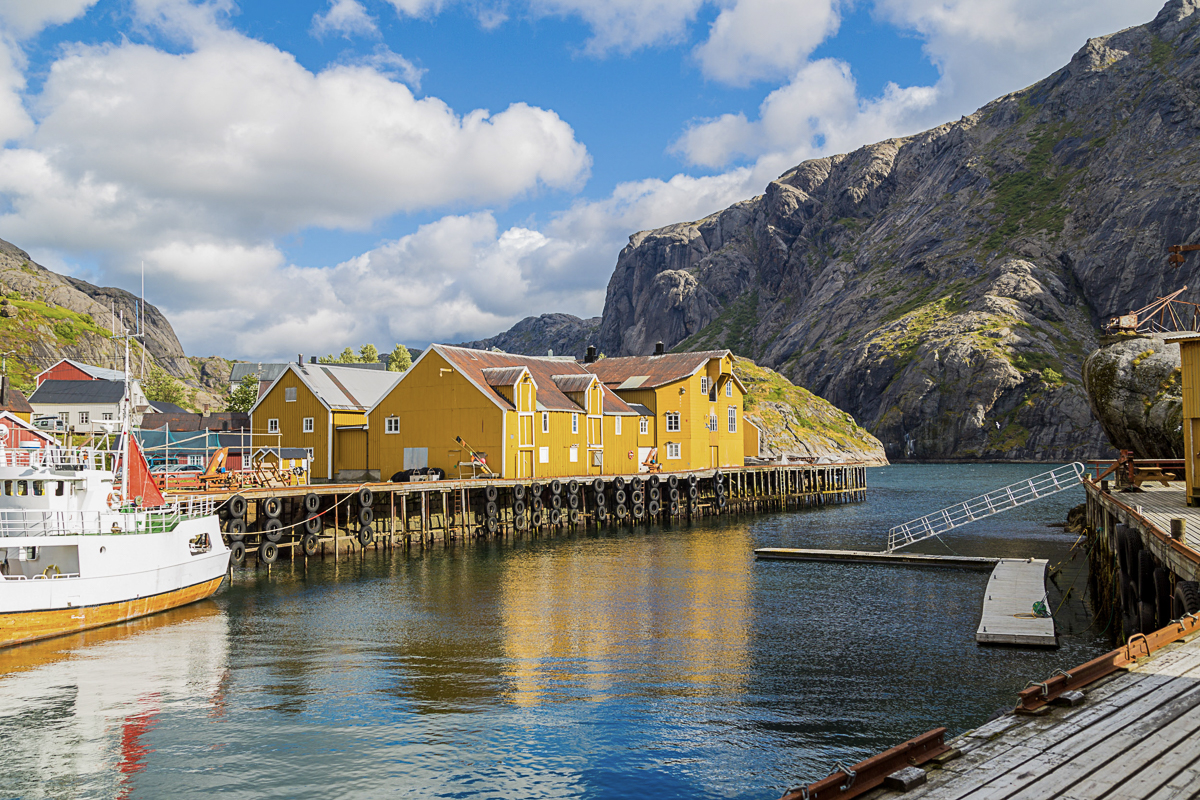
At the outermost edge of Lofoten, 100 km (60 miles) from the mainland, is a flat island with a tiny population, surrounded by craggy islands and almost a million seabirds. Winter is hectic, fishing for cod and drying it for the Italian market, but in summer, Røst is a place for locals and tourists to relax.
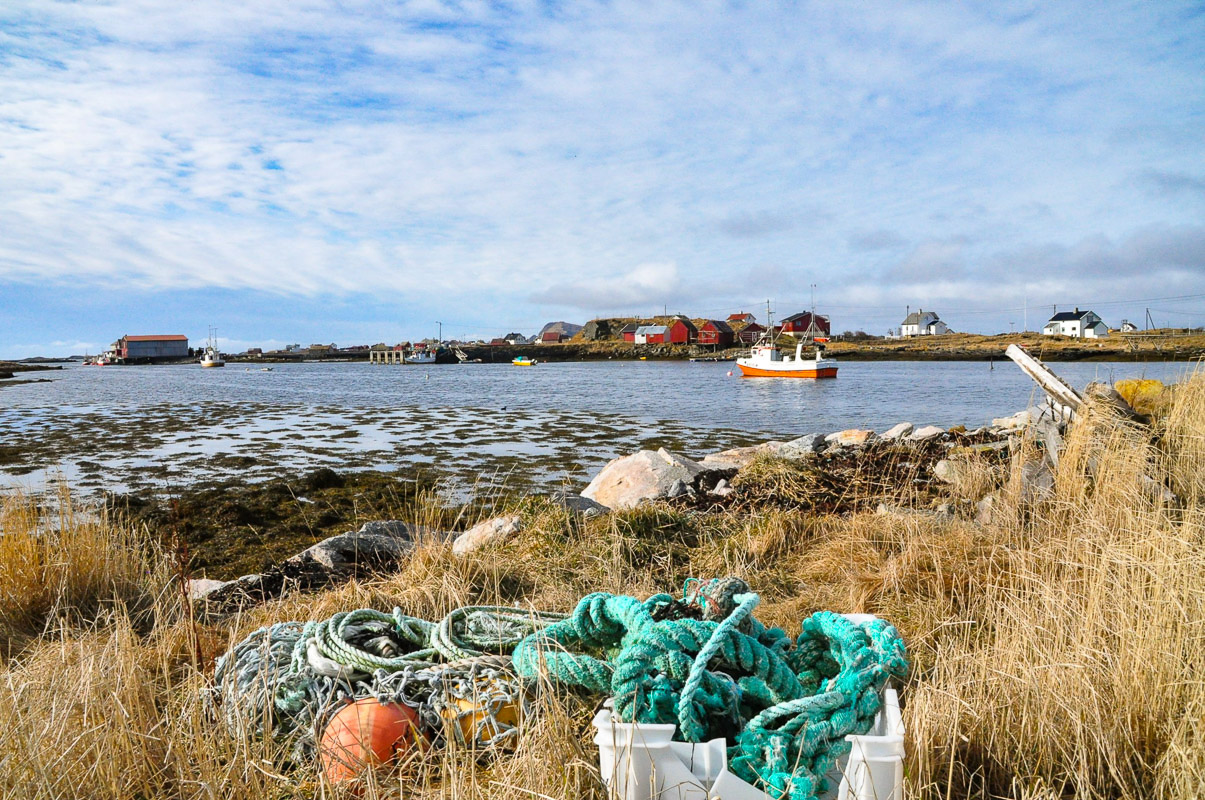
The industry in Røst is centred around stockfish
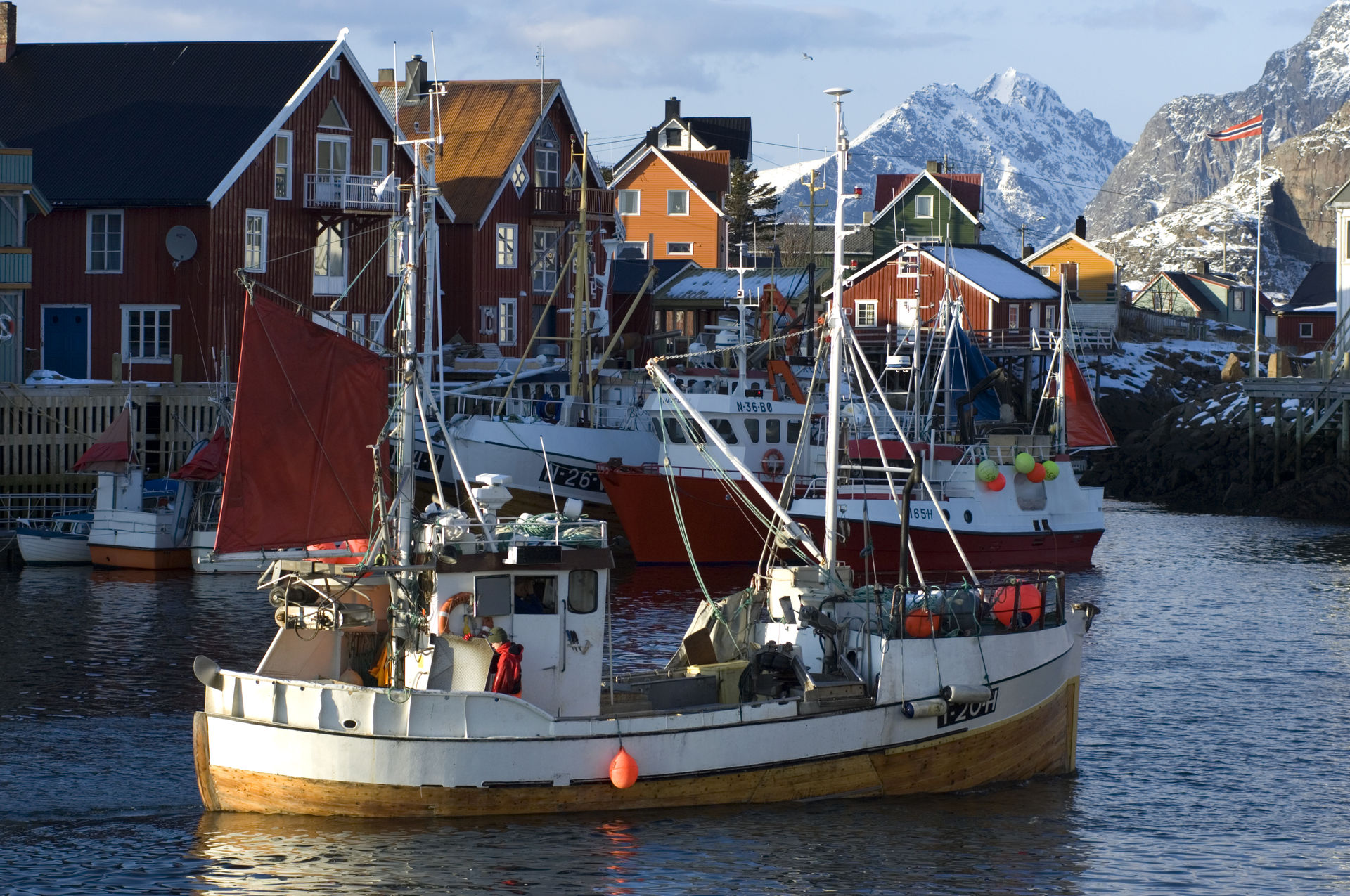
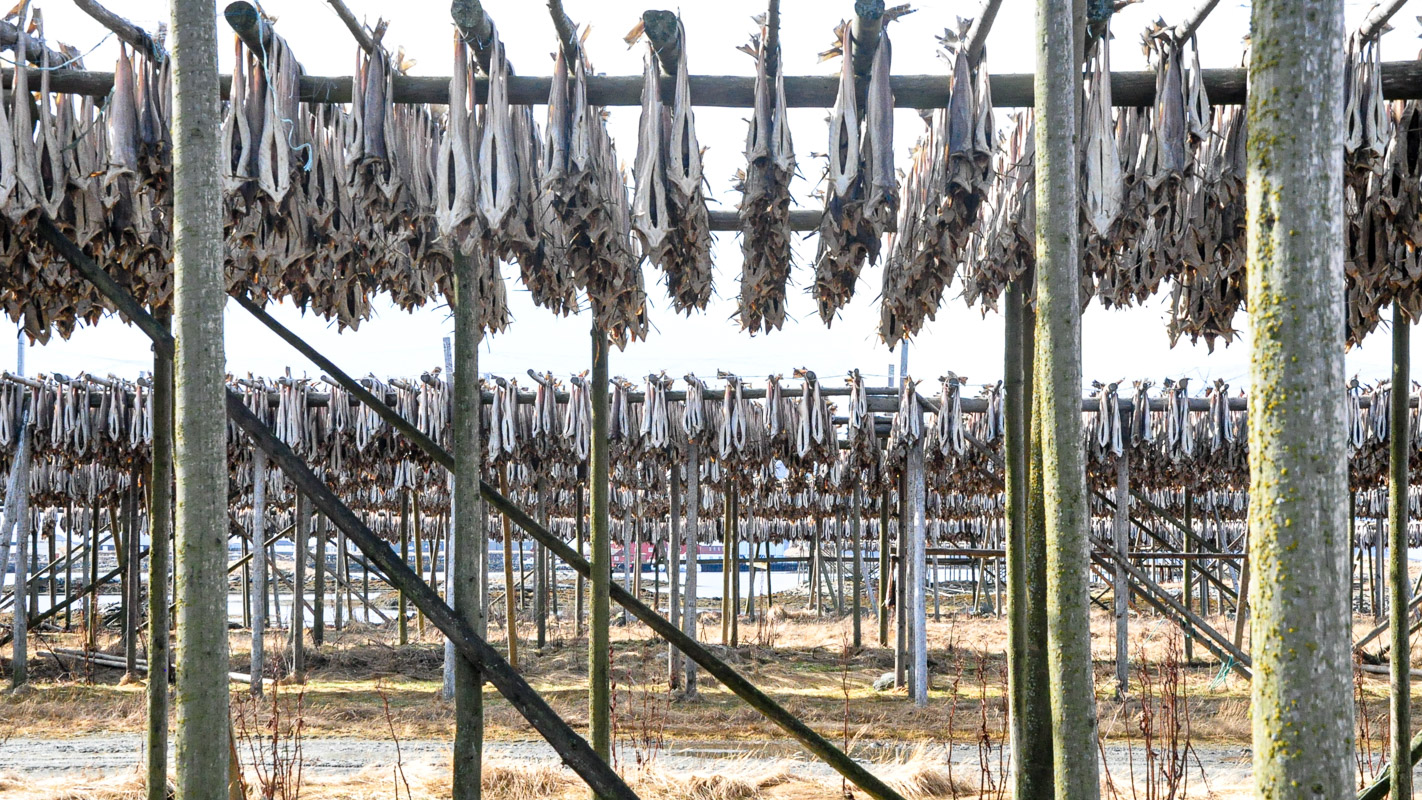
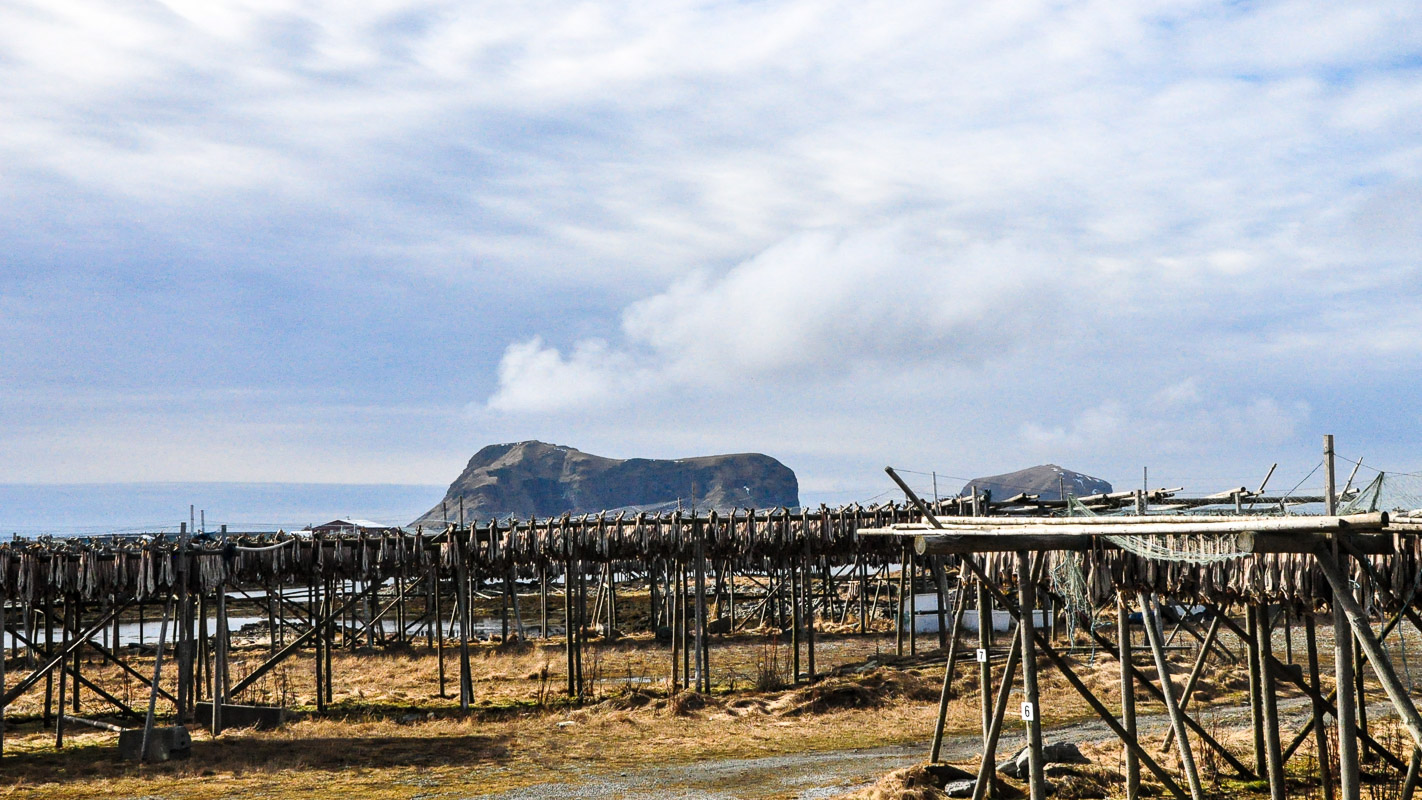
Racks for drying cod cover large parts of Røstlandet island. The Lofoten fishery starts as early as January, when the Northeast Arctic cod swims down from the Barents Sea to spawn. Activity from then until April is hectic, with fishing, unloading and hanging, and the people of Røst are granted temporary exemption from the maximum legal working hours. For each inhabitant of Røst, one million kroner worth of fish are exported, so this little island community certainly makes its contribution to the national economy. The fish hang there until early summer.
Nowhere in Norway has such a close relationship with Italy
In 1432, Pietro Querini’s ship foundered en route from Crete to Bruges in Belgium. The survivors made it to Røst in a lifeboat, where they were given food and lodging by the locals. Querini took the first dried fish from Røst back to Italy, and that was the start of the export trade of stoccafisso, dried fish. Almost all of the fish now go to Italy. Røst has a very special connection with its twin town of Sandrigo in the Veneto region, where a square has been named the Piazzetta Røst. And Norway has a small island called the Isola di Sandrigo, just off the ferry quay here.
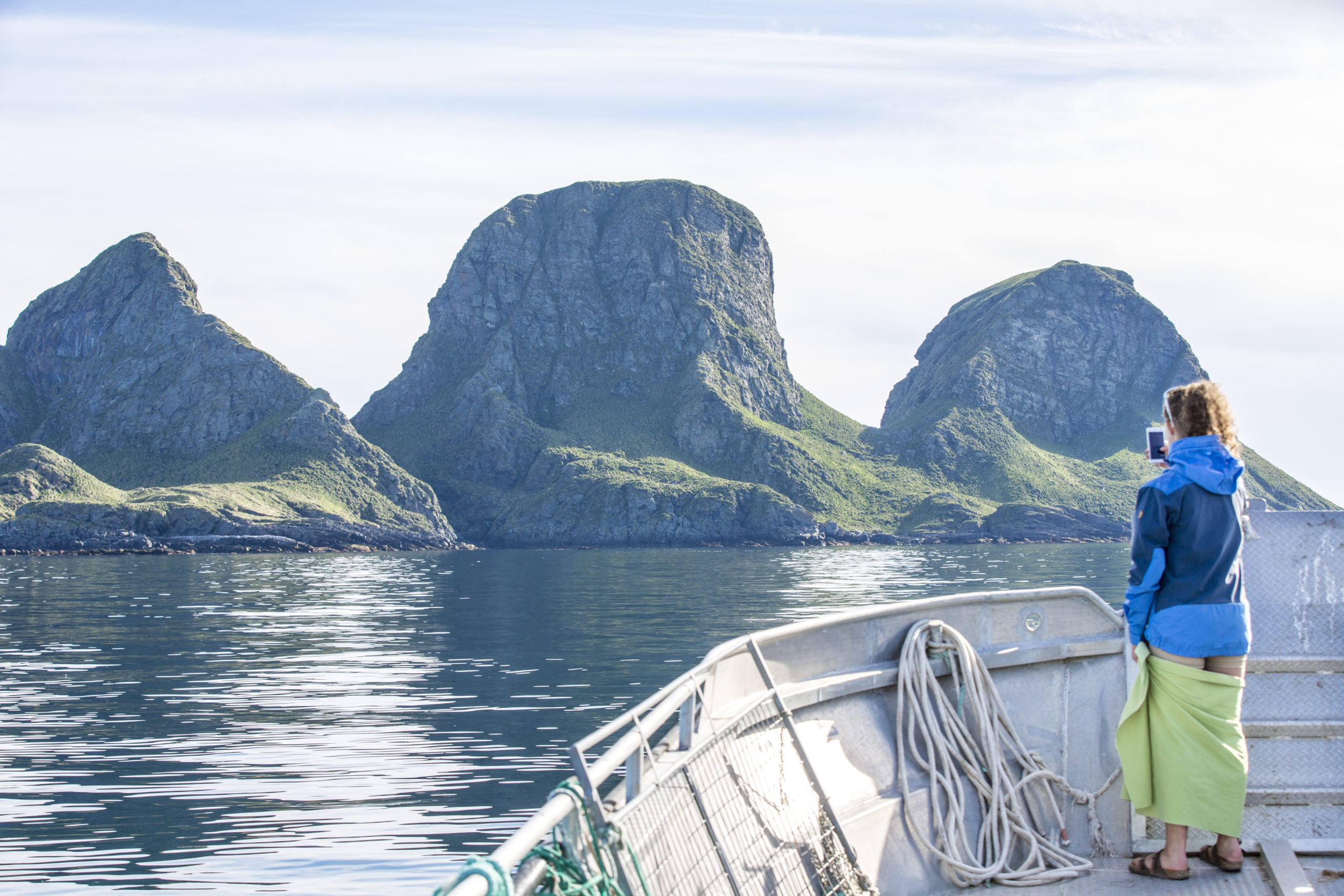
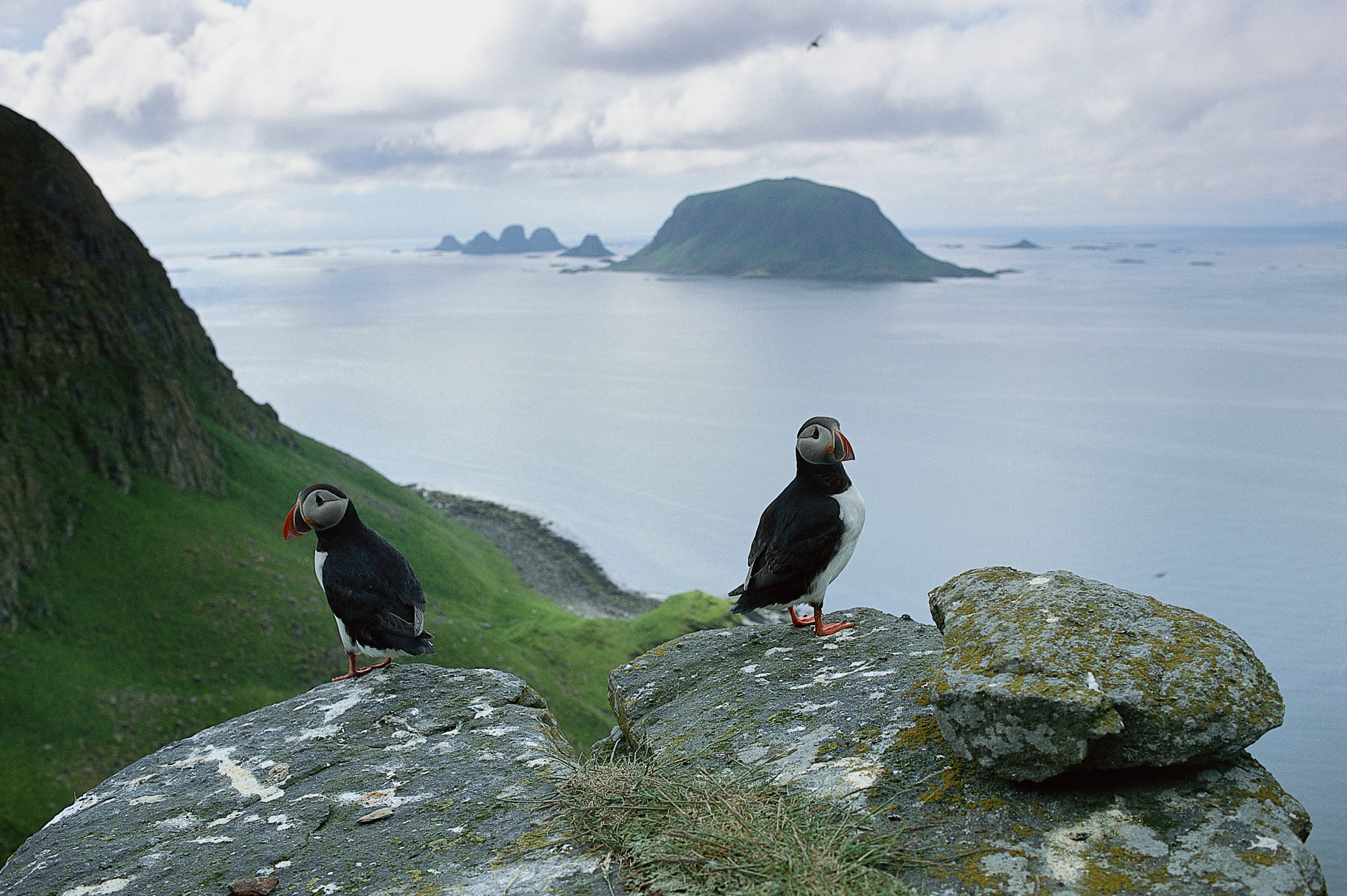
A million seabirds breed on Røstlandet
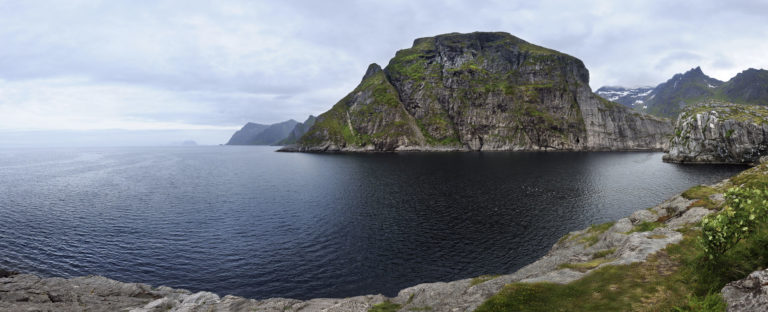
South west of Røst is a chain of rocky islands including Vedøya, Sandøya and Trenyken, and the legendary Skomvær Lighthouse at the outermost point. Almost a million birds breed here, mostly puffins, but also razorbills and guillemots. Kittiwakes also breed on the bird cliffs and all around Røstlandet. Daily trips from Røstlandet visit the cliffs in the summer.
Røstlandet is full of people and their history
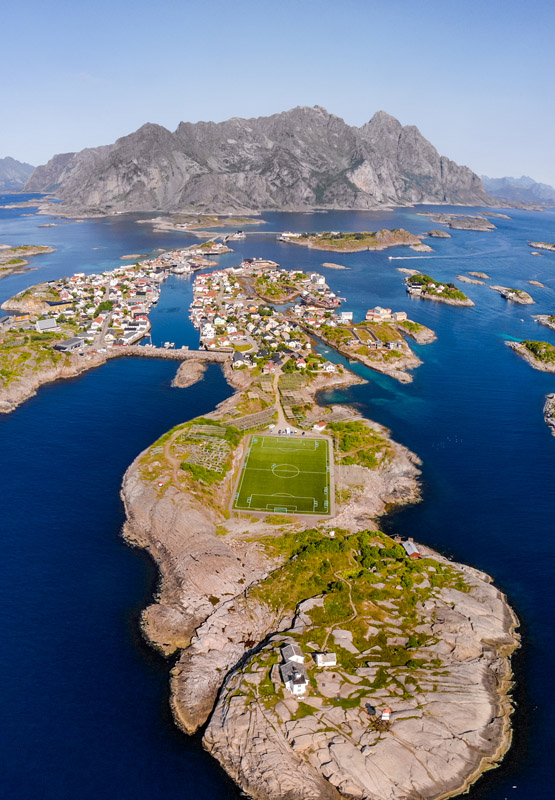
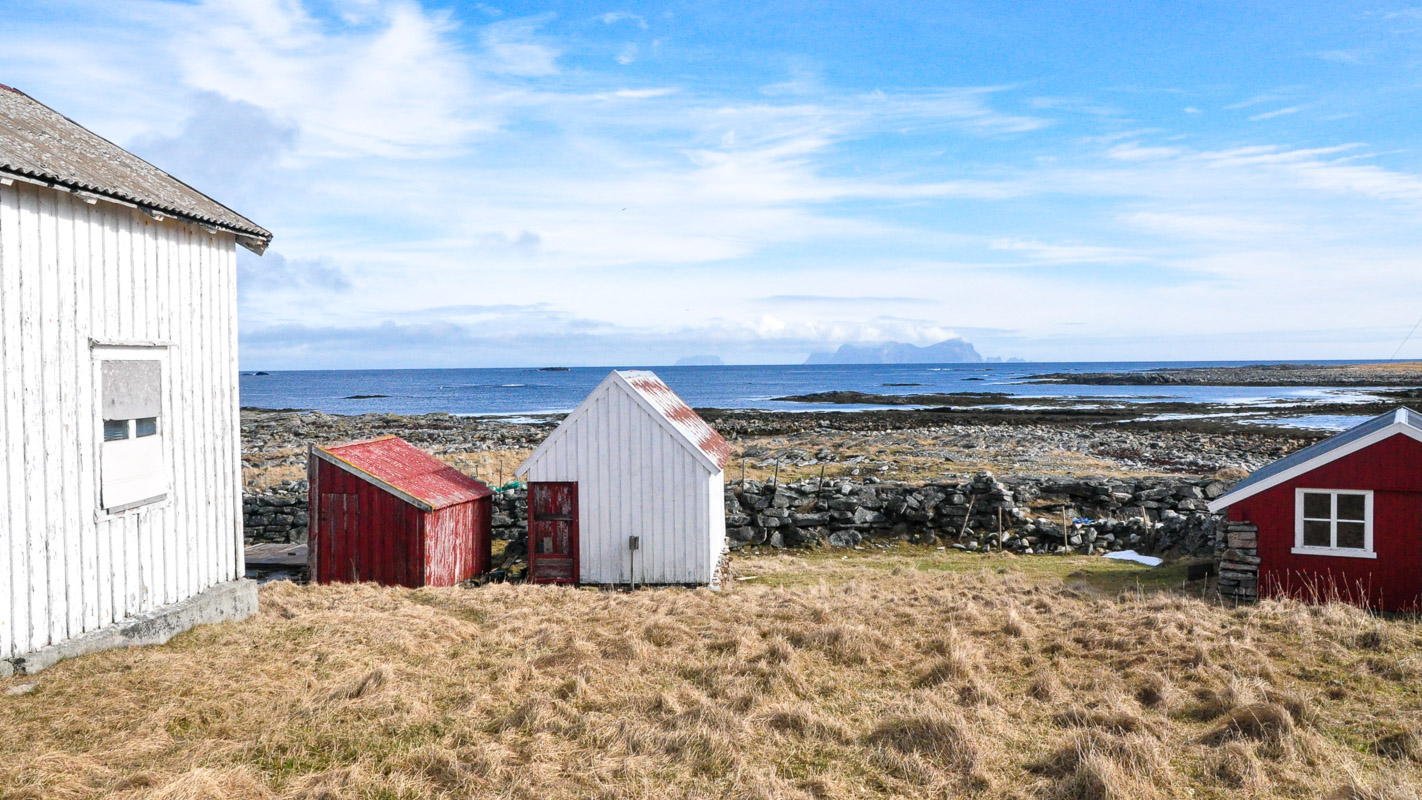
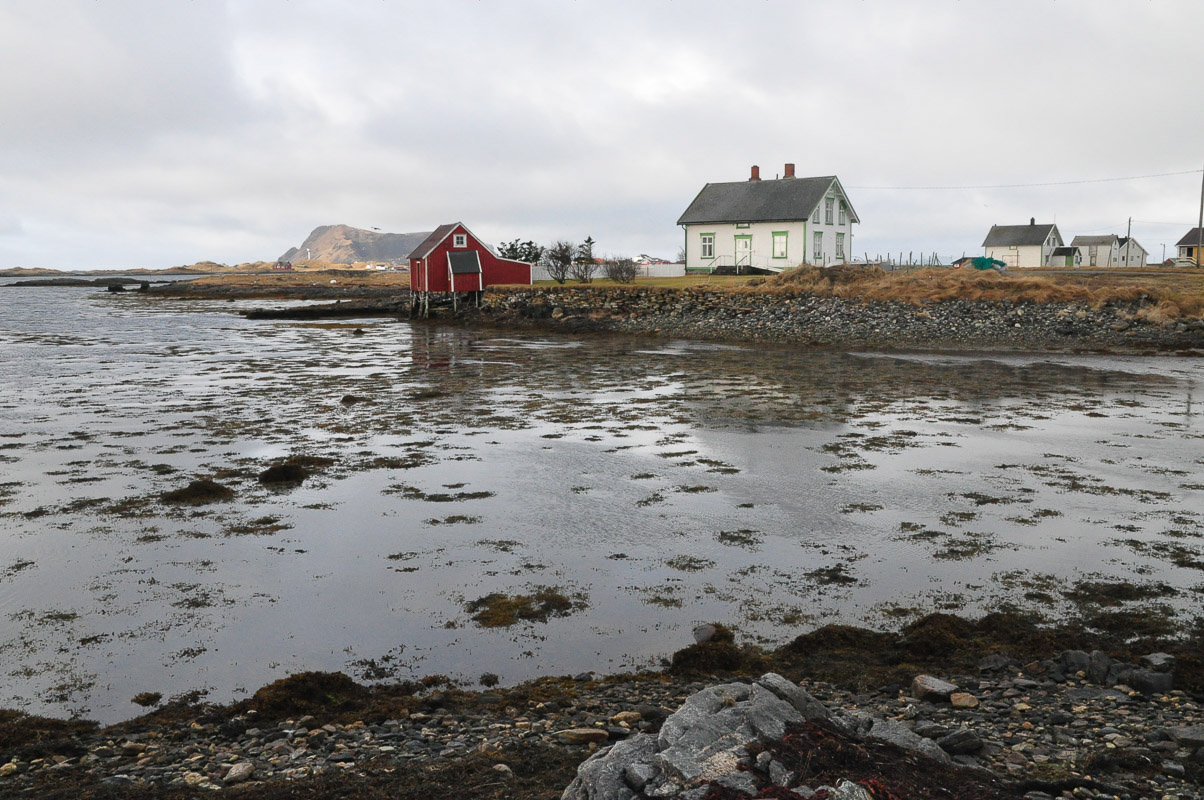
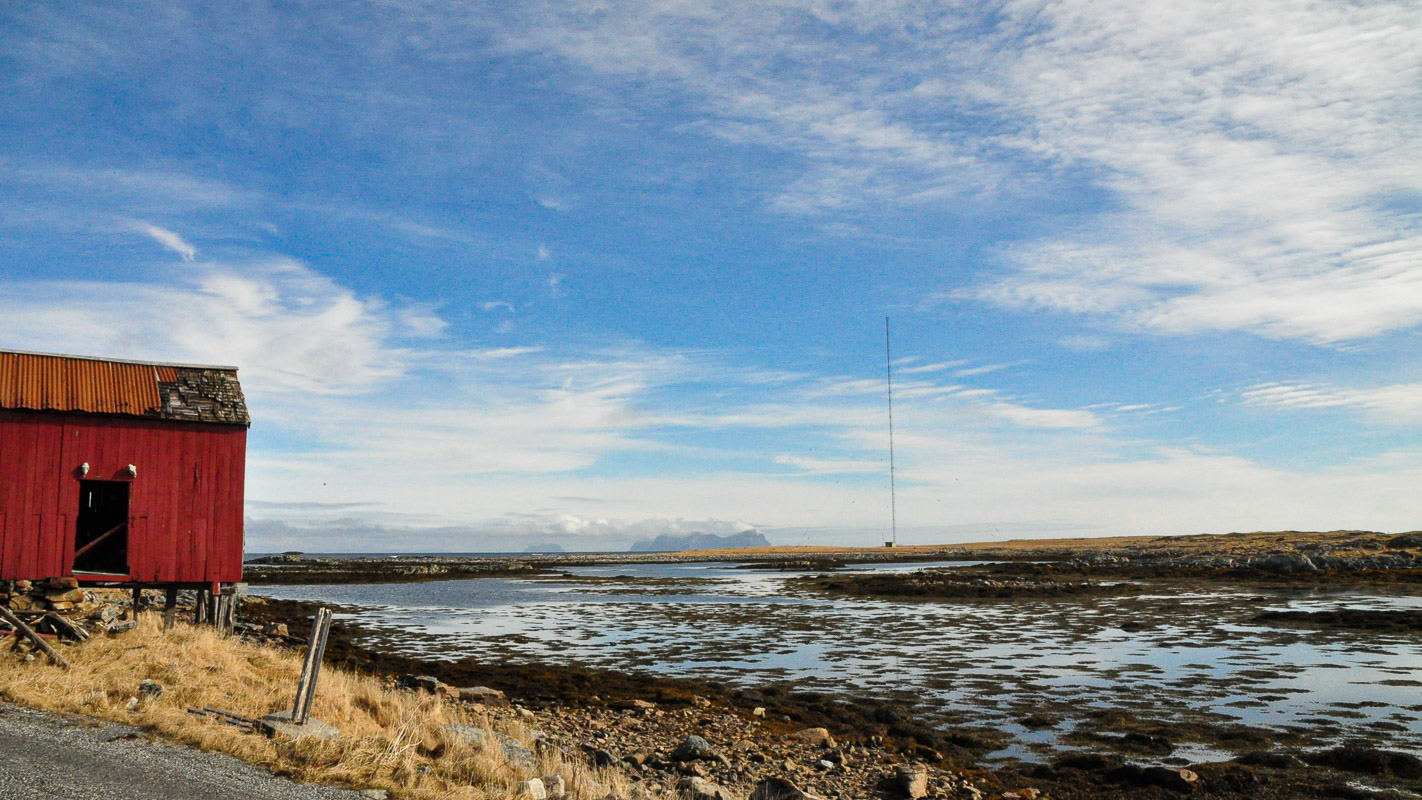
The buildings are a colourful, picturesque mixture of old boathouses, barns, old Nordland houses and new builds, mostly scattered along the eastern and southern coasts and on the islets connected by bridge to Røstlandet. The buildings around Nesset, at the north-east tip, are particularly charming. Eider ducks are still carefully tended on Grimsøya, where they nest in late summer, although the staff can only gather the down for expensive duvets and pillows once the females and downy chicks leave their nests.
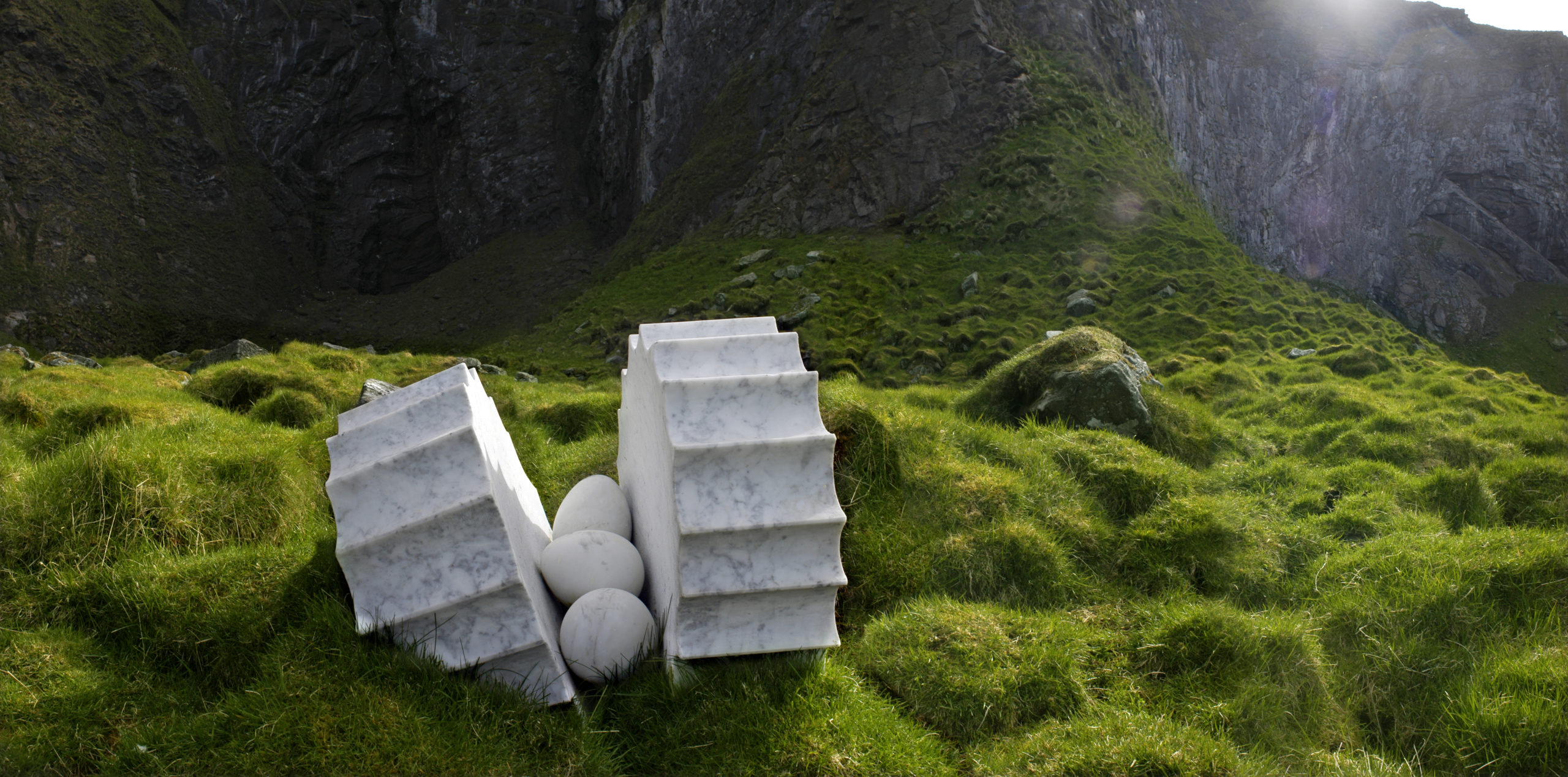
Brygga is the local museum
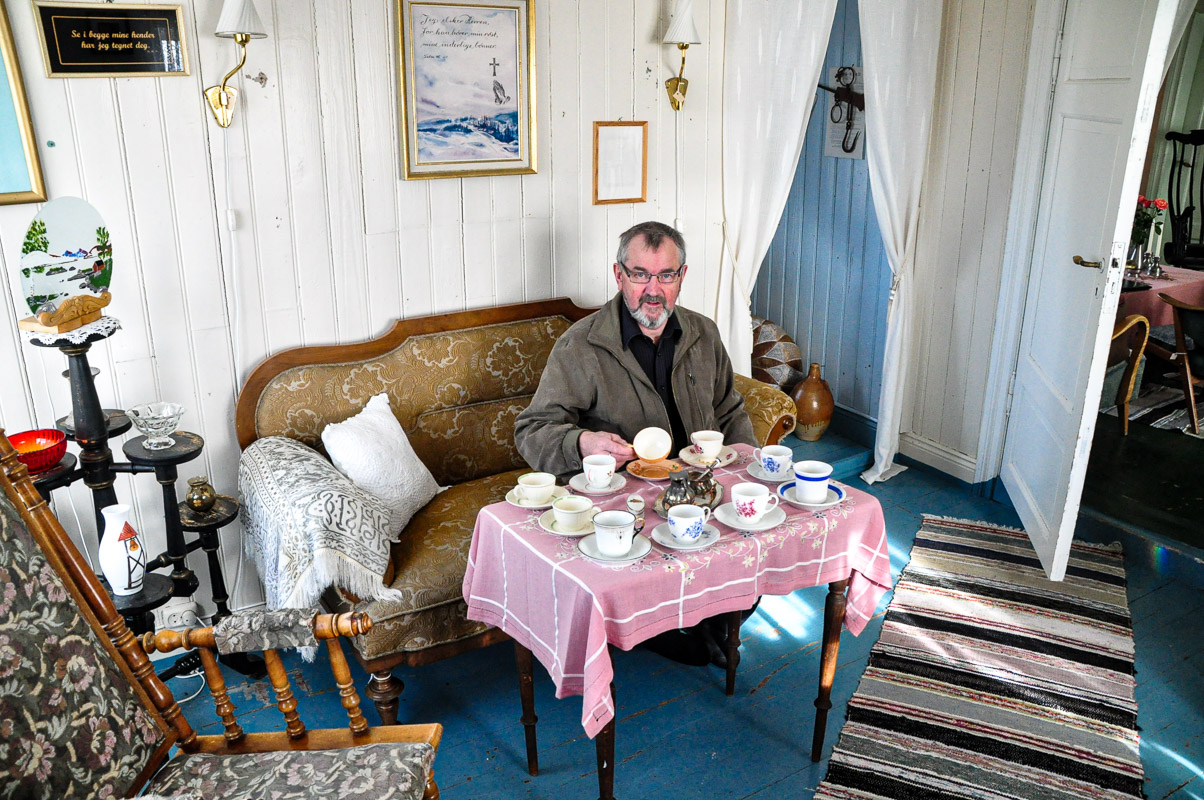
Brygga is the name of a late 19th-century trading post that is now the local museum. It contains a period kitchen with views of Stavøya, and a drawing room with furniture and ornaments from different periods. Opening hours are informal, but you’ll know if it’s open by the smell of fresh coffee. It lies amongst several buildings, including picturesque boathouses, barns, cottages, dry stone walls and pocket-sized pastures.
Beyond the Tulip Fence lies the wilderness
Most of northern and western Røst is marshy pastureland and small lakes. To stop the shaggy sheep getting into their gardens, the people of Røst put up a fence — the Tulip Fence. There is also a bird reserve on the western side for wading birds and ducks.
The church hides a precious jewel
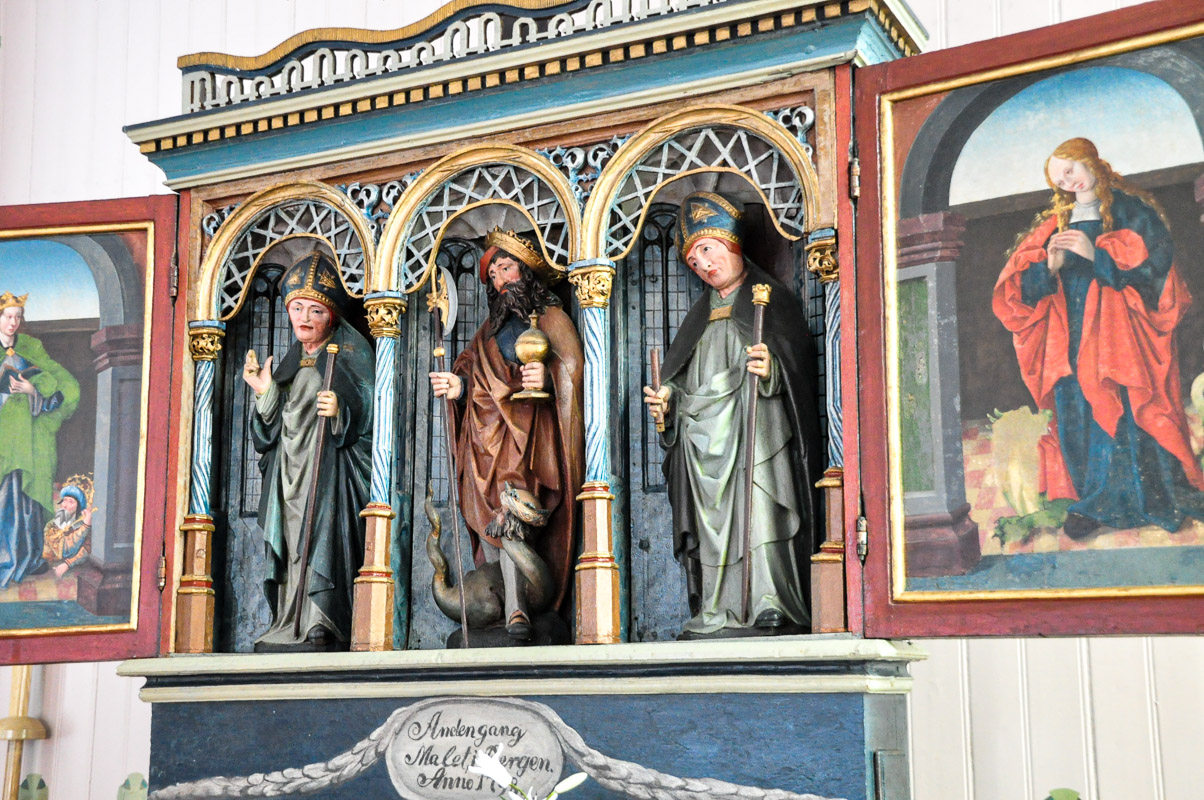
The small, Swiss-style wooden church at Røst was rebuilt in 1900, and houses a wonderful gem of a triptych from 1520. When Princess Elizabeth was sailing from Flanders to Denmark in 1515 to marry Christian II of Denmark–Norway, the ship ran into trouble, so she promised to give triptychs to five Norwegian coastal churches if she was saved. This one was made in Utrecht and depicts three saints, including St Olav.
Go to the picturesque ruin
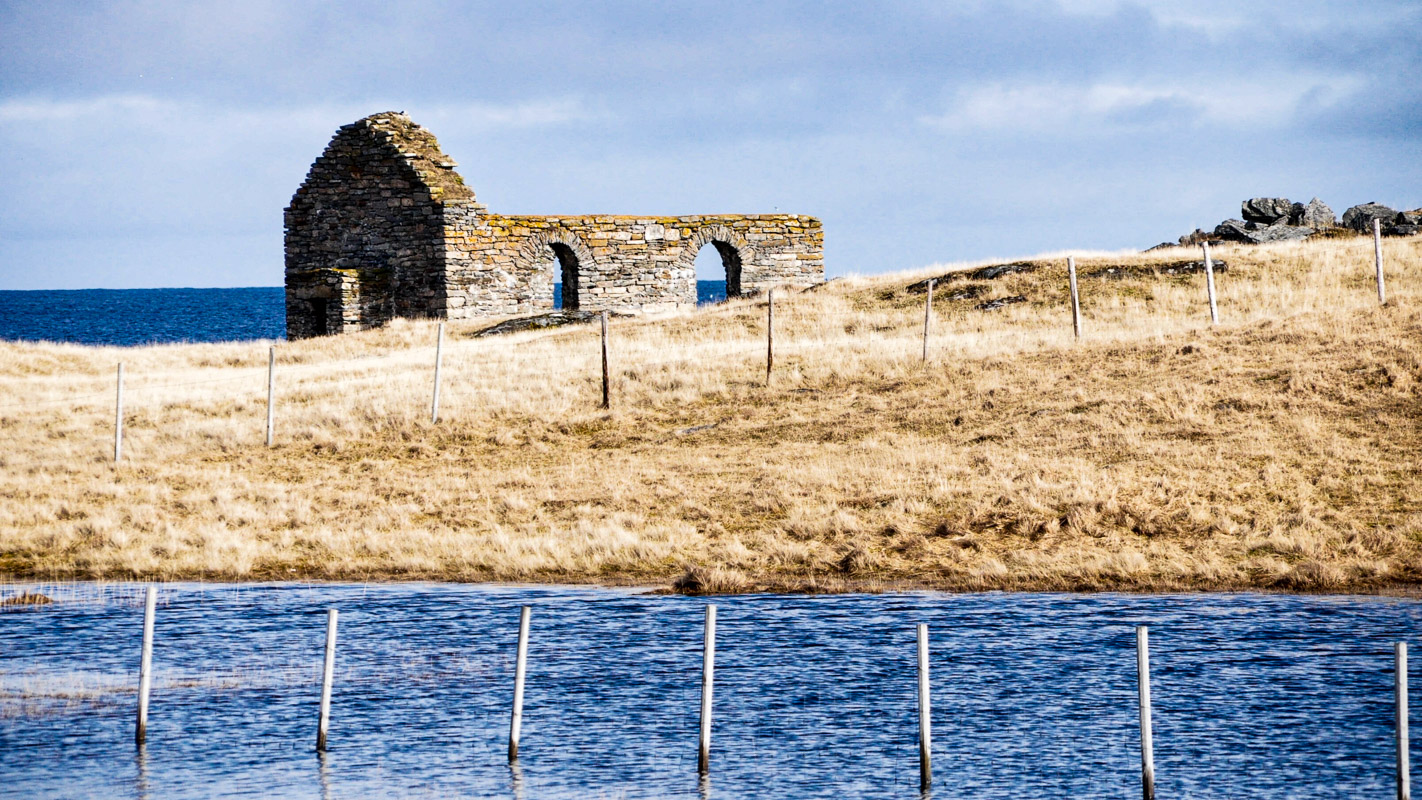
Five successive churches have been built at Røst since the Middle Ages. The third was blown down by a hurricane in 1835. The spire collapsed into the churchyard and became used as a belltower. A new, stone church was built in 1839, crumbling into picturesque ruins after the new church was built in 1900.
Rent a bicycle or take a stroll
Røstlandet is a flat, green speck of less than 4 square kilometres (1.5 square miles), and its highest point is 11 metres (36 ft.). The best way to get around is by bicycle. Waffles are served at 12 every day at Fiskarheimen. Other than that, simply wander at your leisure. The island has several restaurants, some open by day and some in the evenings. There is also a good selection of accommodation of all comfort levels.

Røst is an island in Lofoten
For information on the the archipelago of Lofoten, look no furthern than the website of Visit Lofoten.
Where to go at Røst
Røst is the outermost island in Norway, and is the extreme southwestern tip of the island chain of Lofoten. It is found just north of the Arctic Circle.
Røst is a cluster of 365 islands, islets and skerries. All the 450-500 inhabitants live on the main island of Røstlandet, a mere 3,6 km2 in size, or on islets immediately adjacent. The highest point is only 11 metres above sea level. However, five bigger rocky, mountainous cliffs rise from the sea south of Røstlandet. Uninhabited, they are major birdcliffs.
There is a ferry from Bodø, which also stops by at Værøy and Moskenes. Moskenes is found on the main island chain of Lofoten. In the busy summer season, pre-booking is absolutely required, especially if you want to bring your car. Check Reis Nordland for ferry information. You can also fly to Røst (RET) from notably Bodø (BOO) and Leknes (LKN). Check the website of the airline Widerøe.
There are a few places to stay in the mid-range and budget categories. Consult the website of Lofoten Info.