
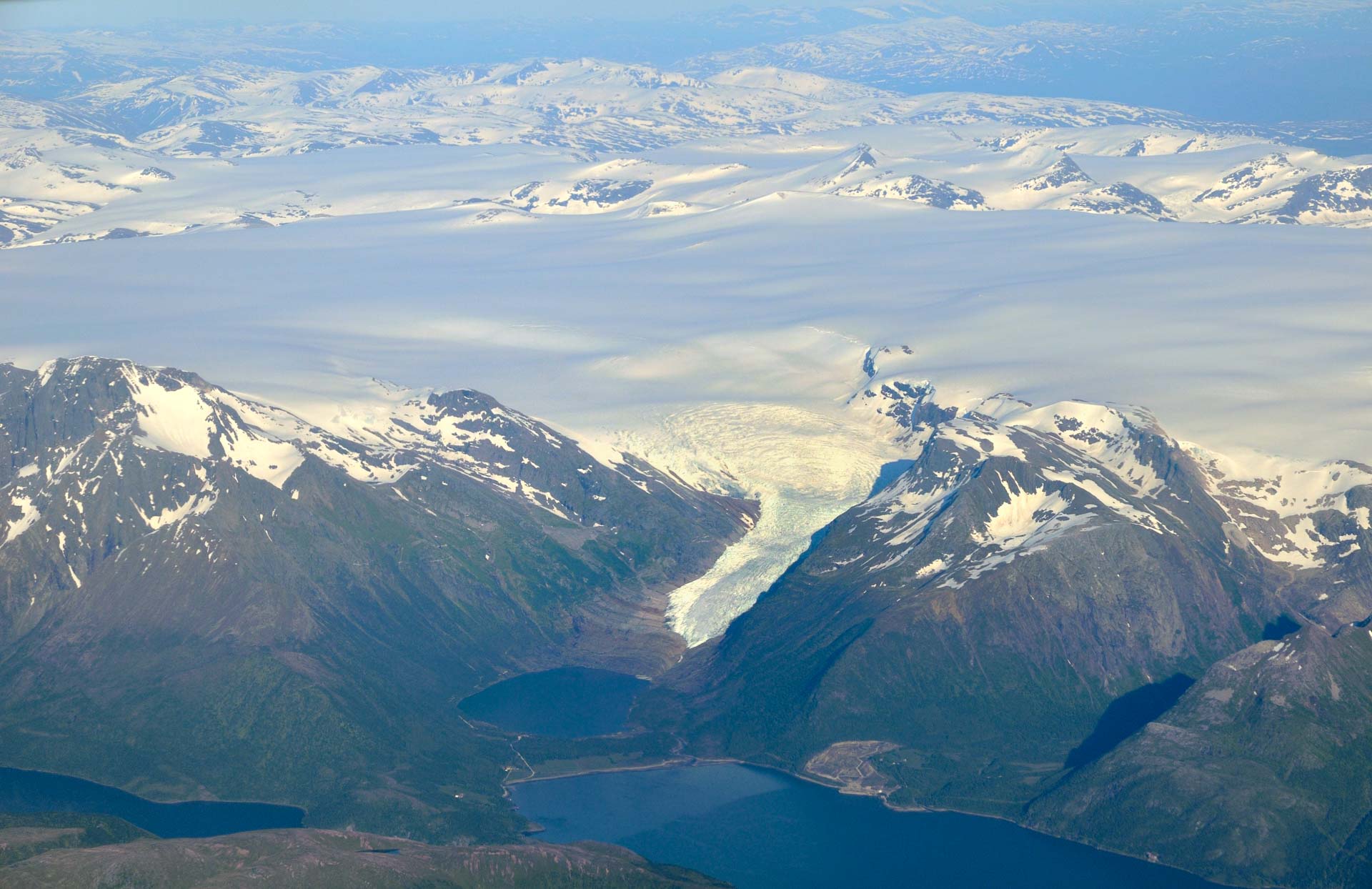
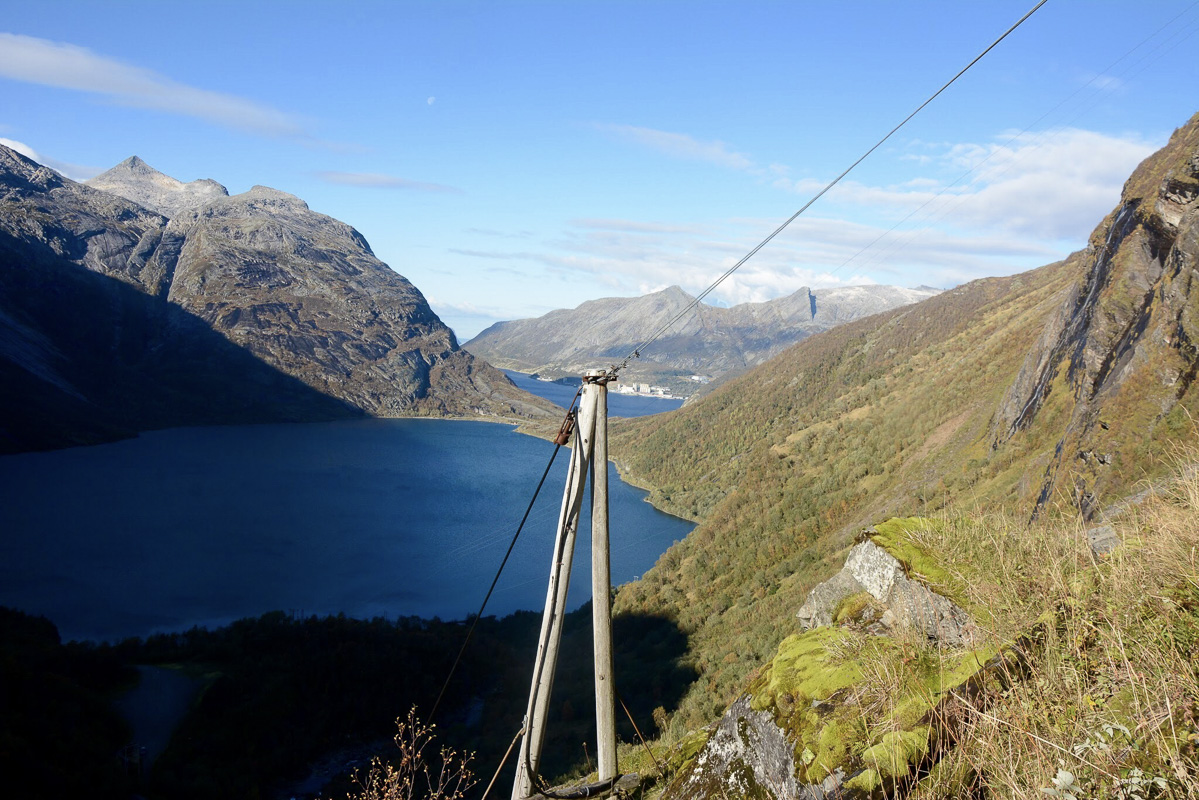
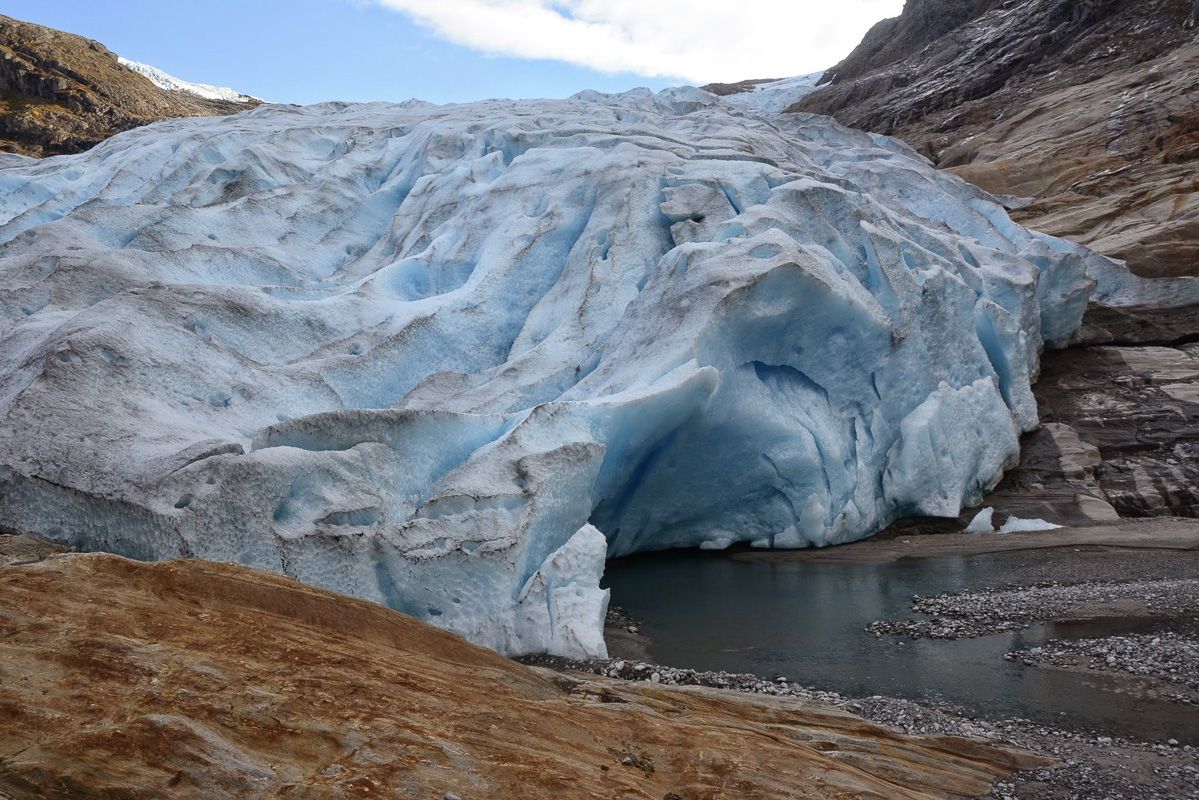
Glomfjord is all about water – water in huge quantities. Water from the melting of the Svartisen glacier through the Fykanfossen waterfall ensures a regular supply of water that can be used to drive turbines and generate electricity. All this meant that just after the turn of the century, Glomfjord went from being an area containing a few farms to one of Northern Norway’s most productive industrial towns.
Industrial boom came in the early 20th Century
Industry first came to Glomfjord in 1912, in the form of a Swedish-built zinc smelting plant. At that time, it was difficult to transport electricity, so industries that required power had to be built beside their power source. In 1921, the bottom fell out of the zinc market, and the first of many crises hit Glomfjord. However, in 1926, a British-backed aluminium plant opened up, and this operated until 1942, when it was destroyed in an Allied sabotage operation.
Practical information about Glomfjord
Glomfjord is located south of Bodø and north of Mo I Rana in Nordland county. It is best to drive there as it is located on the main road through Nordland the Fv17 route.
The Visit Meloy webpage has all you need to know about the regions attractions and activities.
Norsk Hydro gave Glomfjord its best years
In 1947, Norsk Hydro then started producing artificial fertiliser as part of the reconstruction work that followed the Second World War. In the 1950s, the plants were gradually expanded. The classic industrial community of Glomfjord enjoyed its best years in the 1960s and 70s, with a workforce of up to 700 people. In the 1980s, the fertiliser factory became gradually less profitable, and after 1992, the plant was downsized and made more efficient. Glomfjord then went through a transitional period, during which new industries were established.
Yara is the biggest industrial company today
In 2004, Norsk Hydro underwent a restructure, in which its fertiliser division became the independent industrial enterprise of Yara, even losing its Hydro name. From 2008 to 2010, Glomfjord experienced a sudden boom, producing solar panels, but just as rapidly, the industry took a blow, when in 2011 it was priced out of the market by solar panels from China. Yet again, Glomfjord is a community coping with change, but Yara is still the biggest industrial company there.
Father Hydro provided for Glomfjord for decades
In the 1960s and 70s, the influence of ‘Father Hydro’ reached far and wide in the Glomfjord community. Hydro built houses, supplied electricity at hugely reduced prices, provided water and maintained roads and parks. A special welfare fund paid for the chairlift up the mountain, so that people could go up there to ski in the sunshine, while Glomfjord lay in its winter shade; it also paid for tennis courts, football pitches and a swimming pool, and provided funding for teams and societies. Norsk Hydro took care of its people from the cradle to the grave. It was not until 1982 that Meløy municipality took assumed responsibility for the people of Glomfjord.
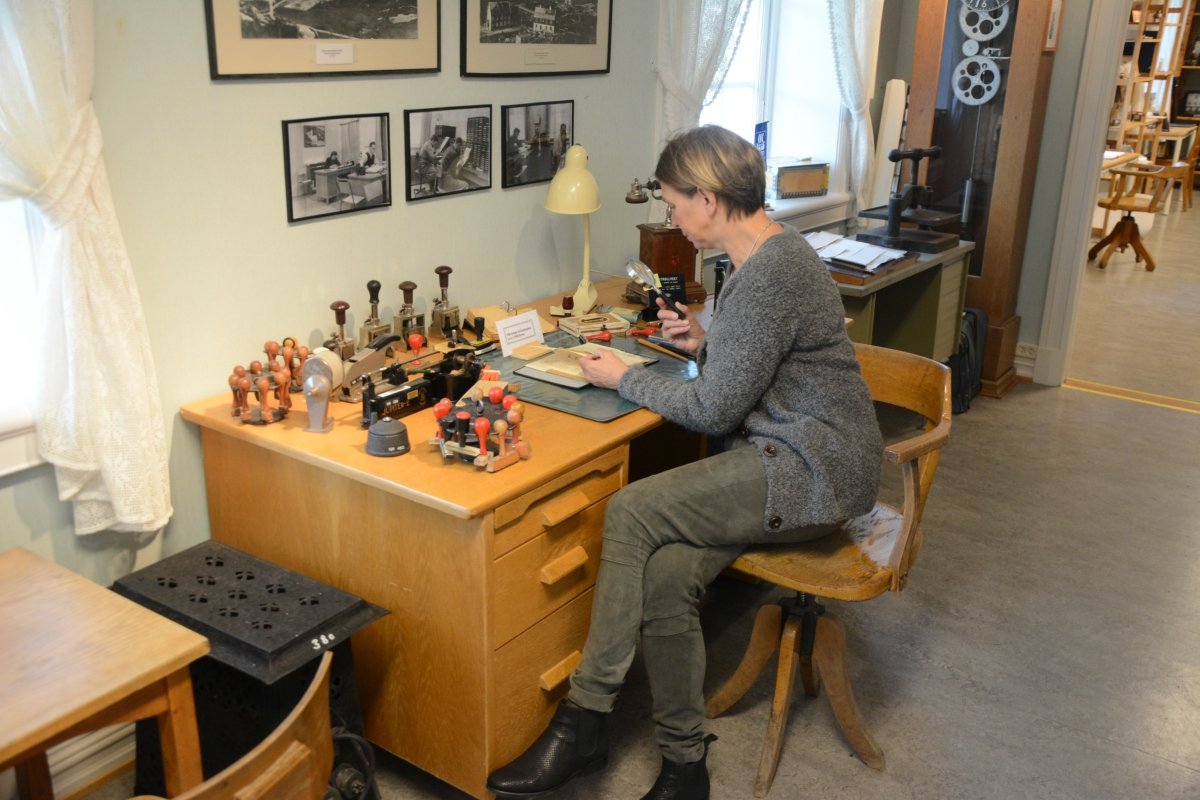
Yara Industrial Museum lays out Glomfjord’s industrial history
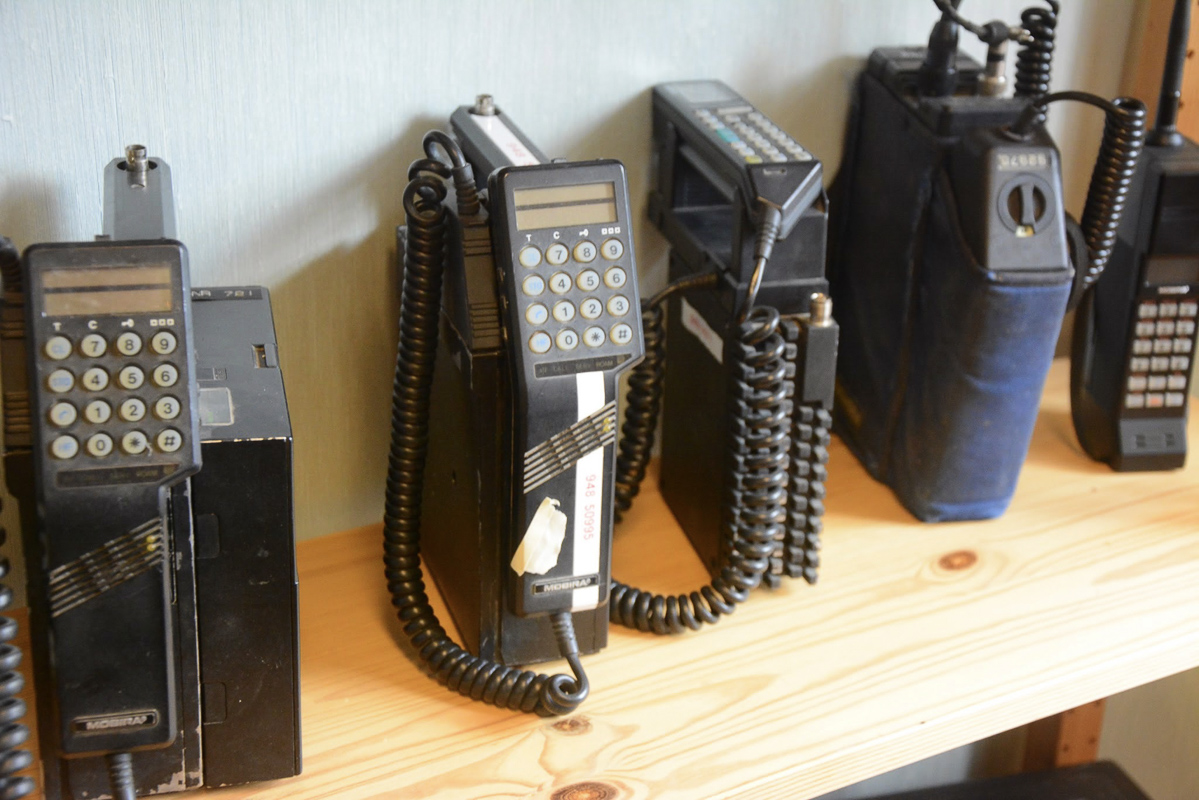
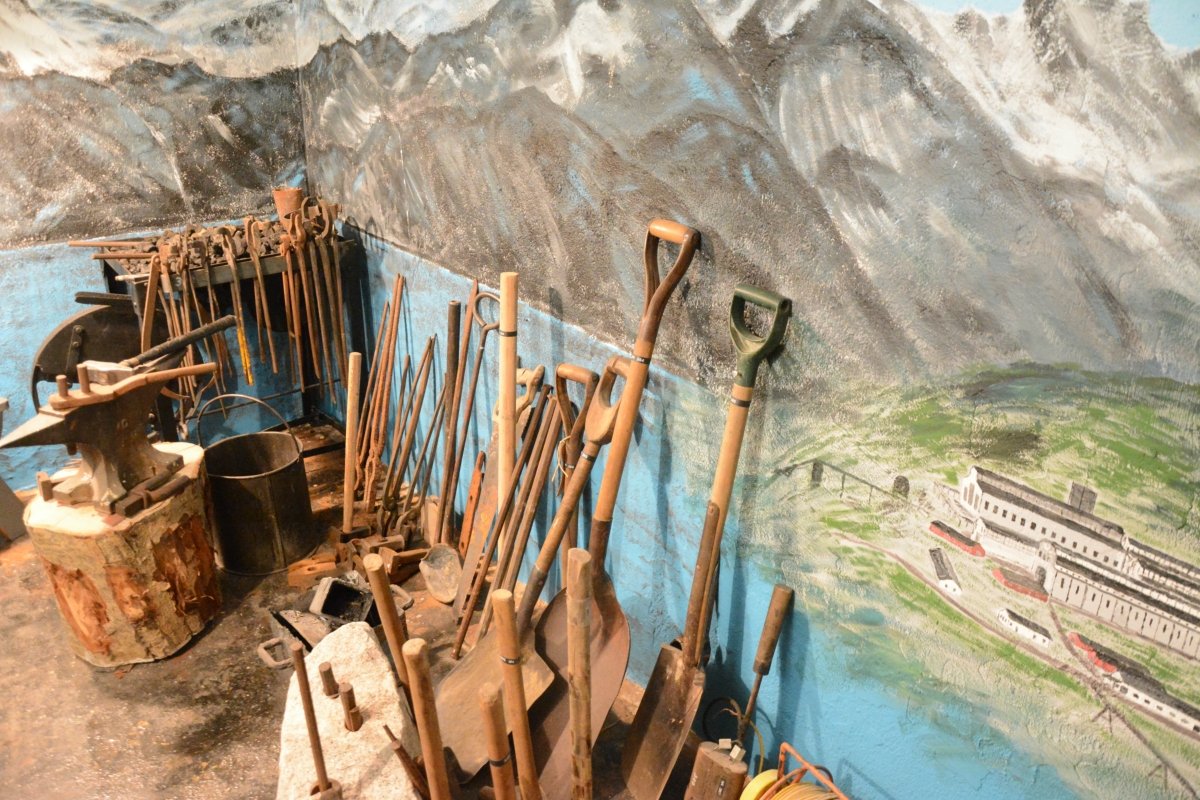
The Yara Industrial Museum in the old Bergenehuset building in Glomfjord is a fascinating collection of artefacts from the various periods of Glomfjord’s industrial history. The aluminium plant from the interwar years had its own blacksmith and made its own tools, while Norsk Hydro had its own instrument workshop and produced many of the instruments it used in production. To get the most out of the museum, you should go on a guided tour with one of the retired Glomfjord fertiliser workers, who will give you a glimpse into a period which, before our modern era of fiercely competitive industry, seems like a protected paradise.
Fykan Power Station was designed by Olaf Nordhagen
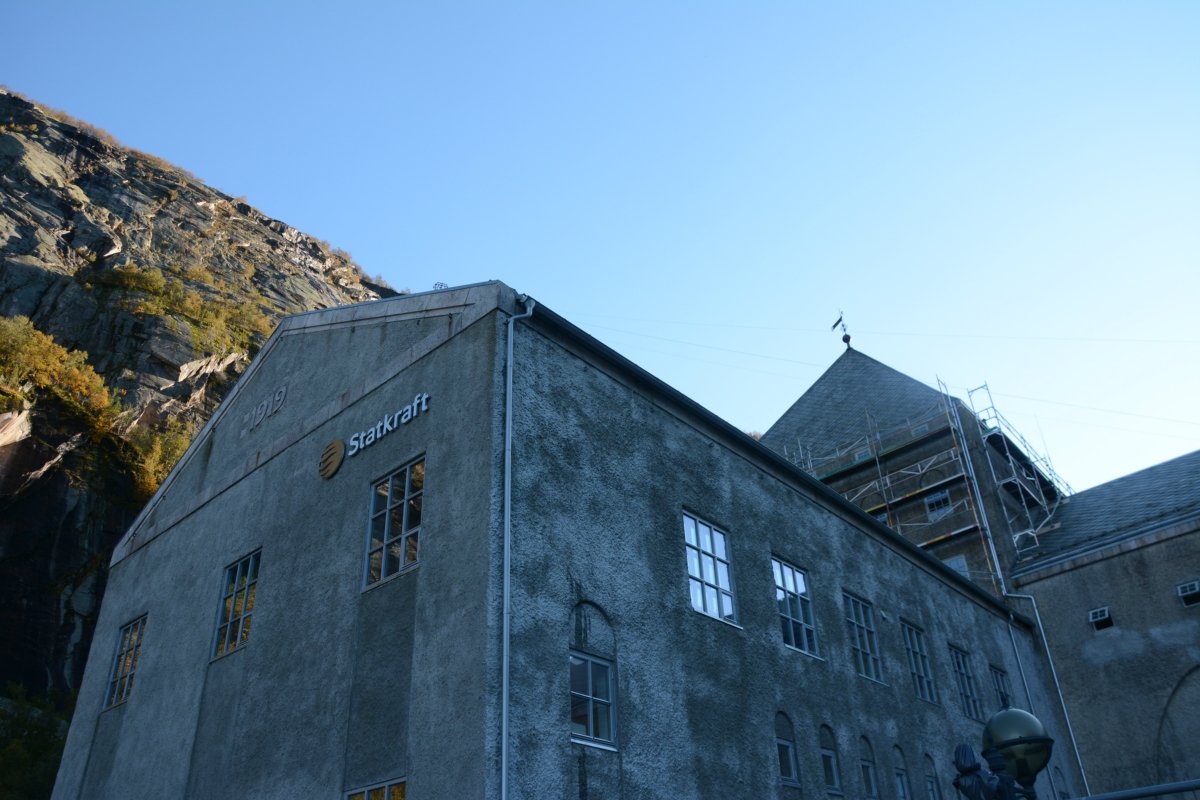
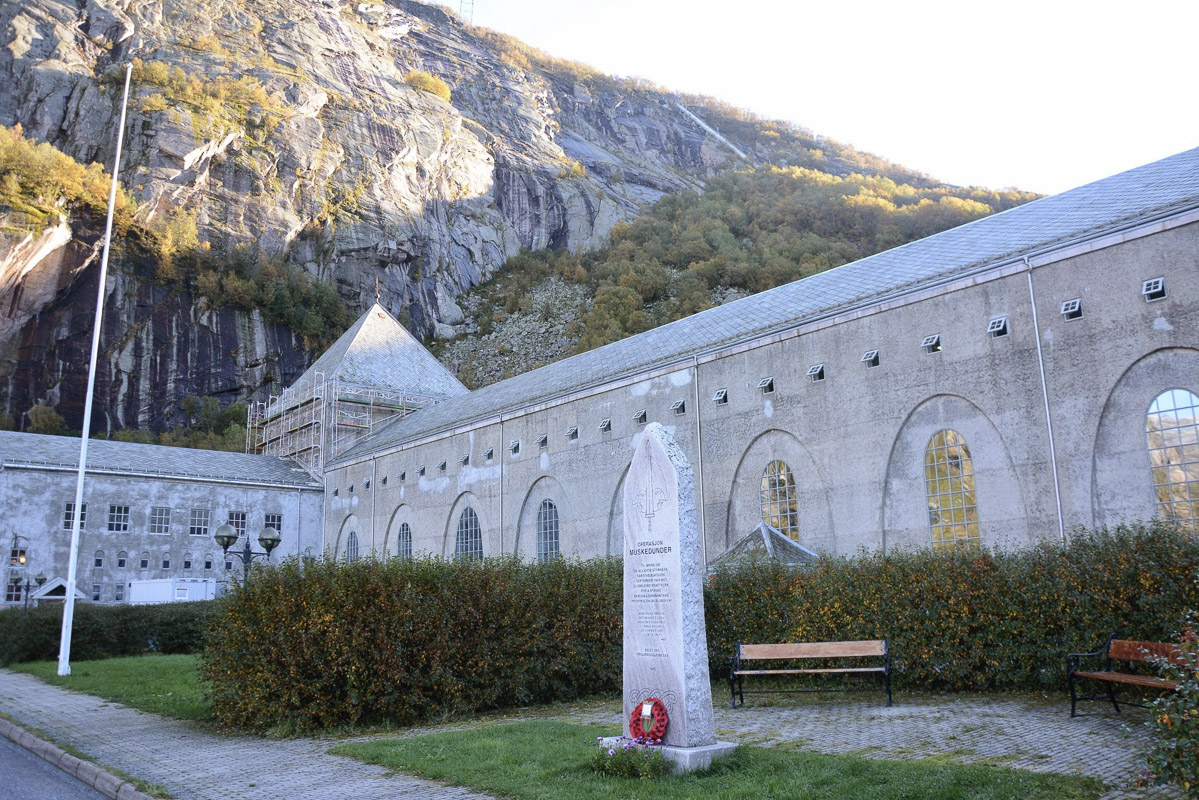
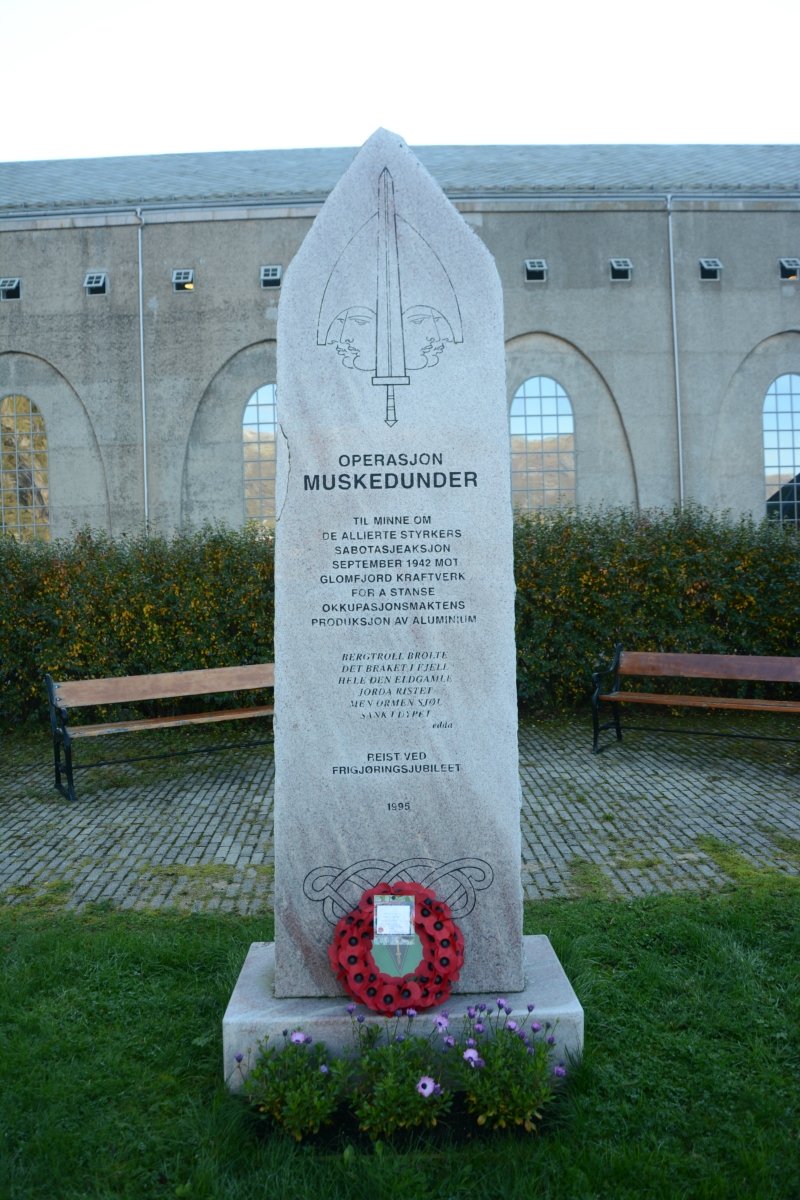
South of Glomfjord, in the shadow of huge mountains, lies Fykan Power Station, a grand and impressive building designed by Olaf Nordhagen. It was built in the Neo-Romantic style, typical of the first industrialisation period in Norway, before steel and concrete began to dominate. In front of the main entrance is the monument to Operation Musketoon, a daring Allied raid which put the power station and thereby aluminium production out of operation in 1942.
There were great plans for Glomfjord that only partially materialised
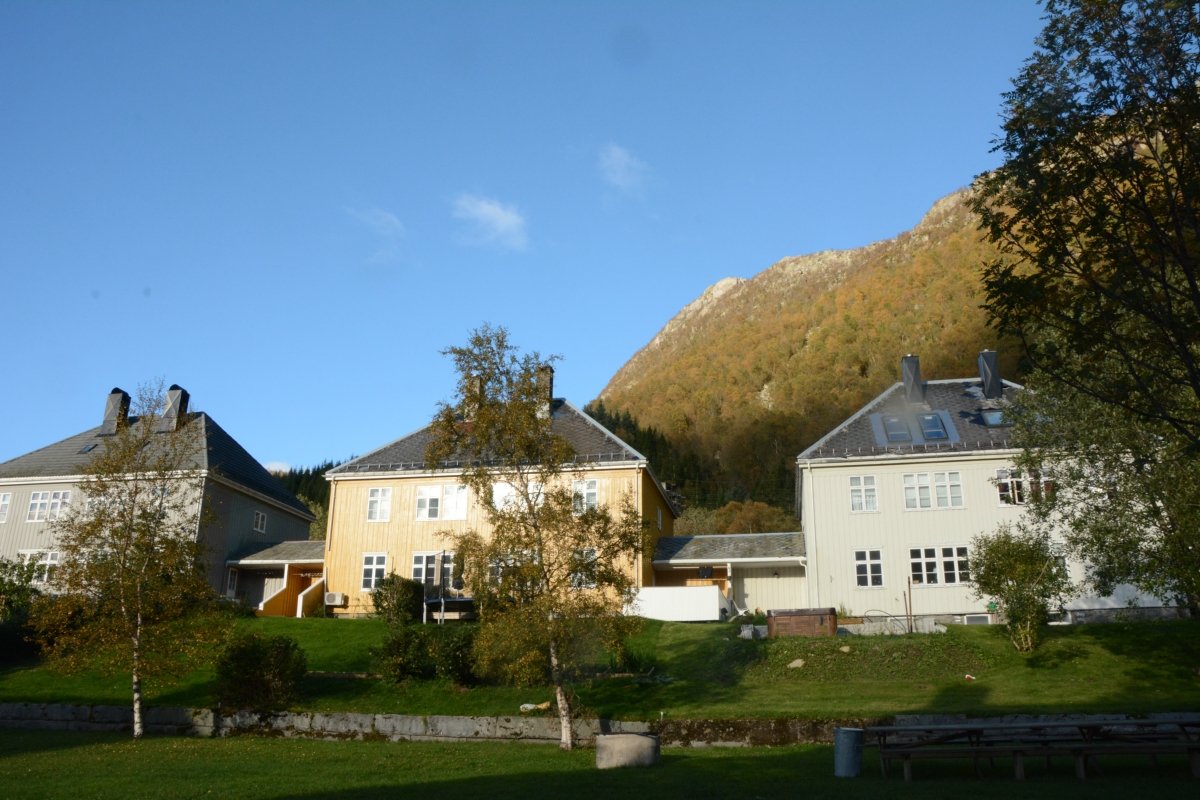
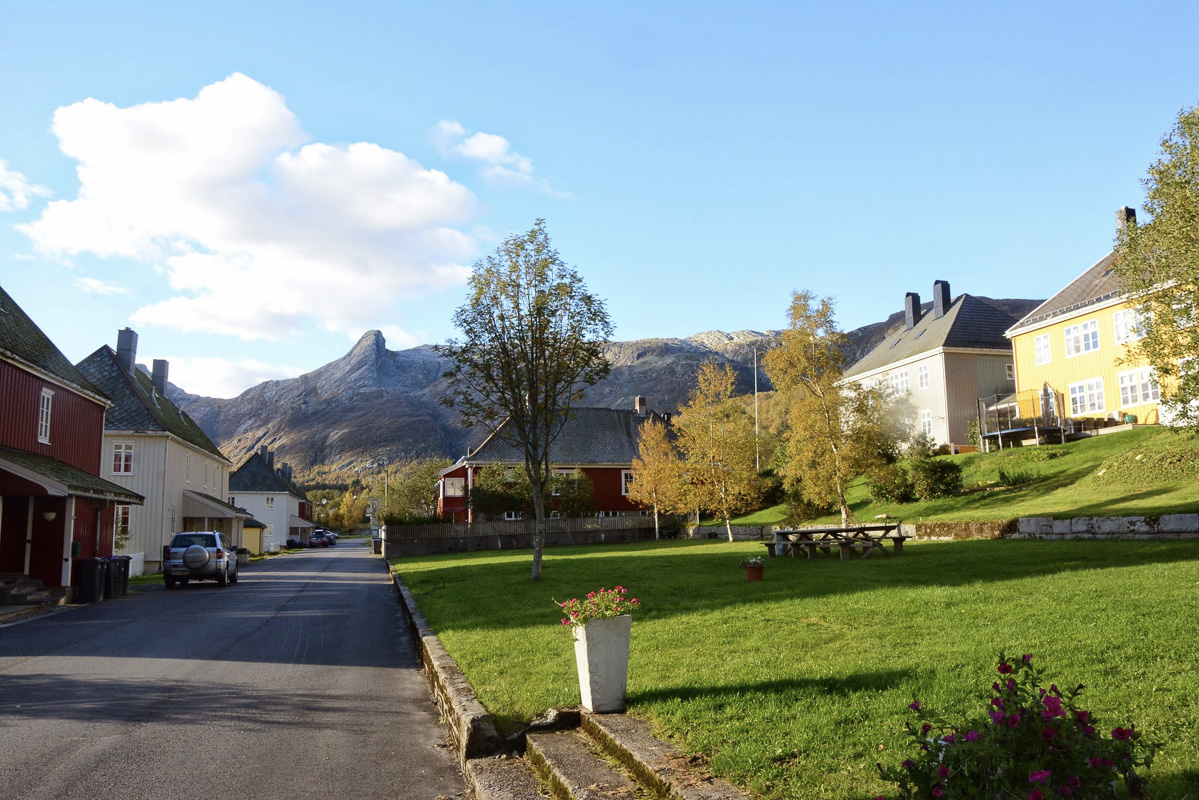
The original location planned for the urban community of Glomfjord was on the sunny southern slopes running down to the fjord, with a tram connection that would transport the workers to the plant. A city plan was drawn up for an orderly town. The tram line was never built, but at Jæra there is a cluster of housing for workers, painted in bright colours and with typically pre-war high hipped roofs, and also an imposing residence that was used to entertain visitors.
Glomfjord is worth a visit
Glomfjord lies at the inner end of a fjord, in the shadow of high mountains. Motorists can visit the industrial museum in the Bergenehuset building, which is run by retired workers. On the way down to the national road, it’s a good idea to make a detour in towards Jæra, with its workers’ housing and grand residence building. The Fykan Power Station is on county road Fv17 a few kilometres further south, and is visible from Jæra.