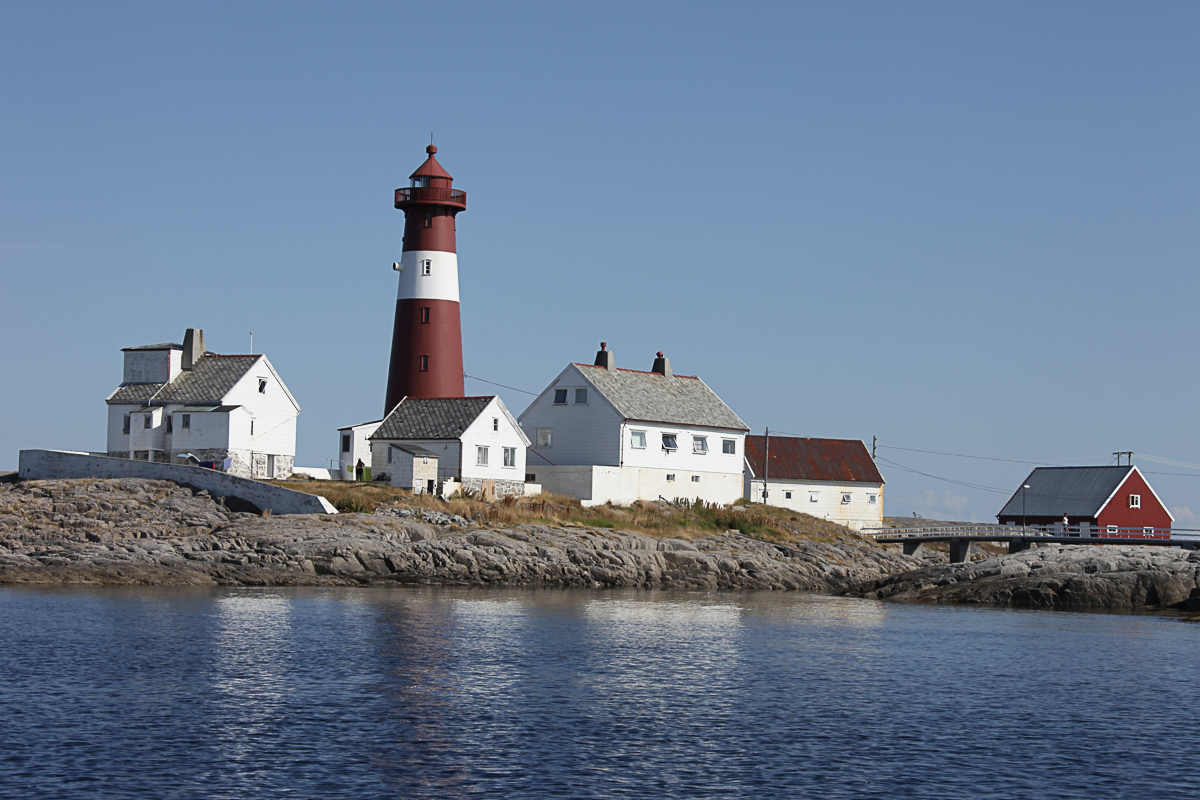
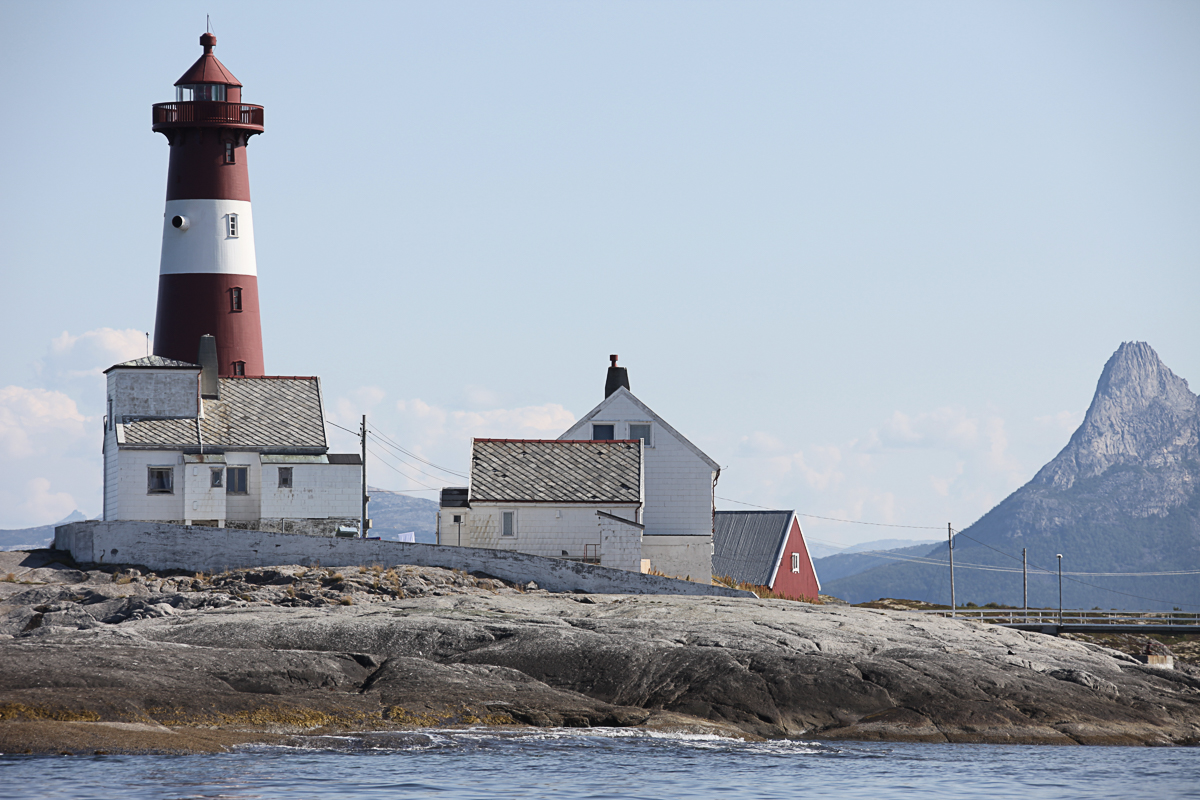
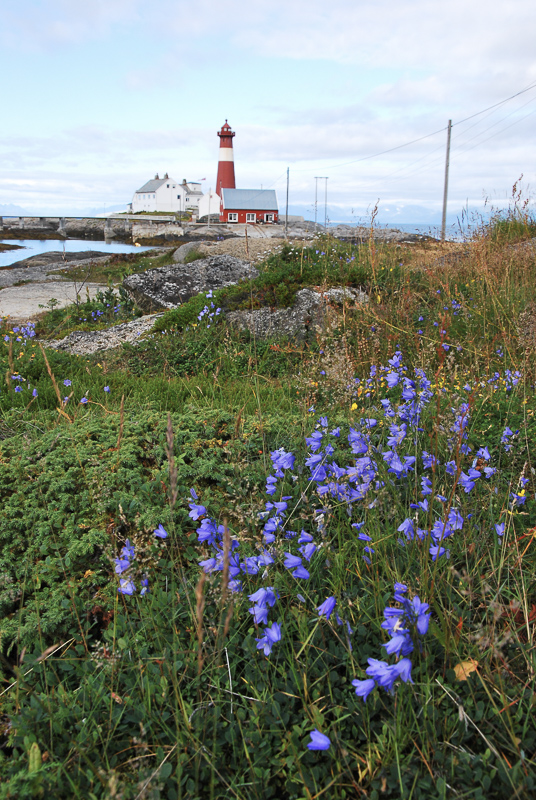
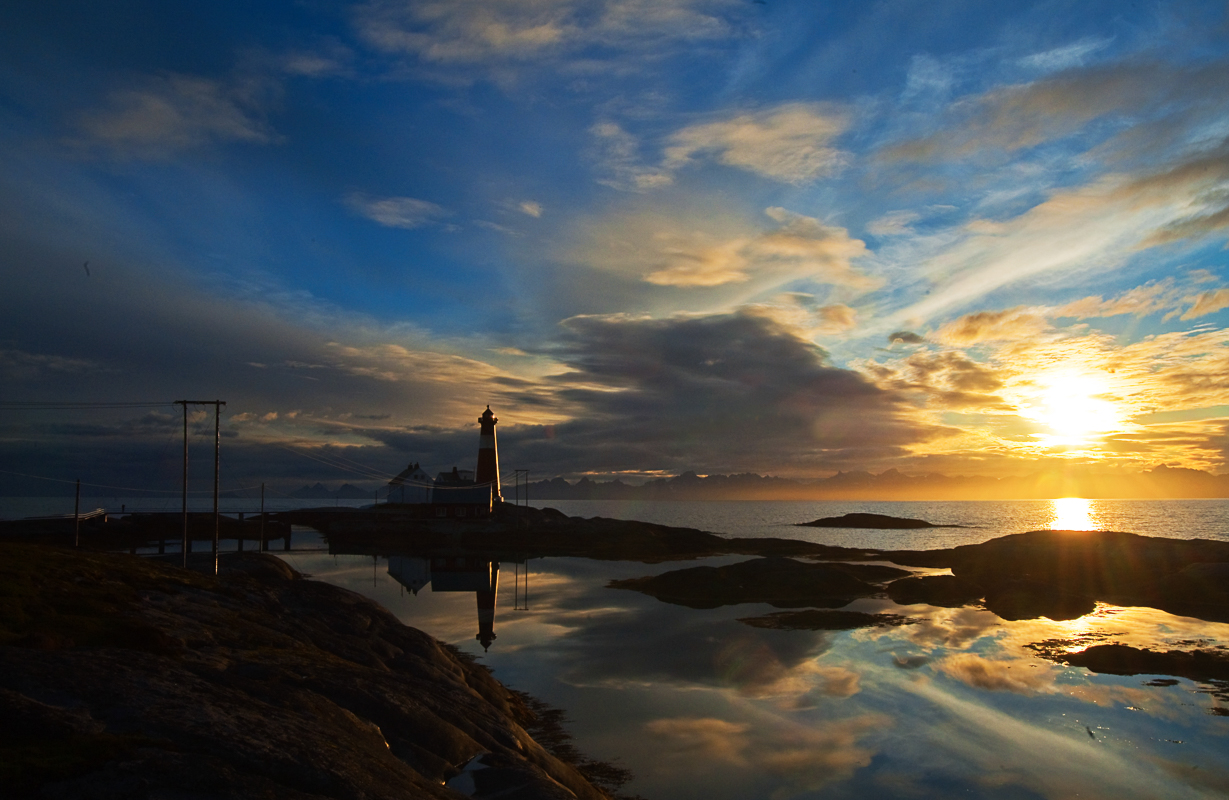
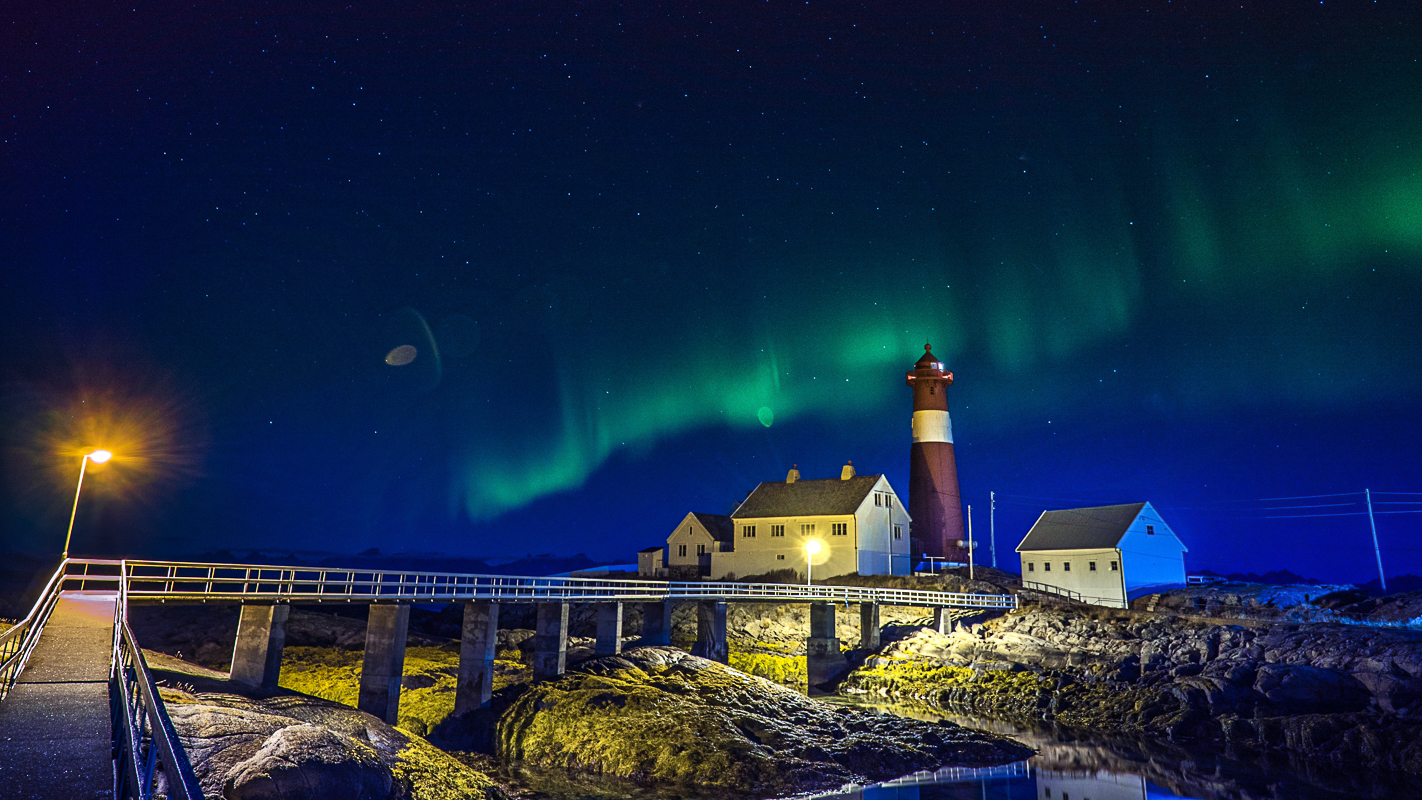
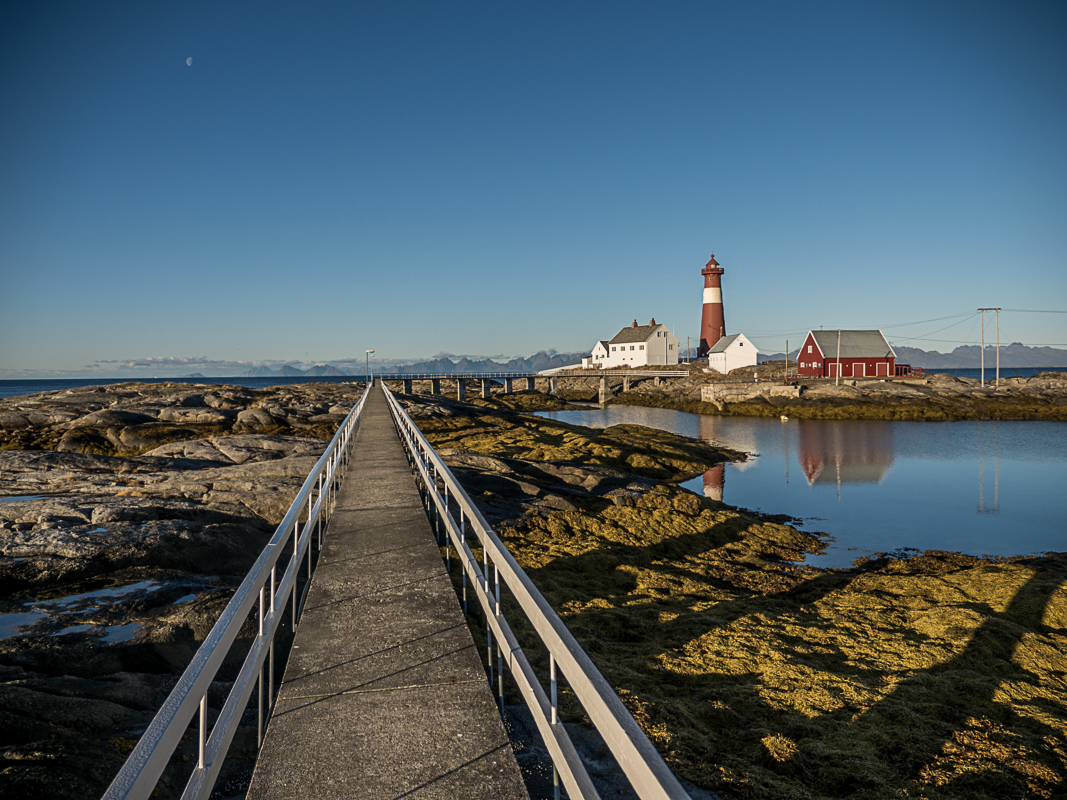
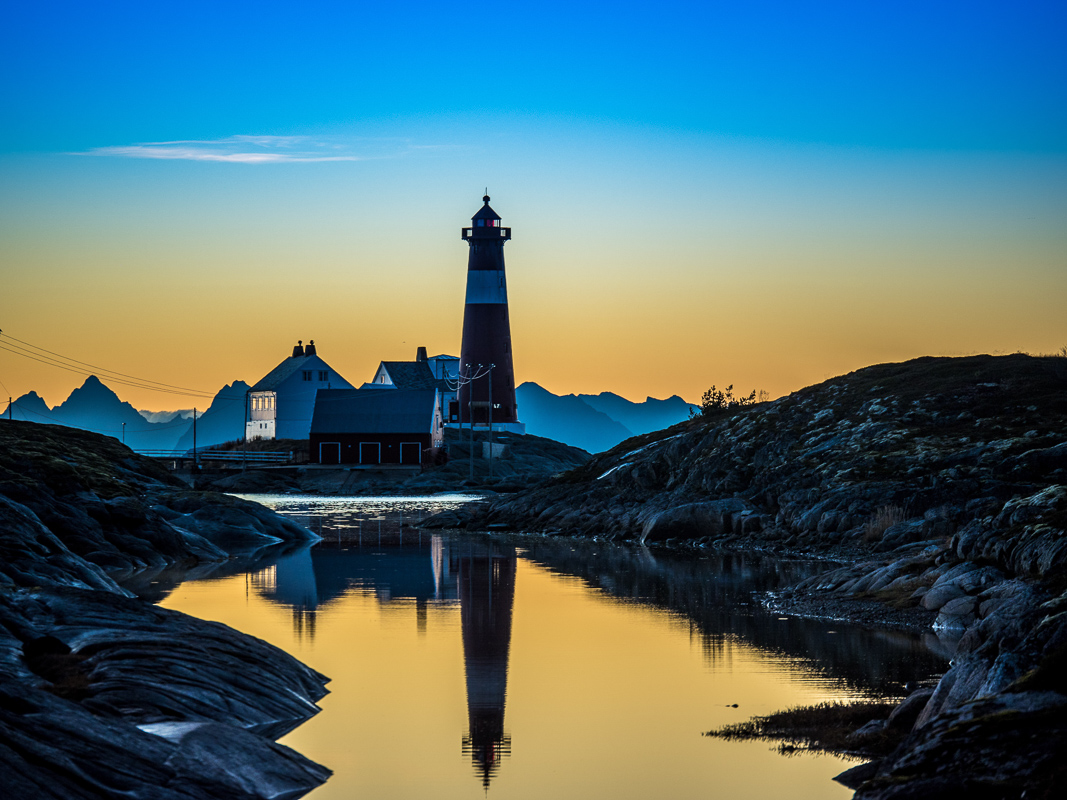
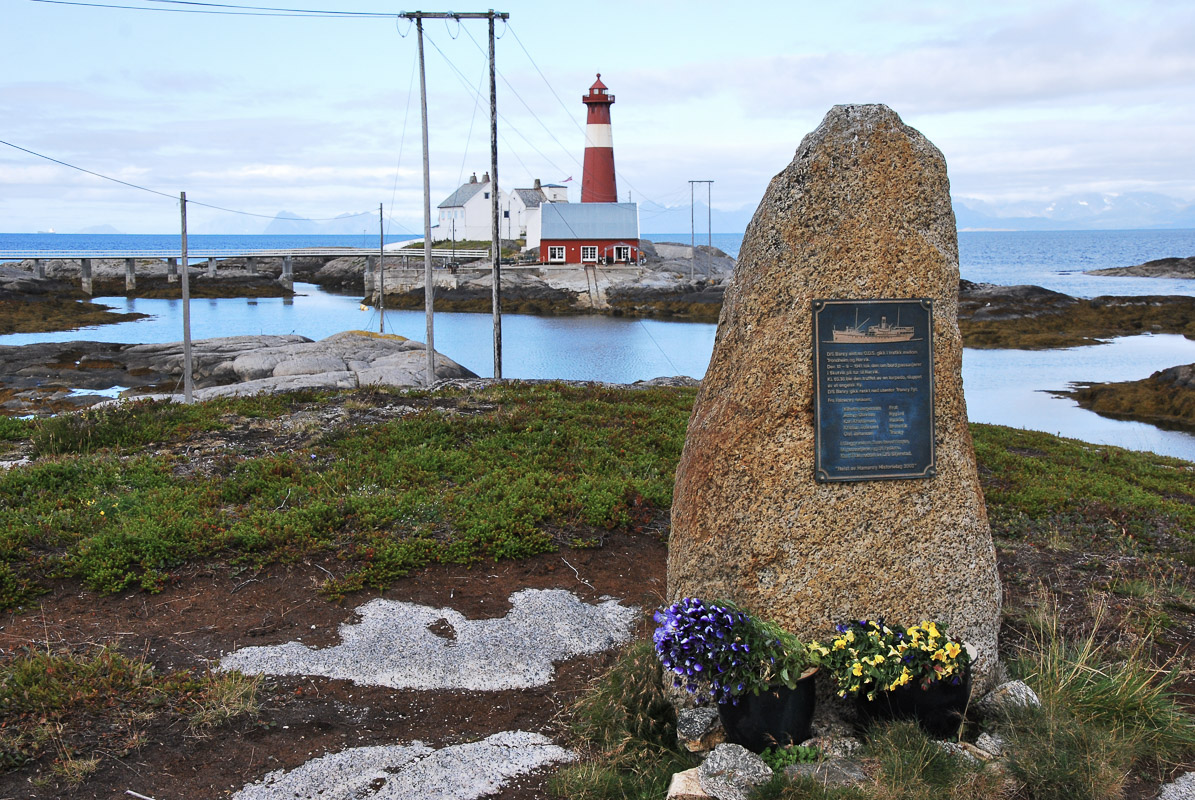
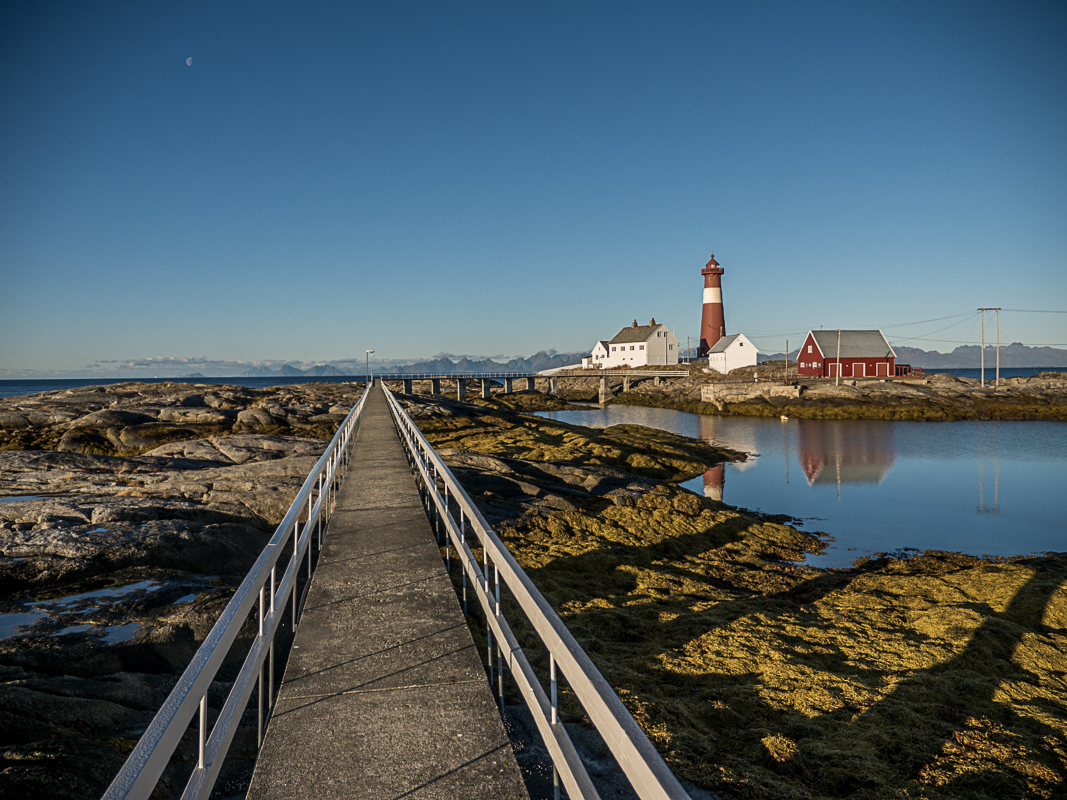
Tranøy fyr (Tranøy Lighthouse) stands outermost on the island of Hamarøy, facing the approach to the Vestfjord, where the iron ore shipments go to and from Narvik and further north. A red-and white-painted lighthouse towers above a cluster of white houses on a little islet. Reached by a ramp, a 250 metre-long footbridge, it is set amidst some hundreds of kilometres of Norway’s most dramatic coastal scenery.
The lighthouse has a dynamic history
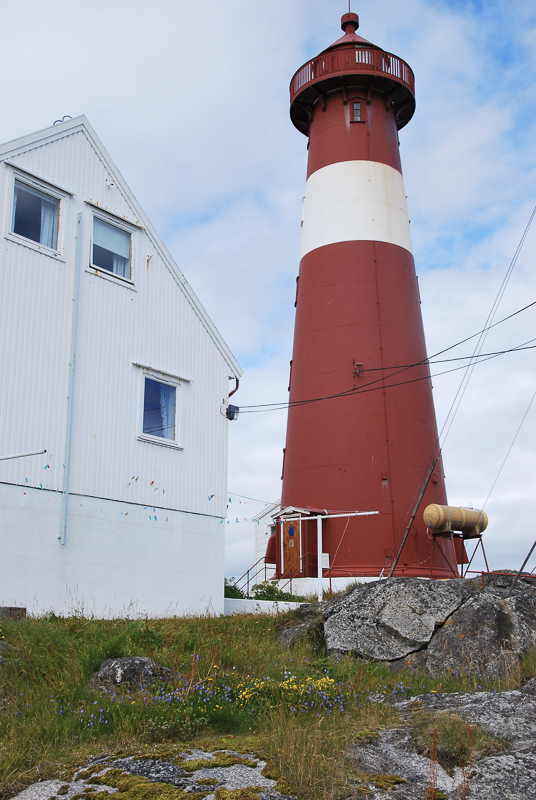
The Tranøy Light was first lit in 1864, when it was housed on the roof of what today is the old lighthouse keeper’s cottage. From then on, people lived permanently at the lighthouse. In 1910, a new lamp able to emit intermittent light signals was installed at Tranøy, which since then has emitted two lightning-quick flashes every 6 seconds. In 1936, the 20-metre high cast-iron lighthouse at Moholmen in the Lofoten Islands was moved to Tranøy, and the old lighthouse lamp was hoisted up into the tower. A foghorn was also mounted. A gradual programme of modernisation went on through the 1970s, and in 1994 the last resident lighthouse keeper left his watch.
Tranøy is set amongst rich nature
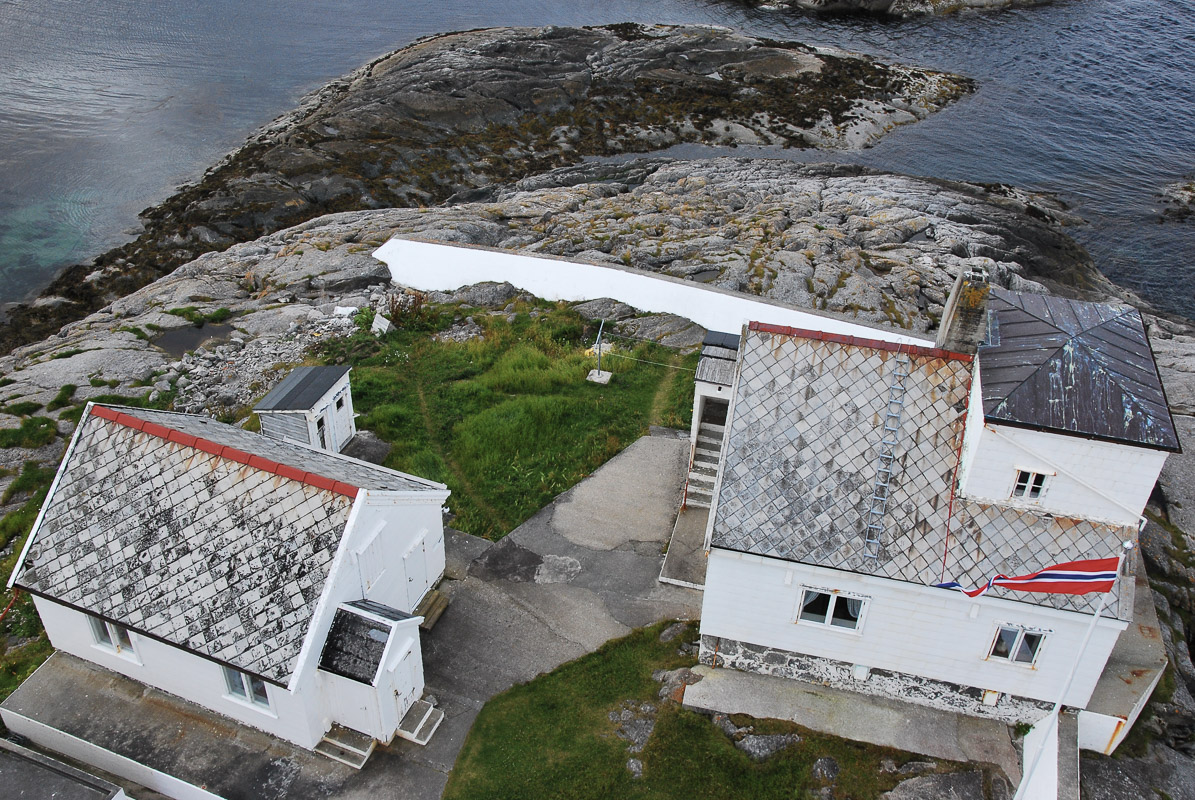
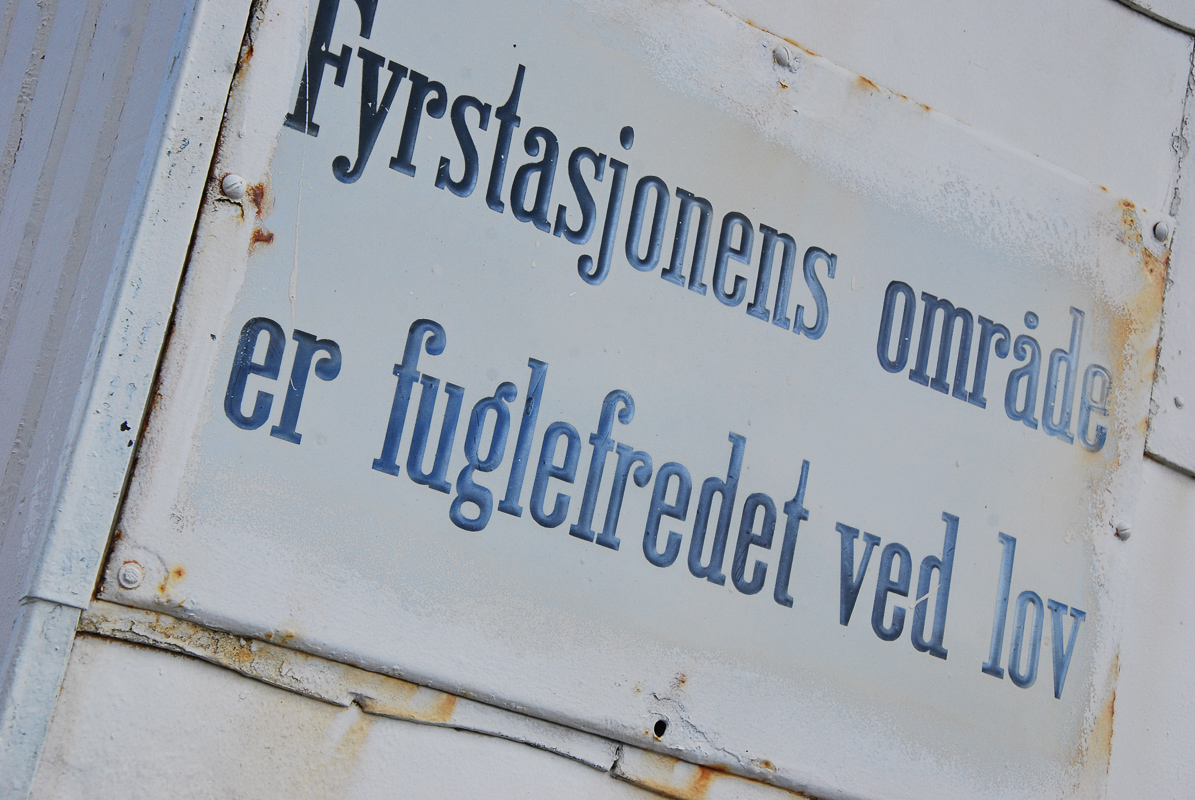
Eternit, that miracle cladding from the 1950s, covers most of the external walls of Tranøy Lighthouse. So you need to look a little more closely to see that some of the buildings actually date as far back as the 1860s, when the lighthouse was first built. A smattering of hardy rose bushes and a profusion of bluebells and bird’s-foot trefoil add colour to the scene. In early summer, terns protecting their young dive-bomb the heads of visitors, while the eider duck female has more of a phlegmatic relationship with people. Killer whales, Vestfjord whales (springer whales) and pilot whales can sometimes be seen in the sea right off the lighthouse.
Up in the tower automation took over manual labour
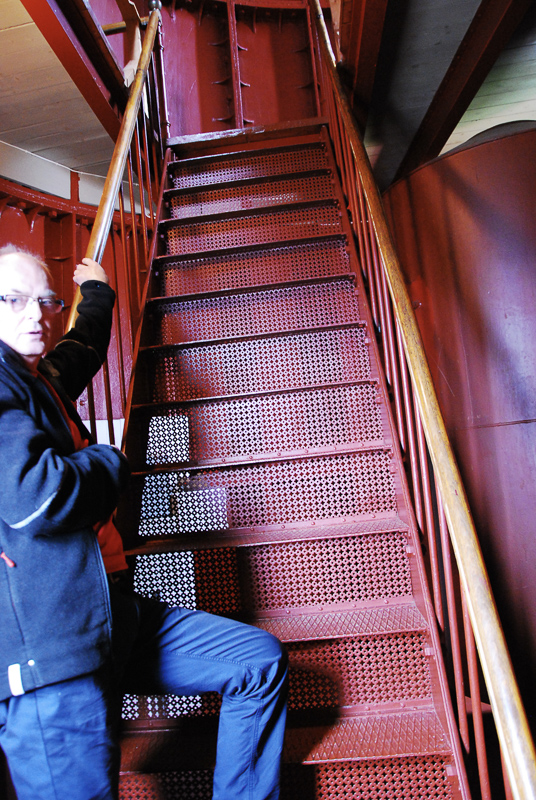
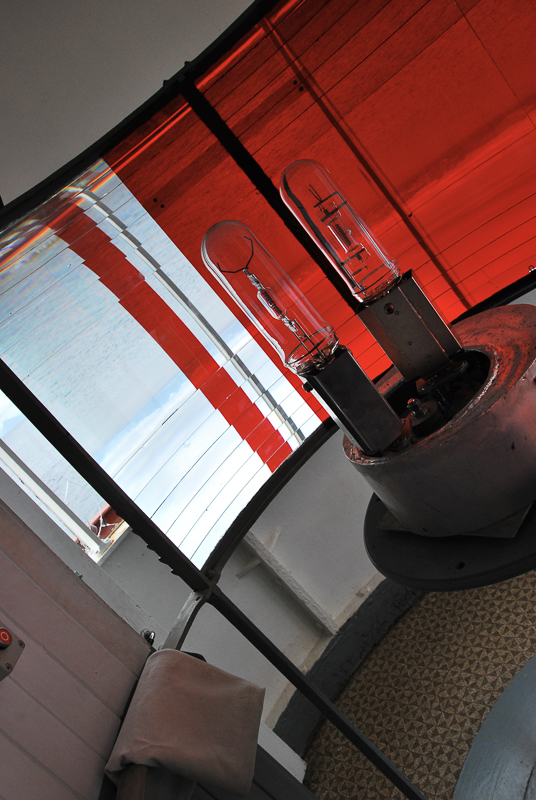
Tranøy Lighthouse still lights up the shipping lanes. But, as there is little need for a lighthouse on light summer days, there is opportunity for the present-day hosts to take visitors up inside the tower itself. Although there is not much of a working mechanism to be seen today, as the lighthouse is now automatic, you can see the extra bulb that replaces automatically if the bulb in the lamp should go out. It is this kind of automation that has made lighthouse keepers redundant. The waiting room beneath the actual lamp room is still there, and one can only imagine how cold it must have been waiting here for many hours when the icy inland wind blew in the winter. Perhaps that’s why the alcohol that was used to keep the lamp lit in the old days sometimes ran out?
See Værøy from the 360 degree balcony
The balcony that runs round the entire top of the lighthouse offers a fabulous 360-degree panoramic view: from here you can see the sculptural peaks on Hamarøy, the impressive Mount Steigartindan to the south, and the entire curtain of mountain peaks in the Lofoten Islands, known as the Lofoten Wall, out to the west. On clear days the far-flung islands of Mosken and Værøy are also visible. However, the first thing likely to catch your eye is Tranøy Lighthouse itself seen from above: the footbridge from the mainland, the buildings, the clear, transparent water, all of it underscoring just how far from all signs of settlement this spot is.
Learn about a lighthouse keeper’s life
Tranøy, like all other lighthouses along the coast, was home to a lighthouse keeper and his family. They reared sheep, a pig and a cow and did a bit of fishing. In the early summer there could be up to 300 eider duck females nesting everywhere, so all one need do was find one and one could help oneself to eggs. The lighthouse keeper’s children had a long way to get to school, walking 11 kilometres (nearly 7 miles miles) each way. They were quite happy to do this, though, as they missed the company of other children.
Staying at Tranøy Lighthouse
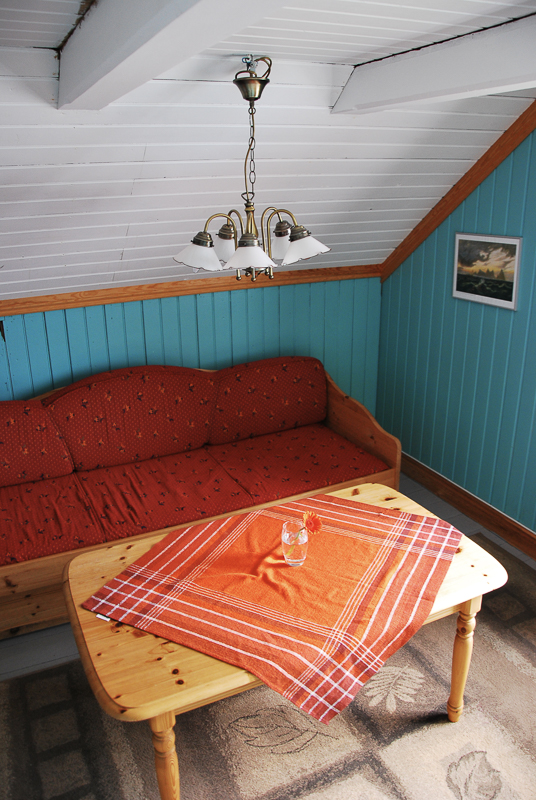
The guest accommodation at Tranøy Lighthouse is divided into small and large units: one-bed, two-bed and family units, with shared or separate bathrooms as appropriate. There are also a couple of kitchens for self-catering. The accommodation is only offered in summer, as it is too poorly insulated for winter use, nor is there a sufficient electricity or water supply for winter-time. Some guests simply take the opportunity to chill out completely and simply breathe in the fresh sea air, duck when the terns come diving, or share a cup of coffee with friendly hosts Inger and Villy. More energetic guests use Tranøy as a base for visiting the many sights and destinations on the road across from the E6.
Just like in Grandma’s day, the lighthouse retains a homely feel
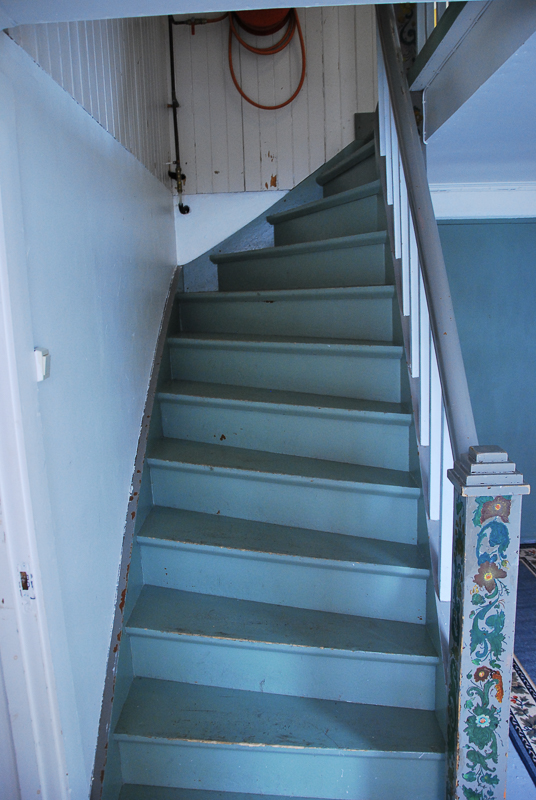
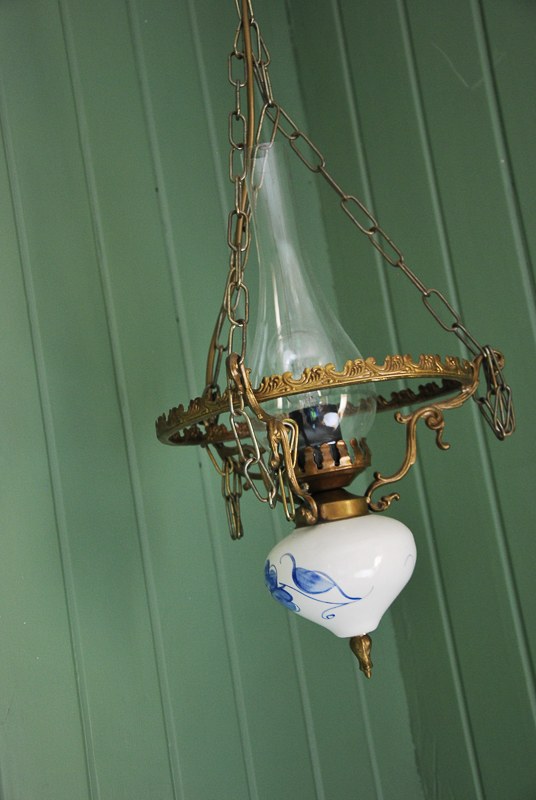
Looking round in the buildings, it struck me: this is just like it was in Grandma’s day. The slightly steep, painted wooden stairs, the brightly painted wood-panelled interiors, the kitchen cabinets with sliding doors, the plastic chairs; the old houses have been redecorated at various times during the 20th century, and it all looks rather provincial and outdated, just like it was in the days before we could allow ourselves the luxury of decorating an entire room in the same style. But its comforting familiarity and lack of sophistication make us feel quite at home; may the interior designers never get their hands on it!
Coffee and cake or dinner for two
The old, red-painted boathouse on the mainland side of the islet is where it all happens at Tranøy Lighthouse; this is where coffee is served and, in true country style, we enjoyed a slice of home-baked carrot cake. For the local people of Hamarøy, however, this is a favourite venue for dining, with a menu including salmon, bacalao and stockfish au gratin, with tasty meatballs in reserve. Guests return again and again – the best kind of reference any restaurant can have!